
Vehicle monitoring
An answer to the owner's main question: what are my vehicles doing right now and what are they costing me. From the cars of a corporate fleet to long-haul tractor units and plant and heavy equipment. What data you get depends on the configuration: a basic tracker shows the route and the stops, the CAN bus gives fuel use and engine revs, a level sensor shows refuelling and fuel drains.
Vehicle monitoring in the realities of Azerbaijani business
A fleet owner usually arrives with one of three questions: where the fuel is going, why the vehicles are standing idle, and which of the drivers is running jobs on the side. Monitoring helps to answer them with figures: where the vehicle has been, how long the engine ran, how much it burned, who was at the wheel. That becomes possible on condition that the equipment is matched to the class of vehicle and that someone opens the reports regularly.
Many large customers — oil and gas companies and their contractors, distributors, hauliers on international routes — require vehicle monitoring of their contractors outright. What data they want differs from one to another, so it is worth establishing that before the equipment is chosen. The Wialon platform brings cars, tractor units and plant and heavy equipment together in one account, whatever the size of the fleet.
For heat of up to +45…+50 °C in summer and snow on the mountain passes in winter we choose equipment with a suitable operating temperature range and mount it where it will not overheat. The warranty terms for the equipment and the fitting are set out on the tracker fitting page.
What do we monitor?
Solutions for every type of vehicle
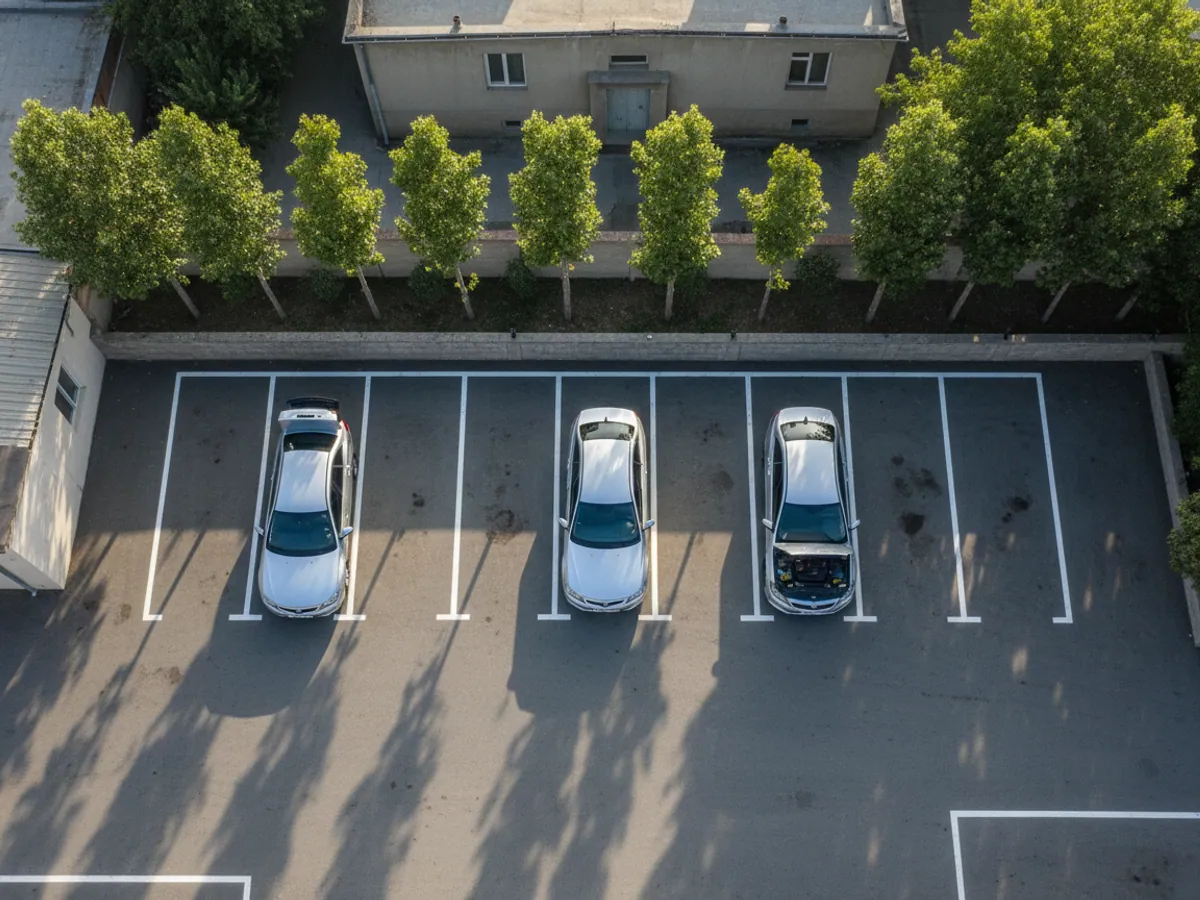
Passenger
cars
Corporate fleets, taxis, car sharing and directors' own cars. Fuel, route and driving style monitoring over the CAN bus or OBD-II, with offences and fines tied automatically to the particular driver.
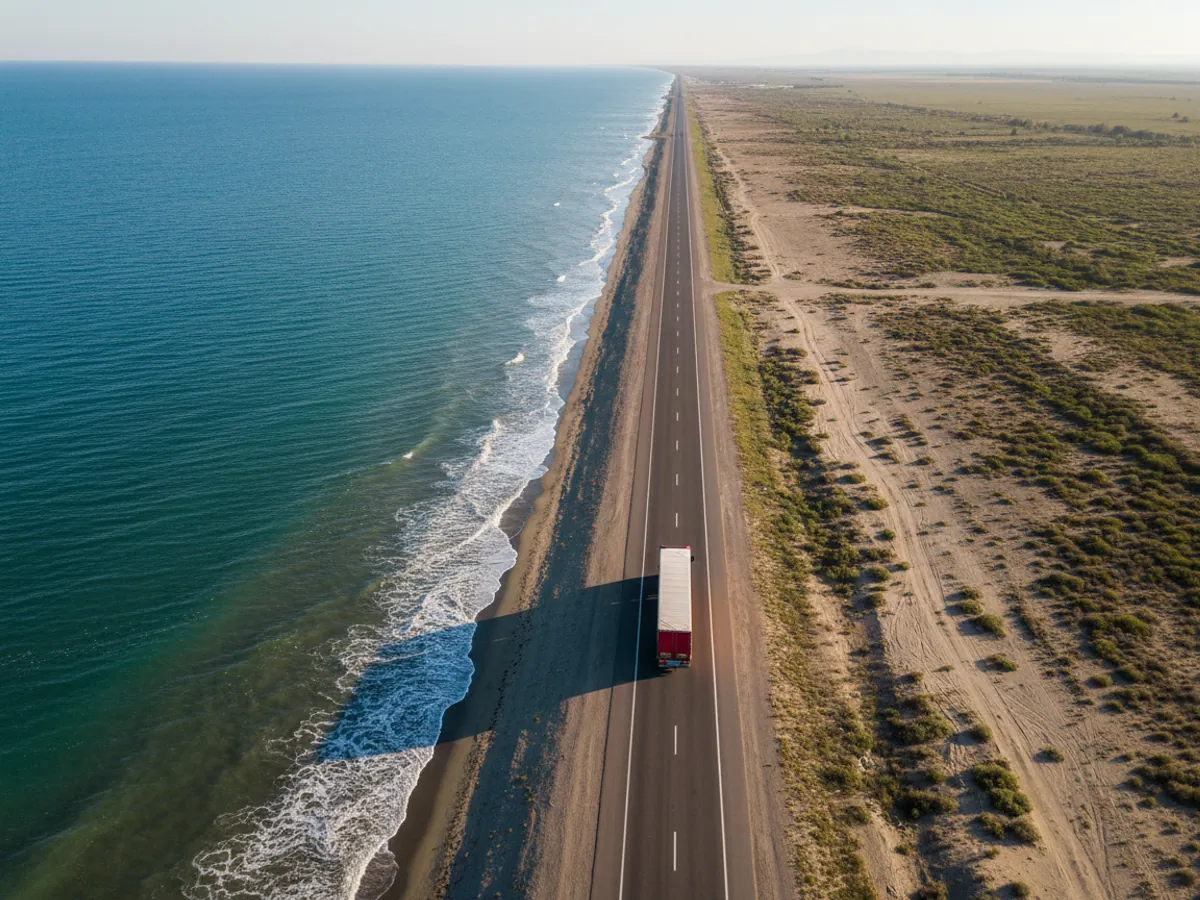
Lorries and
tractor units
Long-haul and regional runs from the ports of Baku and Alat to the CIS countries, Turkey and Iran. The full set of equipment: CAN bus, fuel level sensors, an AETR tachograph and iButton driver identification.
Plant and equipment
on site
Bulldozers, excavators, concrete mixers, cranes and loaders on construction, quarry and oil and gas sites. Precise accounting of engine hours, PTO work and fuel and lubricants, with depreciation worked out from the running time actually recorded.

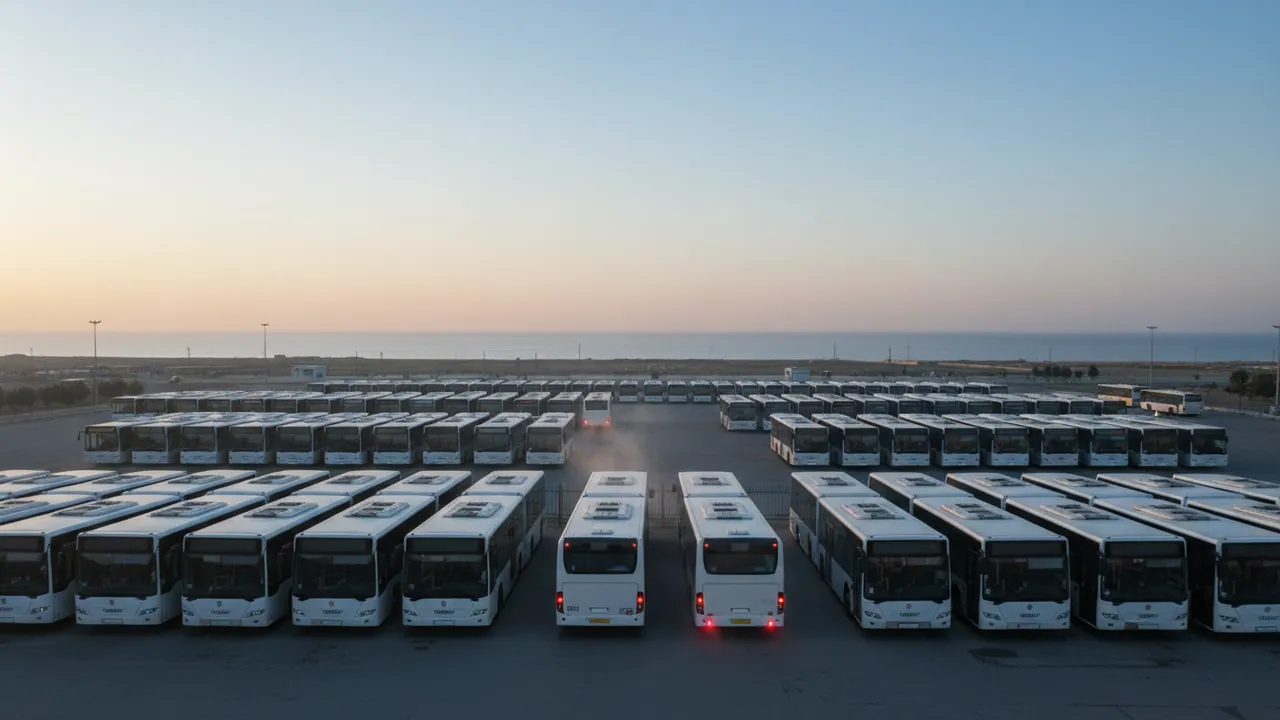
Buses
and taxis
BakuBus city buses, intercity runs and minibuses in the regions. Keeping to the timetable and to the scheduled stops, plus AI video monitoring with ADAS to watch for driver fatigue and dangerous manoeuvres.
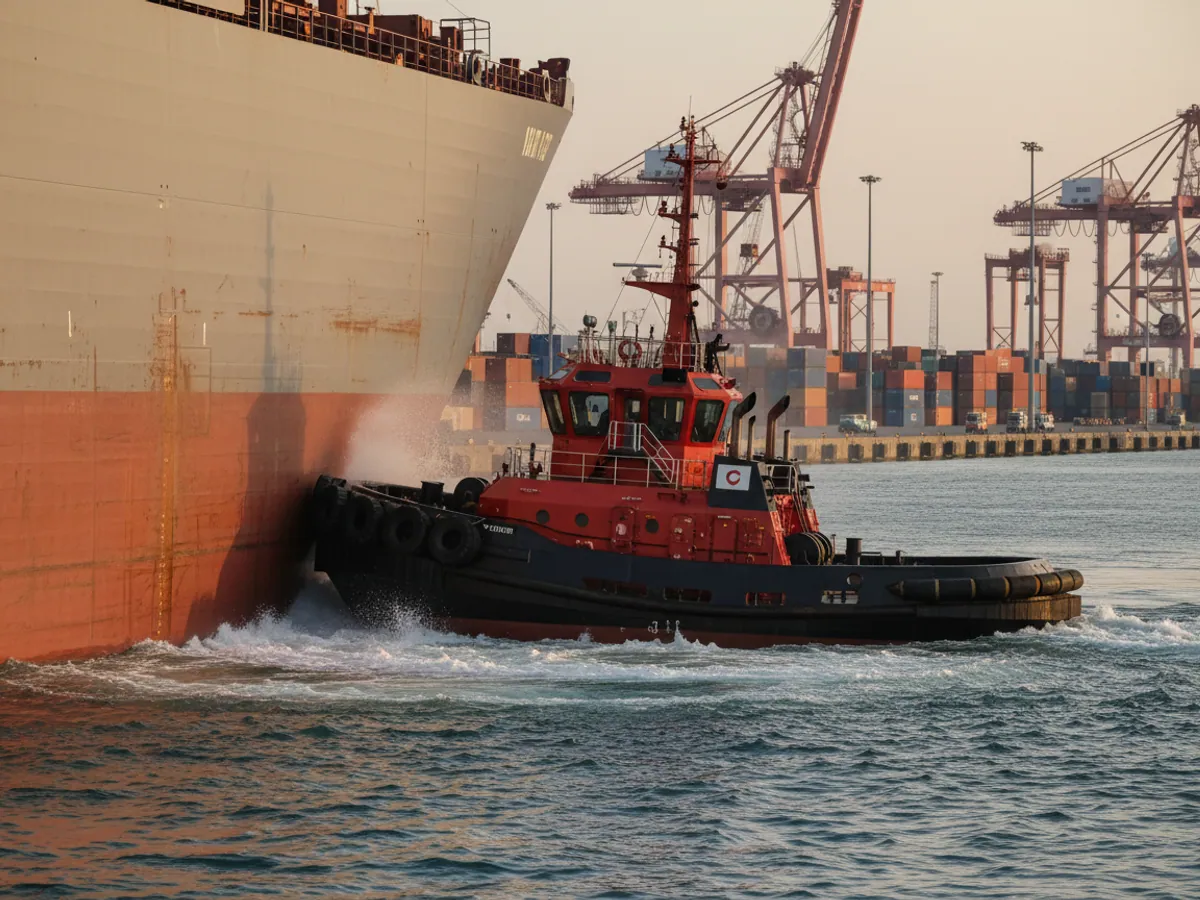
Sea and
river transport
The Caspian fleet, harbour tugs and inland waterway vessels. Self-powered trackers with a battery life of up to 5 years, which depends on the reporting interval and the channel used, reporting over GSM in the coastal zone or through a satellite channel out in open water.
Key capabilities
Fuel monitoring
A fuel level sensor in the tank, once calibrated, shows refuelling and fuel drains. The vehicle's own CAN data is fine for average consumption, but the level it reports is coarse, and drains cannot be traced by it. On our projects fuel and lubricants usually come down by 15-25%: through drains that come to light, less idling to warm up, and shorter routes.
Driving style
An Eco-Driving rating for drivers based on harsh acceleration, braking, cornering and speeding. Accidents down by up to 40%, and less wear on the engine, the tyres and the braking system, through a culture of safe driving.
Routes and geofences
Monitoring for departures outside the approved transport corridors and for visits to prohibited areas. Automatic alerts to the dispatcher and push notifications to the manager when a vehicle is off its route for longer than 5 minutes.
Driver identification
Identification by iButton, RFID card or biometrics before the engine starts. A record of overtime, compliance with driving and rest hours, and offences and fines from the State Traffic Police tied precisely to one person in mixed fleets.
How much equipment one vehicle needs
More often than not customers either overpay for sensors they do not need or, the other way round, fit a bare tracker where fuel monitoring is what is wanted. We divide the equipment into three levels.
Tracker and power
Company cars, pickups, delivery vans
A compact tracker such as the Teltonika FMC920 is wired to the power and the ignition in 30–40 minutes. That is enough to see the route, the stops, speeding and departures from geofences. This set will not show you fuel use — only a calculated figure against the standard rate.
FMC920 trackerTracker and CAN bus
Vehicles built after 2010, buses, modern tractor units
An FMC130 with a CAN adapter, or an FMC650 with CAN built in, reads the on-board computer: odometer mileage, fuel use and fuel level, engine revs, engine temperature, fault codes. We connect to the bus through a contactless reader and do not cut the wiring. The fuel level from CAN is coarse: it is enough for average consumption, but catching fuel drains calls for a fuel level sensor. On older machines with no CAN bus this option will not work — there a fuel level sensor is needed.
CAN adapterTracker, fuel level sensor and driver ID
Lorries, tippers, plant and heavy equipment
When fuel is the largest line of expenditure, an Escort level sensor (TD-10R or TD-600) goes into the tank and is calibrated, and the driver presents an iButton key or a card before the shift. A drain is then visible on the level graph (the detection threshold depends on the tank and on the filtering settings) and is tied to a particular person rather than to vehicle number 14.
Escort TD-10R fuel level sensorWithin one fleet the levels mix quite happily: the managers' cars are fine with the first, the tippers need the third. If drivers change often, add driver identification at any level.
Vehicle classes and typical configurations
The same task of fuel monitoring is solved differently on a car, on a tractor unit and on an excavator. Below is where we usually start the selection. It is a guide, not a price list: the result depends on the year of manufacture, on whether there is CAN, and on what exactly you want to know.
| Class | The main question | Usual configuration | Limitation |
|---|---|---|---|
| Company cars | Private trips, mileage, driving style | Tracker on power and ignition, plus a driver key where the task calls for it | Fuel use is calculated only, against the standard rate |
| Delivery vans | Route, late arrivals, idle time at customers | Tracker, geofences on the delivery points, CAN where required | Without CAN or a fuel level sensor, drains are invisible |
| Tractor units and lorries | Fuel, idling, driving hours | Tracker with CAN, fuel level sensor, driver identification, tachograph where the task calls for it | The CAN level is coarse; drains need a fuel level sensor |
| Plant and heavy equipment | Engine hours, attachment work, idle time | Tracker, unit operation sensor, fuel level sensor | Non-standard electrics, fitting is harder |
| Buses | Timetable, stops, safety | Tracker with CAN, a video terminal where the task calls for it | Video calls for its own data allowance and storage |
A word on gas. Part of the commercial fleet in Azerbaijan runs on CNG or LPG. A standard fuel level sensor for diesel and petrol does not suit gas cylinders, so for those vehicles fuel accounting is discussed separately — from CAN data, if there is any, or from refuelling records.
Data on trips, fuel and drivers can be passed into 1C, an ERP or a fuel card accounting system through the Wialon API — the scale of such an integration we assess against your own system.
Integration with accounting systems and fuel card services is done through the API on a per-project basis and takes manual data entry away from the accounts department. Reports are produced in a form suitable for bookkeeping and tax accounting.
How we bring a fleet onto the system
From the first call to the first conclusions about fuel takes 3–5 weeks. Most of that time is not the fitting but the work with the data.
The vehicle list
You send us the makes, the years of manufacture, the fuel type and what hurts right now: fuel, late arrivals, unauthorised runs. From that list we can see straight away where there is CAN and where a fuel level sensor will be needed.
A pilot on 3–5 vehicles
We fit the equipment to the most troublesome vehicles. Two weeks of running is usually enough to see the real picture and to decide whether the full set is needed across the fleet.
Fitting to a schedule
We do not take vehicles off the road: we fit in the evening, at weekends or between runs. In Baku that is at our premises or in your own garage; for the regions a team travels out.
Setting up Wialon
We create geofences for depots and sites, consumption norms, and notifications to Telegram or email. We hand over accounts for the dispatcher, the garage manager and the head of the company at go.gps.az.
Going through the first month
After a month we sit down with the garage manager over the reports: where the drains are, where the idling is, which drivers are running jobs on the side. This is usually the stage at which a real savings figure appears.
What the owner learns in the very first week
A typical story. A company Hyundai Tucson is assigned to the sales department and, according to the waybill, went to see a customer in Sumgait on the Friday. The track shows it leaving Baku at 16:40, the M-1 road, a night outside a house in Guba and a return on Monday morning. 480 km and a full tank at the company's expense.
Nobody set out to catch anyone. The report on trips outside working hours simply arrived by email on the Monday.
With lorries the picture is different: there it is idling that surfaces in the first week. A driver stands for two hours waiting to unload at a warehouse in Binagadi with the engine running, because in summer the cab reaches +50 °C. Idle consumption on a tractor unit is appreciable, and over a month it adds up to hundreds of litres per vehicle. This is not theft but habit, and it is settled by a conversation rather than by a fine. What to do next with figures like these we go through in detail on the fleet cost accounting page.
Honestly about what the system will not do: it will not replace the garage manager. A tracker shows where the vehicle is and how much it burned, but the decision on a bonus, a penalty or a change of driver is made by a person. Fleets where nobody opens the reports save almost nothing after six months.
The best equipment for a fleet
Direct supply from Teltonika and Queclink
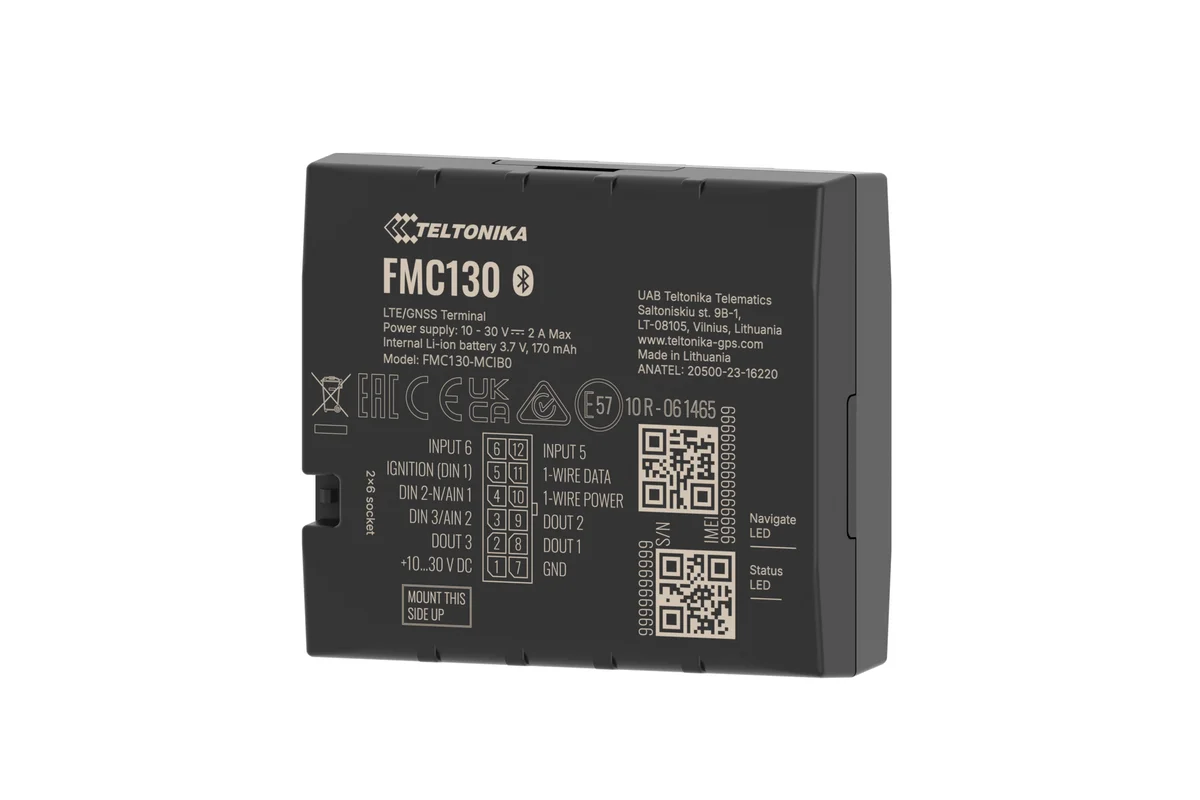
Teltonika FMC130
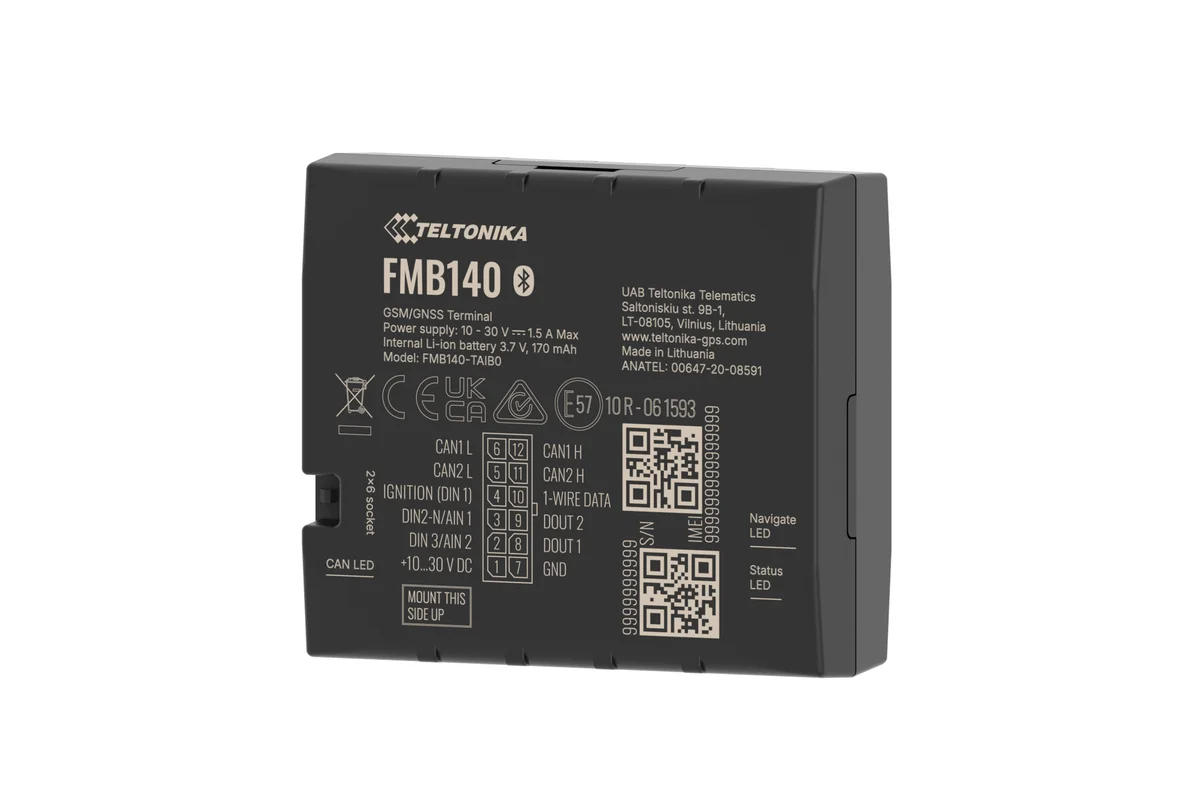
Teltonika FMB140
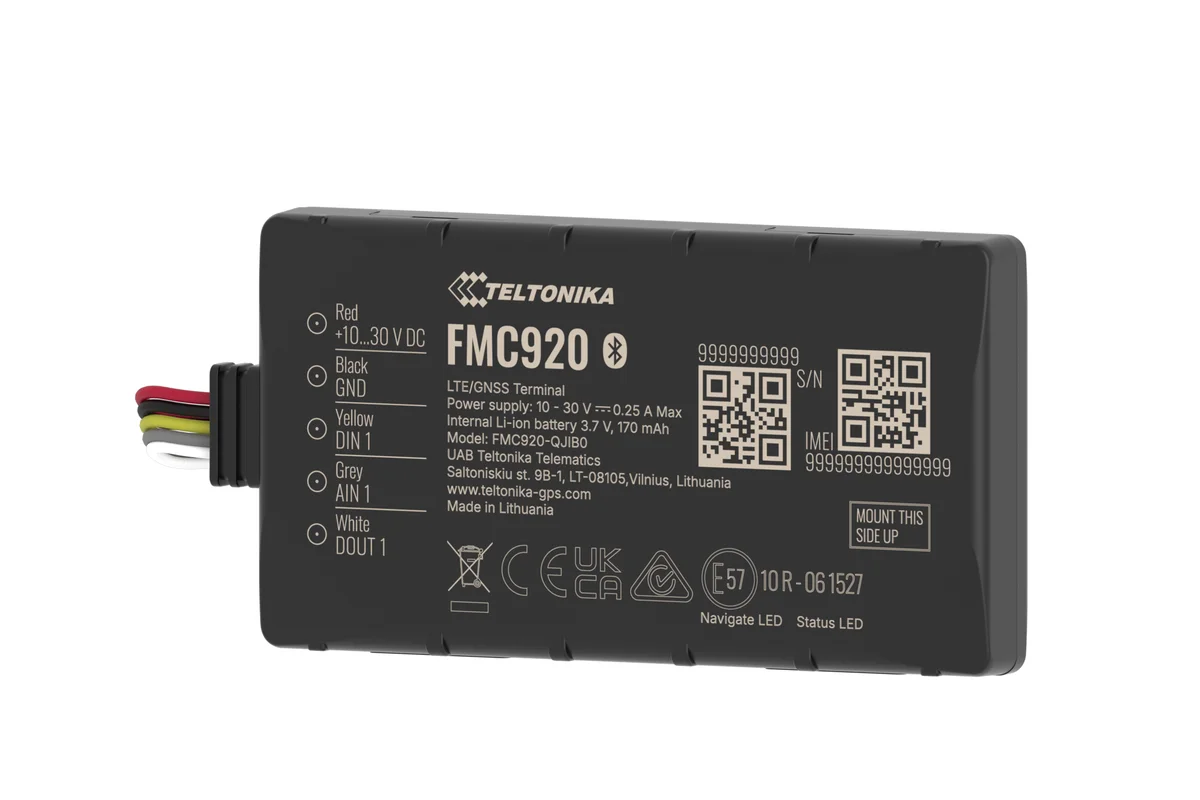
Teltonika FMC920
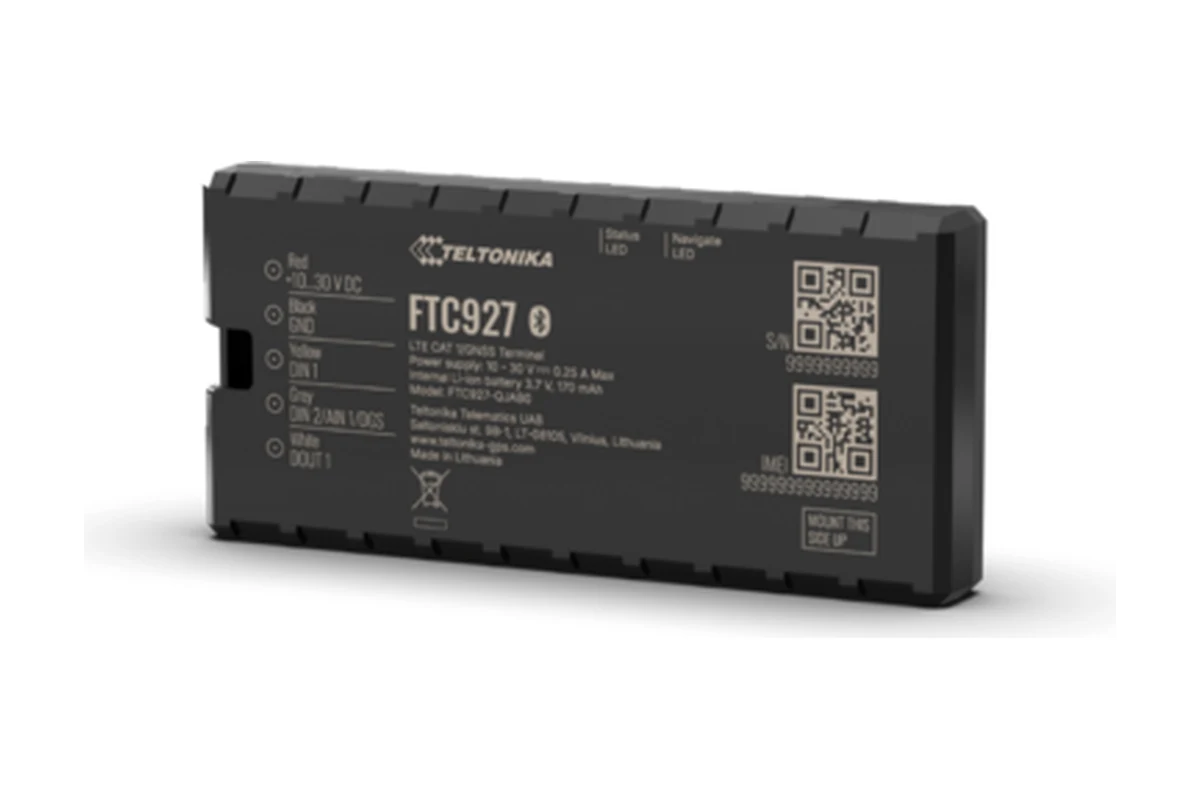
Teltonika FTC927
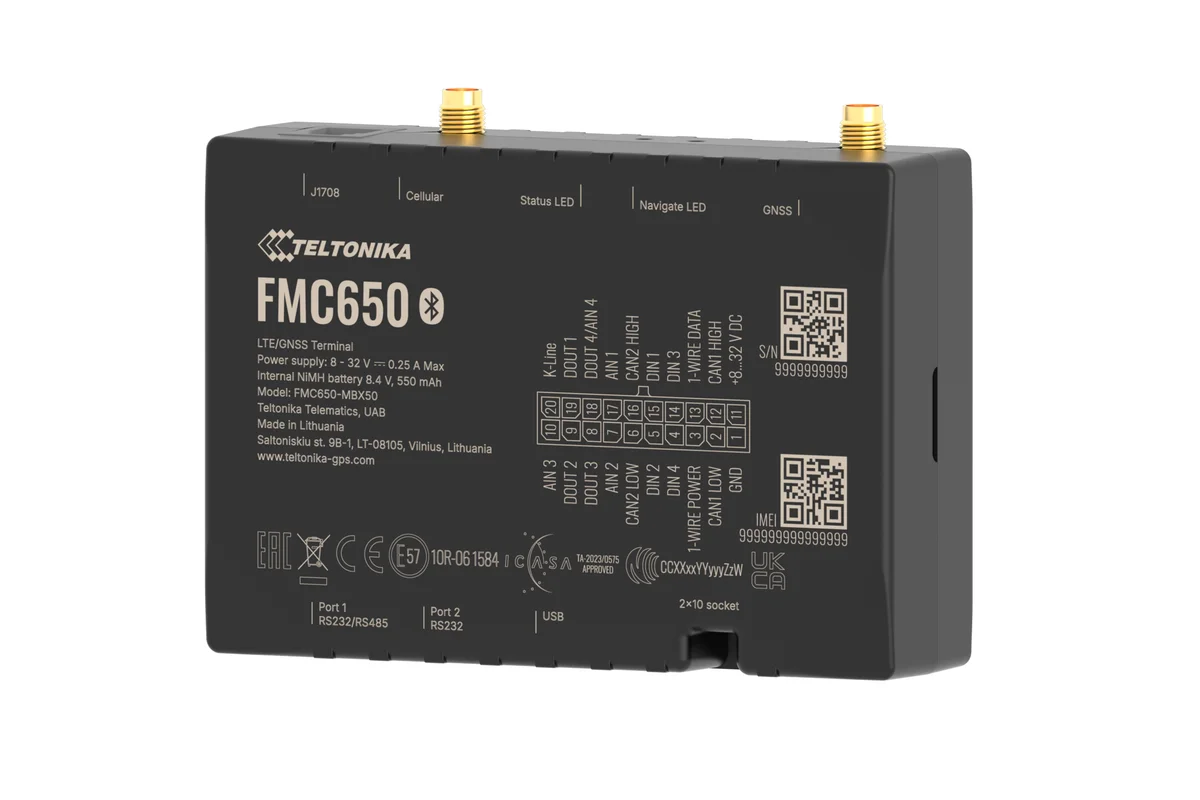
Teltonika FMC650
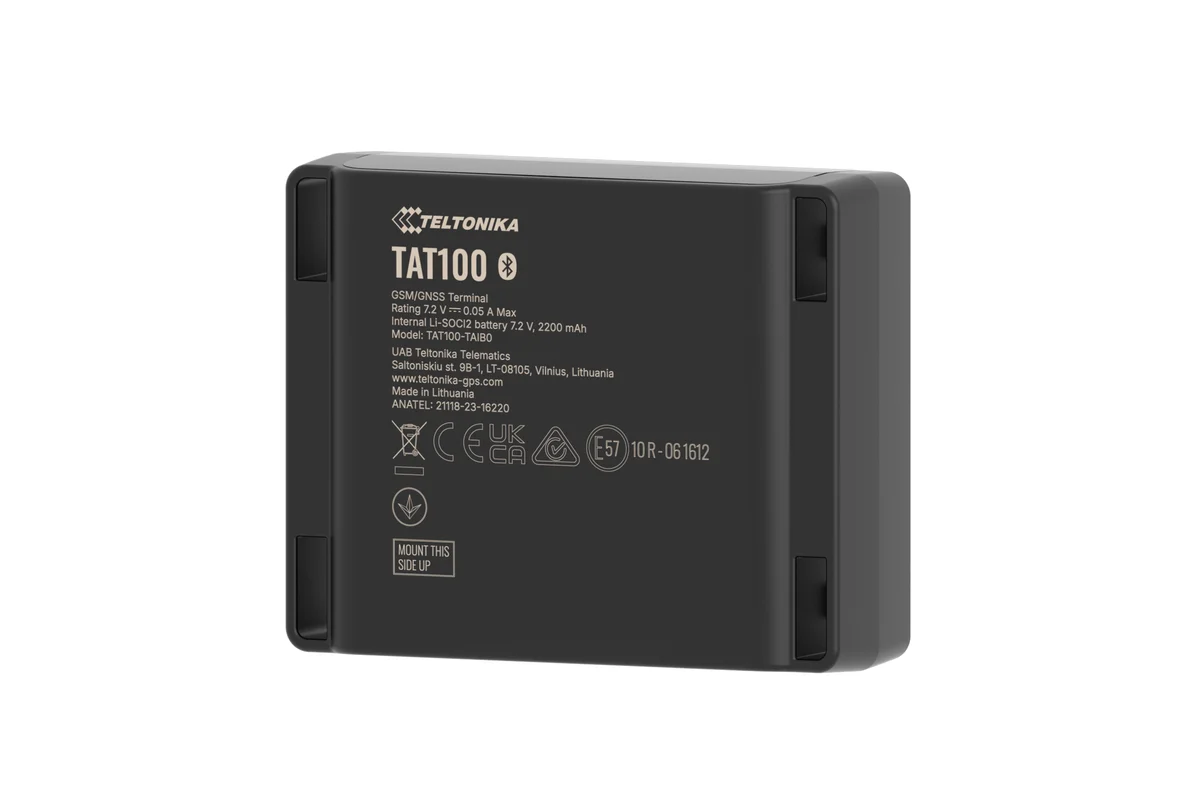
Teltonika TAT100

Teltonika GH5200
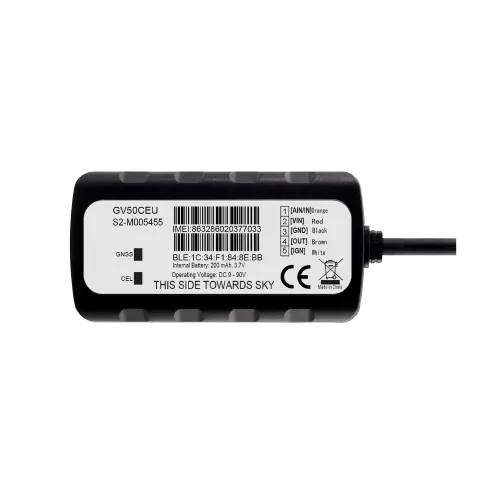
Queclink GV50
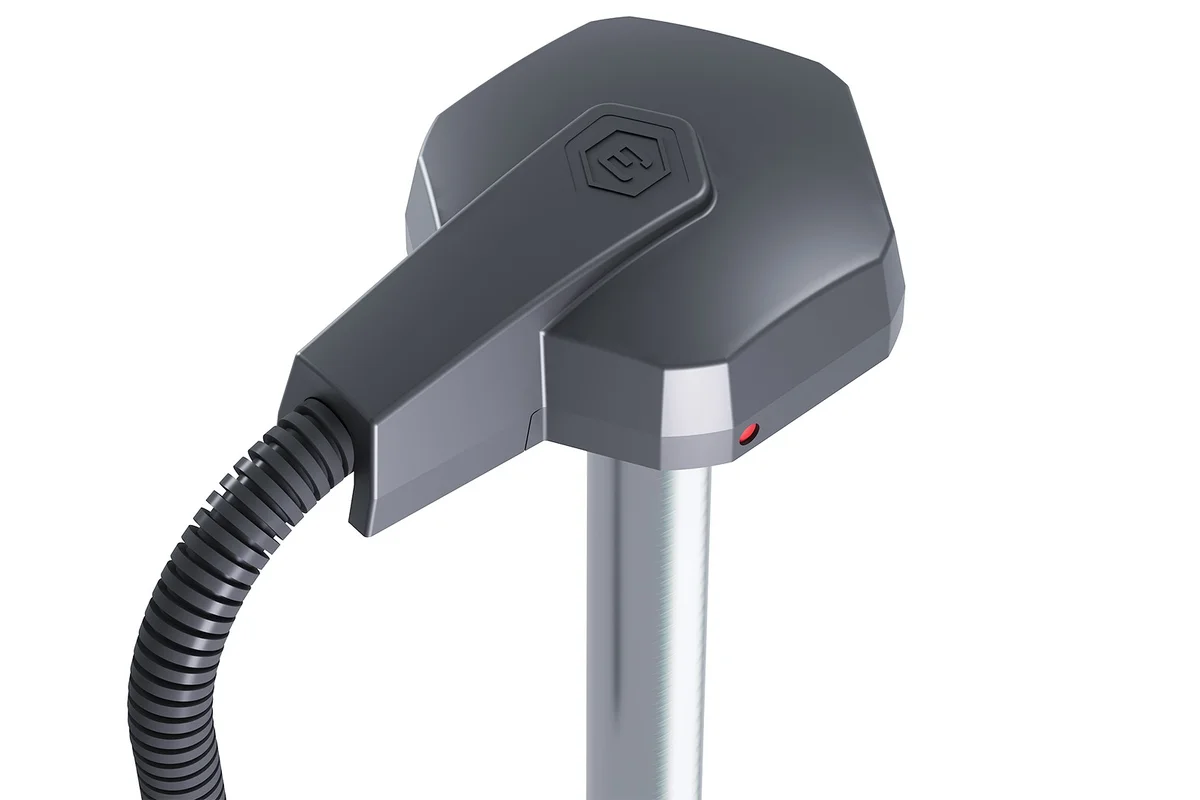
Escort TD-600
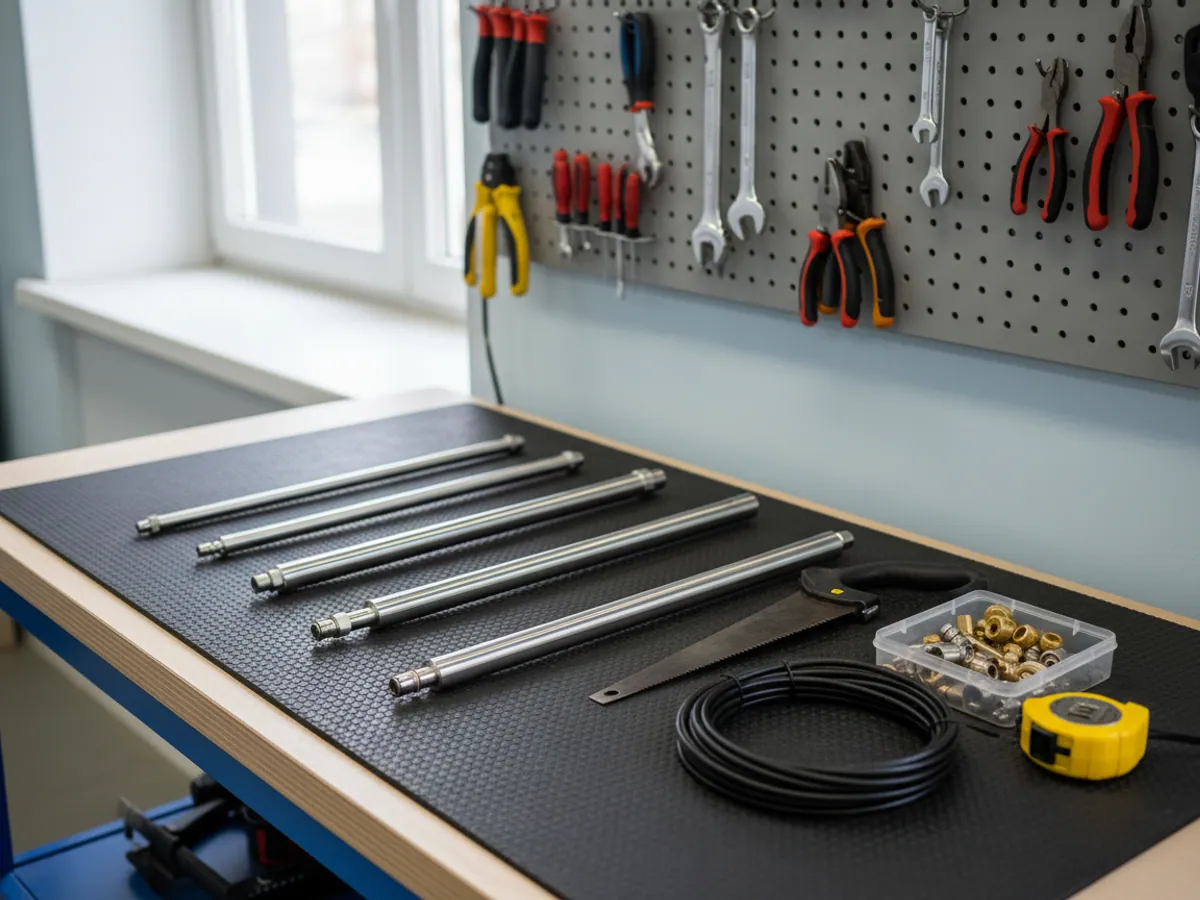
Escort TD-10R
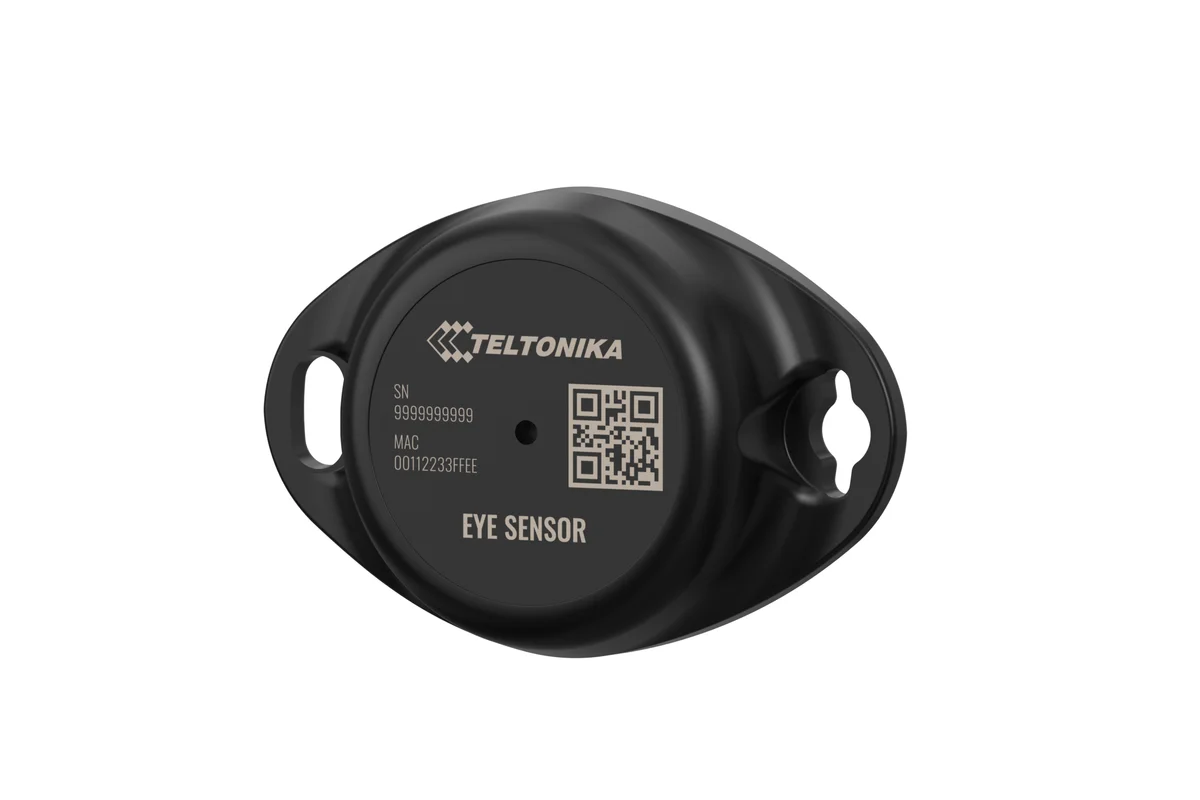
Teltonika EYE Sensor
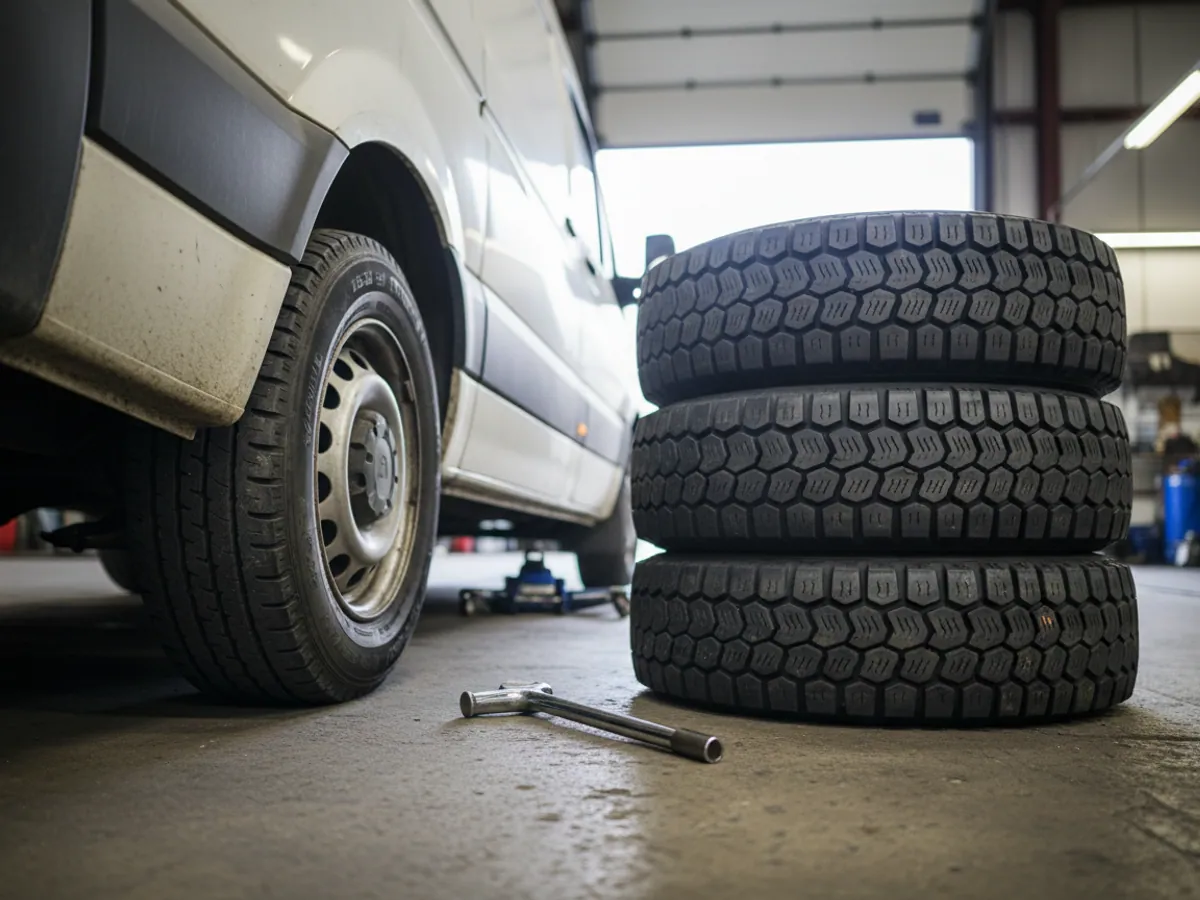
BLE TPMS
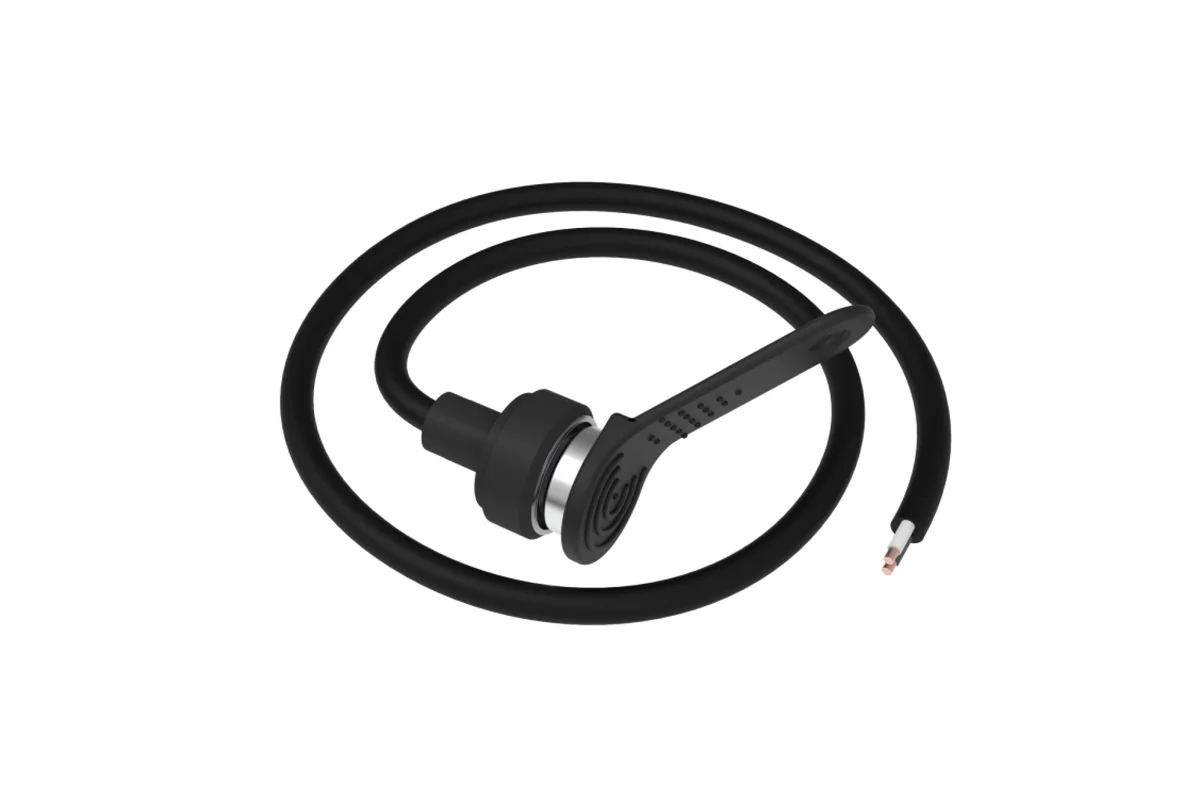
Driver identification
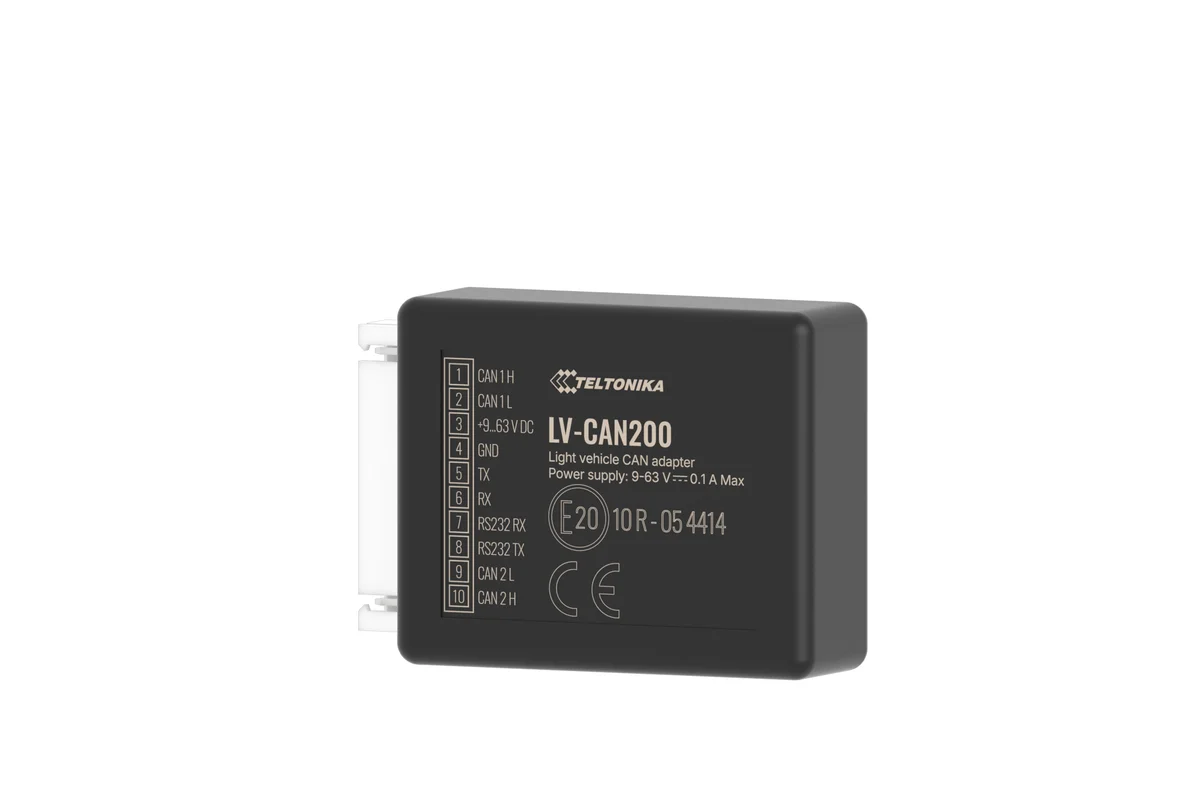
CAN adapter
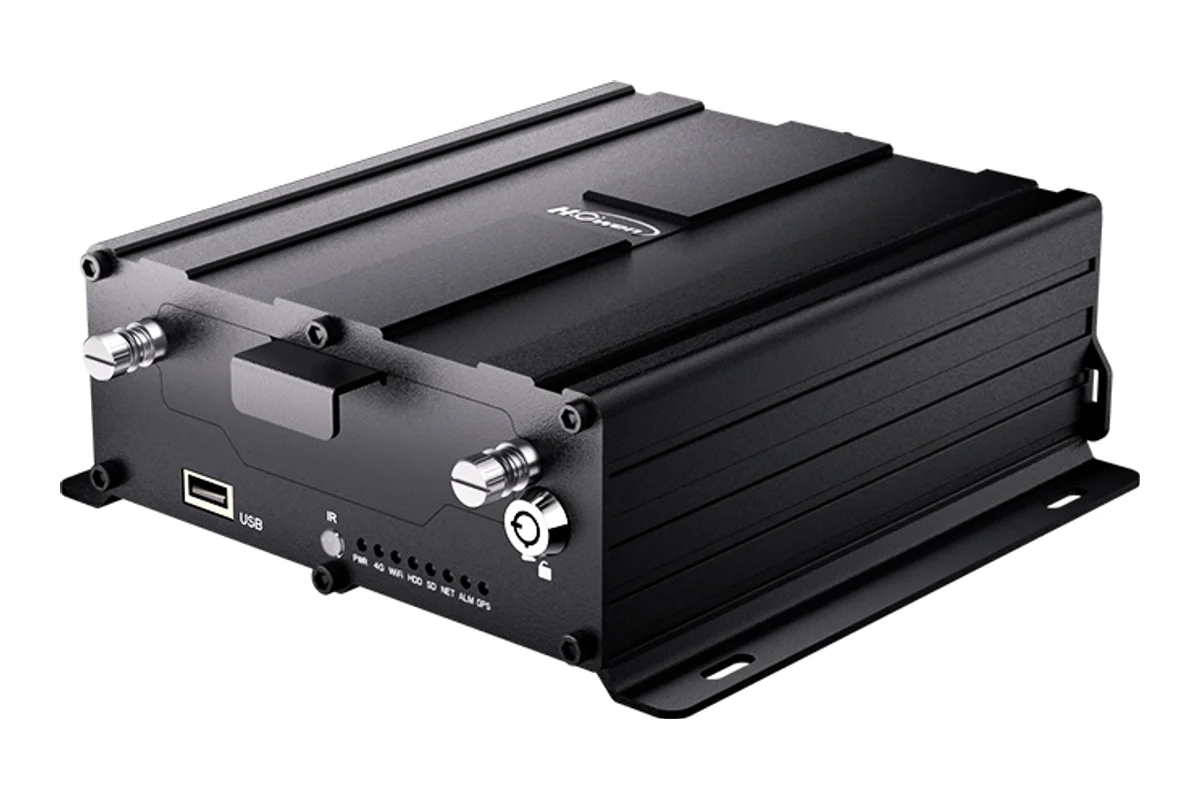
Howen Hero MDVR
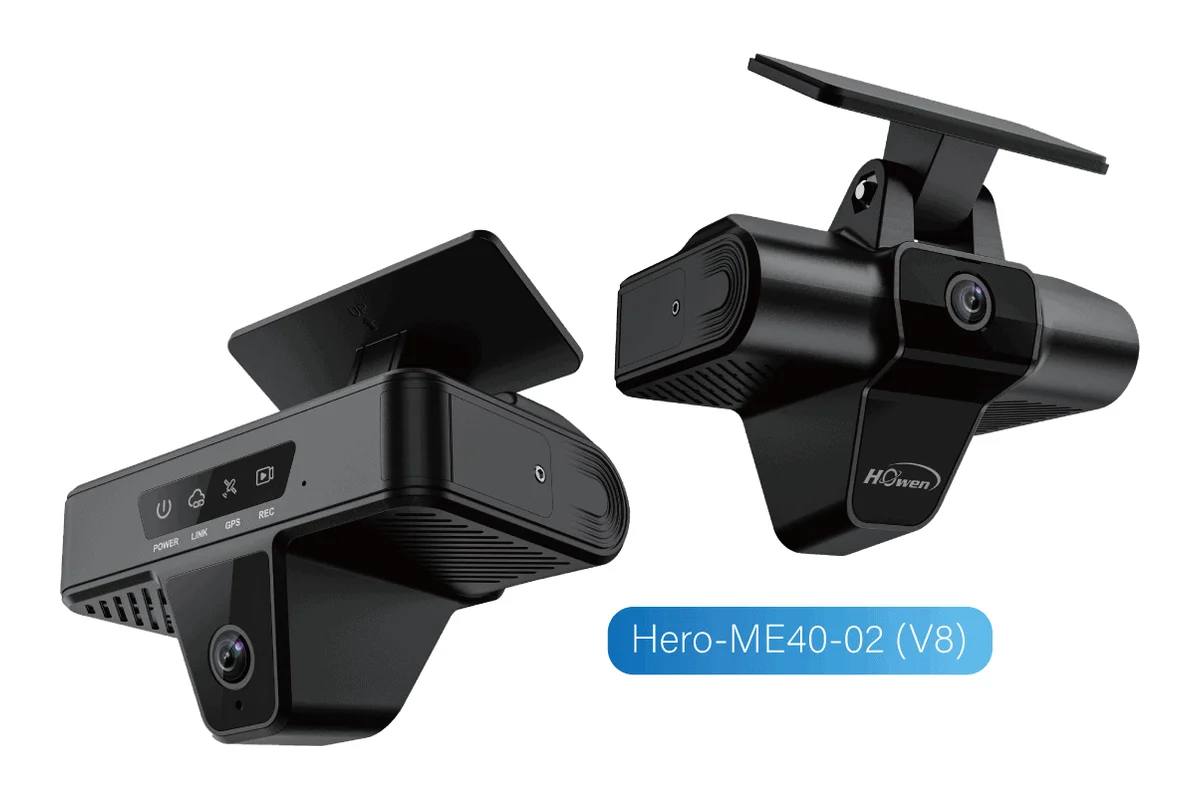
Howen V8 AI Dashcam
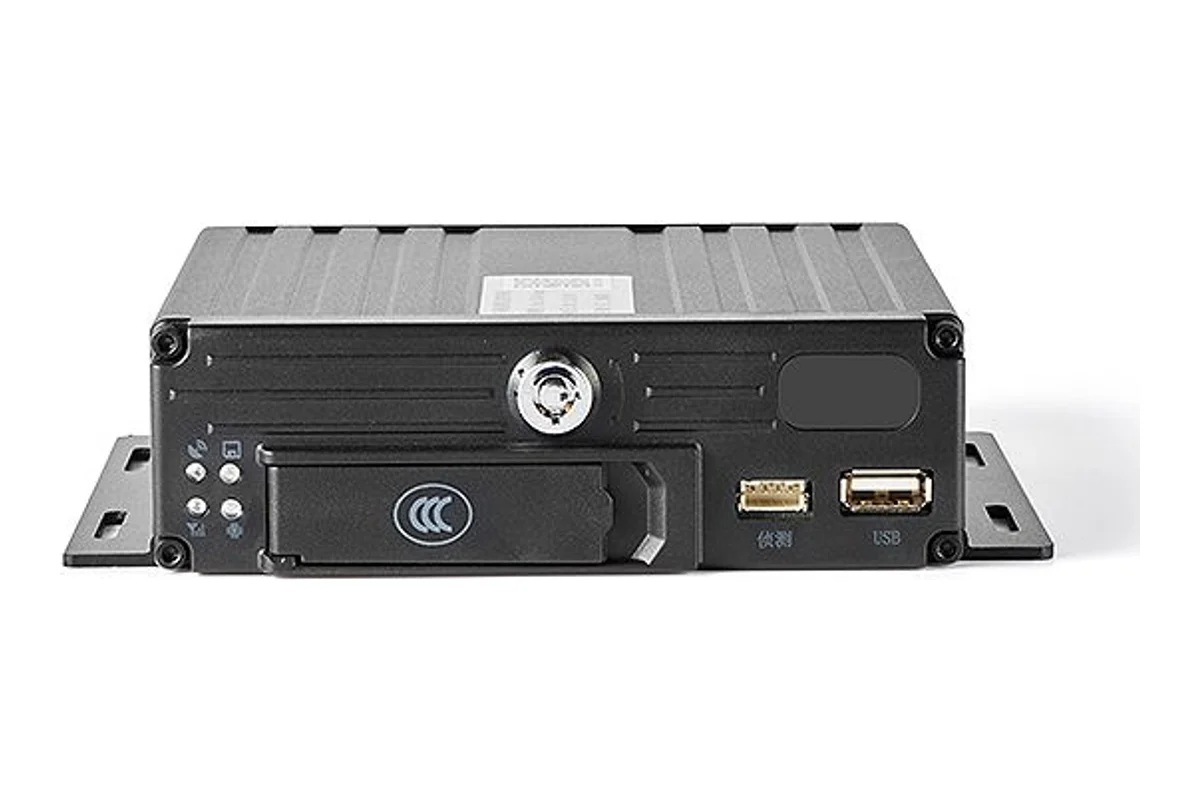
BSJ ED02R-V2
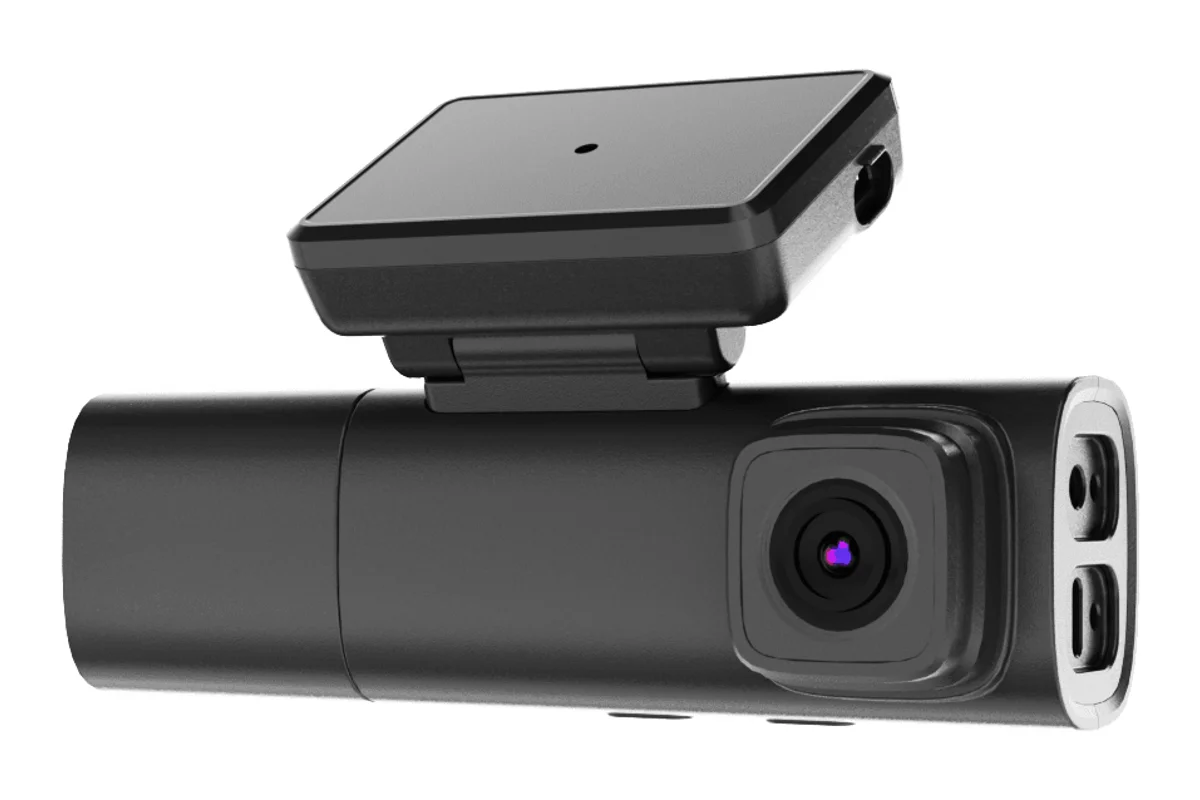
BSJ DR03
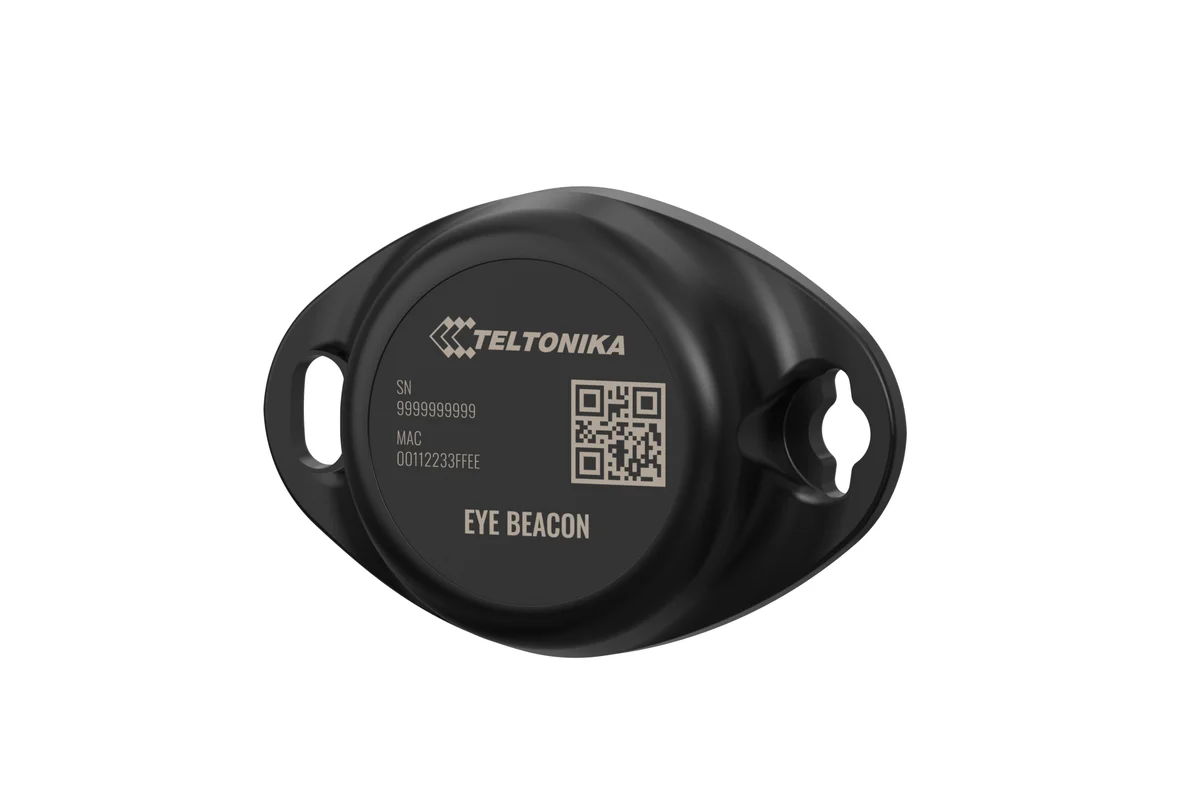
Teltonika EYE Beacon
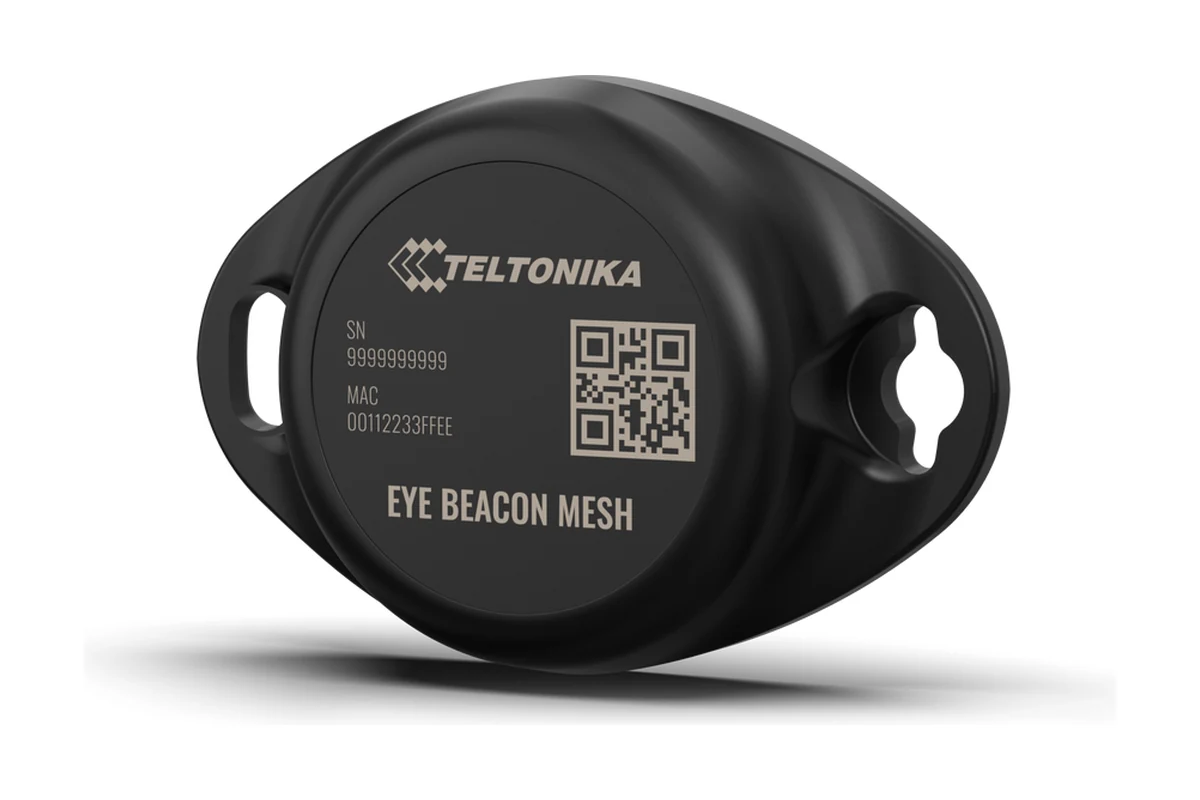
Teltonika EYE Mesh
Savings calculator for a fleet
Work out the payback on the system for the parameters of your own fleet
A scenario, not a promise: the actual effect is checked on a pilot with your own fleet.
Frequently asked questions
Ready to equip your fleet?
We will put together the right set of equipment and the monitoring tariff for your fleet — from 5 to 5000 units of any complexity. A demonstration of the system at your office or at our premises in Baku. A pilot on 3–5 vehicles is a convenient way to start: a couple of weeks shows which data you actually need.
Request a quotation