Teltonika EYE Mesh:
tags that find things inside a building
EYE Beacon Mesh and EYE Sensor Mesh work in a Wirepas Mesh network: tags, anchors and gateways pass data along a chain and show which room, aisle or rack a piece of equipment, a tool or a pallet is in. We supply the whole kit and configure it for the building.
Not a tracker for a vehicle but a system for a building
An EYE Mesh tag shows nothing on its own. It needs anchors in the rooms and gateways that send the data to a server. The tag talks to the nearest anchors, and the anchors pass the data through one another to a gateway — that is how the system knows where an item is.
So we supply not separate tags but a kit: tags, anchors, gateways and configuration to the building's floor plan. We start with a survey and a pilot in one area: thick walls, lift shafts and metal racking change the radio environment more than the plan suggests.
Two tags, two jobs
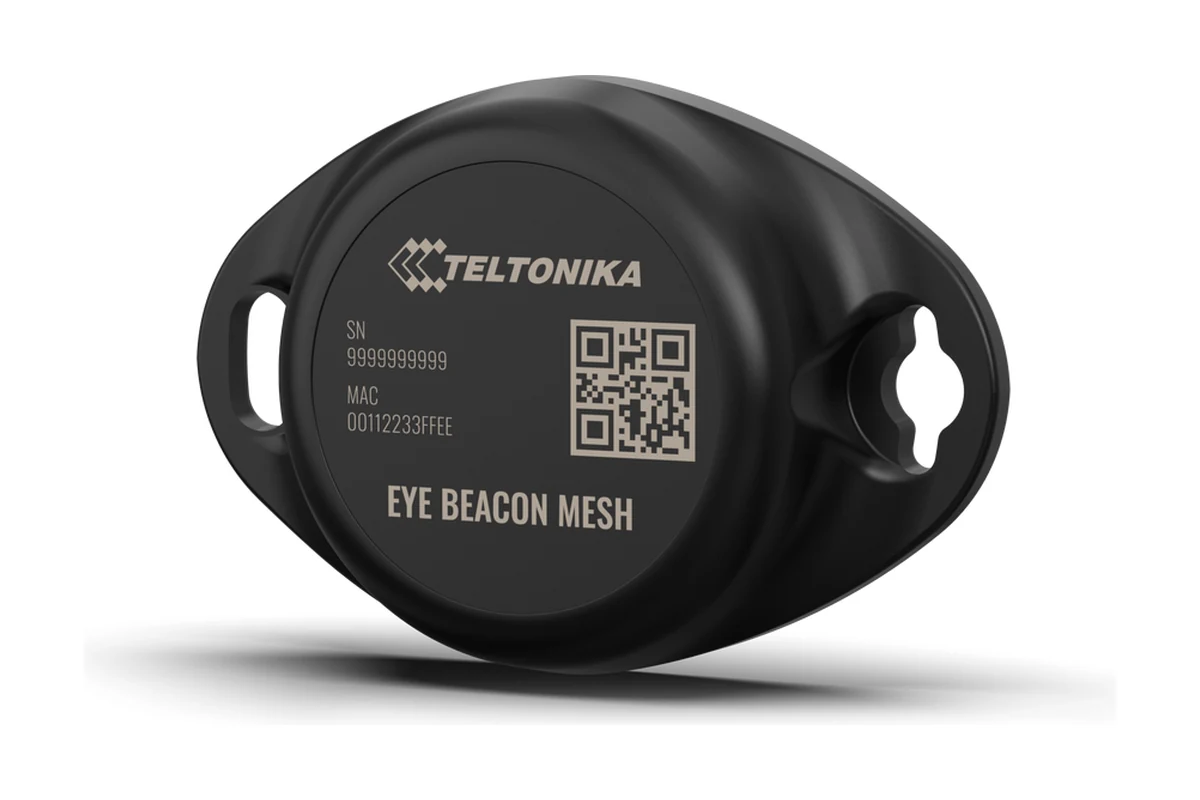
The case, battery and network are the same for both tags: 56.6 × 38 × 13 mm, 19 g, IP67, Wirepas Mesh v5.4. They differ in their sensors and in how they use the battery.
-
EYE Beacon Mesh
Transmits its own identifier, tied to one particular item. It suits things that are stored for a long time and must be found precisely: expensive equipment, spare parts, cartons of valuable goods.
-
EYE Sensor Mesh
Adds temperature, humidity and movement. The tag itself knows whether it is moving or lying still: it transmits more often on the move and less often at rest, to save the battery.
Where it is used
The scenarios named by the manufacturer, with our examples for Azerbaijan:
Hospitals and clinics
Beds, wheelchairs, infusion pumps: staff can see where a free device is and which one is nearest.
Warehouses and logistics centres
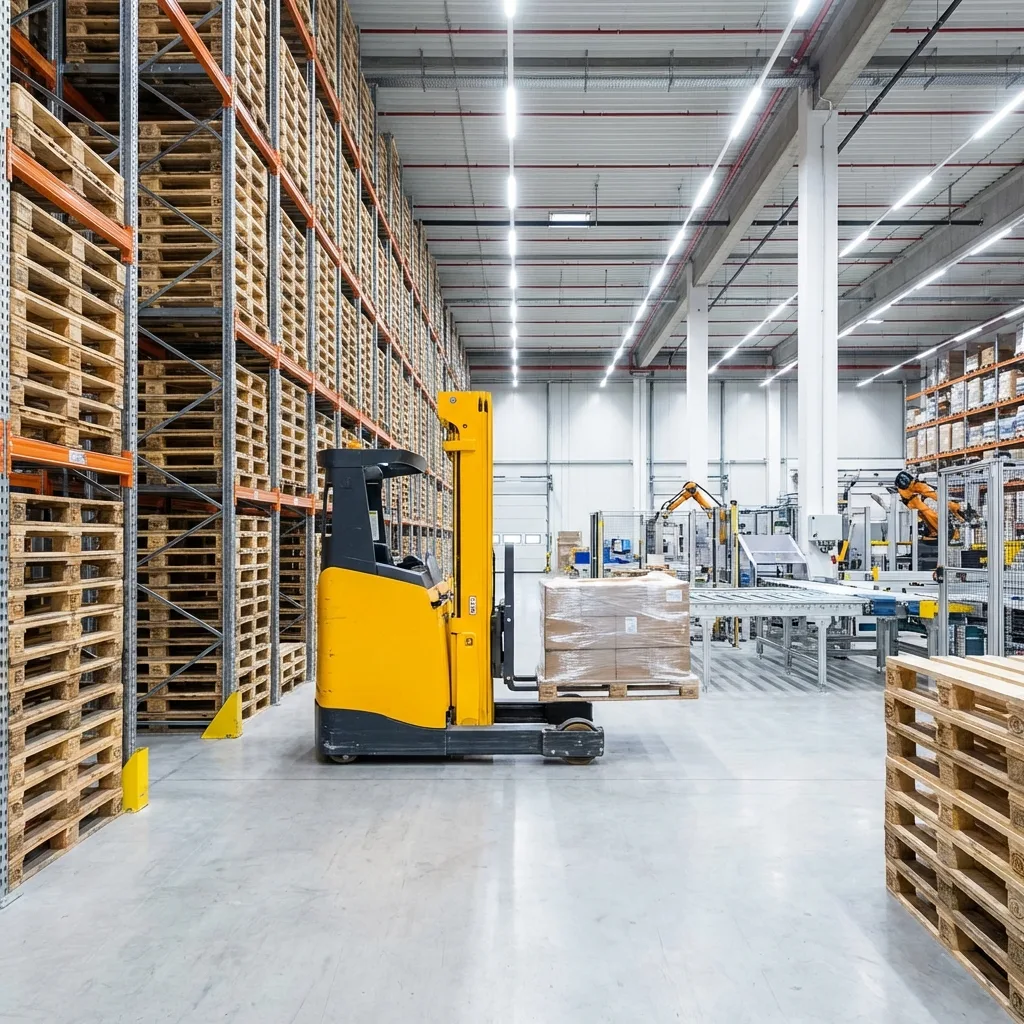
Pallets, trolleys, tools: you see the aisle or rack where the item is, without walking the rows.
Manufacturing
Tooling and tools between workshops: where they were left and what is standing idle.
Storage conditions
EYE Sensor Mesh reports temperature and humidity together with the position — for medicines, food and materials that are sensitive to climate.
How the system is built
A network that builds itself
The devices choose the route for the data themselves and go round a failed anchor through its neighbours. Few gateways are needed: every anchor works as a repeater. According to the manufacturer, thousands of devices work in one network without interfering with one another.
−20…+60 °C
Operating temperature.
CR2450
600 mAh battery, not replaceable.
19 grams
56.6 × 38 × 13 mm — it fits on a pump housing, a trolley handle or a rack upright.
Housing and operating conditions
The IP67 housing is protected against dust and water, the operating temperature is from −20 to +60 °C, and humidity up to 100% non-condensing. There are two mounting points on each side; the tag goes on a device without any alteration to the device itself.
What the supply includes
The whole kit
Tags, anchors, gateways and configuration as a single project.
Survey and pilot
We walk the area with test devices and check the anchor plan before buying for the whole building.
Linked to your records
We tie tags to inventory numbers and anchors to rooms and racks.
One contractor
The client's vehicles and forklifts are run on the Wialon platform.
What the cost is made up of
The final figure depends on the type of vehicle, the set of sensors and the size of the fleet. We will prepare an exact quote for your case free of charge after a short audit — within one working day.
Questions and answers
Request a call
A specialist will call back and match a solution to your fleet and your task.
Case studies using this hardware
Teltonika scenarios where this model is used