
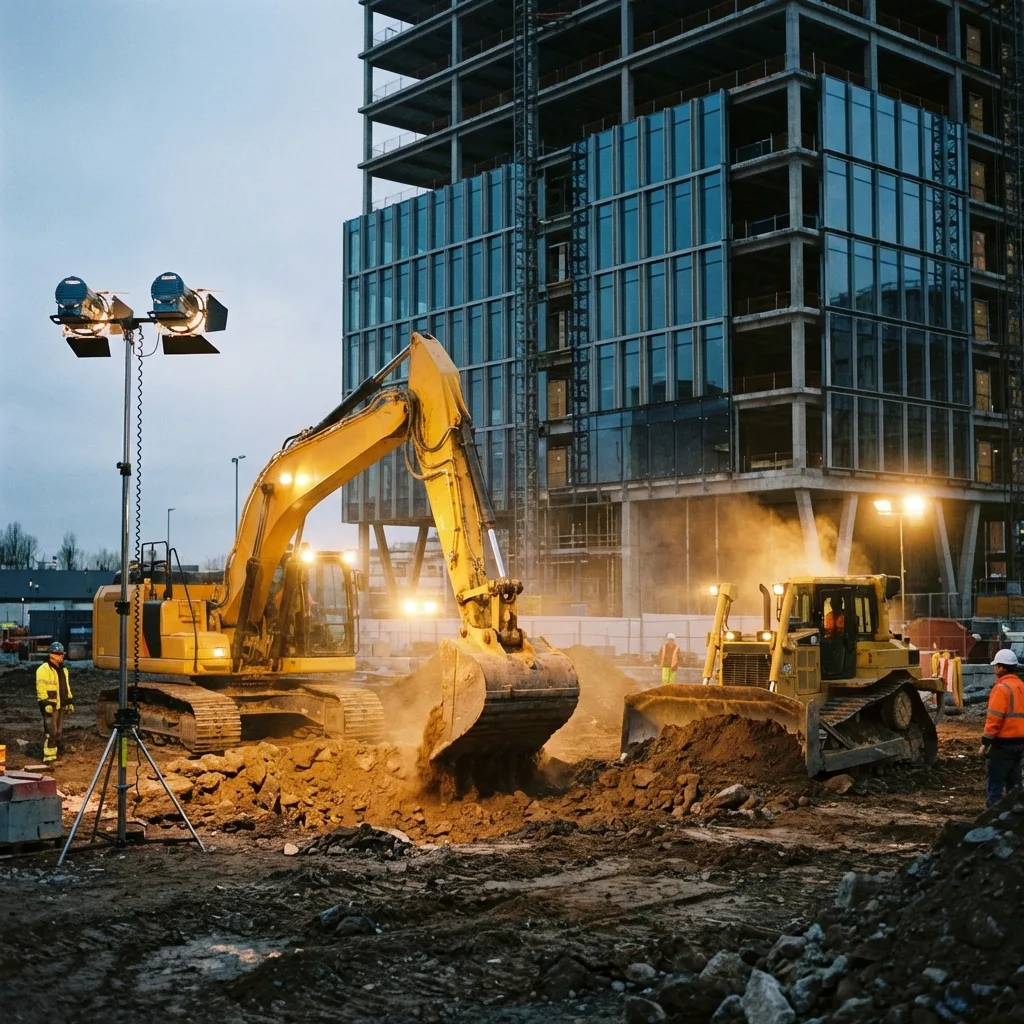
GPS monitoring of construction plant and heavy equipment on site
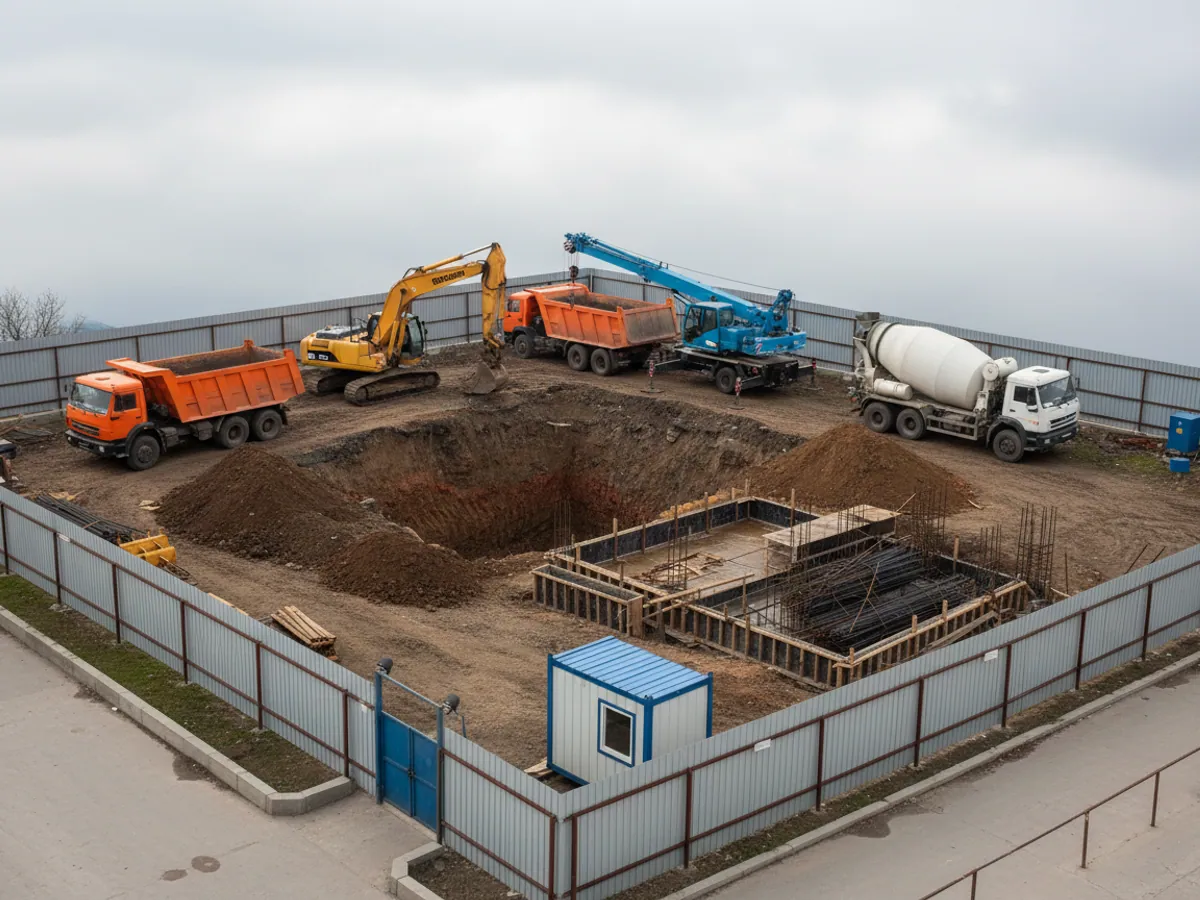
An excavator in a foundation pit in the Khatai district, a convoy of tippers on the road to Fuzuli, a mobile crane on an industrial site in Sumgait. The machines are scattered across sites, and the site manager physically cannot stand next to each one.
We fit trackers and fuel level sensors to construction machinery of any age and show how much it has really worked, how much it has burned and where it went between shifts.
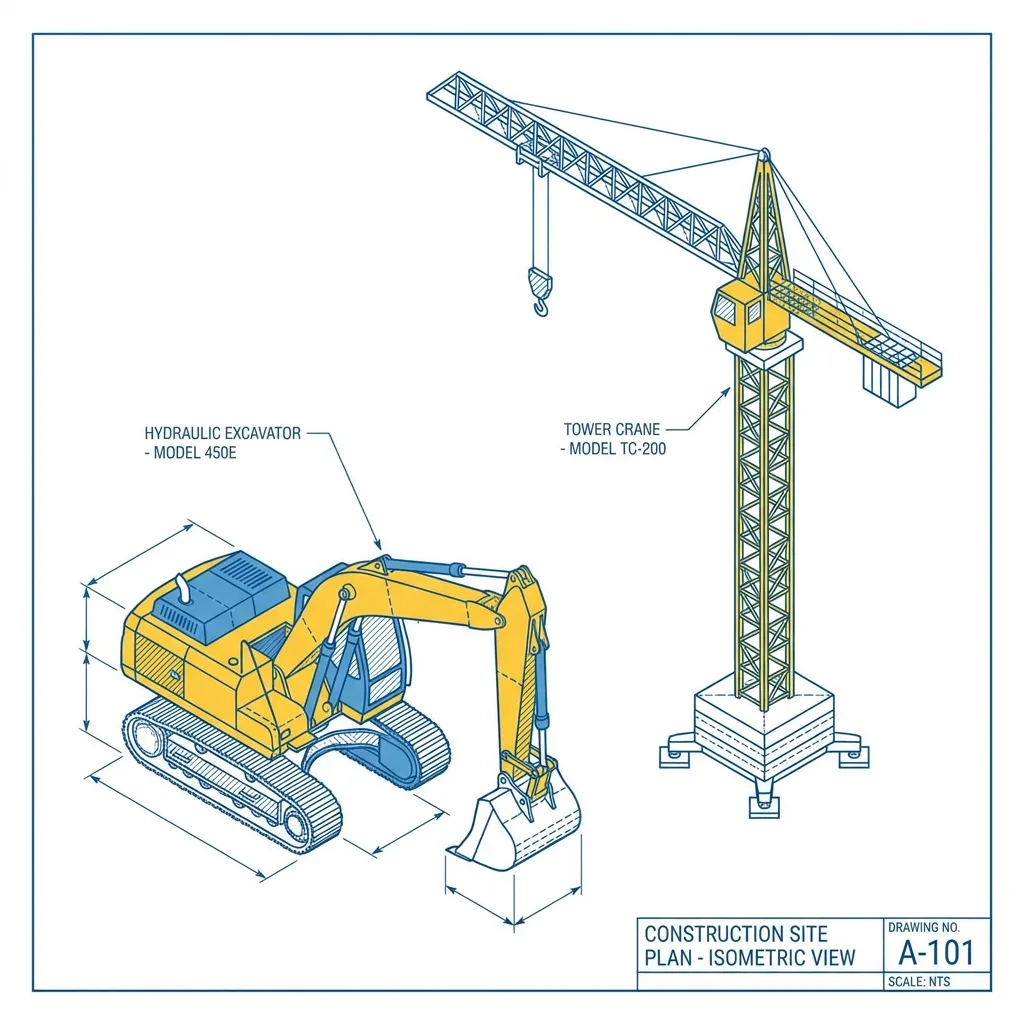
Engine hours are the currency of a building site
On a building site machines are measured in hours, not kilometres. An excavator standing with its engine running burns fuel and service life exactly as it does in work, and on the timesheet it looks like a full shift.
The contractor pays the operator by the hour, bills the client by the hour and plans repairs by the hour. If those hours are counted from what people say, every one of those figures carries an error, and not always in the company's favour.
GPS monitoring of construction machinery answers three questions: did the machine work, how much of that was under load and how much idling, and where the fuel went. Everything else follows from those three.
Solutions by sector: construction & infrastructure
What contractors come to us with
The timesheet does not match the fuel
The timesheet says the excavator worked 10 hours, but enough diesel was issued for 14. In our deployments the gap between recorded and actual engine hours is usually 10-20%, and more on remote sites.
Tippers running loads on the side
Spoil, sand and aggregate go not to the site but to a private build next door. On the track and the body lift sensor such runs stand out at once: tipping outside the site geofence.
Theft from sites
At night diesel disappears from tanks, along with batteries and sometimes the compact machines themselves. One security guard covers several hectares, and cameras do not see everything.
Downtime caused by repairs
A crane broke down in the middle of a concrete pour because servicing kept being put off. When engine hours are counted automatically, servicing is planned in advance rather than after the failure.
Machines sitting idle in one place
A roller stands unused on a finished section while the next site hires one in from an outside company. Without a single map of the fleet, imbalances like that are invisible.
Reporting to the client
A state client or main contractor asks for volumes to be confirmed. A report on runs and engine hours from Wialon can be attached to the certificate; whether the client accepts it as proof depends on the terms of the contract.
What is particular about construction in Azerbaijan
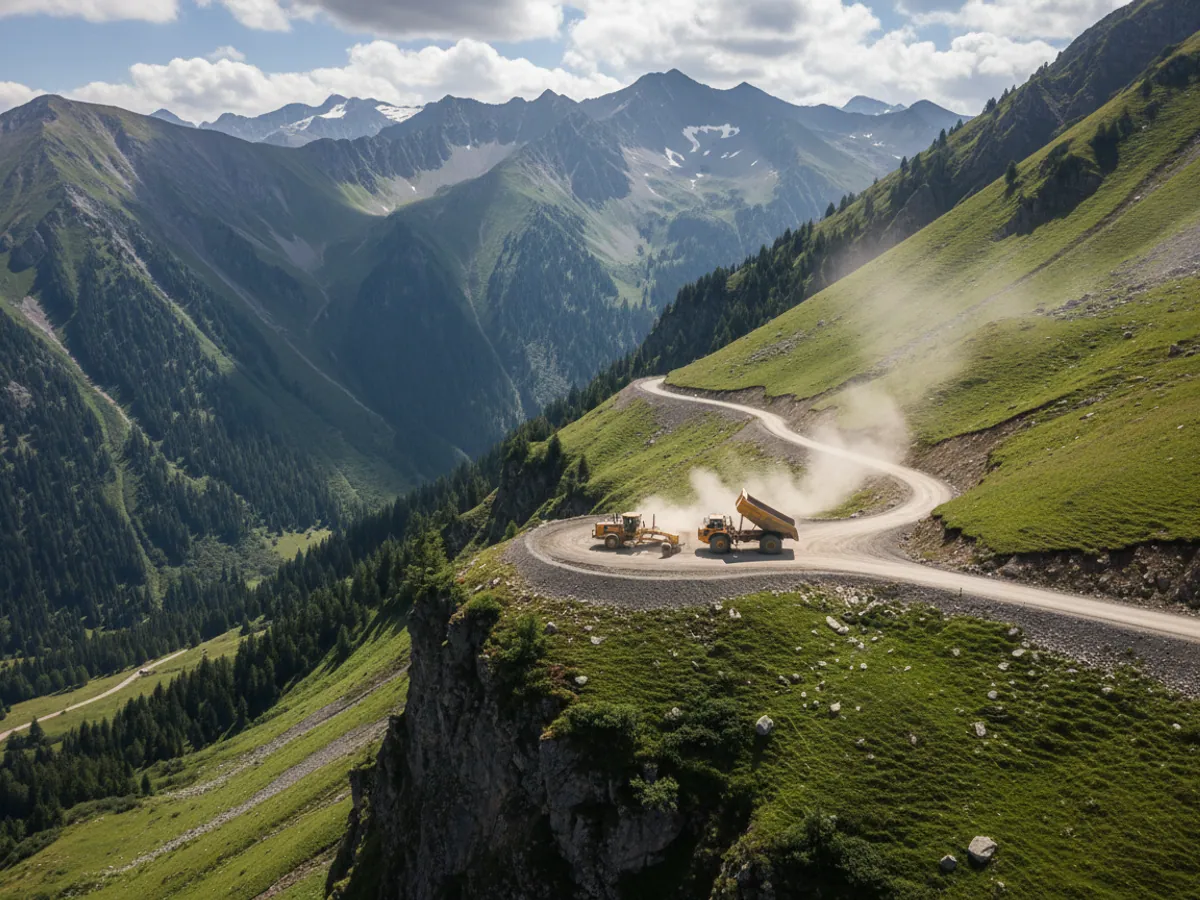
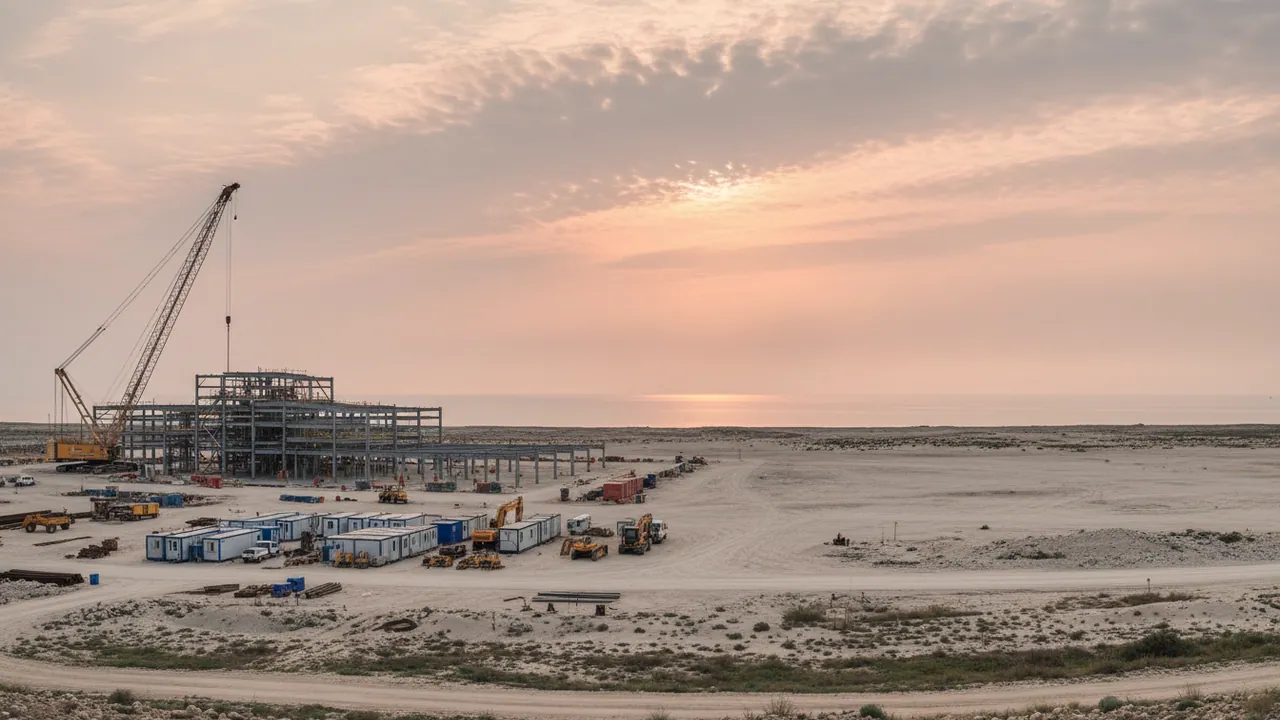
Construction in recent years has shifted markedly from Baku out to the regions. The rebuilding of Karabakh and East Zangezur, roads to Shusha and Lachin, new projects in Aghdam and Fuzuli. For monitoring that means long distances, mountain terrain and sites where there is no mobile coverage yet, or where it is unstable.
In those conditions a tracker has to hold tens of thousands of points in memory and send them once the machine is back in coverage. The site manager will see the full track for the day, even if late. If you need to see machines online on a site with no coverage, we discuss a satellite channel: it costs more, but is sometimes justified.
The second factor is dust and vibration. Quarries in the Garadagh district, aggregate plants, graders at work. We fit trackers in protected housings, keep aerials and wiring out of the way of mechanical damage, and seal the connectors.
The third is the mixed fleet. One contractor may be running a new Caterpillar with factory telematics, a twenty-year-old EO-2621 and Chinese Howo tippers side by side. The task is to bring it all into one system, and that can be done: where there is CAN we read it, where there is not we fit sensors.

Which type of project is closest to yours
Construction is a broad word. A road builder, a residential developer and the owner of a crane hire fleet have different problems. We have split the industry into five directions:
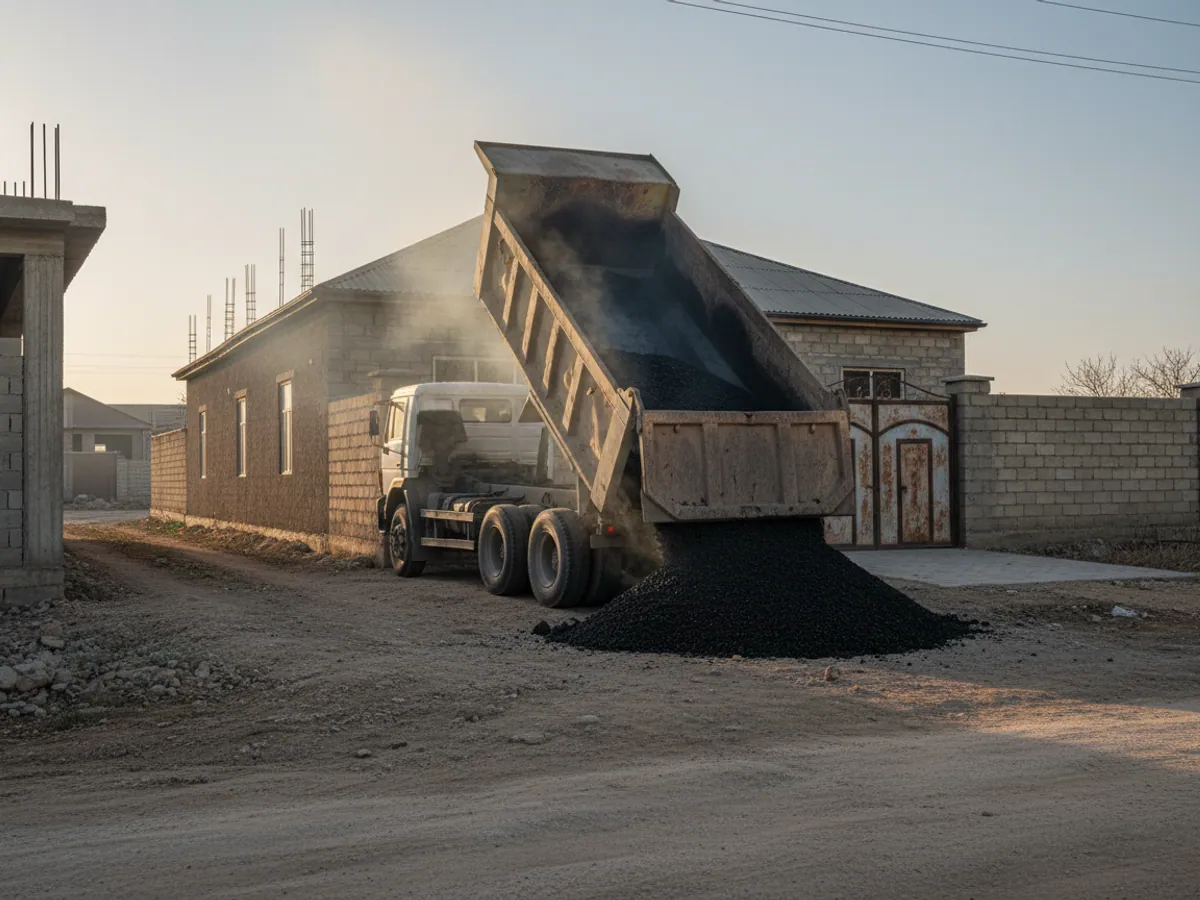
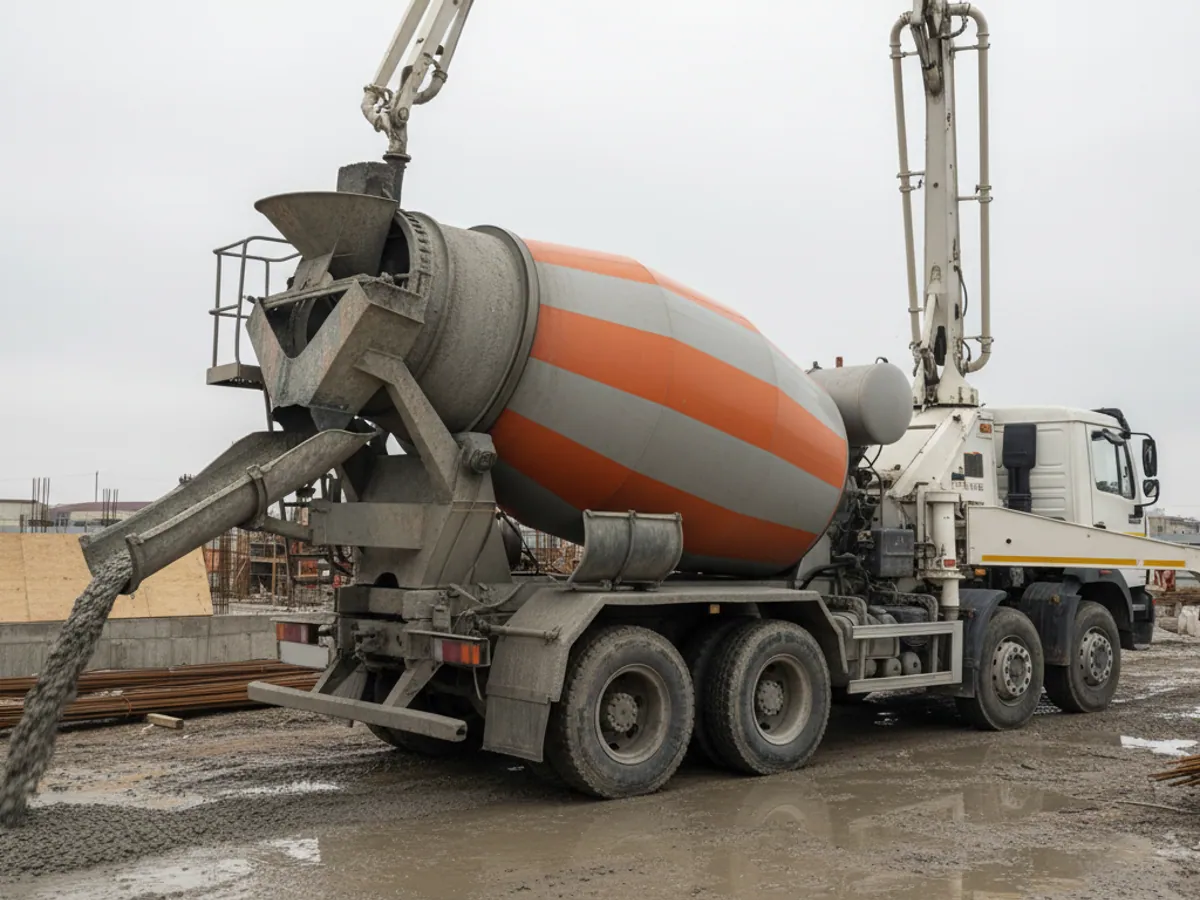
- Civil construction - residential and commercial buildings in town. A lot of small machines on one site, mixers, cranes, tippers removing spoil.
- Industrial construction - plants, terminals, energy projects. Remote sites, strict safety requirements, often rotational working.
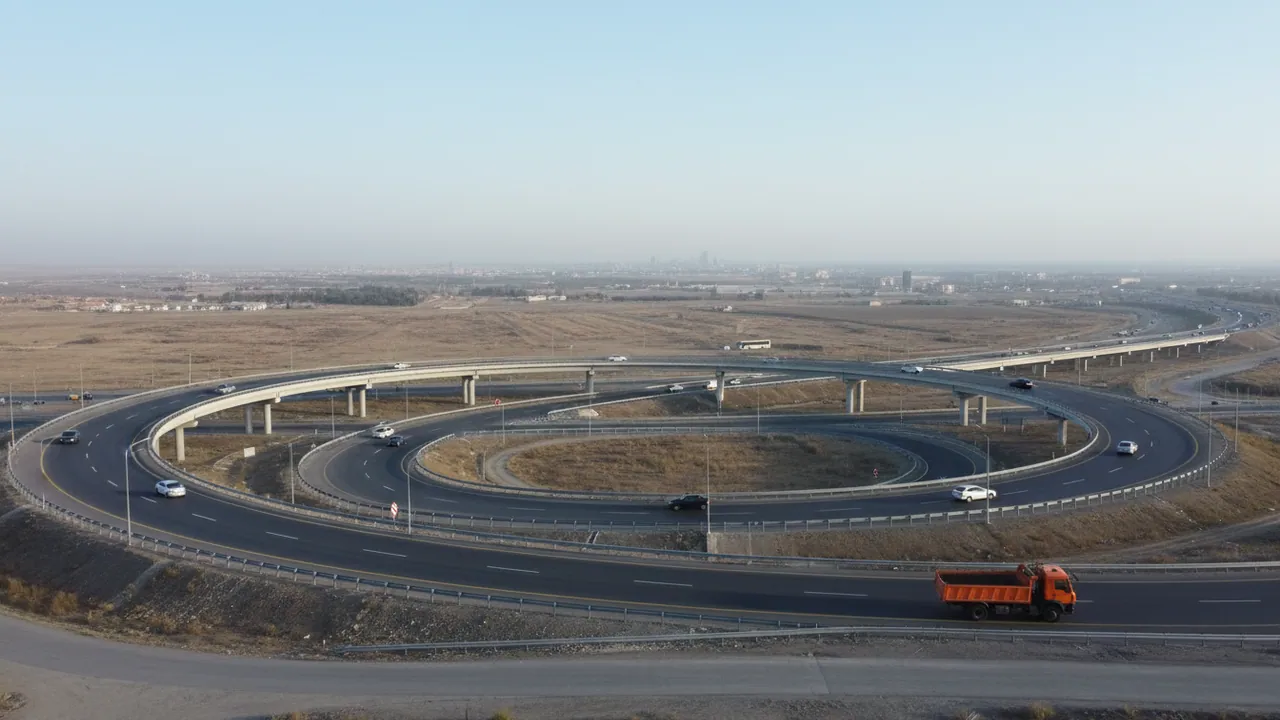
- Road and infrastructure projects - highways, bridges, tunnels. Linear sites tens of kilometres long, rollers and pavers, control of passes.
- Operating and servicing plant - for those who own a fleet and hire it out or maintain it. What matters most is service life and servicing.
- Infrastructure operators - companies that maintain what has already been built: roads, networks, facilities.
If your company works in several of these directions at once, that is perfectly normal. A single Wialon account holds the whole fleet, and the reports are split by site.
What we fit to different machines
Work under load, not just engine on
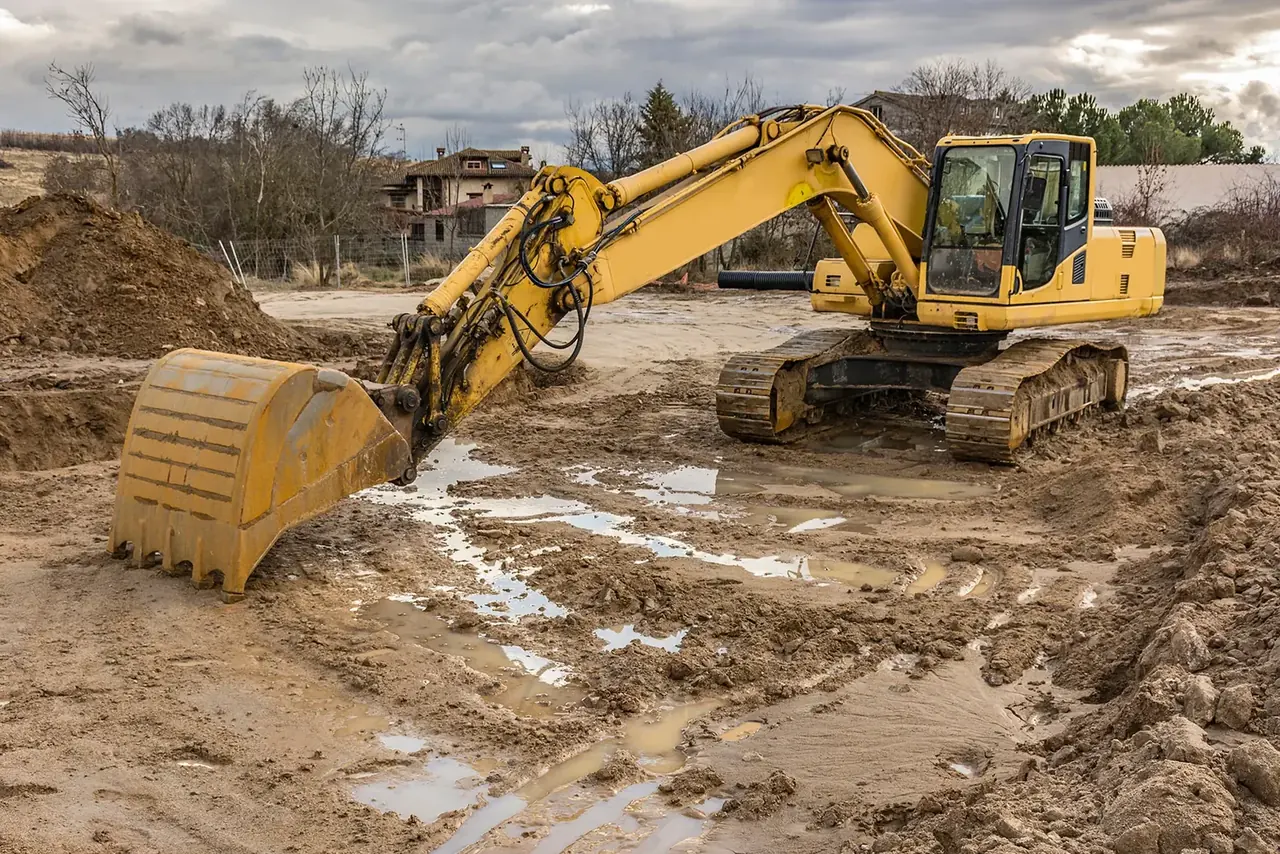
For excavators and front loaders it matters to separate work from idling. This is done with a pressure sensor in the hydraulic system or by reading engine revs over CAN. The report then has three lines: working, idling, switched off.
Fuel is monitored with a fuel level sensor immersed in the tank. On machines with an awkward tank we sometimes fit two sensors so the level does not jump about on slopes. There is more on counting hours on the page about engine hours for plant and heavy equipment.
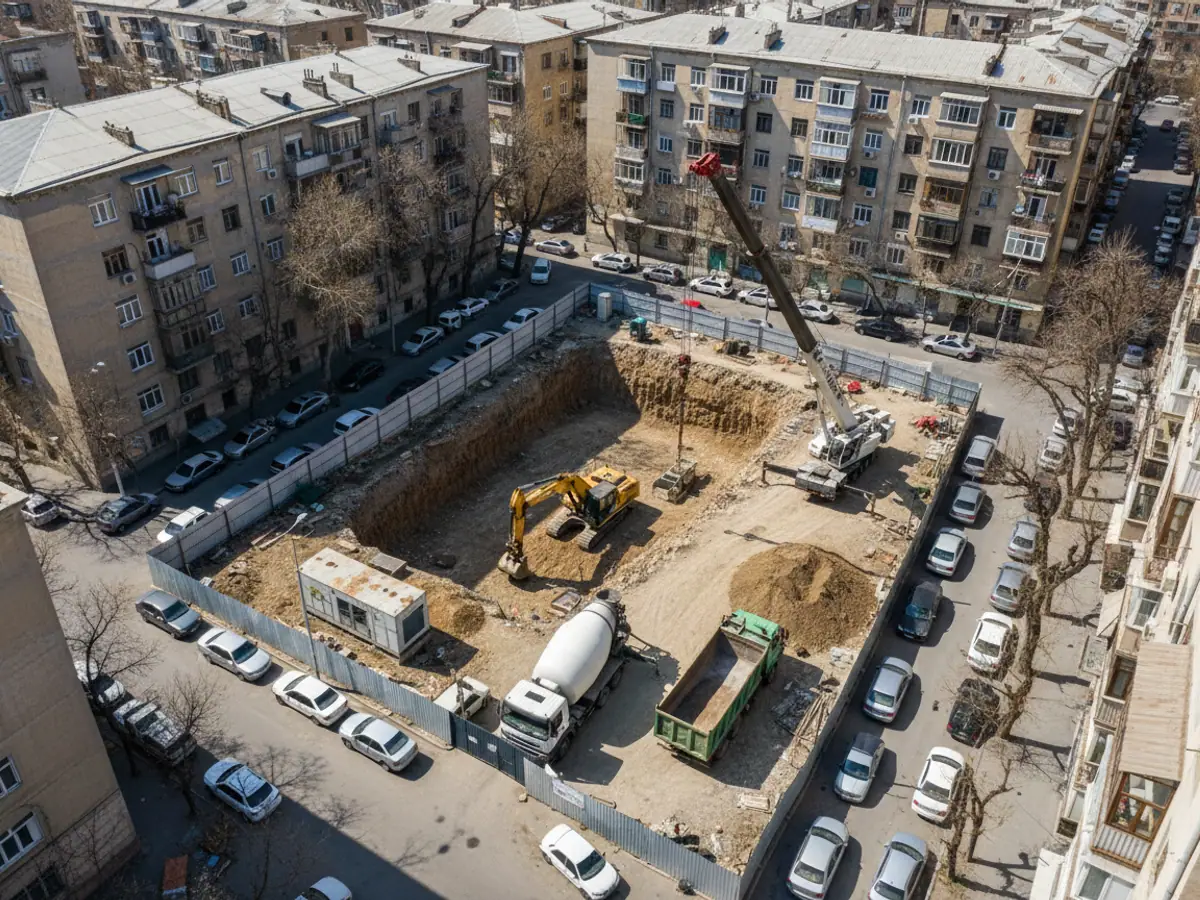
Engine hours, work, runs and the certificate: four different figures
Most arguments about construction machinery start because one report mixes together things that are counted in different ways. We separate them in the configuration from the very beginning.
- Engine hours - how long the engine ran. Counted from the ignition sensor, the voltage of the vehicle electrics or CAN. Needed for servicing and service life, but not for pay: idling produces engine hours too.
- Productive work - how long the machine worked under load: excavator hydraulics, crane operation, mixer drum rotation. This needs a separate sensor or a CAN signal. This figure is the closest to what the client is actually paying for.
- Runs - for tippers. Counted from the loading and tipping geofences and the body lift. A run with no body lift in the site zone is grounds for a look, not an automatic verdict of a job on the side.
- The subcontractor's certificate - the document you pay against. It should be reconciled with the three figures above, not replace them.
In practice the order is this: the subcontractor sends the certificate, the foreman opens the report on that subcontractor's machines inside the site geofence for the same period, and the discrepancies are discussed before signing. For that the subcontractor's machines have to be in the system, either with your own tracker for the duration of the works or through guest access to his monitoring.
A pilot on one site: what it needs and how to sign it off
A pilot is best run on a single site with 5-10 machines of different types: an excavator, a couple of tippers, a crane or a mixer. Allow three or four weeks at least, so the data has time to settle once the operators have got used to it.
From the contractor we need: a list of machines with models and years, the boundaries of the site and the tipping points, timesheets and waybills for the pilot period, the fuel issue record and a named contact on site.
The acceptance criteria are agreed before the start, for example: engine hours from the system are reconciled with the timesheet and the discrepancies explained; tipper runs match the log at the exit from the quarry or the site; fuel from the fuel level sensors is reconciled with the issue record; the site manager gets a report on the site without assembling it by hand.
How connecting a fleet goes
First step, the list of machines. Make, model, year, whether there is CAN, what the tanks are like. From it we select the equipment and tell you where fuel accounting will be accurate and where only approximate.
Second, fitting on site. Machines are rarely released from a building site, so we come out to them: in Baku, on Absheron, in the regions, in Karabakh. A machine with a fuel level sensor takes from three hours to a working day, depending on access to the tank.
Third, calibration and norms. Every tank is calibrated separately. Consumption norms per engine hour are set from the handbook and adjusted after the first weeks of real work.
Fourth, sites and reports. We enter the sites as geofences, set up a report on the machines at each site and notifications for the site manager and the mechanic. There is more on the page for the construction machinery monitoring service.
We warn you honestly: for the first two or three weeks the data will be uncomfortable. Operators are getting used to idling being visible, and site managers argue with the report. After that the figures settle down.
Questions about monitoring construction machinery
How it is used in this industry
Case studies from “Construction & Infrastructure”
IP67 trackers for construction machinery
Agriculture, construction and mining

Keeping track of site tools with BLE beacons
Agriculture, construction and mining

Plant tracking with no jumps or gaps in the track
Agriculture, construction and mining
GPS monitoring for “Construction & Infrastructure”
Send us an enquiry and we will prepare a quote for your fleet and pick the hardware that suits this industry.
- 1 We pin down the task
A specialist calls back and asks about the vehicles, how many there are and what you need to keep an eye on.
- 2 We put a solution together
We propose the hardware and the features, and set out the one-off and the monthly cost separately.
- 3 We agree the fitting
At your yard or at ours, on a schedule that keeps the vehicles working.
Request a call
A specialist will call back and match a solution to your fleet and your task.