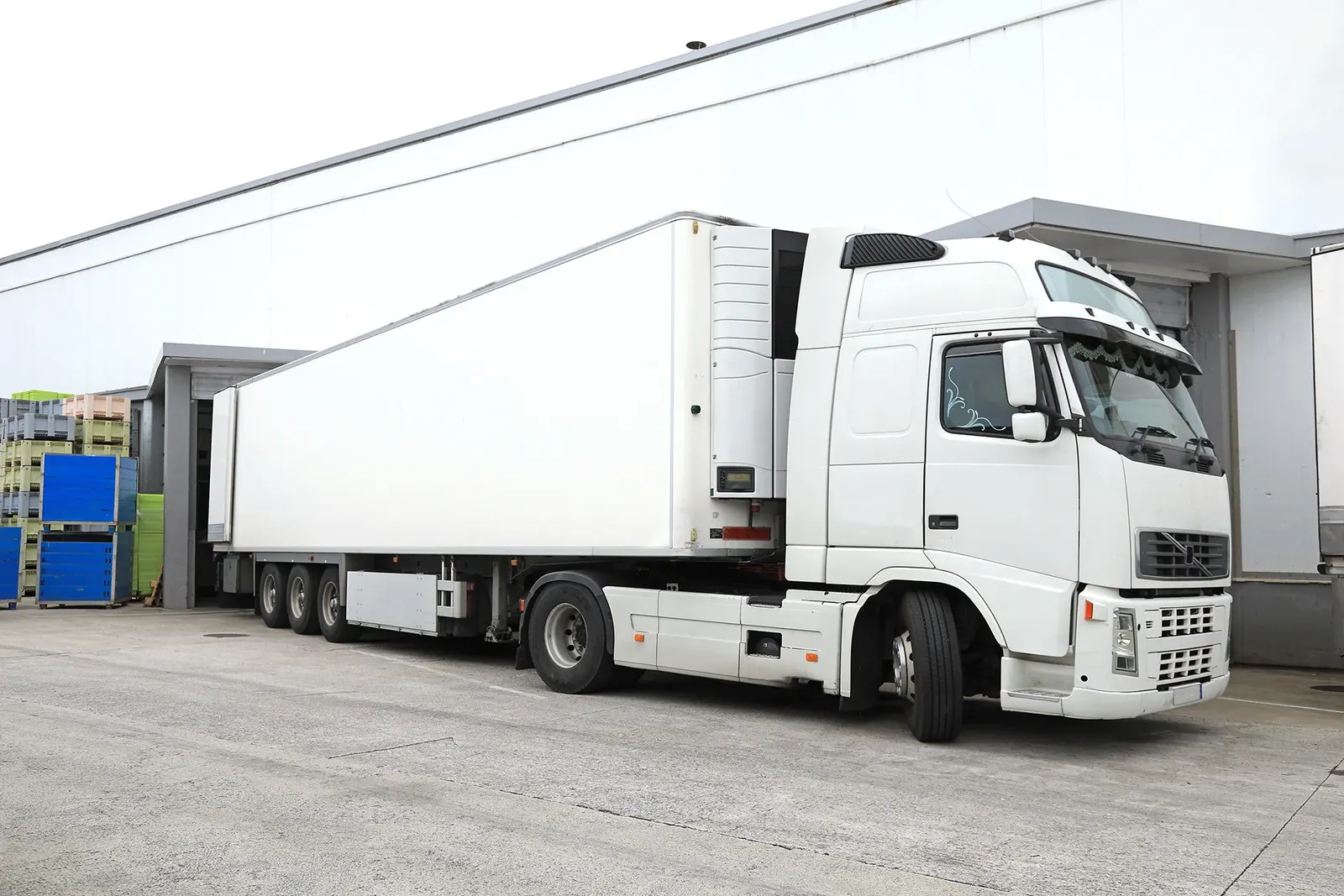
Temperature sensor fitting
We fit wired and wireless temperature sensors in refrigerated units, insulated vans, containers and cold rooms. The temperature arrives in Wialon along with the position, the dispatcher gets a notification the moment it goes outside the threshold, and after the run a chart remains for the consignee. The system supplies the data for cold chain control, but GDP compliance remains a matter for your own quality system.
The temperature in every monitored zone of the body is visible in Wialon, and the thresholds and notification delays are set for your goods and proven on a test alert. For each vehicle you receive a sensor layout diagram and a report of the comparison with a reference thermometer - documents that come in useful during an audit or when a claim has to be settled.
The temperature in the body, live rather than on the driver's word
In July the asphalt on the Baku to Ganja road gets so hot that an insulated van with a unit that has stopped running turns into an oven within the hour. Dairy, meat, ice cream, vaccines - the consignee's warehouse refuses all of it if the cold chain has been broken. And exactly when it was broken is not something a waybill will tell you.
Fitting temperature sensors in a refrigerated unit settles that: every few minutes the tracker sends the temperature in the body to Wialon, and the dispatcher gets a notification as soon as it goes out of range. Not at the end of the run, but while the driver can still be called and the load can still be saved.
We fit wired digital sensors to refrigerated units and wireless BLE sensors where running a cable is awkward: in demountable bodies, containers and on warehouse racking. For each customer we set the thresholds to suit the goods - ice cream and insulin need very different ones.

How the work goes, step by step
Unit, body, goods
The make of the unit, the construction of the body and the temperature regimes determine the number of sensors and the thresholds.
A protected sensor
Cable in conduit through a sealed gland, the sensor at load level and away from the evaporator.
Reference thermometer
We compare the readings with the unit running. If the discrepancy is large, we look for the cause on the spot.
Thresholds and delays
Thresholds for each type of goods, a delay for door openings, recipients on Telegram, email or the app.
Checks at handover
Going outside the threshold, a brief spike, loss of the sensor and operation without a connection - all on test events.
How we hand over a refrigerated unit
An illustrative example: refrigerated semi-trailer 10-XX-123 at a yard in Baku, two temperature sensors and a door sensor.
- Unit running, mounting points chosen preparation
On a long semi-trailer we fit two sensors: one nearer the unit and one by the doors.
- Sensors and cable under protective covers fitting
That way a pallet or a forklift does not knock the sensor off in the first week.
- Comparison: the door sensor reads colder than the reference point moved
The sensor turned out to be in the direct flow of cold air. We move it to load level and compare again.
- Unit switched off, threshold exceeded alert test
The notification reached the dispatcher after the set delay, and a brief door opening produced no alert.
- Sensor disconnected: the system shows no data acceptance
Not zero degrees, but an absence of data. We hand over the layout diagram, the threshold map and the comparison report.
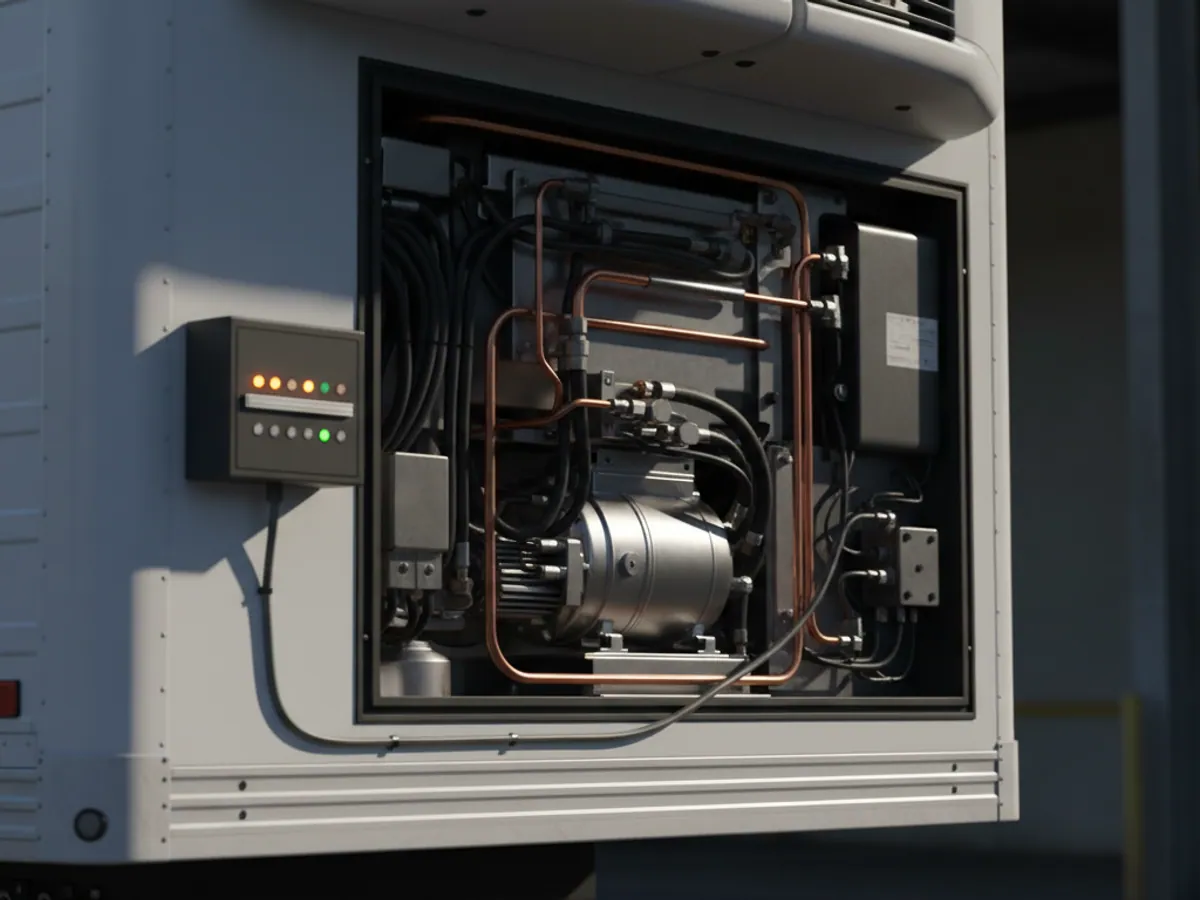
Where to put the sensor so that it tells the truth
The most common mistake is a sensor next to the evaporator of the refrigeration unit. It honestly reports -20 °C while the far corner of the body by the doors is already at +6 °C. So we choose the position for the particular body and the particular goods.
Our rules:
- a single sensor goes in the middle or rear third of the body, at load level, out of the direct flow of cold air;
- on a long semi-trailer, two sensors: one nearer the unit and one by the doors, so you can see both how the unit is working and how the body warms up during unloading;
- for dual-zone refrigerated bodies, a separate sensor for each zone;
- for pharmaceuticals, we choose the points from the results of temperature mapping of the body, if you have already had it carried out.
We protect the sensor and the cable from pallets and forklifts: a metal cover or a position inside the wall profile. A sensor knocked off by a pallet in the first week is a classic we have seen many times.
What this looks like in practice. A refrigerated lorry carrying dairy products runs from Baku to Shamkir, with +38 °C on the road during the day. Around midday the temperature in the body starts to creep up: from +4 to +6 °C over twenty minutes. The dispatcher gets a notification and calls the driver - the unit has stopped with a fault and the driver, with the noise in the cab, has not noticed. He restarts it at the next lay-by, and half an hour later the body is back to +4 °C. Without a sensor this would only have come to light at the consignee's warehouse, when the consignment was returned.
What a temperature control system is made of
What the fitting and setup include:
Digital temperature sensors
Wired sensors with a digital output give an accuracy of around ±0.5 °C across the working range of a refrigerated unit. Wireless BLE sensors give comparable accuracy without a cable.
Notifications when the range is breached
The threshold and the trigger delay are set for the goods: a brief spike when a door opens should not wake the dispatcher at night.
Reports and charts
A temperature chart for the whole run, marked with door openings and stops - a document for the consignee, an auditor or the settling of a claim.
A tracker with memory
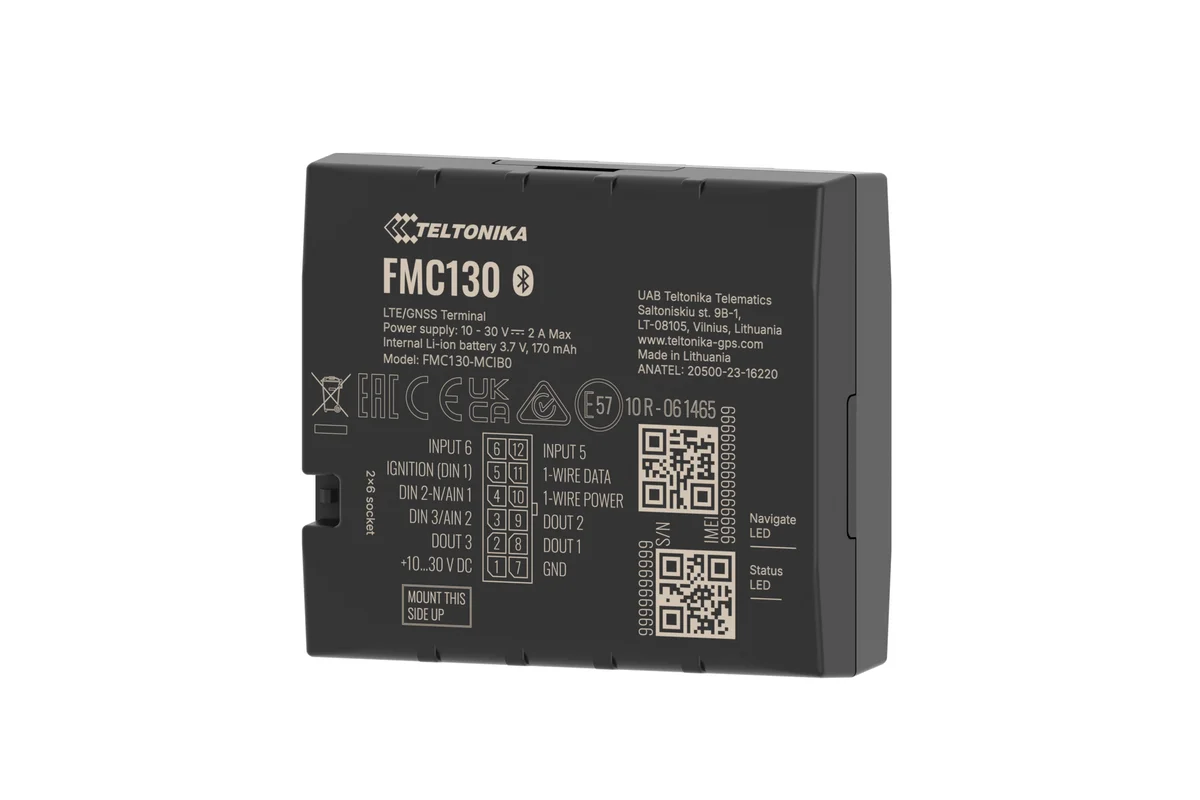
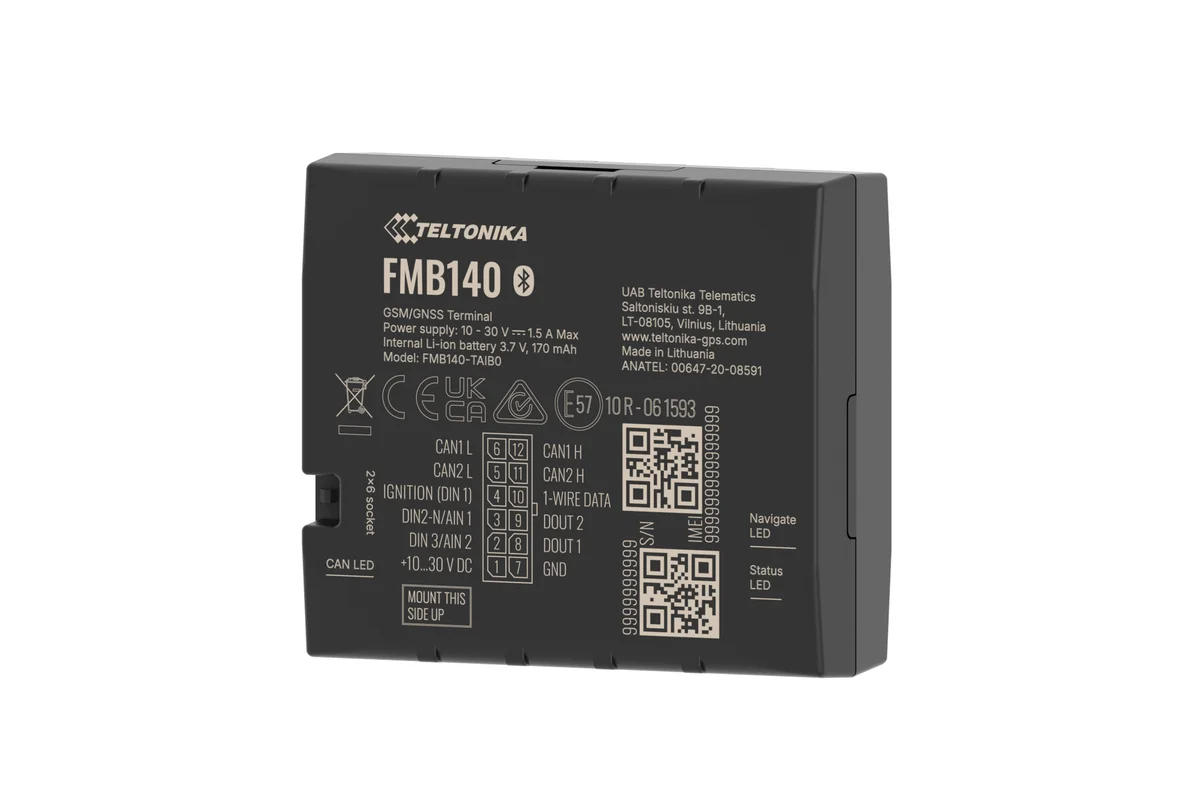
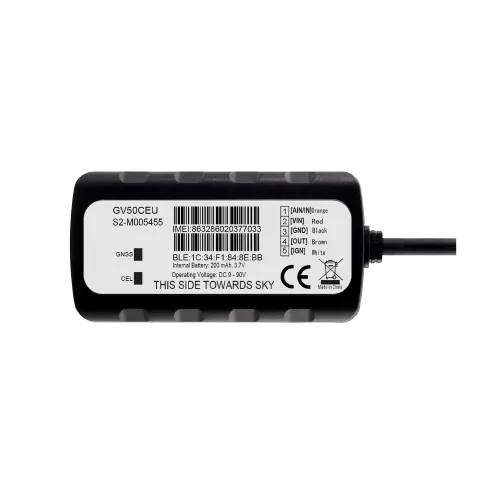
Teltonika FMC130, FMB140 or Queclink: with no connection the tracker keeps recording the temperature and sends the data once the network returns.

How the fitting and the handover go
Preparation. We find out the make of the refrigeration unit (Thermo King, Carrier or another), the construction of the body and what goods you carry. The number of sensors and the thresholds follow from that.
Fitting. The tracker goes in the cab, the cable runs to the body in conduit through a sealed gland, and the sensor is mounted at the chosen point under protection. One sensor in a van takes 2-3 hours including the tracker; two sensors plus door monitoring in a semi-trailer takes until midday.
Accuracy check. We compare the readings with a reference thermometer while the unit is running. If the discrepancy is larger than acceptable, we look for the cause on the spot rather than later.
Setup. Thresholds, delays, notification recipients, the report template. Notifications go by email, on Telegram or to the mobile app.
From you we need the vehicle with the unit running (so the sensors can be checked under working conditions), a list of the temperature regimes for your goods, and contact details for the people who will act on the notifications. If the body has already been through temperature mapping, send us the results and we will choose the mounting points from them.
The work does not include repair or servicing of the refrigeration unit, metrological certification of the sensors, or validation of processes to GDP. If the check shows that the unit is not holding its setpoint, we tell you before handover.
Which documents you keep after the fitting
Layout diagram
A sketch of the body with the sensor positions, which zone each belongs to and what it is called in Wialon. If a sensor is knocked off a year later and refitted, the diagram shows where it belongs.
Comparison report
The readings of each sensor and of the reference thermometer at the same points with the unit running, the discrepancy and the date of the check. This is not metrological certification, it is a control comparison made during fitting.
Threshold map
For each temperature regime: the lower and upper threshold, the notification delay, who receives the notification and through which channel.
How often to check
We recommend repeating the comparison once a year, and more often for pharmaceuticals, in line with your own procedure. Unscheduled checks after a sensor is replaced or the body or unit is repaired.
How we test the alerts at handover
Breaching the upper threshold
We switch the unit off or warm the sensor and wait until the temperature stays above the threshold for longer than the set delay. The notification has to reach the people named in the threshold map.
A brief spike
We open the doors for a minute or two. No breach notification should arrive, but the door opening is recorded if a door sensor is fitted.
Loss of the sensor
We disconnect the sensor: the system has to show an absence of data, not zero degrees. Zero can be taken for a normal temperature and the problem missed.
Operating without a connection
For vehicles on long runs we check that the data from the period without a network is sent on in the right order and that the chart has no breaks.
Specialised solutions for different tasks
Monitoring refrigerated and insulated vans

Why a temperature chart sometimes looks alarming for no reason
Not every jump on the chart is a breach. We allow for these situations in the settings, so that a real problem can be told apart from normal operation:
Evaporator defrost
The unit defrosts the evaporator periodically, and a sensor next to it shows a brief rise. The right mounting point and a notification delay remove these false alerts.
Doors opening
During unloading the temperature by the doors rises, and that is normal. What matters is how quickly it came back once they were closed. That is why we almost always fit a door sensor alongside the temperature sensor.
The unit without power on a stop
The engine is shut down for the night, so the unit stops with no external power. A notification about the rising temperature during the stop arrives straight away.
Pre-cooling
Loading into a warm body is a frequent cause of claims. The report shows whether the body was cooled before loading, and the argument is settled in a minute.
What temperature control gives you
Less written-off cargo
The problem is visible en route, while the load can still be saved: turn the vehicle back, transfer the load, repair the unit.
An answer to a claim in a minute
The consignee says the load arrived warm. You have a chart for the whole run with door openings and stops marked.
Documents for an audit
Temperature records for every run are kept in the system and exported as a report for auditors and major customers.
Watching the units
A refrigeration unit that is slow to reach its setpoint or fails to hold temperature shows up in the charts long before it fails on a run.

Warranty, servicing and related solutions
We give a warranty on the fitting, and the sensors and trackers are covered by the manufacturer's warranty. Once a year we advise checking the accuracy of the sensors against a reference thermometer - it takes a few minutes per vehicle and matters especially for pharmaceutical transport. The system watches the battery of the wireless sensors itself and warns in advance when one needs replacing.
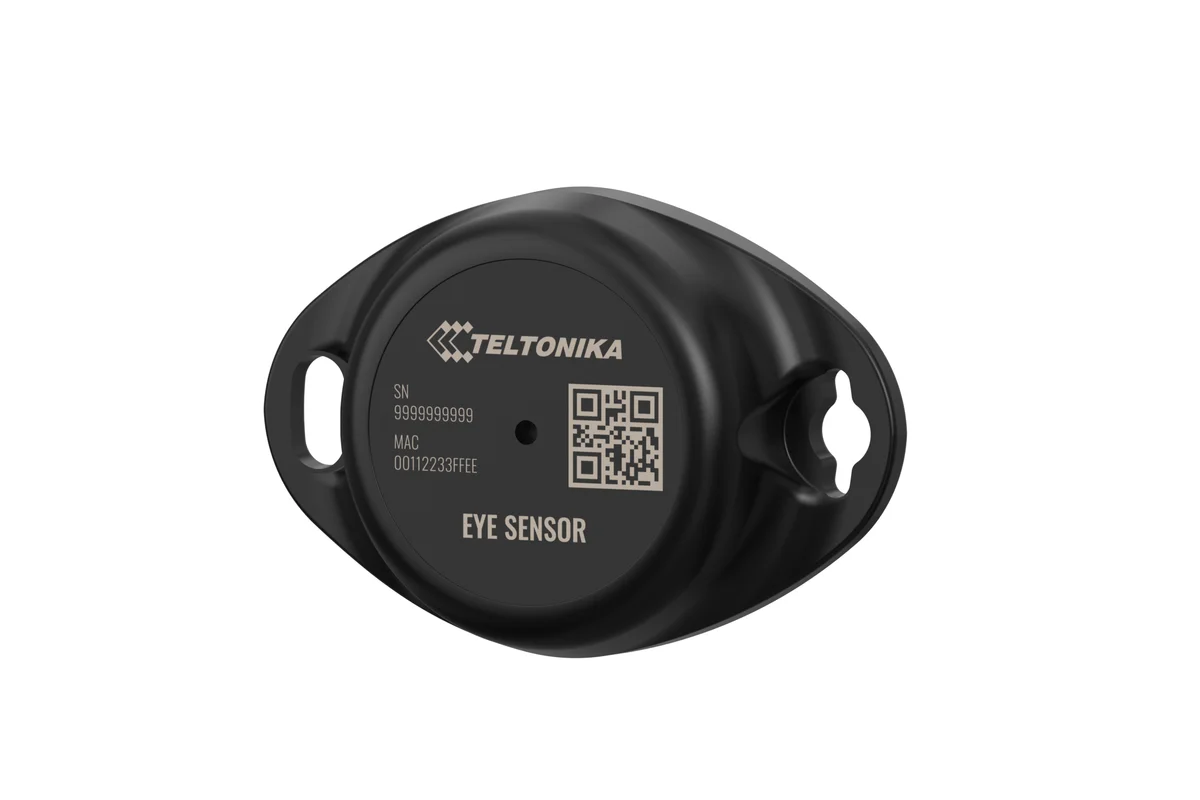
It is almost always worth linking temperature to door opening monitoring. Everything available for a refrigerated fleet is gathered on the page cold chain control, industry scenarios are in the section cold chain logistics, and the specifics of carrying medicines are on the page pharmacy chains. The wireless sensor for containers and warehouses is the Teltonika EYE Sensor.
Wired or wireless sensor
For a refrigerated unit usually wired; for cold rooms and containers, wireless.
| Wired digital | Wireless BLE | |
|---|---|---|
| Works without a battery | Yes | No, a battery lasting several years |
| Fits without running a cable into the body | No | Yes |
| Reliable signal through metal | Yes | Not always, we check |
| Accuracy | Around ±0.5 °C | Comparable |
| Where we fit it | Refrigerated and insulated bodies | Containers, cold rooms, warehouses |
Questions about “Temperature sensor fitting”
Request a call
A specialist will call back and match a solution to your fleet and your task.
Similar scenarios
How similar jobs are done on Teltonika hardware