
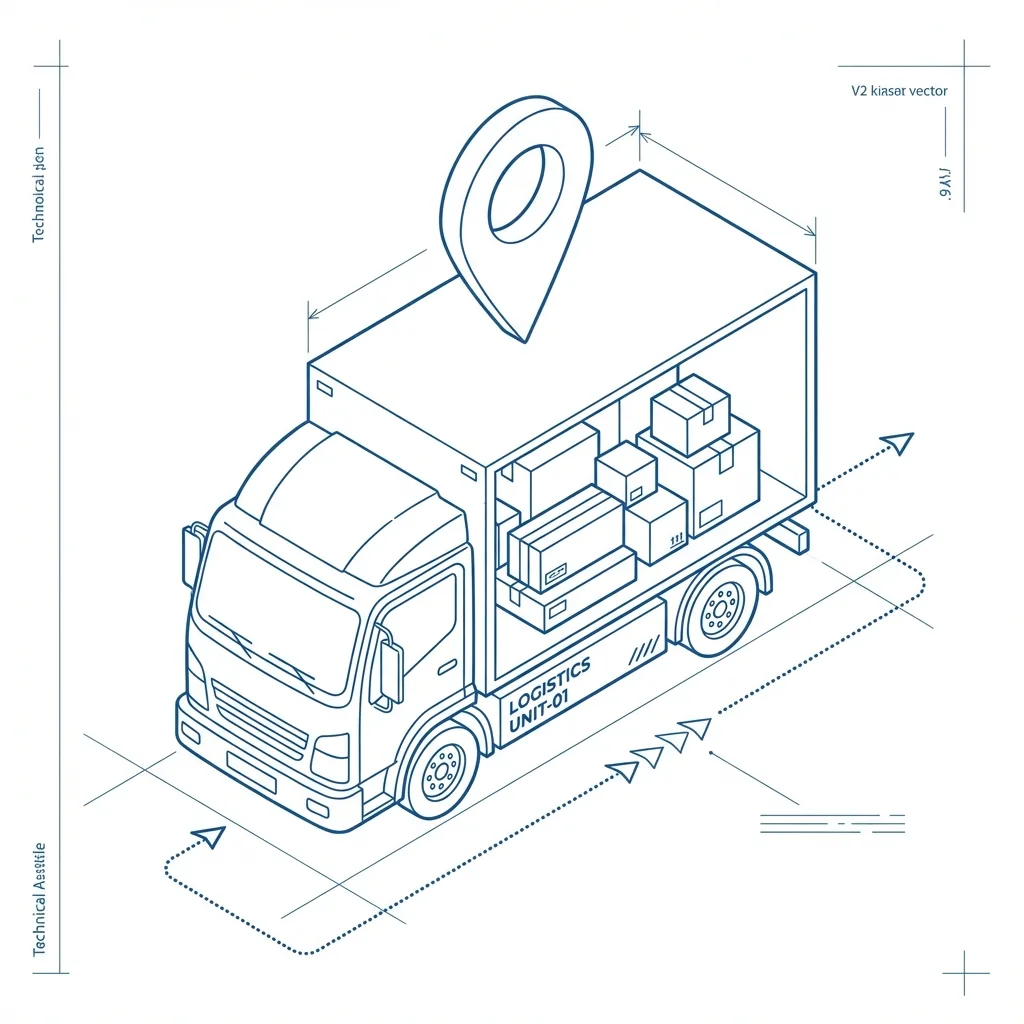
GPS vehicle monitoring for manufacturing companies
For a factory, transport is almost never the core business. It brings in raw materials, delivers finished goods and shifts pallets around the site, yet it is accounted for as an afterthought: waybills, fuel cards and the garage manager's word.
We fit GPS trackers and sensors to the lorries, forklifts and plant of companies from Sumgait to Ganja and Mingachevir, and bring the data together in Wialon so that the head of logistics and the finance director are looking at the same figures.
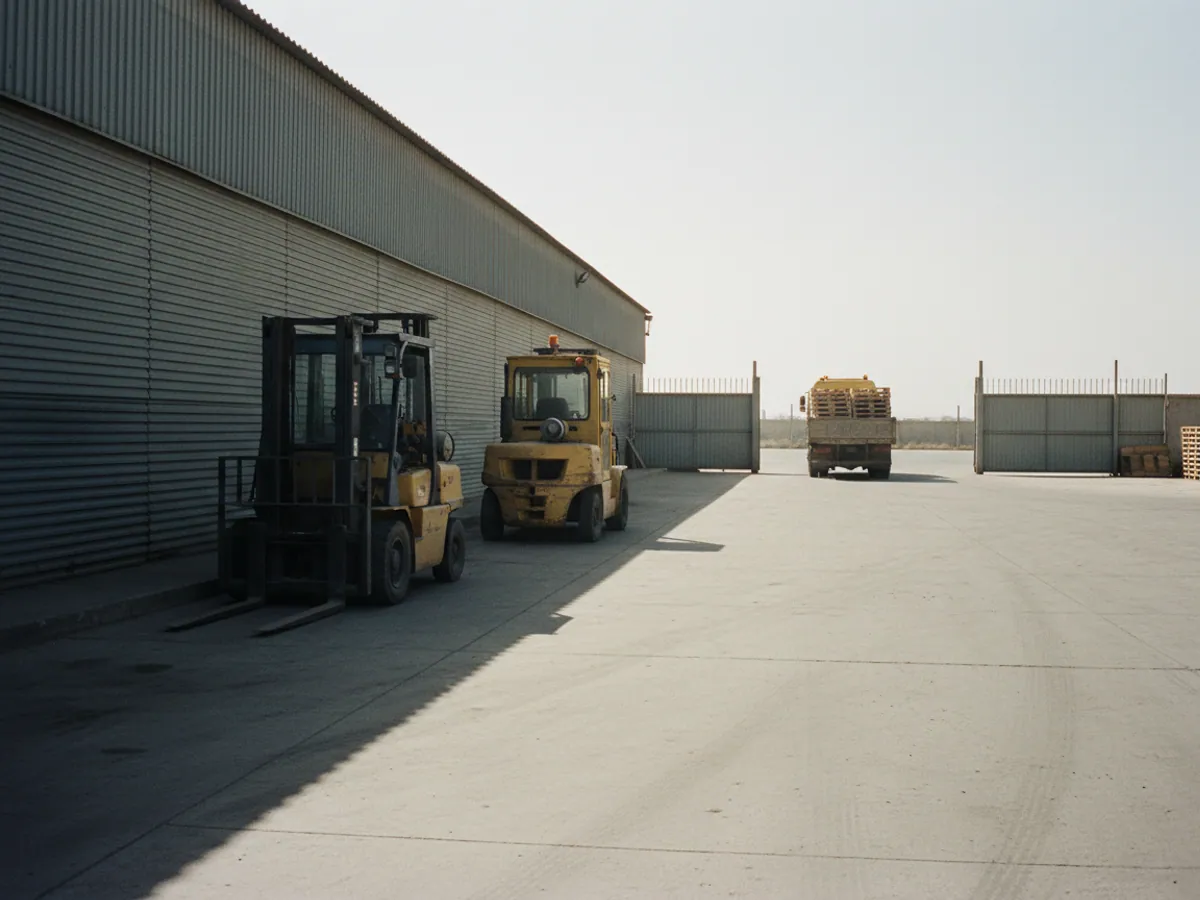
Where a manufacturing company loses money on transport
GPS monitoring for manufacturing companies usually starts not with the question of where a vehicle is but with a question from the finance department: why are transport costs rising faster than output. The answer almost always hides in three places.
The first is supply. A lorry went for raw materials to a supplier's depot in Baku and came back after six hours instead of three. The second is despatch: a vehicle carrying finished goods called in somewhere else on the way, and the customer got his goods later than promised. The third is on-site machinery: forklifts and yard tractors that are down as working the whole shift but in fact stand still for half of it.
In practice, after the first two or three weeks of monitoring, two things often come to light: a noticeable share of the mileage has nothing to do with runs against delivery notes, and fuel is written off against norms that have not been reviewed for years. Exactly how much depends on the fleet, and that is precisely what a pilot shows.
Below is an overview of how this works in different industrial sectors, what equipment we fit and how a roll-out goes. Detailed treatments by industry are on the sector pages.
Solutions by sector: manufacturing plants
Four bottlenecks we see at almost every factory
Factories differ - from a confectionery plant to a cement works - but their transport problems are remarkably alike. Here is what surfaces in the first reports.
Runs with no link to orders
Accounts can see that a vehicle covered 180 km in a day, but not which of those kilometres relate to despatches. Nobody has time to match mileage against delivery notes by hand.
Fuel against outdated norms
Consumption norms are often approved for new vehicles, while the fleet is already 8-12 years old. The gap between the norm and the actual figure ends up as the driver's so-called savings. Without a fuel level sensor there is no proving it.
Queues at the gate and the loading bay
Three articulated lorries arrive for despatch at the same time, and then nobody for two hours. Waiting at the gate is paid for, especially where the transport is hired and counts its waiting hours.
On-site machinery with no records
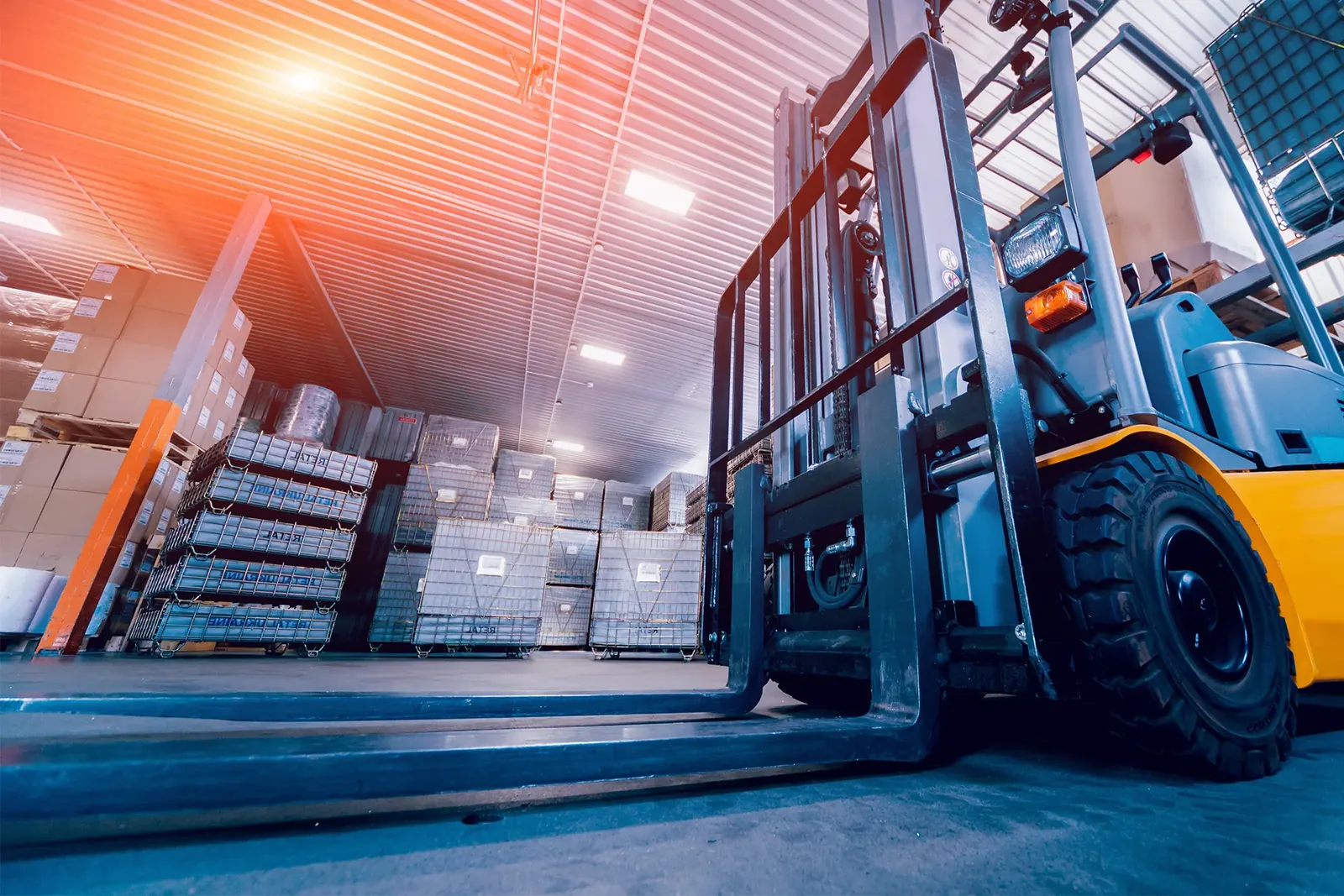
Forklifts, yard tractors and tractors on the factory site never leave the gates, so they are not tracked at all. Yet their engine hours, idle time and wear are perfectly real.
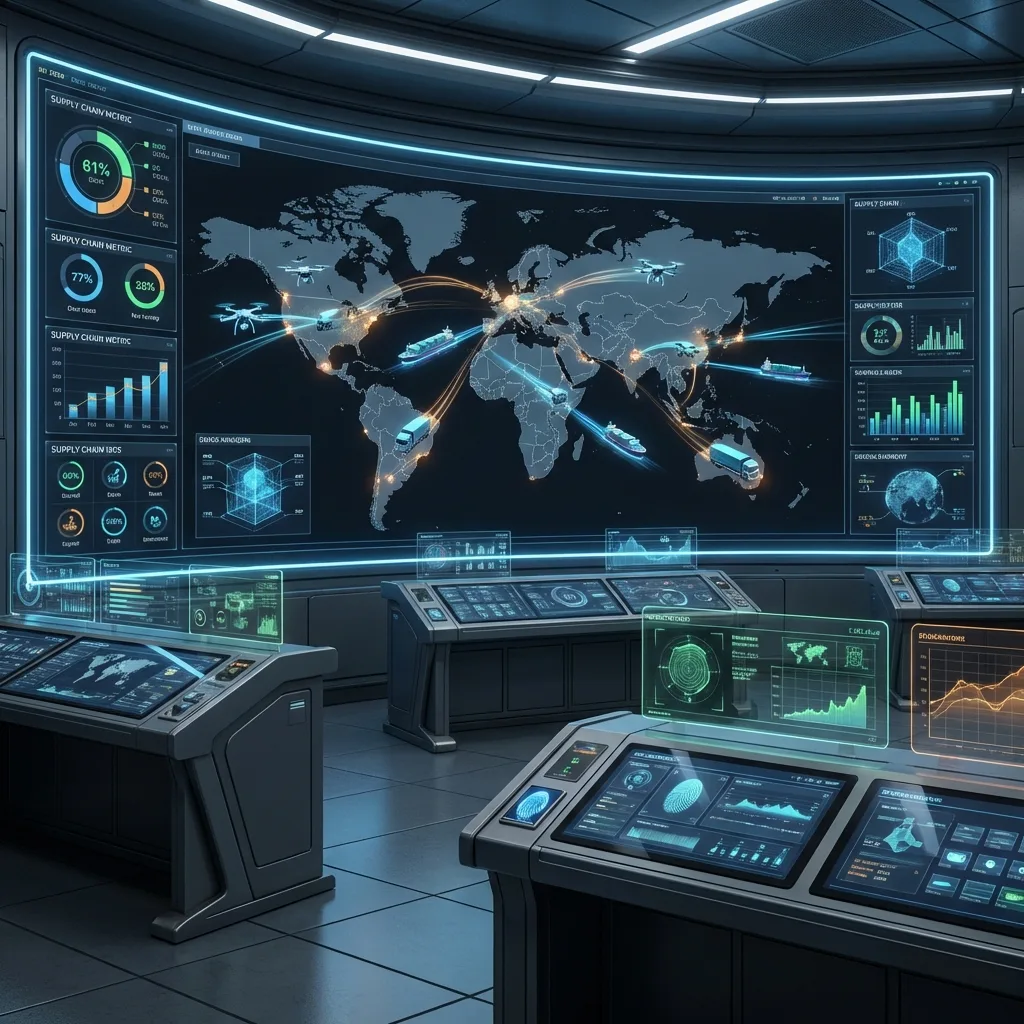
How GPS monitoring works at companies in Azerbaijan
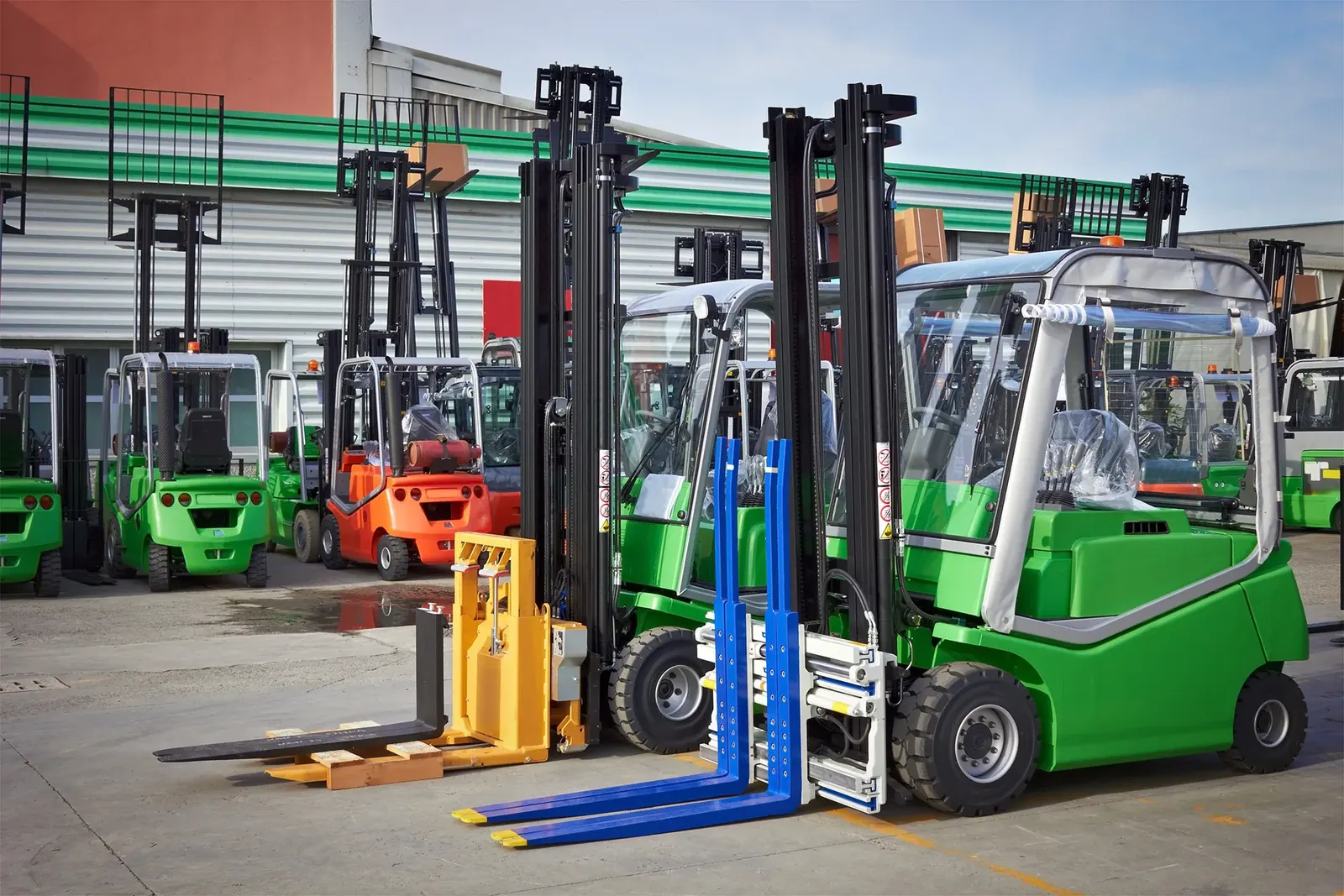
A typical factory fleet here is a mixture: a couple of new tractor units with a CAN bus, several GAZelles and Isuzus for deliveries around Baku, old KamAZ or MAZ lorries for raw materials, plus forklifts at the warehouse. One type of tracker will not cover all of that, and that is perfectly normal.
On lorries we fit a tracker reading CAN, or with a fuel level sensor where there is no CAN. On delivery vehicles, a compact tracker and, if needed, a sensor on the body door. On forklifts, a tracker with an engine running sensor, or simply a record of engine hours. All of it appears in one Wialon account, separated by department: supply, sales, warehouse.
Industrial zones are a case of their own. In the Sumgait Chemical Industrial Park and the industrial zones around Baku and Ganja we map out geofences for gates, warehouses and loading bays. The system then works out by itself how long a vehicle spent loading and how long it spent at the gate waiting for a pass.
Honestly about the limits: inside large steel-framed workshops the GPS signal is lost. Tracking machinery inside a workshop calls for BLE tags or a separate indoor layout, which is a different budget and a different project. On open yards and roads everything works as it should.
What matters in each industrial sector
Long supply chains and expensive components
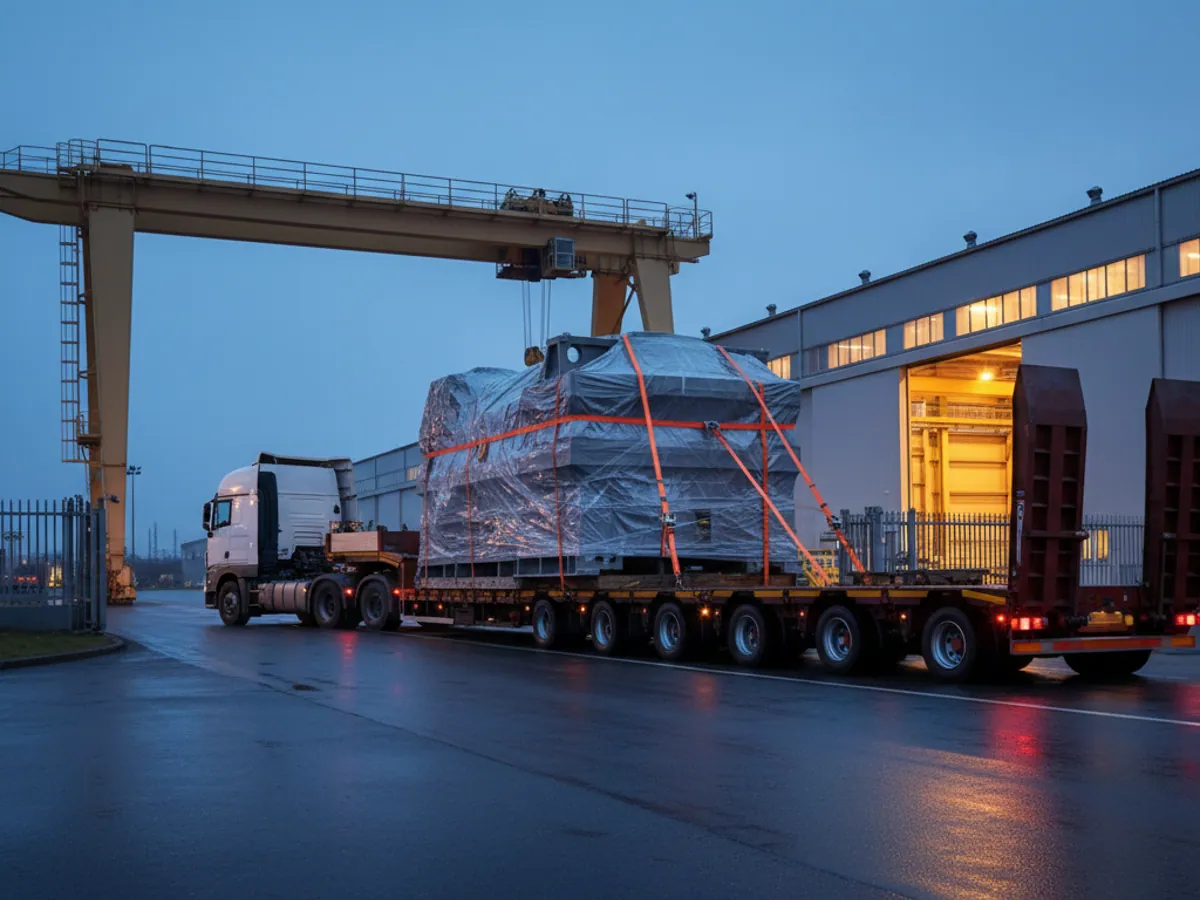
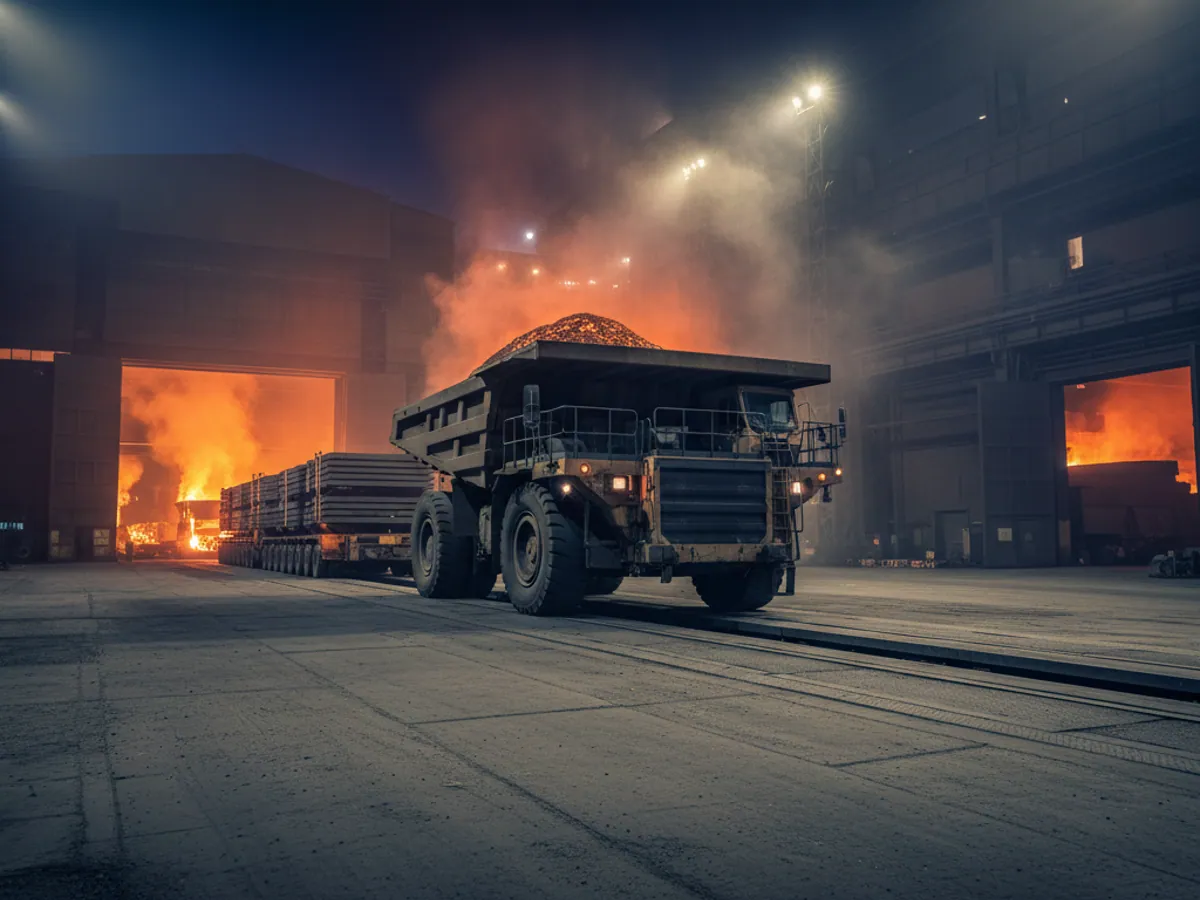
In engineering and metalworking, transport carries rolled steel, assemblies and finished products, often oversized. The main questions are the delivery times of components to the assembly line and the security of expensive loads in transit.
What is most often needed here is route monitoring, body door sensors and records for site machinery: cranes, tractor units with low loaders. There is a detailed treatment on the page GPS monitoring for engineering companies.
What transport monitoring does at a factory, and what it does not
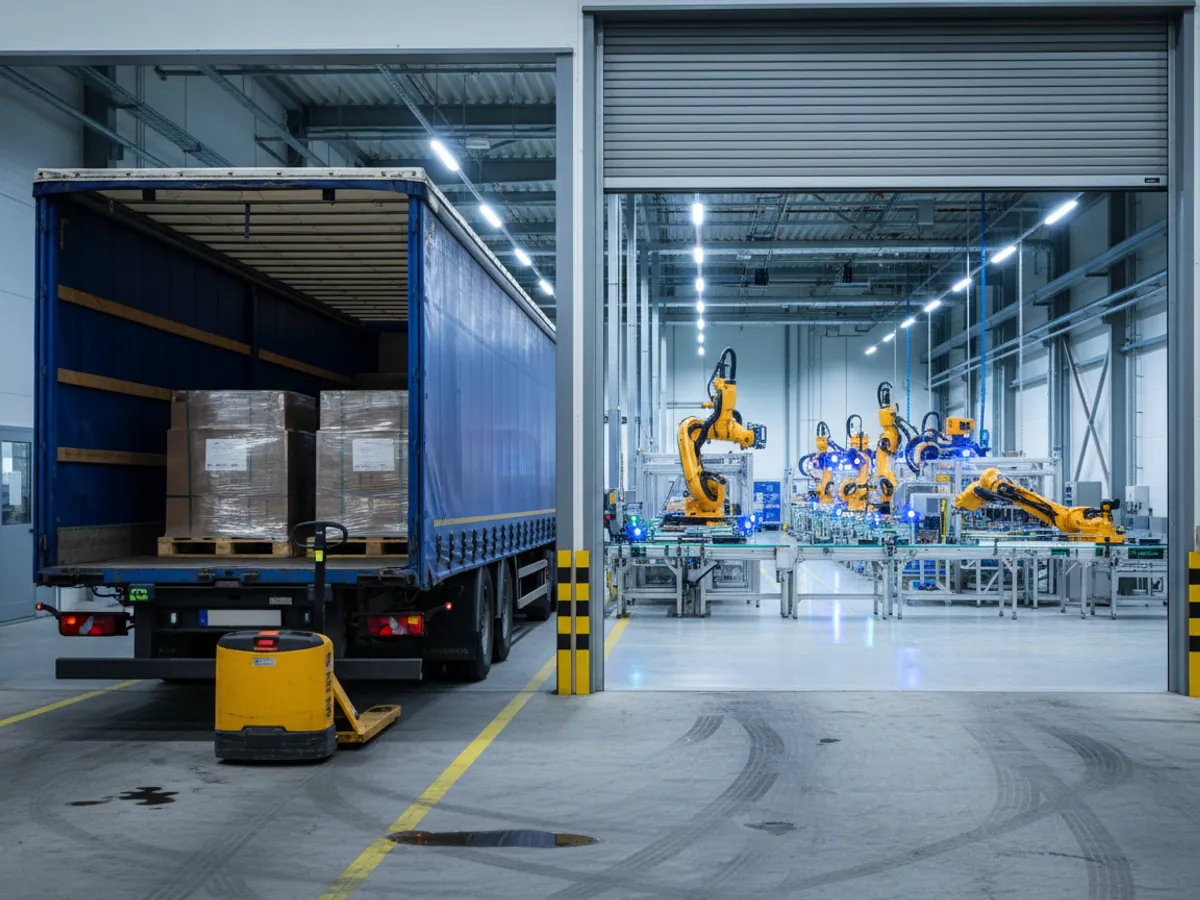
We track mobile assets: lorries, delivery vehicles, forklifts, yard tractors and trailers. We see where they are, how long they work, how much fuel they use, when they entered the site and how long they stood at the loading bay.
The system does not manage the production process. It does not know which order is on the line, it does not plan output, and it does not replace an MES, an ERP or a warehouse system. If a run has to be linked to an order or a batch, the order data comes from your accounting system, and monitoring adds the fact to it: when, and by which vehicle, it was carried.
The dividing line runs roughly like this:
- Telematics: coordinates, mileage, engine hours, fuel, doors, temperature in the body, impacts, time inside the factory's geofences.
- The factory's accounting systems: orders, batches, delivery notes, the despatch plan, weights from the works weighbridge.
- Jointly, through integration: the run against a delivery note, waiting at the bay for a particular despatch, deviation from the supply schedule.
It is worth talking that division through at the start, so that monitoring is not expected to do what an MES should, or the other way round.
What equipment we fit to factory transport
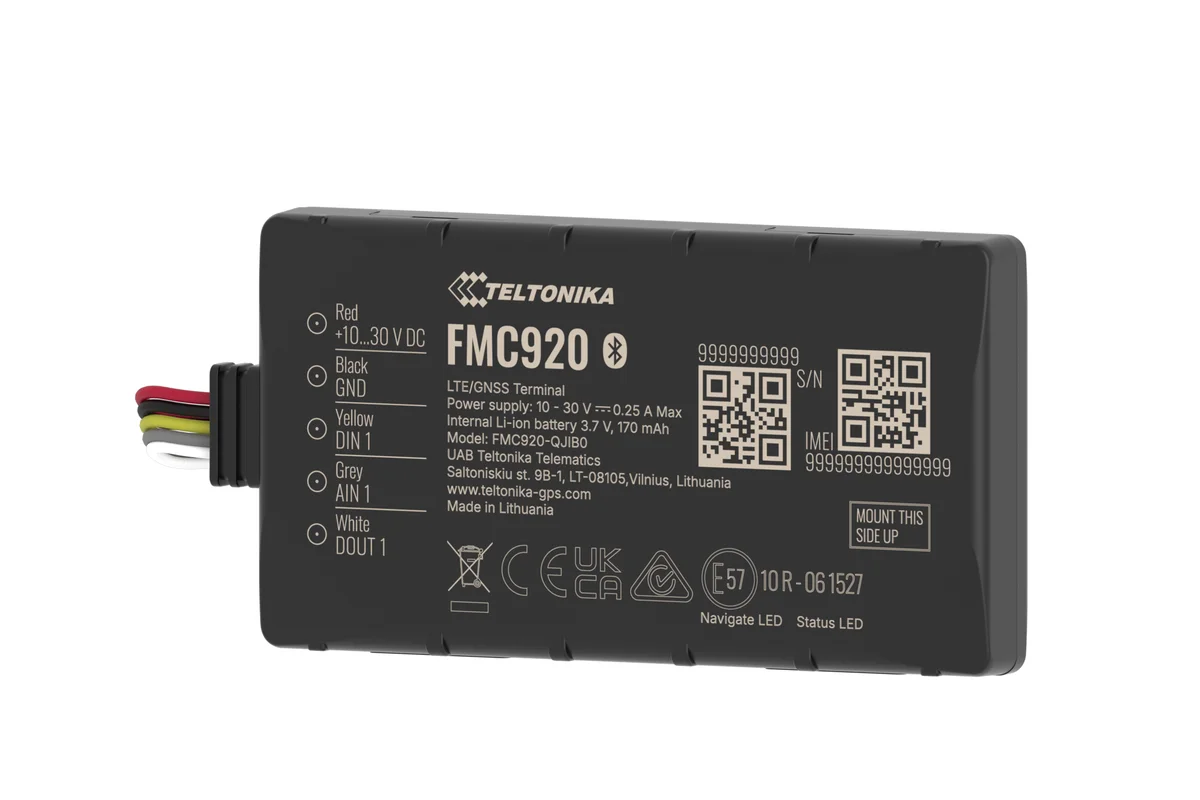
We choose by the type of vehicle and the task, not by the price list. The commonest sets at manufacturing companies:
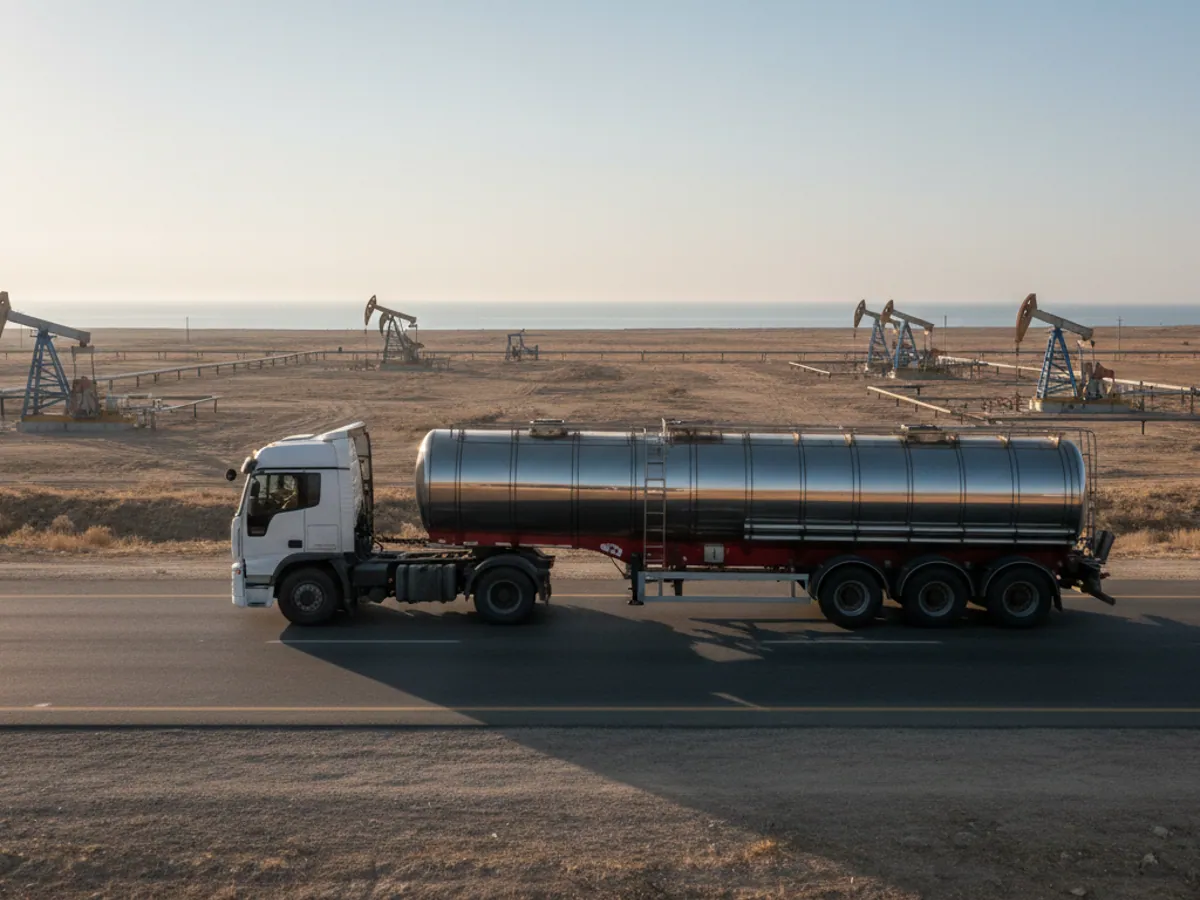
- Long-haul tractor units and large lorries - the Teltonika FMB140 reading the CAN bus: consumption, mileage and revs without cutting into the fuel system.
- Older lorries with no CAN - a tracker plus a fuel level sensor in the tank. That is the only way to see drains and real consumption.
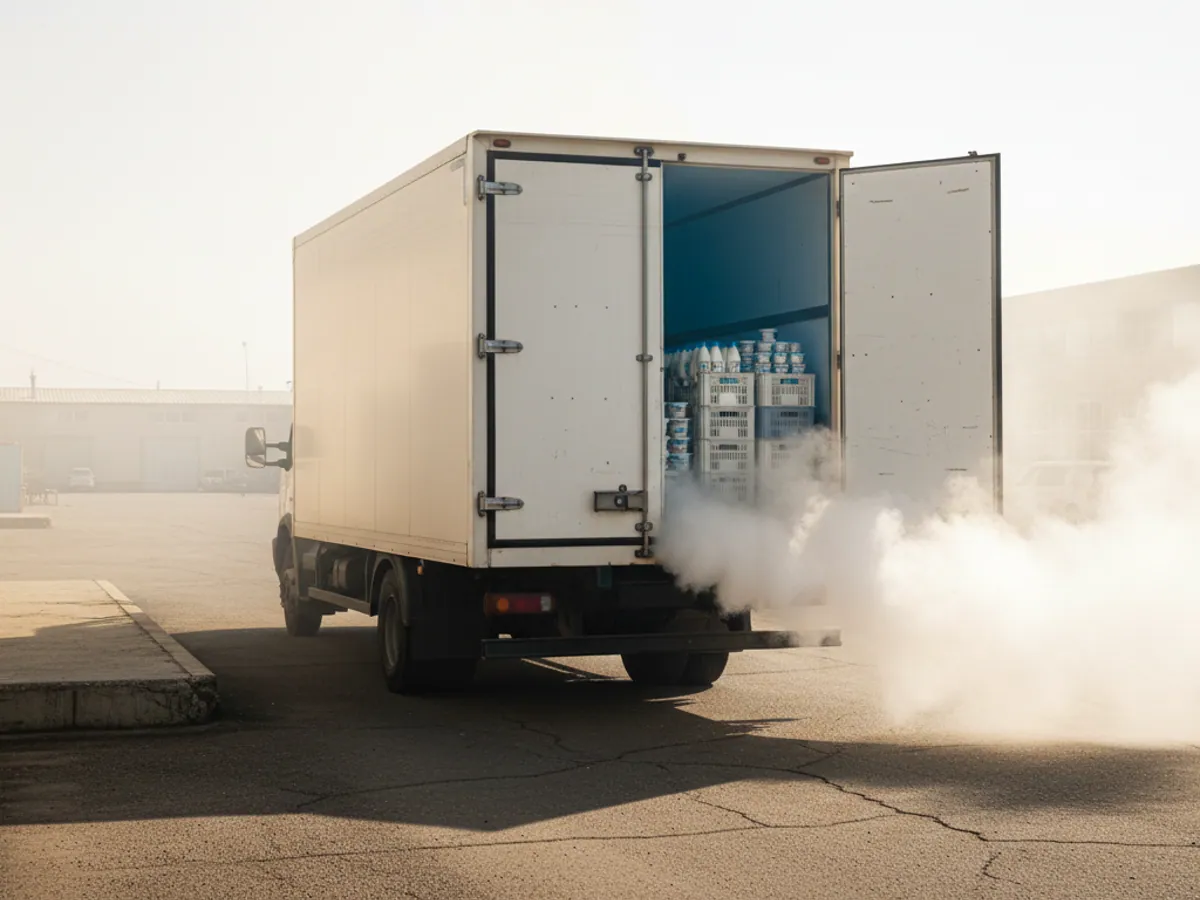
- Delivery vans - a compact tracker and a body door sensor, and for food a temperature sensor.
- Forklifts and on-site machinery - a tracker with an engine running sensor or a record of engine hours; for electric forklifts, monitoring of charge and operation.
- Trailers and containers - the self-powered Teltonika TAT100 tracker: no connection to a power supply, and years of life on a battery.
Fitting is done on the factory site, between shifts or at a weekend, so that despatches are not held up. One fitter averages 4-6 vehicles per shift.
What monitoring can be linked to in manufacturing
The company's accounting system
Runs, mileage and fuel consumption are exported into 1C or SAP, so that accounts do not have to retype the figures. How that is done is in the section on integration with 1C and SAP.
The works weighbridge
The weight in and the weight out are tied to the run of a particular vehicle. Discrepancies show up at once rather than at stocktaking.
Despatch schedules
The dispatcher sees which vehicles are due at the bay within the hour and can reorder the queue. For hired hauliers it is proof of the time of arrival.
Cost accounting by department
Supply, sales and warehouse transport are split into different groups. Each manager sees his own vehicles, while the finance team sees the overall picture of fleet costs.
How a roll-out goes at a manufacturing company
1. A conversation with three people. The transport manager, someone from finance and someone from the warehouse. Each has a different complaint, and it is better to hear all three before choosing equipment.
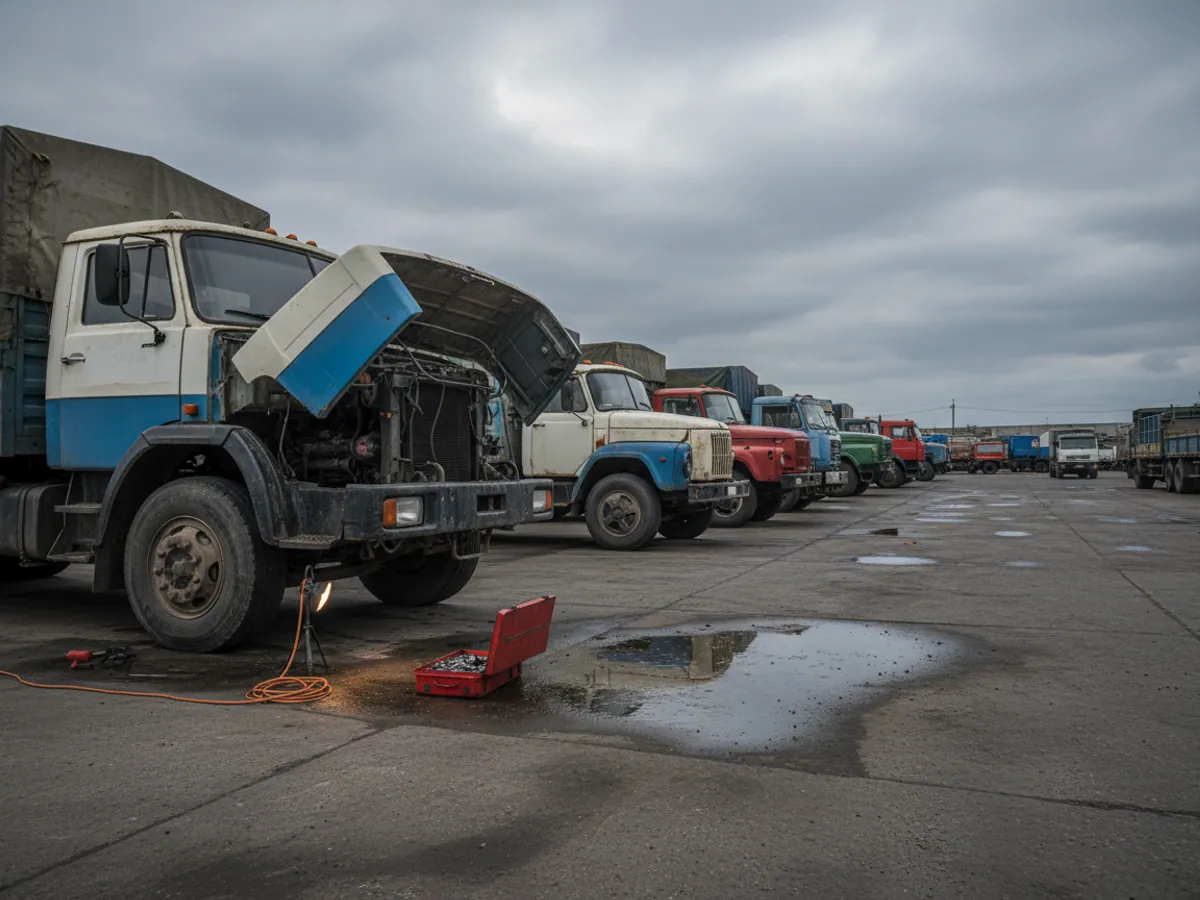
2. A walk round the fleet. Our engineer looks at the vehicles: year, whether there is CAN, the condition of the tanks, where a tracker can be hidden. The result is a list of equipment for each unit.
3. A pilot on 5-10 vehicles. We take the most troublesome: those that consume most or are late most often. After a month it is already clear where the real losses are.
4. Roll-out across the fleet and setting up reports in your format: by shift, by department, by customer.
5. Training and support. We teach the dispatchers to work with Wialon on real data, not on a demo. After that it is technical support and an engineer's visit if a sensor needs recalibrating.
If the factory has no dispatcher of its own, reports can arrive by email once a week - that is enough to keep the costs under control.
What a pilot at a factory needs and how to sign it off
What we need from the company before the start:
- a list of the pilot vehicles with their year of manufacture and whatever is already fitted in the cab;
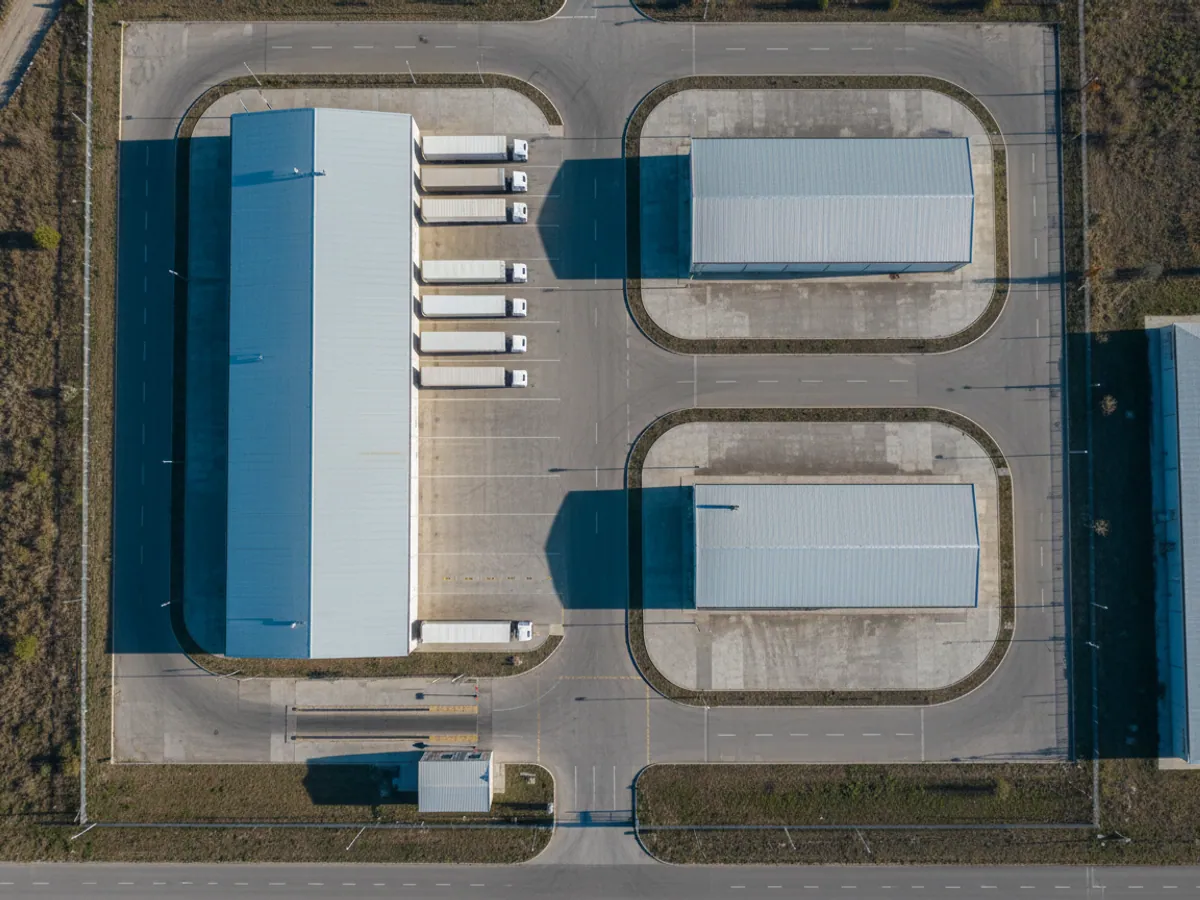
- a plan of the site: gates, weighbridge, loading bays, warehouses - for the geofences;
- the fuel consumption norms in force and the write-off procedure;
- an export of delivery notes or runs from the accounting system for the pilot period;
- one named contact each from transport and from finance.
The acceptance criteria we usually agree: all the pilot vehicles send data with no unexplained gaps; runs on the track are reconciled with the delivery notes and any discrepancies looked into; fuel from the sensor or CAN is matched against refuelling; the report on waiting at the gates and the bays is assembled automatically.
An example of a working report: for each vehicle over a week - total mileage and mileage on runs with a delivery note, time on site at the gate, at the bay and loading, actual consumption against the norm, refuelling and suspicious drops in level. The figures in it will be yours, and the conclusions are drawn from them, not from what we expect.
Questions from manufacturers
How it is used in this industry
Case studies from “Manufacturing Plants”

GPS monitoring for “Manufacturing Plants”
Send us an enquiry and we will prepare a quote for your fleet and pick the hardware that suits this industry.
- 1 We pin down the task
A specialist calls back and asks about the vehicles, how many there are and what you need to keep an eye on.
- 2 We put a solution together
We propose the hardware and the features, and set out the one-off and the monthly cost separately.
- 3 We agree the fitting
At your yard or at ours, on a schedule that keeps the vehicles working.
Request a call
A specialist will call back and match a solution to your fleet and your task.