

GPS telematics for insurance companies, banks and leasing funds
A financial company has no need of a lorry. What it needs to know is that the insured or pledged vehicle exists, is driven carefully and will not disappear. Telematics turns that knowledge from an assumption into data.
We help insurers, banks and funds in Azerbaijan fit trackers to the assets at risk, gather journey data and pass it into their own scoring and accounting systems.

Risk that can be measured
GPS telematics for insurance companies and banks solves one problem: reducing uncertainty. An insurer assesses risk from the driver's age and the make of the vehicle, when it would be far more accurate to look at how the person actually drives. A bank lends against machinery as collateral and learns what became of it only when the borrower stops paying.
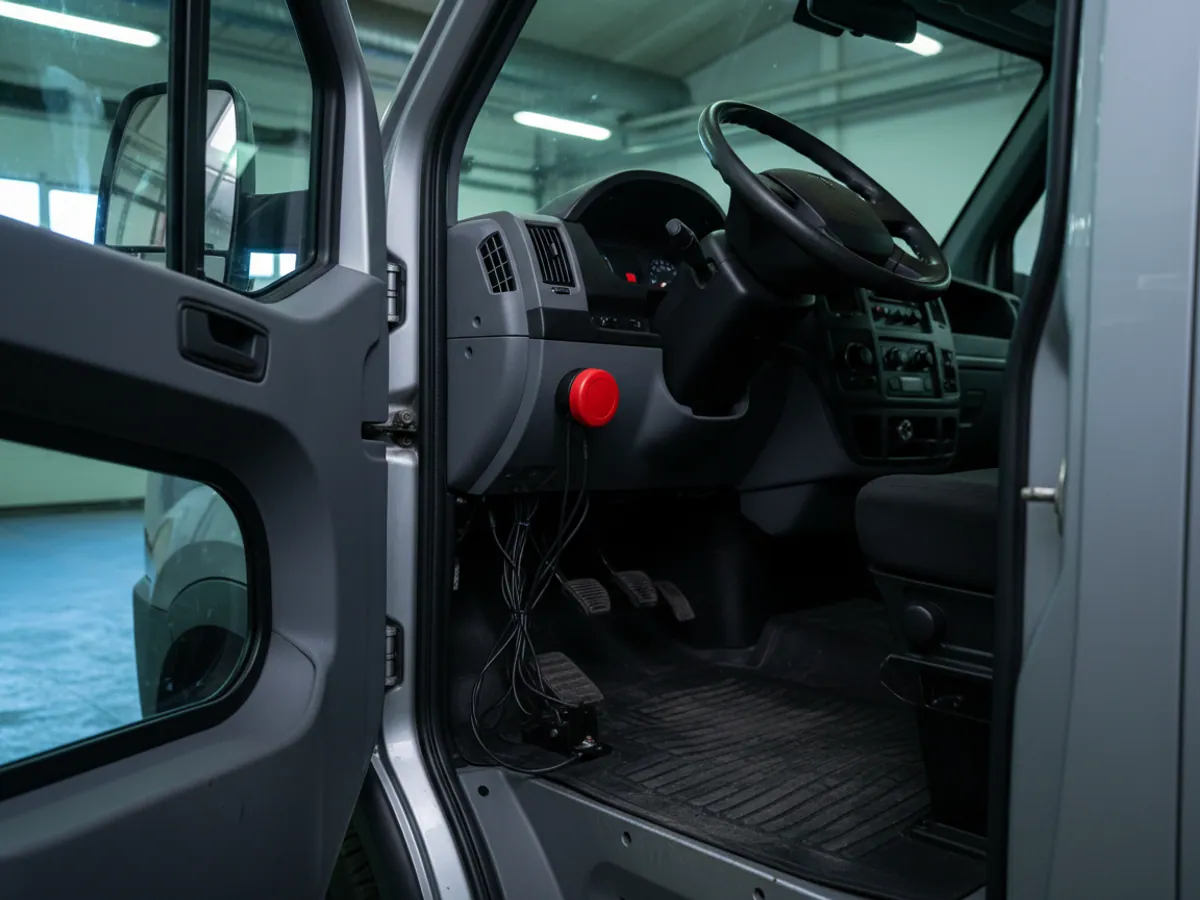
A tracker closes that gap. For the insurer it gives driving style, mileage, the timing of journeys and the exact circumstances of a collision. For a bank or a fund it gives the location and condition of the collateral at any point in the term of the agreement. For a cash-in-transit department it gives control of the route of the vehicle carrying valuables and an alarm button.
In Azerbaijan insurance telematics is still developing, and most projects begin with pilots on a limited part of the portfolio: corporate fleets, expensive cars, commercial vehicles. That is a sensible path - data first, tariffs afterwards.
It also matters that a financial company usually has no wish to become a monitoring operator. It needs the data in its own systems, while the equipment, the fitting and the platform are ours to handle.
Solutions by sector: insurance & financial companies
Three directions in the financial sector
Tariffs based on how the driver really drives
Insurance telematics gathers driving style: harsh acceleration and braking, speeding, cornering at speed, journeys at night, mileage. On that basis you can offer a discount to careful drivers and assess the risk across the portfolio more precisely.
The other task is investigating claims: where, when and at what speed the collision happened, and whether there was an impact. There is detail on insurance telematics and usage-based insurance (UBI).

How tracker data helps with a claim
Picture a disputed collision on the Baku ring road. The client says he was doing 60 km/h and was hit from behind. The other side says the opposite.
A tracker with an accelerometer records speed, direction of travel and the moment of impact to the second. The report shows that 10 seconds before the event the car was doing 58 km/h, braked hard, and a second later an impact from behind was recorded. Data like this helps settle the case faster and reduces the risk of fraud.
If the vehicle has a dashcam, camera footage is added to that. The recorder saves a clip around the moment of impact and uploads it to the server, so the recording is not lost along with the vehicle. There is more on cameras in the section on video monitoring with AI.
Theft is a separate matter. When the alarm triggers and the main tracker loses power, the insurer receives the last known point and can pass it to the police straight away rather than a day later.
An honest caveat: tracker data helps establish the circumstances, but the legal assessment of a collision remains with those whose job it is under the law. We provide facts, not the verdict.
What a financial company gets out of telematics
Driving style scoring
A driver score built from harsh manoeuvres, speed and the timing of journeys. The same logic is used in driving quality monitoring for fleets.
Actual mileage
Exact mileage for a period is the basis for pay-as-you-drive programmes, where the price of the policy depends on the distance covered.
Impact detection
The accelerometer detects an impact, its force and its direction. The notification arrives at once, so the client can be contacted and offered help.
Location of the collateral
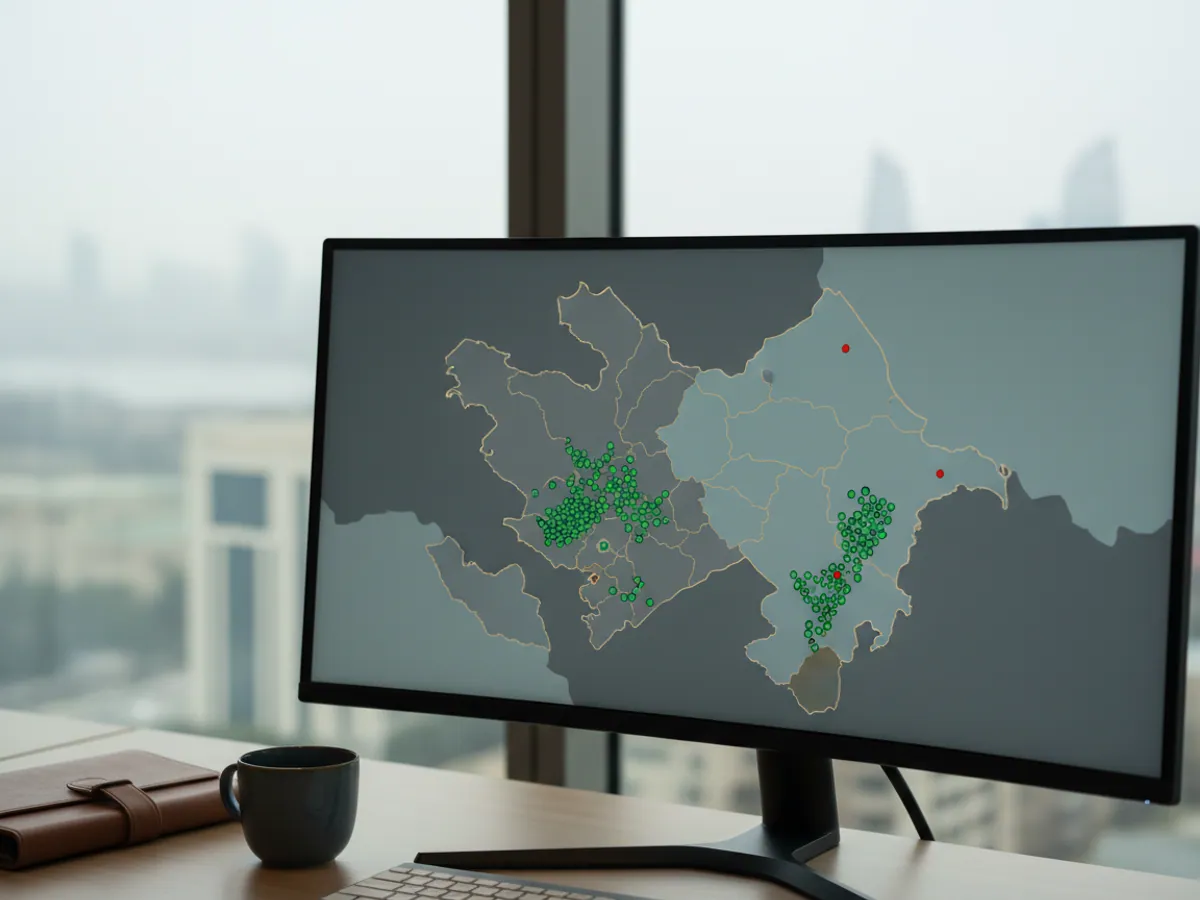
The last known point, the movement history, a notification when the asset leaves the permitted zone. For a bank that is an early signal of a problem loan.
Tamper detection
Loss of power, opening of the housing and attempts to jam GPS are recorded as separate events with their time and place.
Portfolio statistics
Aggregate data across a group of vehicles: how much they are driven at night, where harsh braking is most common, which models are involved in collisions more often. Material for underwriting.
Equipment and ways of fitting it
The choice of device depends on who fits it and how interested the client is in being monitored.
- A hard-wired tracker connected to the power supply is the most accurate option. It suits corporate fleets, commercial vehicles and machinery held as collateral. For example, the Teltonika FMC130 with a built-in accelerometer.
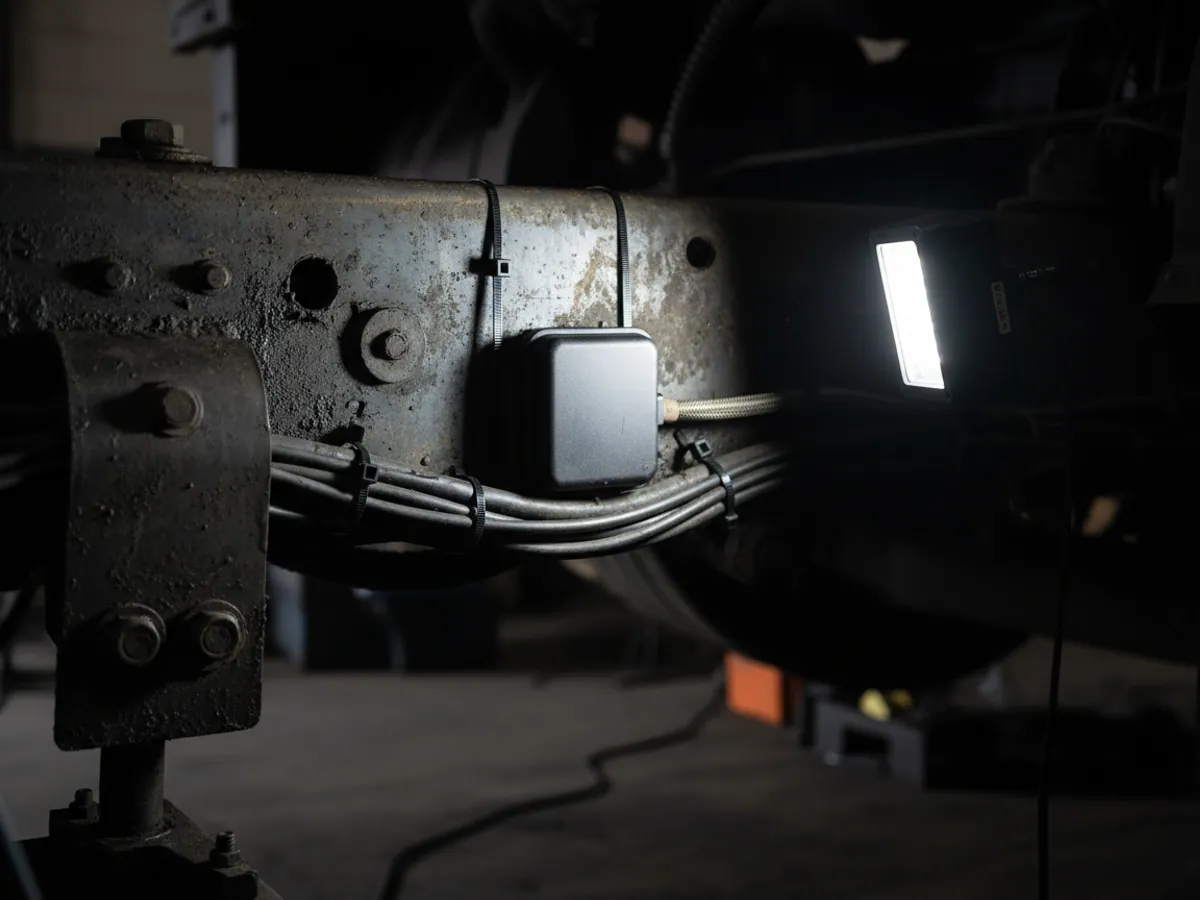
- A self-powered tracker with no connection to the wiring, for pledged property where all that matters is knowing the asset is where it should be. It runs for years on a battery and comes online to a schedule.
- A dashcam, for fleets with a high accident rate and for cash-in-transit, where events need to be recorded.
- An alarm button, for cash-in-transit vehicles and drivers carrying valuable loads.
Fitting is done by our engineers, and for large programmes we can train the insurer's partner workshops. Every installation is recorded with photographs, so that later there is no question about where and how the device is fitted.
How the data reaches your systems
Platform API
Your system requests journeys, events and reports for the objects you need. Documentation and examples are in the API section.
Retransmission of raw data
If you have your own scoring engine, the data stream from the trackers can be forwarded straight to your server. There is more on data retransmission.
Regular exports
For pilots without integration a weekly export to Excel is enough: mileage, driving scores and events for each policy or agreement.
Separated access
Underwriters, claims handling, the security department - each sees only its own part of the data.

How the driver score is built and who is responsible for what
An insurer needs to understand what the score is made of, otherwise it can neither be defended to the client nor used in pricing. We set the methodology out openly.
- The underlying events. Harsh acceleration, braking and cornering from the accelerometer, speeding against the thresholds set, journeys at night, mileage. Every event is stored with its time and coordinates and can be checked.
- Normalisation. Events are recalculated per 100 km driven, so that a driver with high mileage is not penalised against one who barely drives.
- Weightings. How much each type of event contributes to the score is set by the insurer. We propose starting weightings, and after the pilot they are adjusted against loss data.
Data quality. The score is not calculated where there is too little data: too short a distance, long gaps in coverage, interruptions to the power supply. Such periods are flagged separately rather than turning into a perfect driver. Accelerometer thresholds depend on how the device is fitted, so fitting follows a single standard and is recorded with photographs.
Who does what. We are responsible for the equipment, the fitting, the platform and the correctness of the underlying events. The insurer is responsible for the methodology, the weightings, the tariffs and decisions about clients. The client consents to the collection of data and knows what data is collected. The legal wording of that consent is drafted by the insurer's lawyer.
Where to start: a pilot on 50-100 vehicles
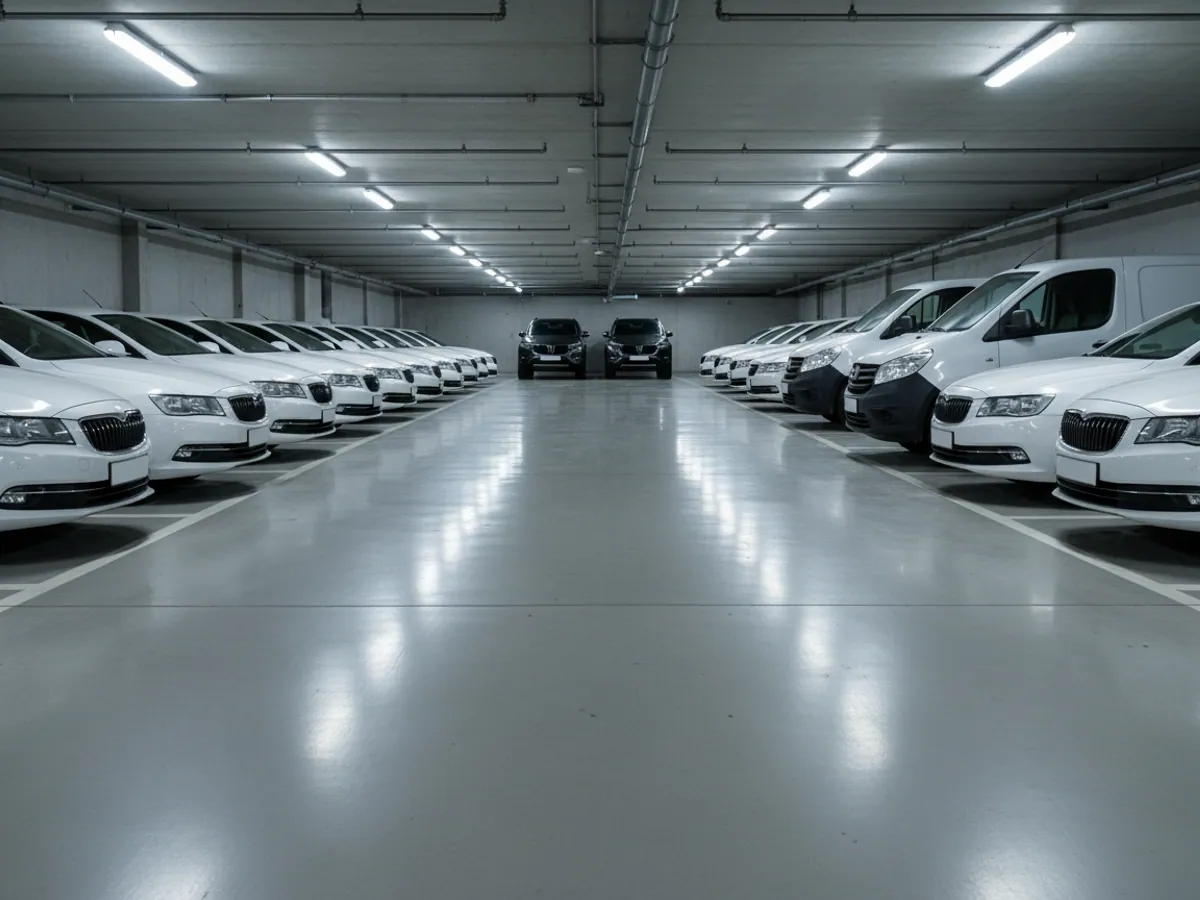
Choosing the portfolio. It is better to start with a group where the client has something to gain from taking part: corporate fleets, expensive cars with a high premium, commercial vehicles. A private driver with no discount on offer has no interest in a tracker.
The client's consent. How the data is collected and used is set out in the agreement. The wording is drafted by your lawyer; we explain exactly what data is collected and where it is stored.
Fitting and data collection. Three to six months of accumulating statistics. Less than that is pointless: seasons and holidays change driving style noticeably.
Analysis and decision. We compare driver scores against loss ratios and identify which parameters really do relate to risk. After that it is possible to talk about tariffs.
Experience of telematics projects suggests that the most telling parameters are not average speed but the frequency of harsh braking and the share of journeys made at night. But conclusions about your own portfolio are better drawn from your own data than from someone else's research.
Questions from insurers, banks and funds
How it is used in this industry
Case studies from “Insurance & Financial Companies”

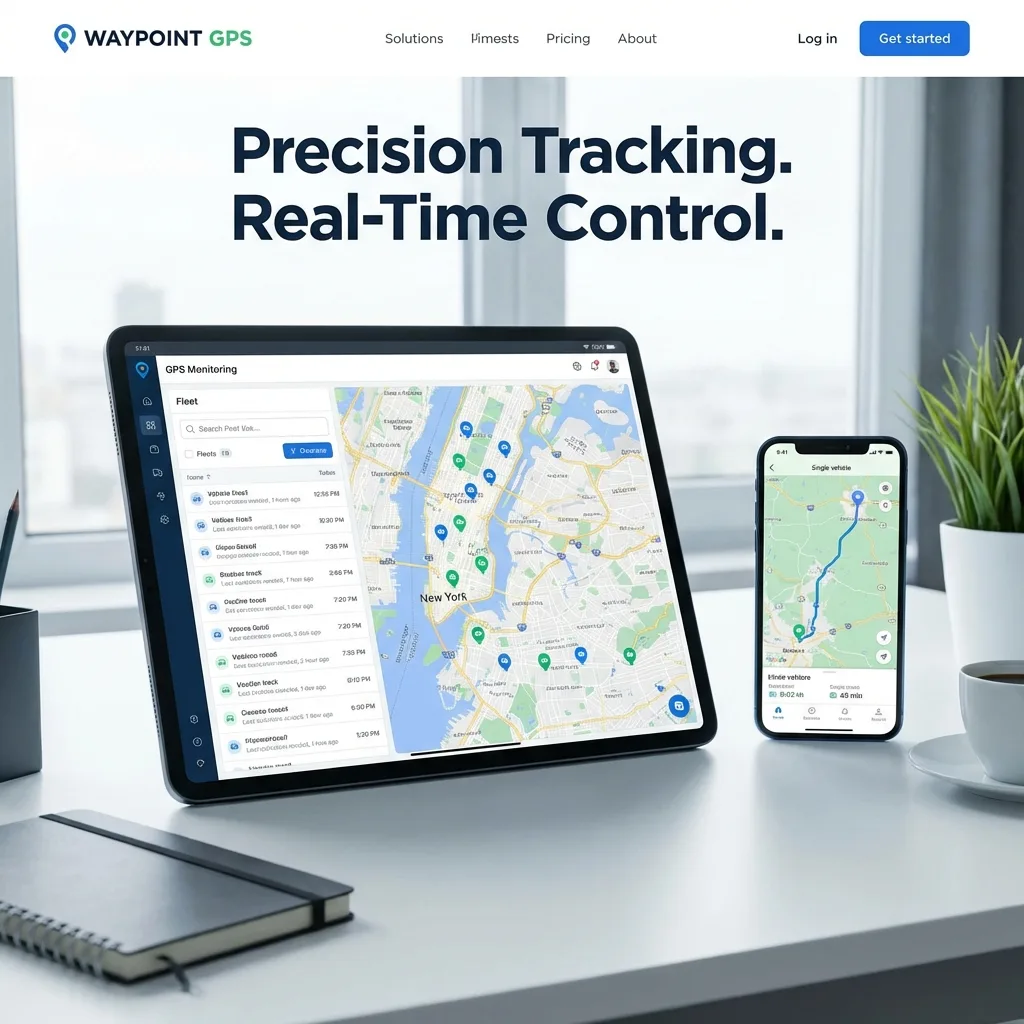
GPS monitoring for “Insurance & Financial Companies”
Send us an enquiry and we will prepare a quote for your fleet and pick the hardware that suits this industry.
- 1 We pin down the task
A specialist calls back and asks about the vehicles, how many there are and what you need to keep an eye on.
- 2 We put a solution together
We propose the hardware and the features, and set out the one-off and the monthly cost separately.
- 3 We agree the fitting
At your yard or at ours, on a schedule that keeps the vehicles working.
Request a call
A specialist will call back and match a solution to your fleet and your task.