Fuel level sensor fitting in Baku and across Azerbaijan
Fuel level sensor fitting in Baku and the regions: a capacitive sensor in the tank, calibration, refuelling and drains in litres in Wialon. Fuel control on lorries, plant and heavy equipment and diesel generator sets.
A sensor in the tank, a calibration table for this particular tank and refuelling and drain thresholds configured in Wialon. We hand the work over after a control refuelling: the volume from the sensor is compared with the volume from the pump, and the discrepancy has to fall within the range agreed before fitting.
Fuel level sensor fitting: when the fuel receipts stop matching the mileage
People usually come to us with the same sentence: we are paying more and more for fuel, and the vehicles are covering the same distance. The waybills are in order, the receipts are all there, the consumption norms are being observed. And the money keeps going.
Fitting a fuel level sensor settles the question with numbers. We put a capacitive sensor straight into the tank, connect it to the GPS tracker and calibrate the tank with measured portions. After that, Wialon shows every refuelling and every drain: how many litres, at what time and at which point on the map. The argument with the driver about half a tank turns into a chart with litres and timestamps.
We work across Baku and Absheron and travel to Sumgait, Ganja, Mingachevir, Shirvan, building sites in Karabakh and facilities out in the districts. We fit sensors to tractor units, tippers, buses, delivery vans, excavators, tractors and diesel generator sets. The sensor and the fitting carry a one-year warranty.
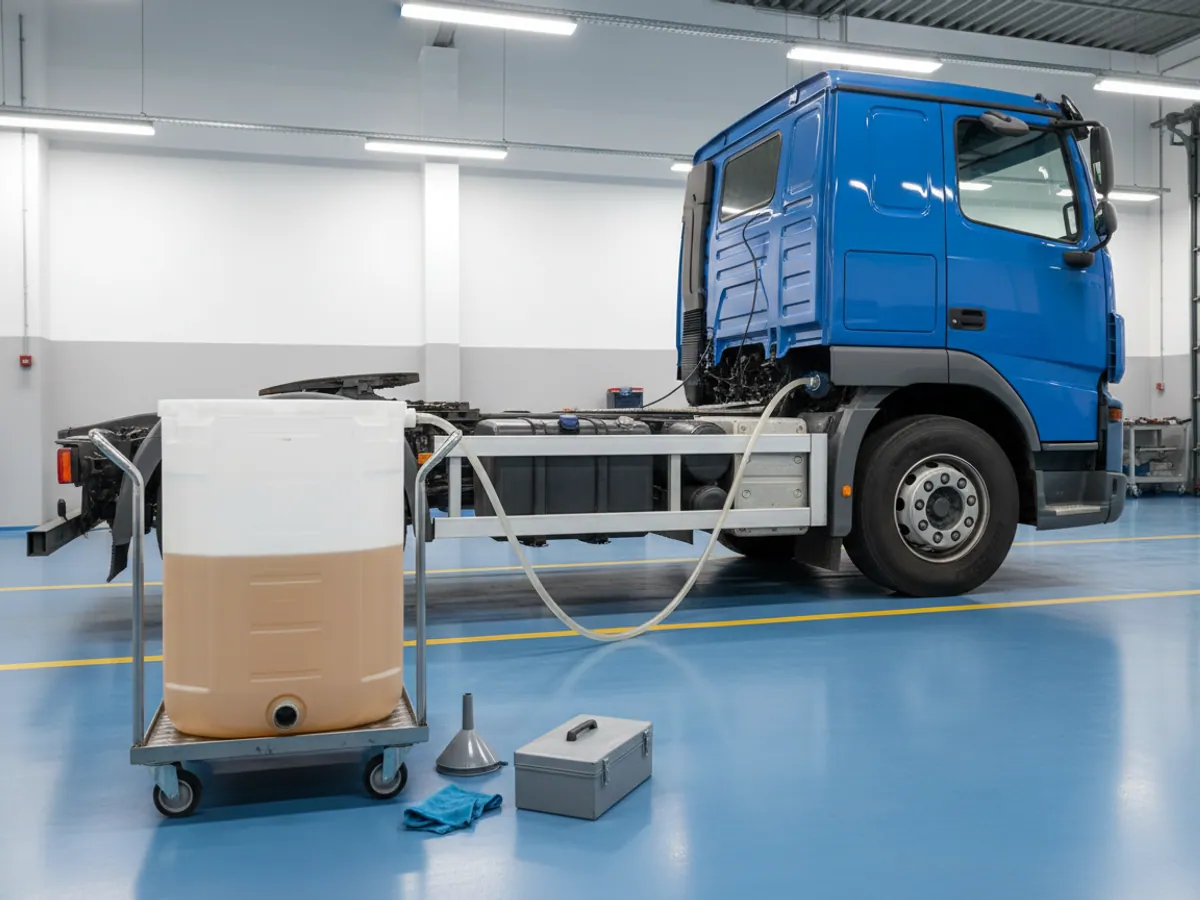
How the work goes, step by step
Vehicles and tanks
Makes, capacity and number of tanks, tracker model. The result is an equipment list and a plan of work.
Sensor into the tank
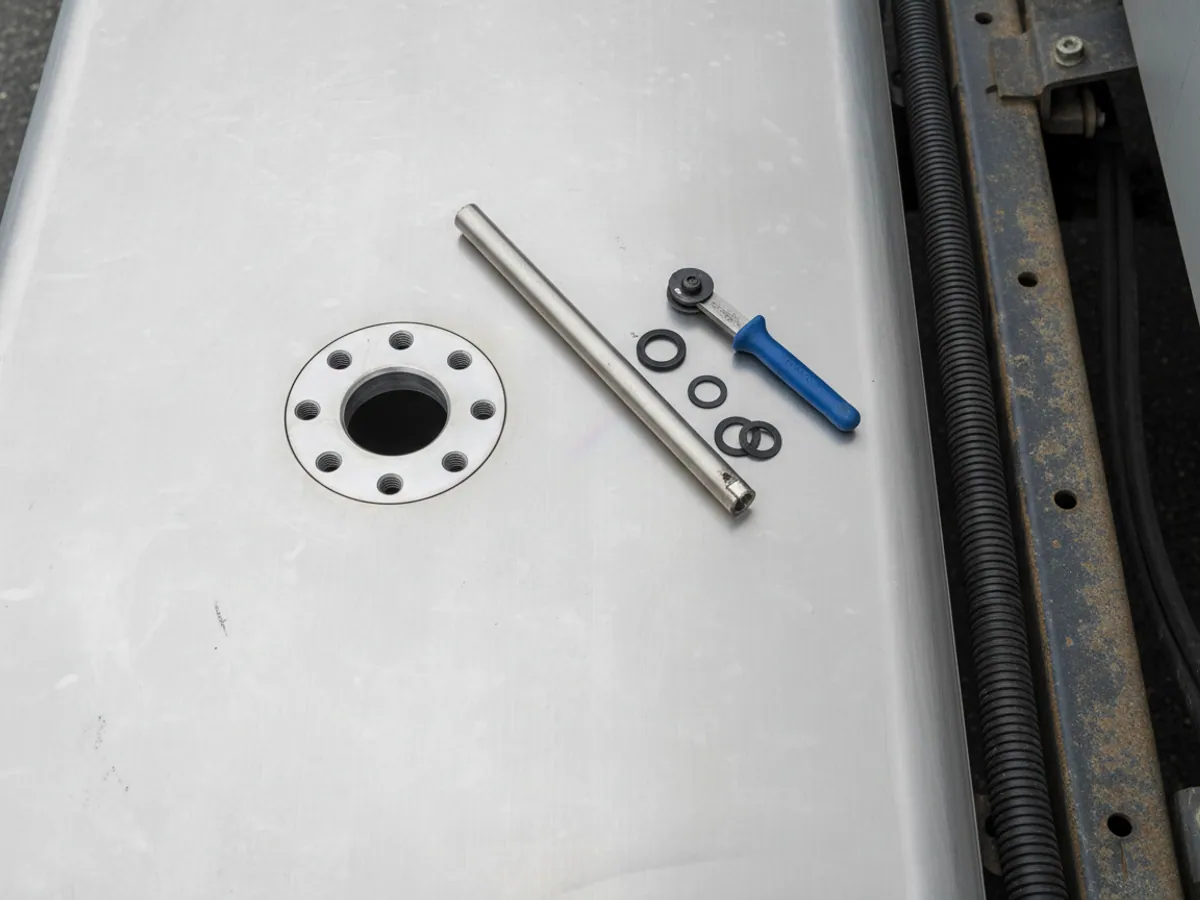
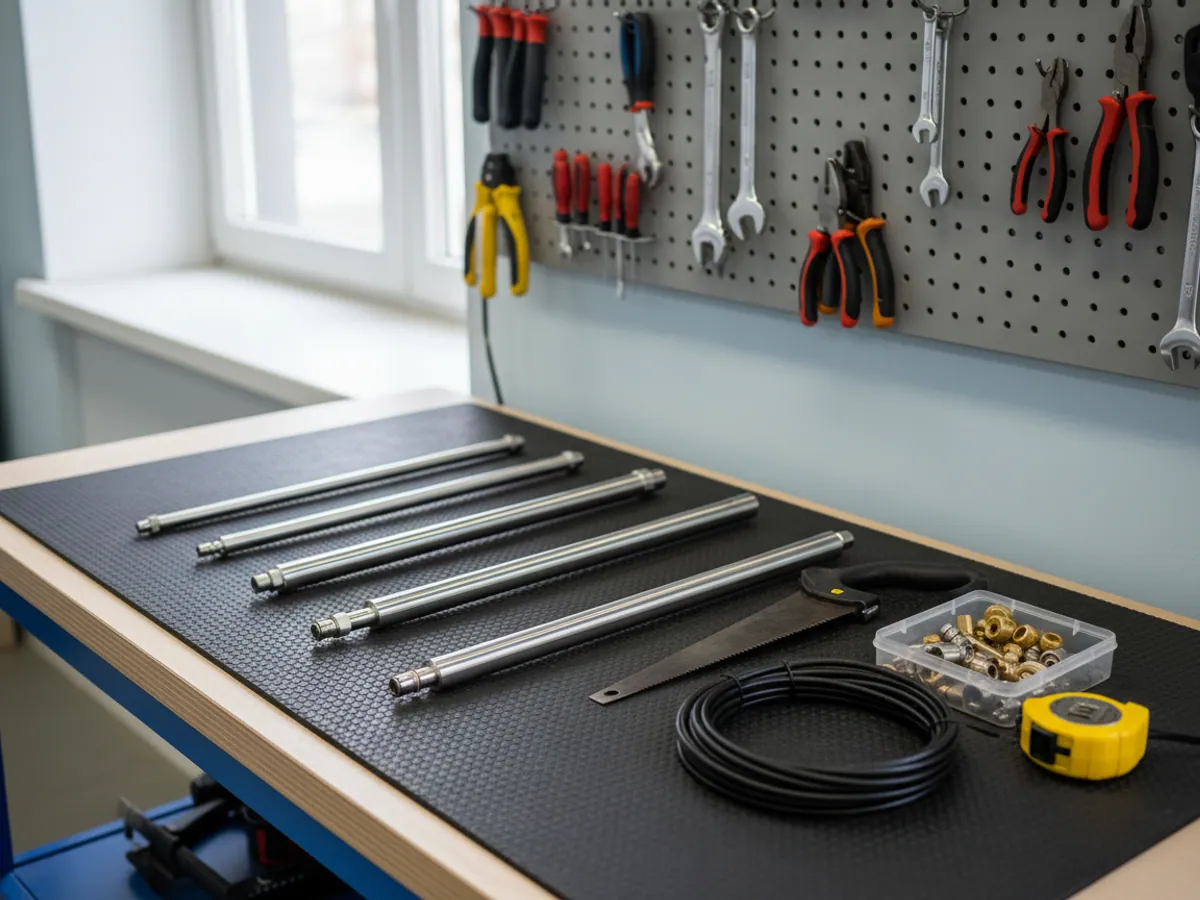
A hole cut with a hole saw in the top wall, the sensor on a fuel-resistant seal, the cable in a sleeve.
Measured portions
Level ground, portions of 3-20 litres with a pause between them. A table for this particular tank.
Thresholds in Wialon
Seals on the sensor and the connectors, the table into Wialon, refuelling and drain thresholds, notifications.
Control refuelling
We compare the litres from the sensor with the pump. For the first fortnight we tune the filters together with you.
A crew's day on a tractor unit with two tanks
An illustrative example: tractor unit 10-XX-123 with two 600-litre tanks at a yard in Sumgait, direct calibration.
- Sensors fitted into both tanks 2 sensors
We cut the tubes to the depth of each tank and put both sensors on the same RS-485 bus.
- Calibration of the left tank in 20 l portions 30 points
After each portion we wait for the fuel to settle, and only then record the value.
- A jump in the reading on one of the portions point repeated
That portion went in faster than usual. We repeat the point after a pause so the table is not distorted.
- Seals, tables and thresholds in Wialon setup
The filters are set for a long-haul tractor unit: stops on the verge must not produce false drains.
- Control refuelling: sensor against pump acceptance
The discrepancy falls within the agreed range and the mechanic signs the certificate.
Why the factory fuel gauge is not enough for accounting
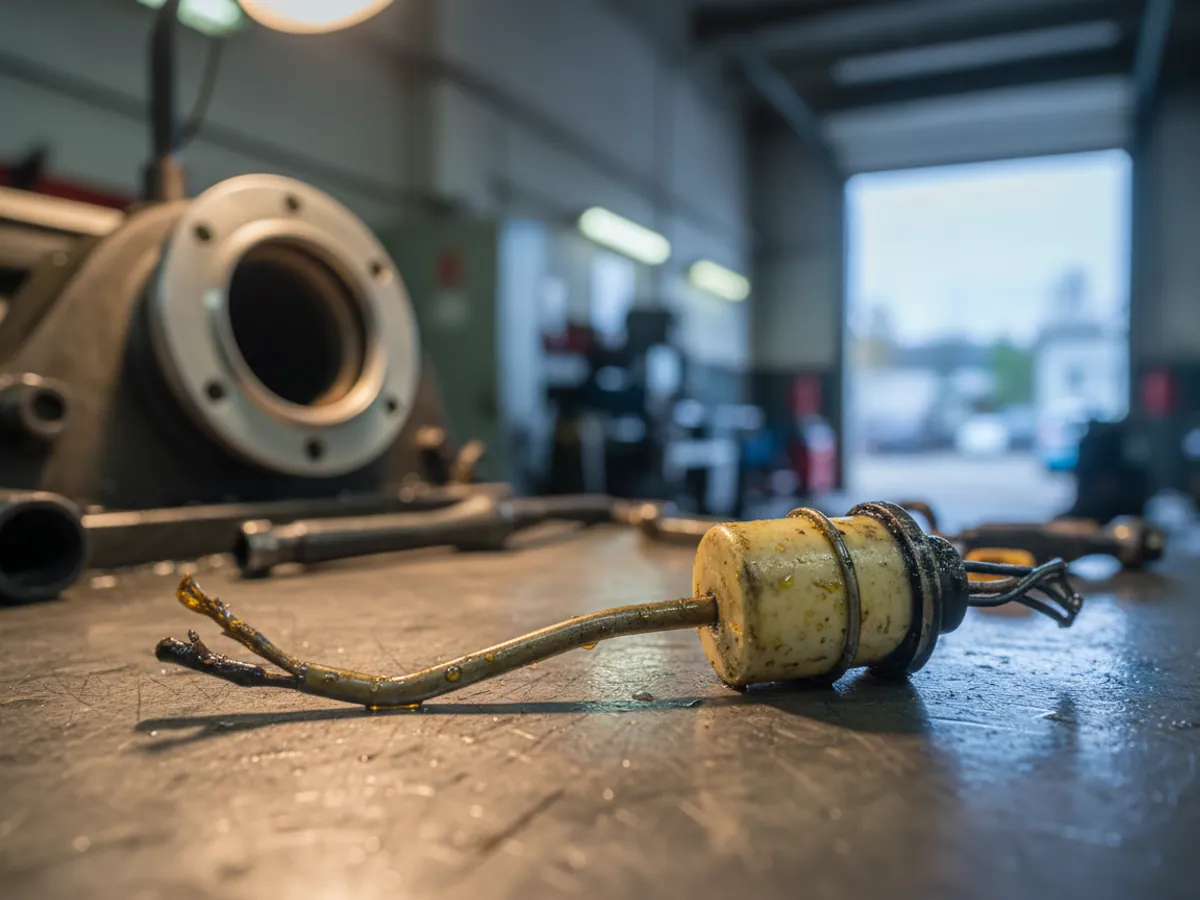
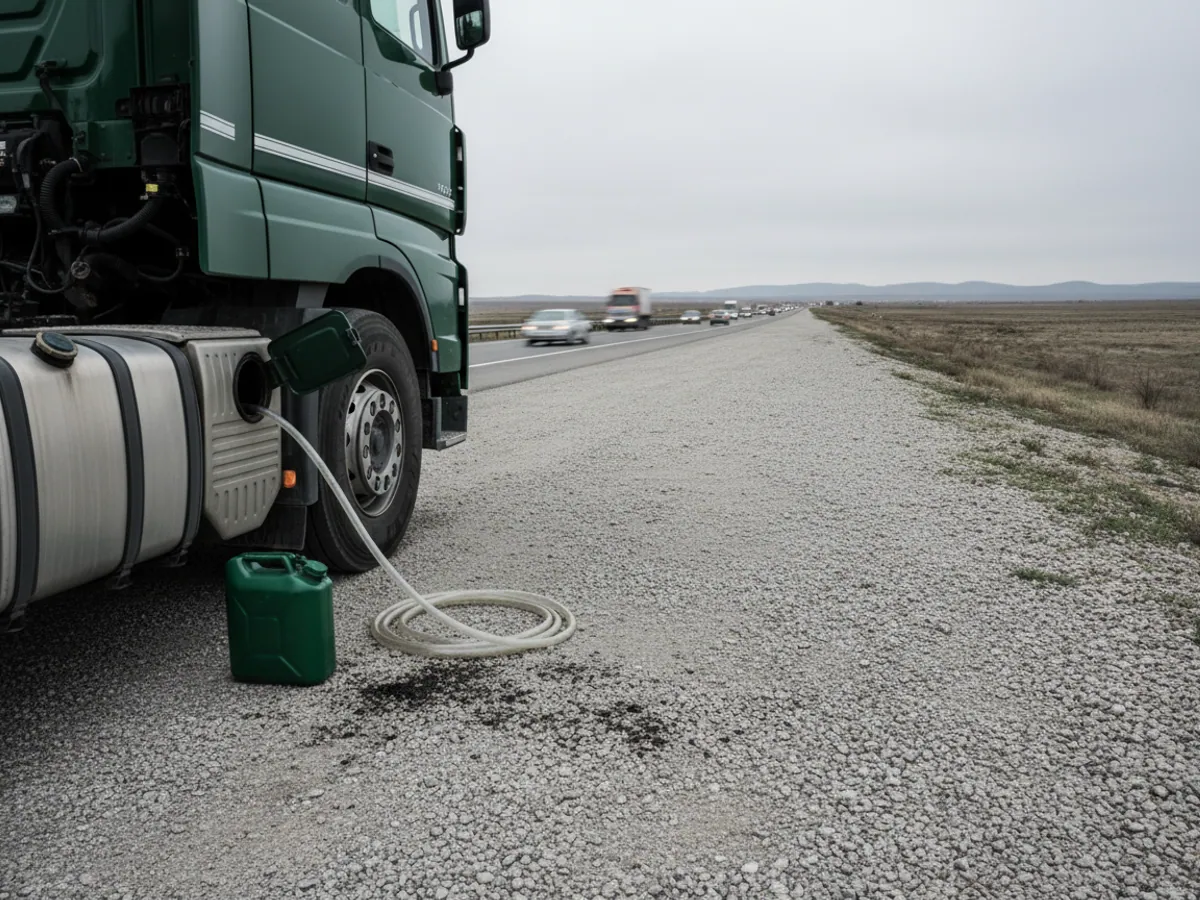
The factory sender in the tank exists for one purpose: to stop the driver being stranded on the motorway with an empty tank. Inside there is a float on an arm and a rheostat. The mechanism wears, the arm sticks, and on rough ground the needle wanders.
The margin of error on a sender like that is 10-15% of tank capacity. On a tractor unit with a 600-litre tank that is a blind spot of 60-90 litres. A driver siphoning off 30-40 litres fits comfortably inside it, and nothing shows on the dashboard.
There is a common question: what about taking the level from the CAN bus? On many modern vehicles the tracker really does read level and consumption from the on-board computer. For estimating average consumption that is often enough. But what comes over CAN is the reading from that same factory float, with the same error and heavy smoothing. A 40-litre drain in a lay-by is easily lost in it.
So our rule is simple:
- if all you need is average consumption across the fleet, we start with CAN and do not push a sensor on you;
- if there is a suspicion of drains and short deliveries, we fit a fuel level sensor, even on a new vehicle;
- on older vehicles without CAN (KamAZ and MAZ lorries, old excavators) it is a fuel level sensor or nothing, because there is no other source of fuel data there.
How a capacitive sensor works out how much fuel is in the tank
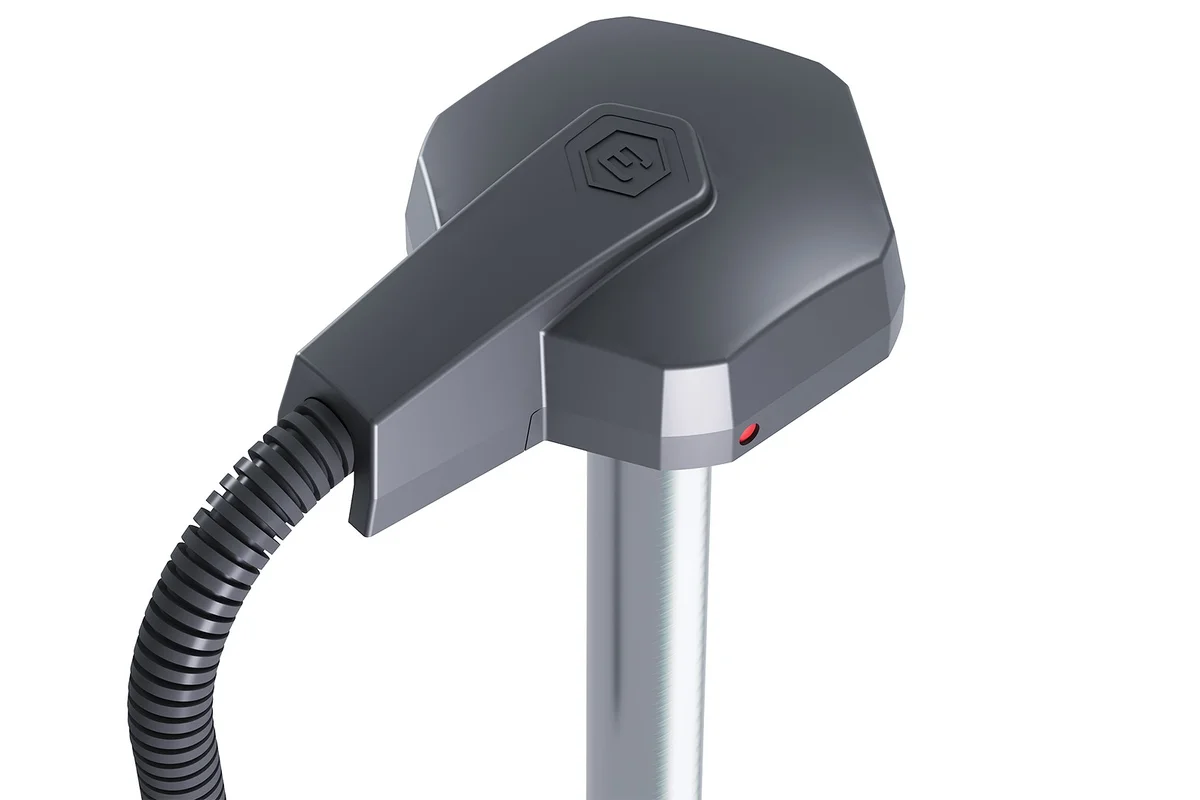
A capacitive fuel level sensor is a measuring tube made of two electrodes, inserted into the tank from above. Fuel fills the space between the electrodes, and the electrical capacitance changes with the level. The electronics in the sensor head convert that into a digital value and pass it to the tracker.
There are no moving parts. Nothing to break, nothing to seize, and you can shake it about on a dirt road near Garadagh as much as you like.
But on its own the sensor measures the height of the fuel column, not litres. Tanks differ: one has a sloping bottom, another has baffles inside, a third narrows around the chassis. The same 10 cm of height in different parts of the tank means a different number of litres. To convert height into litres you need calibration - a table built for each individual tank.
After calibration we check the accuracy with a control fill: we put in a known volume and compare it with the chart. The allowable discrepancy is recorded for that vehicle in the acceptance record, and the reports are then checked against it. How large a drain has to be before it shows on the chart depends on the capacity and shape of the tank, so we set the notification threshold after the fill.
Calibration matters more than the model of sensor
Calibration is where careless fitters most often cut corners. You find out a month later: a drain every time the vehicle parks on a slope, and refuellings that come out 15% larger in the report than on the receipt. Here is how we do it:
Level ground
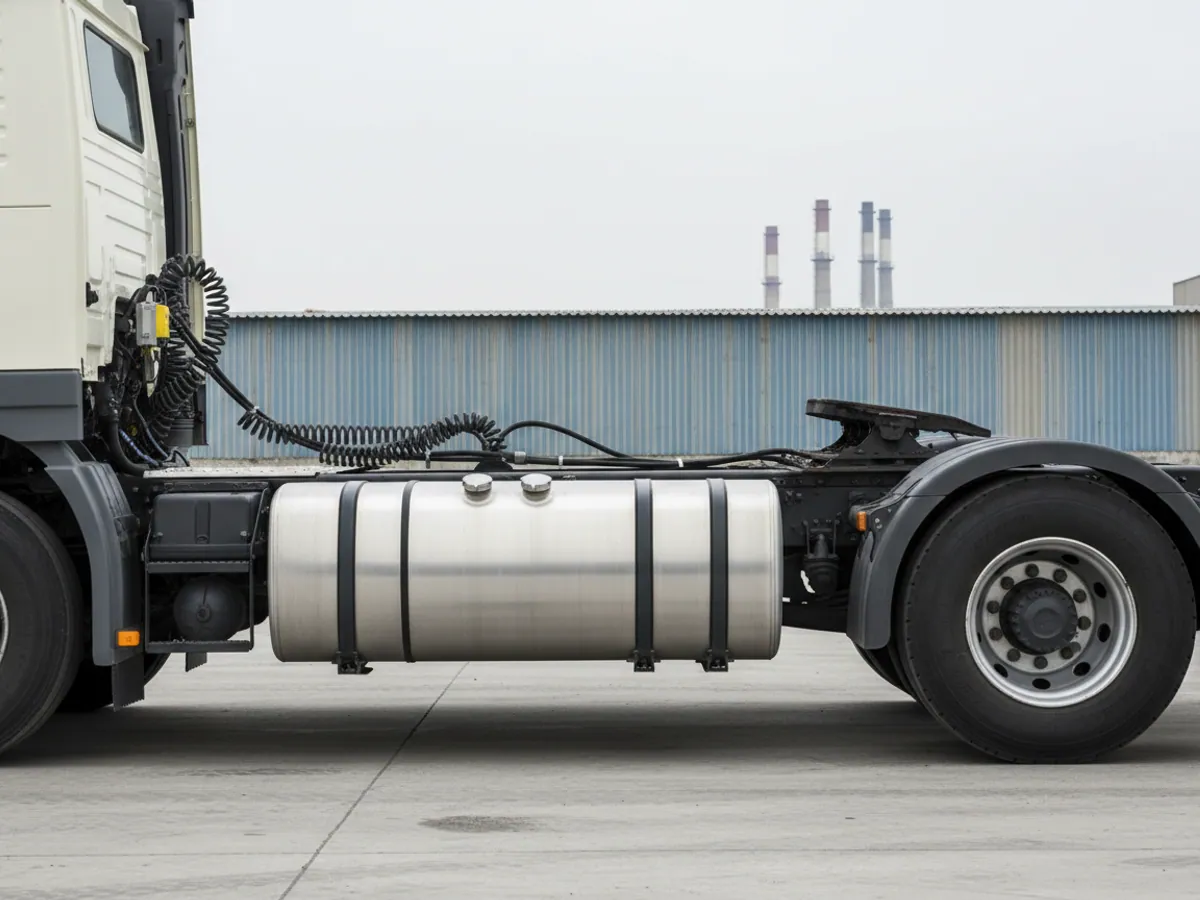
The vehicle goes on a horizontal surface. A couple of degrees of tilt on the long tank of a tractor unit already distorts the table, so we will not calibrate on a verge or on a sloping yard.
Measured portions, not guesswork
We add fuel through a measuring vessel or a meter. On large tanks the portion is 10-20 litres, on vans 3-5 litres. A tractor unit tank ends up with 20-30 points in the table.
A pause after every portion
The fuel has to settle, otherwise the value is recorded wrongly. That is why calibrating a 600-800 litre tank cannot be done in half an hour, and we allow for that time honestly.
Reverse calibration
If the tank cannot be emptied, we fill it to the brim and draw it off in portions into a clean measuring vessel, recording the readings. The fuel drawn off goes back into the tank. The accuracy is the same.
Filters set for the vehicle
We load the table into Wialon and set the refuelling and drain thresholds. A tipper in a quarry needs different filters from a delivery van around Baku. We keep a copy of the table in case the tank or the sensor is replaced.
What the calibration table records
Header
Registration number, vehicle model, tank number (left, right, single), nominal capacity, sensor model and serial number, tube length after cutting, date and place of calibration.
Table points
Two columns: how many litres have been added as a running total, and what value the sensor gave at that moment. The first row is the empty tank or the residue, the last is full. The portion step is in the header so you can see how detailed the table is.
Method and conditions
Direct or reverse calibration, what the portions were measured with (a measuring vessel or a meter), the angle of the ground, the fuel temperature. These conditions matter if the table has to be checked a year later.
Where it is kept
The table is loaded into Wialon and stored with us. You get a copy. If the tank or the sensor is replaced, the old table is no longer valid, and we note that in the certificate.
The acceptance test and the permissible margin of error
The margin of error is agreed in advance
Before fitting we agree what discrepancy between the sensor and the pump counts as normal for this vehicle. The tolerance is set from the results of a control fill on that vehicle and written into the acceptance record. On tanks of complex shape, with baffles, or where one sensor covers a long tank it comes out wider, and we say so before fitting.
Control refuelling
After the setup we refuel the vehicle through a pump or a measuring vessel and compare the volume in the Wialon report with what actually went in. If the discrepancy falls outside the agreed range, we look for the cause and recalibrate.
Checks standing and moving
With the vehicle on level ground the chart should be smooth, with no saw-tooth. Driving over rough roads and parking on a slight slope must not produce false drains above the threshold.
What the service does not include
Repair or replacement of tanks, fuel for calibration if it is not ours, and investigating incidents after the first fortnight. A systematic approach to drains with procedures and incident reviews is a separate anti-fraud service.
Which sensors we fit and when we choose each one
We work with two sensors from the Escort range. The choice between them depends on the vehicle, the tank and how much service life it has left.
Escort TD-600 is a new capacitive sensor and the main option for a working fleet. We fit it to tractor units, lorries, buses, tippers, excavators and diesel generator sets. The tube is cut to the depth of the particular tank, so one model suits both the deep tank of a tractor unit and the shallow tank of a van. The digital RS-485 output means two sensors can share one bus when a tractor unit has two tanks.
Escort TD-10R is a refurbished sensor that passes our own incoming inspection: we check the tube, the seals, the cable and the stability of the readings in fuel. It is the budget option for cases where a new sensor makes no sense:
- older vehicles with two or three years of work left in them;
- a pilot on two or three suspect vehicles, to establish first whether fuel is being drained at all;
- seasonal tractors and combines in the Kura-Aras lowland.
The TD-10R has one limitation, and it is an important one: if the tube has already been shortened for a previous tank, it cannot be lengthened again. For the deep tanks of tractor units a suitable unit is not always available, and we will tell you that before you order.
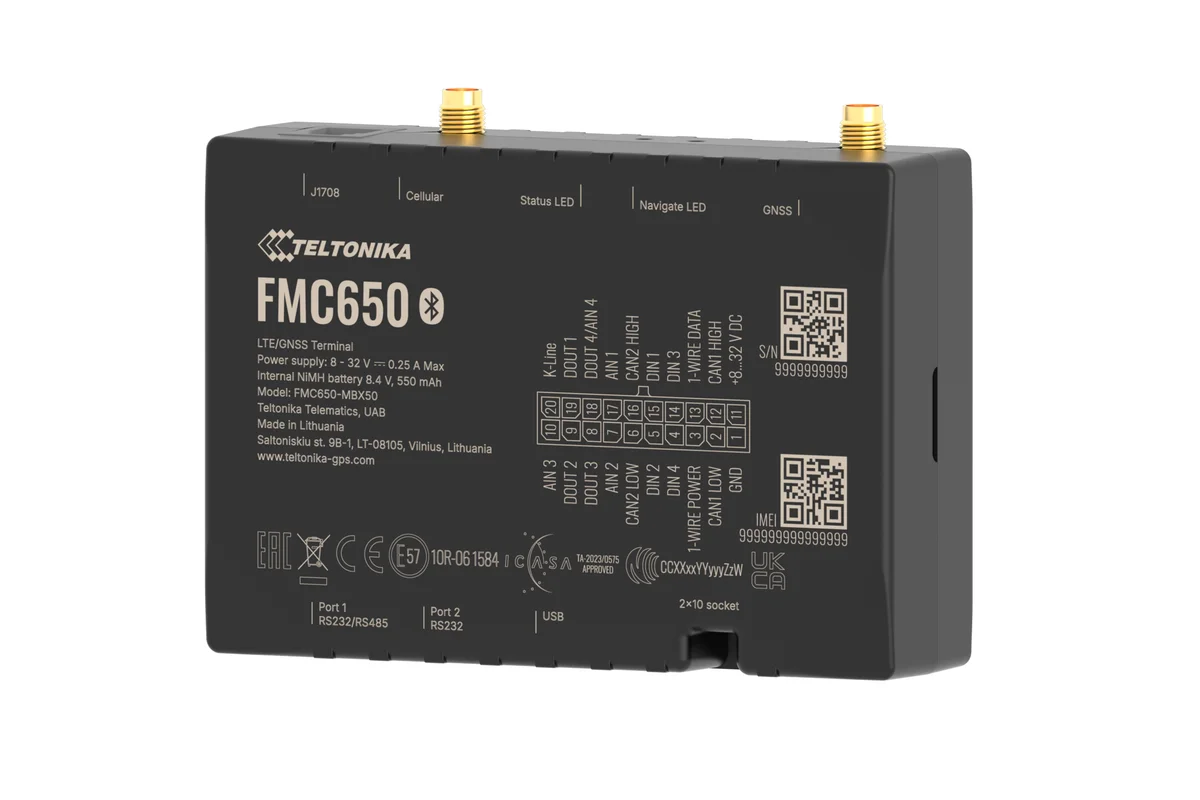
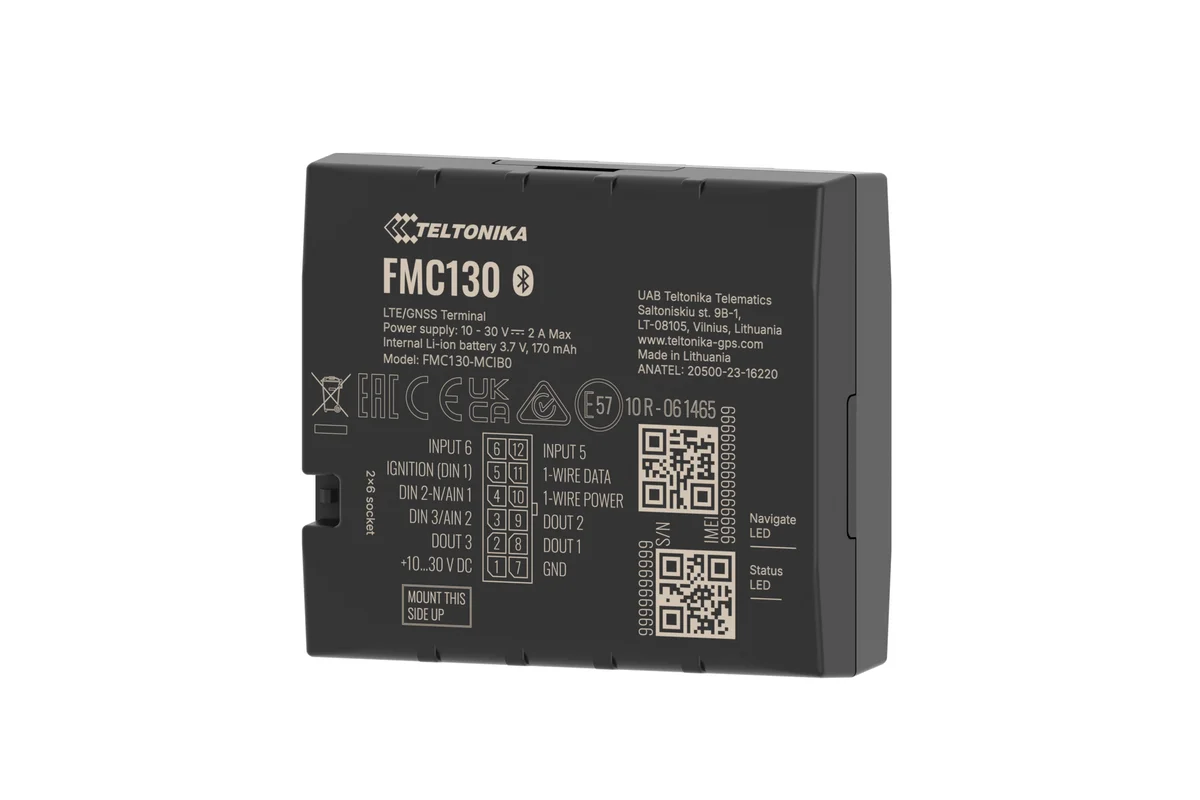
The sensor connects to the tracker, and the method depends on the model. Digital fuel level sensors over RS-485, including two sensors on one bus, are read by the Teltonika FMC650 and the FMx125 series. The Teltonika FMC130 has no RS-485 port: with it we use a sensor with an analogue or frequency output, or a Bluetooth level sensor. If you already have a tracker without the input you need, we will advise which is simpler - choosing a different version of the sensor or replacing the tracker.
Fuel tankers, bowsers and explosive atmospheres
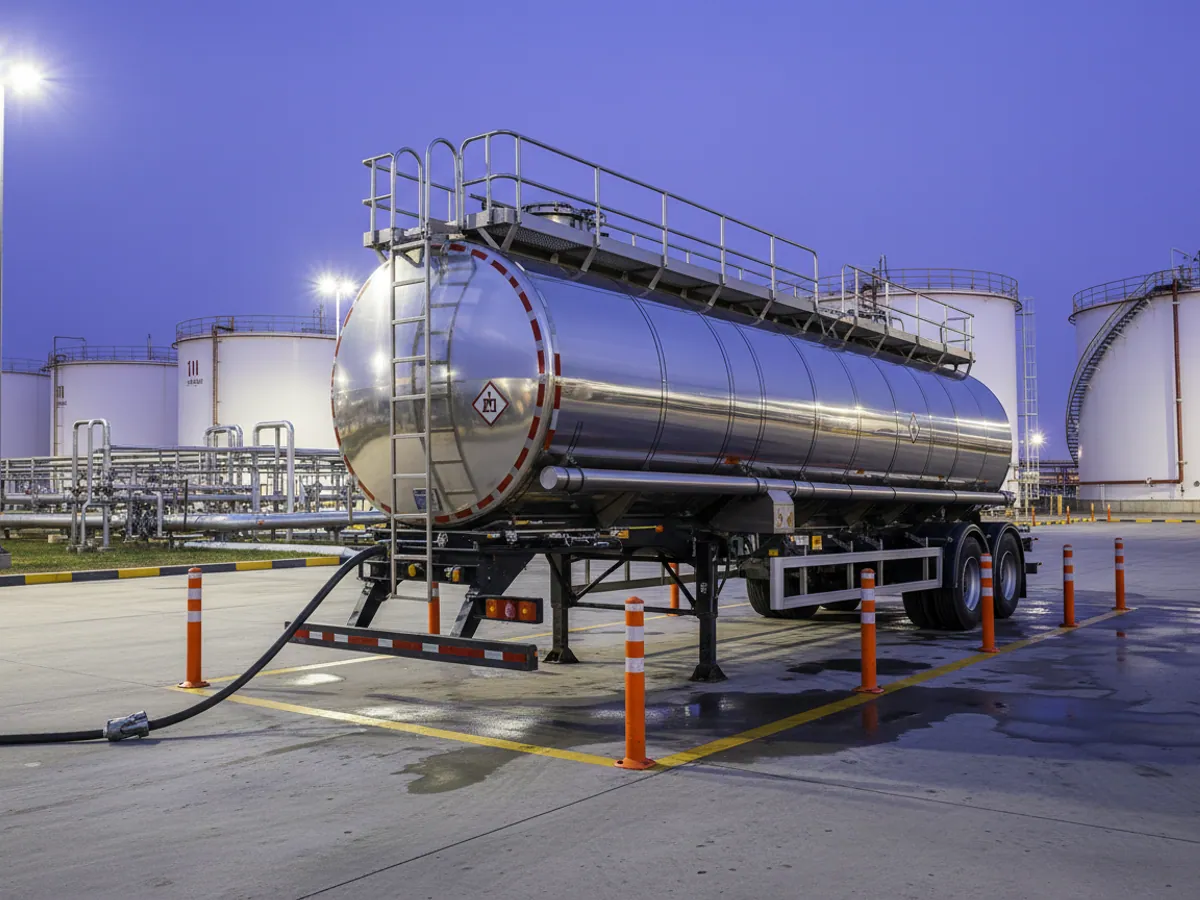
On fuel tankers, bowsers, company mini fuel stations and vehicles working at the oil and gas facilities of Absheron, an ordinary fuel level sensor cannot be used. What is needed there is an explosion-protected sensor with an intrinsically safe circuit.
We select the model for tasks like this project by project. We look at the hazardous area classification, the requirements of the customer and of the site's health and safety service, the type of vessel and which tracker will be receiving the data. Sometimes the contractor's requirements are stricter than the general ones, and that too has to be known before fitting.
So for sites like these there is first a short visit or a call with your safety engineer, then a specification, and only then the fitting. We will not fit whatever happens to be in stock to a fuel tanker.
How refuelling, drains and short deliveries look in a Wialon report
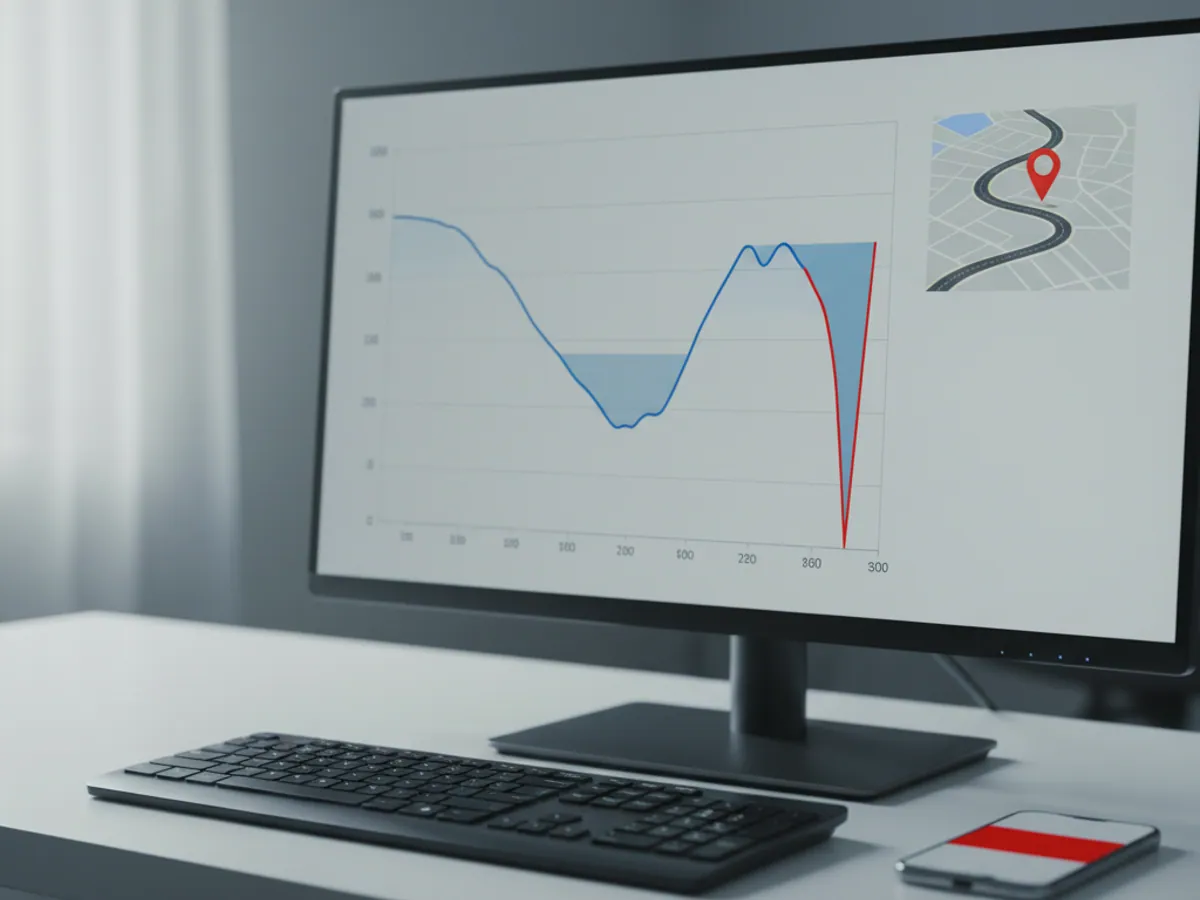
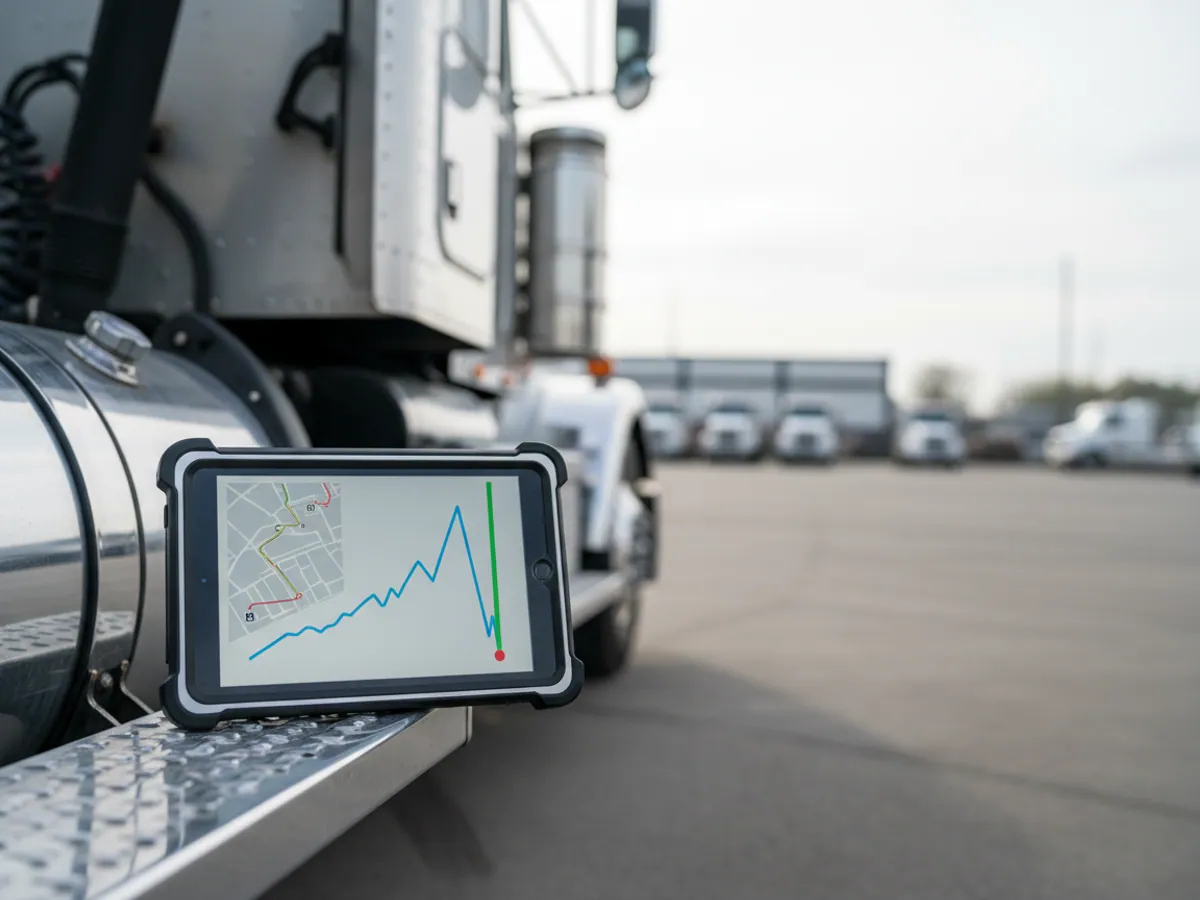
On a fuel level chart, normal operation is a smooth downward line. A refuelling is a sharp rise. A drain is a sharp fall while the vehicle is stationary.
A typical picture from a run on the M-2. A tractor unit refuelled in Ganja at 18:40 and the level rose from 210 to 590 litres. The receipt says 420 litres, so 40 litres never reached the tank. At 02:15 in a lay-by by the road the level fell by 55 litres in six minutes: ignition off, speed zero. Wialon flags both events, the dispatcher gets a drain notification within a couple of minutes, and in the morning the report has two lines with litres, times and a point on the map.
So that nobody has to sift through false alarms, the system distinguishes a drain from ordinary fluctuations:
- the level falls while the vehicle is stationary, not while it is winding up the road to Shamakhi;
- the volume is above the threshold set for that vehicle, usually 5-10 litres or more;
- the level does not come back once the vehicle is level again.
Refuellings from the report are reconciled against receipts and fuel card transactions - that is how short deliveries are caught. How these reports are built on the platform is described on the page fuel accounting in Wialon, and the general logic of control in the section fuel control.
How fuel is stolen and how the sensor shows it
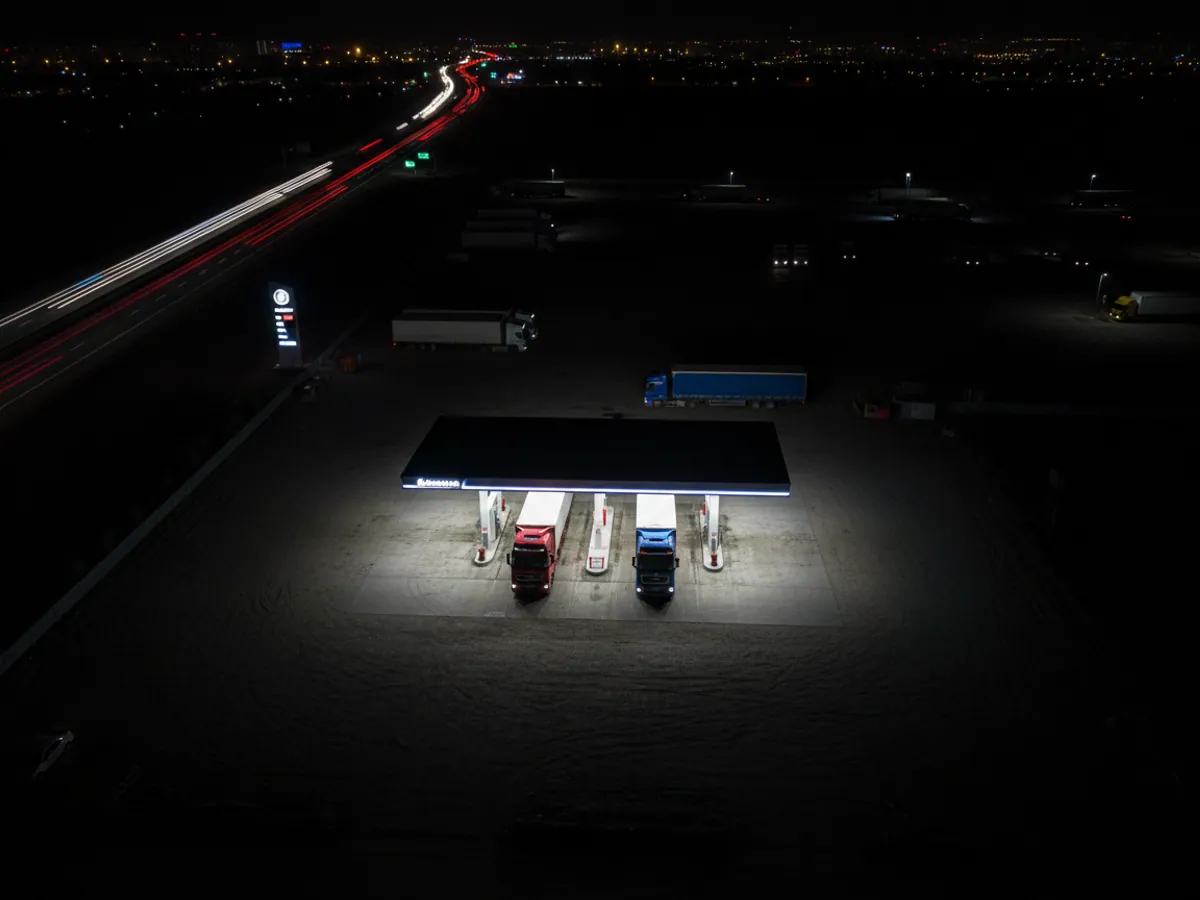
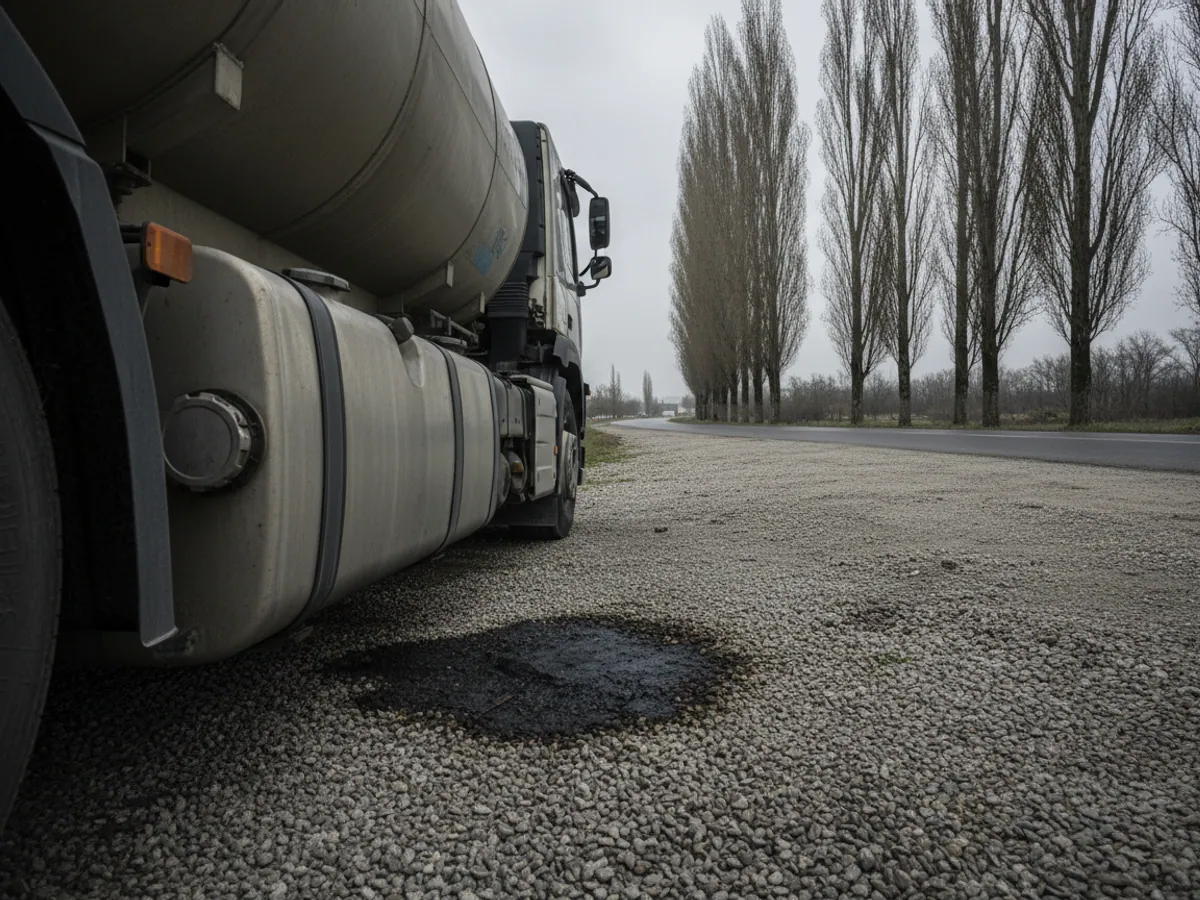
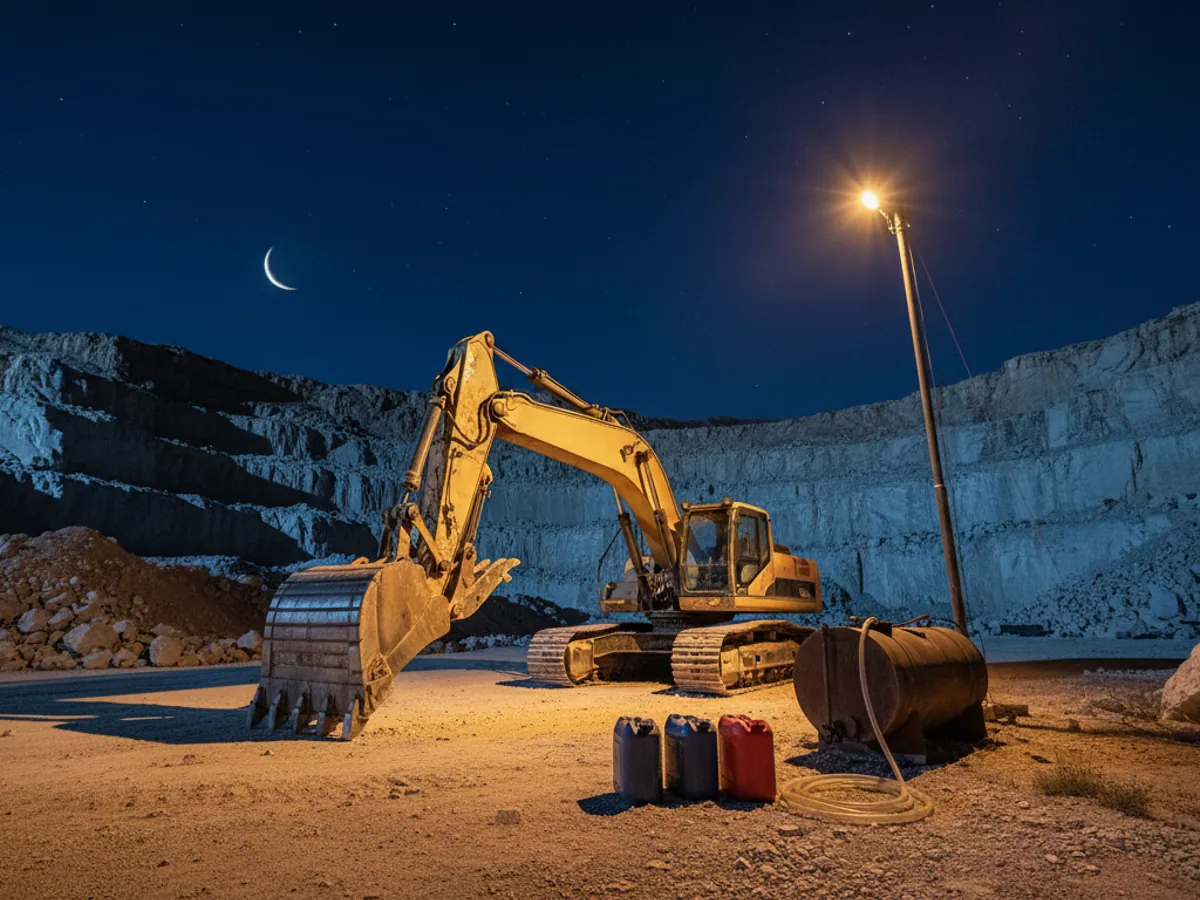
A receipt for 250 litres, 210 into the tank

The stages of fitting and how long the vehicle is off the road
The conversation and the selection
We establish the makes of vehicle, the capacity and number of tanks, the tracker model and where the fleet is based. If needed, we ask for photographs of the tank and the dashboard. The result is an equipment list and a plan of work.
Fitting the sensor
We drill a hole in the top wall of the tank with a special hole saw, remove the swarf and seat the sensor on a fuel-resistant seal. The cable runs to the tracker inside a protective sleeve. On a car or a van this takes 1-1.5 hours.
Calibrating the tank
We fill the tank in measured portions on level ground. Together with the fitting, one vehicle with one tank takes 3-4 hours. A tractor unit with two 600-litre tanks takes most of a working day.
Sealing
We seal the sensor, the flange and the connectors. A disconnection or a cut cable is recorded by the tracker as an event with a time and coordinates, so pulling the wire out becomes evidence in itself.
Wialon setup
We load the calibration table, set the refuelling and drain thresholds, the notifications to the dispatcher and the reports. We check that the control refuelling at the end of the work showed up correctly in litres.
The first fortnight
We go through the charts with you, adjust the filters if there are false triggers, and work through the first disputed events. After that the system runs without us.
What we need from you so it all happens in one visit
The crew can work at our own workshop, at your yard or right on site. To avoid rescheduling the work, please have ready:
Vehicles and time
The vehicles on site on the agreed day and with no urgent runs in the next few hours. For a tractor unit with two tanks, allow a full day.
Fuel for calibration
Direct calibration needs enough fuel to fill the tank; reverse calibration needs a full tank at the start. The fuel is not lost, it stays in the vehicle.
Level ground
A horizontal area where the vehicle can stand for a few hours. For plant on site, any level spot without a slope will do.
Someone responsible
A mechanic or yard foreman who knows the vehicles, can show where the tracker sits and will sign the certificate after the control refuelling.
Price and what the cost depends on
There is no ready price per sensor on this page, and that is deliberate. The cost of fitting a fuel level sensor is made up of several things that differ from fleet to fleet:
- the number of tanks - a tractor unit with two tanks means two sensors and two calibrations;
- the capacity and shape of the tank - an 800-litre tank with baffles takes longer to calibrate, and sometimes needs a second sensor with averaging;
- the type of vehicle - a van, a tractor unit, an excavator or a static generator tank all call for different amounts of work;
- the calibration - direct or reverse, with our fuel or yours;
- the sensor model - a new TD-600 or a refurbished TD-10R;
- the tracker and travel - whether there is already a tracker with a digital input, and whether we have to travel to a region.
We will price it for your fleet after a short conversation: you get a figure for the whole package of work, not a from price with extras added on site. If drains are already confirmed and you need a systematic approach with procedures and incident reviews, have a look at protection against fuel theft. For construction machinery we usually set up fuel control together with engine hours as part of plant monitoring.
The warranty and what happens after fitting
The sensor carries a one-year warranty. So do the fitting and the calibration. If within that period the sensor starts reporting wrongly because of a mistake made during fitting or calibration, we come out and redo it at our own cost.
Outside the warranty there are three common situations. The tank has been replaced after an accident - a new calibration is needed, because the old table does not fit the new tank. The vehicle is being sold - we remove the sensor and fit it to another machine, and blank off the hole in the old tank. A driver or an outside mechanic has broken the seal - the event is visible in the history, and that is a conversation to have with whoever did it.
One honest limitation. A fuel level sensor shows how much fuel is in the tank and where it went. It will not show that a driver runs overloaded or sits for hours with the engine running - that takes driving style and idle time reports. The sensor and those reports work well together.
What changes after fitting
Litres instead of half a tank
Every refuelling and every drain in the report, with volume, time and place.
Savings measured on your own fleet
Drains and short deliveries become visible vehicle by vehicle, and fuel use turns into something you can manage. We measure the effect itself on your fleet's own data: we record a baseline period with mileage, trips and operating conditions, then compare it with the period after fitting. We do not promise a percentage in advance.
A notification within minutes
The dispatcher learns about a drain while the vehicle is still parked, not at the end of the month during reconciliation.
Evidence for the conversation
A level chart with coordinates settles the argument with the driver without emotion.
Which source of fuel data to choose
We will not push CAN on you if all you need is average consumption.
| Escort TD-600 | Escort TD-10R | Level from CAN | |
|---|---|---|---|
| Sees drains from 5-10 litres | Yes, after calibration | Yes, after calibration | No, only a rough level |
| Fits without drilling the tank | No | No | Yes |
| Suits deep tanks | Yes, the tube is cut to the tank | Not always, the tube is already shortened | Independent of the tank |
| Works on vehicles without CAN | Yes | Yes | No |
| When we choose it | A working fleet | Older vehicles and pilots | Average consumption only |
Questions about “Fuel level sensor fitting in Baku and across Azerbaijan”
Request a call
A specialist will call back and match a solution to your fleet and your task.
Similar scenarios
How similar jobs are done on Teltonika hardware