
Escort TD-600:
A fuel level sensor with tank calibration
A capacitive fuel level sensor for tracking refuelling and fuel drains. After calibration the error in the level reading is usually 1–2%, short measures at the filling station become visible, and it works with tractor units, plant, generators and static tanks. Installed and calibrated as a turnkey job.
Why the factory gauge is not enough
The factory float gauge shows the level only roughly — on an 800-litre tractor unit tank the blind zone can run to tens of litres. That is exactly where fuel drains happen: a driver siphons off 30-40 litres and the needle on the dashboard barely moves.
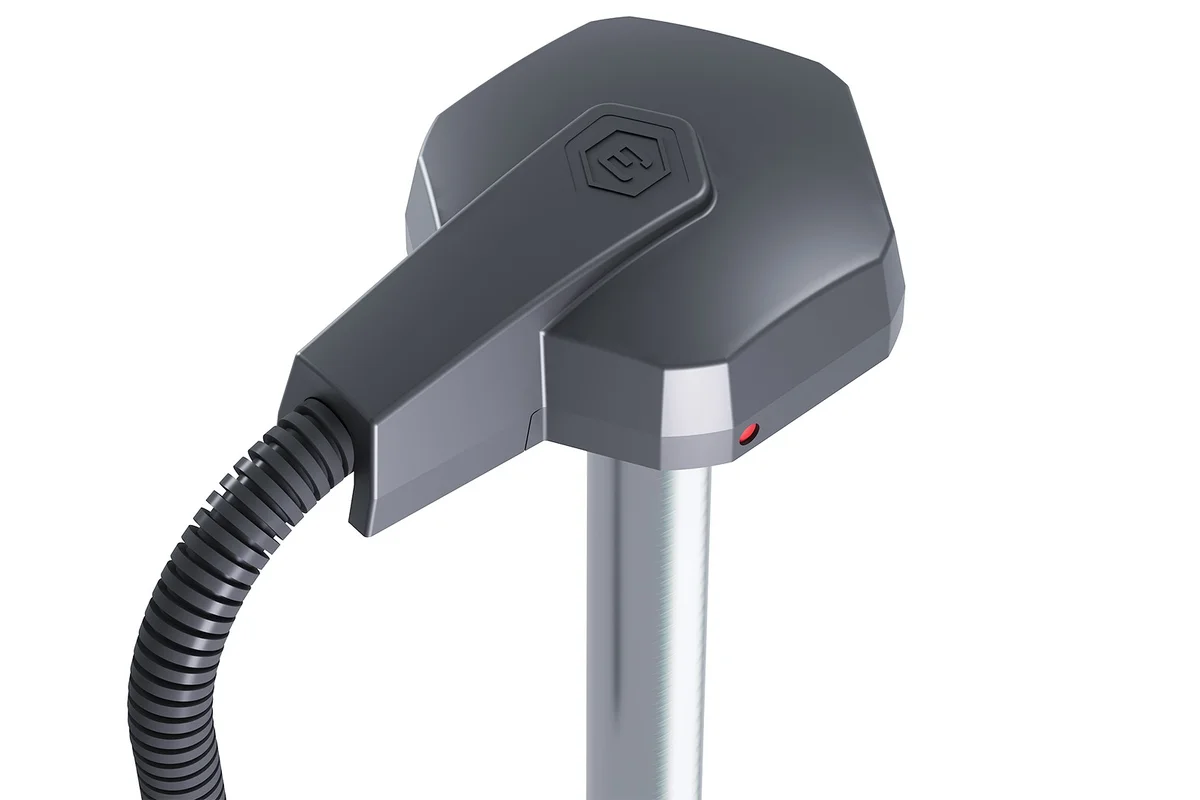
The Escort TD-600 capacitive sensor is fitted directly into the tank and measures the level; after calibration the error is usually 1–2%. The monitoring system shows fuel in litres and automatically detects refuelling and drains, with the time, the place and the volume. How far your costs fall depends on what was happening to the fuel before it was fitted: if there were no drains, the sensor will show that, and the savings are more likely to come from consumption norms and idling.
How the sensor sees refuelling and fuel drains
The TD-600 records refuelling at the filling station and fuel drained into a can. The detection threshold for a drain depends on the shape of the tank and the filtering settings.
-
Tank calibration
During installation the tank is filled in portions of 10-20 litres and an individual calibration table is built. The system accounts for the shape of the tank, its tilt and the thermal expansion of the fuel — which is why the reports show real litres rather than percentages.
-
Fuel drains and short measures
A sharp drop in level while the vehicle is parked is a drain; a 300-litre fill on the receipt when only 260 went into the tank is a short measure at the filling station. Both events are recorded automatically with coordinates, time and volume. For a conversation with the driver there is a level graph tied to time and place.
Which fuel losses does a level sensor close off?
Fuel is one of the largest costs in a fleet, and it leaks away in four typical ways:
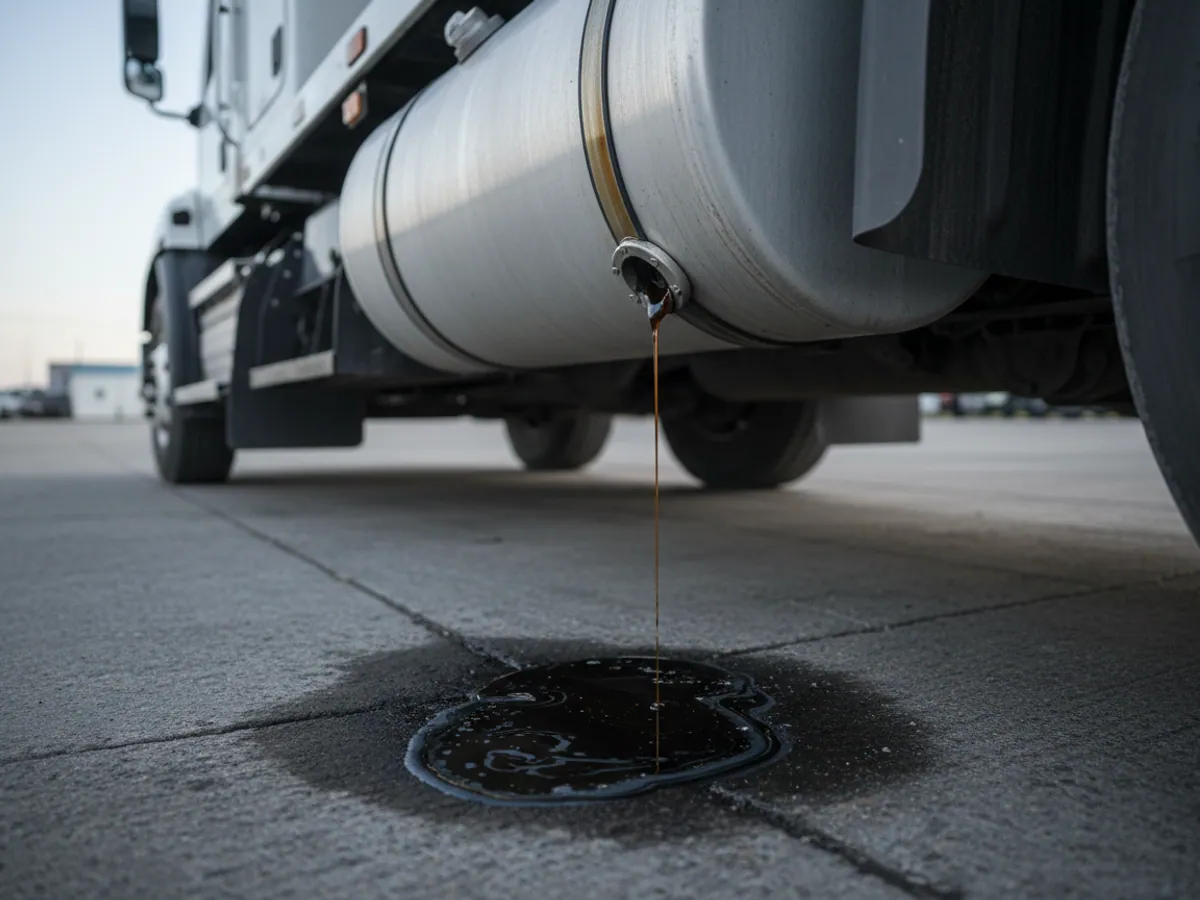
Fuel drained straight from the tank
The classic: a hose and jerrycans at a night stop or on the verge of the Baku — Gazakh road. The sensor shows the level falling while the vehicle is parked, the platform marks it as a drain according to the threshold that has been set, and it notifies the dispatcher as soon as the tracker sends data. The smallest volume that will show up depends on the size and shape of the tank, the calibration and the filtering — on the large tank of a tractor unit the threshold is higher than on the tank of a light van.
Short measures at filling stations
A receipt for 300 litres, 270 in the tank. Comparing receipts with the actual fills recorded by the sensor exposes both dishonest filling stations and a driver in league with the pump attendant.
Inflated consumption figures
A norm of 45 l/100 km when the real figure is 32 — the usual picture before any control is introduced. The sensor shows the actual consumption of each vehicle on each trip, and the norms become honest.
Unofficial jobs and engine hours
The excavator worked for 10 hours but used as much fuel as four? A fuel level sensor together with monitoring exposes both padded engine hours and machinery working on the side at weekends.
Technical strengths of the TD-600
1–2% error after calibration
A capacitive measuring principle with no moving parts: the sensor does not wear out and is not troubled by vibration. Temperature compensation allows for diesel expanding in the Baku summer and contracting in winter in the mountain districts.
1–2%
Error in the level reading after calibration.
24/7
Online monitoring of what is left in the tank.
Tank contents online
On a remote site the sensor, paired with a tracker, reports how much is left in the tank, when the generator was refuelled and any fuel drains. The supply manager plans deliveries from real figures rather than from phone calls off site.
Working with generators and static tanks
The TD-600 is not only for vehicles. Diesel generators at telecom towers, building sites and farms, static tanks and company fuel islands — wherever fuel is stored, the sensor shows what is left and every noticeable change in level.
Advantages of the TD-600
Figures to decide on
After a month or two it is clear whether there are drains and short measures, and the payback can be worked out on your own data.
Long service life
A capacitive principle with no moving parts: nothing to jam, unlike a float.
Versatility
Tractor units, plant, generators, tanks, fuel tankers.
Professional installation
Fitted, calibrated and sealed — a turnkey job.
What the cost is made up of
The final figure depends on the type of vehicle, the set of sensors and the size of the fleet. We will prepare an exact quote for your case free of charge after a short audit — within one working day.
Questions about the TD-600
Request a call
A specialist will call back and match a solution to your fleet and your task.