

GPS vehicle monitoring for oil, gas and energy companies
Crew buses to the Absheron fields, plant and heavy equipment on the fields, gas crews out in the districts, line walkers on power lines in the mountains, service vehicles at solar stations. In energy, transport is first of all a question of people's safety, and only then of fuel and costs.
We deploy IVMS and GPS monitoring, configure them to the HSE requirements of the particular client and give management clear figures on the fleet. We check that the configuration matches the requirements against an extract from the contract before any equipment is bought.
Where plain tracking stops being enough
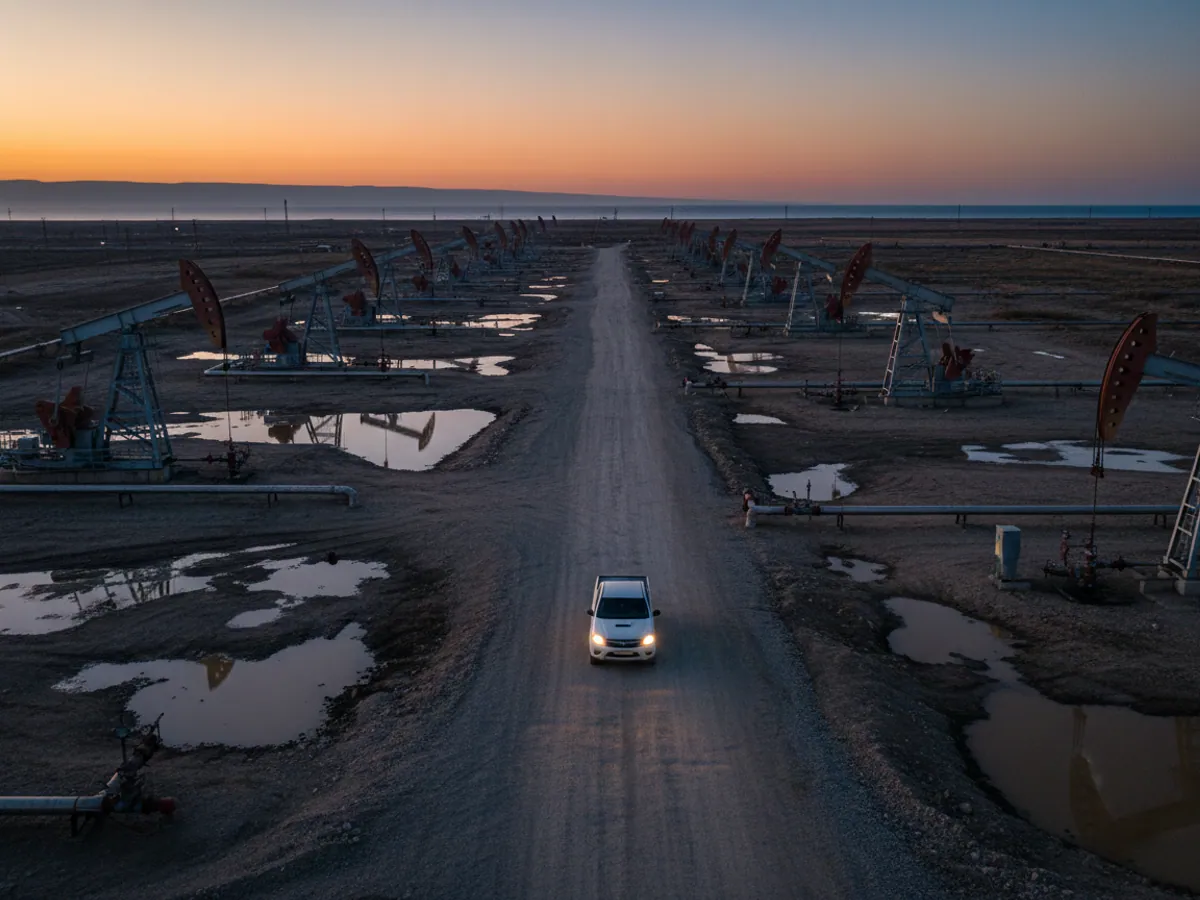
In most industries GPS is fitted to save money. In oil, gas and energy it is fitted so that people come home. Speed on field roads, seat belts, driver fatigue after a twelve-hour shift, journeys at night: all of it is recorded and goes into the report for the health and safety team.
The economics do not disappear, of course. Plant and heavy equipment on the fields burns a lot of fuel, and bowsers carry that fuel round remote sites where issuing it is hard to control by hand.
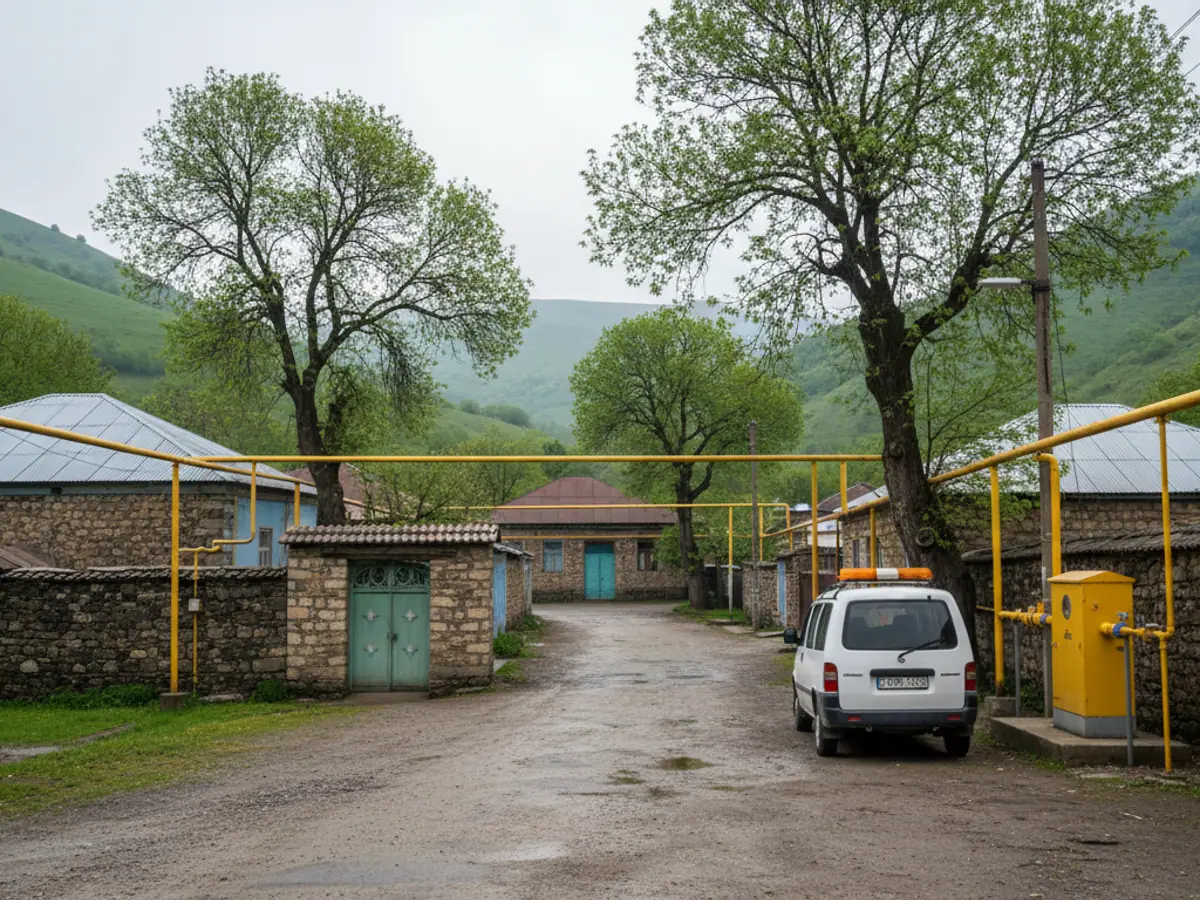
Our work in this industry is helped by the fact that we know the local geography well: the Absheron and Sangachal fields, the pipeline corridors running west, the substations and lines in the Greater Caucasus mountains. That is exactly where coverage and roads behave differently from Baku.
Solutions by sector: oil, gas & energy
IVMS: what it is and why a contractor needs it
IVMS (In-Vehicle Monitoring System) is a system for monitoring driver behaviour in the vehicle. In the oil and gas industry it has long been the standard: many operators require it of their contractors before letting any vehicle onto a site.
What IVMS usually covers:
- speeding, with different limits for highways, towns and field roads;
- harsh acceleration, braking and cornering, with a score for each driver;
- an unfastened seat belt while the vehicle is moving;
- driver identification and a bar on driving without authorisation;
- journeys at night or outside the permitted schedule;
- an audible warning to the driver in the cab at the moment of the breach.
That last point matters more than it seems. When the driver hears the warning straight away, he corrects himself, without a post-mortem a week later. In our deployments the number of speeding events falls noticeably within the first month.
Reports on drivers and their scores can be handed to the client's HSE team in an agreed format. There is detail on driving assessment on the page about driving style monitoring.
Five directions in energy
Fields, service contractors, crew transport
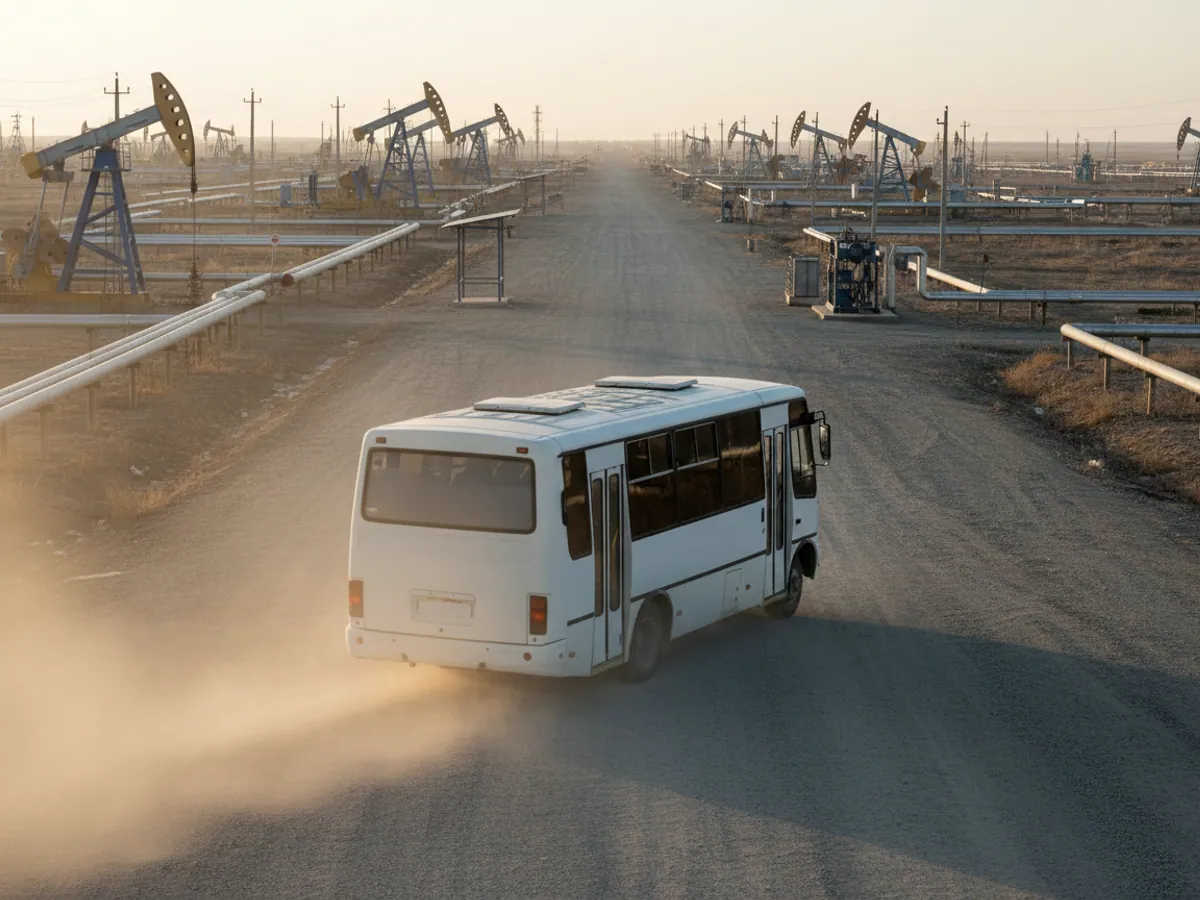
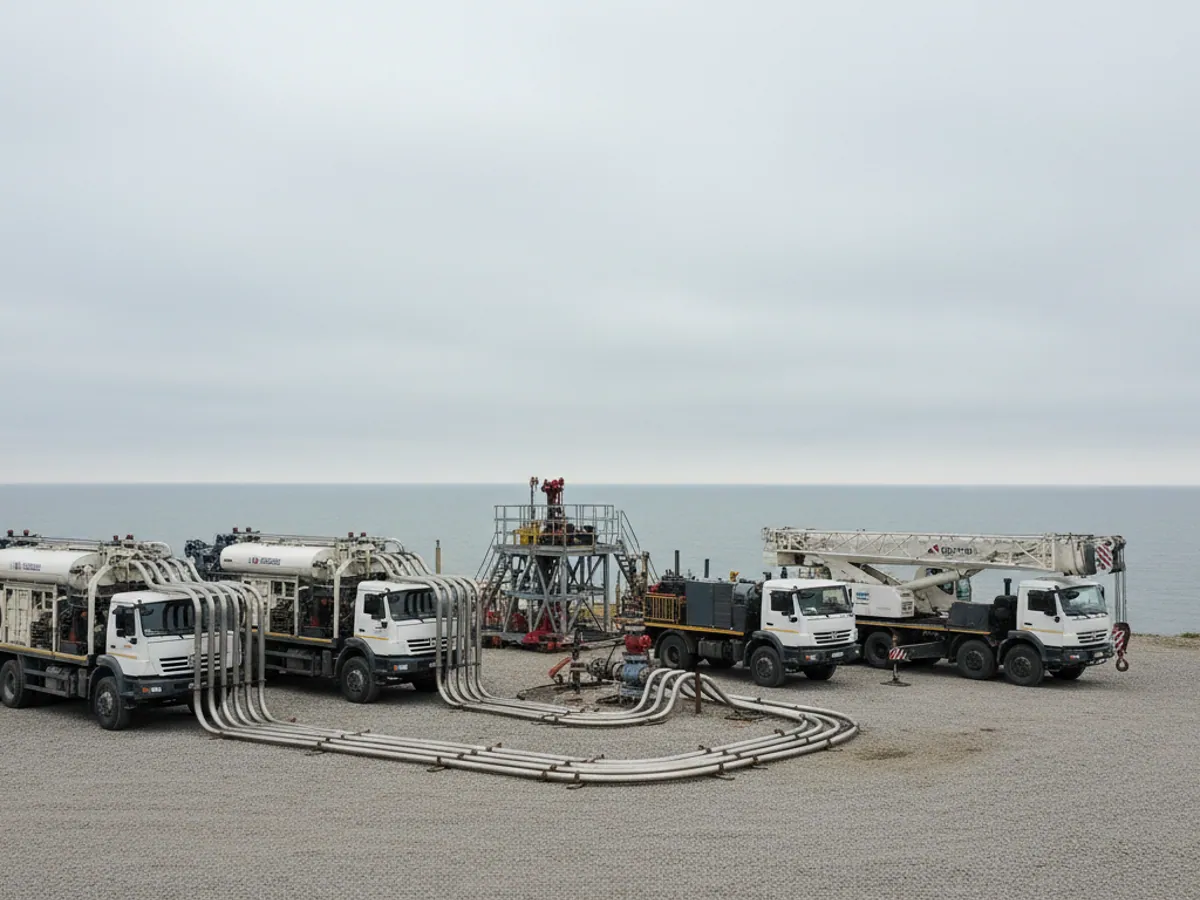
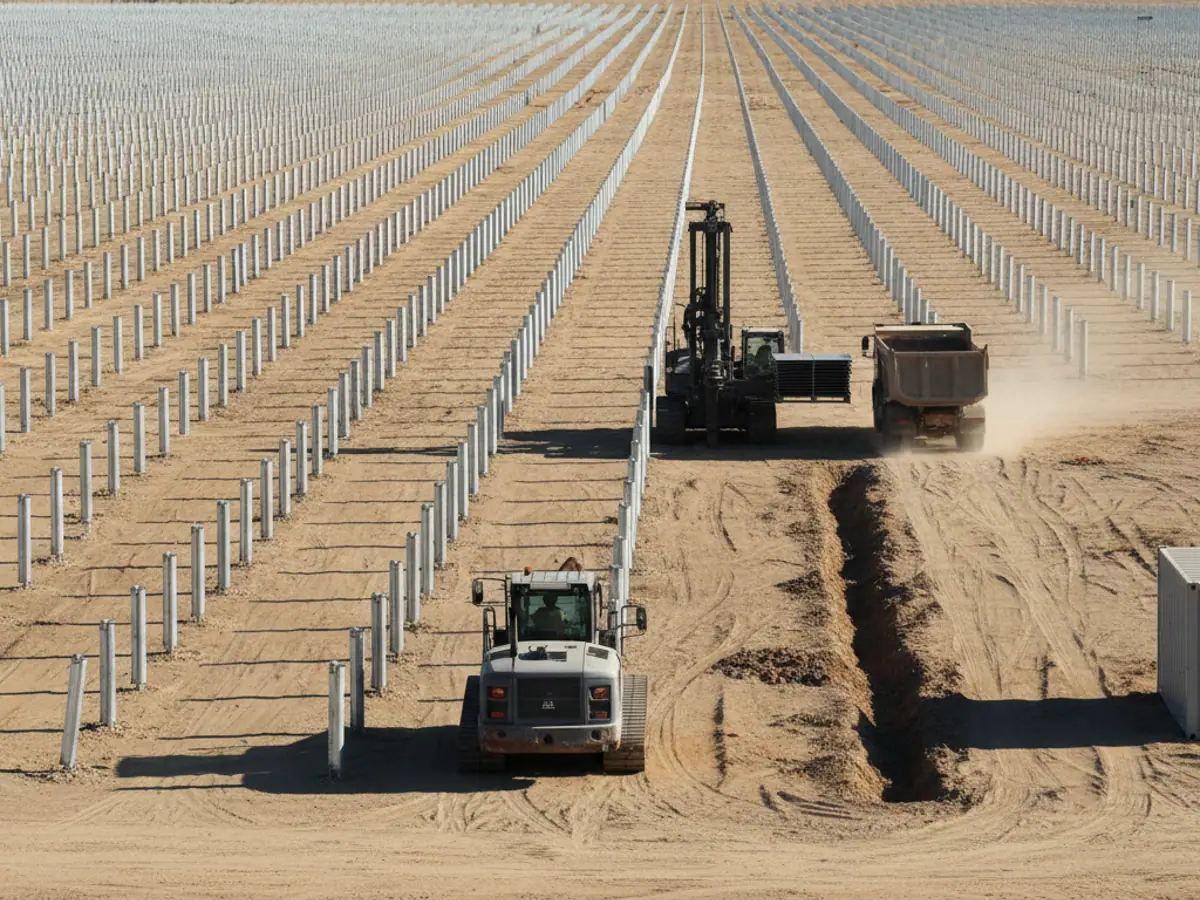
The segment with the densest requirements. Besides IVMS, what matters here is journey management, monitoring of crew buses and of plant and heavy equipment: cementing units, fracturing units, workover rigs.
Everything to do with fields and contractors is gathered on the page GPS monitoring for oil producing companies.
Equipment for harsh conditions
Explosion-protected sensors
On bowsers and machines working close to wellheads we fit fuel level sensors in an explosion-protected rating - the model is selected for the particular project. For the rest of the fleet a capacitive Escort TD-600 is usually enough.
Personal tracker with SOS
For line walkers and lone workers, a wearable device with an alarm button and a fall sensor. See Teltonika GH5200.
Video and fatigue monitoring
A camera pointed at the driver watches for yawning, closed eyes and a phone in the hand. On crew buses and fuel tankers this is one of the most requested options.
Identification and start inhibit
The vehicle cannot be started without the card of a driver who holds the necessary clearance. Useful when a site has dozens of vehicles and drivers from different contractors.
Working without coverage
The tracker stores data while the vehicle is out of coverage and uploads it once there is a network. For remote sites a satellite channel can be added.
Seat belt sensor
Connected to the factory sensor or fitted separately. The breach is recorded with its coordinates and speed, and the driver hears the warning too.
Four strands that should not be mixed up
In an energy company the word monitoring usually covers four different tasks. Each has its own owner, its own requirements and its own equipment. We separate them at the first meeting.
- IVMS, driver behaviour. Speed, seat belt, harsh manoeuvres, fatigue, night driving. The owner is HSE. The requirements are usually set by the client in the contract.
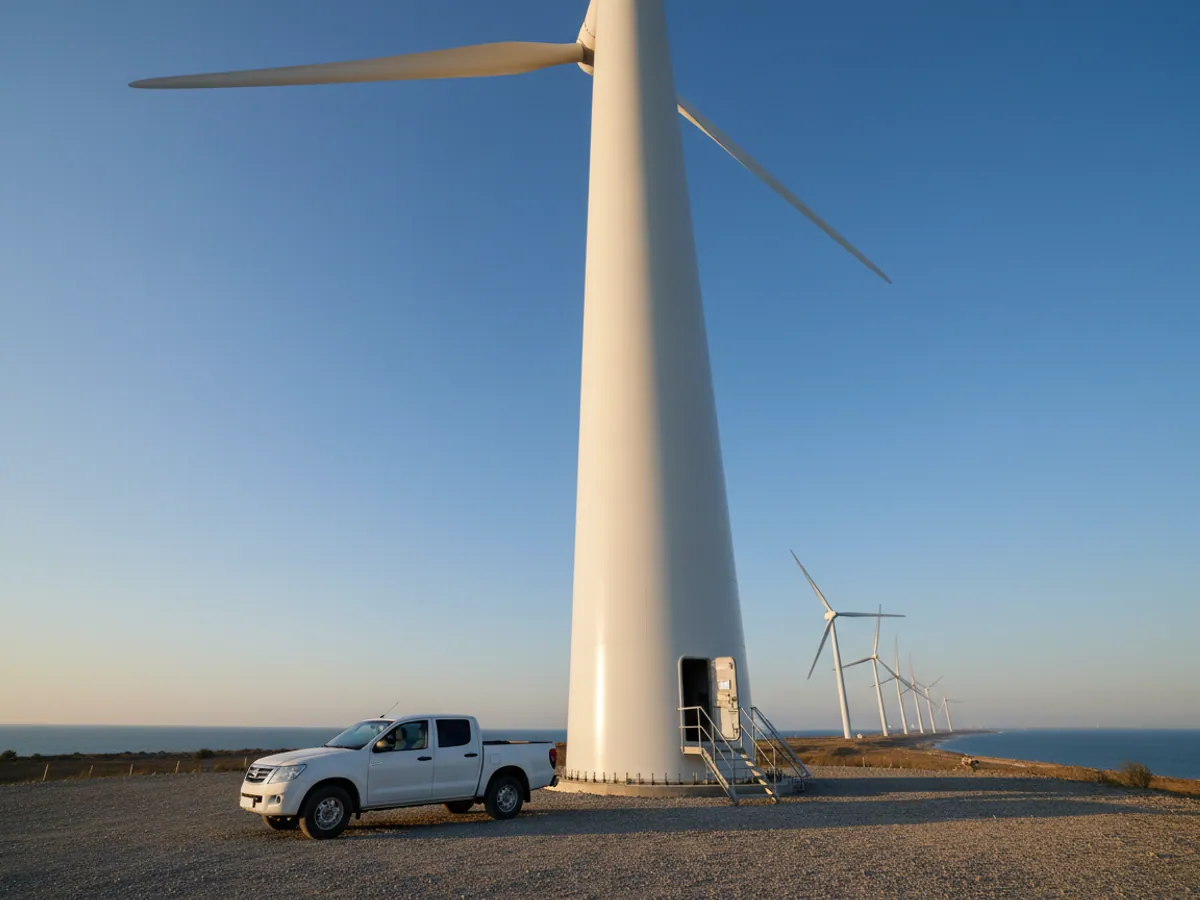
- People outside the vehicle. Line walkers, lone workers, crews on linear assets. Personal trackers, SOS, no-movement alerts. The owner is health and safety and the control room.
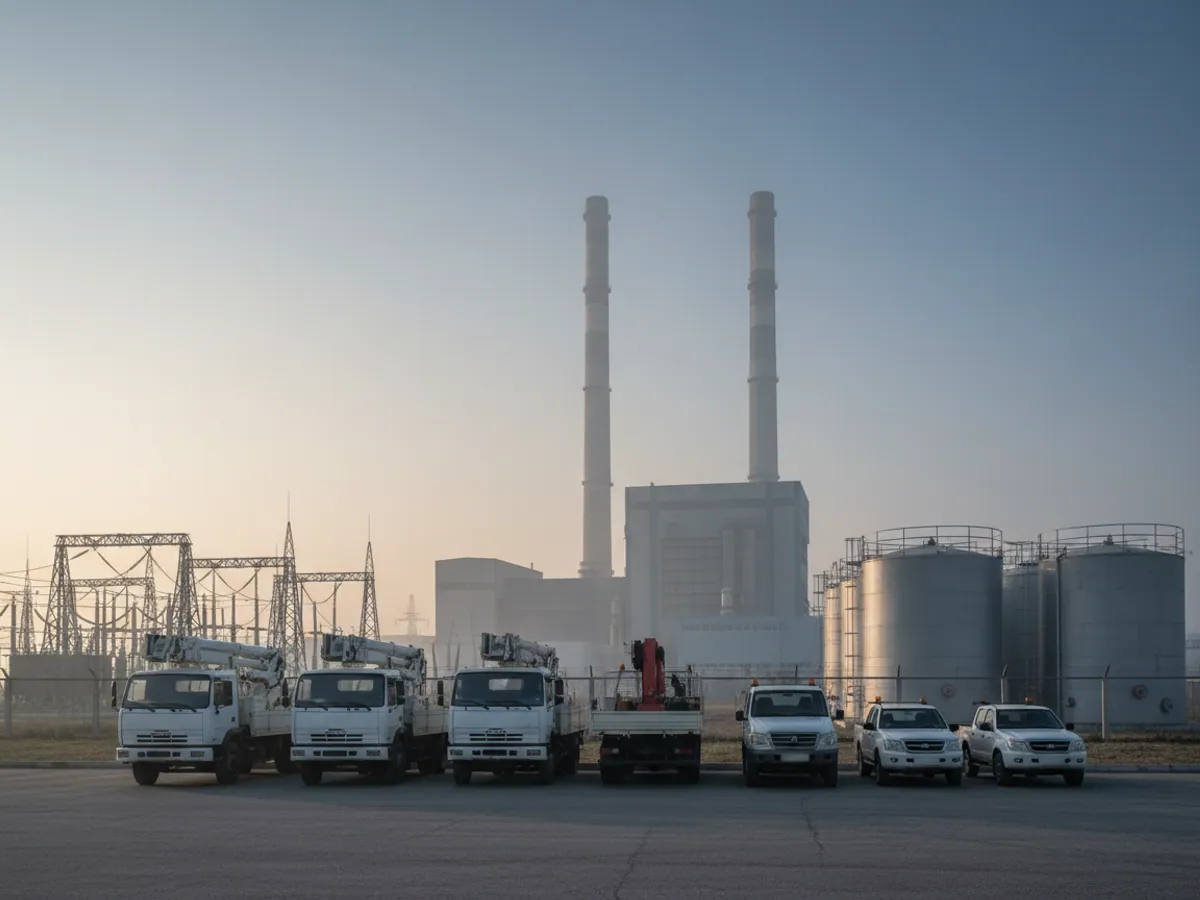
- Fuel tanks. Fuel level sensors in the tanks of machines, bowsers and standby generators. The owner is the transport department and finance.
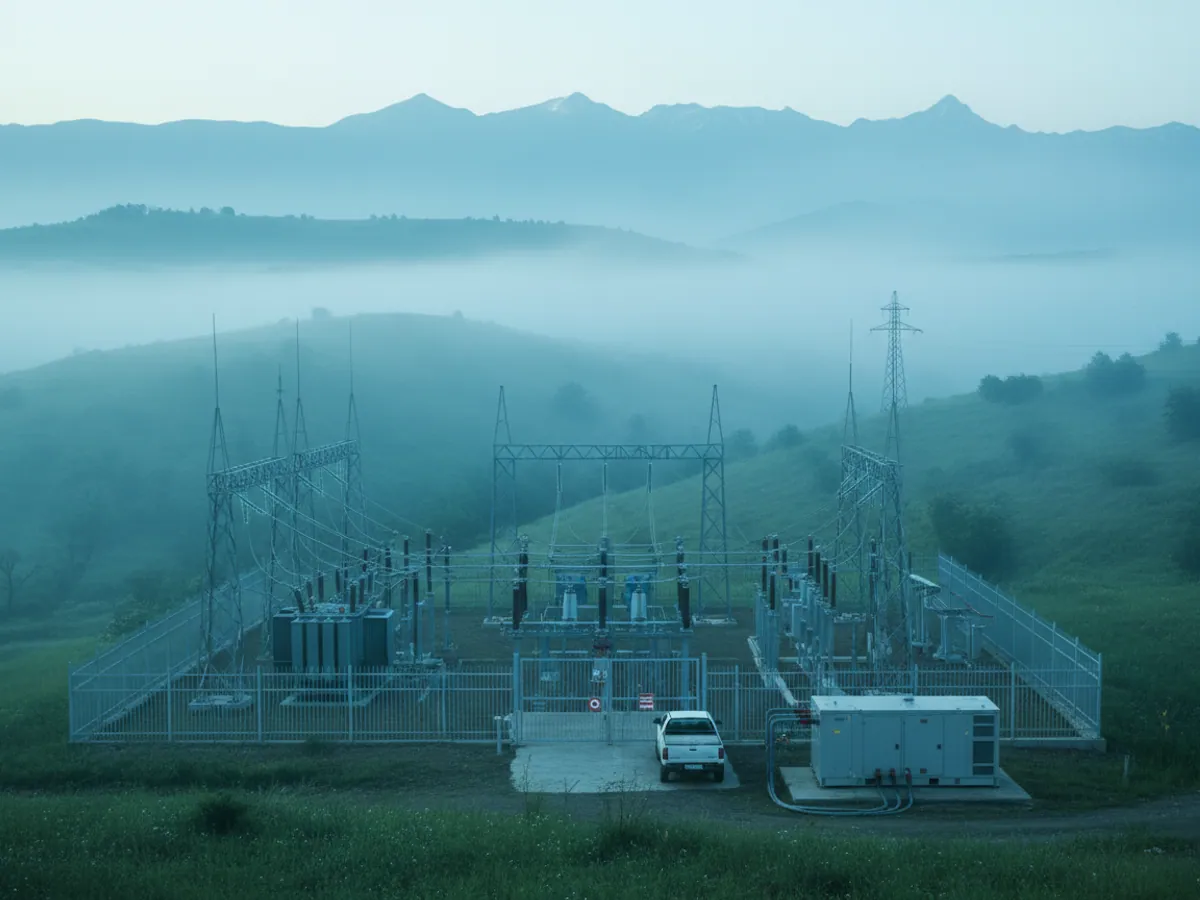
- Process control. Pressure, leaks, well parameters, station operating modes. That is SCADA and process control systems, and GPS monitoring does not replace them. We can accept a separate alarm signal from those systems, if their owner permits it, but we do not control the process.
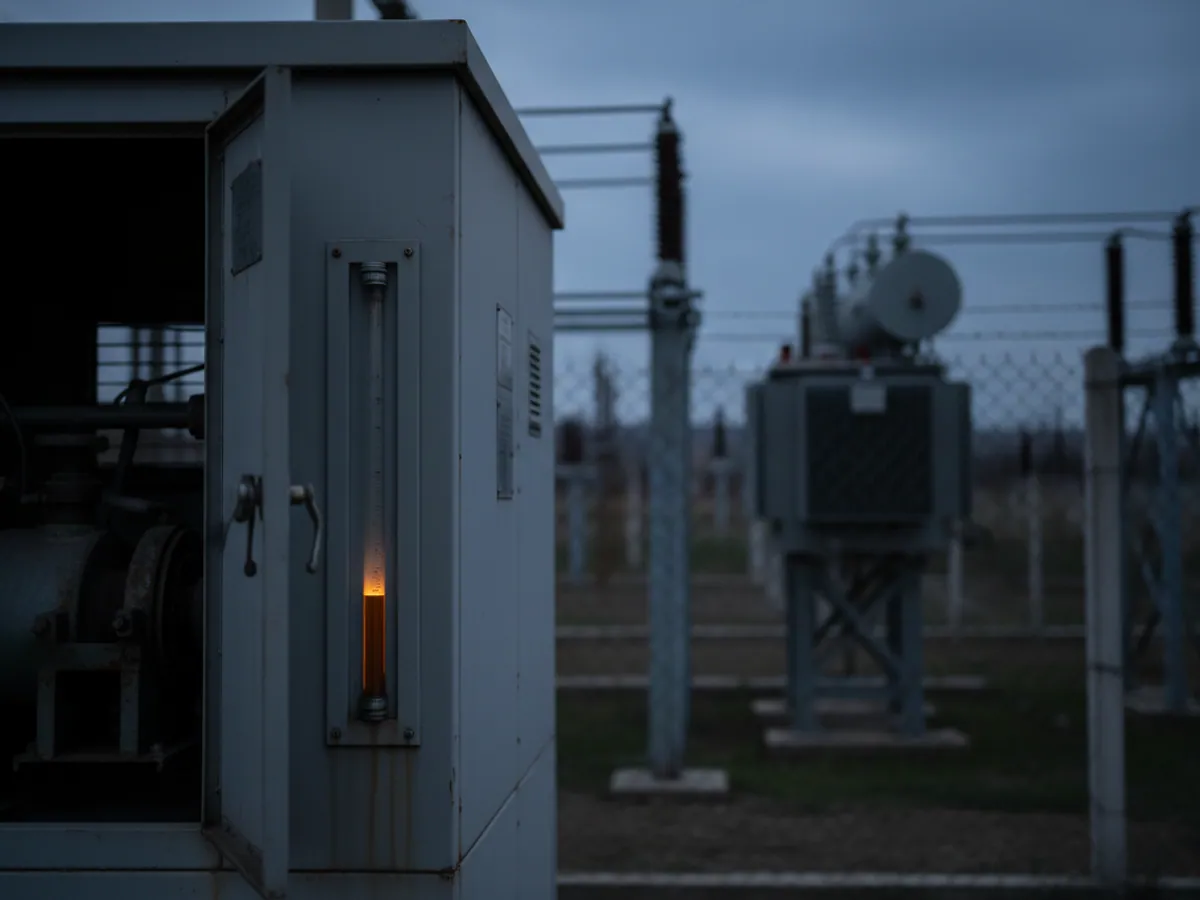
Clearances. Separately we check where the fitters will be allowed: passes, inductions, requirements for hot work and hazardous areas. The classification of zones and the list of documents needed for access come from your safety department or the site operator. Without that the fitting schedule cannot be agreed.
How to sign off a pilot: criteria set in advance
A pilot on 5-10 vehicles is worth running only if it is clear in advance what counts as success. We suggest agreeing the criteria in writing before fitting, for example:
- every IVMS requirement from the contract with the client is ticked off in a table: what provides it and where it shows in the report;
- test breaches (speed, seat belt, a journey without a driver card) appear in the report and reach HSE;
- a test SOS alarm from a line walker passes through the whole response chain;
- data from areas without coverage arrives once back in the network with nothing missing from the reports;
- fuel from the fuel level sensors is reconciled with the issue record for the pilot period.
What we need from the company: an extract of the client's requirements, a list of vehicles and drivers, speed thresholds by type of road, and contacts for HSE and the control room.
When the data is needed for a client or a tender
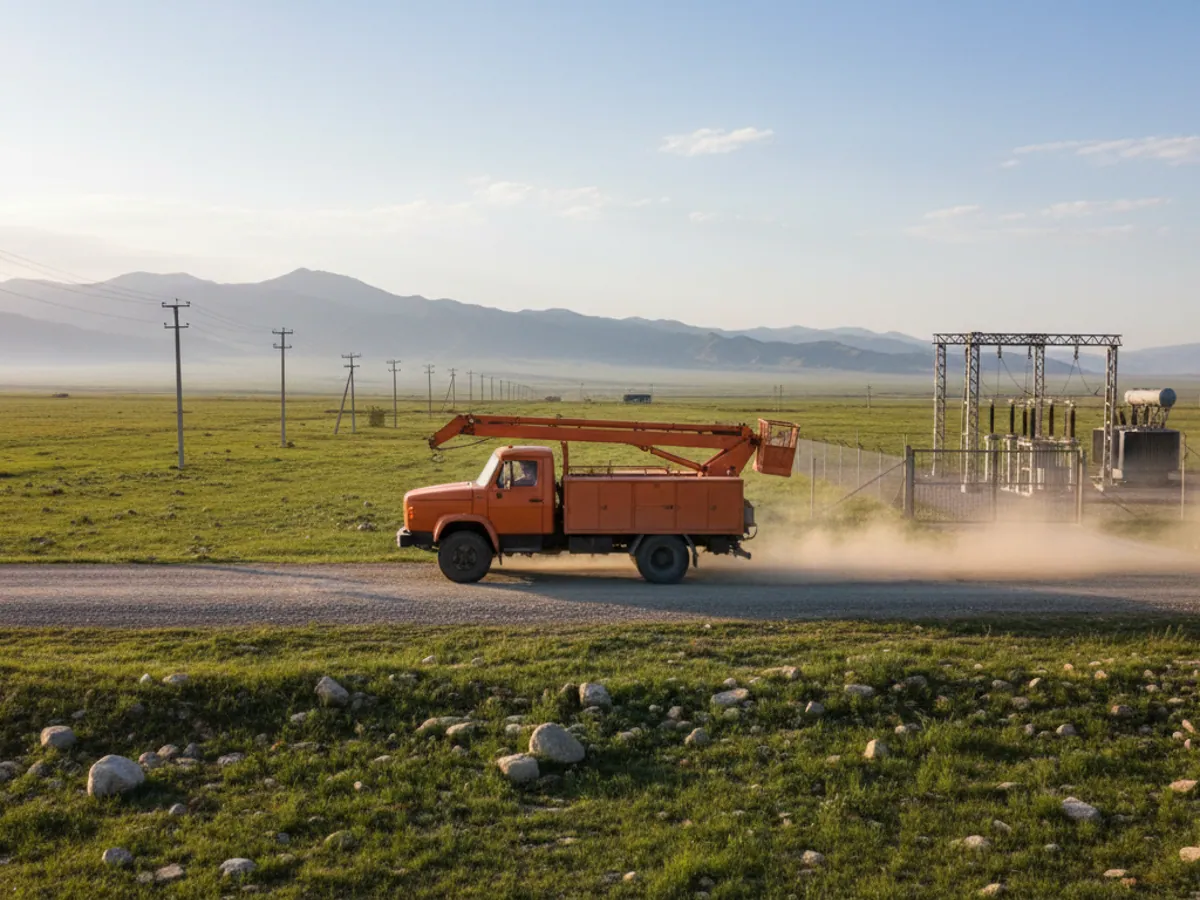
Service companies often come to us not on their own initiative. A major client has written a vehicle monitoring requirement into the contract, and before work starts they have to show the system is fitted and running.
In that case speed matters. We start with the vehicles that go on site first and connect the rest as they are mobilised. Reports are set up in the format the client asks for: speeding events, driver scores, mileage inside the site, night journeys.
If the client wants the data in his own system, we set up transmission over his protocol. That way you do not need a second tracker from another supplier. See data retransmission.
We will say honestly: operators' requirements differ, and we cannot promise that one configuration will suit every tender. Before buying equipment it is better to send us an extract of the requirements, and we will put together a set to match.
How a roll-out goes in an energy company
Requirements and clearances
We gather the HSE requirements, the client's terms and the rules for access to sites. We establish where explosion-protected fitting is needed and what documents the fitters need to get through the gate.
A pilot on one site
We connect 5-10 vehicles at a single site and check coverage, speed thresholds and the report format. Two or three weeks of that pilot save months of rework.
Fitting at scale
Crews work at depots in Baku, Sumgait and Shirvan and at sites in the regions. Fitting follows an agreed schedule so that shifts are not disrupted.
Training HSE and dispatchers
We show how to read driver scores and work through breaches, and how to respond to alarm signals from line walkers.
Regular reports
Daily and monthly reports go to managers automatically. Once a quarter we look together at which rules are due to change.
Questions from energy companies and contractors
How it is used in this industry
Case studies from “Oil, Gas & Energy”

Protecting lone workers with the GH5200 tracker
Assets and workforce

Keeping track of equipment in explosive atmospheres
Assets and workforce

Satellite communication for lorries out of network
Logistics and delivery
GPS monitoring for “Oil, Gas & Energy”
Send us an enquiry and we will prepare a quote for your fleet and pick the hardware that suits this industry.
- 1 We pin down the task
A specialist calls back and asks about the vehicles, how many there are and what you need to keep an eye on.
- 2 We put a solution together
We propose the hardware and the features, and set out the one-off and the monthly cost separately.
- 3 We agree the fitting
At your yard or at ours, on a schedule that keeps the vehicles working.
Request a call
A specialist will call back and match a solution to your fleet and your task.