
Wialon Logistics: planning and monitoring last-mile delivery
The Logistics application from Gurtam, for courier services, online shops and distributors. On our site this section is called Wialon Delivery. Route planning, a mobile application for the courier, and delivery confirmed by photograph or signature.
See a demo built around your task
One system for the dispatcher and the driver
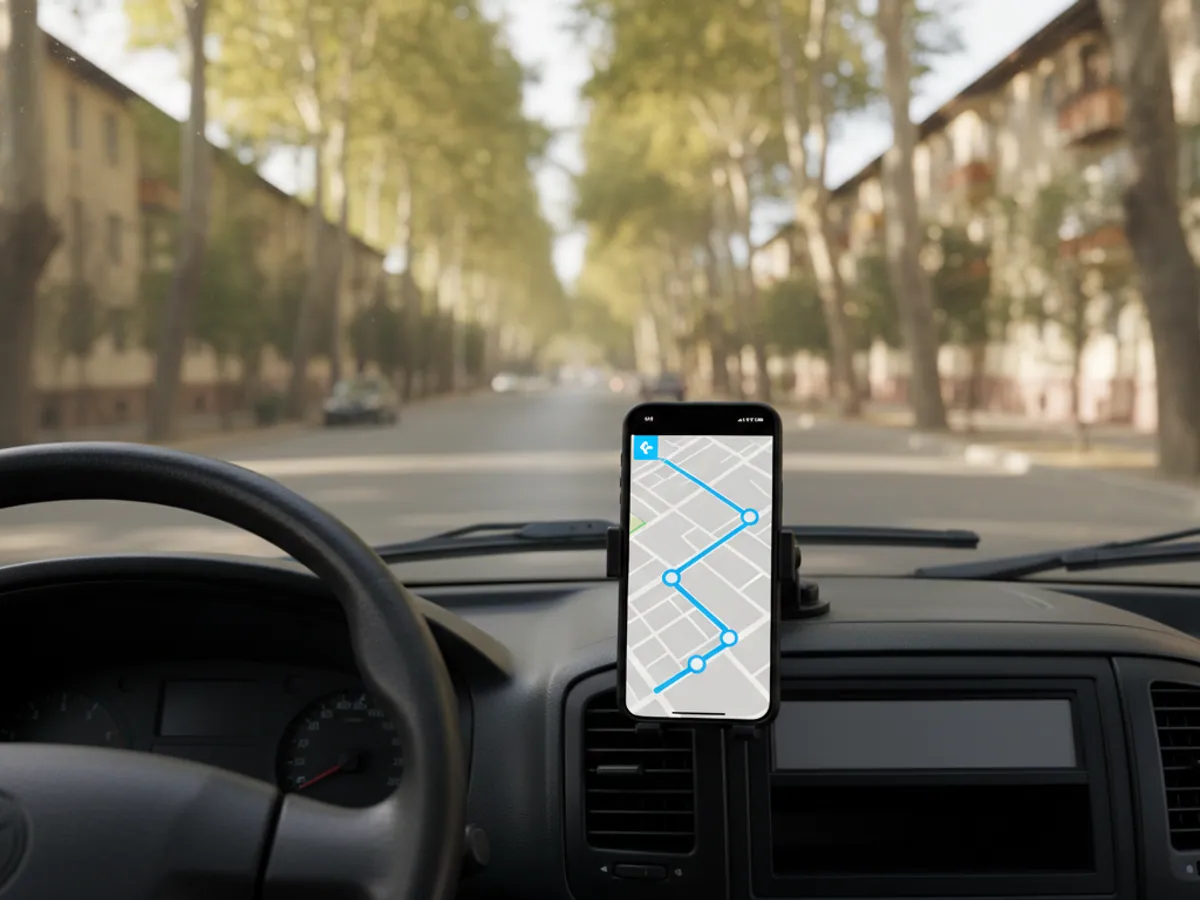
Managing deliveries is a complicated business, and every mistake costs you a customer's goodwill. Wialon Logistics closes the gap between the office and the road. The system comes in two parts: a web version for the operator, for importing orders, sharing them out between vehicles and following how they are carried out, and a mobile application for the courier — a digital delivery sheet, a navigation app and a means of keeping in touch, all on the employee's own smartphone. No more paper consignment notes and no more lost orders.
What this is and who develops it
- The product: Logistics is an application by Gurtam, the developer of the Wialon platform. On the GPS.az site this section is called Wialon Delivery; it is one and the same product.
- How it is put together: it runs on top of your Wialon account. The web interface is for the dispatcher, the mobile application for the courier.
- What GPS.az does: connects the application, imports the reference data and addresses, sets up the statuses and notifications, trains the dispatchers and the couriers, and supports you after the launch.
- Licence: the application is connected to your Wialon account; the licensing terms are stated in the commercial offer, for your volume of orders and your number of couriers.
Intelligent routing and allocation
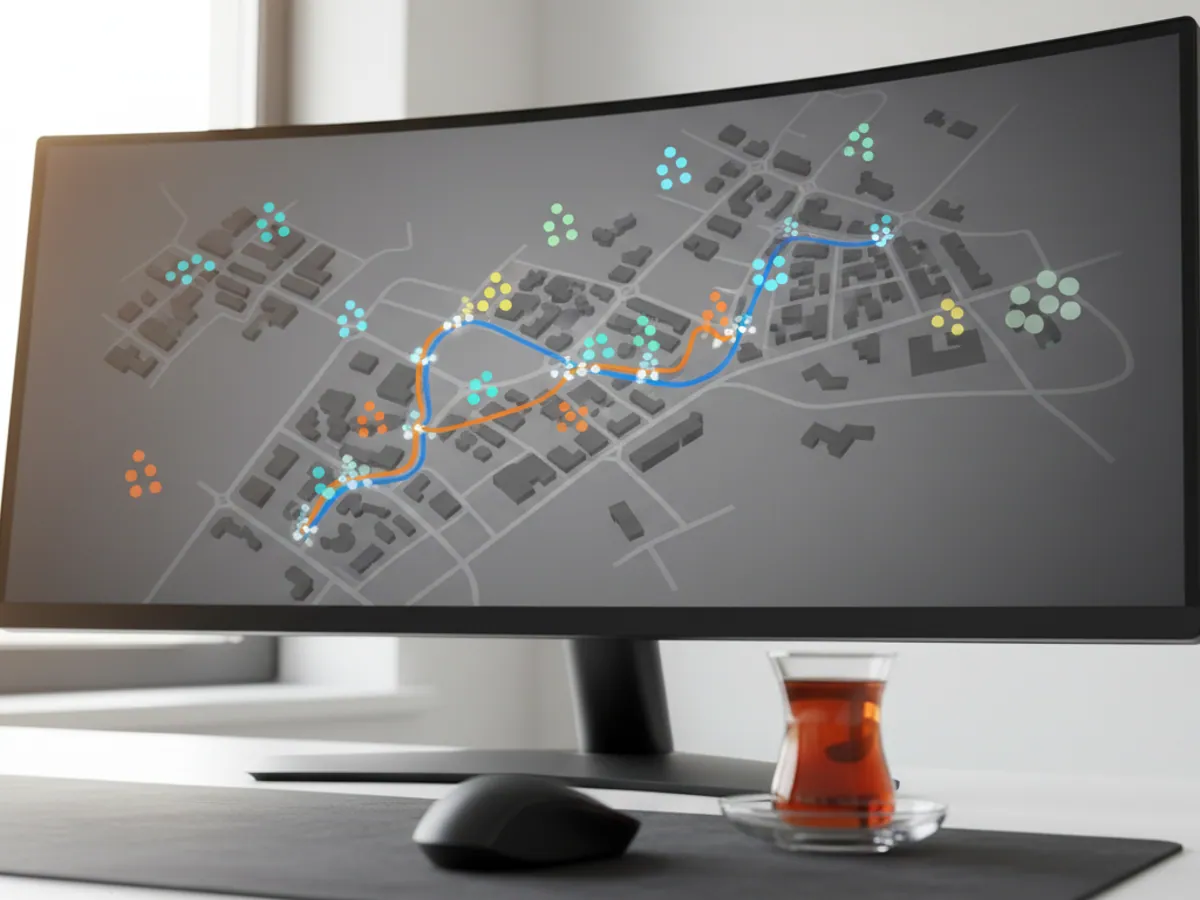
Planning hundreds of orders by hand takes hours. Logistics builds a draft plan automatically: the algorithm shares the orders out between the vehicles available, taking account of delivery time windows, vehicle payload and the address database. The system judges whether a route can be completed within the windows set and shows the orders at risk of arriving late while planning is still under way — the dispatcher decides what to move. Through the day the actual arrival times are compared with the plan, and the deviations go into the report. Meeting a window depends on the traffic and on the courier's own work, so the system does not guarantee it; what it does is help you manage the deviations.
The chaos of running logistics by hand
Without automation delivery stops being transparent, and that leads to losses you can count:
Missed deadlines
The courier is late, or turns up at the wrong time, because the route was put together illogically.
Disputes with customers
One side says the courier never came, the other says nobody was at home. With no digital trail there is no way to establish the truth.
Needless calls
The dispatcher spends most of the day on the phone, chasing the status of an order and the whereabouts of a driver.
Paperwork
Lost documents, mistakes when addresses are typed out again, and long hours over the reports at the end of the day.
What Wialon Logistics does
Planning
Import and drag-and-drop
Electronic proof of delivery
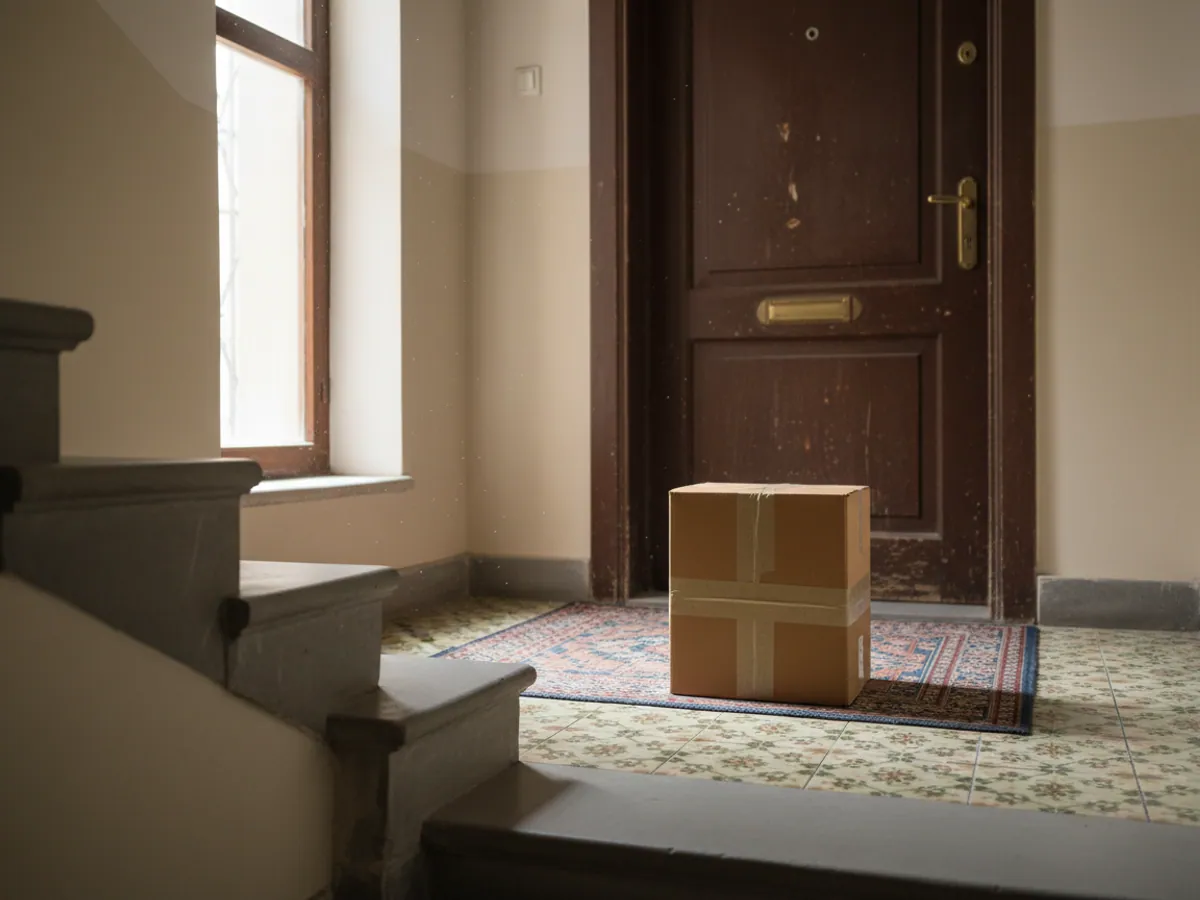
The POD (Proof of Delivery) function protects the business against claims. When the goods change hands the courier can photograph the parcel at the door or take the customer's digital signature on the smartphone screen. That evidence is attached to the order record in the system straight away. It takes most delivery disputes off the table: the order carries a photograph, a signature, the time and the coordinates of the handover, so a claim can be dealt with on the facts.
What a day in Logistics looks like: from import to returns
- Morning: the dispatcher loads the orders from Excel, or they arrive through the API from the online shop. Every order carries an address, a delivery window, a weight or volume, and the customer's telephone number.
- Planning: the system proposes how to share the orders between vehicles and in what order to call, and marks the orders that will not fit into their window. The dispatcher adjusts the plan by dragging and sends the routes to the couriers.
- Delivery: the courier marks the statuses in the application — on the way, delivered, refused. At the handover he takes a photograph or the customer's signature (Proof of Delivery), and the time and coordinates are attached to the order automatically.
- Returns and refusals: an order marked refused or postponed goes back to the unallocated list with the courier's comment, and can be put into the plan for another day.
- Evening: the report for the day — delivered on time, delivered late, refusals, and the mileage per route.
What we need from you to start: the format your orders are exported in, a list of vehicles with their payloads, and your rules for delivery windows and statuses. The limits: the quality of the plan depends on how accurate the addresses are and how realistic the windows are; a courier without a smartphone, or with location switched off, is not visible in the system.
What the solution gives you
Costs optimised
Less mileage and less fuel
Better service
Late arrivals and missed windows are counted
No paper
Documents handled digitally from end to end
Transparency
The whole process laid out on the map
Frequently asked questions
Request a call
A specialist will call back and match a solution to your fleet and your task.