

GPS trackers for leasing and rental of vehicles and heavy equipment
When you hand a car or an excavator over to someone else, all you are left with is a contract. A tracker adds facts to it: where the machine is, how much it really worked, and whether anyone is trying to hide it.
We fit concealed and integrated GPS trackers for hire companies, leasing firms and car sharing operators across Azerbaijan - from car hire at Heydar Aliyev Airport to plant and heavy equipment rental on building sites in Karabakh.

Rental and leasing - one risk in different forms
GPS trackers for leasing and rental address one common problem: the owner does not use the property but is financially answerable for it. Everything else is detail, and the details differ a great deal.
A car hire firm cares about hours and days: did the client bring the car back on time, did they take it up the switchbacks to Shahdag when the contract only allows Baku, and how many kilometres did they really put on it. A leasing company cares about something else: the machine must not disappear before the last payment is made. Someone hiring an excavator pays for engine hours, and the owner needs to know that the counter in the cab has not been tampered with.
In Azerbaijan geography adds to this. A car hired in Baku may be driven off to Nakhchivan or taken across the border into Georgia. An excavator on a site in Fuzuli stands where the mobile signal drops out for hours. The tracker has to be able to store data offline and send it once the network comes back.
Below is how we handle these tasks for each rental sector and what is worth considering before buying equipment.
Solutions by sector: rental & leasing
Which rental sector is closest to your business
Keeping sight of the leased asset until the last payment
A leasing company finances lorries, cars and heavy equipment and has to see the leased asset for the whole term of the agreement. If payments fall behind, it has to find the asset quickly and, if necessary, recover it.
The key functions are concealed fitting, a backup battery-powered beacon and notifications when the asset leaves the region. In detail, see GPS monitoring for leasing companies.



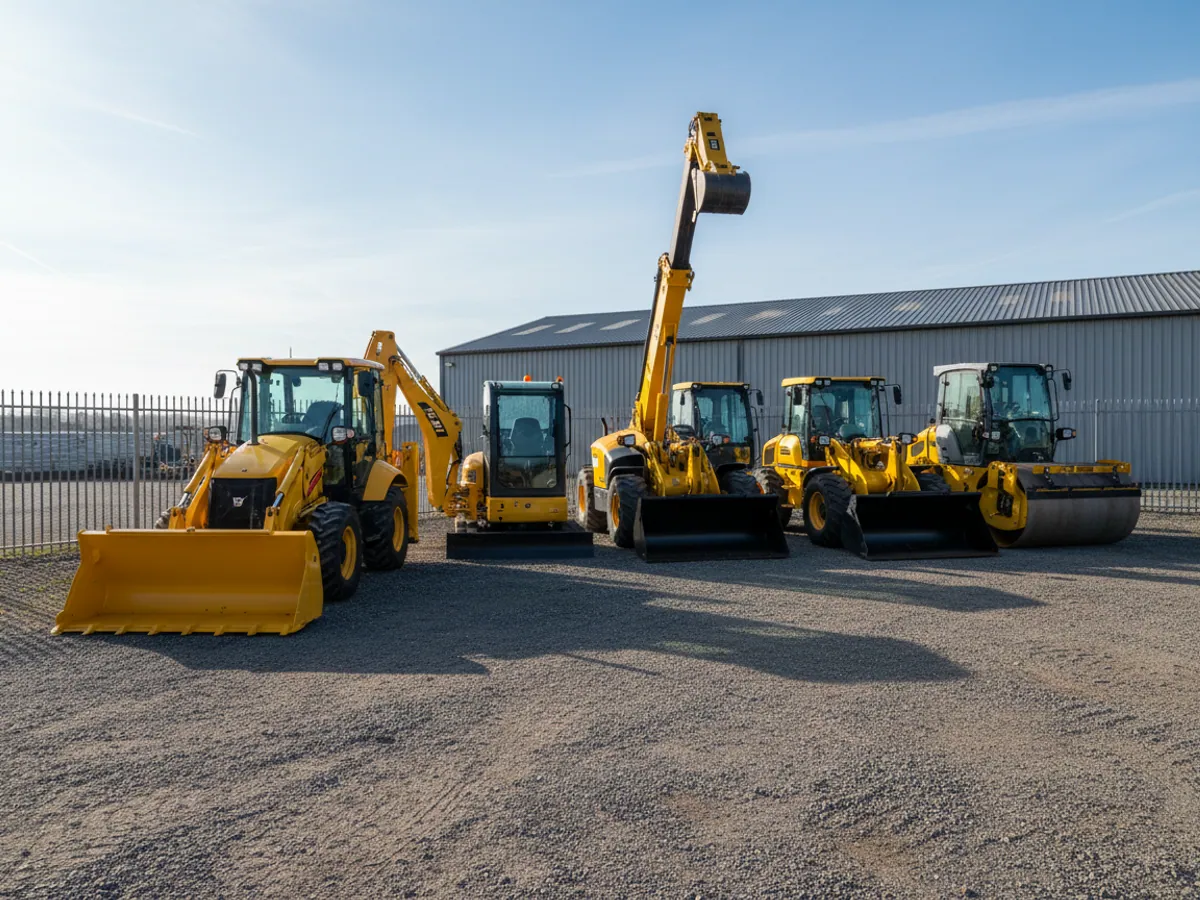

What a tracker in the rental business really protects against
Theft is the loudest risk but not the most frequent. More often the money is lost quietly: on mileage, on engine hours and on machines working somewhere other than agreed.
Under-recorded work
Someone hiring heavy equipment pays for 8 hours a shift while the machine works 12. Without an independent counter that difference cannot be seen, let alone raised with the hirer.
Sub-hire without asking
The car was taken for a week and is now running taxi or delivery routes. The tell-tale sign is 400-500 km a day within the city.
Leaving the permitted area
The contract allows Baku and Absheron, and the car is already on the M-2 heading for Georgia. A notification about leaving the zone gives you time to ring the client.
Hiding the leased asset
The debtor stops paying and hides the machine in a garage. The main tracker can be found and disconnected, so we fit a second, battery-powered one.
Wear caused by driving style
Harsh acceleration and braking, off-road driving in a city saloon. This shows up in the accelerometer data and helps when calculating damages.

Concealed tracker, standalone beacon and remote immobilisation
In the rental business the equipment is chosen around one question: what happens if the client decides to look for it. That is why it is almost always a pair of devices.
The main tracker is wired into the vehicle's power, reports a position every 30-60 seconds, along with mileage, ignition and, where needed, CAN data. For concealed fitting the compact Queclink GV50 works well: it is easy to hide inside a wiring loom.
The backup beacon runs on its own battery and comes online rarely - once a day or on command. It is hard to find because it is not wired into the loom and barely shows up on the air. The Teltonika TAT100, for example, runs for years in this mode without a battery change.
Engine immobilisation through a relay makes it possible to prevent the vehicle being restarted after it stops. We set it up so that the engine is not cut while the vehicle is moving - that is a matter of safety, not just of technology. The details are in the section on remote engine immobilisation.
What a tracker can do in a theft: report movement without the ignition on, departure from a zone or a loss of power, and show the last known position. Under what conditions: if someone on duty receives the notifications and acts on them, and if the immobilisation and the procedure for contacting the police have been agreed in advance. The limits: a signal jammer interrupts the data transmission, and at that moment the system sees only a loss of contact; the main tracker can be found and disconnected. A standalone beacon comes online on its own schedule and helps find the vehicle afterwards, but it does not stop a theft. A tracker therefore supplements the factory alarm system and the insurance rather than replacing them.
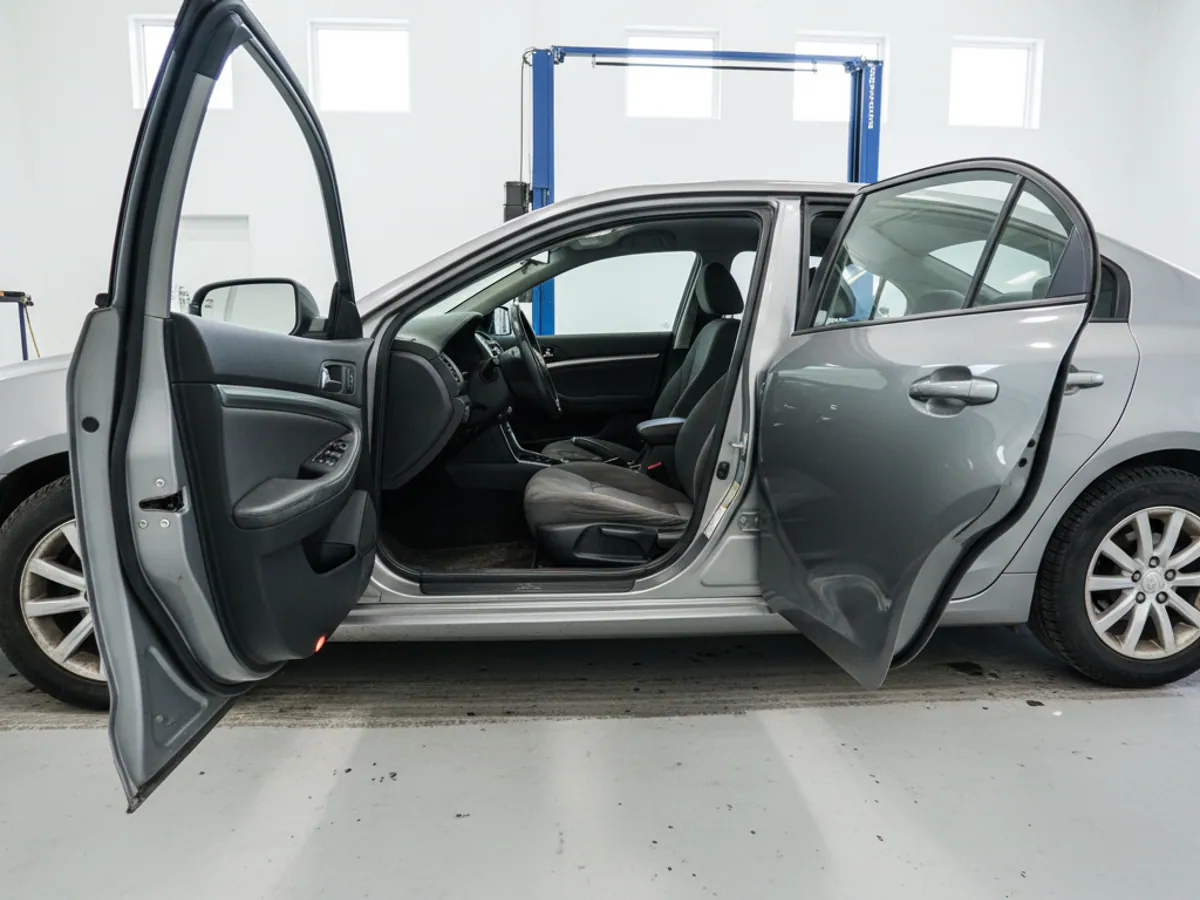
Handover, permitted areas, return: the process the tracker fits into
A tracker is only useful in the rental business when it is built into the handover and return process and the rules are written into the contract. The standard arrangement looks like this:
- Handover. The manager checks in the system that the tracker is online and records the mileage or engine hours and the fuel level. These figures go into the handover record along with the photographs of the vehicle.
- Permitted areas. The contract states the area of use - Baku and Absheron, say, or a particular site for heavy equipment. In the system this is set up as a geofence, and leaving it sends a notification to the person on duty.
- During the hire. Notifications about leaving the zone, speeding and loss of power. The response follows a written procedure: a call to the client, a letter, and if necessary a visit. No automatic sanctions without a human decision.
- Return. Mileage, engine hours, fuel and a list of violations over the hire period are exported into a report and attached to the return record.
Safe commands. Start prevention is only applied to a stationary vehicle with the ignition off. The command is sent by an authorised member of staff following the procedure, not by any user of the system. We do not configure cutting the engine while the vehicle is moving: that puts people on the road at risk.
Contractual boundaries. The contract should state that monitoring equipment is fitted to the vehicle, what data is collected and for what purpose, which area is permitted, what actions are possible in the event of a breach - including start prevention - and how the data is kept once the hire ends. The legal wording is for your lawyer to check.
The reports rental companies need most often
Mileage and engine hours for the hire period
A report with the handover and return dates that can be attached to the record. For heavy equipment, engine hours under load and at idle shown separately.
Fleet utilisation
How many days a month each unit is out on hire and how many it stands idle in the yard. This helps work out which machines are better sold. More on this in fleet utilisation.
Violations during the hire
Speeding, trips outside the permitted zone, night driving where the contract forbids it. All with the date, time and place.
Fuel at handover and return
The fuel level at the moment of handover and of return, so there is no argument with the client about a full tank. On vehicles with CAN, no extra sensors are needed.
Service intervals
A reminder about servicing based on mileage or engine hours. In the rental business a machine changes hands every week and this is easy to lose track of.
Forwarding data into your system
Vehicle statuses, mileage and coordinates go into your rental management software or car sharing billing through the API.

How to fit out the fleet without holding up hires
At a hire company the vehicles are nearly always out with clients, so we plan the fitting around returns. Usually like this:
- The fleet list and the scenarios. Which vehicles, which contracts, what the client is not allowed to do, whether immobilisation is needed. The kit depends on this.
- A trial fitting on 2-3 vehicles of different models. We find places for concealed mounting and check that the tracker does not interfere with the factory alarm.
- Fitting as the vehicles come back. One car takes 30–40 minutes, heavy equipment up to half a day.
- Setting up the rules: geofences for the permitted area, speed limits, notifications to Telegram or by email to the duty manager.
- A short training session for the handover staff: how to check a vehicle before handing it over and how to pull a report when it comes back.
For leasing companies with machines in the regions we travel to the client - to Ganja, Shamkir, Sabirabad or out to the site. We plan the trip in advance so that several units are fitted out in one go.

A pilot in car hire or leasing: what is needed and how we accept it
A pilot usually takes 5-10 units of different models and 3-4 weeks, so that several handover and return cycles are covered.
- From the company: the list of units in the pilot, the current contract and handover record templates, the permitted areas, contacts for the duty staff, and a decision on who is entitled to send an immobilisation command.
- Acceptance criteria: the tracker, and the backup beacon where one is fitted, have been checked for connectivity; at every handover and return the data made it into the record; notifications about leaving the zone and about loss of power reach the duty officer and the response is logged; start prevention has been tested on a stationary vehicle.
- A sample report for a hire: client, handover and return dates, mileage or engine hours, fuel at handover and return, trips outside the permitted zone, speeding events, periods with no signal.
Questions from rental and leasing companies
How it is used in this industry
Case studies from “Rental & Leasing”

Two trackers against the theft of leased vehicles
Car sharing and rental

Car sharing: tracker, CAN-CONTROL and a camera
Car sharing and rental

FMx800 OBD trackers for premium car rental
Car sharing and rental
GPS monitoring for “Rental & Leasing”
Send us an enquiry and we will prepare a quote for your fleet and pick the hardware that suits this industry.
- 1 We pin down the task
A specialist calls back and asks about the vehicles, how many there are and what you need to keep an eye on.
- 2 We put a solution together
We propose the hardware and the features, and set out the one-off and the monthly cost separately.
- 3 We agree the fitting
At your yard or at ours, on a schedule that keeps the vehicles working.
Request a call
A specialist will call back and match a solution to your fleet and your task.