

GPS monitoring for car hire and Rent-a-Car
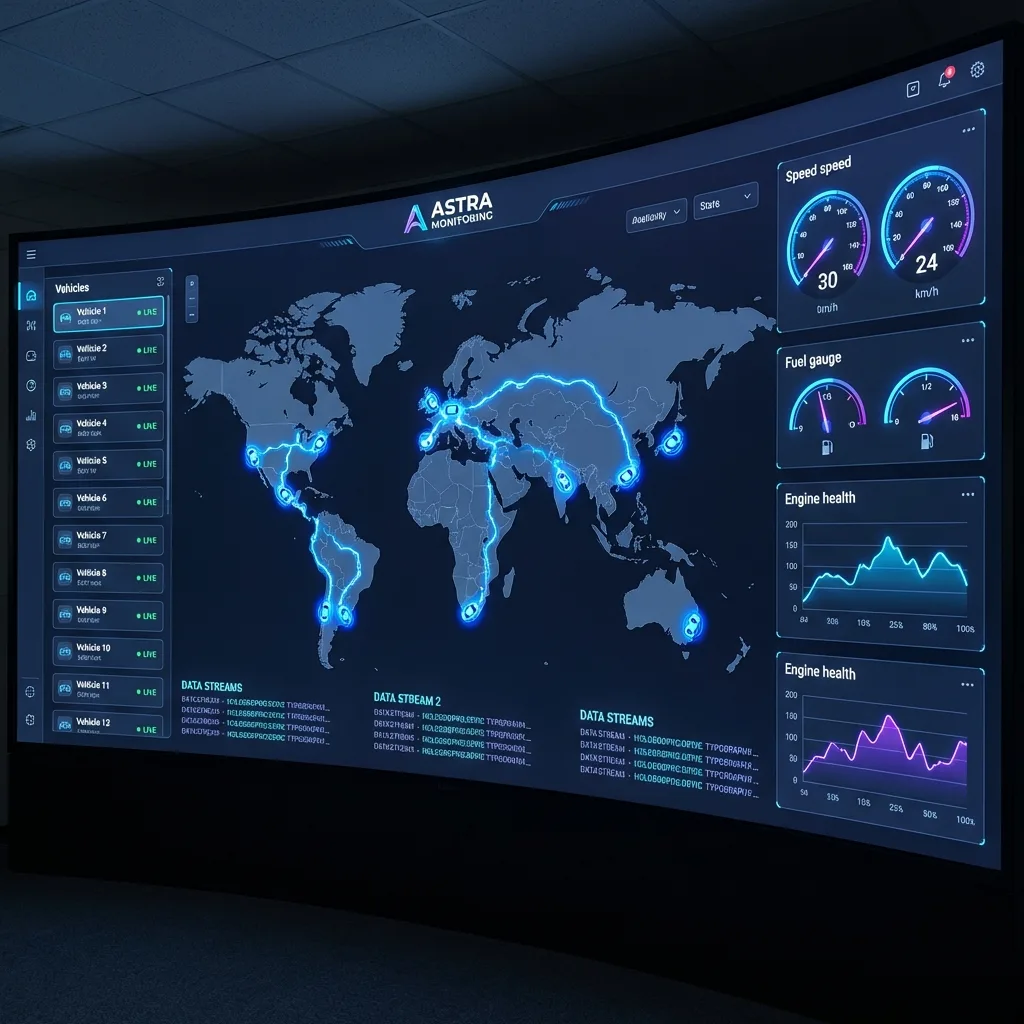
For hire companies in Baku, at the airport and in the tourist areas. You know where every car is, how fast it is being pushed on the road to Gabala, how much fuel there was at handover and on return, and you can block the engine from starting if a car is not brought back on time.

The keys to a thirty-thousand car, handed to a stranger
Car hire in Azerbaijan lives by the tourist season: in spring and summer the cars go to guests from the Gulf states, Russia and Europe, and in winter to trips up to Shahdag. Most customers drive normally. But every month there is someone who takes it to 180 on the airport road, puts a saloon down a dirt track to a mountain village, or fails to bring the car back on time.
GPS monitoring for car hire does not replace the deposit and the contract, but it gives the owner data: where the car is, how it is being driven, what the fuel and mileage are doing. A dispute at return is settled by a chart rather than by words.
Monitoring for every kind of hire and leasing is covered on the solutions for rental and leasing page.

The saloon that went to Khinalug
A customer took a Hyundai Elantra for five days; the form said trips around Baku and to Gabala. On the third day the system shows the car on a mountain road beyond Guba, heading towards Khinalug. That road is hard going for a saloon with low ground clearance.
What a hire company with monitoring can do:
- get a notification that the car has left the permitted area at the moment it happens, rather than at return;
- ring the customer and remind them of the terms of the contract;
- at return, look at the track, the speed and the accelerometer impacts on the mountain stretch — and inspect the suspension and underside with that data already in hand.
Without monitoring the car would have come back washed, with nothing happened, and the holed sump would have turned up a week later with the next customer.
What costs a hire company the most
Theft is the worst case but not the most frequent one. Money goes regularly on other things:
Non-return and theft
Hire on someone else's documents, and the car never comes back. Every hour without coordinates cuts the chance of finding it.
Aggressive driving
Hard starts, braking to the floor and 170 km/h on an empty road. Tyres, brakes and suspension wear out over a week's hire.
Fines from cameras
The notice reaches the owner of the car a few days later, when the customer has already flown home. You need to prove quickly who was driving at the time.
Fuel and mileage at return
The tank was full — no, it was half. An argument over every return takes up the manager's time and spoils the review.
Trips outside the permitted area
A run into Georgia without clearing it, a saloon on a mountain dirt track, the car parked in the next town at a friend's place.
Features for Rent-a-Car
Immobilisation and recovery
If the car has not been returned and the customer is not answering, the dispatcher sends a command to block starting. The engine does not cut out on the move: immobilisation takes effect at the next stop, once the ignition is switched off. How this works is on the remote engine immobilisation page.
On expensive cars we add a covert backup unit on its own battery, which will carry on reporting if the main tracker is found.

OBD tracker or concealed fitting: which to choose
Almost every hire company asks this, and the answer depends on what you are protecting yourself against.
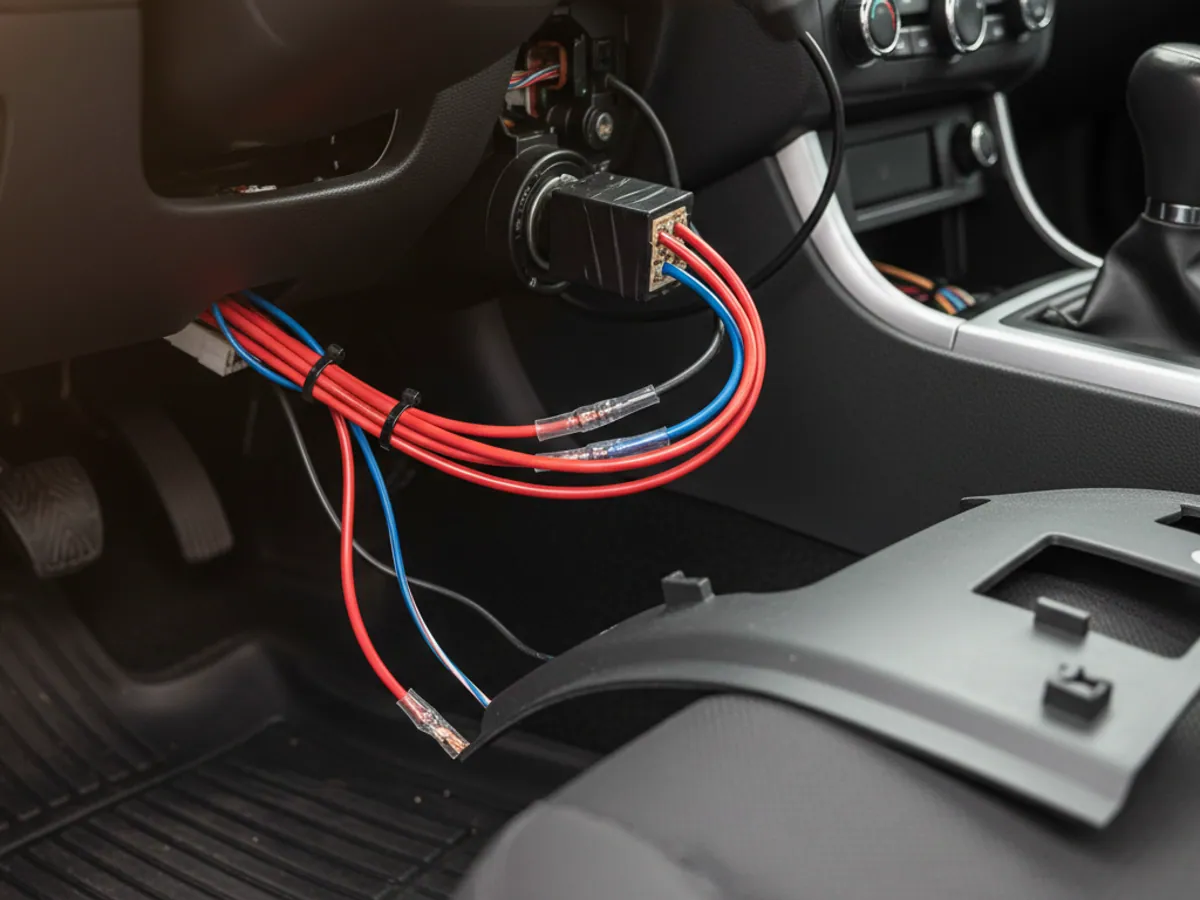
An OBD tracker plugs into the diagnostic socket in a minute, moves to another car without an auto electrician, and reads mileage, fuel and engine fault codes. For recording mileage, fuel and driving style that is enough.
But the socket is under the steering wheel, and a customer who intends to steal the car will pull the tracker out in a second. Nor will an OBD tracker give you engine immobilisation.
Concealed fitting means the tracker is wired to power behind the trim and an immobilising relay is spliced into the starter circuit. Fitting takes 1.5–2 hours, and the tracker cannot be removed without stripping the interior.
A practical arrangement for a hire company: OBD on the cheaper economy cars, concealed fitting with immobilisation on anything more expensive, and a covert backup unit on top of that in the premium segment.
How monitoring fits into handover and return
At booking
The permitted area, the speed limit and a clause about monitoring go into the contract. The customer signs them along with the other terms.
At handover
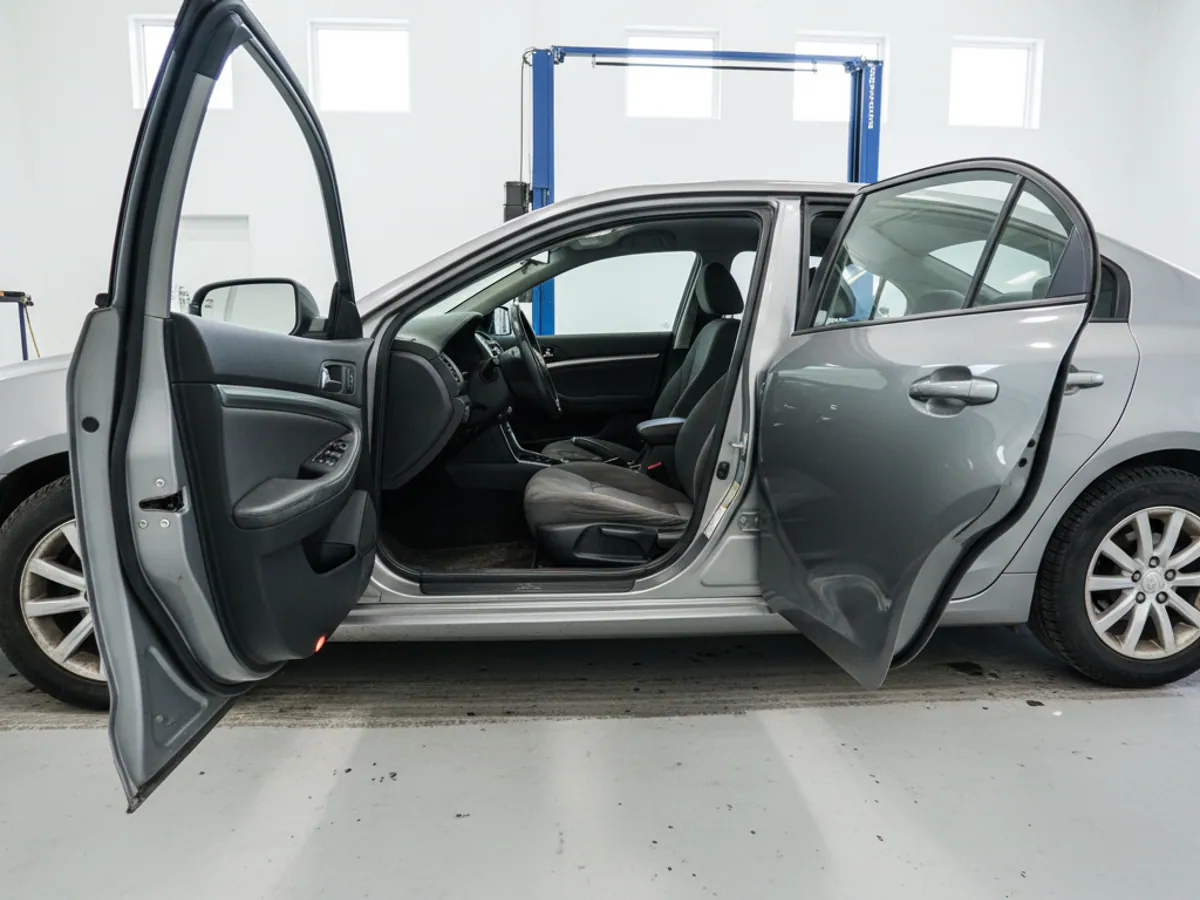
The manager sees the mileage and fuel level in the system and records them on the form. The right geofences are switched on for that car for the duration of the hire.
During the hire
Notifications about leaving the area, speeding, impacts and the tracker being disconnected reach the duty manager in the app.
At return
A report on the hire: mileage, fuel, top speed, the number of harsh manoeuvres, the route. A dispute, if one arises, is settled on that data.
When a camera fine arrives
From the time of the offence on the notice you find the hire and the customer who was driving at that moment. The track confirms the car was where the notice says.

The handover and return form, the customer's rights and control over starting
What is worth putting on the form. Besides photographs of the bodywork and the interior, it helps to add data from the system to the handover and return form: mileage, fuel level as a percentage or in litres, and the times of handover and return. If a car has no CAN data on fuel, the level is recorded from a photograph of the dashboard, and that should be stated on the form so that different sources are not compared later.
The customer's rights. The customer is hiring a car, not consenting to unlimited surveillance. The contract states that monitoring equipment is fitted, what data is collected (coordinates, speed, mileage, fuel), for what purposes and how long it is kept. Access to customers' tracks is given only to staff who need it for their work. In a dispute the customer is entitled to a report on their own hire — and that usually settles the matter.
Control over starting. A command to block starting is only carried out on a car whose engine is off. Who sends it and in what circumstances is set by internal procedure: usually a manager or the duty officer after an attempt to reach the customer, not the handover clerk. Before lifting the block, someone checks that the car is in a safe place and that the situation is clear. Every command is written to a log with the time and the person who sent it.
The wording of the contract and of the consent to data processing is for your lawyer to check: we describe what the system does, not which clauses the law requires.

Where hire companies go wrong
Fitting nothing but OBD across the whole fleet. Enough for record keeping, not enough to protect against theft. The first stolen expensive car wipes out everything saved on fitting.
Not writing the conditions into the contract. The speed data is there, but nothing can be recovered, because the contract sets neither a limit nor any consequence.
Setting up too many notifications. The manager gets a message at every 90 km/h, and within a week stops reading them. What you need is two or three thresholds that actually mean something.
Not checking the tracker at handover. The car stood for a fortnight, the battery went flat, the tracker is offline. That comes to light when someone has to find the car.

How a hire company can work out whether it needs monitoring
Count not from the price of a tracker but from what the problems it closes cost you over a year. It is enough to pull up last season's records:
- how many cars were not returned on time, and how many days each stood idle while it was being found;
- how many camera fines you had to pay yourselves because the customer could no longer be traced;
- how many fuel disputes ended in the customer's favour so as not to spoil the review;
- how often tyres and pads were replaced compared with the manufacturer's norm.
Add those sums up over a year and compare them with the cost of the equipment and the subscription across the fleet. If the main loss is disputes at return and fines, the effect can be tested on a pilot in a few weeks; if it is theft, the sums have to be done on rare but expensive cases. For a small hire company with 5 cars it makes more sense to start with immobilisation on the most expensive ones. We will price it exactly for your fleet.

A pilot at a hire company: what we need and how we accept it
The pilot works well on 5–8 cars of different classes, including one or two expensive ones with concealed fitting, over 3–4 weeks so that several handover and return cycles take place.
- From the hire company: a list of cars with models and years, the current contract and handover form, the permitted areas and speed limits, and who among the staff receives notifications and who may block starting.
- Acceptance criteria: mileage and fuel from the system appear on every handover and return form; notifications about leaving the area and about the tracker being disconnected reach the duty officer; blocking of starting has been tested on a stationary car; on a practice camera fine, the hire and the customer are found from the time of the offence.
- An example hire report: customer, dates, mileage, fuel at handover and return, top speed and the number of speeding events, trips outside the area, harsh manoeuvres and impacts, and periods with no coverage.
What changes for a hire company
Fewer disputes at return
Fuel, mileage and the route from the system settle most disagreements in a couple of minutes.
Cars last longer
A customer who knows from the contract about the monitoring and the speed limit tends to drive more carefully. How far that shows in tyre and brake wear is visible from the replacement history a few months on.
Fines find the culprit
A camera notice is matched to a hire in minutes rather than after a search through the handover log.
Non-return under control
You know where the car is and can block the engine from starting until the situation is cleared up.
Frequently asked questions
What is used in this sector
What we do end to end
Wialon modules for this sector
How it is used in this industry
Case studies from “Rental & Leasing”



Thinking of rolling out GPS monitoring in “Car hire”?
Send us an enquiry and we will price it up for your fleet and pick the hardware for this sector: rental & leasing.
- 1 We pin down the task
A specialist calls back and asks about the vehicles, how many there are and what you need to keep an eye on.
- 2 We put a solution together
We propose the hardware and the features, and set out the one-off and the monthly cost separately.
- 3 We agree the fitting
At your yard or at ours, on a schedule that keeps the vehicles working.
Request a call
A specialist will call back and match a solution to your fleet and your task.