
Technical support for GPS monitoring
We answer questions about Wialon, diagnose trackers and sensors remotely, reconfigure them and work through disputed fuel graphs. Consultations run on working days from 9:00 to 18:00, and there is an on-call line for critical incidents. If the problem is in the hardware, we schedule a visit; what is covered by the subscription and what is charged separately is set out below.
- 09:12 Critical: six vehicles off the air in different districts of Baku
- 09:40 Van 10-XX-123 off the air after a service — a visit has been scheduled
- 10:05 Drain in the report: going through the overnight fuel sensor graph
- 10:30 Access to Wialon granted to the new dispatcher
- 11:15 The report mail-out turned up in the spam folder, address corrected
For every ticket you get an answer telling you what happened and what was done: the vehicle is back on the air, the report has been corrected, or a visit has been scheduled for a reason you can follow. A ticket is closed when you have confirmed the outcome, not when the engineer has decided everything is in order. If the cause lies with the driver or with the workshop where the vehicle was, we show you the data from the tracker log.
When a vehicle drops off the map on a Friday evening
Technical support for GPS monitoring is not something you need every day, and it helps to know in advance what counts as urgent. For a mass outage of vehicles or the platform being unavailable, call the on-call line straight away. If a single vehicle goes off the air on a Friday evening, we log the ticket and handle it in the next working hours — outside those hours only where your contract assigns it that priority. A monthly fuel report that does not match the receipts, or a new dispatcher who needs access after the old one left, are weekday matters, from 9:00 to 18:00.
We support customers running on Wialon with Teltonika, Queclink and other trackers, fuel sensors and CAN adapters. We check connectivity, power and sensor readings against the messages and parameters available in Wialon: settings and reports can often be corrected remotely while the device is reachable. Physical faults are confirmed on site and a visit is arranged, and we give a resolution timescale after the diagnosis.
This page covers how to reach us, what happens after you get in touch, which problems come up most often, and what is covered by support and what is charged separately.

How the work goes, step by step
Any channel
Phone, WhatsApp, email or the form. The registration number, what is wrong and since when.
Logged and prioritised
The request goes into the ticket system. Mass outages are dealt with first.
The tracker log
Power, GSM signal, satellites, sensor graphs. We tell mountains with no signal from a fault.
Remotely or a visit
Reconfiguration and report fixes are done remotely. A broken wire or a damaged sensor means a visit.
Confirmed by you
A ticket is closed when you have confirmed the outcome, not when the engineer has decided it is fine.
An ordinary day on the support line
An illustrative example: one customer's tickets across a working day, with a fleet of 45 vehicles.
- The new dispatcher cannot log in access
The previous employee left taking the password with him. We disable his account and create a new one with the right permissions.
- A van has been off the air for three hours diagnosis
In the log the voltage dropped to zero right after a service. It looks as though the auto electrician did not reconnect the power — we schedule a visit.
- The accounts department is disputing a drain in the report fuel sensor graph
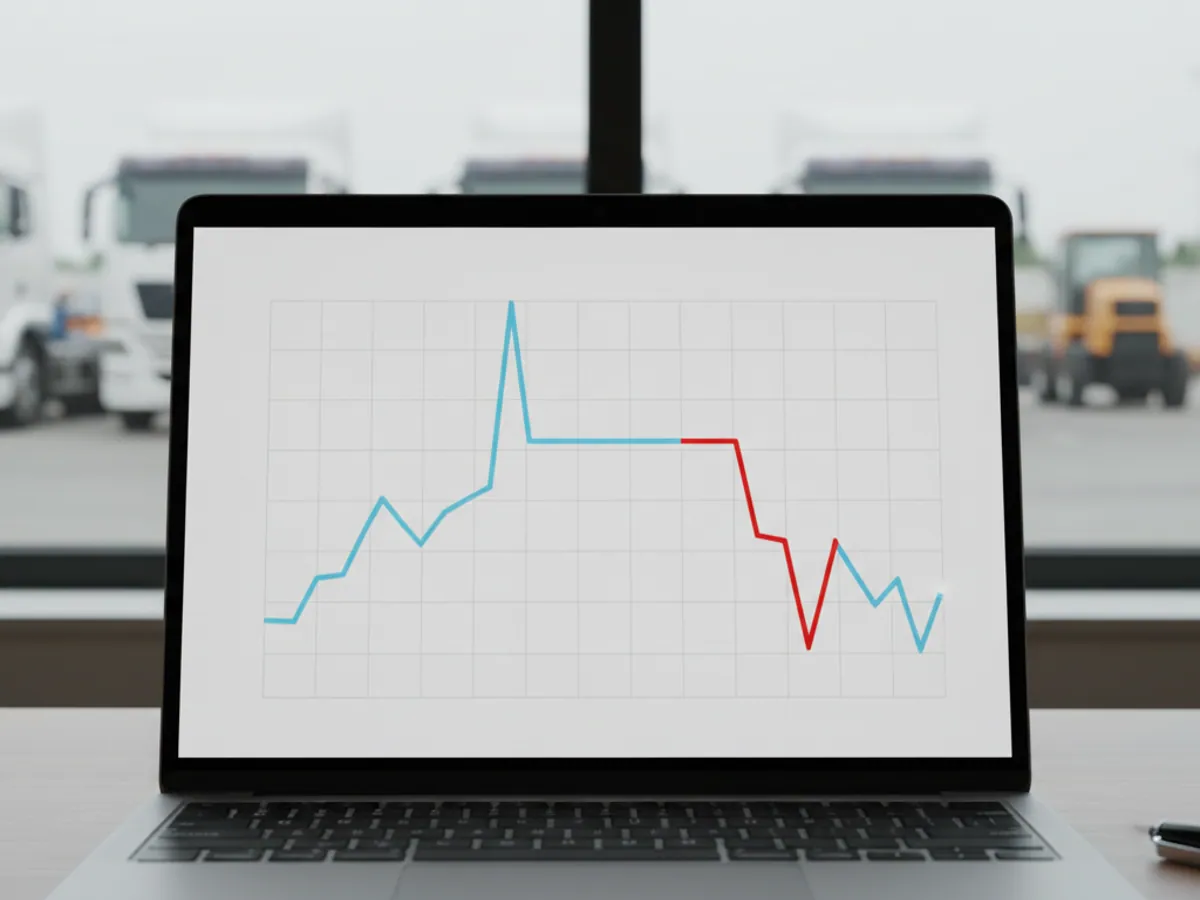
The level dropped while the vehicle was moving and then came back. That is not a drain: we tighten the filtering for this vehicle.
- The morning mail-out is not arriving resolved
The messages were going to the recipient's spam folder. We checked the address and sent the report again.
- Five vehicles disappear in different places critical
Power is normal on all of them, the GSM signal has gone. We check whether the mobile operator has an outage and keep the customer informed.
How to get in touch so that things get sorted faster
You can write or call on +994 (99) 207-88-88, reach us on WhatsApp, by email or through the form on the contacts page. Every request is logged in a single ticket system, including those sent to a messenger at the weekend: they are picked up at the start of the next working hours, or sooner if the incident is critical.
So that we can start work straight away instead of asking you back, please tell us:
- the registration number or the name of the vehicle in the system;
- what exactly is wrong: it has disappeared from the map, it is not showing fuel, the report shows a drain that never happened;
- since when you have been seeing the problem;
- whether anything has been done to the vehicle recently: a repair, a battery replacement, engine washing, welding.
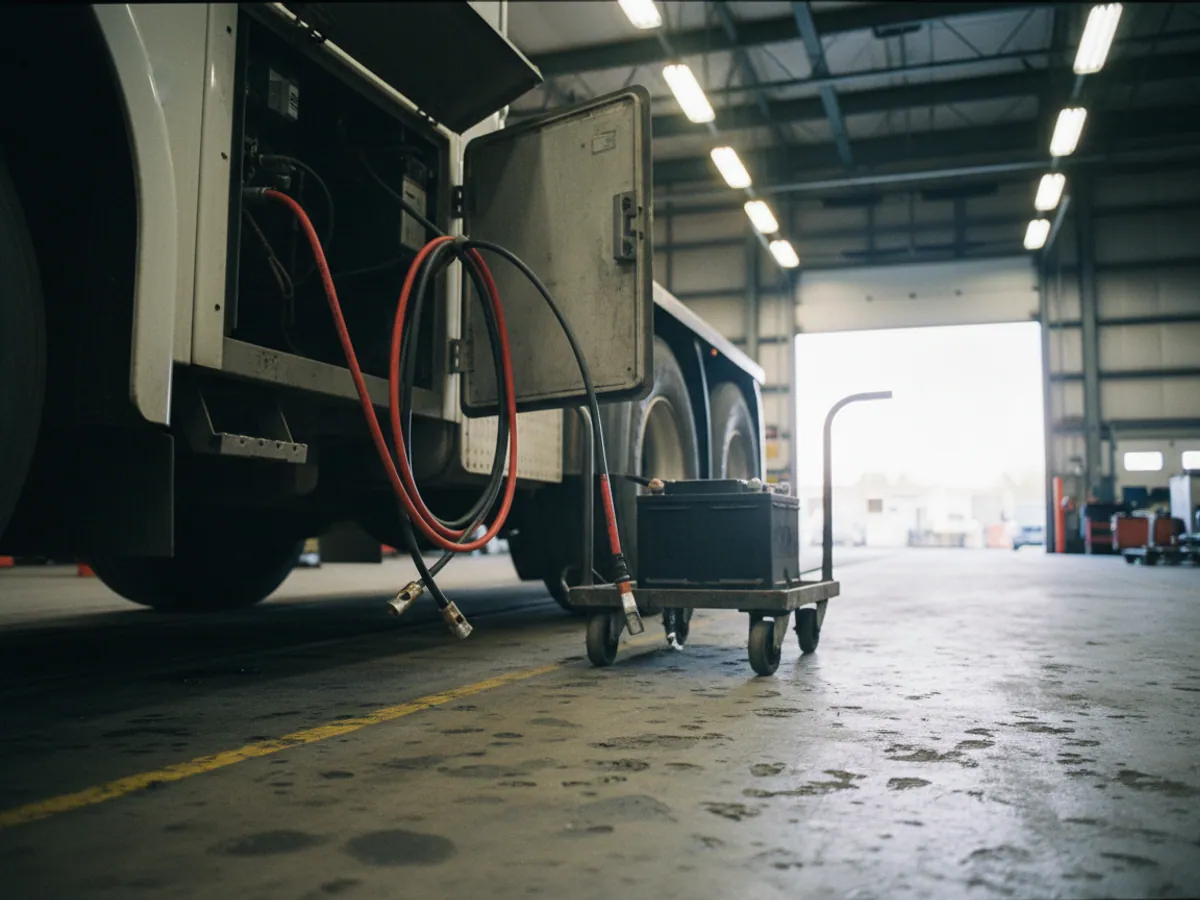
That last point matters more than it seems. Half of the cases where a tracker stopped working begin with the words: the vehicle was in the workshop the other day. The auto electrician disconnected the tracker's power to trace a current leak and forgot to reconnect it.
Who answers your request
First line
Advice on working in Wialon: how to build a report, set up a notification, add a user, restore access. Questions that do not need an engineer are closed here, often in a single conversation.
Second-line engineers
Diagnosing trackers and sensors from the telemetry, remote reconfiguration, firmware updates, and working through disputed fuel graphs. There is more on the remote diagnostics page.
Field fitters
For when physical access to the vehicle is needed: a broken wire, a damaged sensor, a tracker that has been removed. We travel in Baku and across the regions; the terms are on the on-site service page.
Report and integration developers
They come in when the task goes beyond support: a new report, an exchange with 1C, an export to your own server.
What people get in touch about most often
The tracker has stopped reporting
The first thing we look at is the last message: what the supply voltage was, the GSM signal strength, how many satellites. If the voltage dropped to zero, the tracker has lost power, most likely a terminal was taken off or a fuse blew. If the power was normal and the connection went, the problem is with the SIM card or with coverage.
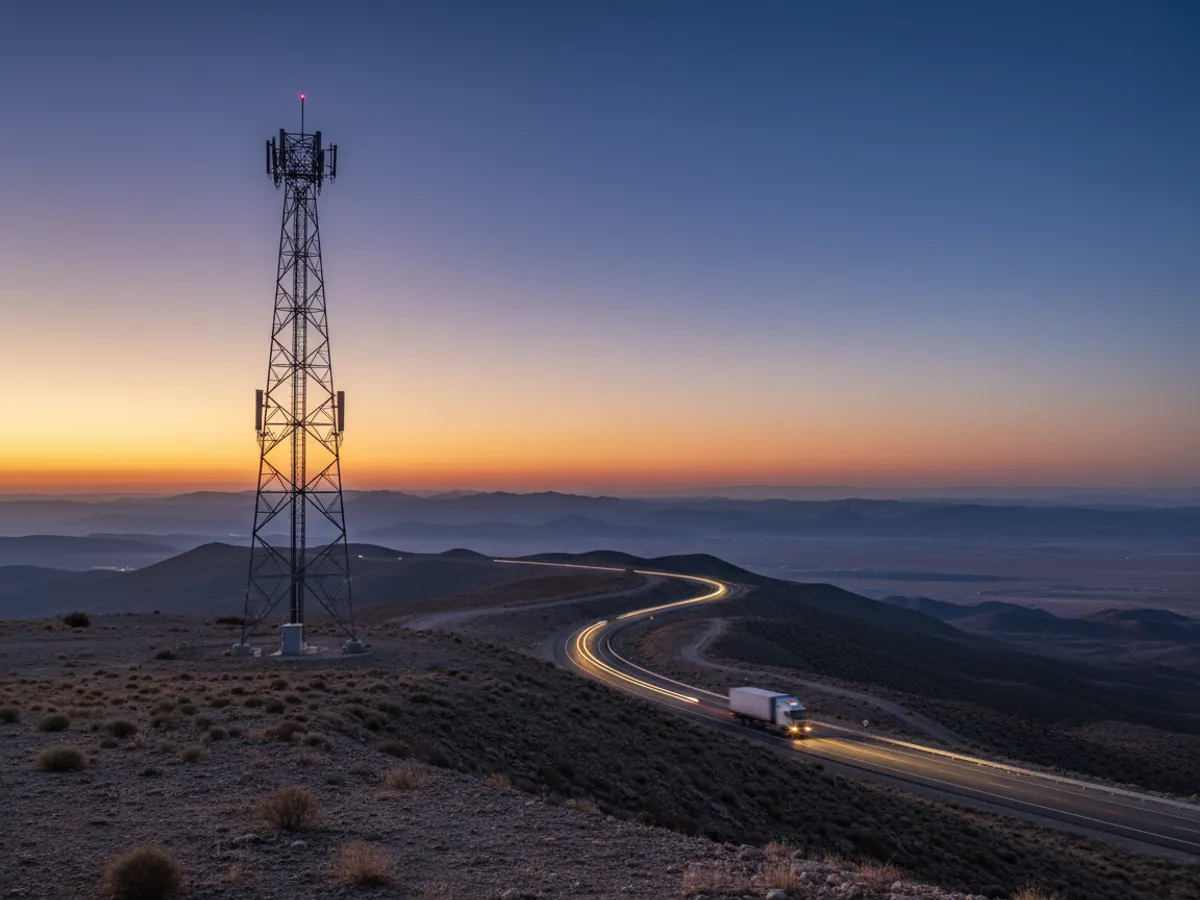
A vehicle in the mountains beyond Guba or in the Gusar district can stay silent for hours because of a weak signal and then upload everything from memory. We can tell that apart from a genuine fault and do not send a fitter out for nothing.

Working hours and response times
Standard support runs on weekdays from 9:00 to 18:00 Baku time. During those hours the first reply usually comes within 15 minutes: an engineer confirms that the ticket has been taken and asks any clarifying questions.
For critical incidents — a mass outage of vehicles, the system being unavailable — the on-call line runs seven days a week.
For companies that need a guaranteed response at any hour and restoration times written into the contract, there is a separate arrangement: support under an SLA. That also comes with a named engineer and monthly reports on the state of the equipment.
We advise in Russian and Azerbaijani.
Channels, hours and timescales in one place
Access to the platform
Wialon at go.gps.az is available around the clock, apart from planned maintenance on the server. We give notice of planned work in advance.
Advice on working in the system
Working days, Monday to Friday, from 9:00 to 18:00. Phone, WhatsApp, email or the form on the contacts page. Questions that arrive in the evening or at the weekend are taken up at the start of the next working day.
Critical incidents
A mass outage of vehicles or the system being unavailable — the on-call line runs seven days a week. A single vehicle off the air at the weekend is not normally treated as a critical incident, unless the contract says so.
A visit for a fault
The time and place are agreed with you. In Baku the target response time is up to 48 hours on working days from the moment access to the vehicle has been agreed. In the regions it follows the visit schedule, and we give you the timescale when the ticket is taken.
Guaranteed times around the clock
Not part of standard support. If you need response and restoration times fixed in a contract, that is the SLA service arrangement.
What you can check yourself in five minutes
Some problems can be settled without a call. Before you get in touch, a few things are worth checking:
- whether the browser session has expired — log out and log back in at go.gps.az;
- whether the right period is selected in the report and whether a filter has been left on one group of vehicles;
- if a vehicle appears to be standing still on the map, whether it really is standing still: ring the driver;
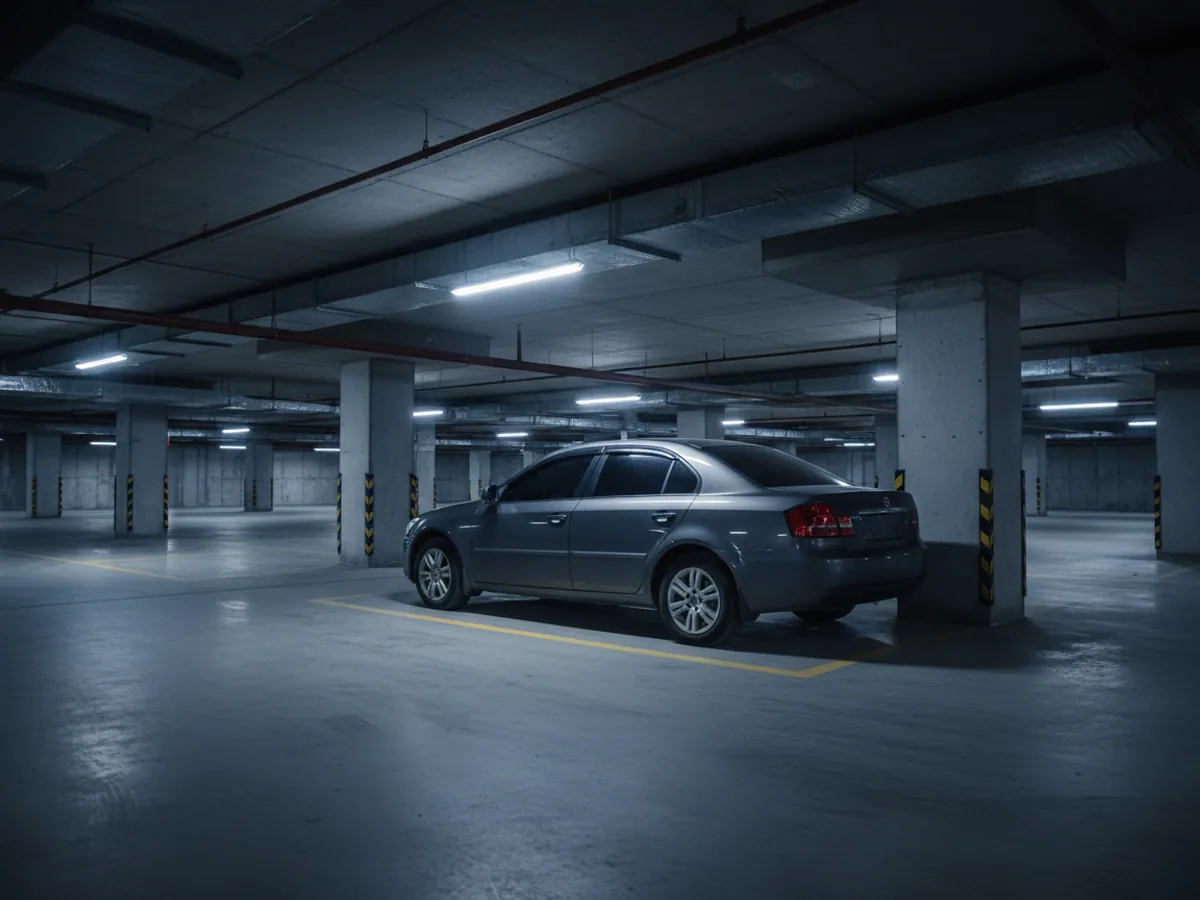
- if only one vehicle has disappeared, whether it has been in the workshop, at the car wash or in an underground car park;
- if notifications are not arriving by email, look in the spam folder.
If none of that helps, write to us and we will sort it out. And the other way round: if you see several vehicles disappear at once in different places, tell us as soon as you can. It may be an outage at the mobile operator, and then it matters to establish the scale quickly.
What support covers and what is charged separately
So that there are no unexpected invoices, we set out the boundaries in advance:
Covered by the subscription
Advice on working in Wialon, restoring access, remote diagnosis of trackers, reconfiguration, firmware updates, and correcting report and notification settings.
Charged as incurred
A fitter's visit, replacing equipment outside warranty, recalibrating a fuel level sensor after a tank replacement, moving a tracker to another vehicle.
Separate projects
Building new reports, integrations with 1C and ERP, in-depth staff training. We cost these separately and agree them before the work starts.
Warranty cases
If equipment we supplied and fitted fails within the warranty period and not through the way it was used, the repair or replacement is at our expense.
Why have support if everything is working anyway
Fewer blind vehicles
A faulty tracker is spotted and fixed before the problem turns into a week-long hole in the data.
Reports people trust
Disputed drains are worked through against the graphs and configuration mistakes are corrected. The accounts department carries on using the data.
No need for your own specialist
Keeping a telematics engineer on the payroll for a fleet of 30–100 vehicles rarely pays. We do that work instead.
Quick answers
Routine questions about the system — a report, a notification, an access right — are usually settled in one conversation rather than waiting for somebody in the company to work through the manual.
Price and what the cost depends on
The cost of technical support for GPS monitoring depends on the size of the fleet, the service arrangement chosen (remote support, site visits or a combination of the two) and the response time required. Basic support is covered by the subscription, while extended arrangements with priority handling of tickets and regular preventive work on the equipment are costed separately.
The price is also affected by where the vehicles are based and by the number of tickets typical for your fleet. We will prepare an exact quotation after a short audit of the fleet — leave a request on the site or call +994 (99) 207-88-88.
Standard support and support under an SLA
Standard support is enough for most fleets. An SLA is for cases where time without data is expensive.
| Standard support | Support under an SLA | |
|---|---|---|
| Covered by the subscription | Yes | No, a separate contract |
| On-call line for critical incidents | Yes, seven days a week | Yes |
| Response and restoration times written into the contract | No, target times only | Yes |
| A named engineer | No | Yes |
| Monthly report on the state of the equipment | No | Yes |
Questions about “Technical support for GPS monitoring”
Request a call
A specialist will call back and match a solution to your fleet and your task.