
Remote diagnostics of GPS equipment
We read the telemetry coming off trackers and sensors — power, connection, satellites, raw readings, event log — and find the fault without going anywhere near the vehicle. Reconfiguration, firmware updates and sensor corrections in Wialon are done over the air. If the tracker has lost power, the SIM is blocked or a wire is damaged, that cannot be solved remotely, and the fitter sets off already knowing the diagnosis.
- 1 Tractor unit 10-XX-123 97Power, connection and sensors all normal
- 2 Van 10-XX-208 88Weak GSM near Guba — coverage, not a fault
- 3 Tipper 10-XX-417 66Fuel level sensor stuck on one value for six days
- 4 Tractor 10-XX-330 61Tracker backup battery no longer holds charge
- 5 Van 10-XX-512 22Power at zero with the ignition on
For every vehicle checked you know the state of the tracker and its sensors, and the cause if something is wrong. Whatever can be put right over the air has been put right; for the rest there is a diagnostic report with a recommendation: which kind of visit is needed and what to bring.
A tracker tells you a great deal about itself
Every message a tracker sends carries more than a coordinate: supply voltage, backup battery charge, GSM signal level, number of satellites, input states, sensor readings. From that data an engineer can see what is happening to the equipment without going near the vehicle.
Remote diagnostics of GPS equipment is built on exactly this. We look at the telemetry, find the fault, and then, where it is possible, fix it remotely too: send the tracker a command, change its configuration, update the firmware over the air. If hands are unavoidable, the fitter travels already knowing what has broken, and carrying the right part.
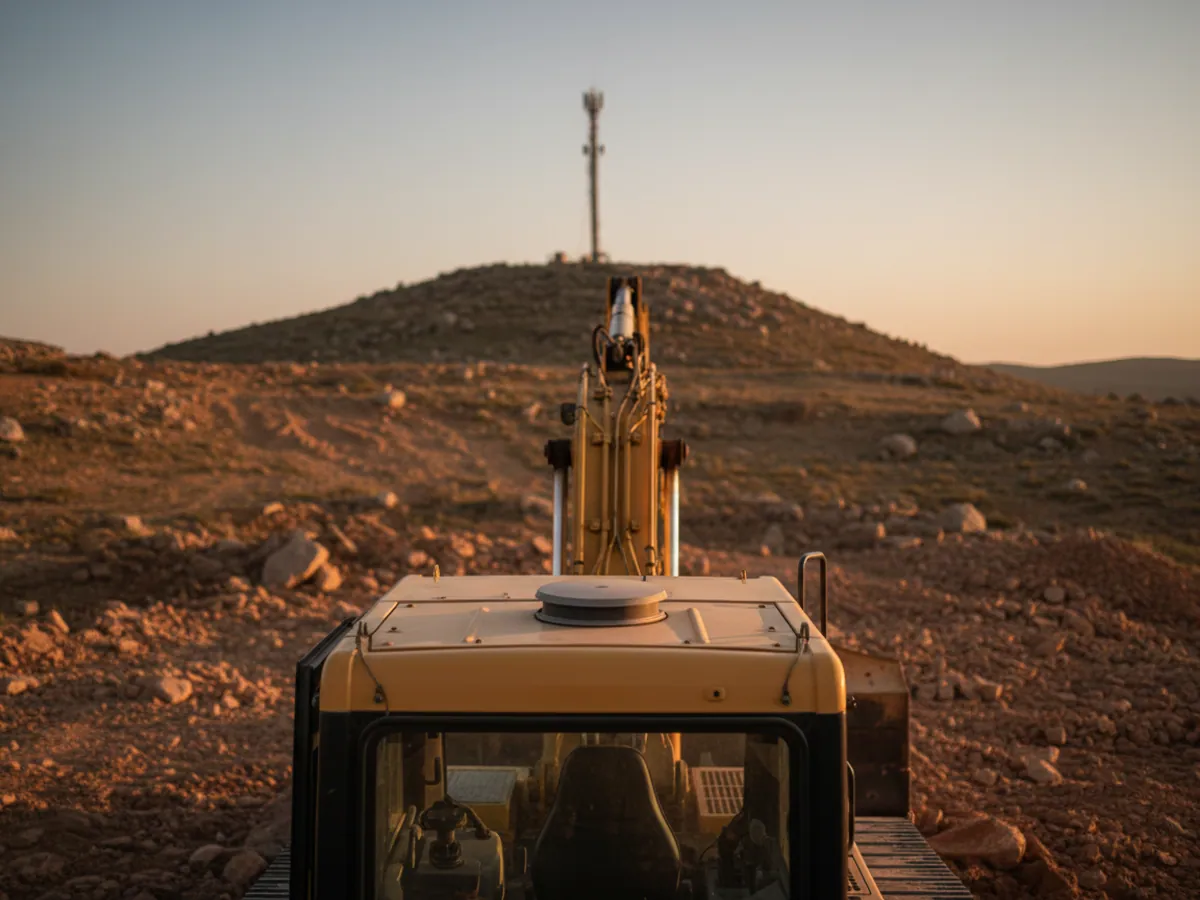
This matters most for vehicles that are far away: a tractor unit on a run through Georgia into Turkey, plant on a site in Karabakh, a tractor in a field near Imishli. Nobody is going to bring them in to a workshop just to reconfigure a tracker, yet the data problem needs solving today.
How the work goes, step by step
Rights, passwords, SIM
Rights to the units in Wialon, the tracker configuration password, who watches the SIM balance.
Configuration per model
A reference configuration for each tracker model in the fleet. Devices are brought into line with it.
Rules that run every day
Connection, power, a frozen fuel level sensor, mileage without engine hours, too few satellites. An engineer works through the list.
Commands over the air
Reconfiguration, firmware via FOTA WEB, sensor corrections in Wialon. We watch the result for a day or two.
Diagnosis and recommendation
What was found, the likely cause, what was done. If a visit is needed — with which part.
A morning in remote diagnostics
An illustrative example: a fleet of 60 vehicles under service, some on runs abroad, some on construction sites in the regions.
- The checking rules produced a list 4 vehicles
One has been off the air for more than 12 hours, one has a frozen fuel level sensor, two have problems with power or battery.
- Tractor unit in Turkey: data arriving in bursts over the air
The tracker keeps switching between networks. We change the list of preferred operators by command, without waiting for it to return to Baku.
- Tipper: fuel level sensor on one value for a week visit needed
Mileage over that period is 820 km, so it is either the sensor or the line. The fitter travels with a spare connector and cable.
- Van: zero power with the ignition on intervention
Just before it dropped out the tracker switched to its backup battery. We pass the data to the dispatcher for a conversation with the driver.
- New firmware on three pilot vehicles pilot
If there are no failures over several days, the update goes out to the whole fleet through FOTA WEB. Versions before and after are recorded.
What we can see without going near the vehicle
Supply voltage
12 or 24 volts with the engine running is normal. Dips at start-up, zero with the ignition on, sudden jumps — all signs of trouble with the power supply or with the vehicle itself.
Backup battery
If external power has gone and the tracker is still working, that shows up. If the tracker battery is flat and no longer holds a charge, it is time to replace it.
Connection and satellites
GSM signal level, operator, number of visible satellites, coordinate accuracy. This is how we tell a faulty antenna apart from poor coverage in the mountains.
Sensor readings
Raw values from the fuel level sensor, temperature probes, CAN parameters. A sensor that reports the same figure for a week, or jumps from zero to maximum, is obvious straight away.
Firmware version and configuration
Which firmware is installed and what the settings are: reporting intervals, inputs, scenarios. It can be compared against the baseline for your fleet.
Event log
When the tracker restarted, when power was lost, when the housing was opened, if it has a sensor for that.
What we fix remotely
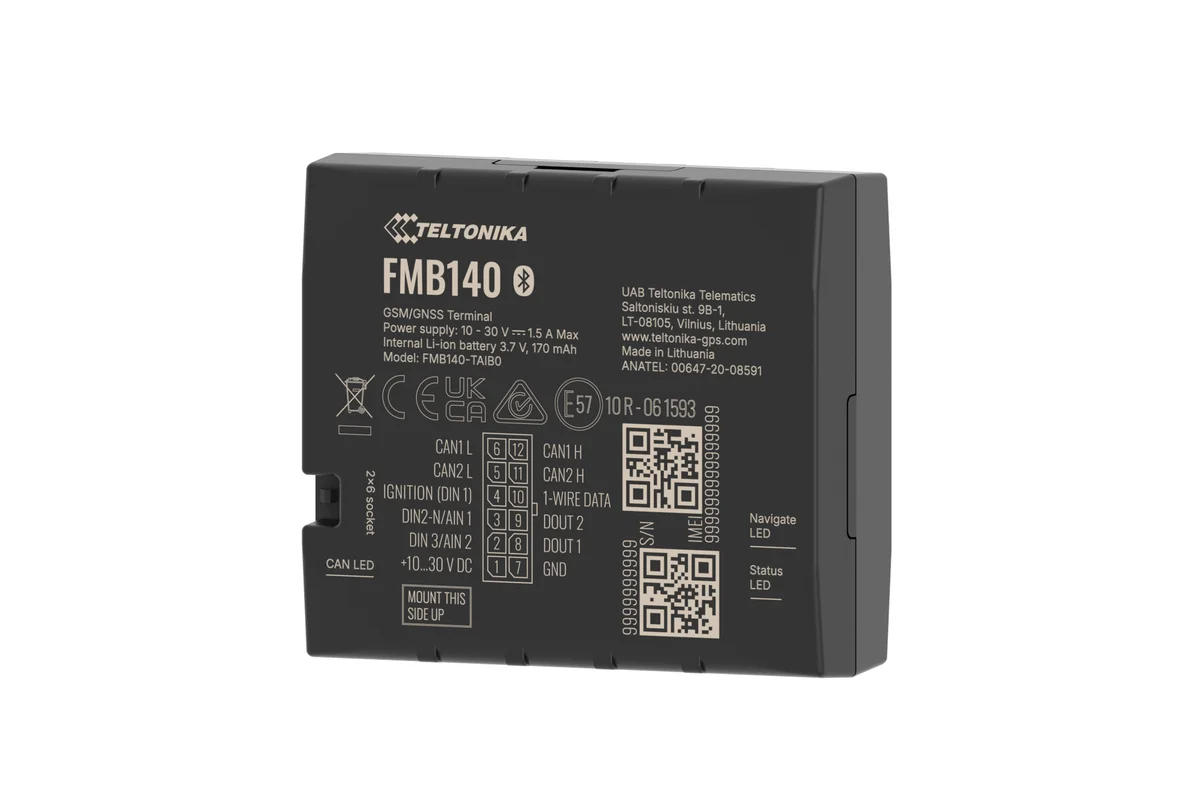
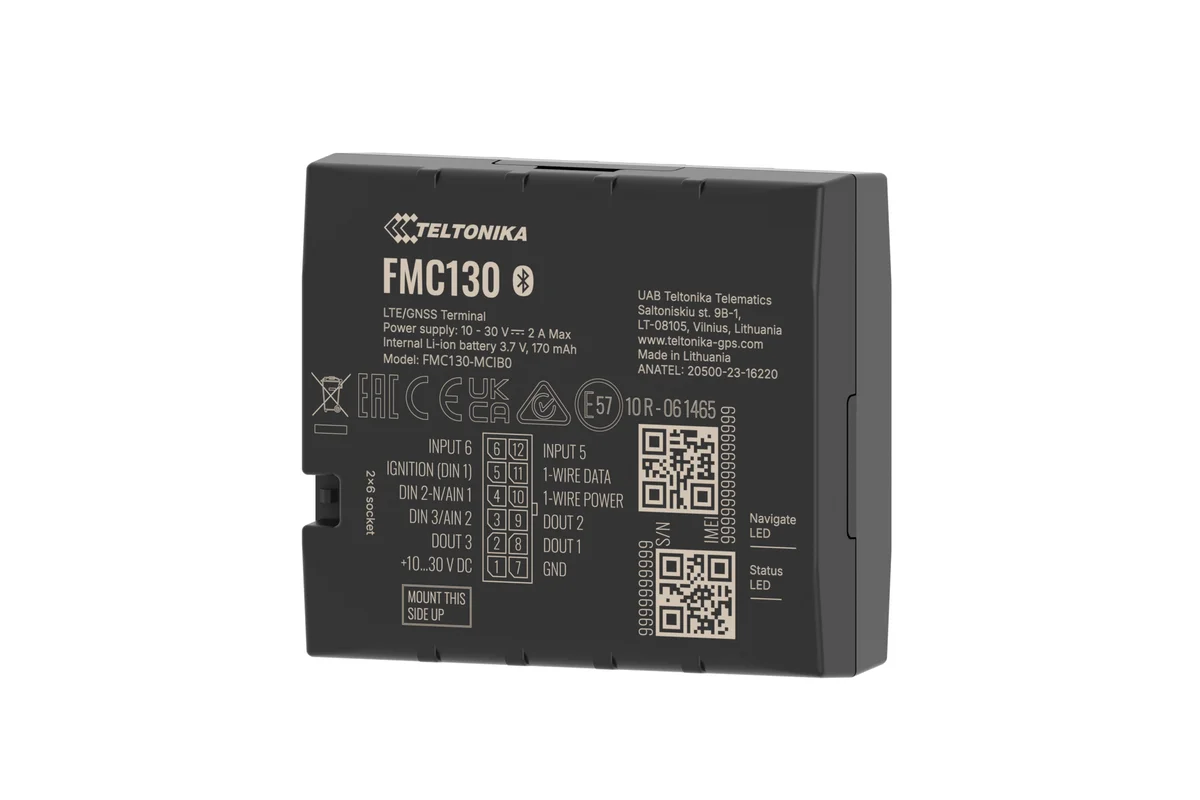
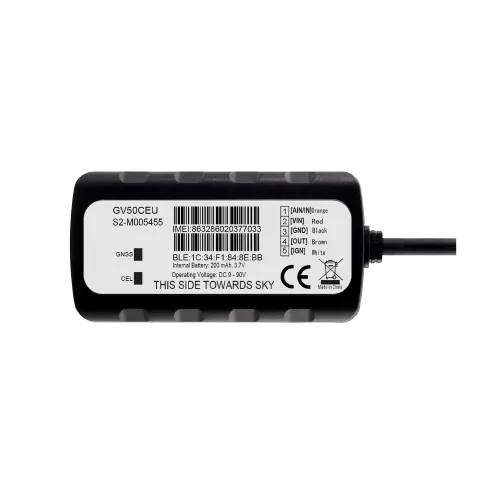
Teltonika and Queclink trackers accept commands over GPRS and SMS. For Teltonika we also use the FOTA WEB cloud service: through it firmware and configuration can be updated in bulk across a whole group of devices at once. Remotely we do the following:
- change reporting intervals — less often in roaming, for instance, so you are not overpaying for traffic;
- reconfigure inputs after an extra sensor has been fitted;
- update firmware when the manufacturer has fixed a bug or added support for a new CAN protocol;
- restart a tracker that has hung;
- switch the server when the platform or its address changes;
- correct sensor settings in Wialon: calibration tables, filtering, thresholds;
- track down false notification triggers and adjust the conditions.
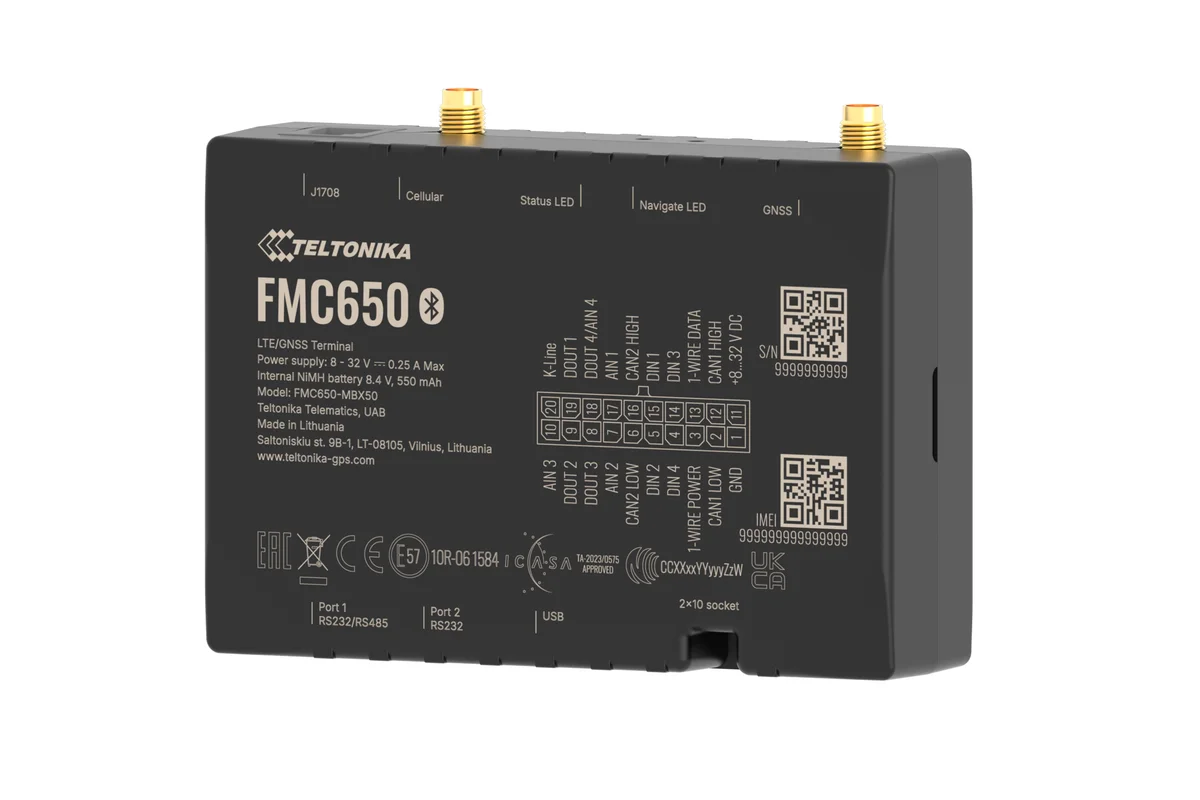
We work with tachographs too: on tractor units running Teltonika FMC650 the remote download of DDD files is also diagnosed from here — more on that in the section on tachograph services.
A look at typical cases
The tracker has been off the air since morning
We look at the last message. Voltage 24.6 V, 11 satellites, GSM signal normal, ignition switched off at 23:40. After that, silence. In the morning the vehicle drove away, but it is nowhere on the map.
That picture usually means the tracker was cut off from power: a terminal removed or a fuse pulled. If the last messages show the tracker switching to its backup battery, somebody almost certainly interfered with it. The dispatcher gets this data to have a word with the driver, and the fitter goes out to restore the power and fit a seal.

A daily health check on the fleet
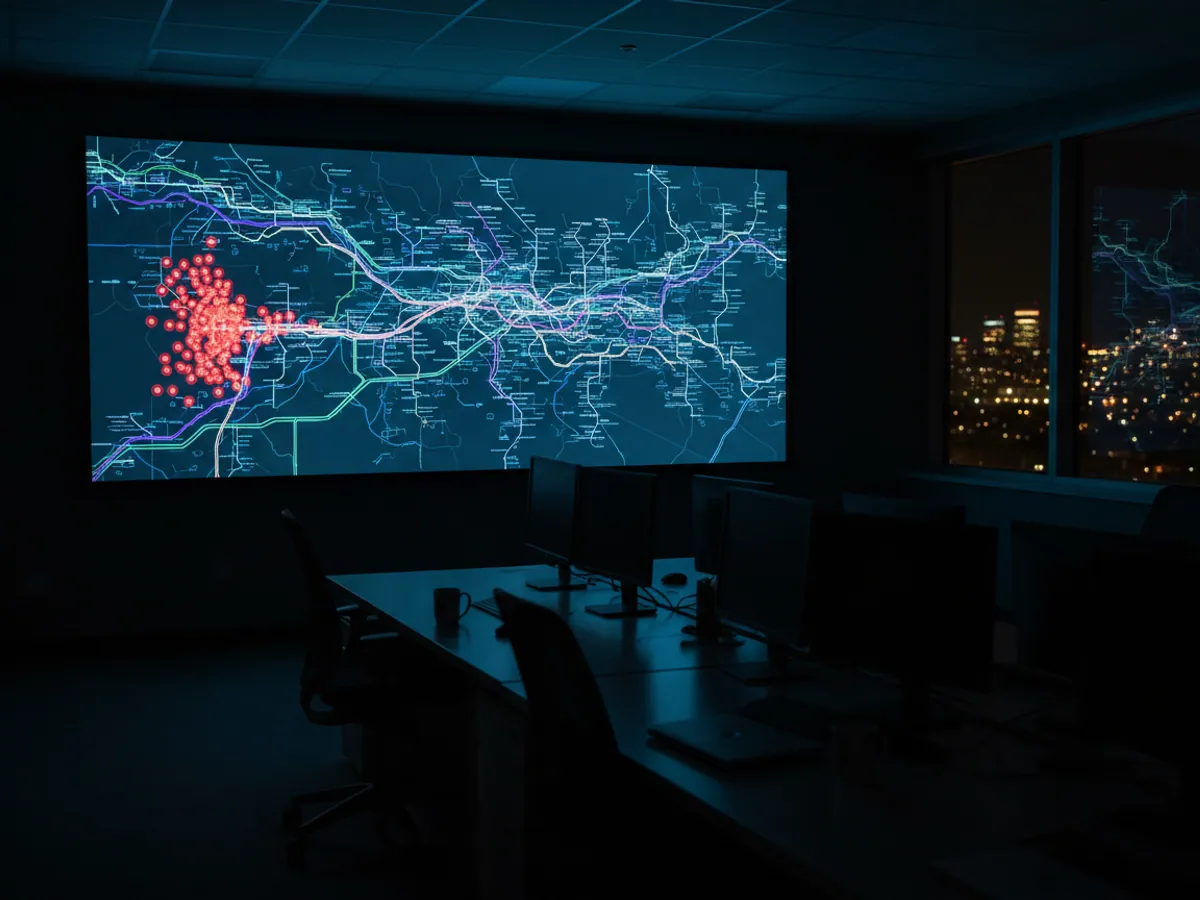
For clients under service we do not wait for the phone to ring. Rules run in the system that check every vehicle every day:
- the unit has not been in touch for longer than a set period, 12 hours for example;
- supply voltage was at zero with the ignition on;
- the fuel level sensor has reported a constant value for several days even though the vehicle has been moving;
- GPS mileage for the day is above zero while engine hours are zero, or the other way round;
- the satellite count is consistently low — the antenna may be damaged.
The engineer ends up with a list of suspect vehicles and works through them one by one. Some are resolved remotely; for the rest the client gets a message saying what happened, what we suggest doing and whether a visit is needed. Rules like these are set up through the Wialon notification system and separate reports.
Why it matters: a faulty sensor that nobody noticed for a month is a month with no fuel data. Usually things like that surface at the end of the month, when accounts are already closing the period.
What a diagnostic report looks like
Vehicle and equipment
Registration number, tracker model, firmware version, sensors connected, when the vehicle was last in touch.
What was found
The symptom in plain words and the data it rests on: the fuel level sensor has shown one value for six days although mileage over that period is 820 km; voltage at zero with the ignition on at 02:14.
Likely cause
Our assessment and how confident we are in it. If the telemetry cannot separate one cause from another — a broken wire from a failed sensor, say — we say so plainly.
What was done remotely
Which commands were sent, what was changed in the configuration or in Wialon, and whether it helped.
What happens next
No visit needed, a visit needed with a specific part, or action needed at your end: top up the SIM, speak to the driver, bring the vehicle back to the depot.
When remote work will not do it
We are straight about where remote diagnostics ends. A visit is needed if:
The tracker has lost power completely
No power means no connection, and there is nothing to send a command to. The connection has to be restored physically first.
There is mechanical damage
A severed wire, a smashed sensor, an antenna torn off after a pressure wash or a stint in a quarry.
Recalibration is required
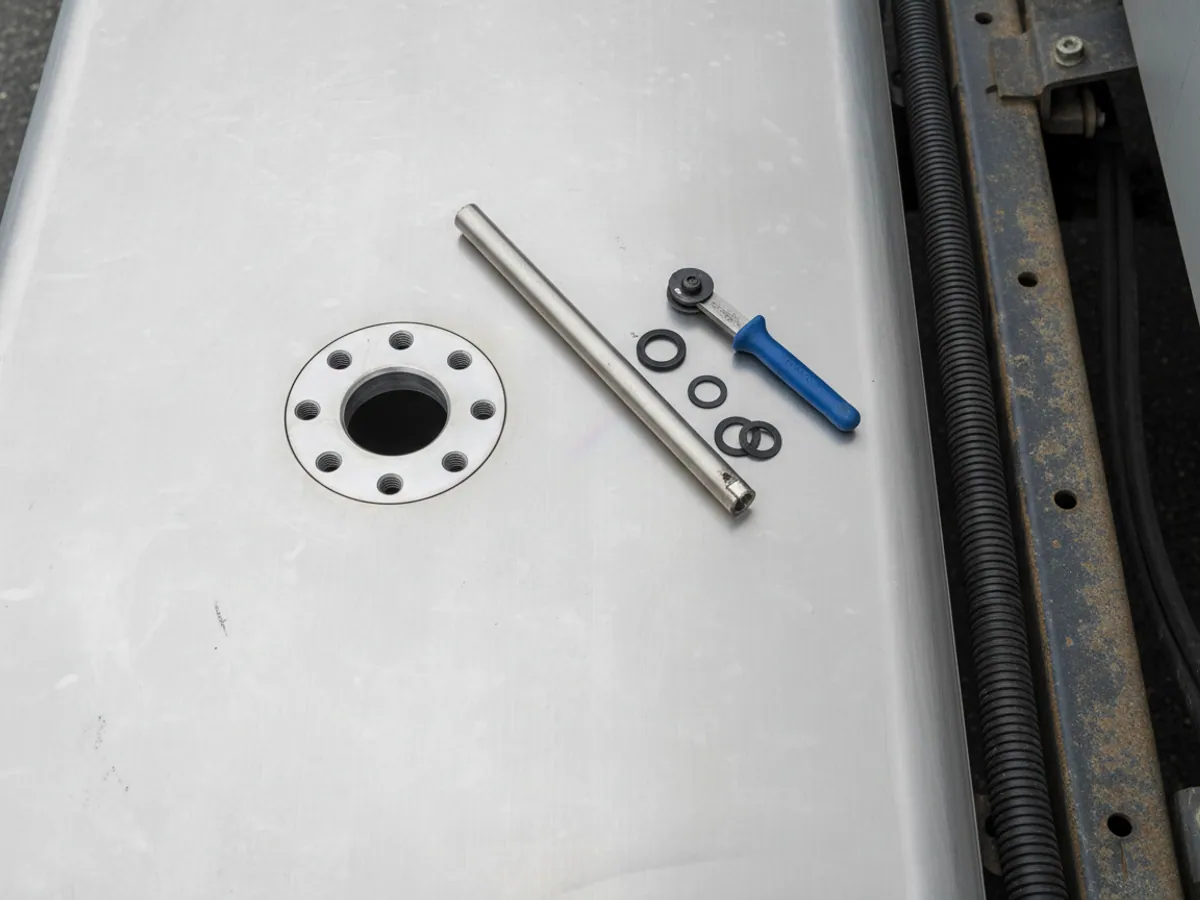
After a tank has been replaced or the fuel system repaired, the calibration table no longer matches the tank. Decanting on site is needed.
The SIM card is blocked
If the SIM has run out of credit or been blocked, there is no reaching the tracker. We sort it out with the operator, and sometimes replace the card on site.
What it takes to put a fleet onto remote service
If we fitted the equipment, everything is already in place. If the trackers were fitted by another contractor, we check a few things first:
- whether we have rights to the units in Wialon sufficient to send commands;
- whether the tracker configuration password is known, if one was set;
- whose SIM cards are in the trackers and who watches their balance — a tracker with a blocked card is out of reach of any command;
- which models and firmware versions are in the fleet: that determines what can be done over the air.
On the back of that check we draw up a reference configuration for each tracker model in your fleet and bring the devices into line with it. After that any deviation is visible immediately, and new vehicles are set up from the same template.
From your side we need one contact person, whom we tell about the problems we find and with whom we agree any visits.
When the work counts as finished, and what it does not cover
After a remote fix
The vehicle is in touch and the sensor gives plausible values on subsequent trips, not only at the moment of the check. We normally watch the result for a day or two before closing the job.
After a firmware update
The pilot vehicles have run for several days without failures, and only then does the update go out to the rest of the fleet. The version before and after is recorded.
If a visit is needed
The diagnostics close with a report and a recommendation, and the visit is raised as a separate job for on-site service.
Not included
Physical repair, replacement of equipment, payment for SIM cards that belong to you or to another supplier, and work on trackers whose configuration we have no access to.
What it gives you in practice
Fewer site visits
Reconfiguration, updates and diagnostics are done without sending a fitter out. For fleets in the regions and on international runs the difference is especially noticeable.
Problems found sooner
A fault shows up in the daily check rather than at the end of the month, when the fuel report fails to add up.
The visit works first time
If someone does have to travel, the fitter knows the cause and brings the right part. There are fewer repeat visits.
Shorter gaps in the data
A broken sensor is spotted in the daily check, so the gap in fuel and engine hours reporting is measured in days rather than weeks.
What can be sorted remotely, and what only on site
We always start with the telemetry. A visit is for when hands are unavoidable.
| Remotely | Fitter's visit | |
|---|---|---|
| Reconfiguration and firmware | Yes, over the air | Yes |
| Vehicle stays on its run | Yes | No, access to the vehicle is needed |
| Restore a tracker that has lost power | No | Yes |
| Recalibration of the fuel level sensor | No | Yes, decanting on site |
| Blocked SIM card | No, the operator first | Yes, card replacement |
Questions about “Remote diagnostics of GPS equipment”
Request a call
A specialist will call back and match a solution to your fleet and your task.
Similar scenarios
How similar jobs are done on Teltonika hardware

Servicing construction lorries by engine hours
Agriculture, construction and mining
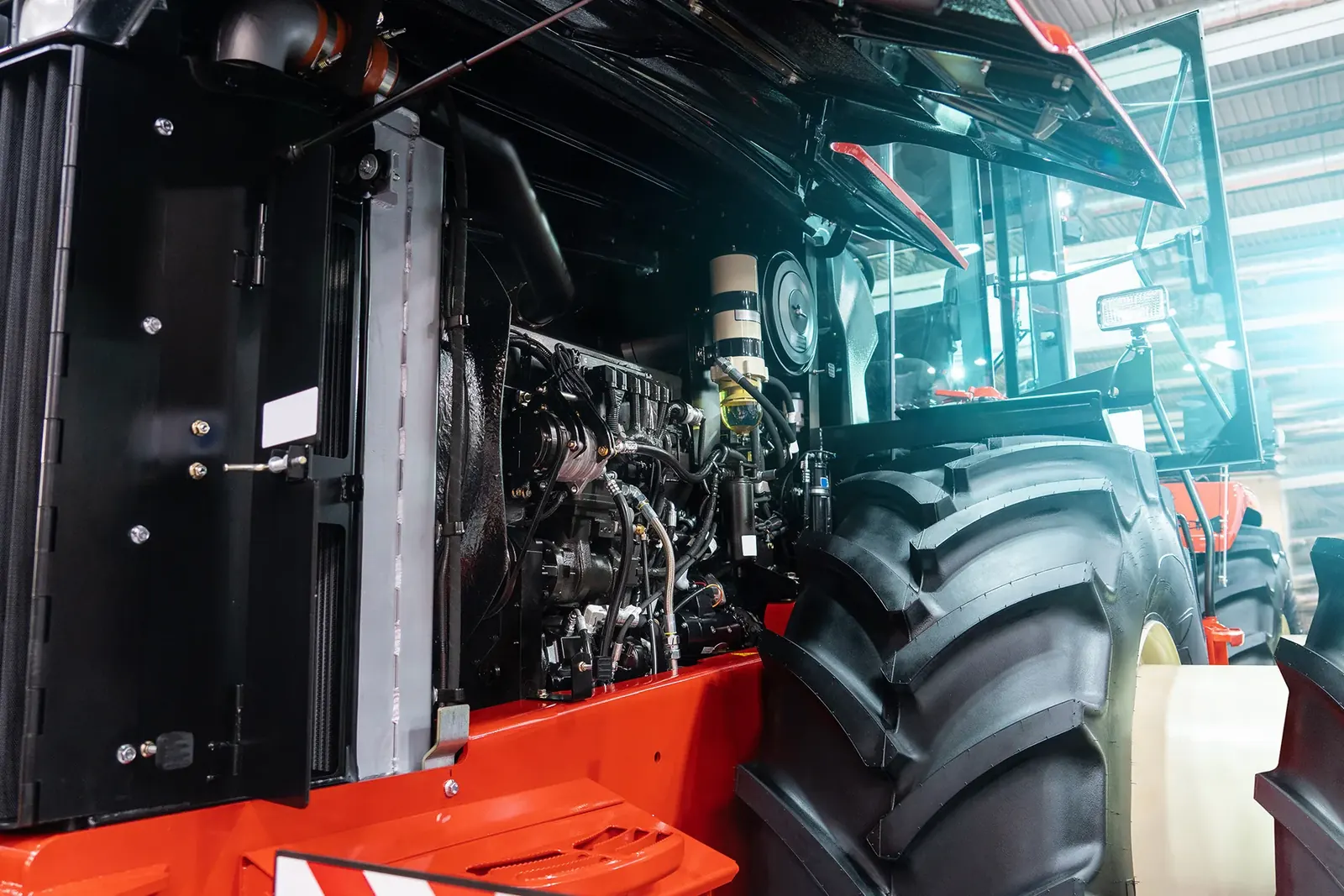
Service schedules for farm machinery from CAN data
Agriculture, construction and mining
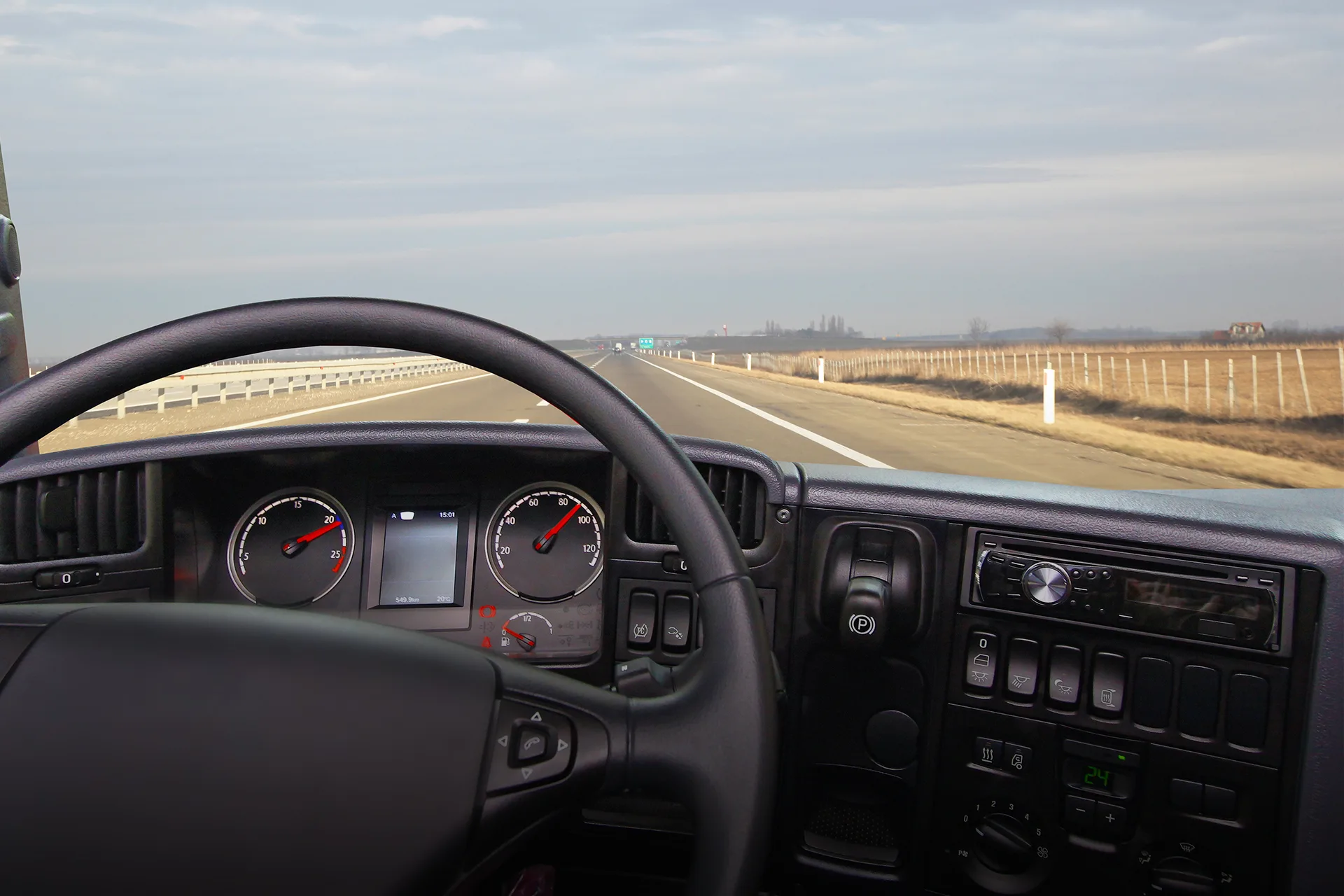
A lorry's warning lights in the control room
Logistics and delivery