
SLA support for corporate fleets
A service level agreement for large fleets: incident priorities, response, restoration and call-out times for each zone, a named engineer and a monthly report on whether the times were met. We take on commitments after an audit of the fleet and only for what depends on us; mobile network coverage and operator outages are not among them.
A signed agreement setting out, for each priority, the response time, the restoration time and the call-out time for your zones, along with the exclusions and the escalation procedure. The fleet is brought into a state we can be answerable for. Every month you receive a report from which it is clear whether the times were met.
When we will try to be quick is no longer enough
Ordinary technical support may be enough for routine questions in a small fleet: you write in, an engineer replies, the problem is settled within the day. An SLA is needed whenever an outage in monitoring, integration or reporting is costly — regardless of fleet size. For a company with 300 units across five regions, where monitoring is built into the control room, data feeds into 1C and the client asks for a report on every run, timescales written into the contract and liability if they are missed matter especially.
SLA support for corporate fleets is a service level agreement. It sets down how quickly we respond to an incident of each priority, how long we have to restore service, when we come out to site, who your named engineer is and how we report back.
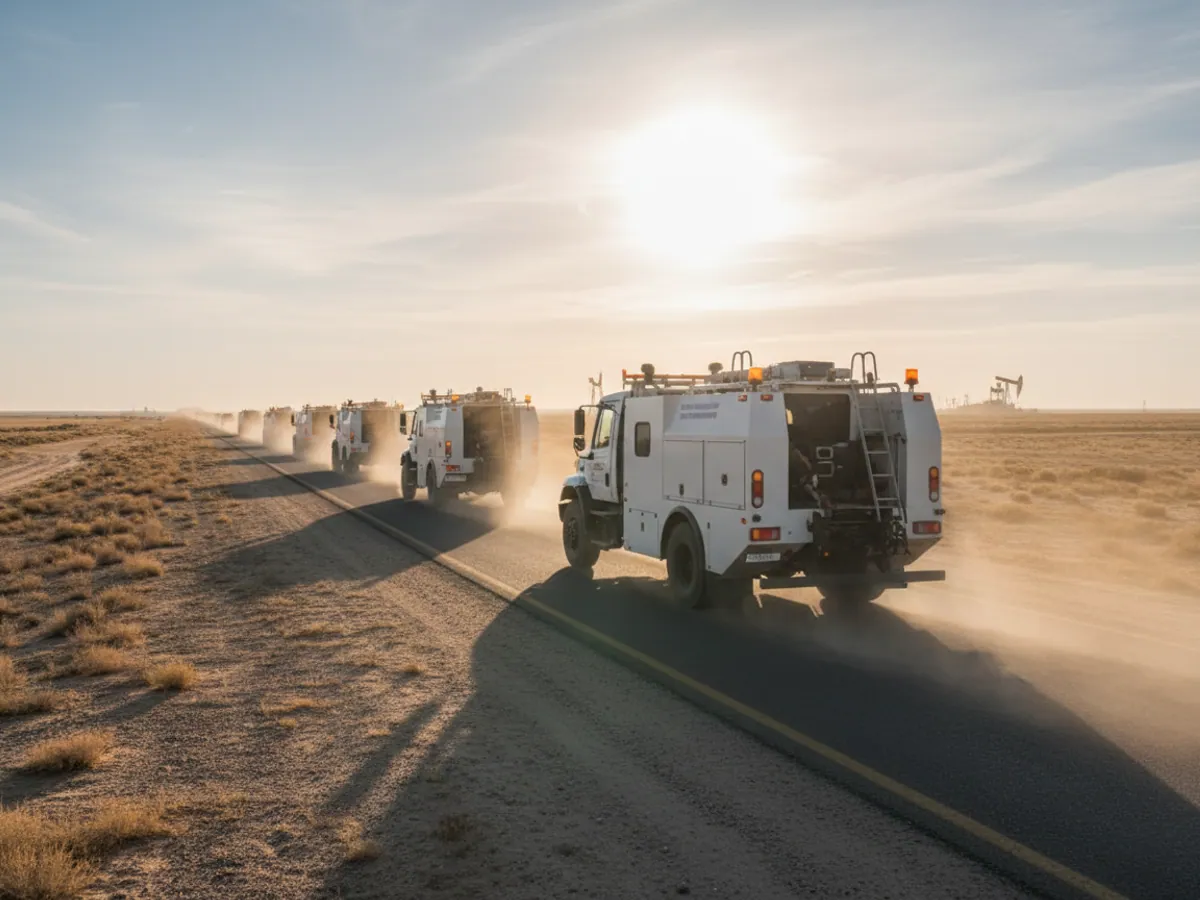
This arrangement is chosen by oilfield service contractors on the Absheron, construction companies with sites in the regions, passenger transport operators, state and municipal enterprises, and logistics operators running international trips. Anywhere that losing data about the fleet for a few hours costs more than the service contract itself.
How the work goes, step by step
The state of the fleet
Which trackers and sensors are fitted, how they are set up, who uses the system. Usually 1–2 weeks.
Bringing things up to standard
We replace what is faulty, recalibrate sensors and align the configuration before the contract starts.
Priorities and zones
Response, restoration and call-out times for each zone, contacts and the escalation procedure.
A named engineer
He meets your dispatchers. From then on the fleet is monitored daily and the on-call line covers P1.
The month reviewed
Incidents, times against the target, exclusions, problem vehicles, and the discount calculated where times were missed.
How a P1 incident is closed
An illustrative example: one morning the exchange of trip data between Wialon and 1C stops at a logistics operator.
- Trips stop reaching 1C P1
The dispatcher logs the incident. From that moment the response and restoration clocks are running.
- The on-call engineer has acknowledged it and taken it on response 15 min
The customer's named engineer joins as soon as he is reachable: he knows this integration.
- The cause is found on the 1C server side cause
The service account password had been changed. We agree new access with the customer's IT team.
- The exchange is restored and the morning trips loaded restored
We check that every trip from the period of the outage has reached 1C, not only the new ones.
- The customer confirms the restoration into the report
The incident goes into the monthly report with its response time, restoration time and cause.

Incident priorities and response times
The heart of any SLA is the priority matrix. The actual figures are agreed with each customer to suit their work, but it is usually built like this.
P1 — critical. Monitoring is down for a substantial part of the fleet, logging in is impossible, or the data exchange with your accounting system has stopped. Response within 15–30 minutes at any hour, and work on the incident without a break until service is restored.
P2 — high. A fault on one or several vehicles that are doing important work at that moment: a loaded tractor unit at the border, plant on a client's site. Response within the hour, a visit to a schedule agreed with you.
P3 — normal. A single vehicle off the air, a sensor reading incorrectly, a report that needs correcting. Response during working hours, resolution within one or two working days.
P4 — requests. A new user, a change to a notification, a piece of advice. These are handled as scheduled.
Who assigns the priority and how is also written into the contract, so that there is nothing to argue about in the middle of an incident.
What SLA service includes
The contents depend on the level of the contract. Here is the basic set found in almost every SLA we write:
A named engineer
He knows your fleet, your settings, your integrations and your people. You do not have to explain everything from scratch to a new support agent each time.
A round-the-clock line for P1
An on-call engineer is available at night, at weekends and on public holidays for critical incidents. The number and the escalation procedure are in the contract.
Daily monitoring of the fleet
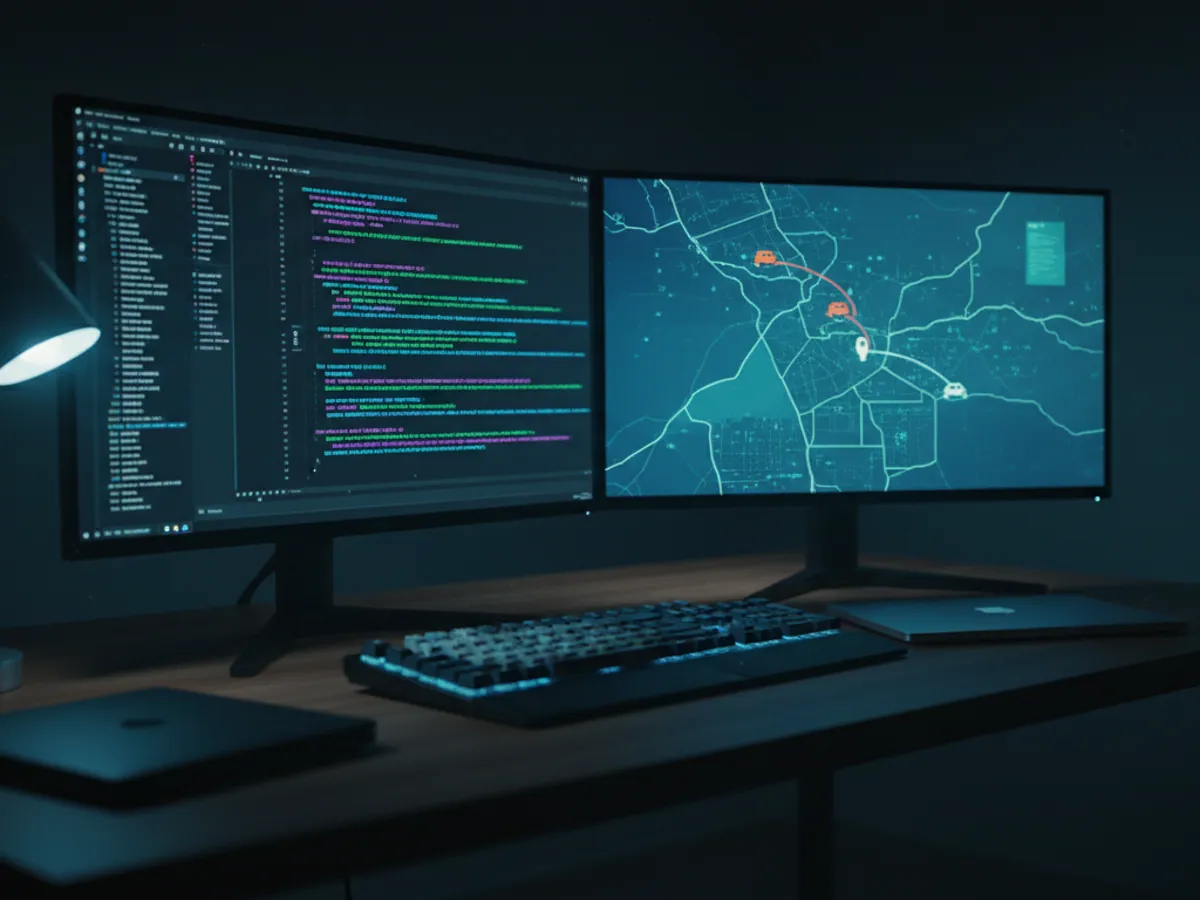
Automatic checks of the connection, the power supply and the sensors on every vehicle. We find faults ourselves, before you ring.
Call-outs within agreed times
The fitter's arrival time in Baku and in the regions is fixed for each zone where your vehicles work.
Scheduled preventive work
A walk round the fleet every six months or every quarter: mountings, seals, connectors, firmware, a check of the fuel sensors.
A monthly report
How many incidents there were, under which priorities, within what times they were closed, which vehicles are giving trouble and what we suggest doing about them.
What the SLA covers and what it does not
A good contract is honest about where the boundaries lie. Here is what we agree in advance.
We are answerable for:
- response and restoration times on our side of things: the settings, the equipment we supplied and maintain, the integrations we built;
- call-outs and work on site within the agreed times;
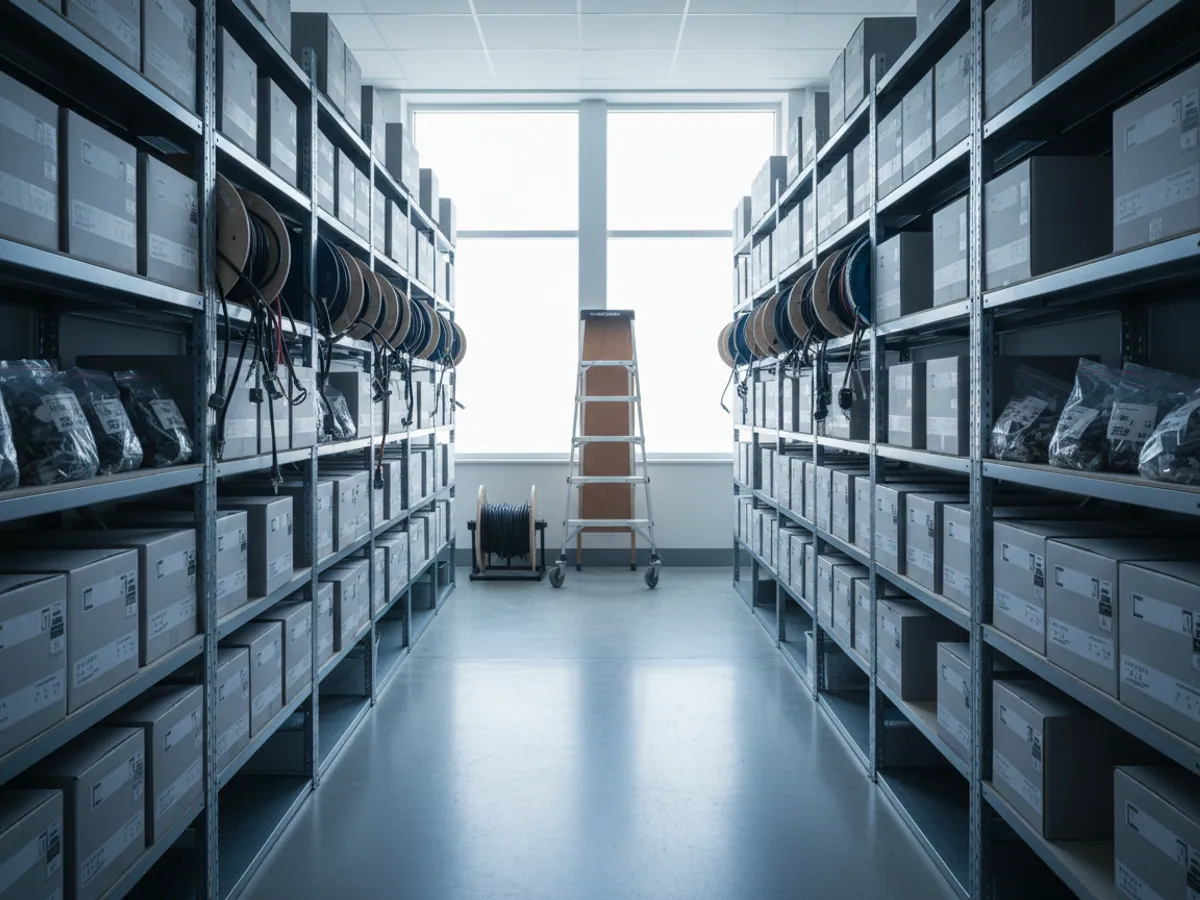
- keeping replacement equipment in stock so that a swap can be made quickly;
- the availability of the Wialon Local platform on our servers in Azerbaijan, and its backups — on the terms of the contract and the SLA.
We cannot guarantee what does not depend on us:
- mobile network coverage in the mountains, at quarries and in border districts — in such a zone a tracker writes the data to memory and sends it later, but the vehicle is not visible in real time;
- how the equipment behaves after a driver or a third-party workshop has interfered with it.
Planned maintenance is written down separately: when it is carried out, how we give notice of it, and that the duration of planned work does not count as downtime.
What the monthly SLA compliance report shows
Incidents by priority
How many P1 to P4 tickets there were during the month, and who logged them: you or our daily check.
Response and restoration
For each incident: the time it was logged, the time of the first reply and the time of restoration. Alongside them, the target from the contract and a mark showing whether we met it.
Call-outs
How many visits there were, to which zones, and arrival times against the target. If a visit fell through for reasons on your side, because the vehicle was not made available for instance, that is marked separately.
Exclusions
Incidents that do not count as a breach: planned work, no network, interference by a driver or a third-party workshop. Each one comes with the grounds for it.
Problem vehicles
The objects where incidents keep recurring, and what we suggest doing about them: replacing the equipment, moving the tracker, having a word with the driver.
The bottom line and compensation
The percentage of incidents closed on time and, where times were missed, the discount worked out on the scale set in the contract.
What we need from you for the SLA to work
Responsible people and contacts
Who may log incidents and assign a priority, who confirms restoration, whom to ring at night. Without this, the timescales start being argued over at the very first incident.
A list of zones and sites
Where the vehicles work: Baku, the Absheron, the regions, restricted sites. Each zone has its own call-out time, so the zones have to be listed in advance.
Access to the vehicles
The procedure by which a fitter gets access to a vehicle: the pass, the time, the contact on site. Time spent waiting for access does not count towards the target.
When the SLA takes effect
After the audit and the tidy-up of the fleet: every vehicle on the air, the sensors working, the configuration aligned. We record that moment with a sign-off, and the clock starts from there.
What an SLA looks like in different industries
Service contractors on the Absheron
Client requirements often stipulate compulsory monitoring of every machine on the field and reports on each journey. Losing data on a vehicle means the client comes back to the contractor with questions.
The SLA for such customers has short call-out times on the Absheron, a stock of replacement trackers and a monthly report that can be passed on to the client. There is more about the industry on the energy and oil and gas page.


How work under an SLA begins
The fleet audit, 1–2 weeks. We check every vehicle: which trackers and sensors are fitted, what condition they are in, how they are set up, who uses the system and how. Without this we cannot take on commitments about timescales: if a third of the trackers are already faulty, the SLA will be breached on day one.
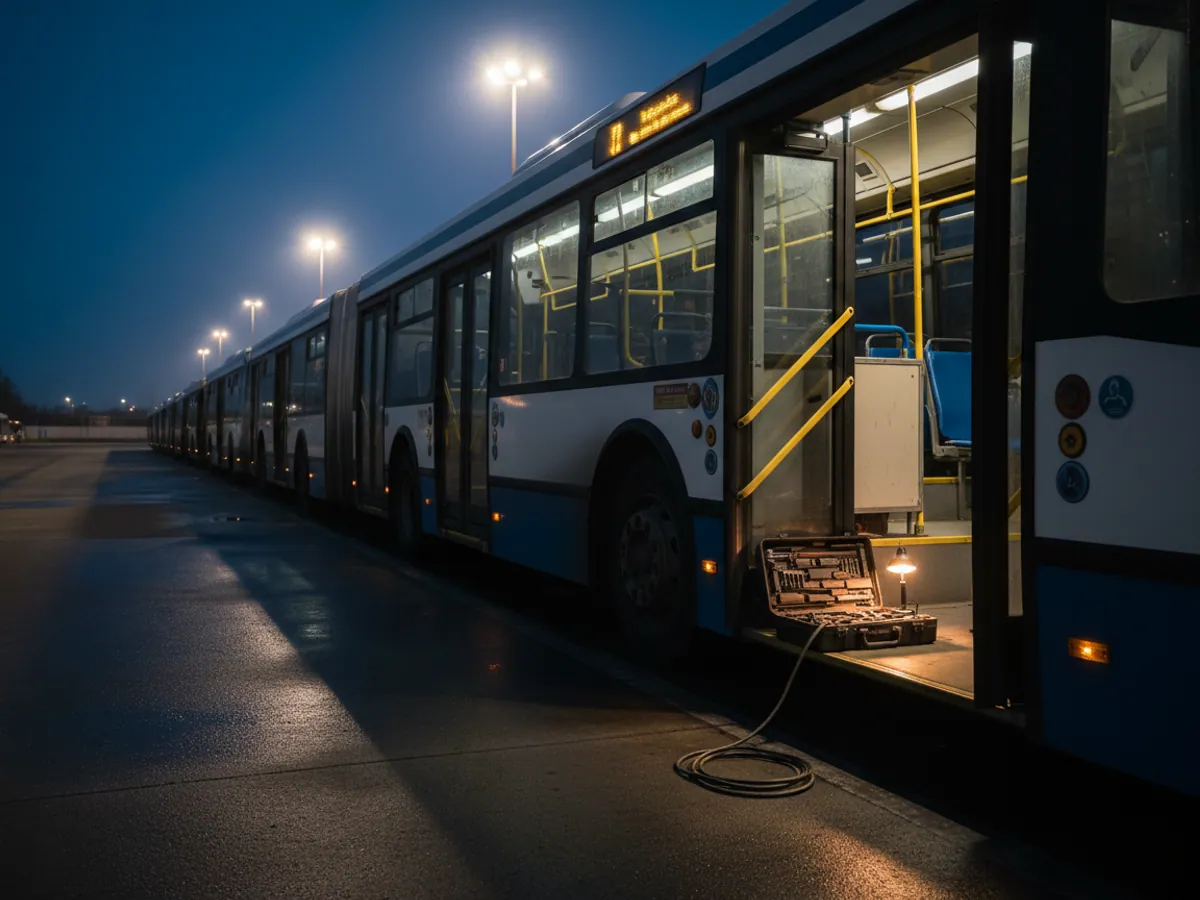
The tidy-up. We put right what we found: replacing faulty equipment, recalibrating sensors, aligning the tracker configuration. This is separate work carried out before the contract starts.
Agreeing the matrix. Priorities, timescales, call-out zones, contacts, the escalation procedure on both sides, and the format of the report.
The start and the first month. The named engineer gets to know your dispatchers, and at the end of the month comes the first report and review.
For routine questions and smaller fleets ordinary technical support is enough — an SLA is worth choosing when the cost of downtime really is high.
What the company gets
Predictable timescales
You know how many minutes it will be before someone answers and how many hours before someone arrives. That is something you can pass on to your own client.
Less downtime in the data
Daily monitoring and preventive work find faults before they turn into gaps in the reports.
A budget you can follow
The monthly fee and the work it includes are set out in the contract, which makes planning and approval easier. Visits and work beyond the agreed scope are priced under separately specified terms.
Reporting for the board
A monthly report on the state of the fleet and the work of support. It shows which vehicles and which components are giving trouble.

Price and what the cost depends on
The cost of SLA support is determined by the level of agreement chosen: the guaranteed response and restoration times, the hours during which support is available, whether a dedicated specialist is assigned, and how often preventive visits are made. The stricter the SLA parameters, the higher the cost of the contract — and the times for each priority are written into the contract rather than promised in conversation.
The final price is affected by the size of the fleet, how the vehicles are spread across the regions and the volume of equipment being serviced. We will prepare an exact quotation after a short audit of the fleet — leave a request on the site or call +994 (99) 207-88-88.
What the priority matrix usually looks like
The actual timescales are agreed with each customer. This is a typical starting point.
| P1 · critical | P2 · high | P3 · normal | P4 · requests | |
|---|---|---|---|---|
| Example | Part of the fleet is not visible | A loaded tractor unit at the border | One vehicle off the air | A new user |
| Response | 15–30 minutes | Within the hour | During working hours | As scheduled |
| Resolution | Worked without a break until restored | A visit as scheduled | 1–2 working days | As scheduled |
| At night and at weekends | Yes, the on-call line | By agreement | No, working hours | No |
Questions about “SLA support for corporate fleets”
Request a call
A specialist will call back and match a solution to your fleet and your task.