
Equipment for GPS monitoring
Certified trackers, sensors, video recorders and BLE accessories from Teltonika, Queclink, Escort, Howen and BSJ.
The catalogue shows the ranges. The exact version, the cables and the accessories are chosen for your vehicles and your task: the same tracker model may not suit you if the vehicle's CAN bus does not carry the data you need, or if there are not enough inputs for the sensors.
Put together a compatible setHow we put a set together
We start from the task, not from the model. Tracker, sensors, cables and accessories all have to work together on one particular vehicle, so we build the set step by step.
- 01The task and the type of asset
A car, a lorry, plant and heavy equipment, a trailer, a member of staff or a tool. And what you need to see in the reports: the track, fuel, engine hours, temperature, the driver, video.
- 02Details of the vehicle
Make, model, year, 12 or 24 V electrical system. From these we check what can be taken off the CAN bus and what will have to come from sensors.
- 03Interfaces and inputs
How many sensors we are connecting and over which interface: analogue or digital input, RS-232/RS-485, 1-Wire, BLE. If there are not enough inputs, we change the tracker model before the order, not after.
- 04Connectivity and region
Where the vehicles run: city, motorway, mountain districts, trips across the border. That decides the modem version (2G or 4G), the SIM card and the buffer settings.
- 05Accessories and licences
Cables, antennas, relays, readers, cameras and storage, and for tachographs, licences for remote downloads. All of it goes into the quote as separate lines.
- 06Fitting and acceptance check
We agree the mounting position and the wiring scheme. After fitting we confirm that every parameter and event we promised really does arrive in Wialon.
GPS trackers
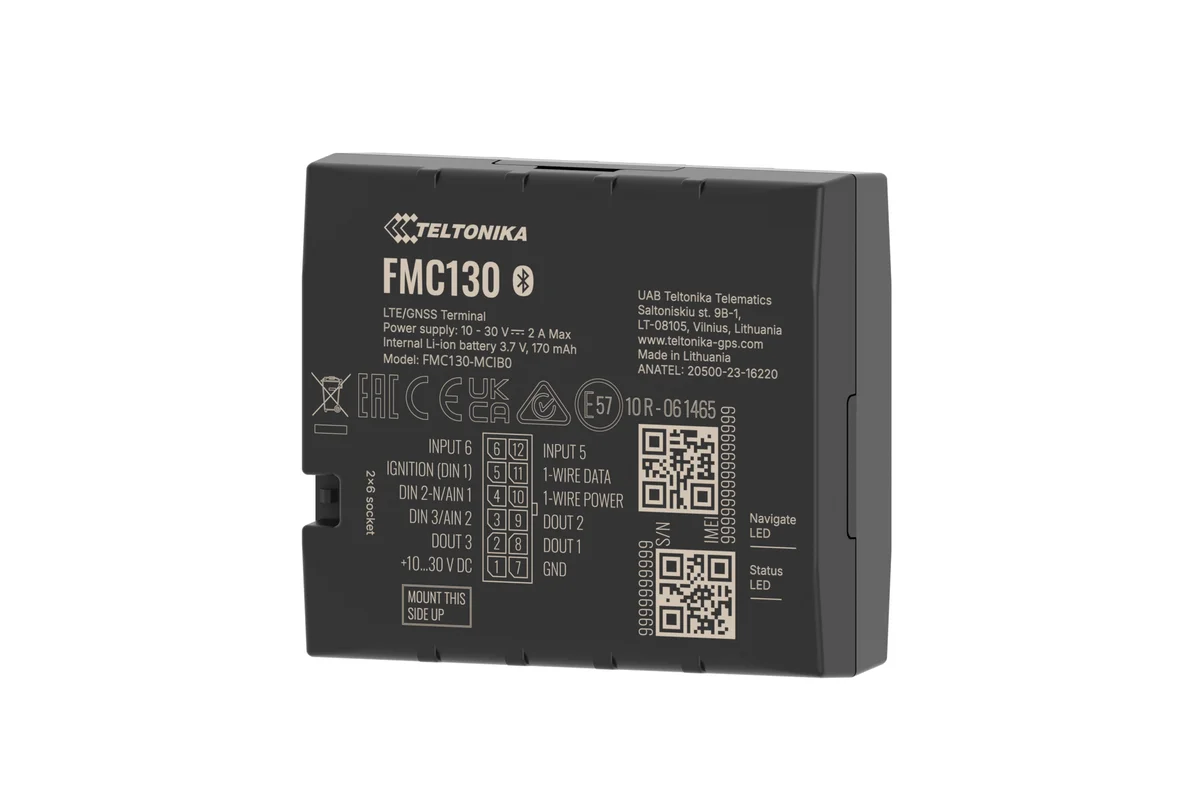
Certified GPS/GNSS trackers from Teltonika (Lithuania) and Queclink (China), shipped straight from the factories. The catalogue covers devices with 2G and with 4G connectivity: basic compact units, professional models that read the CAN bus, and miniature devices for concealed fitting and anti-theft work. We select the modem version and the network bands to suit your routes.
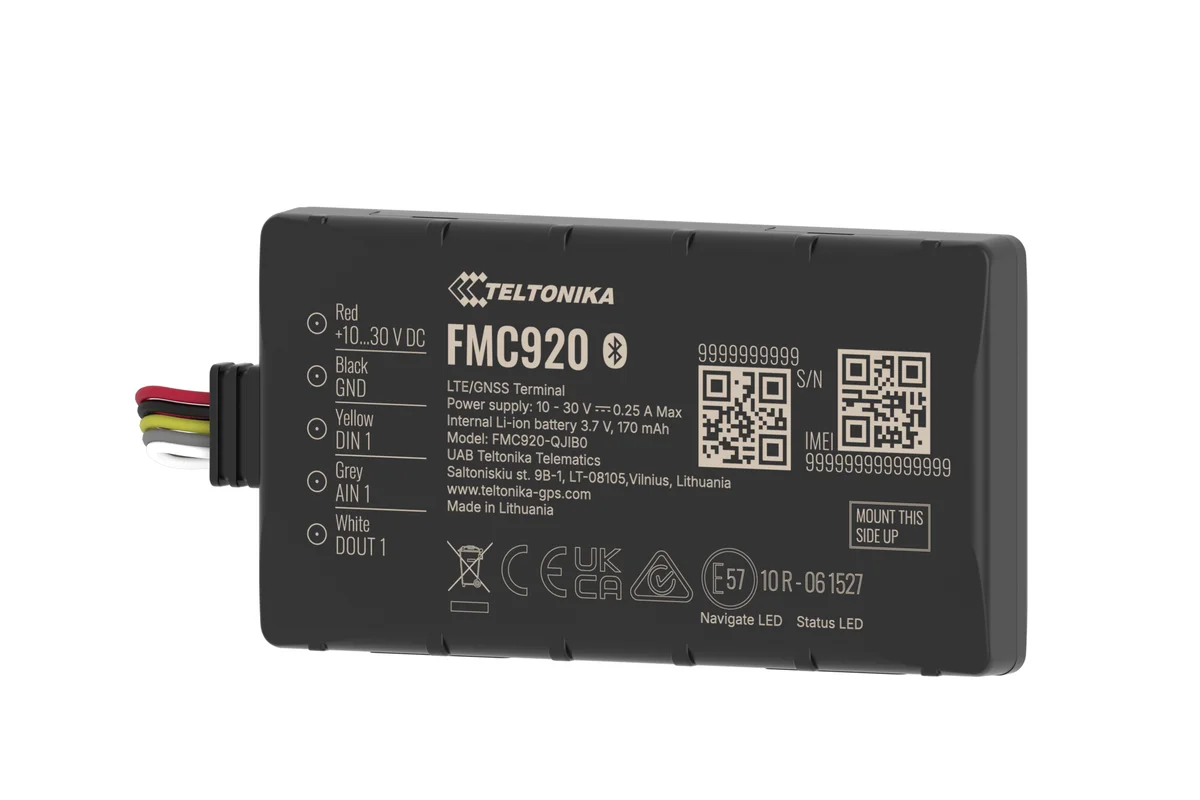
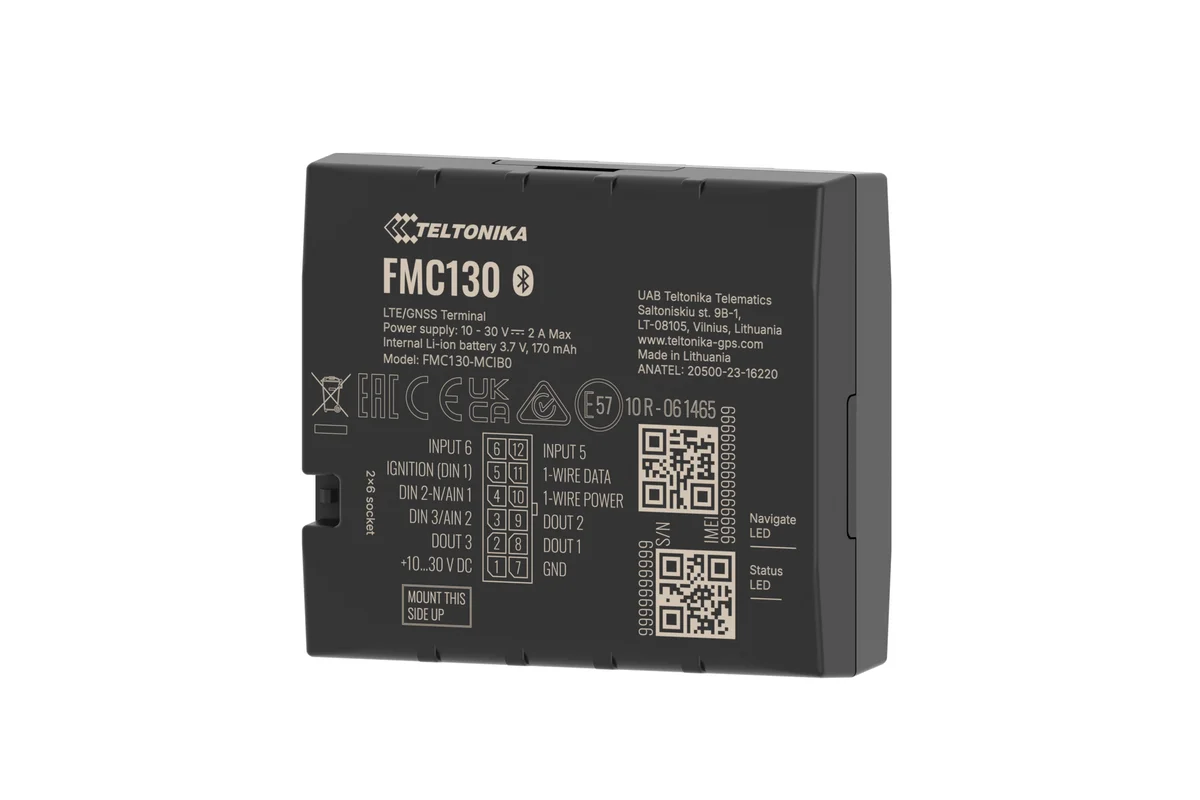
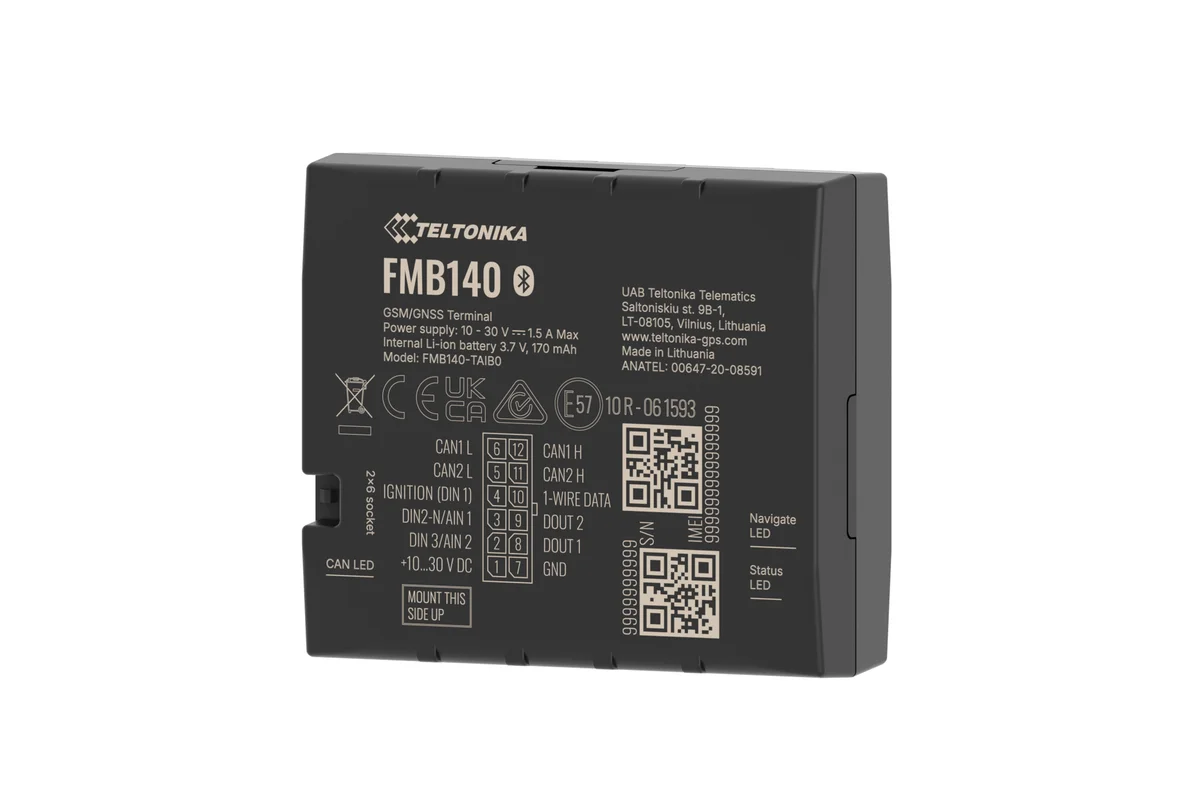
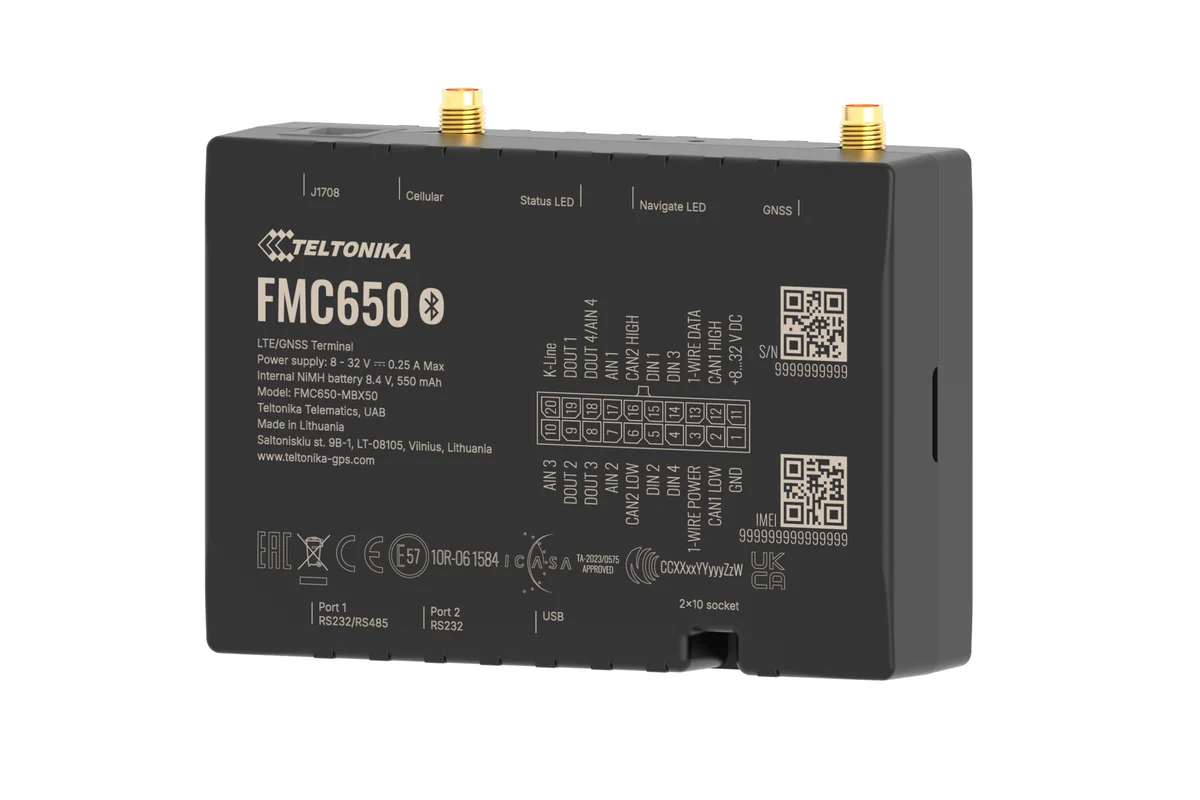
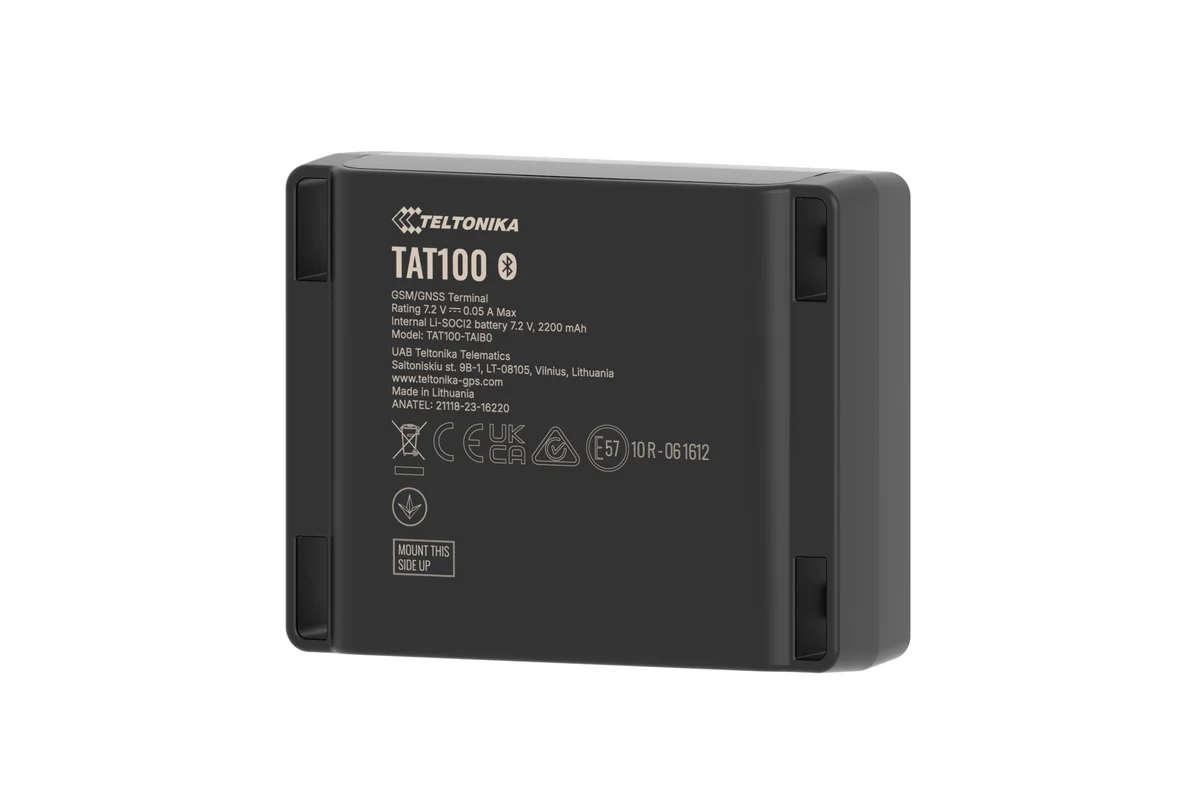
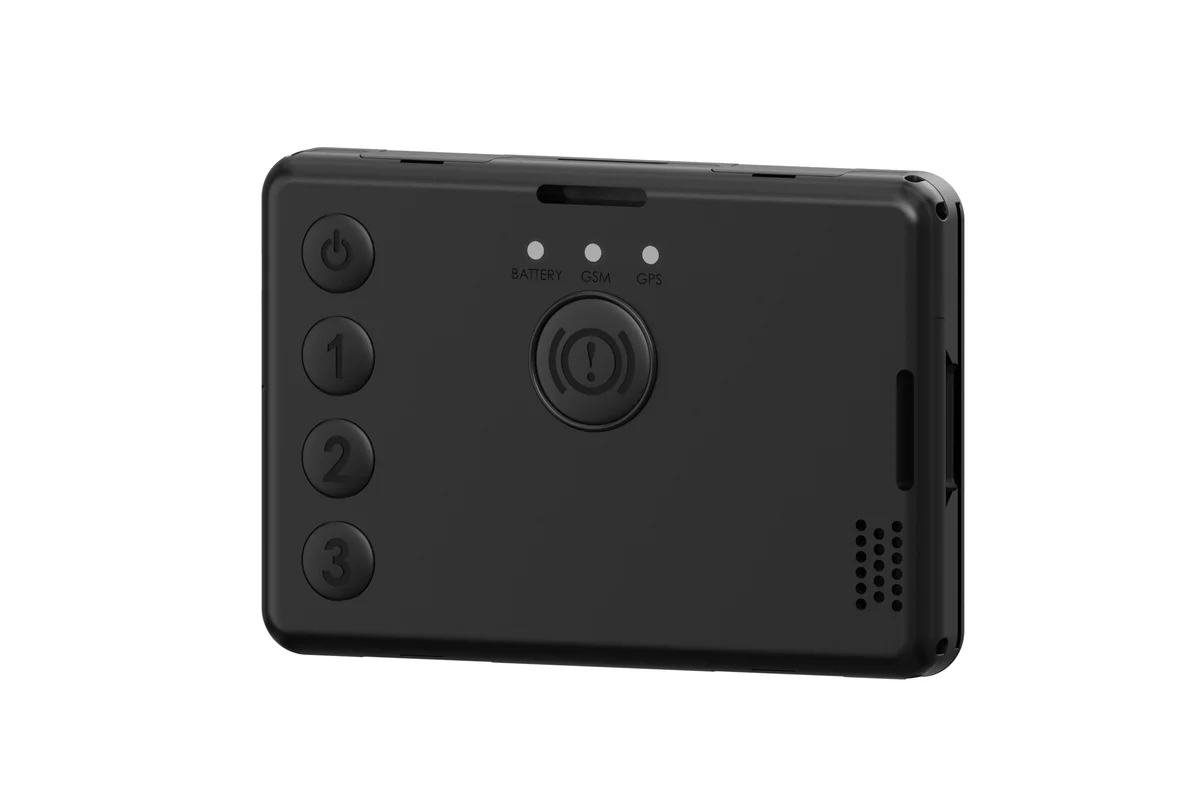
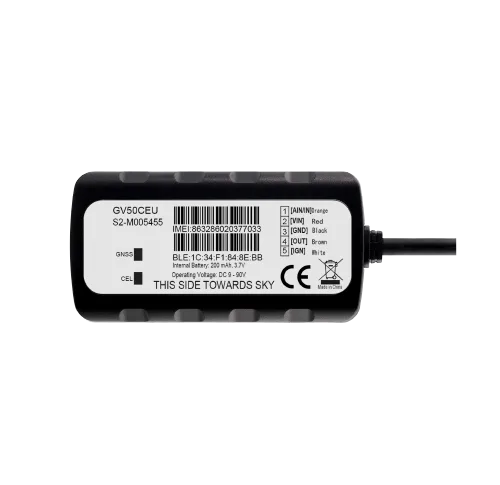
“A fleet of 64 vehicles fitted with Teltonika FMC920 and FMB140 — not one failure in three years.”
How to choose a tracker
- If all you need is the track, the mileage and the ignition, a compact FMC920 covers it. Where 4G is patchy along your routes, we talk through the 2G version, the FMB920.
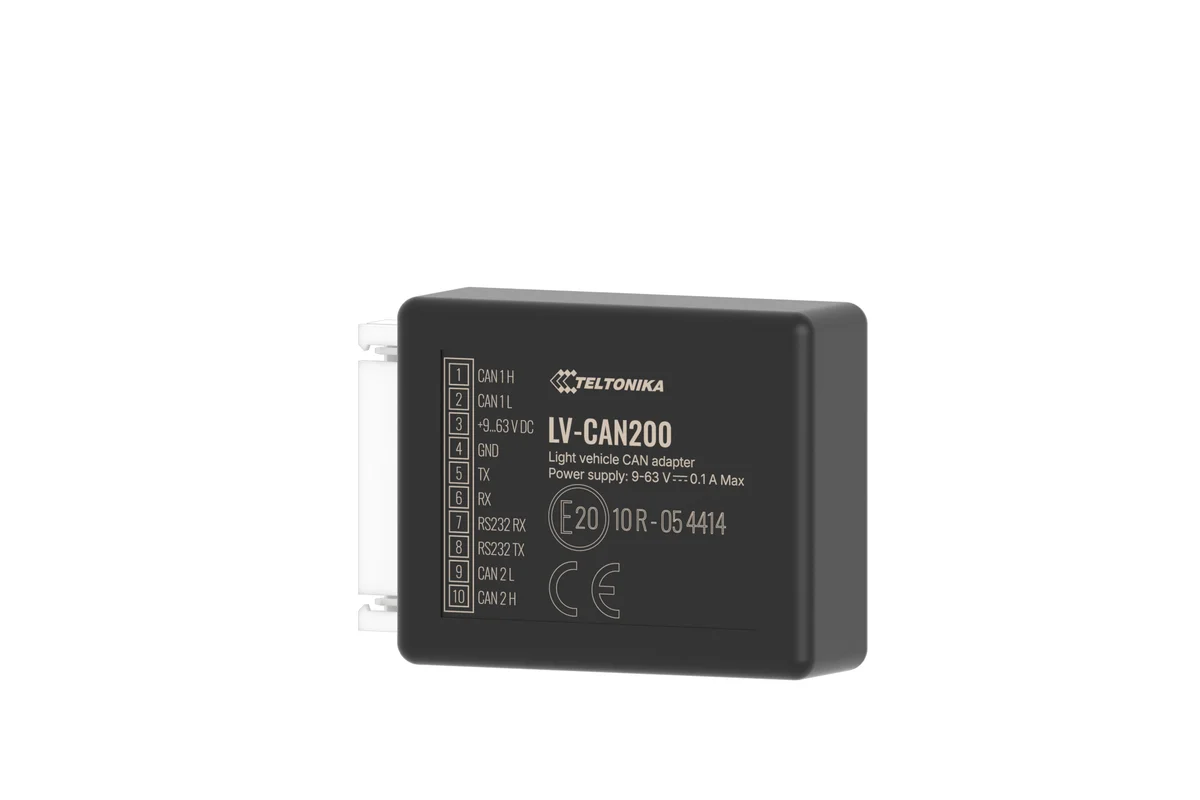
- If you need fuel use and mileage from the vehicle's own electronics, that means an FMB140 with its built-in CAN reader or an FMC130 with an external CAN adapter. Which parameters can actually be read depends on the make, the model and the year of the vehicle.
- If you are planning a fuel level sensor, temperature sensors or a driver reader, we count the free inputs and interfaces (RS-232/RS-485, 1-Wire, BLE) before the order, not after the fitting.
- Tractor units with a tachograph and FMS are a class of their own (FMC650); licences for remote DDD downloads are agreed separately.
- A trailer, a container or any asset without power calls for the self-powered TAT100: instead of a continuous track, a few position reports a day. Battery life depends on how often it reports, on the connection and on the temperature, so we work it out for the way you will use it.
Sensors
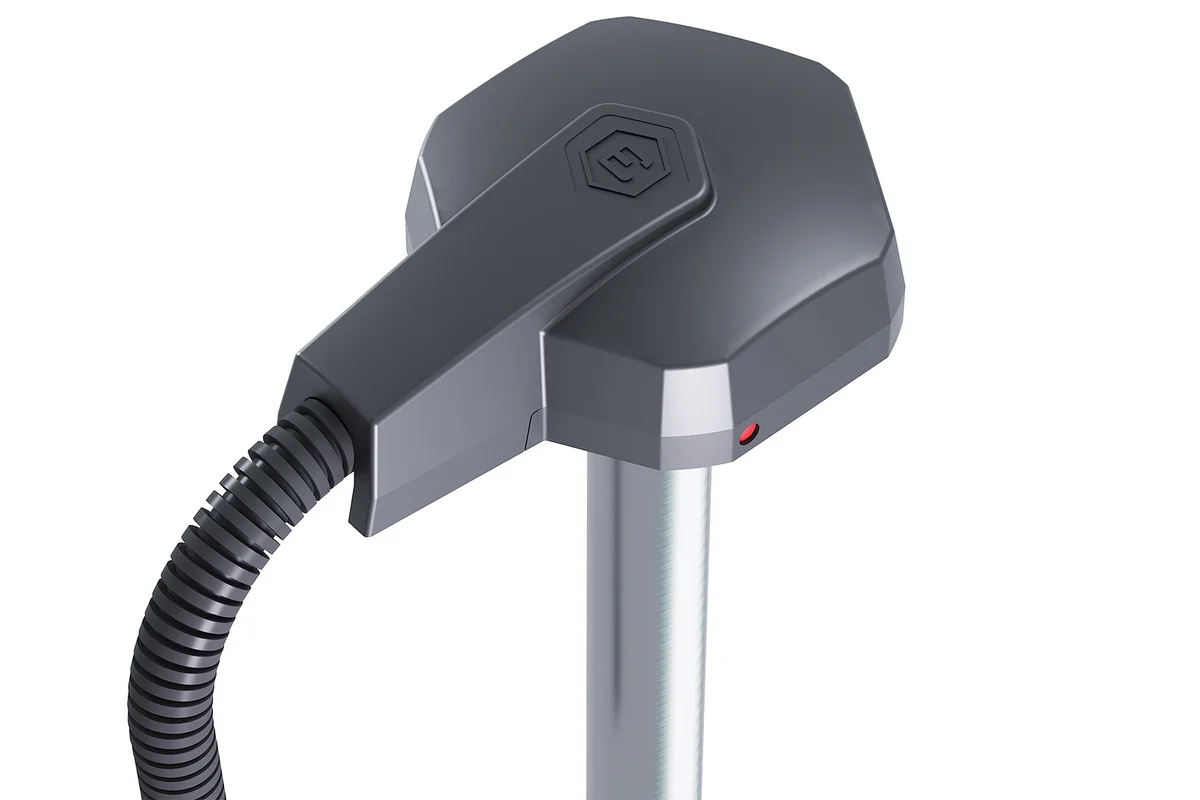
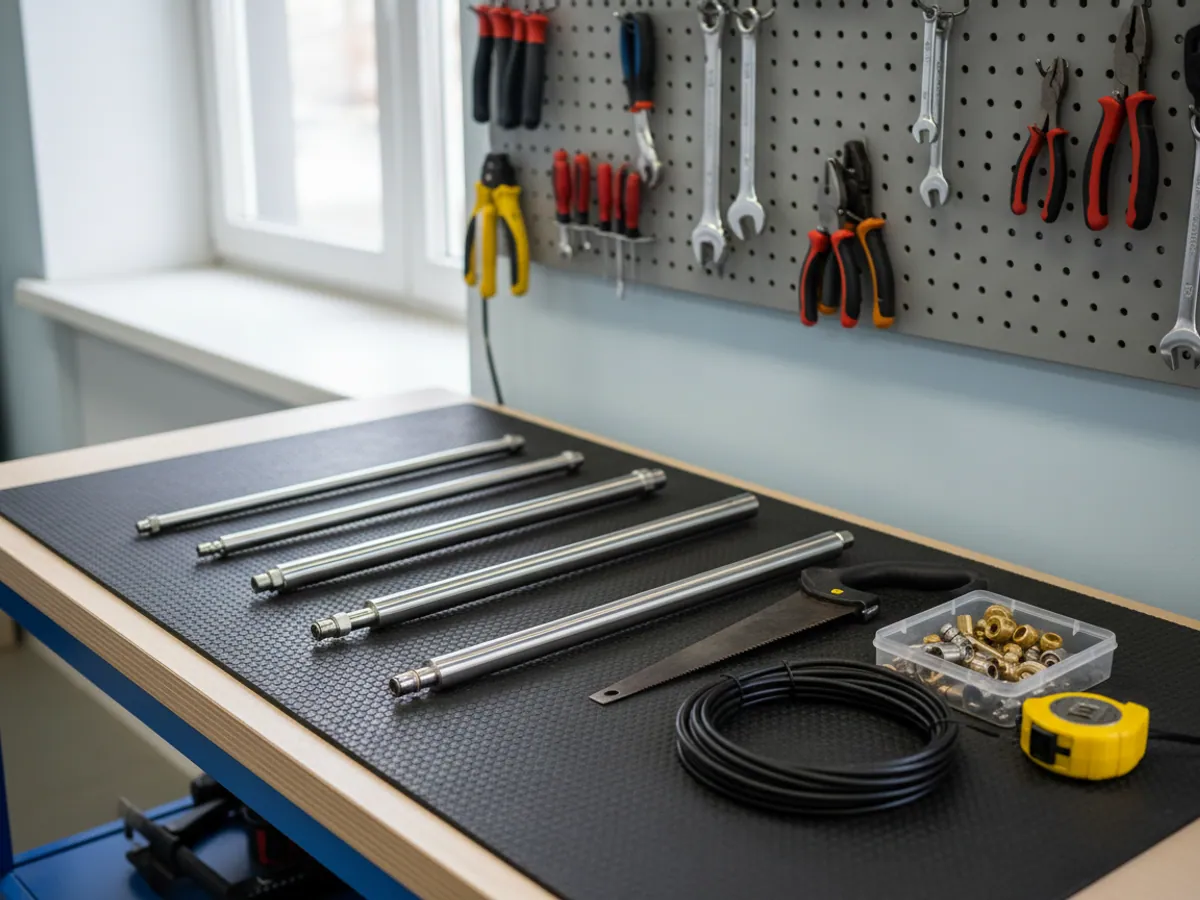
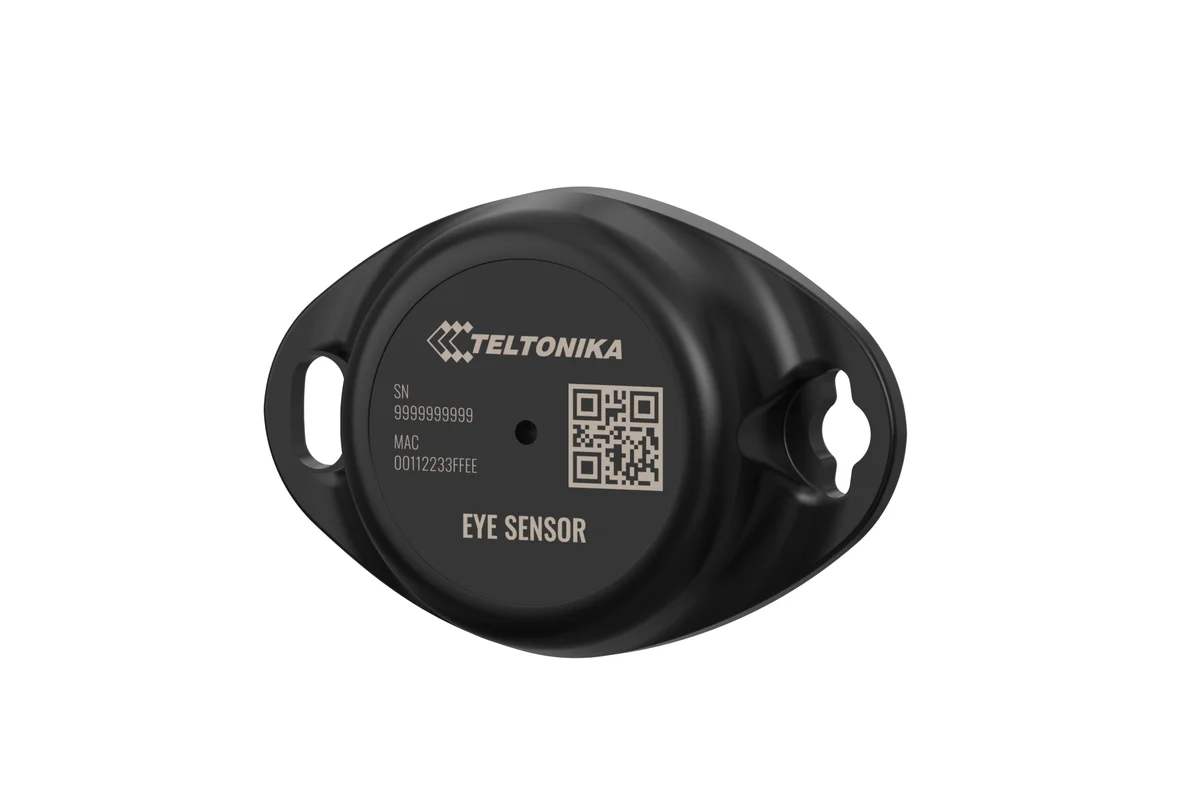
Accurate calibration of fuel tanks, load monitoring on plant and heavy equipment, temperature monitoring for refrigerated units, tamper detection and much more. Escort fuel level sensors and Teltonika accessories come with a one-year warranty.
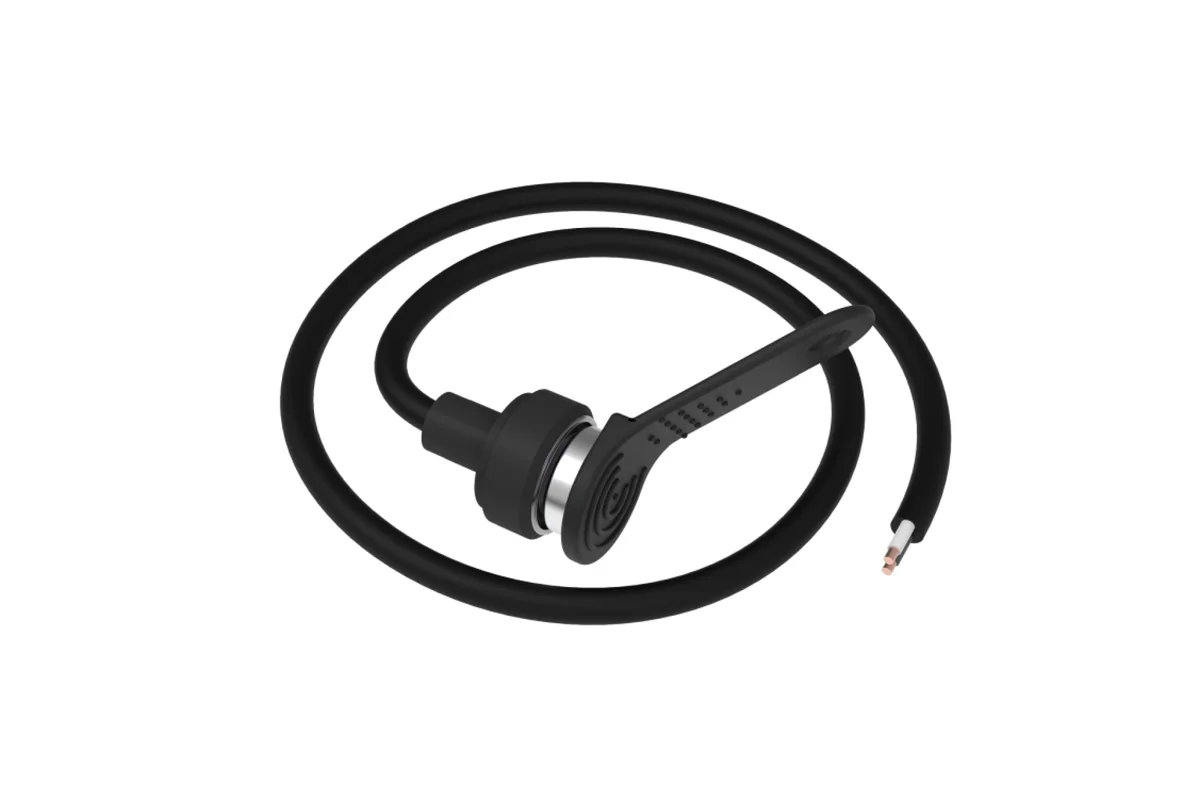
“In the first month after the fuel level sensors went in we found 4 000 litres that had walked out through a siphoning hose. It paid for itself in six weeks.”
How to choose a sensor
- A fuel level sensor is chosen by the height and shape of the tank: probe length, where the tapping point goes, internal baffles. Accuracy shows up in the reports only after that particular tank has been calibrated.
- For a wired sensor we check that the interface and the protocol match: RS-485, a frequency output or another supported option — a free input on the tracker has to be the right kind for that particular sensor. For a BLE sensor we check that its protocol is supported and where the devices will sit.
- For CAN data we check the vehicle model first: on some machines the parameters simply are not on the bus, and then fuel use is worked out from the fuel level sensor.
- For refrigerated units and tyre monitoring we take into account how the sensor reports in: through the tracker in the cab, or through a separate gateway on the trailer.
Video recorders
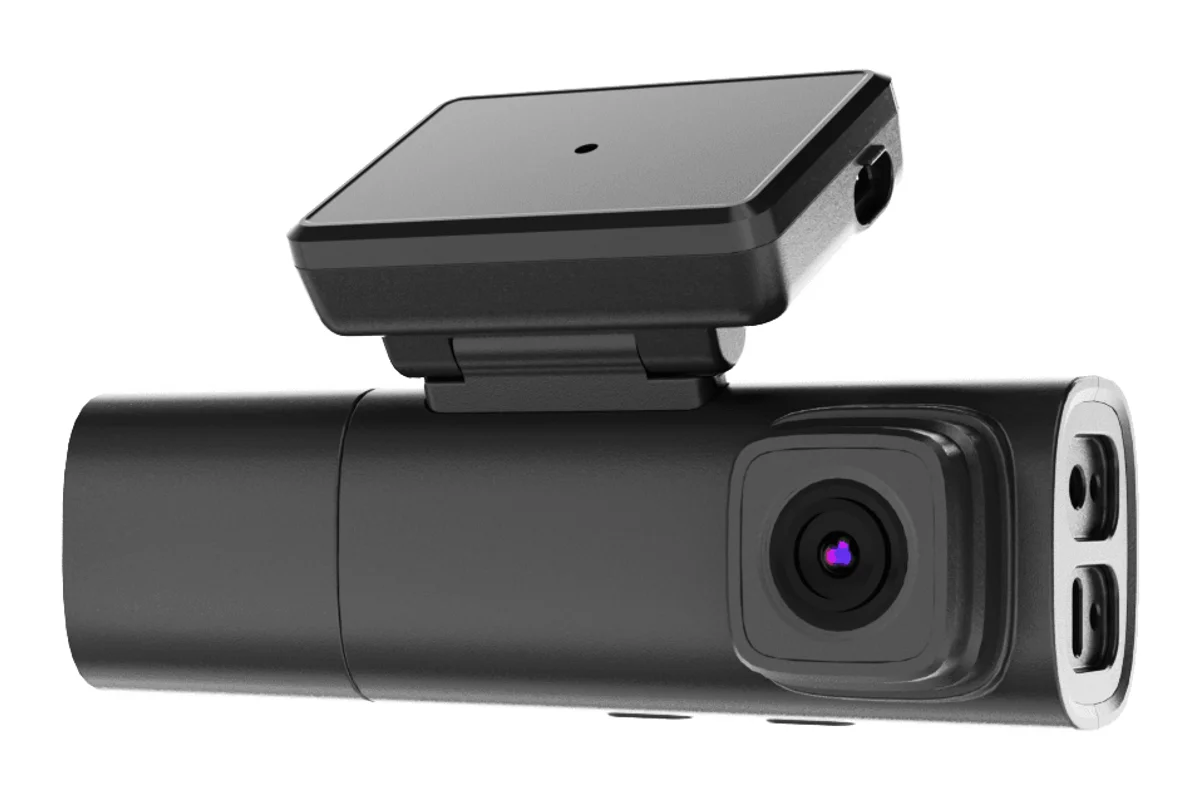
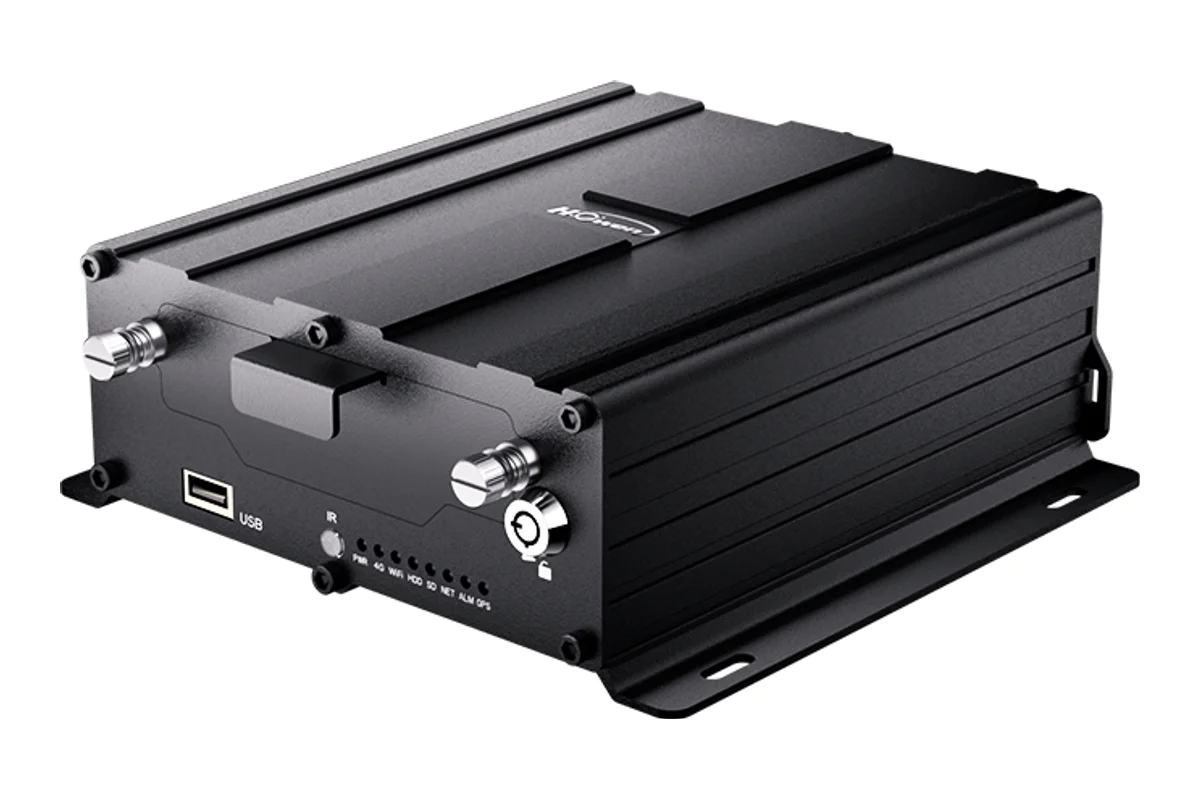
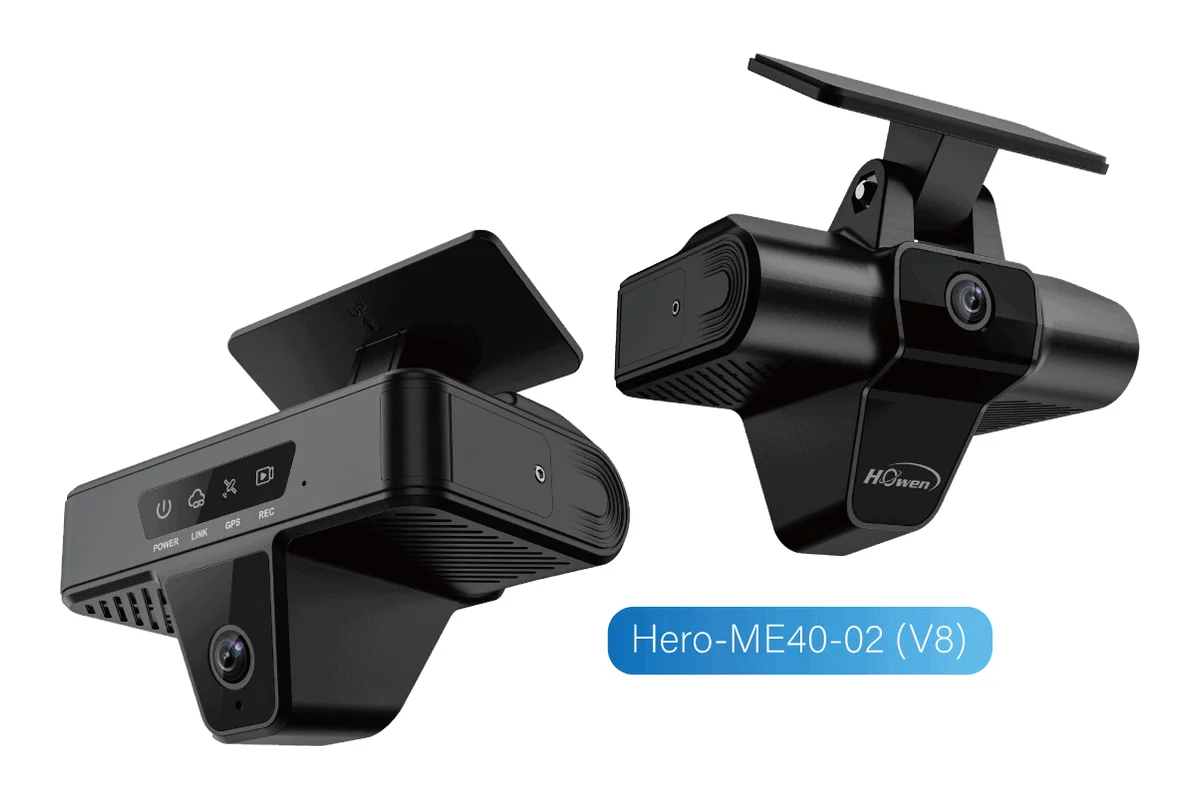
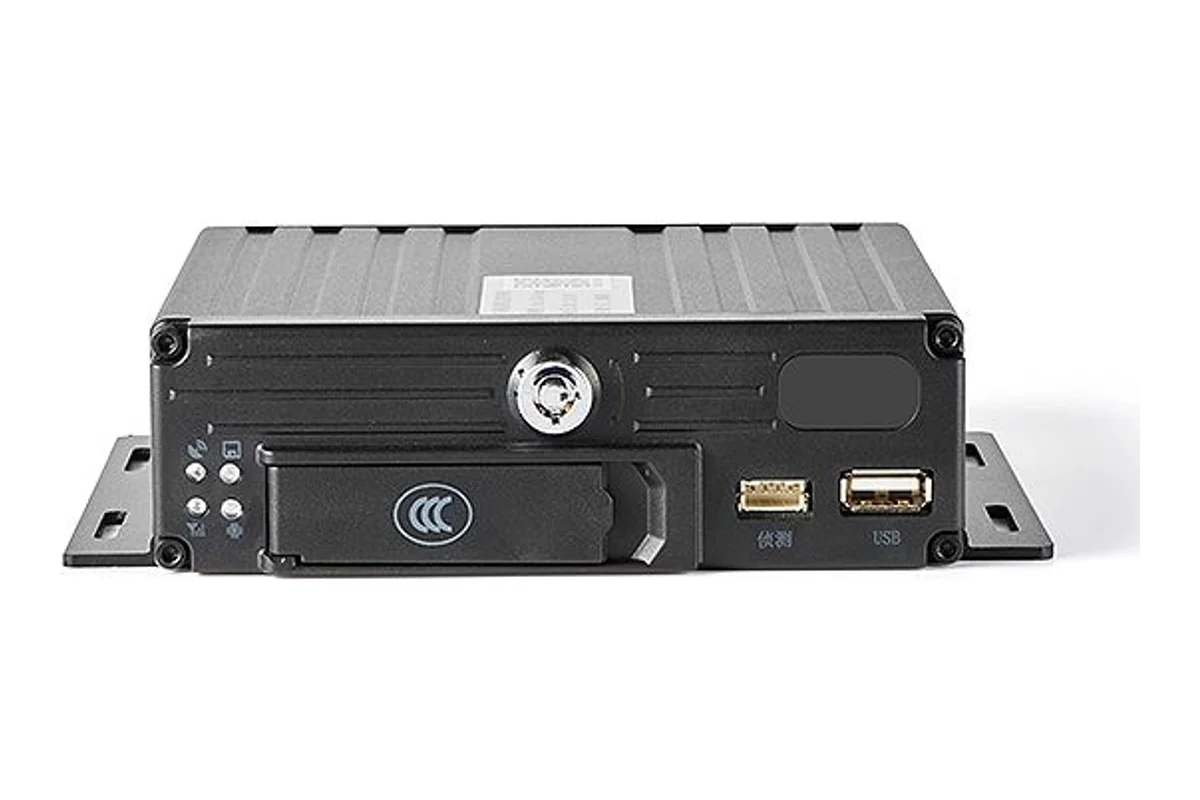
AI video recorders with ADAS (lane departure, collisions, pedestrians) and DMS (fatigue, distraction, phone use). The number of cameras depends on the model: from a single unit on the windscreen to an MDVR with remote cameras. Alarm footage goes to the platform over 4G while there is a connection; with no connection the event waits in the device's own storage. Howen and BSJ — direct contracts with the manufacturers.
“Once the cameras were in, the drivers started driving more carefully. Six months on, not a single accident that was our fault.”
How to choose a video recorder
- Cars and taxis — a single unit on the windscreen (DR03, V8). Buses, lorries and plant and heavy equipment — an MDVR with remote cameras (ED02R-V2, Hero).
- We count cameras by zone: the road, the driver, the cabin, blind spots, reversing. That decides the number of channels and the cable runs.
- AI functions (ADAS, DMS, BSD) differ between models and configurations — we check which events you actually need and which of them the platform will show as an event of its own.
- Storage: card or HDD capacity, the recording mode, and how much video goes out over 4G. SIM data use depends on the number of events and on live video requests.
Accessories and BLE
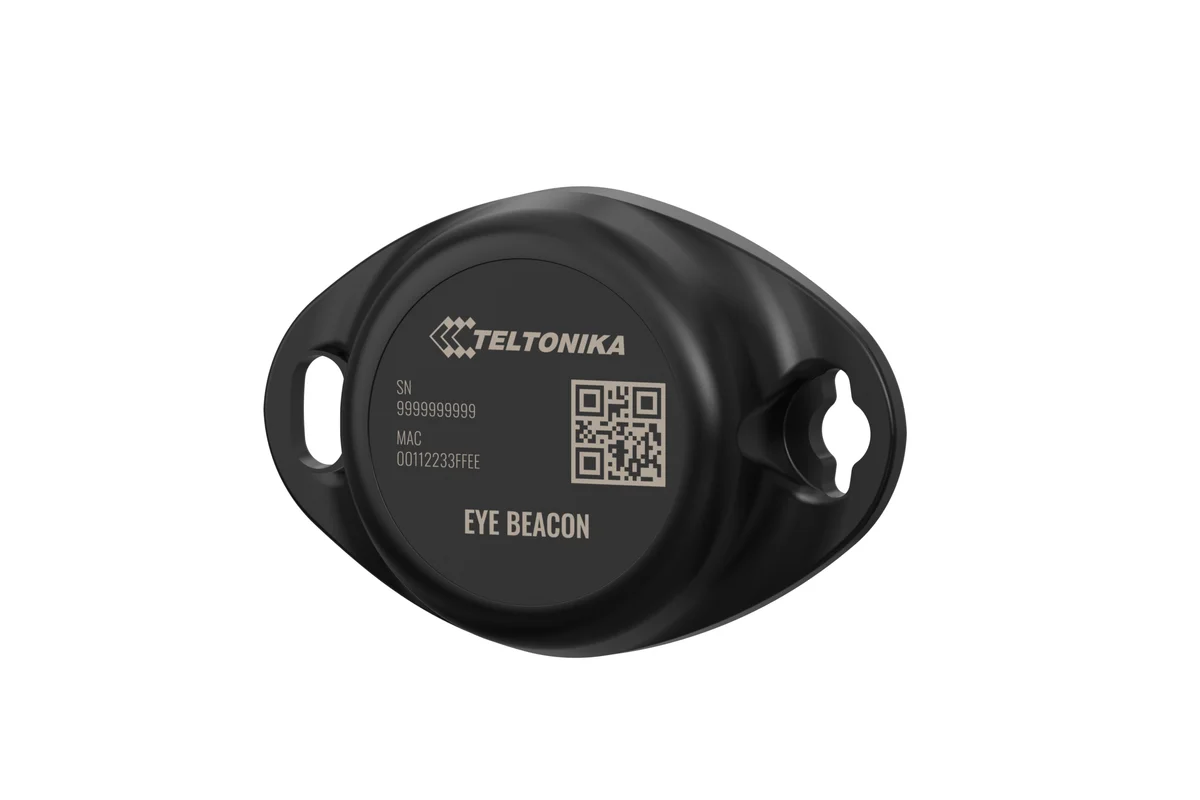
BLE tags for keeping track of tools and assets, RFID cards for driver identification, antennas for harsh conditions, immobiliser relays and sirens. Everything needed to extend what a standard tracker can do.
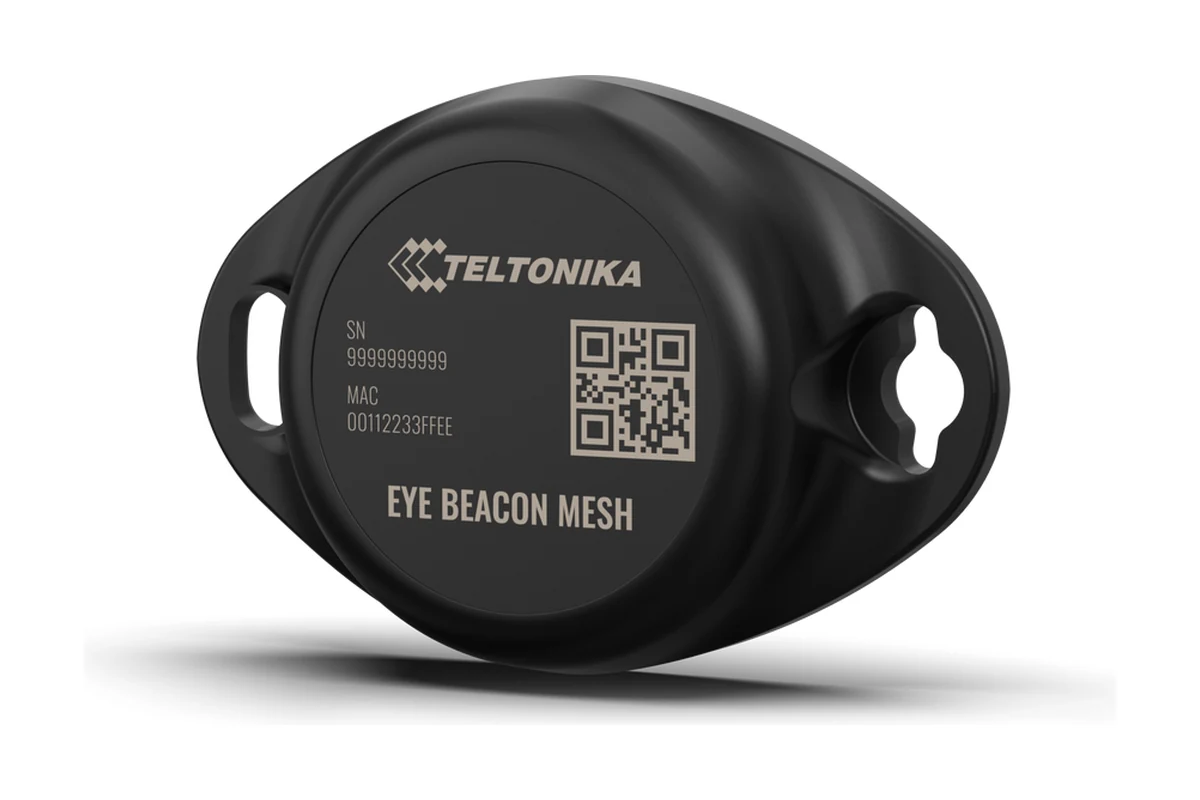
“BLE tags on the expensive tools — now we know where every drill and grinder is. Theft is down by 60%.”
How to choose an accessory
- A BLE beacon is only visible near a device that can hear it — a tracker or a gateway. The platform shows the last place the beacon was noticed, not its current position.
- Immobiliser relays are fitted with a wiring scheme that will not cut the engine while the vehicle is moving: the conditions under which the command is carried out are set during configuration.
- External antennas earn their place where the tracker sits deep inside metal, or in a cab with metallised window tinting.
- Cables and adapters depend on the tracker and sensor models — name the models in your enquiry and we will put the set together straight away.
Put together a compatible set
Tell us the type of vehicle, the make and year, the task, and which sensors you need. We will select the models, cables and accessories and send you a costing. Items outside the catalogue — industrial trackers, ATEX models, specialised sensors — we bring in to order, and we will name the lead time once we have asked the supplier.
- 1 We pin down the task
A specialist calls back and asks about the vehicles, how many there are and what you need to keep an eye on.
- 2 We put a solution together
We propose the hardware and the features, and set out the one-off and the monthly cost separately.
- 3 We agree the fitting
At your yard or at ours, on a schedule that keeps the vehicles working.
Request a call
A specialist will call back and match a solution to your fleet and your task.