
Axle load sensor fitting
We fit axle load sensors or read weight over CAN, calibrate on a weighbridge and show the load on each axle in Wialon. The driver sees an overload while the vehicle is still being loaded. On-board weighing is a means of control and does not replace a certified weighbridge; accuracy depends on the type of suspension and is recorded in the calibration report.
The load on every monitored axle and the total weight of the load in Wialon, overload thresholds set to the permitted loads for your models, and notifications to the dispatcher. Each vehicle comes with a calibration report: at which weights it was checked and what discrepancy against the weighbridge came out.
How much your vehicle is really carrying
Fitting axle load sensors is for those who are tired of finding out about an overload after the event: at a weigh station, in the bill for new springs, or through a burst tyre on the M-2 near Yevlakh. An overload hits twice. First with a fine and downtime, then with accelerated wear on the suspension, the tyres and the transmission.
We fit axle load sensors, calibrate them on a real weighbridge and feed the data into Wialon. The driver sees how many tonnes are sitting on each axle while still at the loading point, the dispatcher gets a notification if the limit is exceeded, and the accounts department gets a trip sheet with the actual weight of the load.
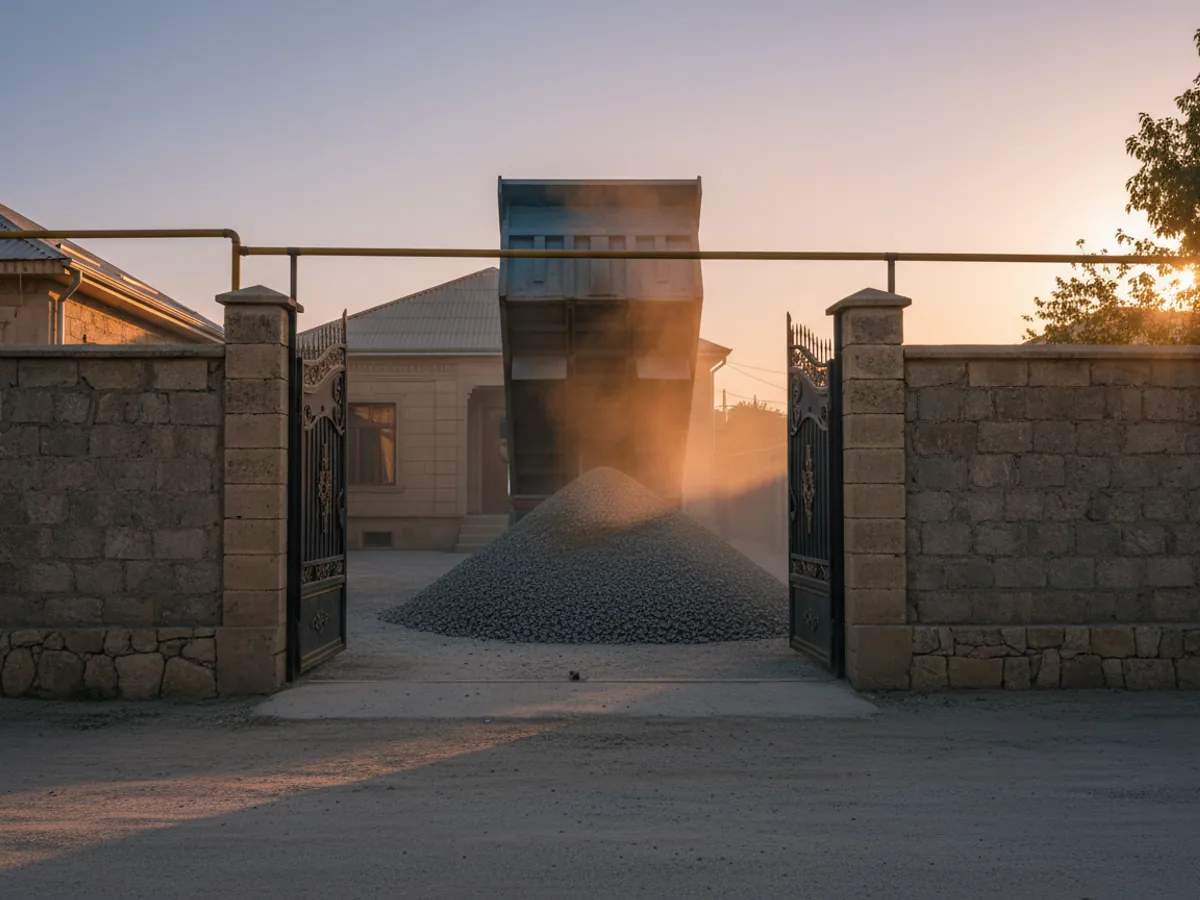
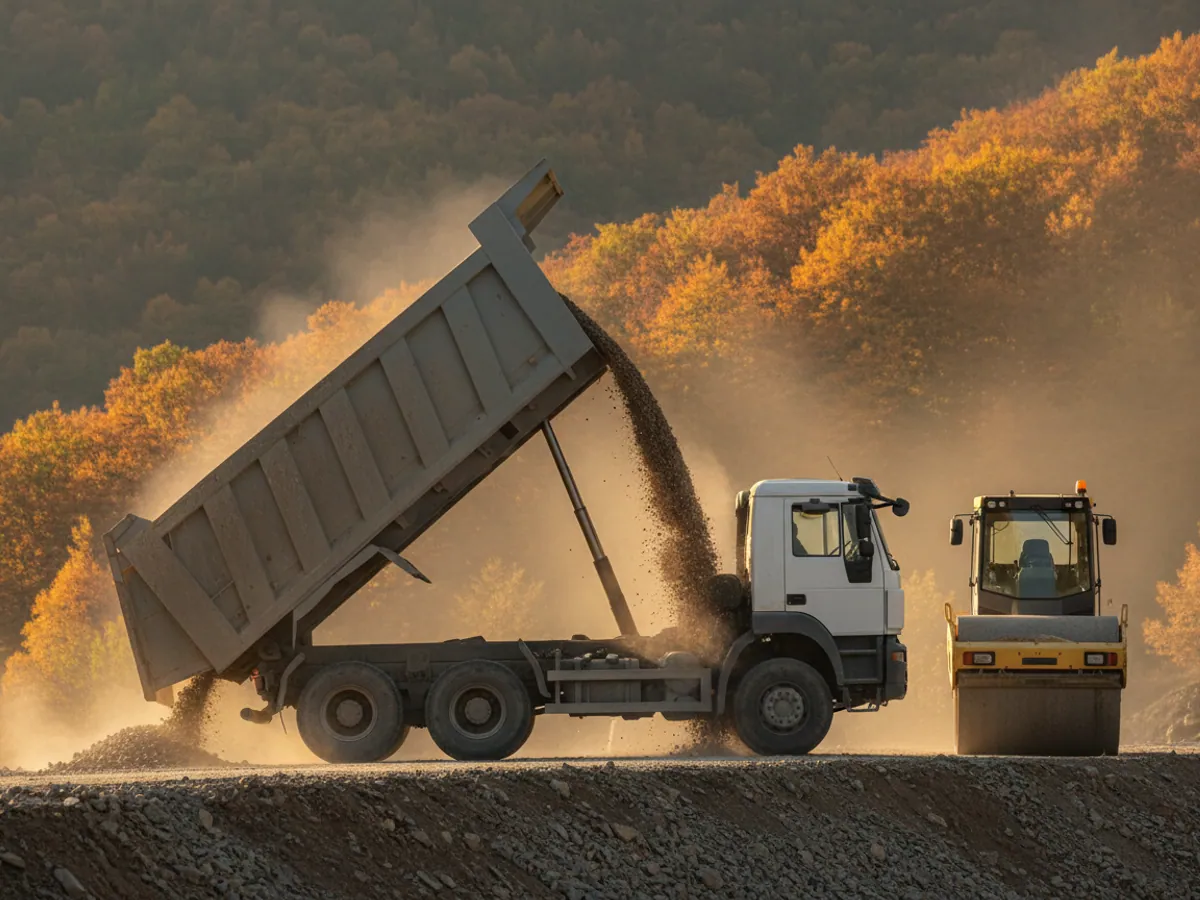
The system is most often ordered by tipper fleets hauling crushed stone and sand out of the quarries of Absheron and the Garadagh district, by bulk hauliers working through the port of Alat, and by agricultural holdings during the harvest. We work out the savings for your fleet: for some the main effect is the absence of fines, for others it is fewer tonnes going missing between the quarry and the site.
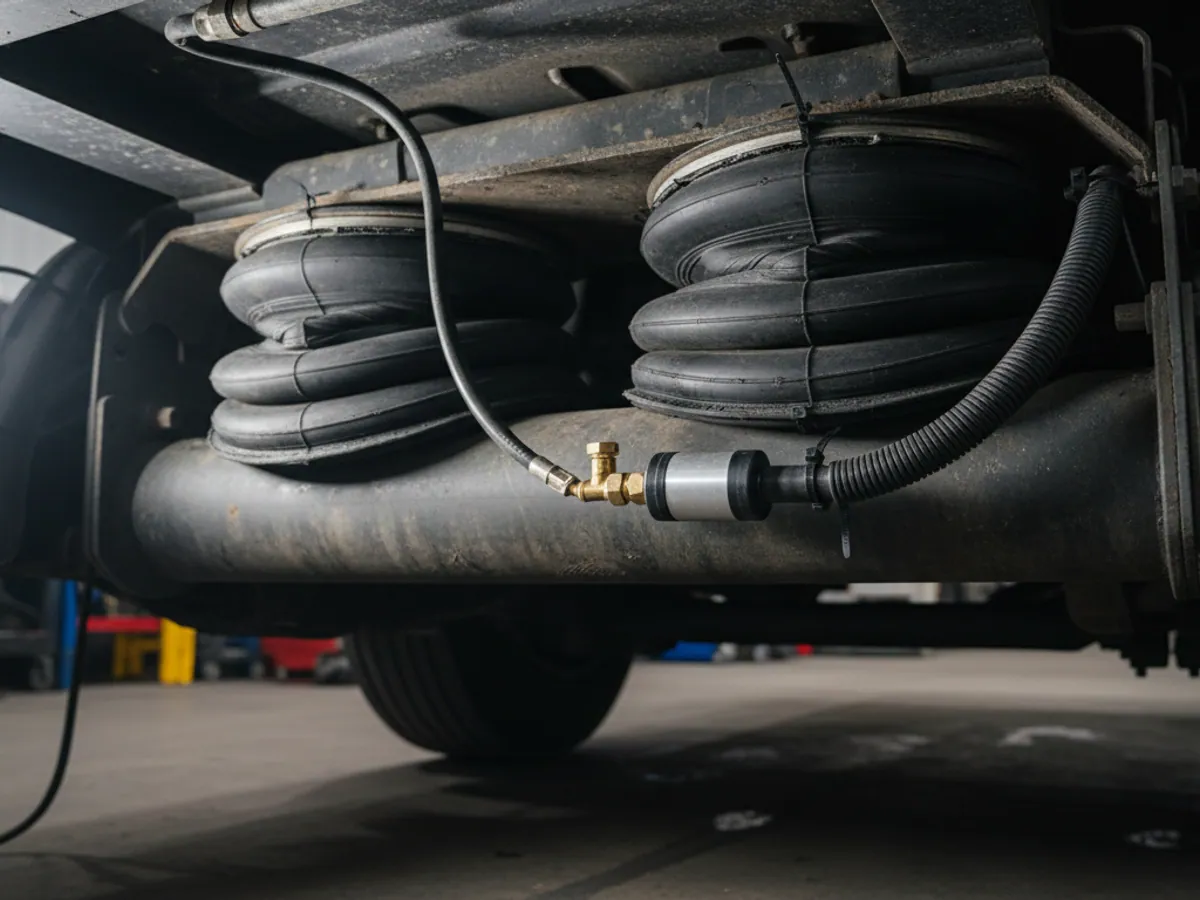
How the work goes, step by step
Suspension and CAN
We look at the suspension, the wiring and the tracker inputs. We check whether the vehicle reports weight over CAN.
Sensors on the axles
Pressure or deflection sensors on every monitored axle, cable in conduit along the chassis.
Weighing on the weighbridge
Empty vehicle, part load and full load. The conversion table for each axle goes into Wialon.
Control trip
The vehicle runs loaded along its usual route and we compare the readings with the delivery note and the weighbridge.
Report and thresholds
The calibration report, overload thresholds for your models, and a briefing for the driver and the dispatcher.
How a day on a leaf-sprung tipper goes
An illustrative example: Shacman tipper 10-XX-123, calibrated on the weighbridge of a quarry in the Garadagh district.
- Inspection of the springs, the chassis and the tracker inputs inspection
The vehicle does not report weight over CAN, so we fit deflection sensors to both rear axles.
- Sensors on the chassis and axles, cable in conduit fitting
The cable runs the length of the chassis and is protected from quarry dust and dirt.
- Weighing the vehicle empty and loaded 3 points
Empty, part load and full load; the sensor readings are recorded at the same moment.
- The discrepancy on the second axle is higher than expected rechecked
The spring had stuck on the slope. We repeat the weighing on level ground and refine the table.
- Control run, checked against the delivery note acceptance
The calibration report and the overload thresholds are handed over with the certificate.
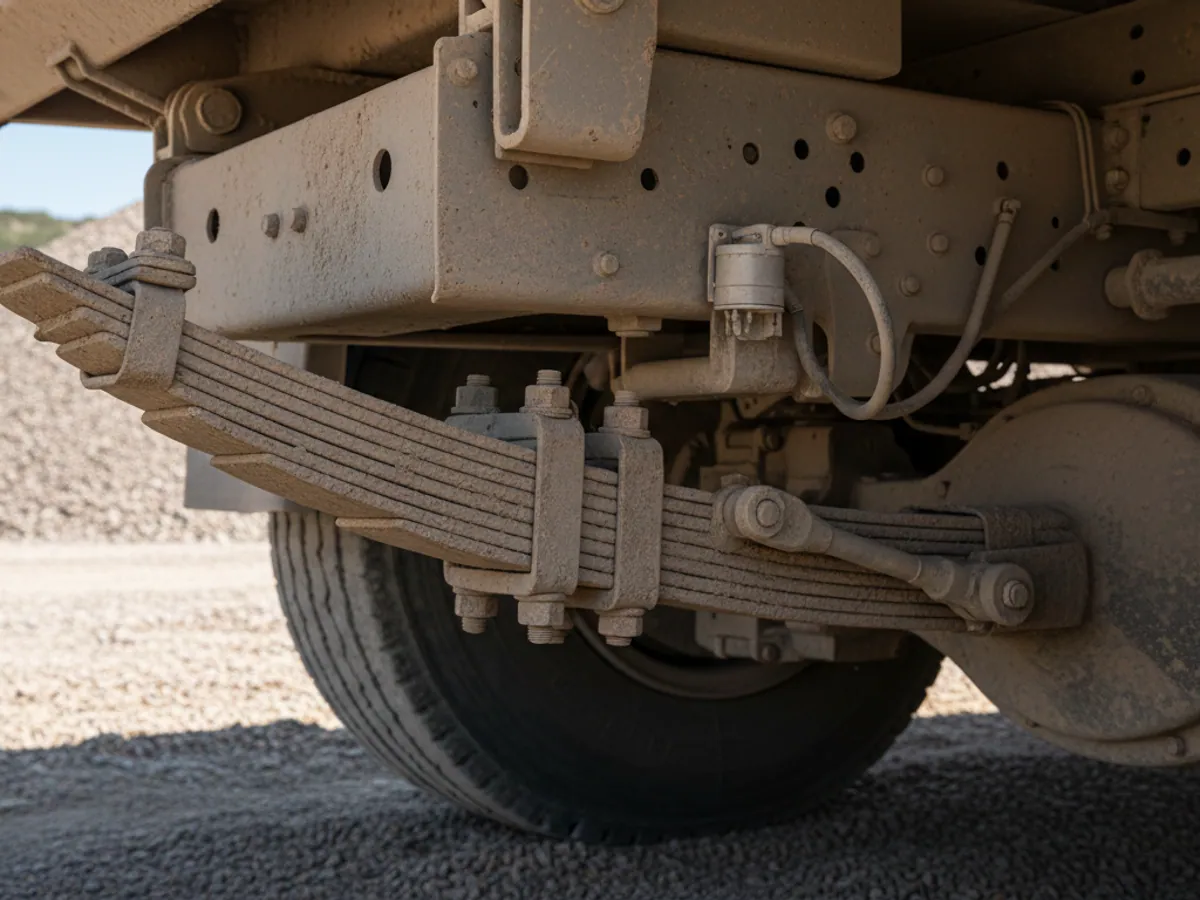
Two ways to learn the weight: the CAN bus or a separate sensor
The first thing we check during the inspection is whether the vehicle can report the load itself. Many recent European tractor units with air suspension (Volvo FH, Scania R, MAN TGX, DAF XF) report axle weights in the FMS standard. In that case no separate sensor is needed: a tracker with a contactless CAN adapter reads the parameter, and within an hour the vehicle is already sending the load into the system.
If the vehicle does not report weight - and that covers almost all Shacman, Howo and KamAZ tippers and older tractor units - we fit separate sensors:
- on air suspension, a pressure sensor in the air bag line, teed in, with the signal going to an analogue input on the tracker;
- on leaf spring suspension, a deflection or strain sensor between the chassis and the axle, one for each monitored axle;
- on a semi-trailer, a separate pressure sensor and a cable through the coupling connector, or a wireless version if trailers are swapped often.
One warning worth stating separately: CAN data varies in accuracy between manufacturers. On one tractor unit it matches the weighbridge to within 2-3%, on another it wanders more. So even with the CAN option we carry out a control weighing and a comparison.
What the axle load sensor service includes
We hand the work over when the figure in Wialon matches the weighbridge within the agreed margin of error, not when the last cable tie has been fastened.
Choosing and fitting the sensors
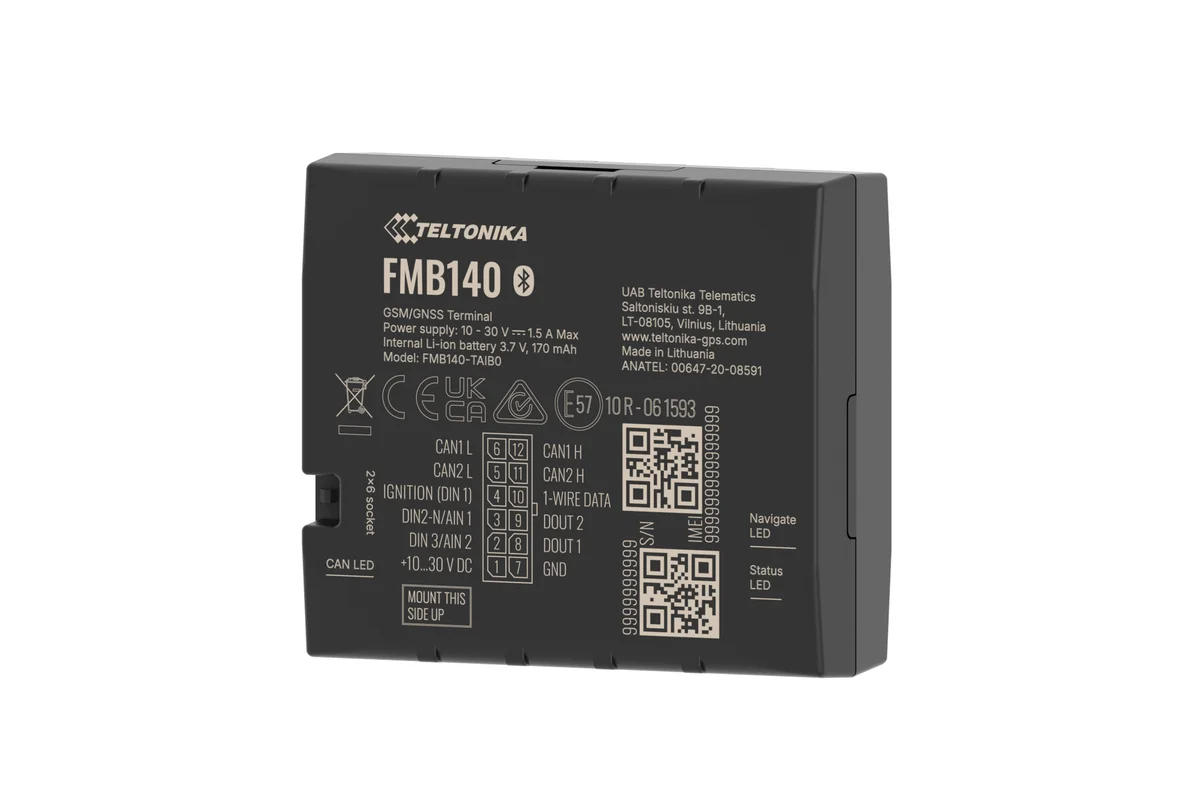
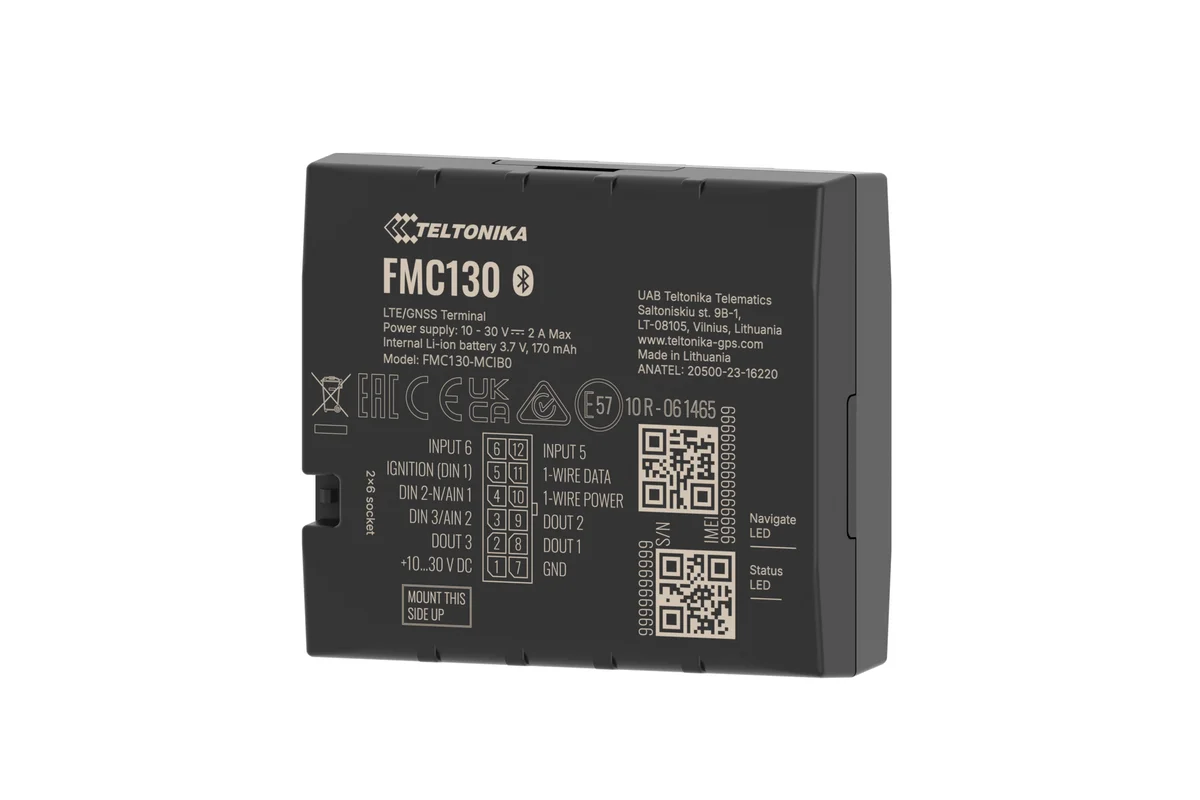
Pressure or deflection sensors to suit the design of the suspension, cable routed in conduit, connection to a Teltonika or Queclink tracker with protection against damp and dirt.
Calibration on a weighbridge
At least two or three points: empty vehicle, part load and full load. The conversion table goes into Wialon separately for each axle.
Setup in Wialon
Weight sensors per axle and total load weight, overload notifications, trip reports with the weight at loading and at unloading.
Briefing the driver and the dispatcher
We show where to look at the load, what each notification means and why weighing has to be done on level ground.
What the service does not include
Repairs to the air system and the suspension, hire of a weighbridge and of the load used for calibration, and metrological certification: the on-board system remains a means of control, not an instrument of measurement for commercial settlements.
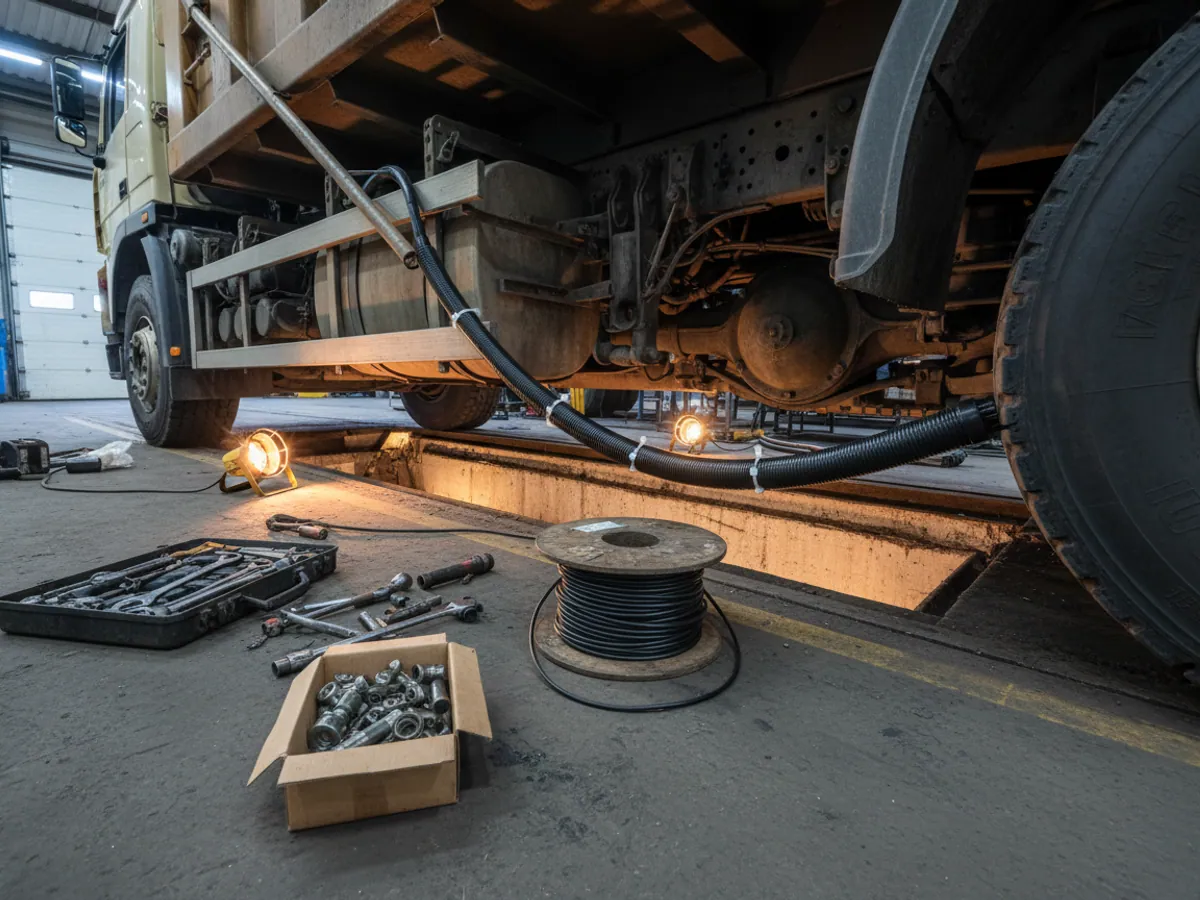
How the installation goes, step by step
Inspection. We look at the suspension, the wiring and the free tracker inputs, and establish whether the vehicle reports weight over CAN. At this stage it becomes clear how many sensors are needed and how long the work will take.
Fitting. A tractor unit with air suspension usually takes 3-4 hours, including the tracker. A leaf-sprung tipper takes a working day, because the sensors are mounted on the chassis and the axle and the cable runs the length of the chassis.
Calibration. The most important stage. It needs an empty vehicle, a load and access to a certified weighbridge: at a quarry, a grain elevator or a builders' merchant's yard. We weigh at several states of loading and build the table.
Control run. The vehicle runs loaded along its usual route, and we compare the readings with the delivery note and the weighbridge at unloading.
What we need from you:
- the vehicle for half a day to a day, and a driver who knows its quirks;
- access to a weighbridge and a load for calibration - most often we arrange to weigh at your own quarry or depot;
- the permitted axle loads for each model, so the notification thresholds can be set.
What the calibration report records
Vehicle and layout
Registration number, model, type of suspension on each axle, which sensors are fitted and which tracker inputs they run to. If weight is read over CAN, we state the parameter and its source.
Weighbridge and weighing points
Where the weighing was done (the weighbridge of a quarry, a depot or a grain elevator), and the result at each point: empty vehicle, part load and full load. Alongside each, the sensor reading at that same moment.
Range and discrepancy
Over what range of loads the vehicle was checked and what discrepancy against the weighbridge came out at each point. Outside the checked range the readings are treated as indicative.
When to check again
After replacing springs or air bags or adjusting the levelling valve, after a sensor has been moved, and whenever there is a persistent discrepancy against the weighbridge above the recorded figure. A scheduled control weighing once a year, and more often for quarry tippers.
Solutions for different types of transport and different tasks
Axle load control for TIR haulage
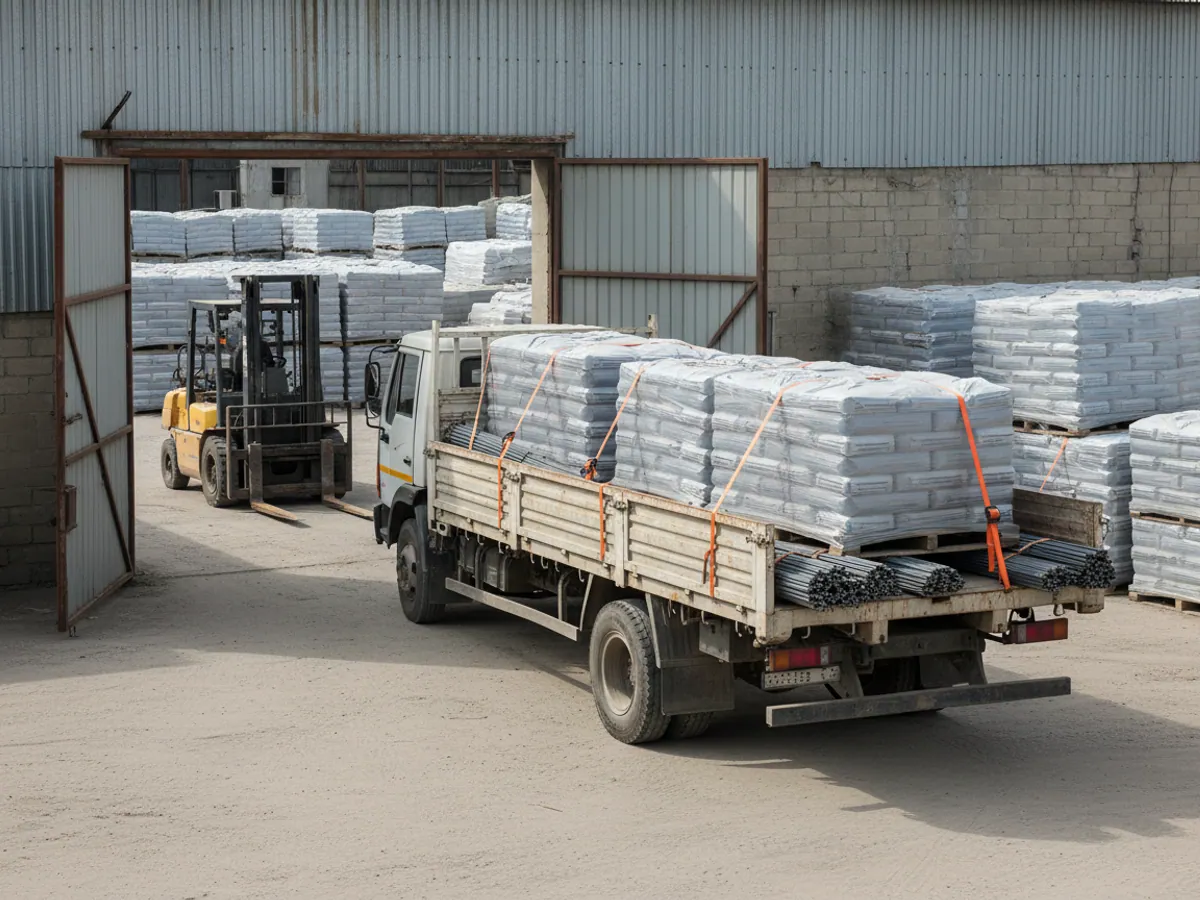

Where accuracy drops off and how we allow for it
On-board weighing does not replace a certified weighbridge and is not suitable for commercial settlements with a customer. Its job is control and warning. Here is what affects the result:
Friction in leaf springs
Leaf springs stick, and the readings depend on how the vehicle has come to rest. The margin of error on leaf springs is usually higher than on air suspension, and we say so plainly before fitting.
Uneven ground
On a slope in a quarry the weight redistributes between the axles. The right figures come from level ground with the vehicle stationary, and that is the rule we set out for drivers.
Suspension repairs
Replacing springs or air bags, or adjusting the levelling valve, throws the calibration out. After repairs like that a recalibration is needed - a short separate visit.
Swapped trailers
If a tractor unit works with different semi-trailers, the sensor on the trailer has to travel with the trailer, and the tracker has to know which trailer is currently coupled.
A worn air system
Air leaks and a faulty levelling valve give a wandering pressure. We check the system before fitting, otherwise the sensor will honestly report a fault rather than a weight.
What changes after the rollout
Fewer overload fines
The driver sees the load while the vehicle is still being loaded and does not set off with extra tonnes on an axle. If it happens anyway, the dispatcher gets a notification.
The suspension lasts longer
Constant overloading is the main cause of cracked chassis, broken springs and rapid tyre wear. In practice, suspension repairs become noticeably rarer after the rollout.
Honest loading on every run
Under-loading costs money too: the vehicle has made the run but brought back two thirds of what it could. The report shows the average weight for each driver and each route.
You can see where the load went
The weight at loading, the weight at unloading and the point where it changed. A partial tip along the way stops being invisible.
Warranty, servicing and pairing with other sensors
The fitting work and the calibration carry a one-year warranty: if the readings drift within that time without any suspension repair, we recalibrate at our own cost. The sensors and trackers also carry a one-year warranty. Once a year - and for quarry tippers better every six months - we recommend a control weighing, which takes 20-30 minutes on a weighbridge.
Axle load is nearly always worth linking to other data. With a body lift sensor the system knows exactly where the load was tipped. With geofences around quarries and sites, it knows which run went where. All the weight reports are gathered in the section weight and load control, and for tipper fleets we usually set them up together with construction machinery monitoring. More on what quarries need is on the page GPS monitoring for quarries.
What we use on the job
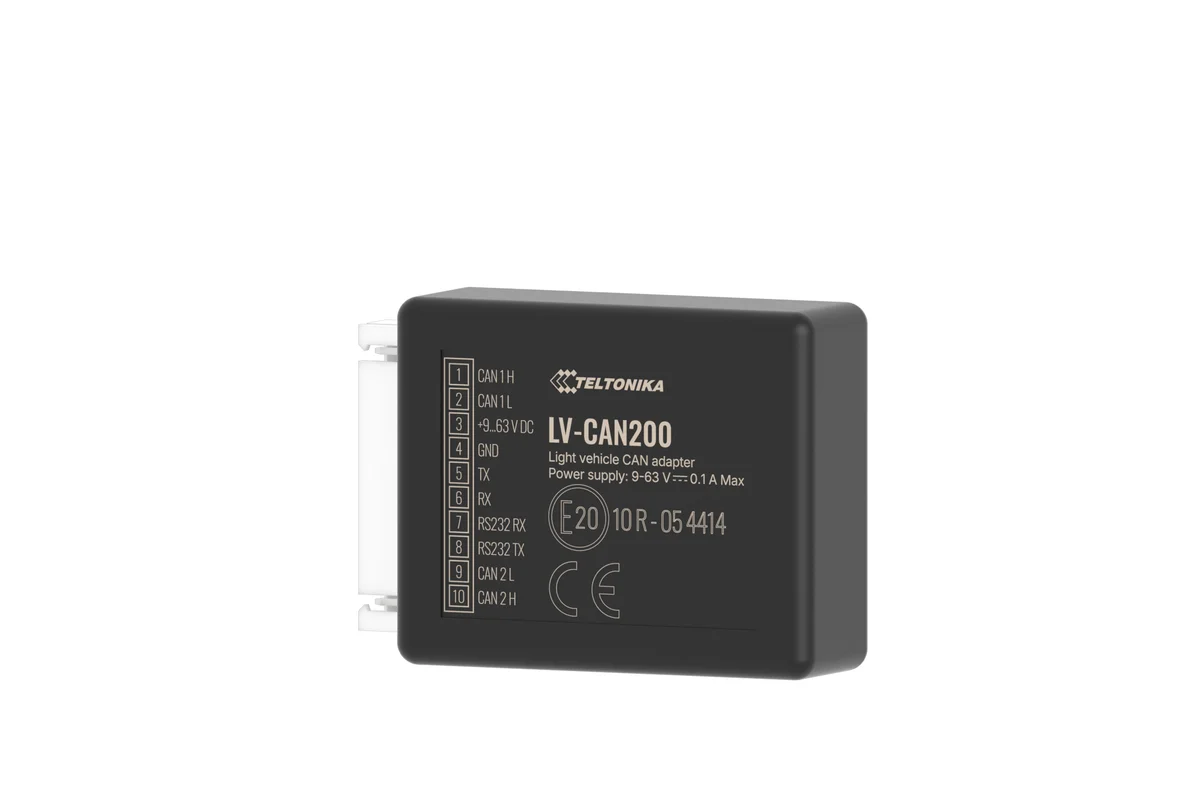
Where we get the weight from
The method depends on the vehicle and its suspension. We decide during the inspection.
| Weight over CAN | Sensor on air suspension | Sensor on leaf springs | |
|---|---|---|---|
| No separate sensors on the axle | Yes | No, a pressure sensor | No, a deflection sensor |
| Typical accuracy | Up to 2-3%, depends on the marque | Usually 2-5% | Usually 5-8% |
| Quick to fit | Yes, about an hour | Yes, 3-4 hours with the tracker | No, a full working day |
| Weighbridge check at handover | Yes, a control weighing | Yes, 2-3 points | Yes, 2-3 points |
| Which vehicles it suits | Tractor units with FMS | Tractor units and semi-trailers | Shacman and Howo tippers |
Questions about “Axle load sensor fitting”
Request a call
A specialist will call back and match a solution to your fleet and your task.
Similar scenarios
How similar jobs are done on Teltonika hardware
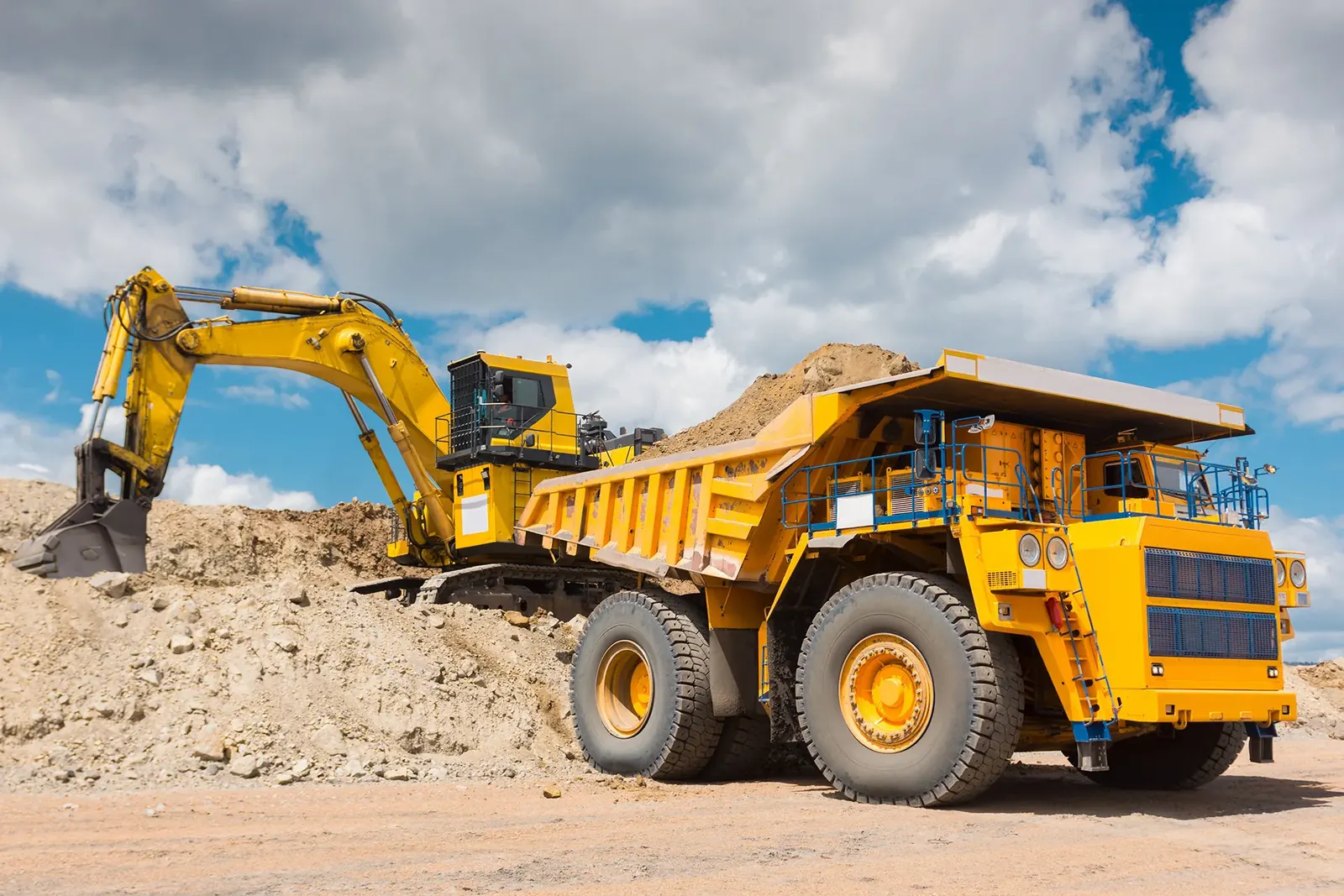
Recording plant and heavy equipment work with EYE sensors
Agriculture, construction and mining

Plant tracking with no jumps or gaps in the track
Agriculture, construction and mining

Keeping track of site tools with BLE beacons
Agriculture, construction and mining