
GPS monitoring for construction equipment
We fit trackers, fuel level sensors and attachment-operation sensors to excavators, tipper lorries, cranes and generators on site. In Wialon you can see where a machine is standing, how many hours it worked under load and how much fuel it used. Accuracy depends on whether there is a CAN bus, on the shape of the tank and on the mobile coverage at the site — we assess all of that when we inspect the machines.
Every machine we fit out is visible in Wialon with its engine hours, fuel and, where a sensor has been fitted, the operation of its attachment. For each machine you receive a handover report with photographs of the fitting locations, seal numbers and the calibration table for the tank. Reports by site and engine-hour reports for certificates are configured before we hand the work over.
An excavator on a site 300 km from the office
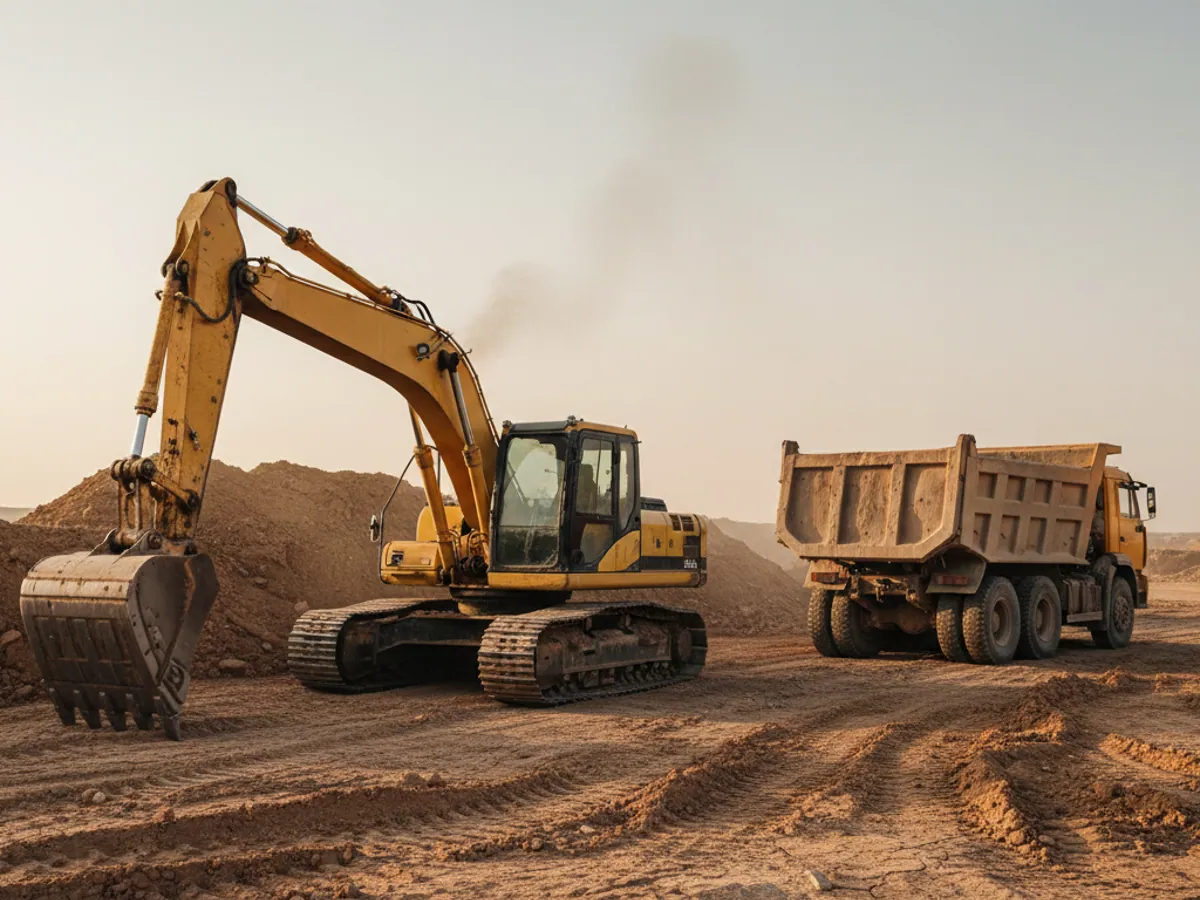
A construction company in Azerbaijan rarely works on a single site. A stretch of the M-4, a residential block in Khirdalan, reconstruction work in Fuzuli and Aghdam, a quarry on the Absheron peninsula — the machines are scattered across sites, and the manager only sees them in the foremen's reports. How much the excavator actually dug and how much it stood with the engine running, how much diesel went into the tank and how much went into a jerrycan — without data there are no answers to these questions.
GPS monitoring of construction equipment produces that data for every machine: where it is, whether the engine is running, whether the attachment is working, how much fuel is in the tank. Engine hours from the system become the basis for the certificates you issue to the client and for the servicing schedule, while fuel drains and night-time trips show up the following morning.
We fit out machines on site, including remote ones, and we allow for the specifics: dust, vibration, machines with no CAN bus, generators and trailers with no permanent power supply. How monitoring fits into the work of a construction company as a whole, from estimates to subcontractors, is described in the construction section.
How the work goes, step by step
Machines by site
Make, model, year and current site for each machine: from these we work out whether there is a CAN bus and where to take engine hours from.
Passes and safety briefing
Site passes for the crew, the main contractor's safety briefing and a named contact on site.
During the shift change
Tracker, fuel level sensor, hydraulics or body sensor. Cables in conduit, every connector under a seal.
During refuelling
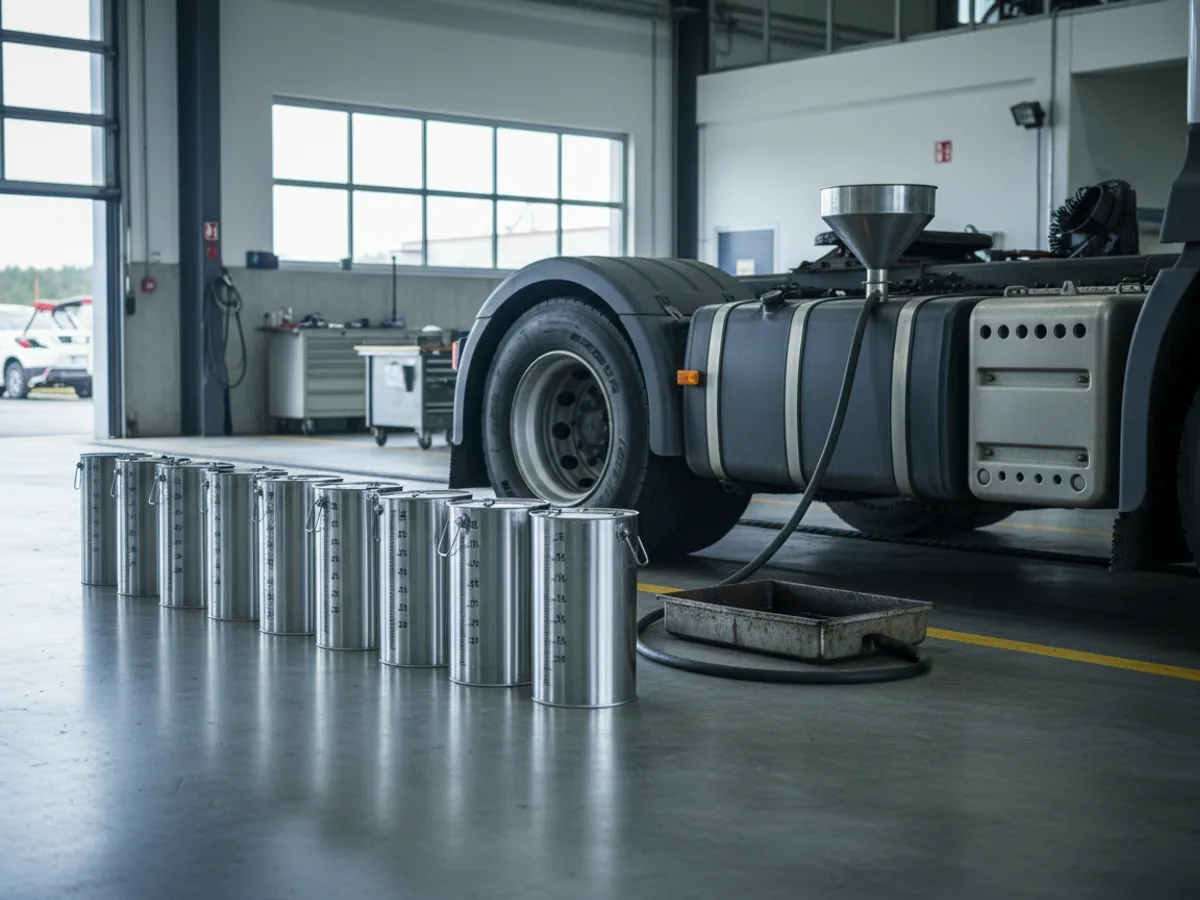
We drain and refill the tank in measured portions from the bowser and record the calibration table.
Checks on site
Data in Wialon, engine hours against the machine's own counter, boom and body tested in both modes.
A crew visit to a site in Fuzuli
A worked example: an excavator, two tipper lorries and a generator on a reconstruction site, fitted without stopping the work.
- Crew at the checkpoint, passes and briefing access
The contact details of the person responsible are agreed in advance, otherwise fitting on a closed site falls apart at the gate.
- Tipper lorries: tracker, fuel level sensor, body sensor shift change
We fit them while the machines are waiting to be loaded. A tipper lorry with a fuel level sensor takes 2–3 hours.
- The excavator has no CAN bus limitation
We take engine hours from the engine-operation sensor and load from a pressure sensor in the hydraulic system.
- Tank calibration during scheduled refuelling table
The bowser fills the tank in measured portions and the table goes into the report for that machine. The generator gets a battery-powered beacon.
- Checks: boom, body, idling handover
The operator works the boom in front of us: idling must not end up counted as work under load.
Why the figures for construction plant so often fail to add up
The problems of a construction fleet are not the problems of a haulage company. The machines do not run routes, they stand on sites for weeks, and the main losses happen where they stand:
Engine hours by word of mouth
The foreman writes 10 hours in the timesheet, the engine ran for 6, and of those the excavator dug for 3. The client is invoiced for one figure and the operator is paid for another.
Fuel from the bowser
The fuel bowser drives round the sites filling machines from its tank. Nobody checks how much of it actually went into the tanks.
Work on the side
In the evenings and at weekends machines go out on private jobs for neighbours. Tipper lorries and mini loaders most often of all.
Lost equipment
Generators, compressors, site cabins and trailers move between sites, and six months later nobody knows where anything is.
Solutions for different types of machine
Excavators, bulldozers, cranes
A ruggedised tracker connected to the CAN bus where there is one, plus a fuel level sensor in the tank. The key figure is engine hours, and what matters is work under load rather than an engine that happens to be running.
To tell digging from idling we fit a pressure sensor in the hydraulic system or read engine load over CAN on recent Komatsu, Caterpillar, Hyundai and Doosan machines. There is more on how working hours are counted on the page about engine-hour recording for plant.

What we need from you before we set off
A list of the machines
Type, make, model and year of manufacture of every machine, its registration or inventory number, and the site it is standing on now. From the year and the model we can tell whether there is a CAN bus and where to take engine hours from.
Access to the site
Site passes for the crew, a safety briefing if the main contractor requires one, and the contact details of the person responsible on the ground. Without these, fitting on a closed site often falls apart at the gate.
The machine and its operator for the duration
The machine needs to stand with the engine off on level ground, and the operator needs to be there to open the cab, start the engine for the checks and work the boom or the body.
Fuel for calibration
Calibrating a tank requires a bowser or a stock of diesel on site. It is best to combine fitting the fuel level sensor with a scheduled refuelling.
Your counting rules
Which hours you treat as working hours for the certificates you issue to the client: engine operation, or only work under load. The sensors and the report settings follow from that.
What the work covers and what falls outside it
Included
Inspection and selection of a kit for each machine, fitting of the tracker and sensors, cables run in conduit, sealing, tank calibration, connection to Wialon, configuration of site geofences, notifications and reports on engine hours and fuel, and a short briefing for the foreman and the dispatcher.
Not included
Repairs to the machine's wiring and hydraulics, replacement of faulty factory sensors, and fabrication of non-standard brackets for unusual machines. If we find a fault like that during the inspection, we tell you before fitting anything and agree it separately.
Depends on the machine
A pressure sensor in the hydraulic system, or reading load over CAN, only where that is technically possible on the particular model. On older machines with no electronics the options are limited, and we say so after the inspection.
After go-live
Ongoing support, moving equipment to a new machine and recalibration after a tank has been replaced are handled as separate jobs or are covered by a maintenance contract.
Typical kit by type of machine
Excavators and loaders
A ruggedised tracker, a fuel level sensor and either a pressure sensor in the hydraulic system or load data over CAN. The key figure is hours worked under load.
Bulldozers, rollers, graders
A tracker and a fuel level sensor, with engine hours taken from the engine-operation sensor or over CAN. For rollers and graders, reports on the sections covered and on speed are useful too.
Tipper lorries
A tracker, a fuel level sensor and a body-lift sensor. The report counts the runs and shows where the body was raised outside the site geofence.
Truck mixers
A tracker, a fuel level sensor and a drum rotation sensor with direction, so that you can see where the mix was discharged.
Mobile cranes and loader cranes
A tracker, a fuel level sensor and a sensor for the crane gear. If the crane has its own load limiter, reading data from it is something we discuss separately after the inspection.
Generators, compressors, trailers
A battery-powered beacon for location. A generator with access to a power supply can take an ordinary tracker and record engine hours as well.

Fitting on site without stopping the work
Construction machines cannot be driven to a workshop, so the crew comes to them. How we organise the work:
- Before setting off we get the list of machines with models and years of manufacture. We prepare the equipment and the mountings for each one.
- We fit during the shift change, the lunch break or at the end of the day. An excavator with a fuel level sensor and a hydraulics sensor takes 3–4 hours, a tipper lorry with a fuel level sensor 2–3 hours, and a tracker with no sensors about an hour.
- We calibrate the tank during refuelling from a bowser: draining and refilling in measured portions and recording the table.
- We seal every connector and photograph the fitting location for the report.
- The same day we check that data is arriving in Wialon.
- We explain briefly to the operators what has been fitted and why, so that the sensors do not get accidentally torn off at the very first wash.
For sites in Karabakh, Nakhchivan or the mountain districts we plan the visit in advance, so that a single trip covers everything working there. If a machine later moves to another site, the equipment stays with it and nothing has to be reconfigured.
How we hand over each machine
Data reaches Wialon
The machine is on the map, its coordinates update, ignition and supply voltage are visible. We check this with you present, right there on site.
Engine hours reconciled
We compare the system's figures with the machine's own engine-hour counter over a controlled stretch of work. If there is no counter, or it is faulty, we record that in the report.
The attachment responds
The operator works the boom or raises the body, the sensor registers the event, and idling is not counted as work. We check both modes.
Paperwork
The tank calibration table, photographs of the fitting locations and seal numbers for each machine. This is the material you will need in arguments about fuel drains and when seals are checked.
Engine hours for the certificate: a worked example
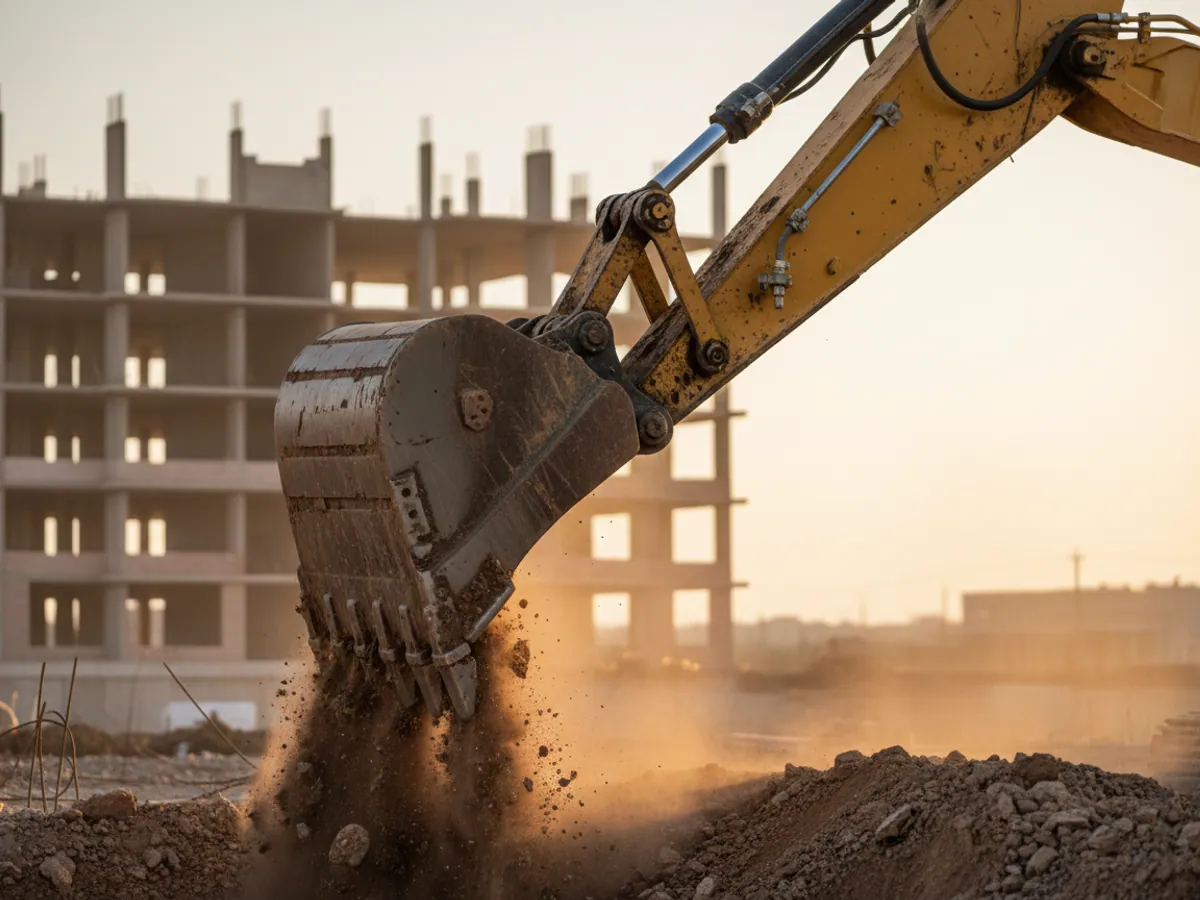
A company hires an excavator to a main contractor on an hourly rate. For the month, the foreman submitted a timesheet for 240 hours.
Here is what the system shows for the same month:
- engine running — 205 hours;
- of those, hydraulics working under load — 148 hours;
- idling on site — 57 hours;
- three trips outside the site at weekends, 11 hours of engine operation in total.
Which hours to put into the certificate depends on your contract with the client: some count engine operation, others only work under load. Either way, the 240 hours on the timesheet are not borne out, and the weekend trips call for a separate conversation with the operator.
With a report from the system, an argument with the client about hours usually ends quickly: both sides are looking at the same data. If the client wants to see the machines themselves, they can be given guest access to their own machines only.
Where the limits are
An honest account of what is worth knowing before you buy.
Older machines. An EO-2621, a T-130 and other machines without electronics have no CAN bus. We count engine hours from the engine-operation sensor and fuel from the fuel level sensor, and load only from a separate pressure sensor.
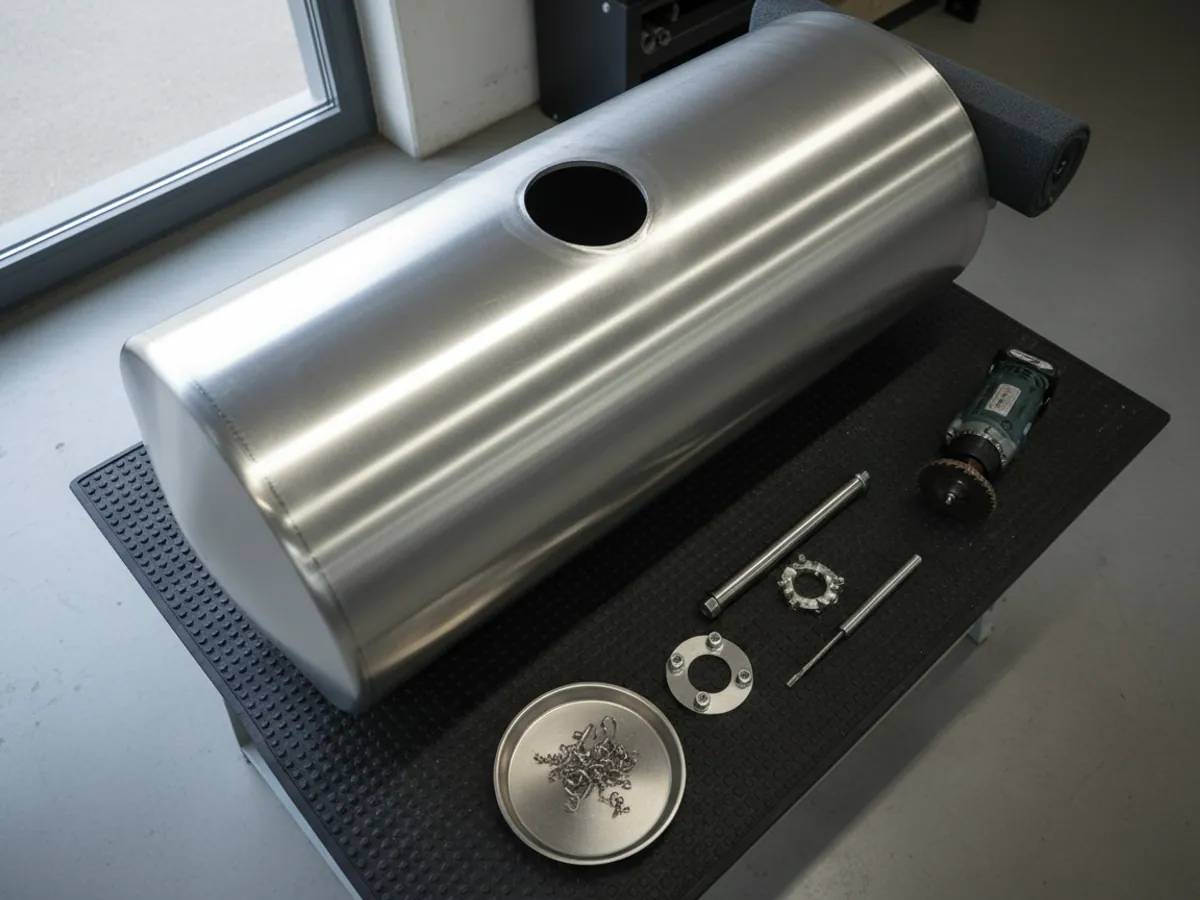
Awkwardly shaped tanks. On some excavators the tank is an awkward shape and the fuel level sensor is less accurate than it would be on the rectangular tank of a lorry. We warn you about this during the inspection.
Coverage. In quarries and mountain gorges the network can be weak. The tracker writes data to memory and sends it later, but such machines are not always visible in real time.
Theft. A tracker will show you where an excavator has been taken on a low-loader, but it will not stop it. For self-propelled machines you can add remote engine immobilisation, with the safety caveats that go with it.
The reports the foreman and the manager receive
Daily summary by site
Which machines were on the site, how many hours they worked under load and how long they stood with the engine running.
Fuel balance
How much the bowser issued, how much arrived in the tanks according to the fuel level sensors, and how much each machine burned. Discrepancies are highlighted.
Trips outside the site
Any departure from the site geofence outside working hours, with the track and the duration.
Engine hours for the certificate
A day-by-day breakdown for each machine in a format that is easy to attach to a certificate of completed works.
Where the equipment is
A list of generators, trailers and site cabins with their last known location and the site they are assigned to.
Servicing reminders
Machines whose accumulated hours mean an oil change, a filter change or hydraulic servicing is due.
What a construction company gets out of it
Fuel accounted for
Bowser refuelling and fuel drains on site end up in the report. We measure the effect on your fleet's own data: a baseline period is recorded and then compared with the period after. We do not name a percentage in advance.
Honest engine hours
Certificates for the client and operators' pay based on system data rather than on the foreman's timesheet.
The machines work more
You can see which machines are standing idle on one site while another is short of them. Fleet utilisation is convenient to review in the plant utilisation section.
Servicing by hours run
Servicing based on actual engine hours instead of the calendar. Fewer hydraulic and engine failures at the height of the work.



How to count engine hours
Which hours go into the certificate is decided by your contract with the client. The figures come from the worked example below.
| Foreman's timesheet | Engine-operation sensor | Hydraulics or CAN | |
|---|---|---|---|
| Does not depend on what people write down | No | Yes | Yes |
| Separates work from idling | No | No | Yes |
| Suitable for older machines | Yes | Yes | Yes, with a pressure sensor |
| Day-by-day breakdown in Wialon | No | Yes | Yes |
| Example for the month | 240 h | 205 h | 148 h |
Questions about “GPS monitoring for construction equipment”
Request a call
A specialist will call back and match a solution to your fleet and your task.
Similar scenarios
How similar jobs are done on Teltonika hardware
Recording plant and heavy equipment work with EYE sensors
Agriculture, construction and mining

Plant tracking with no jumps or gaps in the track
Agriculture, construction and mining
Where the miners are underground: ATEX beacons
Assets and workforce