

A system for monitoring fuel use and preventing theft
The fuel level in the tank in litres, refuelling, drains and consumption against your norms — built on the standard Wialon functions, fuel level sensors and configuration by GPS.az. The system flags fuel drains, discrepancies with receipts and use of vehicles for private work; the decision in each case is taken by the person responsible.
See a demo built around your task
Fuel is your money, not a bonus for the driver
For a transport company fuel is usually one of the largest cost lines, and without monitoring it is hard to verify. Fuel drains, games with fuel cards and inflated mileage turn up in fleets of every kind. Wialon makes fuel consumption transparent. We compare three figures: how much fuel was bought (by the receipts), how much of it reached the tank (by the sensors) and how much the engine actually burned. The gap between them is a reason to look closer: some of it will prove to be losses, some an error in the norm or a fault.
High-accuracy fuel level sensors
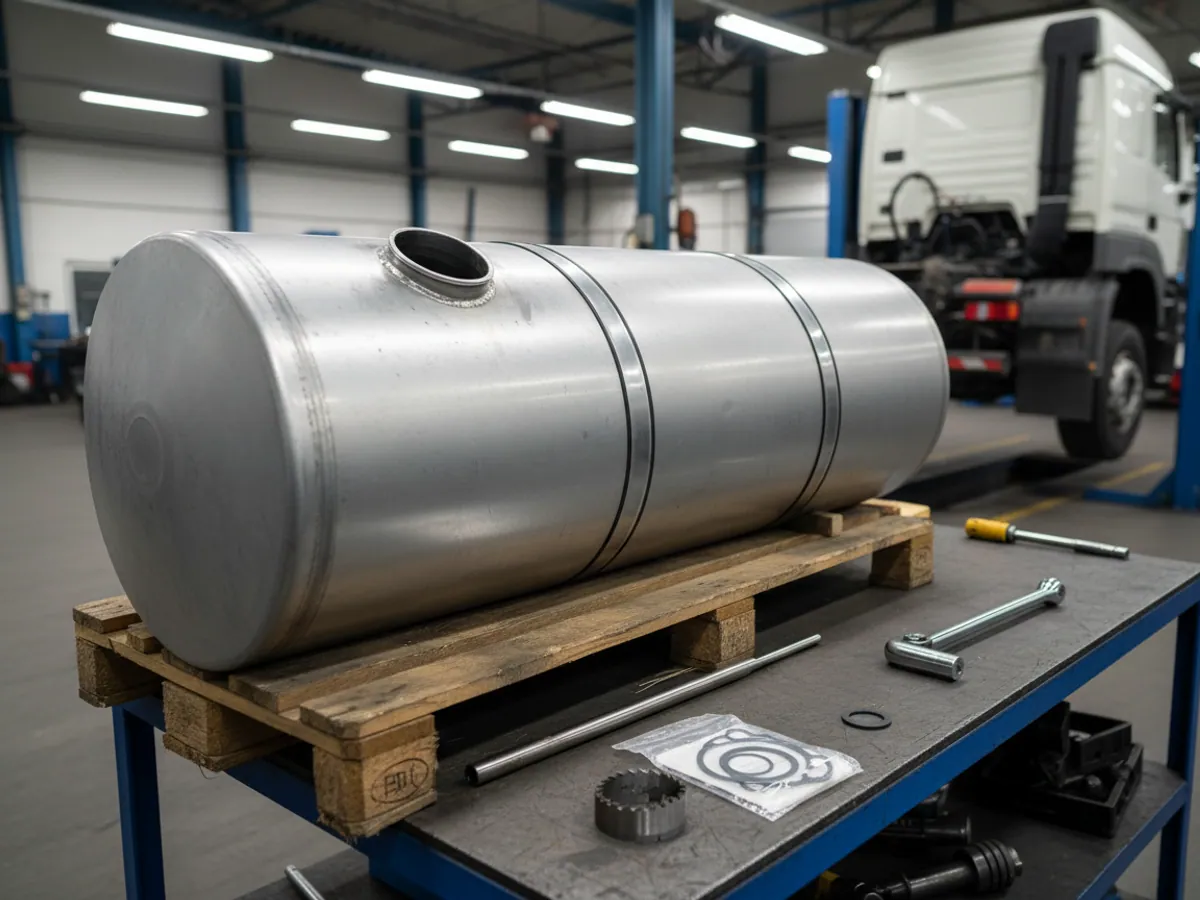
The standard gauge on the dashboard is coarse and says nothing about a drain while the vehicle is parked. We fit digital capacitive fuel level sensors into the tank and calibrate them to the shape of that tank; after calibration the error in the level reading is usually 1–2%. The readings go to Wialon, where the algorithms filter out the movement of liquid while the vehicle is driving and produce a clean chart: you see every refuelling and every litre that has left the tank.
What this is: a standard function, configuration work, or an application of its own
- The name: Fuel Management is our own name for the fuel control package, not a separate Gurtam application.
- Standard Wialon functions (Gurtam): level and consumption sensors, reports on refuelling and drains, consumption norms, notifications, import of refuelling data.
- Equipment: a fuel level sensor in the tank and/or a connection to the CAN bus, and a tracker with the inputs required.
- Configuration by GPS.az: fitting and calibration of the fuel level sensor, filtering of fuel movement, thresholds for detecting refuelling and drains, norms by season, report and notification templates, and training for the person responsible.
- Licence: your own Wialon account is used; the terms are stated in the commercial offer.
Common fuel theft schemes
Drivers can be endlessly inventive. Wialon helps to spot the most widespread schemes and to prove them:
Drains from the tank
Fuel taken straight out through a hose at a standstill, or through the return line while the vehicle is moving. The system records the sharp fall in level.
Fake receipts
The driver buys a receipt at the filling station, or comes to an arrangement with the attendant, putting less into the tank than the company has paid for.
Odometer tampering
Mileage inflated artificially so that fuel can be written off against the norm for a journey that never happened.
Idling
Long stops with the engine running — for heating, say, or for sleeping — burning the company's resources for nothing.
Wialon analysis tools
Charts
The level, visualised
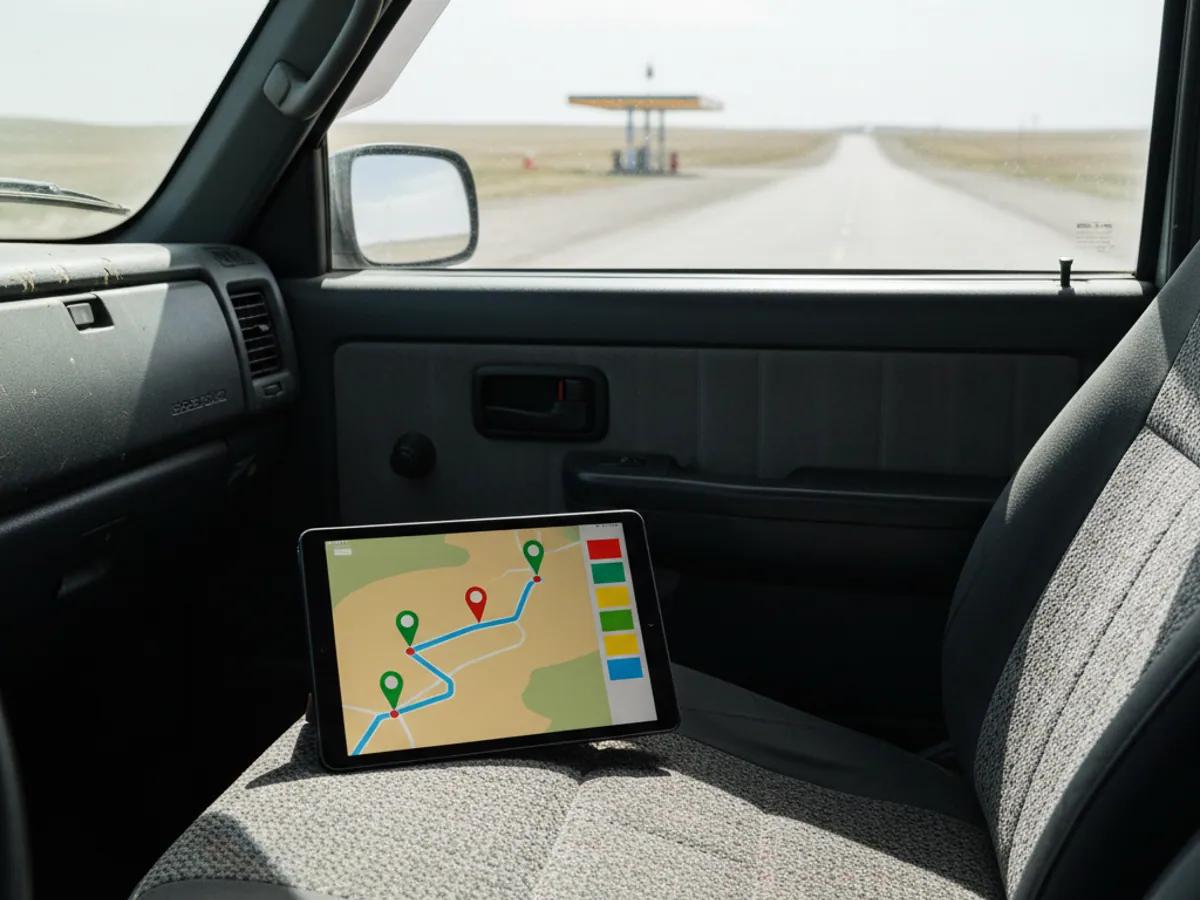

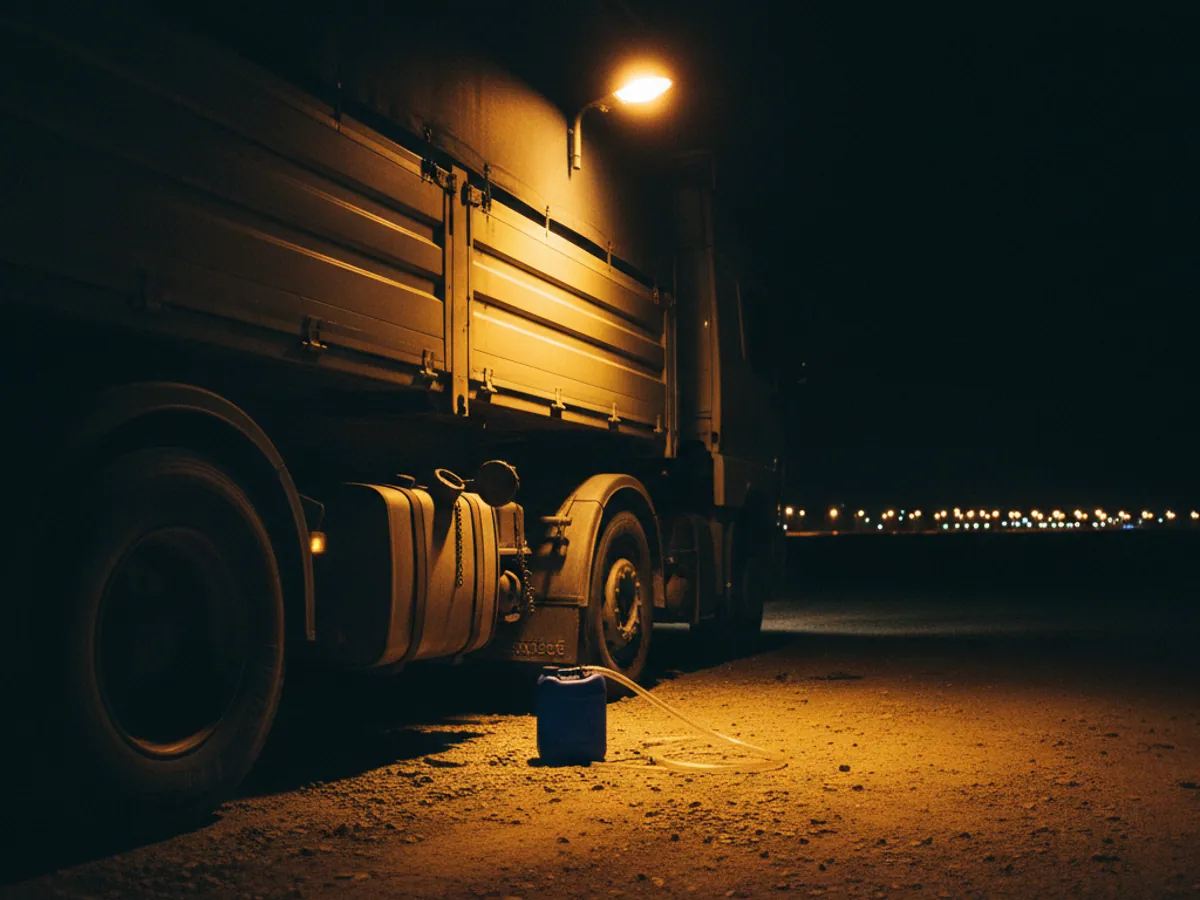
Integration with fuel cards
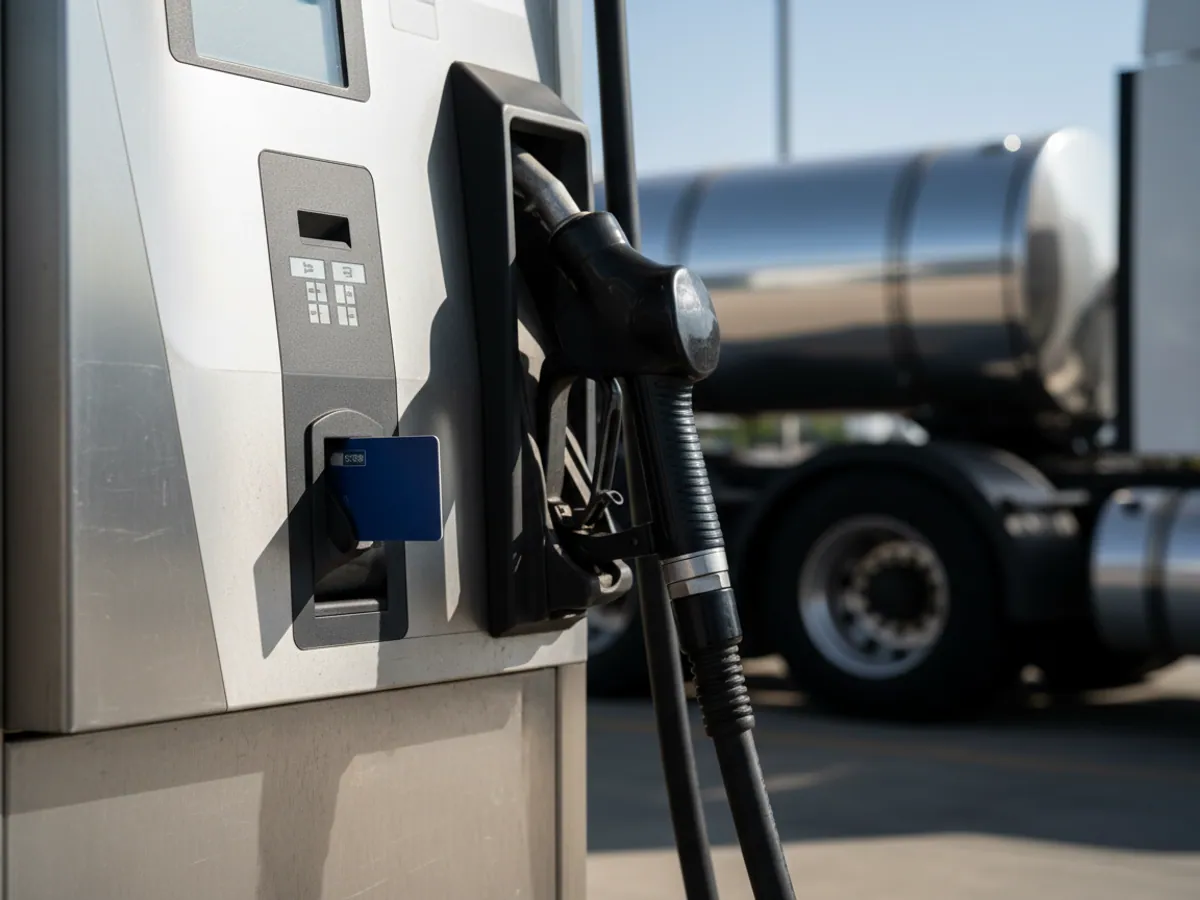
Trust, but check. Wialon can take in statements from fuel card operators (SOCAR, Azpetrol, Lukoil and others). The statement is uploaded by hand or exchanged on a schedule, after which the system reconciles the transactions with the refuellings seen by the fuel level sensor. If the card was charged for 200 litres at 14:00 but the sensor shows that only 20 litres reached the tank — or that the vehicle was somewhere else at the time — the transaction goes onto the list of discrepancies. The person responsible then works through it, checking the time, the place, the sensor readings and the driver's explanation.
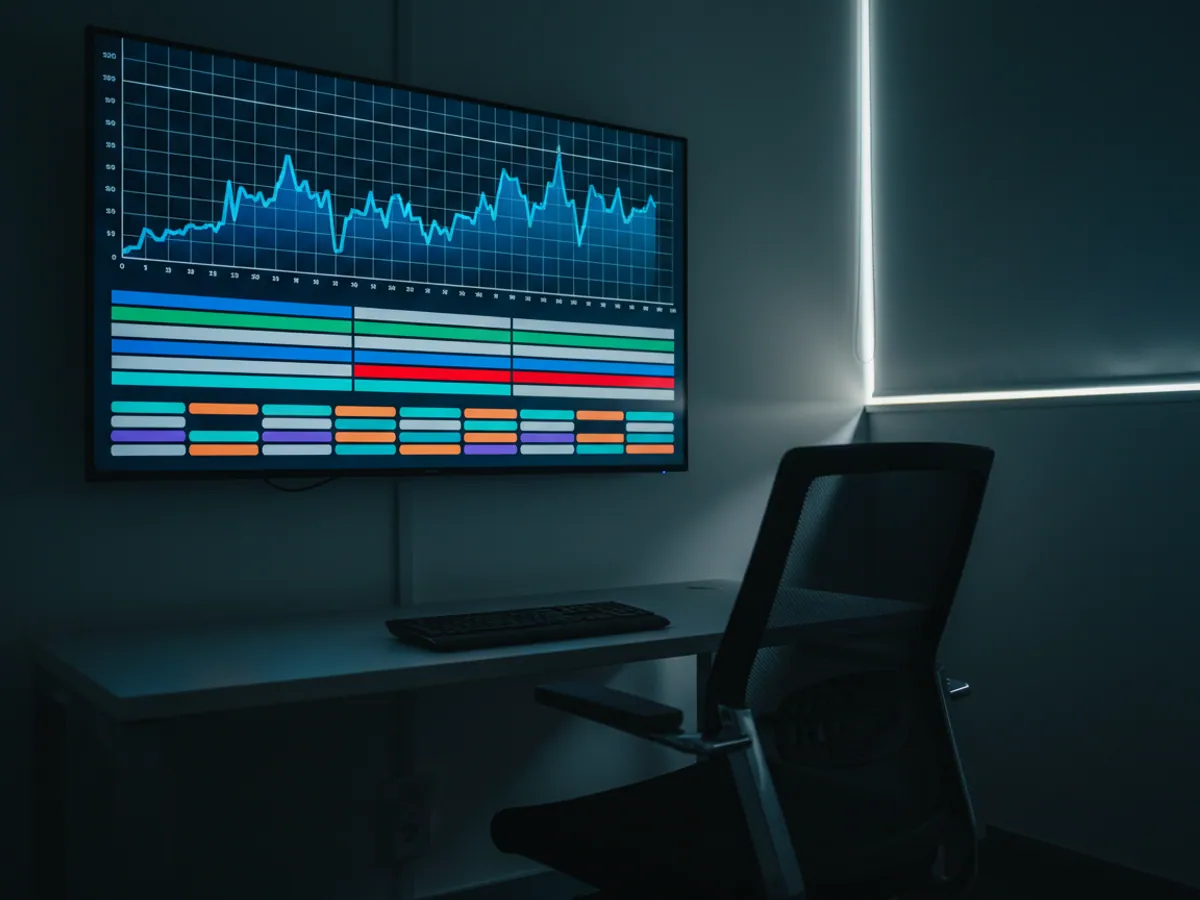
What a fuel report looks like
A report for a period, on one vehicle or a group, comes in several parts:
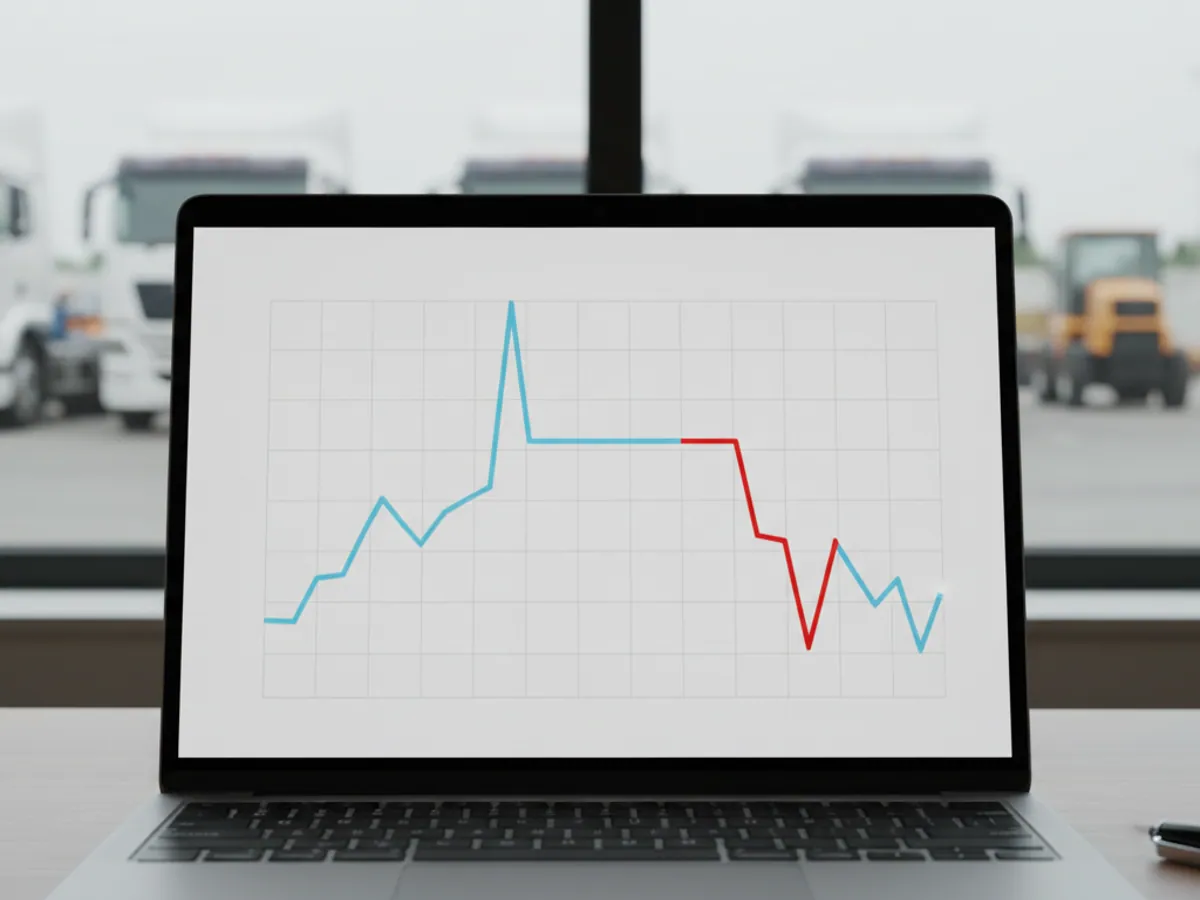
- the fuel level chart, where refuellings are steps up, drains are sharp falls and consumption is a steady line;
- a table of refuellings: date, place on the map, the level before and after, the volume;
- a table of drains with the same set of fields;
- the totals: opening and closing level, fuel added, fuel used, average consumption per 100 km or per engine hour, and the deviation from the norm.
Where fuel cards are reconciled as well, a table of transactions is added, highlighting the differences between the volume paid for and the volume that went into the tank. The limits: without a fuel level sensor, or CAN data on consumption, drains are not visible; on small tanks, and where calibration has been done badly, small drains sink into the margin of error.
What the solution gives you
Savings you can see
We work the effect out from pilot data on your own fleet
Discipline
Fuel drains and unauthorised runs come to light
Technical monitoring
A faulty fuel system is identified
Route optimisation
Less running with an empty load
Frequently asked questions
Request a call
A specialist will call back and match a solution to your fleet and your task.