
Monitoring of fixed assets
Assets that never move lose fuel as well, and now and then they go missing themselves: diesel generators on remote telecom and oil and gas sites, fuel tanks at filling stations and vehicle depots, storage tanks for petroleum products, ATMs, pumping stations belonging to the water utilities. Accounting for fuel and lubricants from a fuel level sensor (after calibration the level measurement error is usually 1 to 2%), detection of tampering and unauthorised movement, and servicing planned on actual running hours. For hazardous areas we specify explosion-protected equipment against the project documents.
Fixed assets as a class of task in their own right
Generators on remote sites, fuel tanks on construction sites, pumping stations, containers holding telecom equipment — all of it runs without permanent staff on site. The losses here come mainly from diesel theft, unrecorded running of the machinery, and downtime caused by missed servicing.
In short, what monitoring gives you. The level sensor shows refuelling, consumption and drains; the engine running signal gives the hours worked; tamper and movement sensors show interference. Servicing is planned on actual engine hours. It all depends on two things at the site, power and a connection: they decide which tracker goes in and how quickly an alert will arrive.
Where the boundary lies. GPS monitoring does not replace industrial automation and SCADA: it does not control the process, it does not regulate pressure and it is not a safety instrumented system. Its job is to account for fuel, running hours and events, and to alert the people responsible.
What do we track?
Solutions for fixed assets of every kind
Fuel
tanks
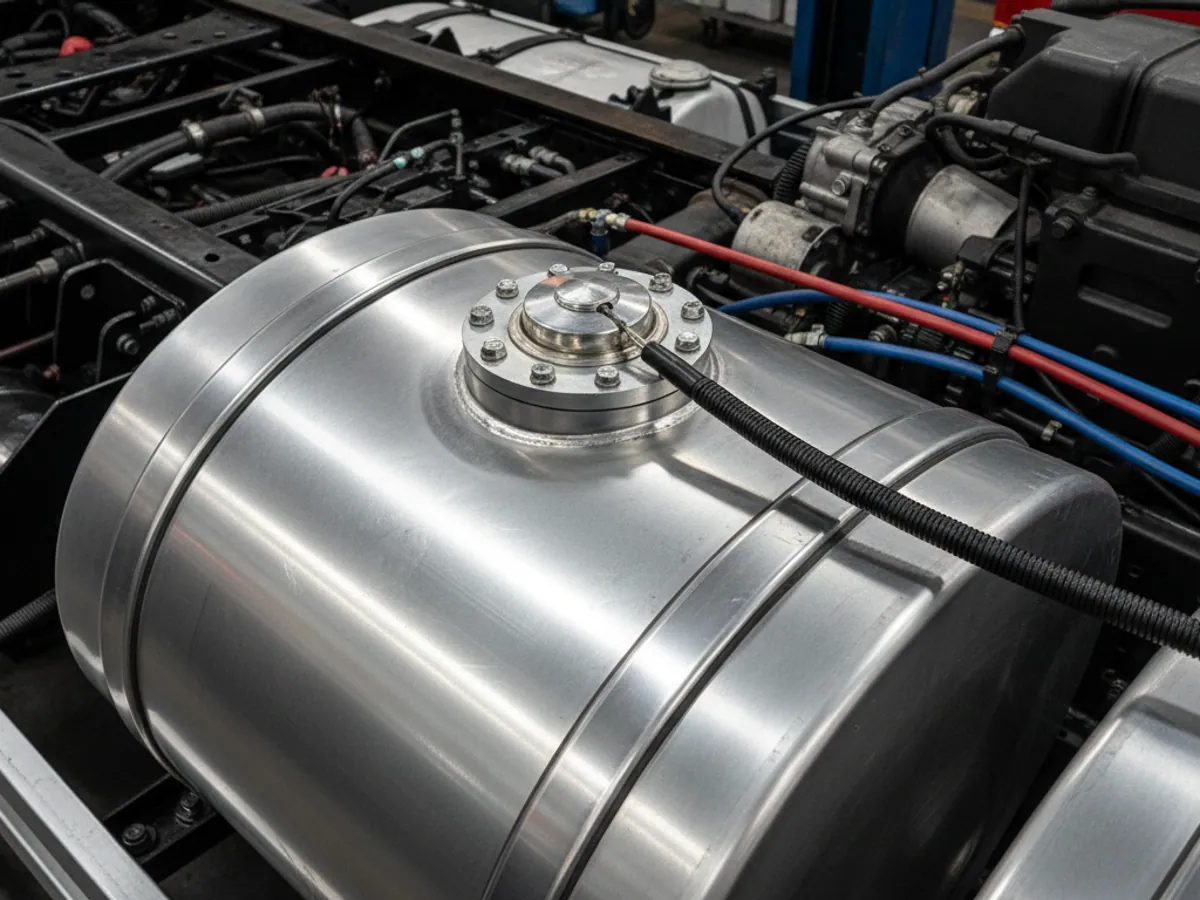
Monitoring of diesel and petrol levels in fixed and mobile fuel tanks at filling stations, in vehicle fleets, on construction sites and in depots. Drains are spotted from the level graph, and a report gives the stock remaining at the end of the shift; accuracy depends on the sensor, the shape of the tank and the calibration.
Diesel
generators
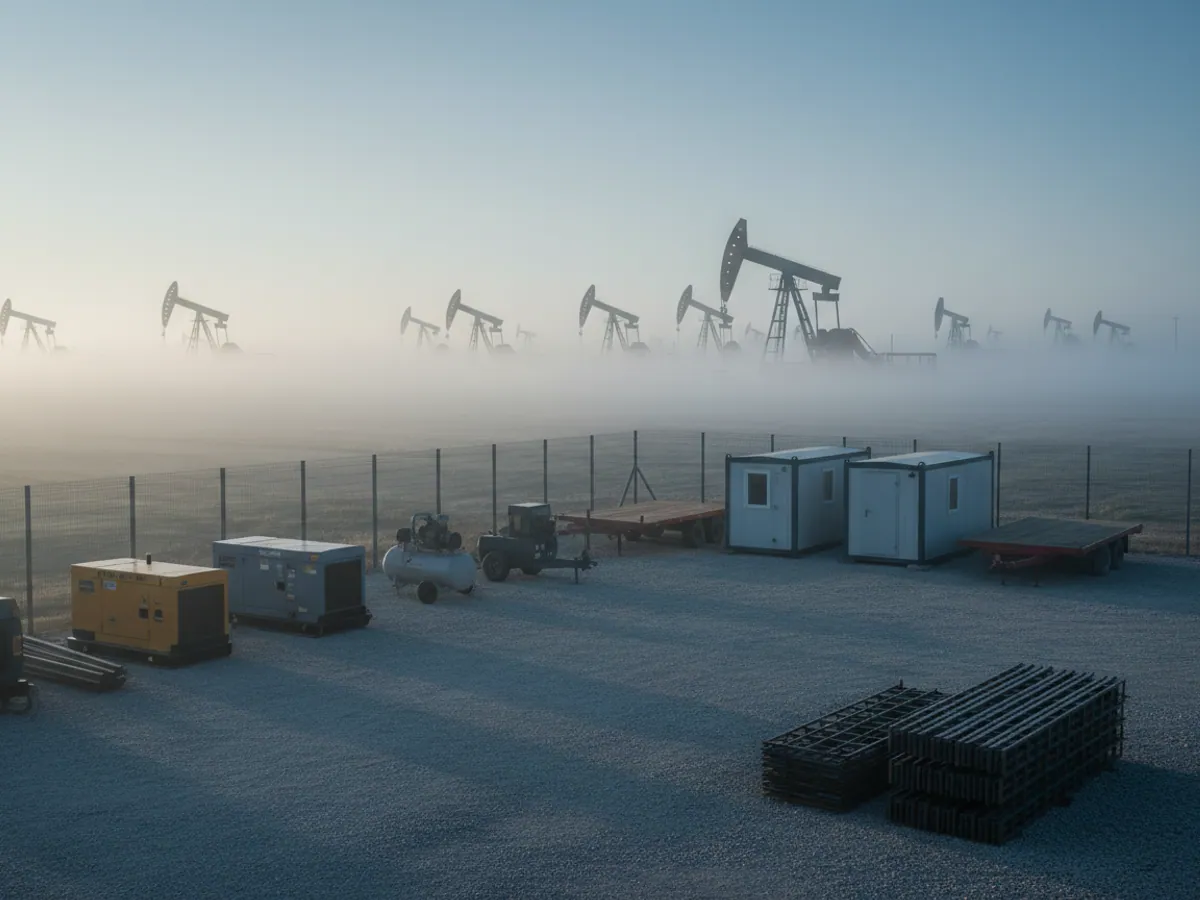
Engine hours, diesel consumption and load recorded for standby and continuous diesel generators on telecom, banking and industrial sites. Checking that they run to schedule, spotting fuel drains and, where required, a start-inhibit relay working to an agreed scheme.
Storage tanks
and cisterns
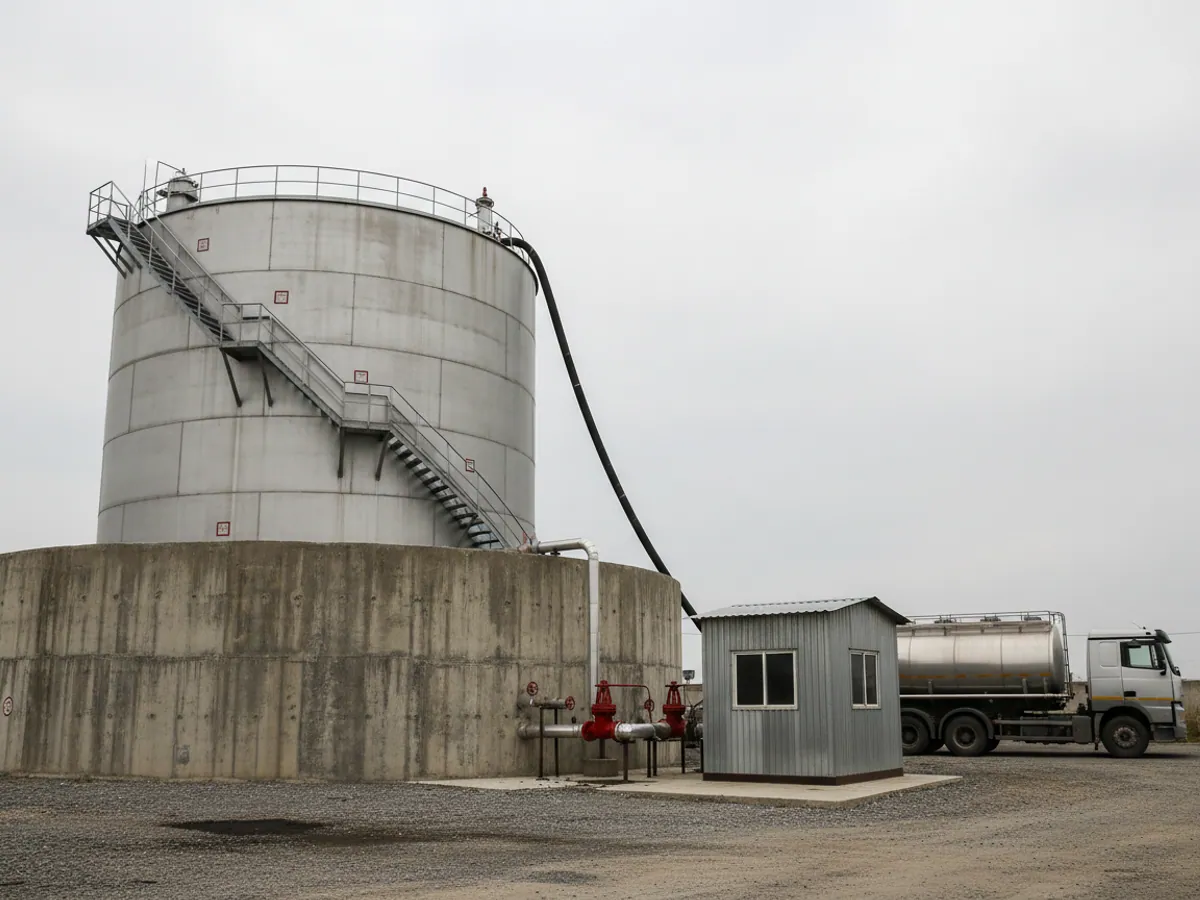
Capacitive, ultrasonic or radar level sensors — the choice depends on the height of the tank, the medium inside and the access from above. For tall tanks and aggressive media we decide after a site visit; the accuracy we quote is the one in the chosen sensor's data sheet.
Water pumping
stations
Monitoring of water utility pumping stations, irrigation systems on farmland and treatment works. Signals for pump running, faults and, where sensors with a suitable output are fitted, pressure. Monitoring reports events; it does not replace the station's control system.

Other fixed
assets
Kapital Bank and PASHA Bank ATMs and terminals, containers holding communications equipment, weather stations, 4G and 5G base stations. Condition, temperature, tampering and power supply monitored on one platform with configurable access roles.

The main tasks
Level and consumption
Once the sensor has been calibrated to the shape of the particular tank, the level measurement error is usually 1 to 2%. For tanks where cutting into the shell is best avoided, we look at non-contact sensors; whether they will work is checked on site.
Protection against drains
An alert on a sharp drop in level outside working hours, on an attempt to fake a refuelling, or on the sensor being disconnected. The notification reaches the person responsible with the place, the time and an estimate of the volume; where there is a connection, usually within a couple of minutes, and where there is not, once it comes back.
Temperature
Monitoring of the temperature regime in tanks holding petroleum products, chemical reagents and foodstuffs. A warning of overheating or of the contents getting too cold, with the cause recorded — solar gain, failed insulation, or heating that has broken down in winter.
Engine hours and running
Accurate recording of the hours run by generators, pumps and compressors, taken from vibration, current draw and engine temperature. Servicing is planned on actual running hours rather than on the calendar: a machine that has done little work is not serviced early, and a hard-worked one is not overlooked.
The specification starts at the socket
On a site visit the first thing we look at is whether the site has power and a signal. After that the set almost puts itself together.
There is permanent 12 or 24 V power
A generator, a pump, a compressor. We fit a wired tracker and connect a fuel level sensor and the engine running signal to it. Points come in frequently, and an inhibit relay can be added.
There is no power at all
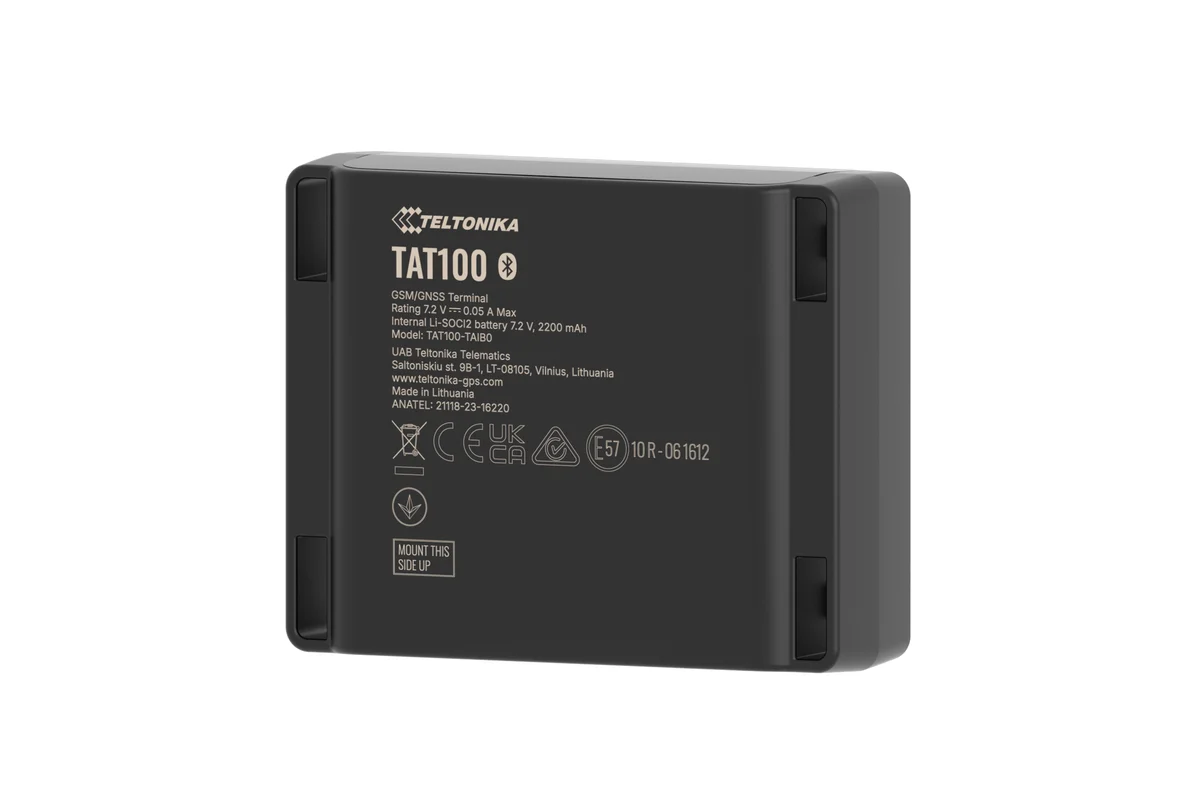
A standalone tank, a site cabin, a container of equipment. A self-powered battery tracker such as the TAT100 does the job: it reports movement and tampering, but it cannot measure the fuel level by itself.
Temperature or humidity is needed
A server room in a container, a store of medicines, a tank of reagent. Wireless sensors are fixed inside and send their data to the tracker through the wall, with no cabling.
The site is outside network coverage
A yard in the mountains or out on the steppe. The tracker stores data in memory and sends it in a batch when the signal returns. An alert about a drain at a site like this will arrive late — that has to be understood in advance.
What a night-time drain looks like on the graph
A generator on a construction site in Karabakh powers the concrete plant during the day and stands shut down at night. At 02:15 the level in the tank falls by 60 litres in six minutes. The engine was not running at the time and the engine hours did not change.
For the system that is unambiguous: consumption without work. The notification goes to the site manager on Telegram, and in the morning there is a time, a place and a volume. Litres like these used to be written off with a shrug about the generator being thirsty.
The opposite case happens too. At a telecom mast the level falls slowly and steadily, while on the schedule the generator should be silent. It turns out that after a mains outage it simply runs more than anyone in the office thought. There is no drain, there is a wrong consumption norm — and that is a valuable finding as well.
For graphs like these to be honest, the sensor has to be calibrated properly for the particular tank. A horizontal cylinder, a rectangular tank built into a body, and a home-made vessel welded from sheet all give a different relationship between litres and level. Skip the calibration and the reports will be out by tens of litres. On choosing sensors for work like this, see the pages on the Escort TD-600 and on fitting fuel level sensors, and on recording how long equipment has run, the section on engine hours.
Power, connectivity and alerts: what to settle before fitting
For hazardous areas, we select equipment for the site's zone classification and check the exact model's ATEX/IECEx certificate. We agree on installation approval and procurement conditions with the site owner before supply. For government bodies we can supply equipment, keep the servers in Azerbaijan and prepare the documentation in Azerbaijani in line with the public procurement law.
Before integrating with SCADA, operator telemetry or ERP, we agree on the protocol, access, fields and responsibilities. We confirm compatibility with the specific system in a pilot. Fuel and engine hour data can then feed the operational picture of the enterprise as a whole, without replacing the systems already in place.
Power. Where the site has 12 or 24 V, a wired tracker with a backup battery goes in: it will also report the loss of the main supply. Without power, a self-powered battery tracker does the job — it will show movement and tampering, but it cannot measure the fuel level by itself. In summer on the Absheron peninsula enclosures in direct sun get very hot, so we choose a mounting position in the shade and check the operating temperature range in the data sheet.
Connectivity. Before fitting, we check the coverage on site. Where there is no signal, data accumulates in memory and the alert arrives late — that belongs in the written procedure, not in the discovery you make after the first drain.
Alarm handling. A simple chain works well: an event (a drain, an unscheduled start, tampering, loss of power) goes to the person responsible on Telegram or by SMS, they confirm that they have seen it, and if no confirmation comes within a set time it escalates to their manager. Who is responsible at each step is written into the internal procedure before go-live.
The best equipment
Ultrasonic and radar fuel level sensors and flow meters

Teltonika FMC130

Teltonika FMB140

Teltonika FMC920

Teltonika FTC927

Teltonika FMC650
Teltonika TAT100

Teltonika GH5200
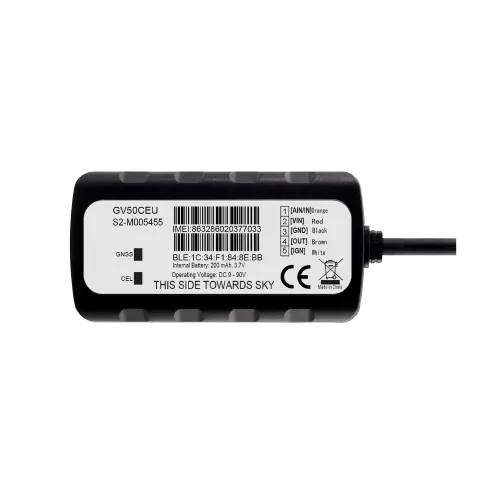
Queclink GV50
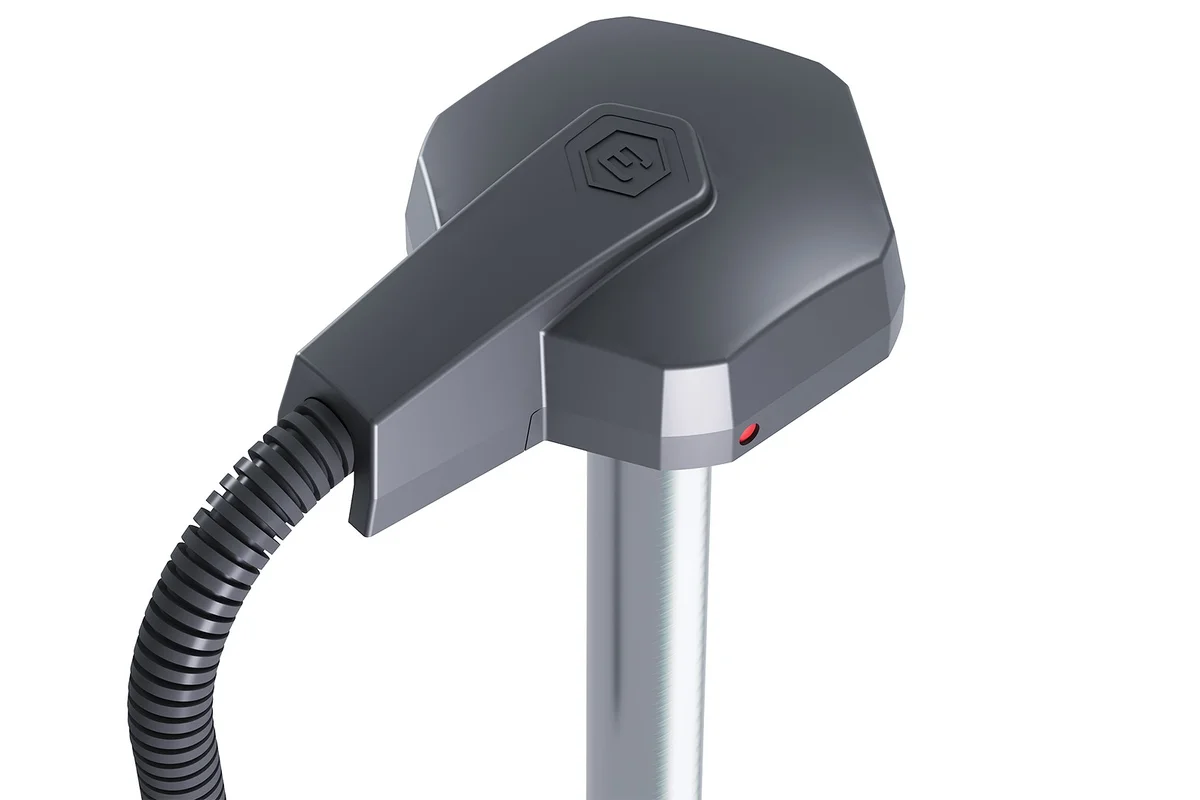
Escort TD-600
Escort TD-10R
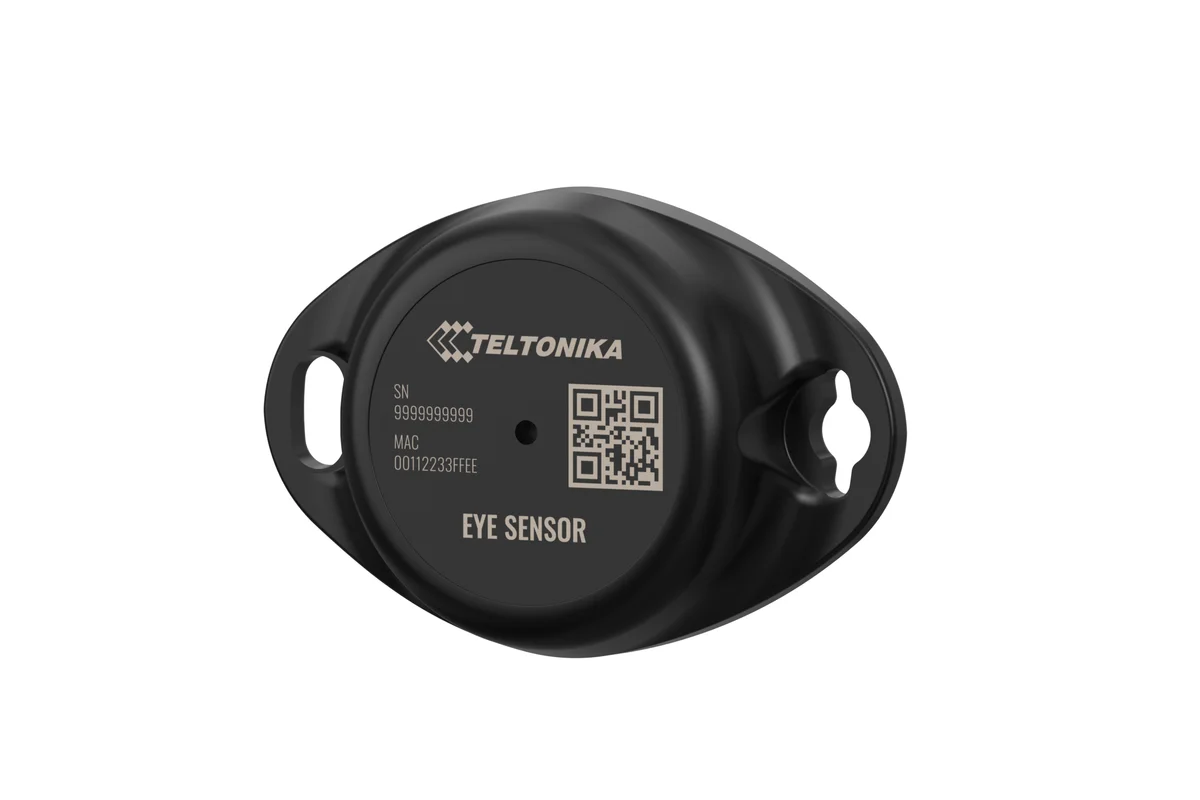
Teltonika EYE Sensor

BLE TPMS
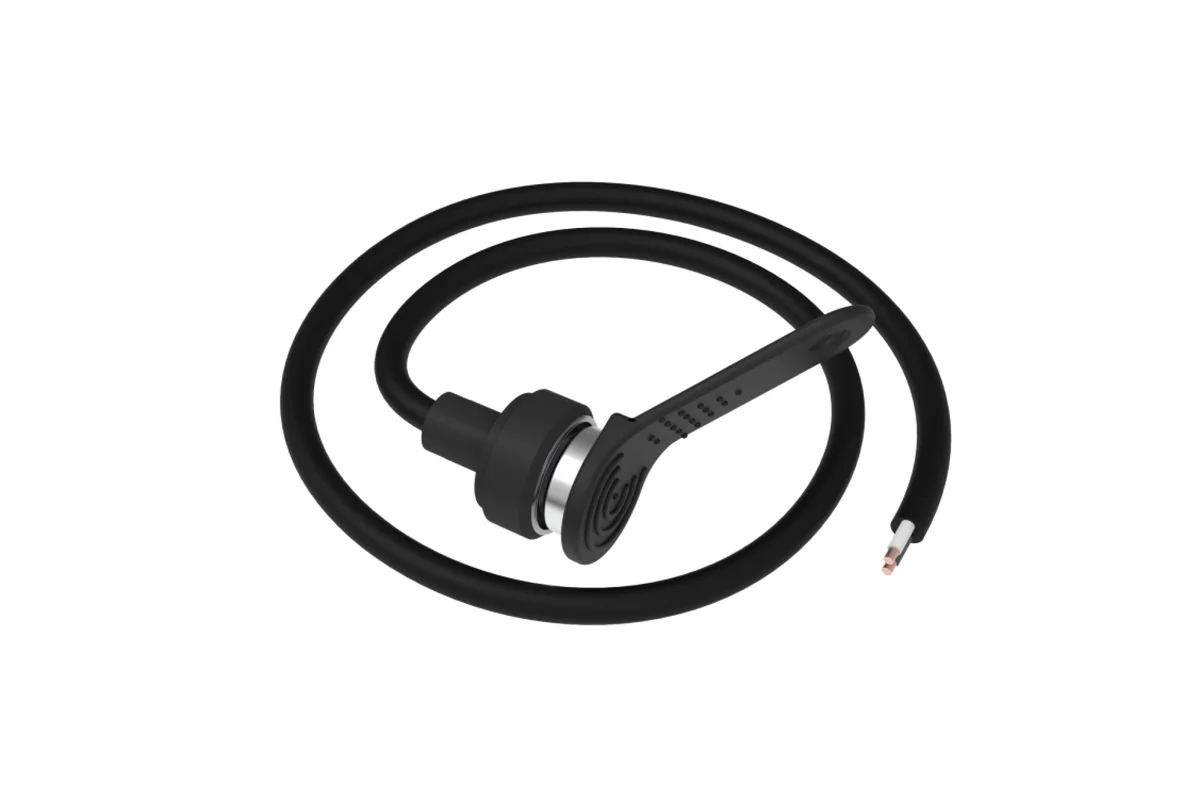
Driver identification
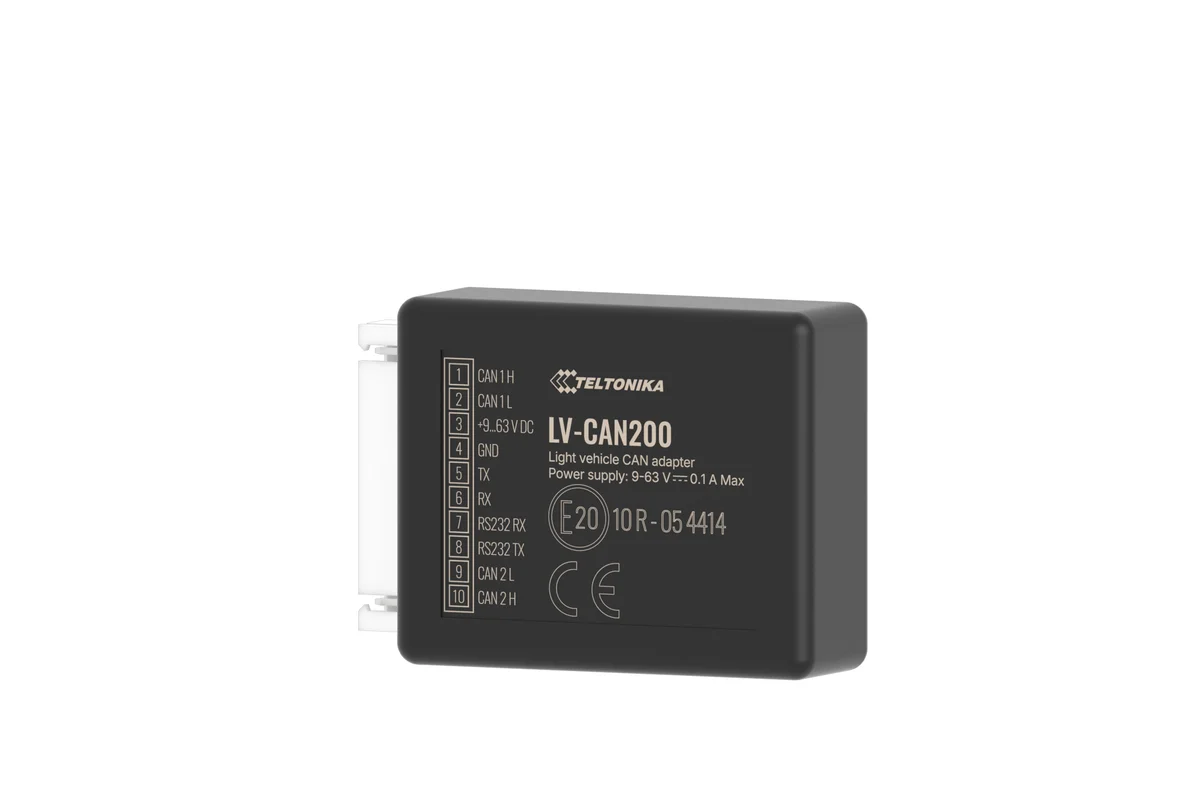
CAN adapter
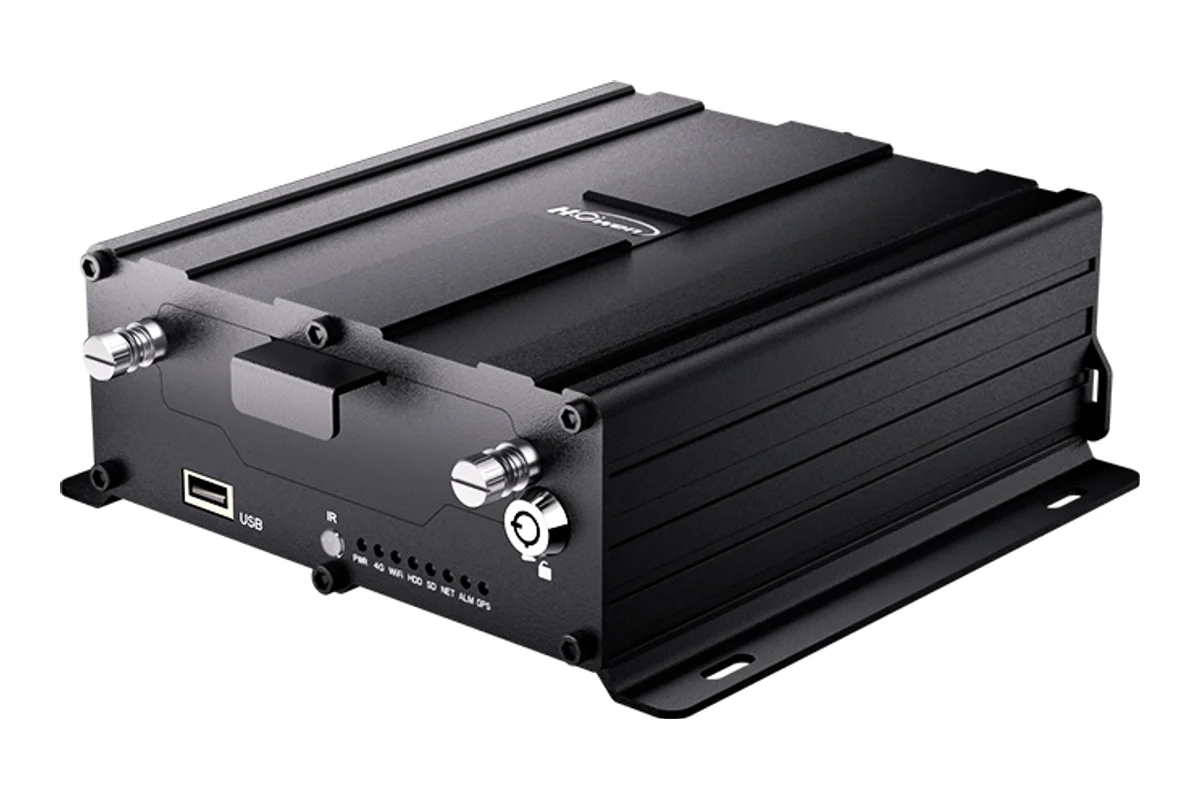
Howen Hero MDVR
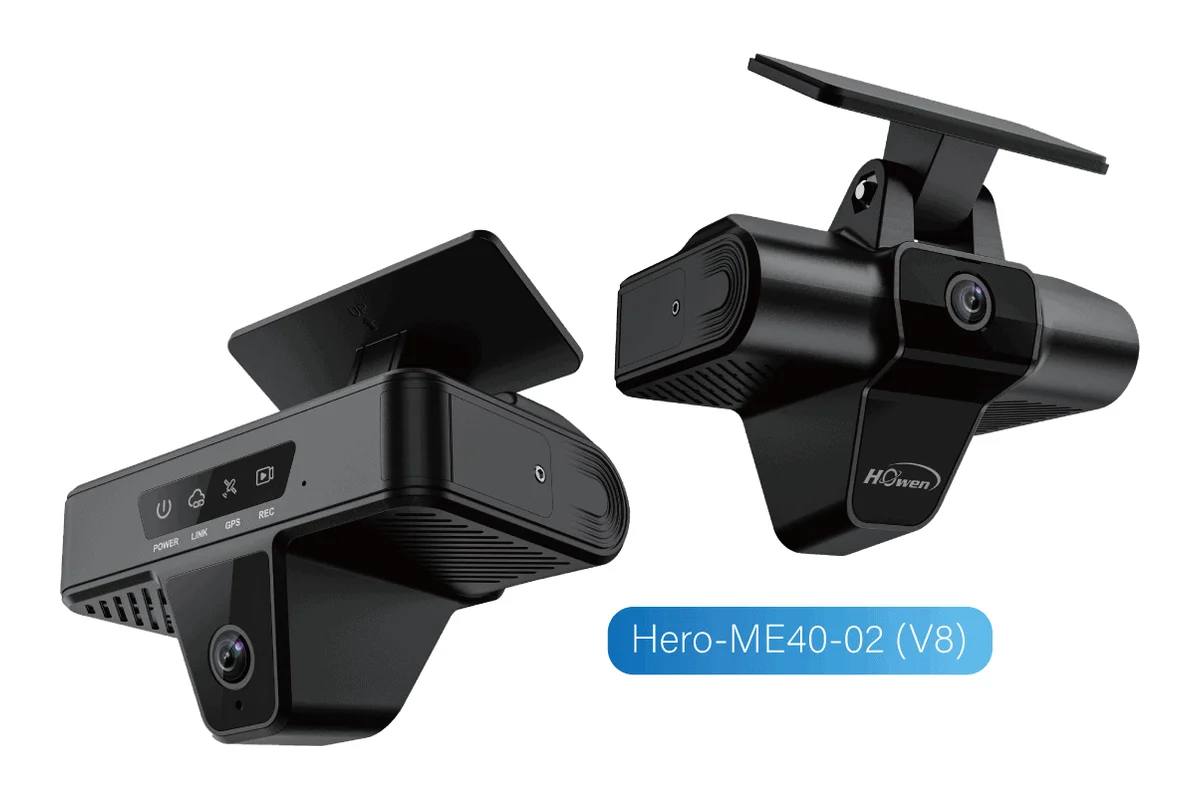
Howen V8 AI Dashcam
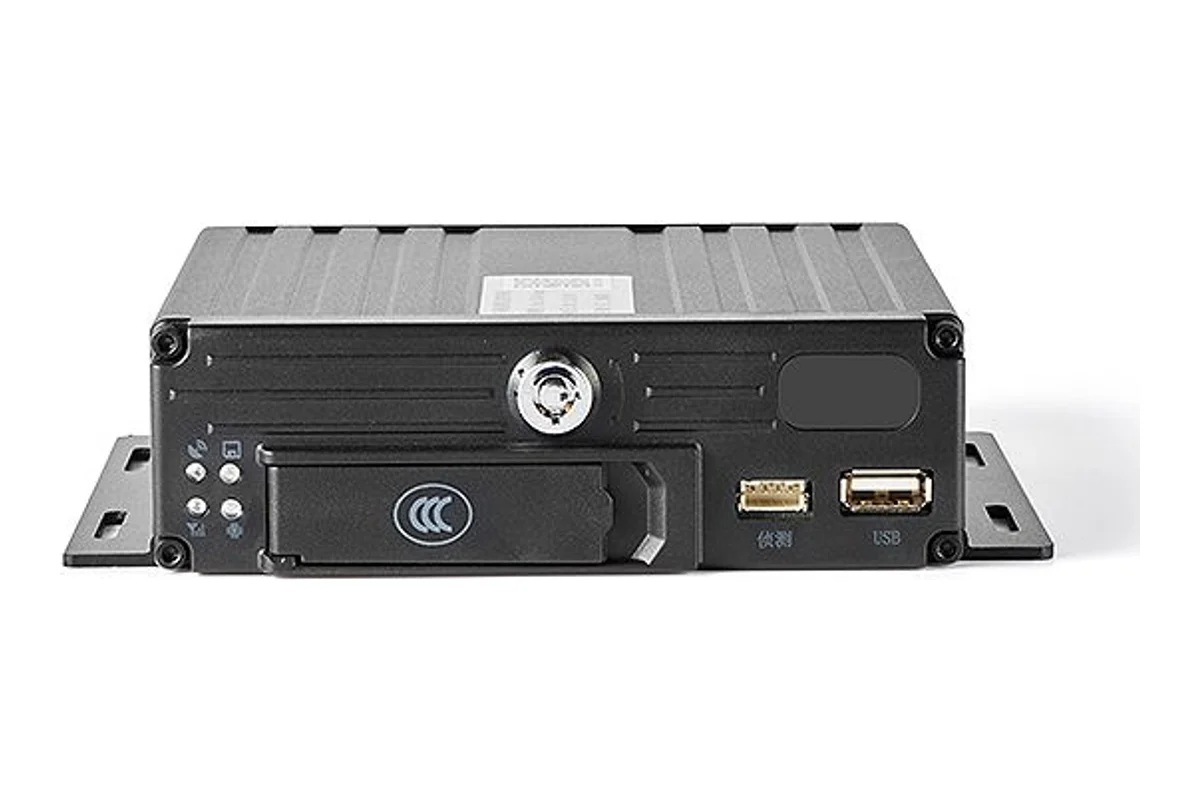
BSJ ED02R-V2
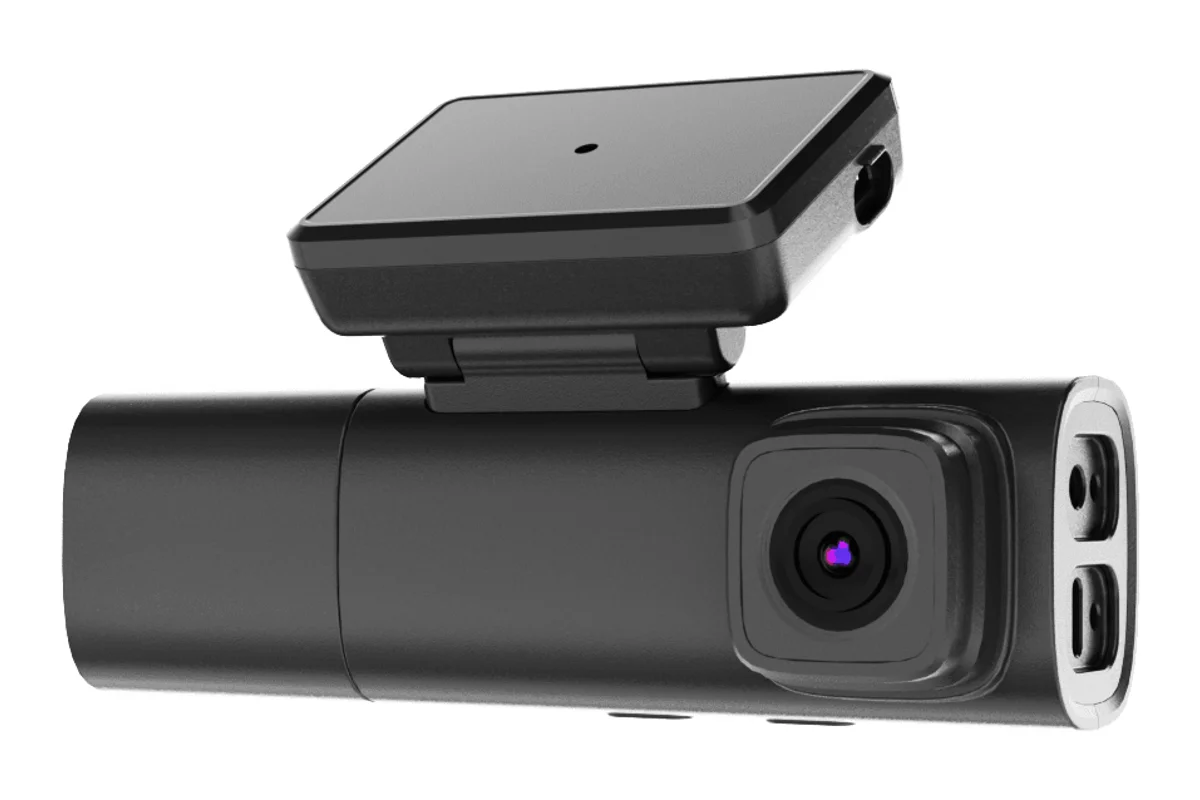
BSJ DR03
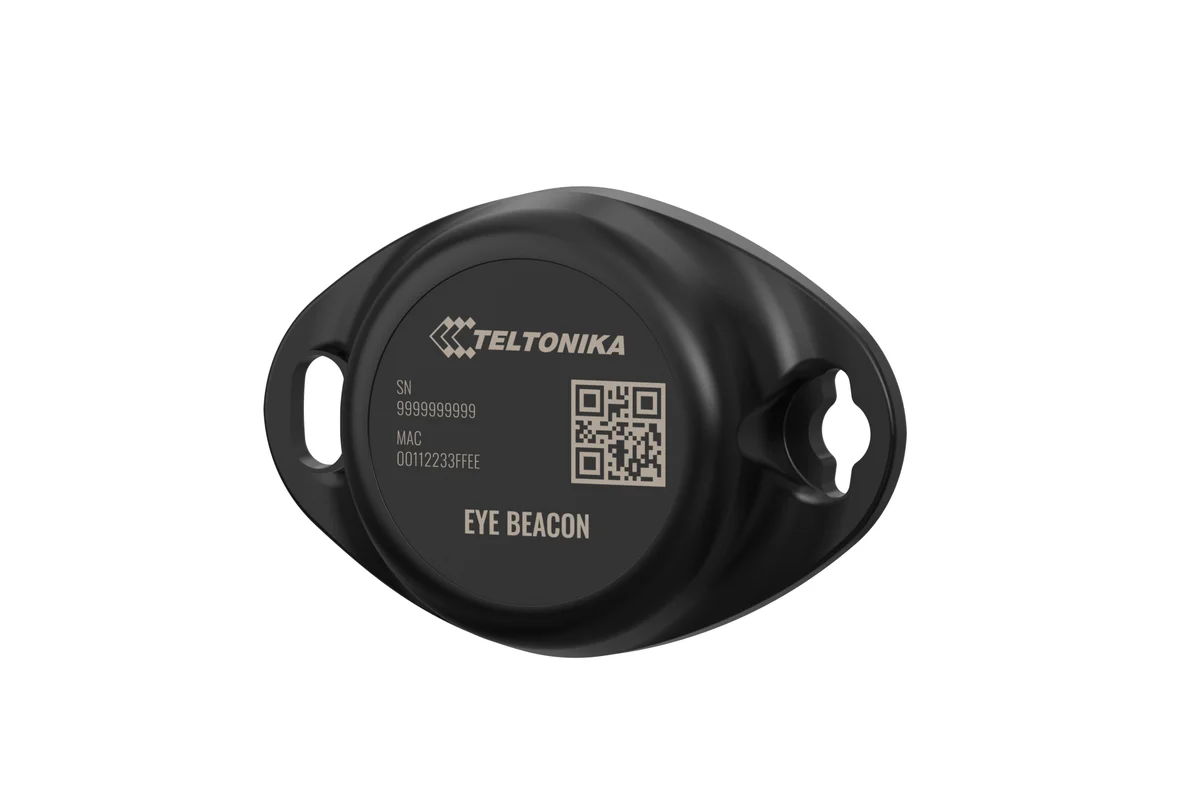
Teltonika EYE Beacon
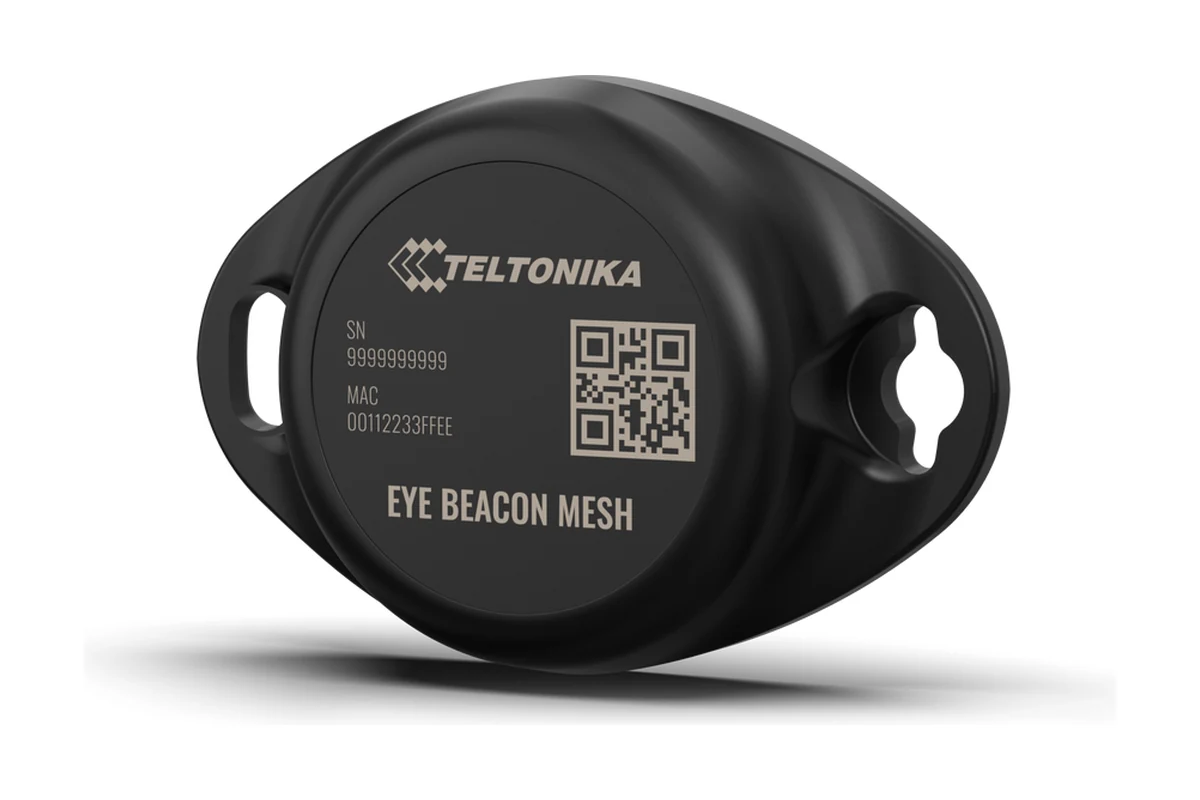
Teltonika EYE Mesh
Theft savings calculator
Work out how quickly the system pays for itself across your fixed assets
A scenario, not a promise: the actual effect is checked on a pilot with your own fleet.
Frequently asked questions
Stop the drains. Monitoring 24/7
We will put together a solution for your tanks, generators, storage vessels or pumping stations, taking power, connectivity and the medium into account. A pilot on a handful of sites is a comfortable place to start: it shows how much fuel is actually going and which alerts you need.
Request a quotation