
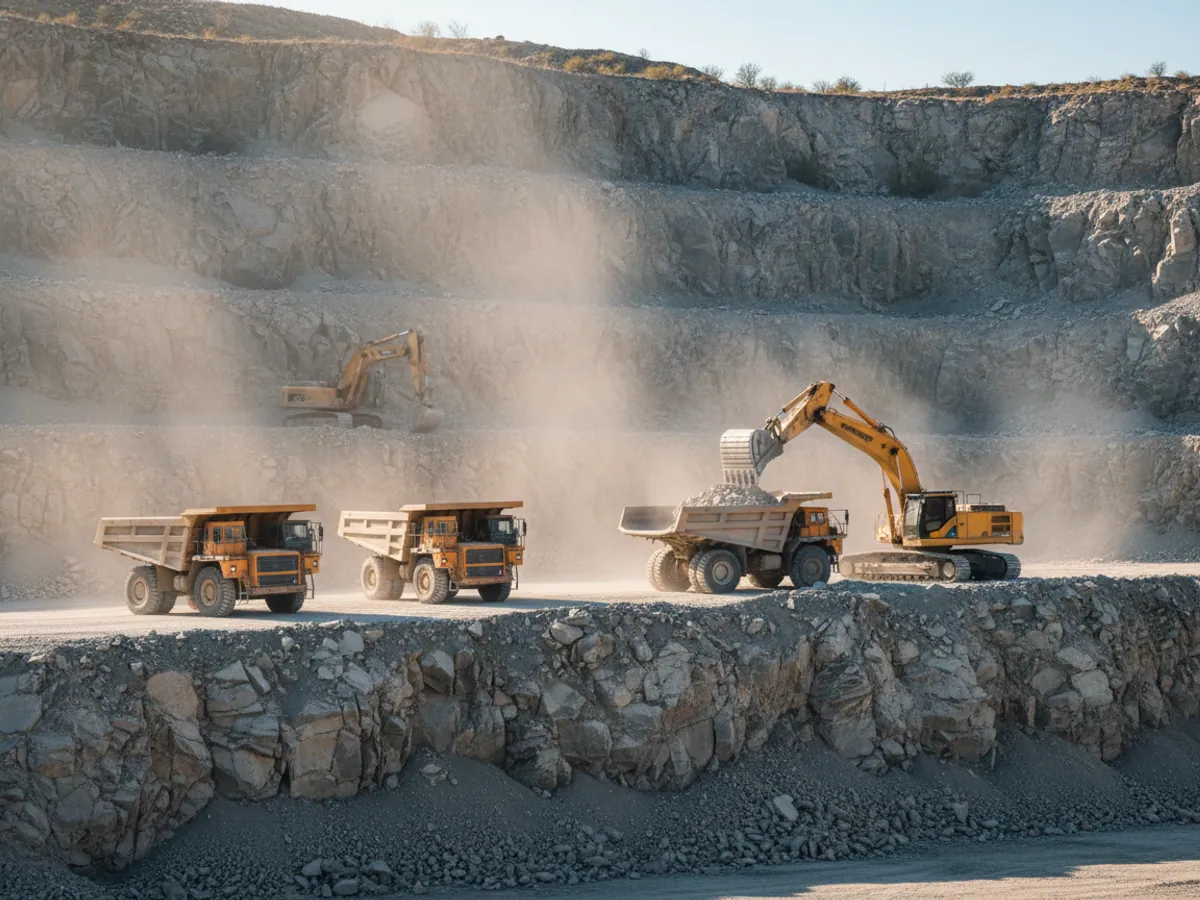
GPS monitoring of equipment for quarries and mining companies
In a quarry the money is counted in runs, cubic metres and litres. A dump truck that made 22 trips instead of 28, and an excavator that stood for an hour with its engine running, are direct losses that nobody sees from the office.
We fit dump trucks, excavators, loaders and drilling rigs with trackers, fuel and load sensors, and set up the accounting in Wialon around the way your quarry actually works.
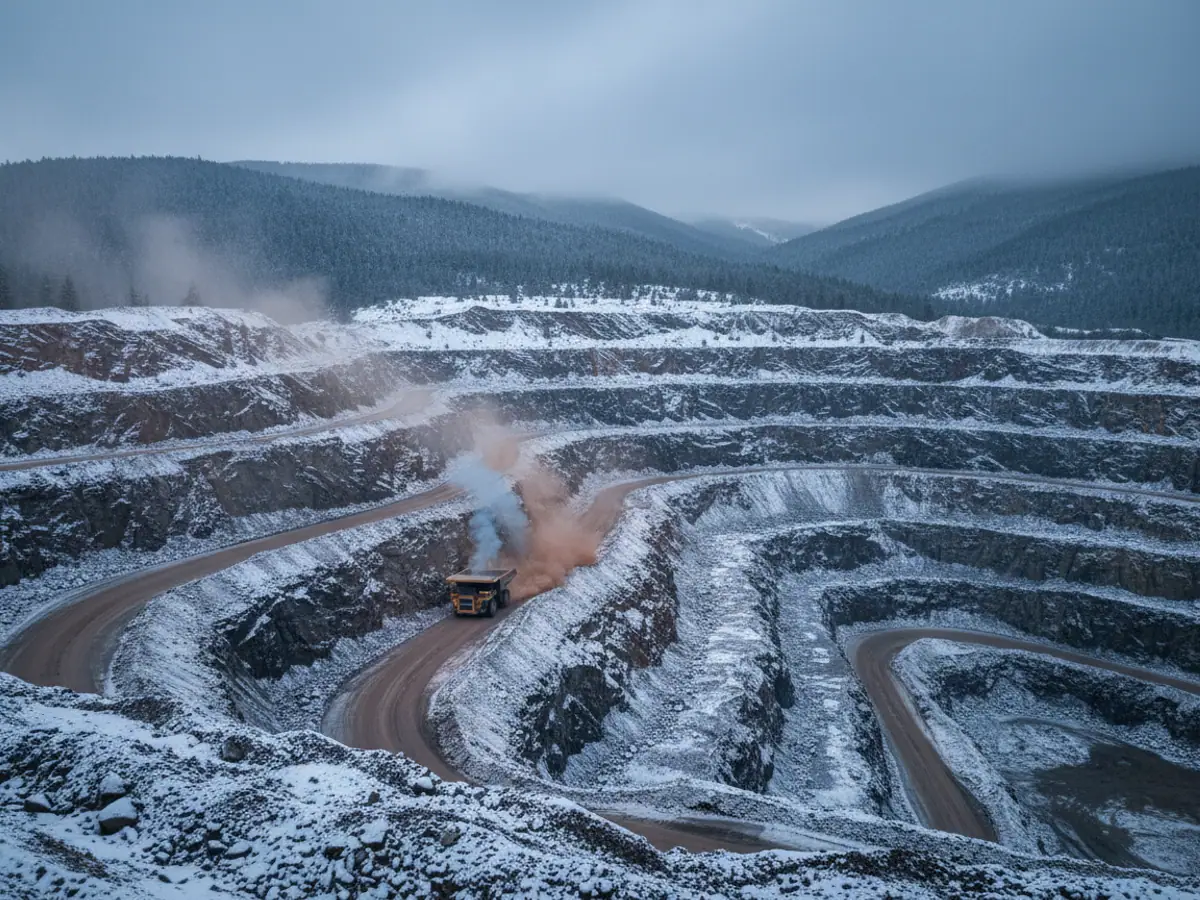
Mining in Azerbaijan: dust, mountains and a great deal of diesel
GPS monitoring of quarry equipment solves what looks like a simple task: tying fuel, engine hours and runs into one picture. In practice it is difficult, because every quarry plays by its own rules.
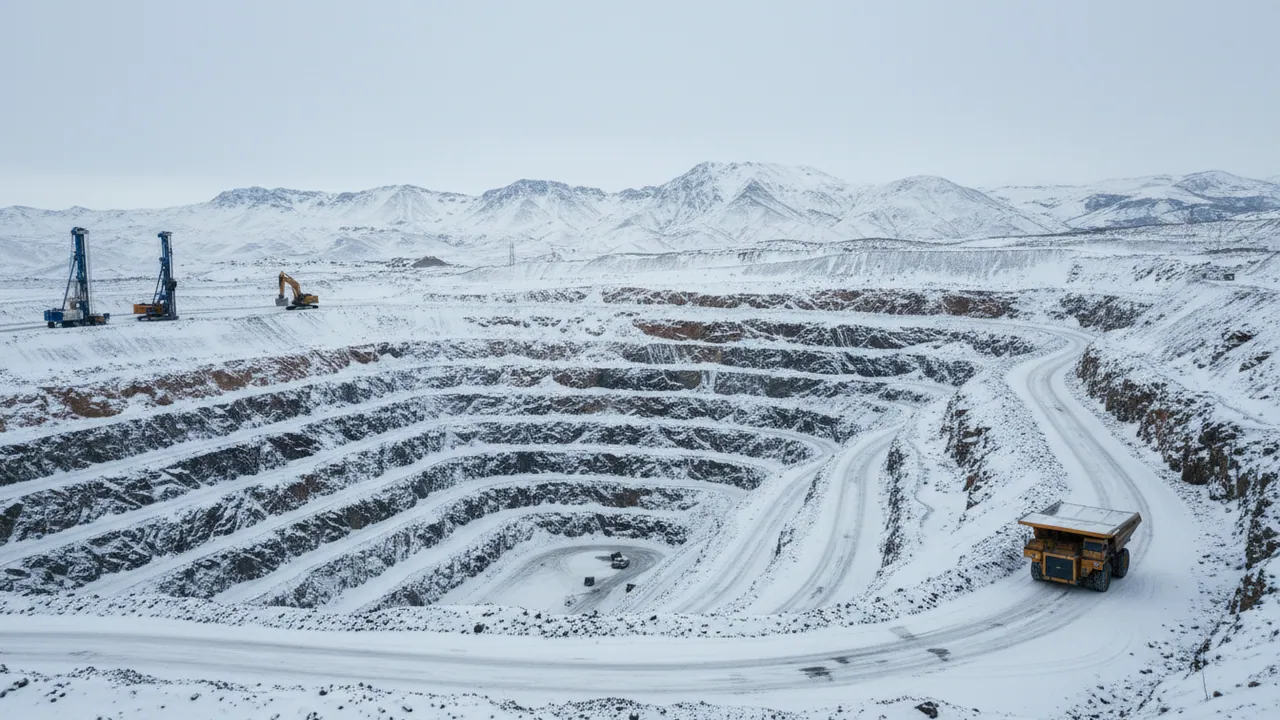
The limestone and crushed stone quarries of the Garadagh district and Absheron work for the construction of Baku: short hauls, many runs, fierce competition on the price of a cubic metre. The sand and gravel pits along the river beds in the west of the country, around Shamkir and Gazakh, live by the season. The ore deposits in the Gadabay and Dashkasan districts mean mountains, switchbacks, changes in altitude and winters when the road to the site is buried in snow.
One thing is common to all of them: fuel is the biggest cost after wages. A dump truck in a quarry burns several times more than one on the motorway, and a per-100-km norm simply does not apply to it. The counting has to be per run, per engine hour, per tonne.
The good news is that a quarry is a closed space with a logic you can describe. Working face, haul road, dump, weighbridge, fuel point. Mark those places out in the system and most of the record keeping starts to run by itself.
Solutions by sector: mining & quarrying
Where a quarry loses money while nobody is watching
Below are the situations that often surface in the first weeks of monitoring. The figures are typical ranges from our deployments, not a guarantee.
Typical losses
Runs written in that never happened
The driver writes 30 trips on the waybill when there were really 24. Once a run is counted by entry into the face zone and the dump zone, the difference shows up straight away.
Idling
The excavator waits for dump trucks with the engine running. In winter and in summer alike, to keep the heater or the air conditioning going. Idling often takes up 20-30% of the engine hours on heavy equipment.
Drains from large tanks
A quarry dump truck has a 300-600 litre tank, an excavator has more still. Siphoning off 40-60 litres over a shift is easy, and by eye it is not noticeable.
Under-loading and overloading
Under-loading means extra runs and extra fuel. Overloading means broken springs and axles, and fines at weighing stations if the vehicle goes out onto public roads.
Queues at the excavator
Three dump trucks stand at the face while there is nobody at the dump. Putting the machines in the wrong places eats up hours that nobody writes down.
Unauthorised runs with material
A dump truck loaded with crushed stone goes somewhere other than the customer's site. Without a tracker this only comes to light at the stock count.
The mining industry by sector
Mines and large deposits
Mining companies work with heavy quarry machinery, several working faces and a shift rota. The main thing is dispatching: how much equipment is at which face, what the downtime is, how to share the dump trucks out between the excavators.
A detailed look at this is in GPS monitoring and dispatching of mining equipment.
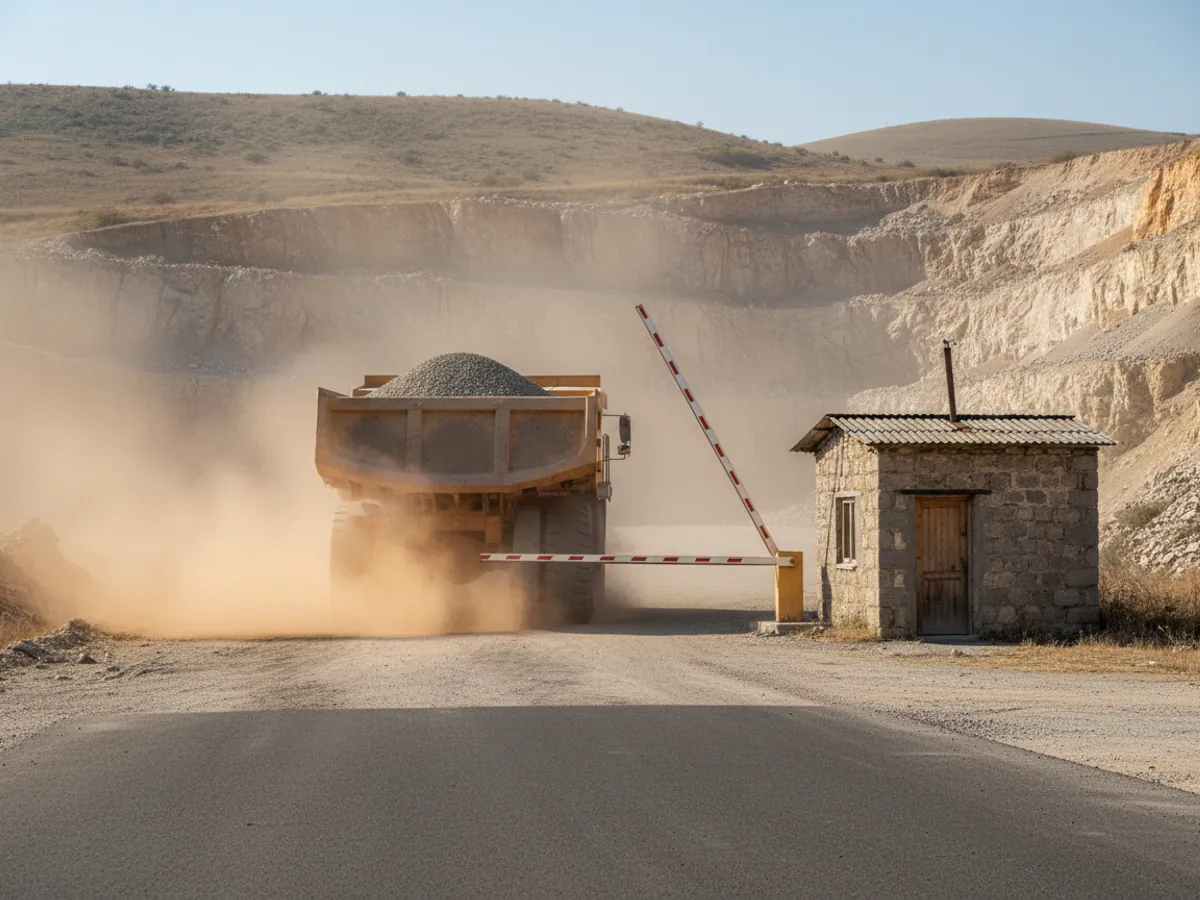

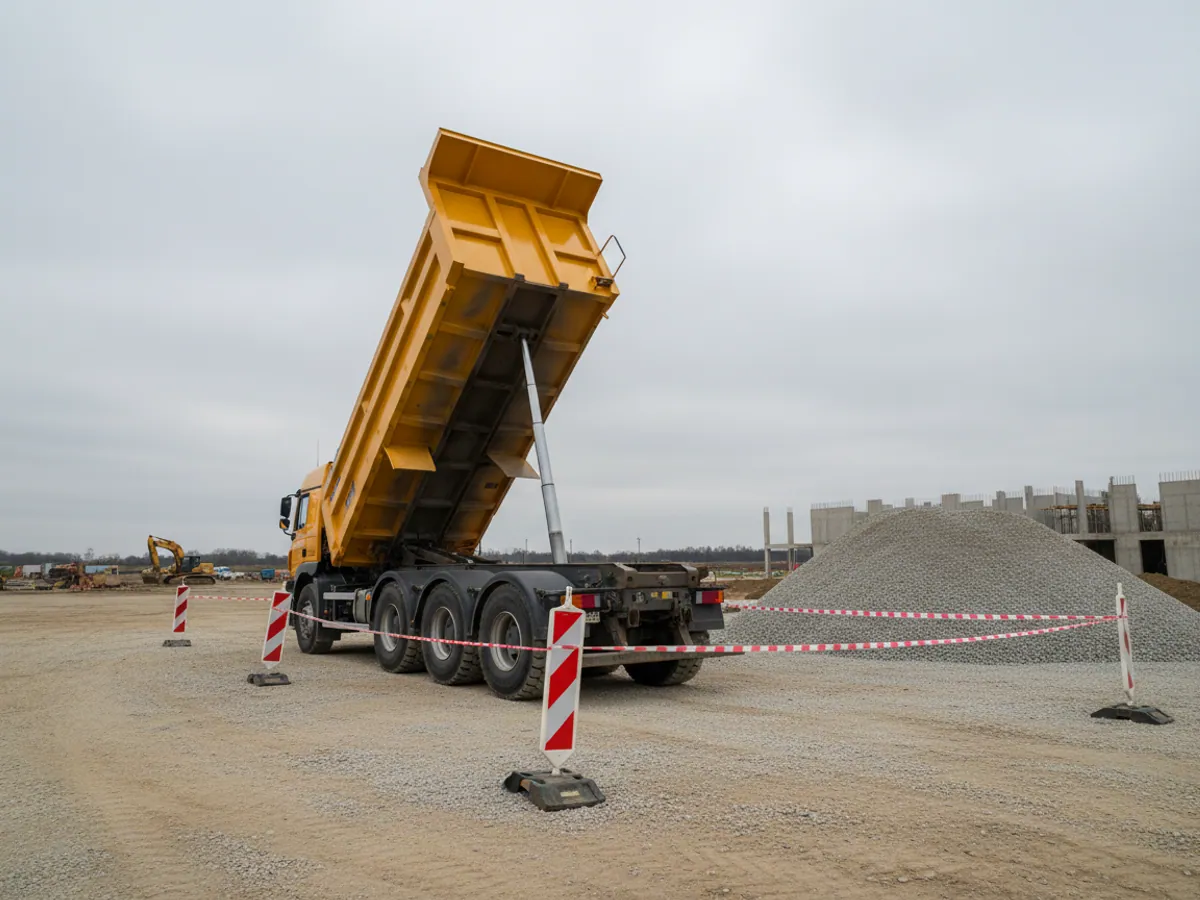
How runs and tonnes are counted without anyone writing them down
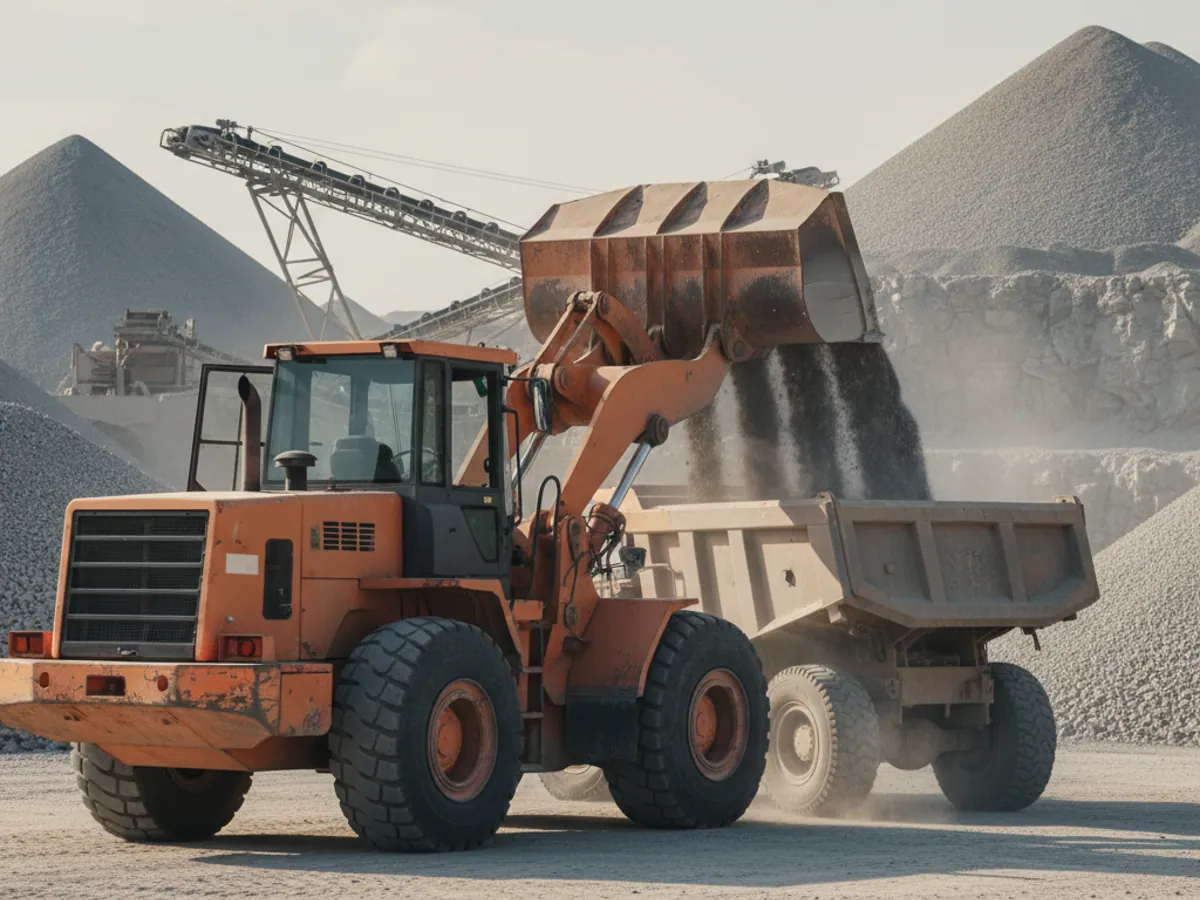
In Wialon we mark out the zones: the working face (or several), the dump, the finished product yard, the weighbridge, the fuel point. After that the system works on its own.
A dump truck entered the face zone, stood there for 3-6 minutes being loaded, drove out, reached the dump zone or the weighbridge, and the run is counted. If the vehicle came and went inside a minute, that is a pass-through, not a loading.
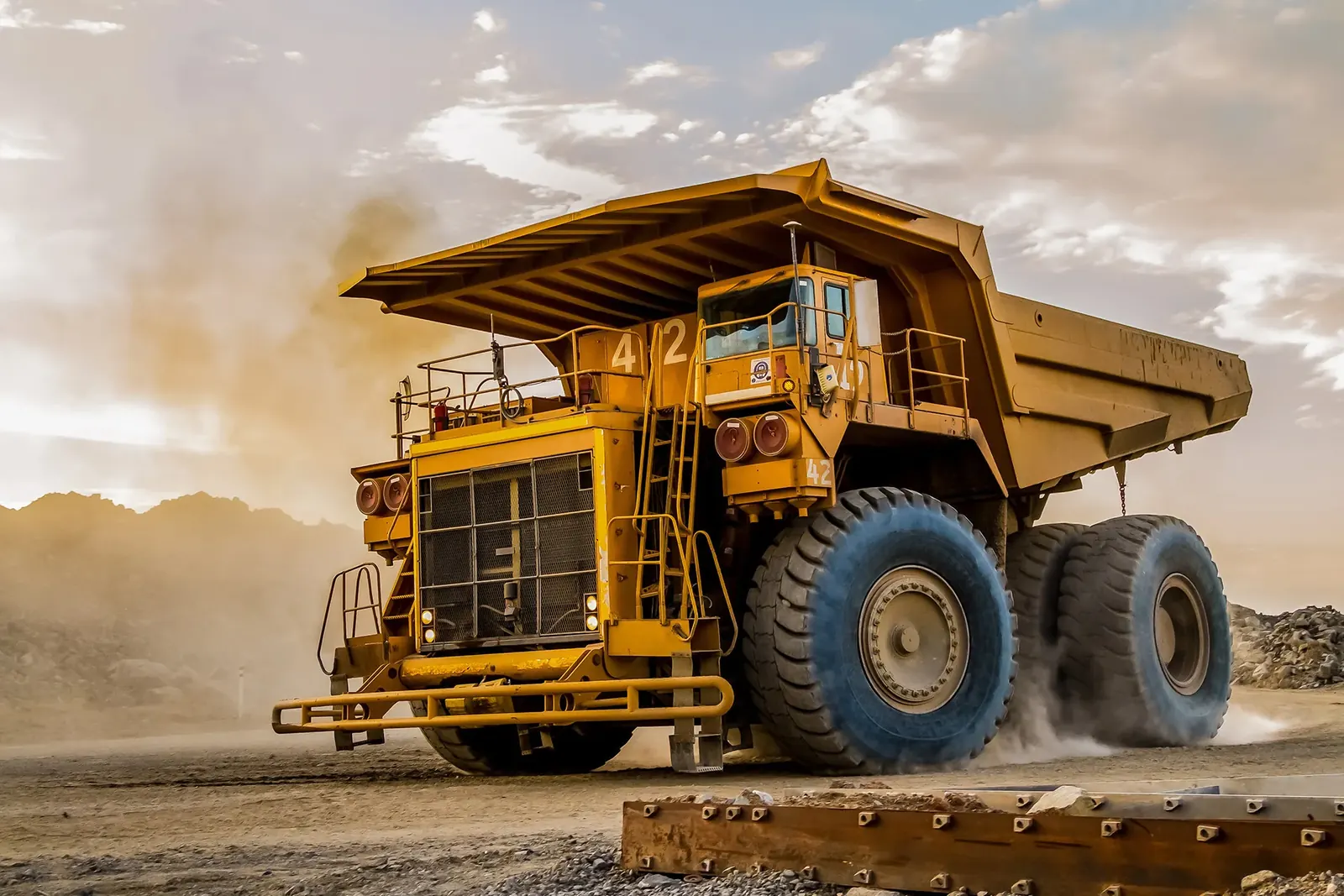
An axle load sensor or an air suspension pressure sensor adds the weight of every run. Then you see not only how many runs there were but how many tonnes were carried and where the load was short. More on this in load weight control.
With an excavator it is harder: it barely moves, so we count engine hours, the way the hydraulics are worked and the number of loadings based on the dump trucks that stood at it. On its side engine hour accounting for plant and heavy equipment works well.
A real example from practice: on the night shift a dump truck shows 14 runs, but on the load sensor four of them weigh half the usual. It turned out the excavator operator was hurrying to close out his quota and letting the trucks go half empty. Without a weight for each run this would have looked like a good shift.
The result at the end of the shift is a report for each machine: runs, tonnes, litres, engine hours, idle time. The shift foreman signs it instead of a handwritten log.
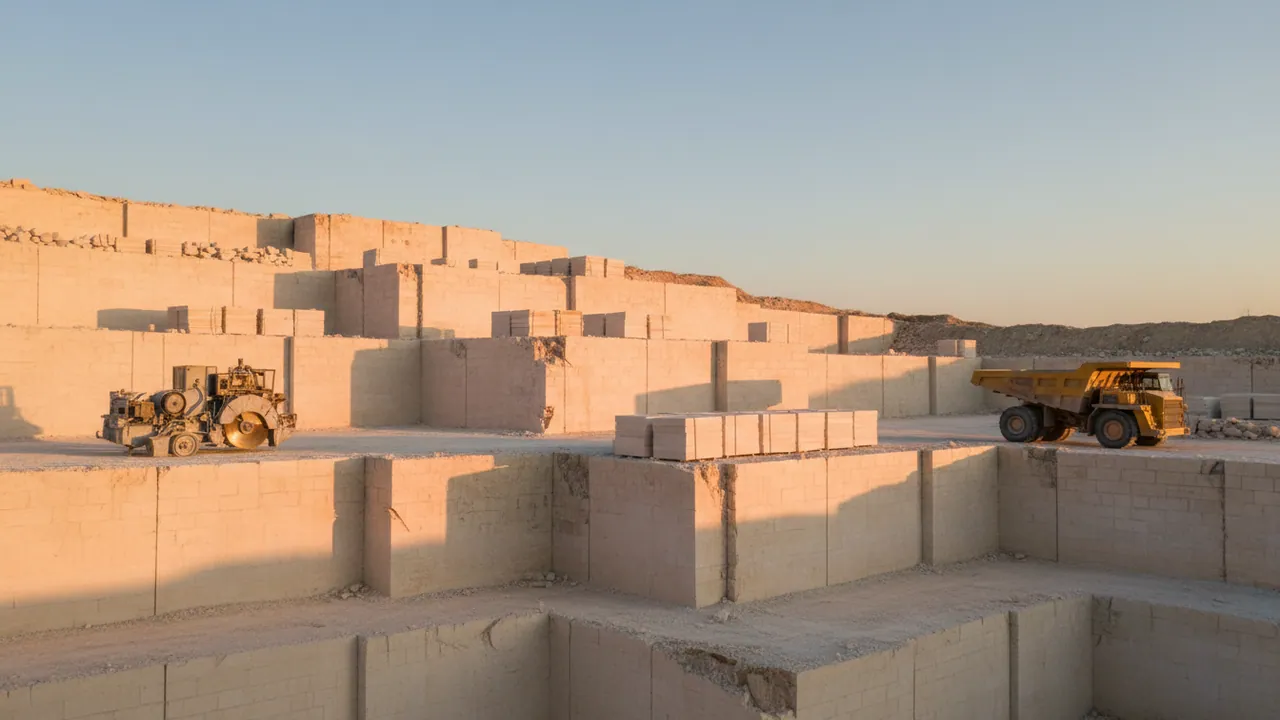
Run, weight and engine hours on one line: what it takes for the figures to agree
Runs on their own, tonnes on their own and fuel on their own exist in almost every quarry: in the waybills, in the weighbridge log, in the refuelling record. The problem is that nobody brings them together onto one line. Monitoring does this automatically, but on several conditions.
- The rule for a run. What counts as a run: entry into the face and then into the dump or onto the weighbridge, the minimum loading time, what to do with a vehicle that entered the face and left empty. We write this rule together with the foreman rather than take a default.
- The source of the weight. A weighbridge is a measurement; an axle load sensor is an estimate with a margin of error that depends on the suspension and the calibration. Settlements with the customer are based on the weighbridge, while the sensor helps catch obvious short loads where there is no weighbridge.
- Utilisation. For an excavator and a loader we count engine hours and hydraulic work, for a dump truck engine hours and mileage. Consumption is compared per engine hour, not per 100 km.
We allow for weak signal areas in advance: in deep workings and mountain quarries the data arrives with a delay, and the shift report comes together once all the machines have driven out into coverage. If the foreman needs the report as soon as the shift ends, that affects the choice of communication channel.
Accepting the pilot. We agree the criteria in advance: the number of runs in the system matches the weighbridge log within the agreed tolerance, with the discrepancies explained; consumption per engine hour for each machine is set against the refuellings; gaps in the data caused by the signal are not lost but sent on afterwards; the foreman receives a shift report in the agreed format. For the pilot we need from you a plan of the quarry showing the faces, dumps and weighbridge, the waybills and the refuelling record for the same period, and a shift foreman to take responsibility.
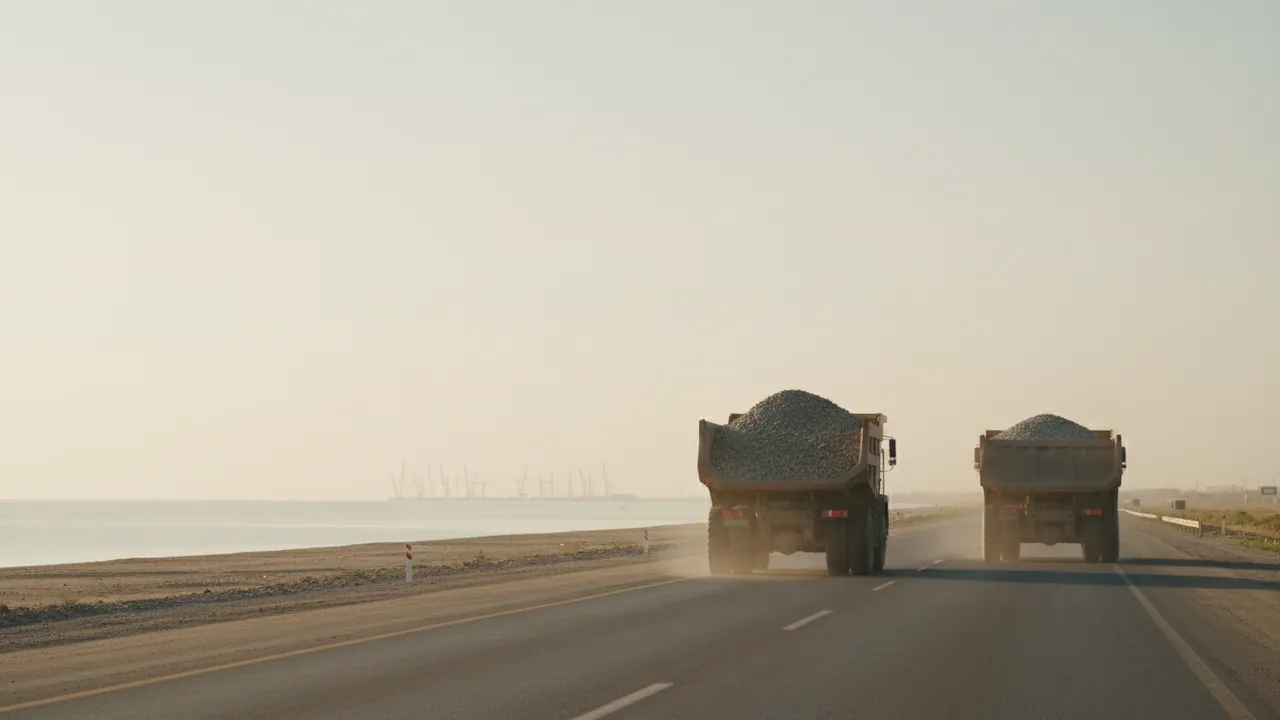
Equipment that stands up to a quarry
Dust, vibration, knocks, pressure washing, heat up to +45 °C on Absheron in summer and frost in the mountains in winter. Consumer-grade trackers do not last long here.
- A tracker for heavy equipment - Teltonika FMC650: plenty of inputs for sensors, CAN reading on modern dump trucks, operation across a wide voltage range.
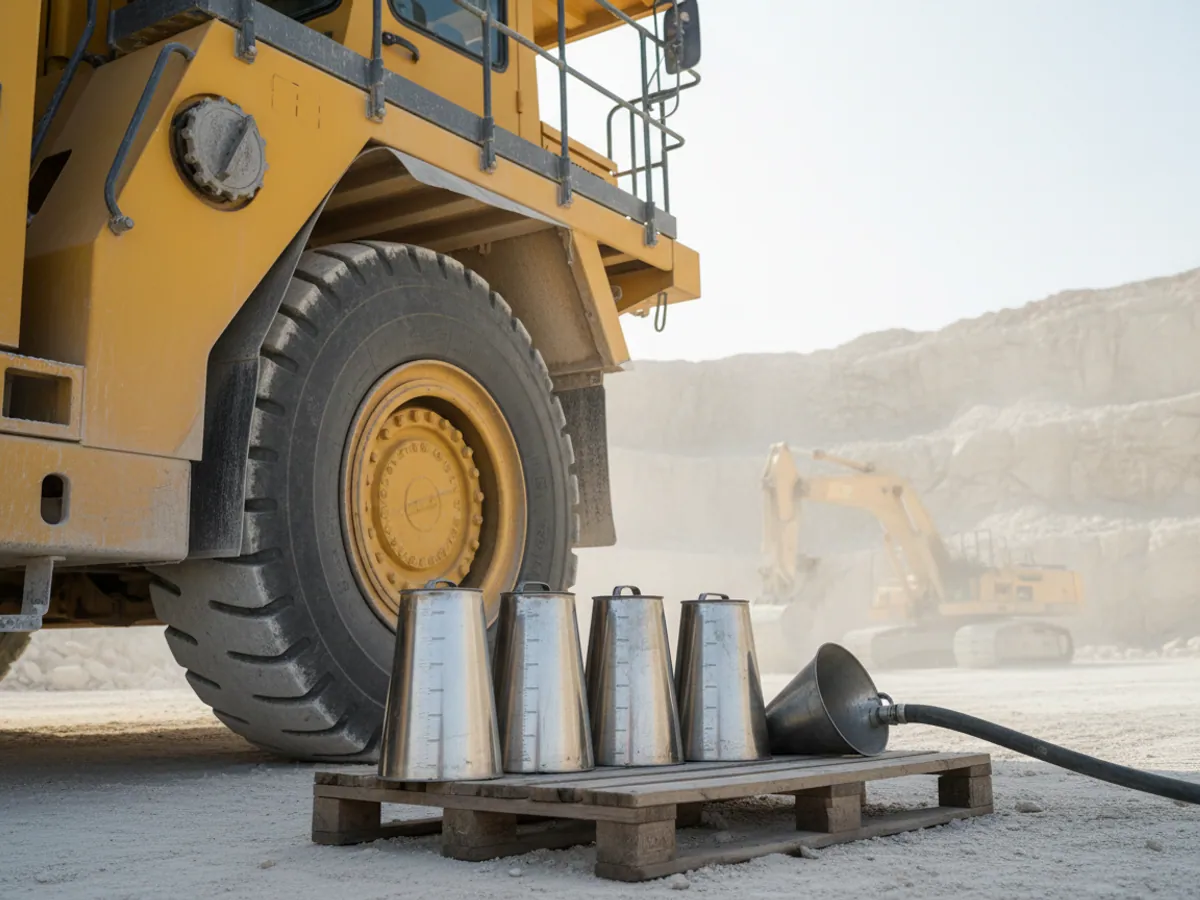
- Fuel level sensors - capacitive fuel level sensors such as the Escort TD-600. In large tanks we fit two sensors so that accuracy is not lost on slopes.
- Axle load sensors - to record the tonnes on every run.
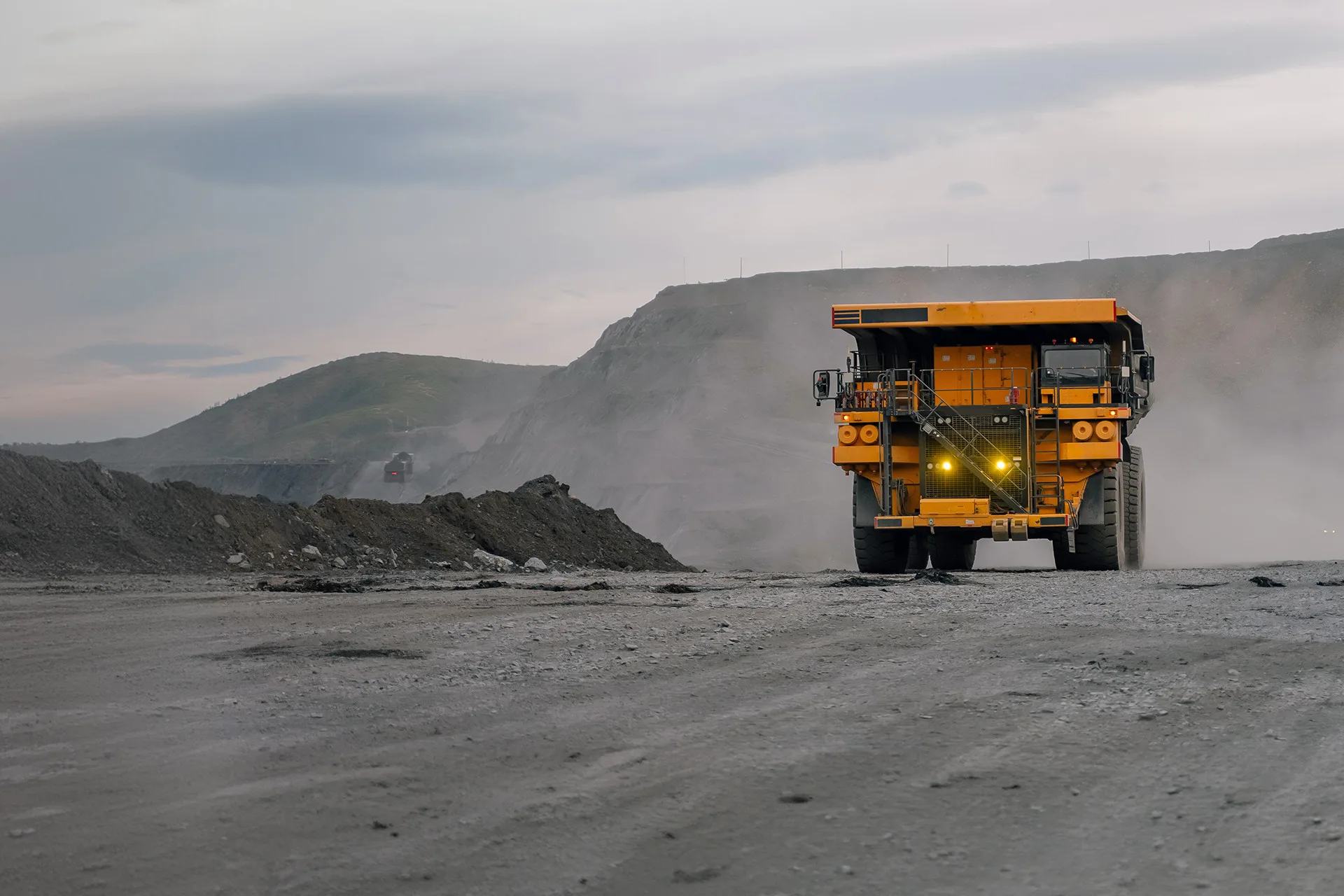
- Video recorders - to keep an eye on loading and on safety along narrow quarry roads where dump trucks pass each other with difficulty.
- Driver identification - a card or a key, so that on a shift with three drivers on one dump truck it is clear who did what.
We do the fitting right in the quarry, in the workshop area or on the parking area. The units go in the cab, the wiring goes into protective conduit, and the fuel sensors are sealed.
Deployment: the pilot first, then the whole quarry
Week 1. We come to the quarry and look at the machines and at how the work is organised: where the faces are, where the material goes, where the weighbridge is. We draw up the equipment list.
Week 2. We fit equipment to 3-5 dump trucks and one excavator. We calibrate the tanks - on quarry machines this is done by measured filling, 10-20 litres at a step.
Weeks 3-6. We work in observation mode. We compare the system's data with the waybills and the refuelling record. As a rule, this is where the owner first sees the real difference.
After that comes connecting the whole fleet, setting up reports for the accounts department and the foremen, and notifications about drains and idle time sent to the manager's phone.
Where the signal is weak - in mountain quarries and deep workings - the trackers store the data in memory and send it once the vehicle reaches coverage. For places with no signal at all, we look at the option of a satellite channel.
Questions from quarry and mining company owners
How it is used in this industry
Case studies from “Mining & Quarrying”
Video monitoring in a quarry: DSM and ADAS
Agriculture, construction and mining
Ore haulage control: load weight and satellite
Agriculture, construction and mining
Where the miners are underground: ATEX beacons
Assets and workforce
GPS monitoring for “Mining & Quarrying”
Send us an enquiry and we will prepare a quote for your fleet and pick the hardware that suits this industry.
- 1 We pin down the task
A specialist calls back and asks about the vehicles, how many there are and what you need to keep an eye on.
- 2 We put a solution together
We propose the hardware and the features, and set out the one-off and the monthly cost separately.
- 3 We agree the fitting
At your yard or at ours, on a schedule that keeps the vehicles working.
Request a call
A specialist will call back and match a solution to your fleet and your task.