
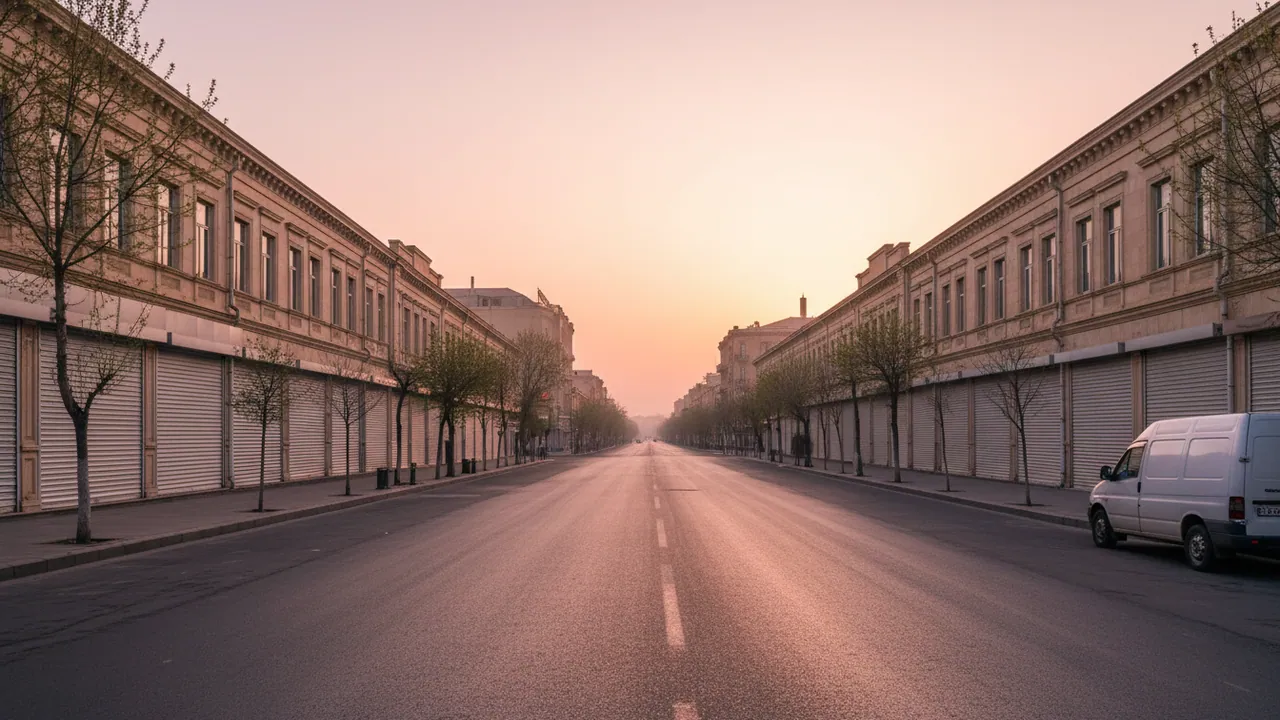
GPS monitoring of deliveries for retail chains and distributors
In retail, transport works to the shop's timetable: a goods-in window from 6 to 9 in the morning, twenty drops in a shift, a chiller that must not stay open longer than a couple of minutes. An hour late means an empty shelf and an unhappy store manager.
We connect delivery vans, refrigerated units and sales representatives' cars to monitoring and show in Wialon who is where, when they were at the customer and what happened to the load along the way.
Why retail counts minutes rather than kilometres
GPS monitoring of deliveries in retail is different from monitoring long-haul freight. A trunk haulier cares about consumption per 100 km. A distributor in Baku cares about something else: how many drops the van covered, how long it stood at each shop, and why the last customer on the route again got their goods after lunch.
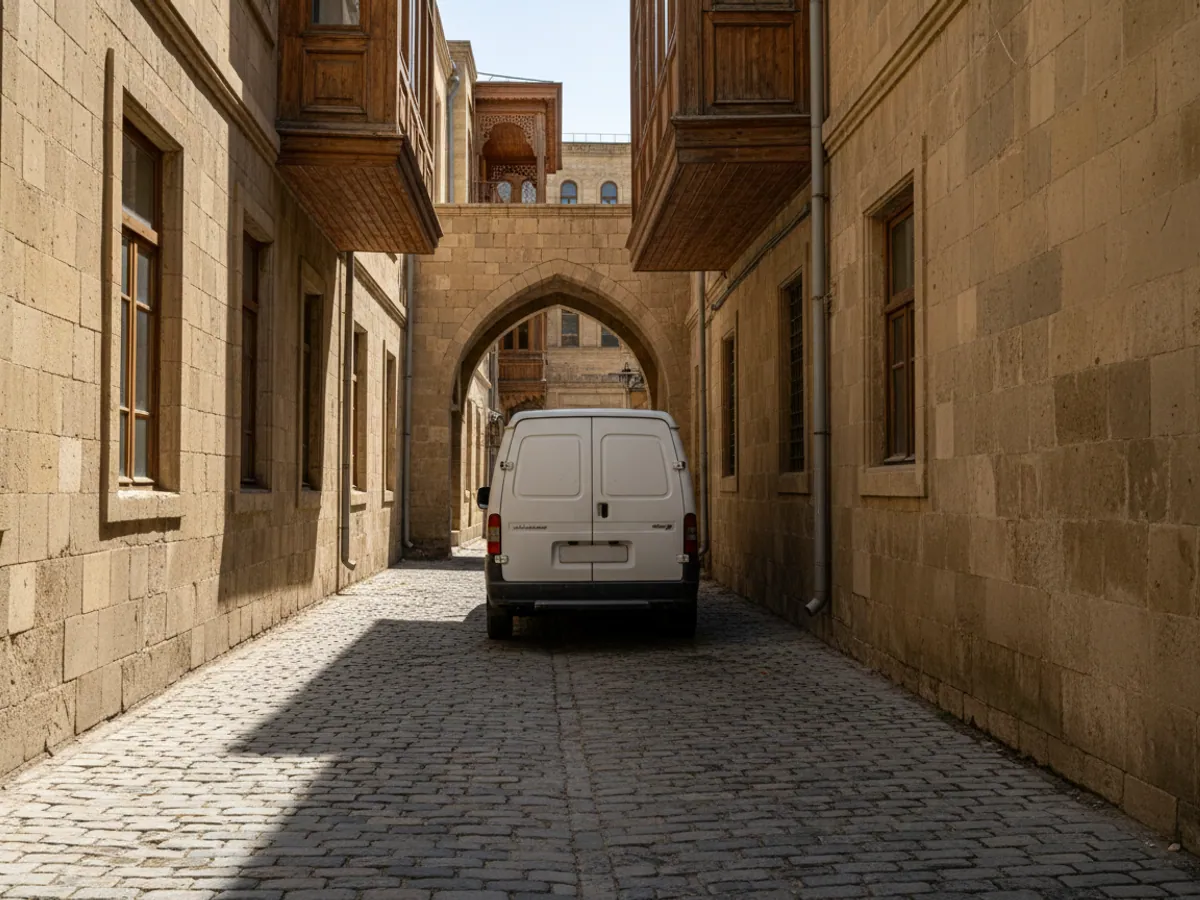
The city adds its own complications. Congestion on Tbilisi Avenue and around Ganjlik in the morning, a ban on lorries entering the centre during certain hours, narrow streets in Icherisheher and the older quarters where a large vehicle simply cannot go. A route that takes four hours on paper stretches to seven in reality.
Outside Baku the picture is different: long legs out to Sheki, Lankaran and Guba, two or three drops per town, drivers staying overnight. There what matters is fuel, deviations from the route and the extra stops.
Monitoring gives a trading company facts instead of explanations: the exact time of arrival, the stops, the temperature in the body and the mileage for each route.
Solutions by sector: retail & trading networks
What usually gets in the way of retail logistics
Missed goods-in windows
A chain takes deliveries strictly within its window. Arrive late and unloading is put back, the driver waits, and the rest of the drops on the route shift along with him.
Unexplained standing time
The driver says unloading took a long time. It may well have done. Or he may have been parked outside his house. Without data on stops there is no point arguing.
Personal errands in a company vehicle
A delivery van at the market on a day off, a sales representative in a company car in Nabran in August. Trivial, until you add up the fuel over a year.
Temperature in transit
Dairy, ice cream, medicines. The refrigerated unit was switched off to save diesel and switched on again 10 minutes before the shop. The returns are then charged to the supplier.
Shortages and boxes that go missing
The body was opened where there was no drop. A door sensor and cargo security control show exactly where.
Routes driven out of habit
Drivers have gone round the drops in the same order for years, even though the customer base changed long ago. An extra 20-30 km a day per vehicle is a common picture.
What a delivery day looks like with monitoring
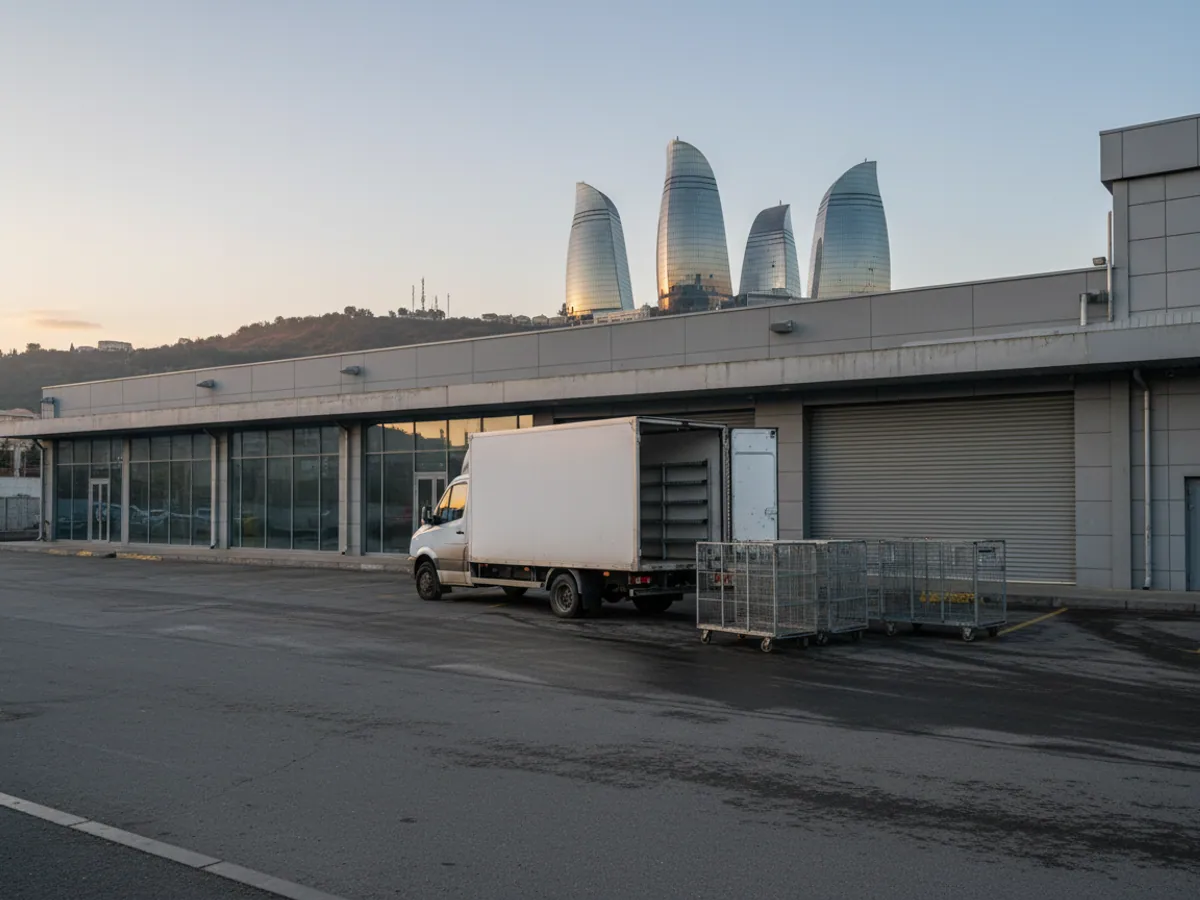
6:10. The van leaves the warehouse in Khirdalan. The dispatcher sees this not from the driver's call but from the departure out of the warehouse geofence.
7:05. The first drop is a supermarket in the Yasamal district. The system records the arrival, the opening of the body door and an 18-minute stop. This data is later used to settle a dispute about the delivery time.
9:40. The van stands for 35 minutes at a place that is not on the route. The dispatcher gets a notification and rings the driver. It turns out the shop has moved to the next street and the address in the database is the old one. Corrected the same day.
13:20. The temperature in the body rose to +9 °C against a range of +2 to +6. The driver opened the door and did not shut it properly. The notification arrived within a couple of minutes and the goods were saved.
In the evening the logistics manager receives a report: how many drops were served on time, how many late, and where the longest stops were. That is the basis on which the routes are reworked - by hand or with the help of route planning.
Order, cold chain, arrival, unloading: how to tie four records together
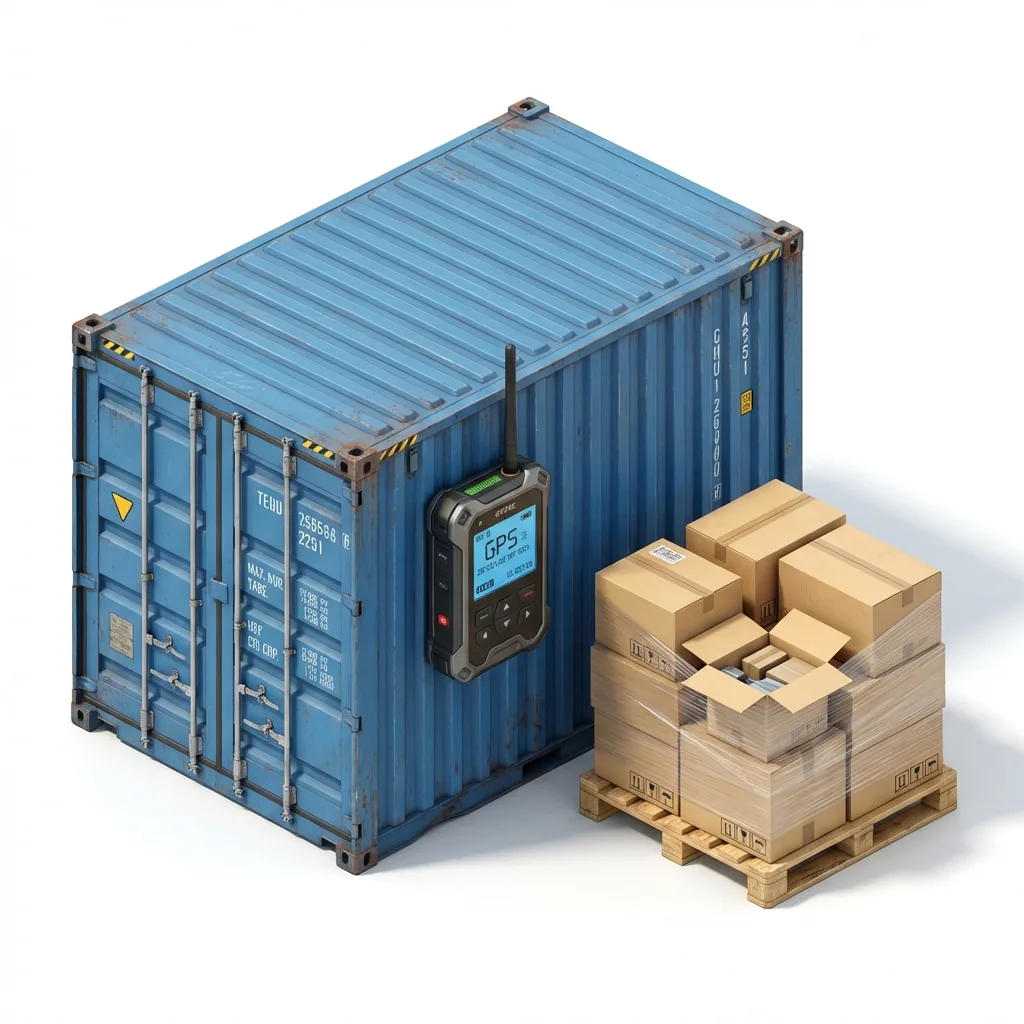
A complaint from a shop almost always sounds the same: it came late, warm and not all of it. To answer it you have to tie together four records that in a trading company usually sit in different places.
- The order. It lives in 1C, in an ERP or in the chain's own ordering system. Monitoring takes from there the run number, the list of drops and the goods-in windows - as a file or through an API exchange. The GPS system does not know and does not check the contents of the order or the number of boxes.
- The temperature regime. Sensors in the body record readings along with the position. The range is set per vehicle or per run: chilled dairy and dry groceries are not measured against the same limits.
- Arrival. Recorded by entry into the shop's geofence and a stop longer than a set time. This is the tracker's time, not a mark made by the driver.
- Unloading. Its start and end are visible from the door sensor. The signature on the delivery note and the counting of the goods remain with the shop's goods-in staff: the tracker confirms only that the doors were opened at this drop and for how many minutes.
Once the records are brought together by run number, the delivery report turns into a table: shop, goods-in window, actual arrival, deviation in minutes, time with the doors open, minimum and maximum temperature on the leg up to the drop, door openings outside geofences. It can be attached to the reply to a complaint. It does not prove the quantity or the quality of the goods - the delivery note and the goods-in record still do that.
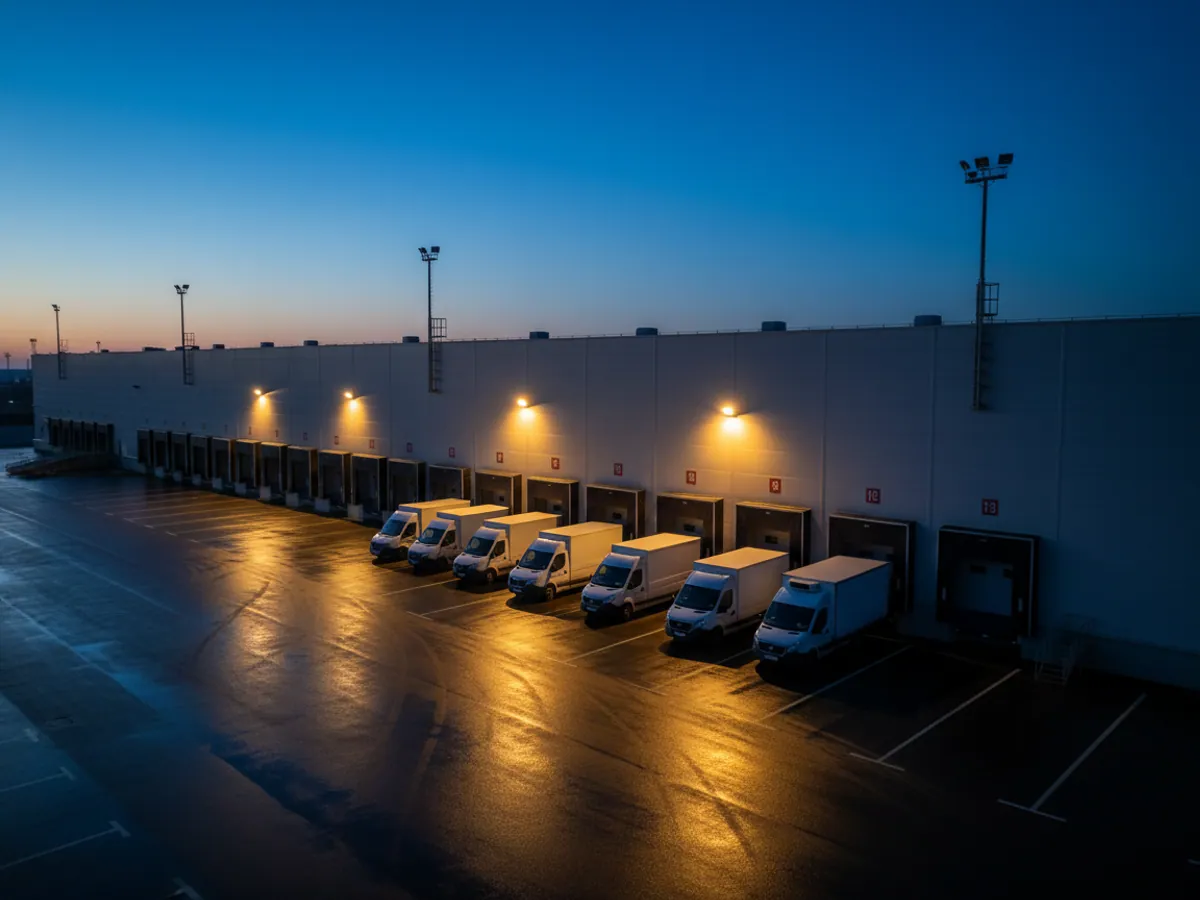
What to check during the pilot before connecting the whole fleet
We run the pilot at one warehouse and on one type of run. For example, the morning delivery round in Baku with 5-8 vehicles, at least one of them refrigerated. The regions and hired-in transport are easier to bring in as a second step.
What we will need from you:
- the addresses of the drops and the goods-in windows - as a table, written as they are in your accounting system;
- the route sheets for the pilot period, so that there is something to compare the track with;
- someone in logistics who opens the report in the morning and works through the deviations;
- for refrigerated vehicles, the temperature ranges by product group;
- an IT specialist for a couple of meetings, if the orders need to be loaded automatically.
We agree the acceptance criteria before any fitting is done. They usually include: the visits on the track match the route sheets, with the discrepancies explained; every notification about temperature or about a door opening away from a drop has been worked through by someone; the logistics team are ready to show the delivery report to customers. The specific tolerances depend on your processes, so we do not promise them in advance but write them down together with you.
Tasks by retail sector
Supplying shops from your own distribution centre
A chain has its own distribution centre and its own or hired-in fleet. The main things are precise delivery windows for the shops, how well the vehicles are loaded, temperature control for fresh produce and reporting for each shop.
In detail, see the page GPS monitoring for retail chains and supermarkets.
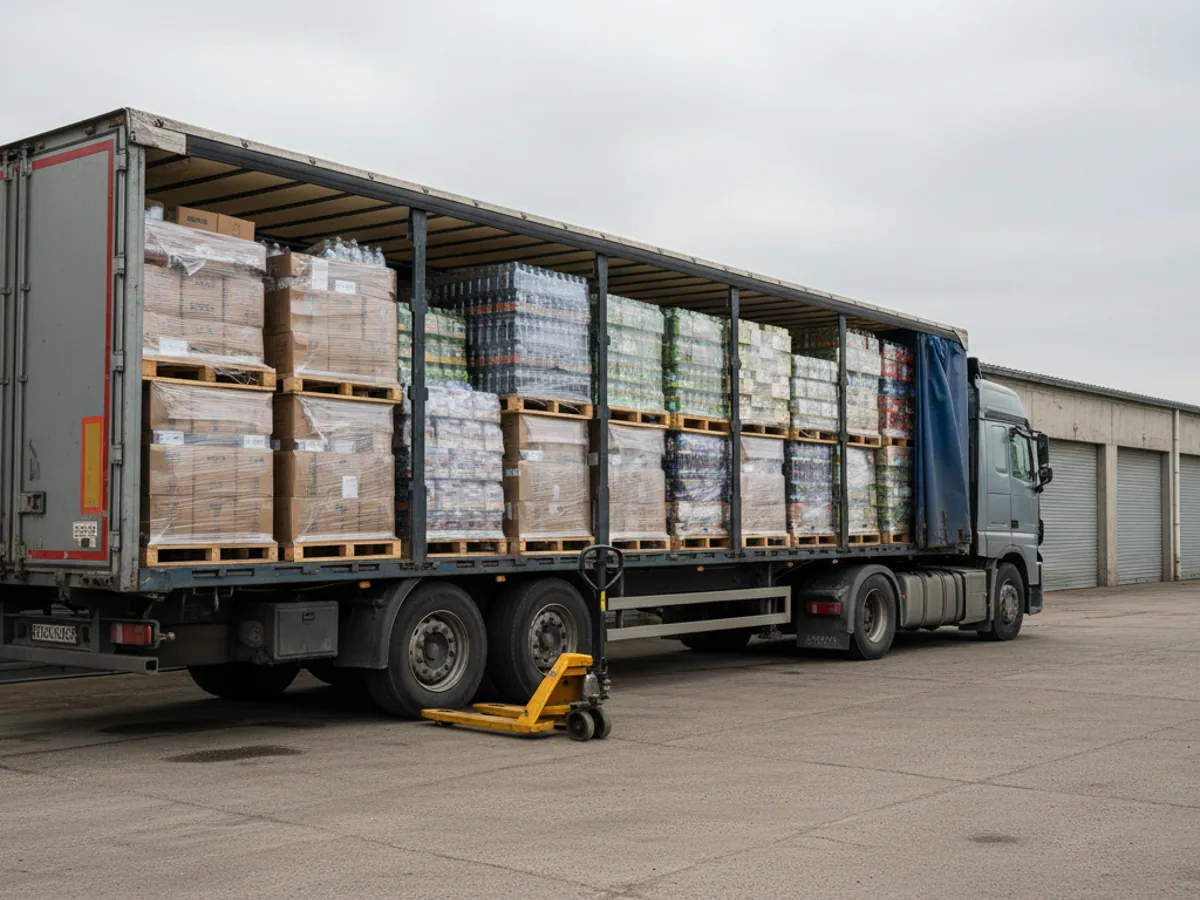
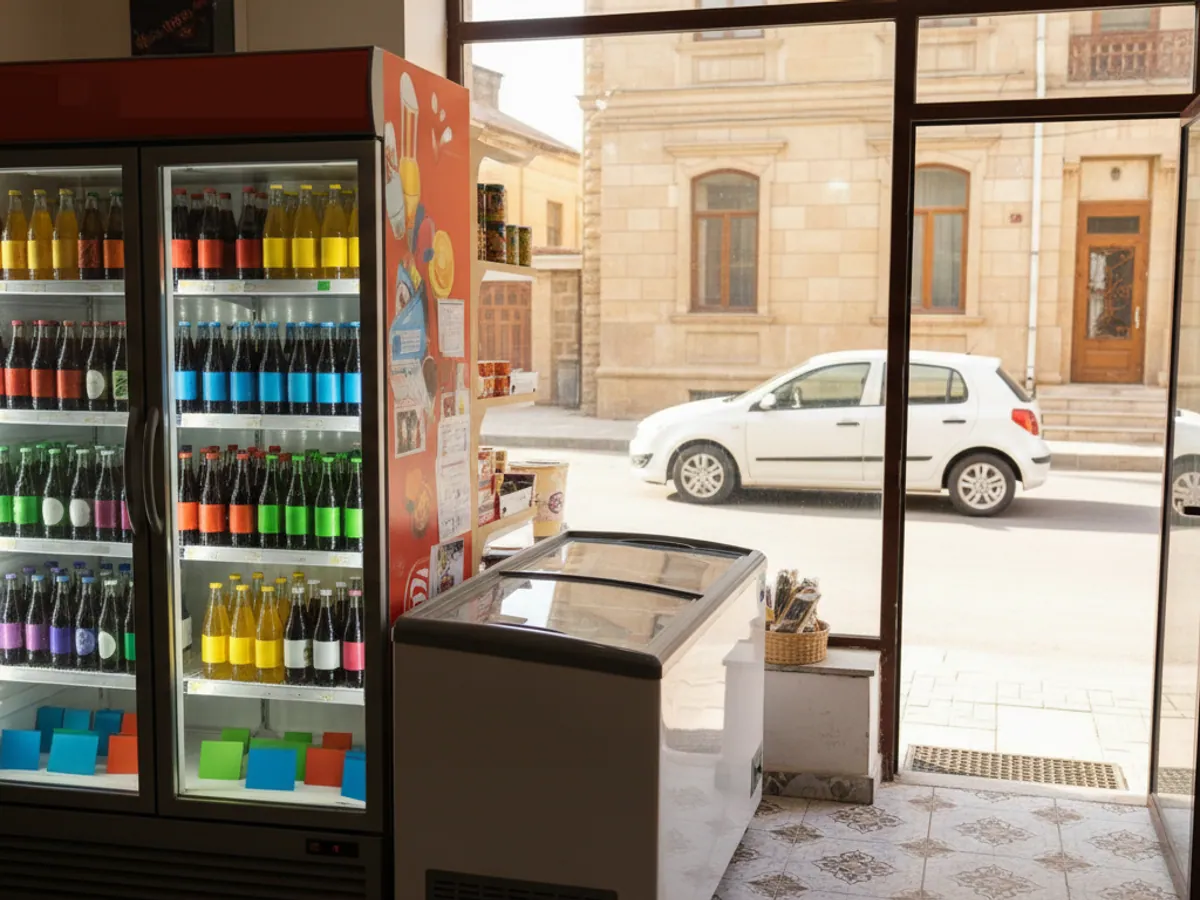
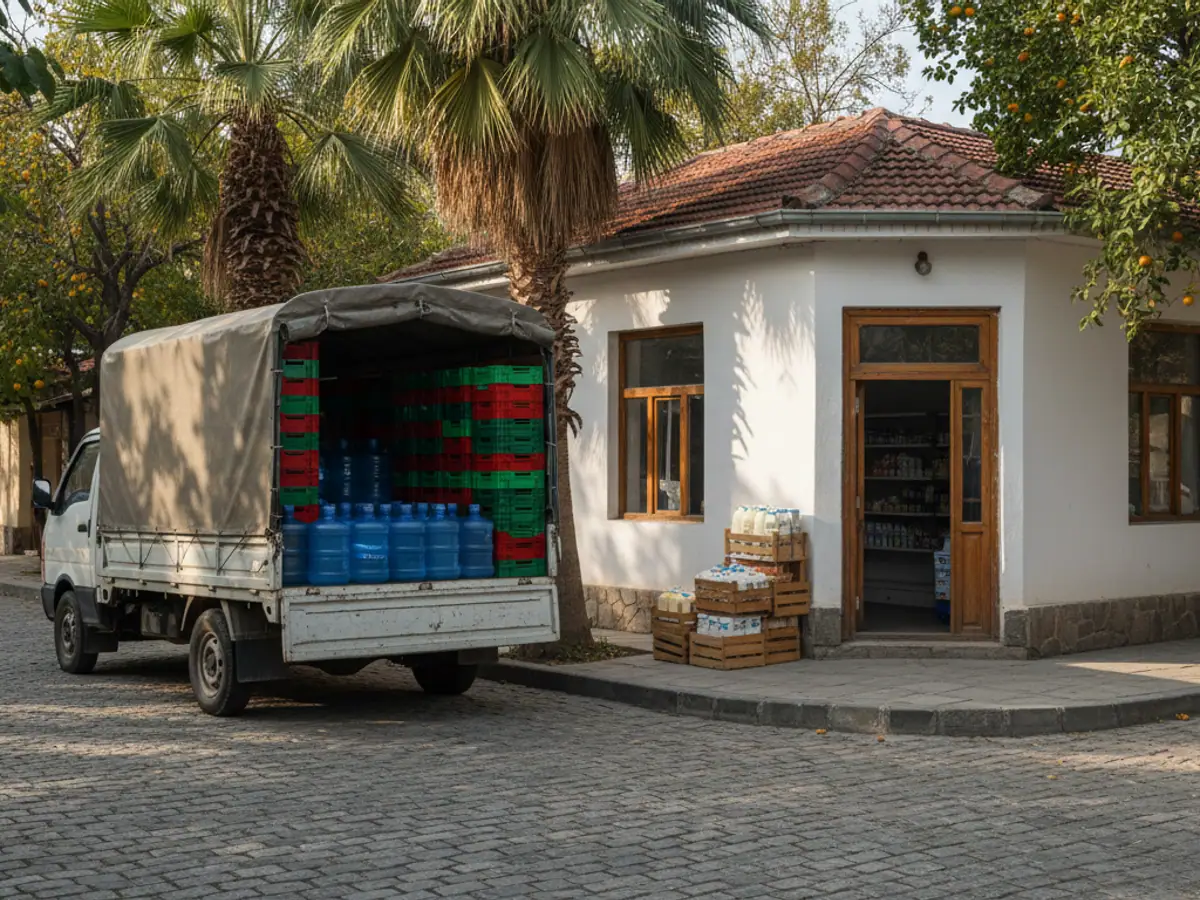
Heat, cold and what to do about them
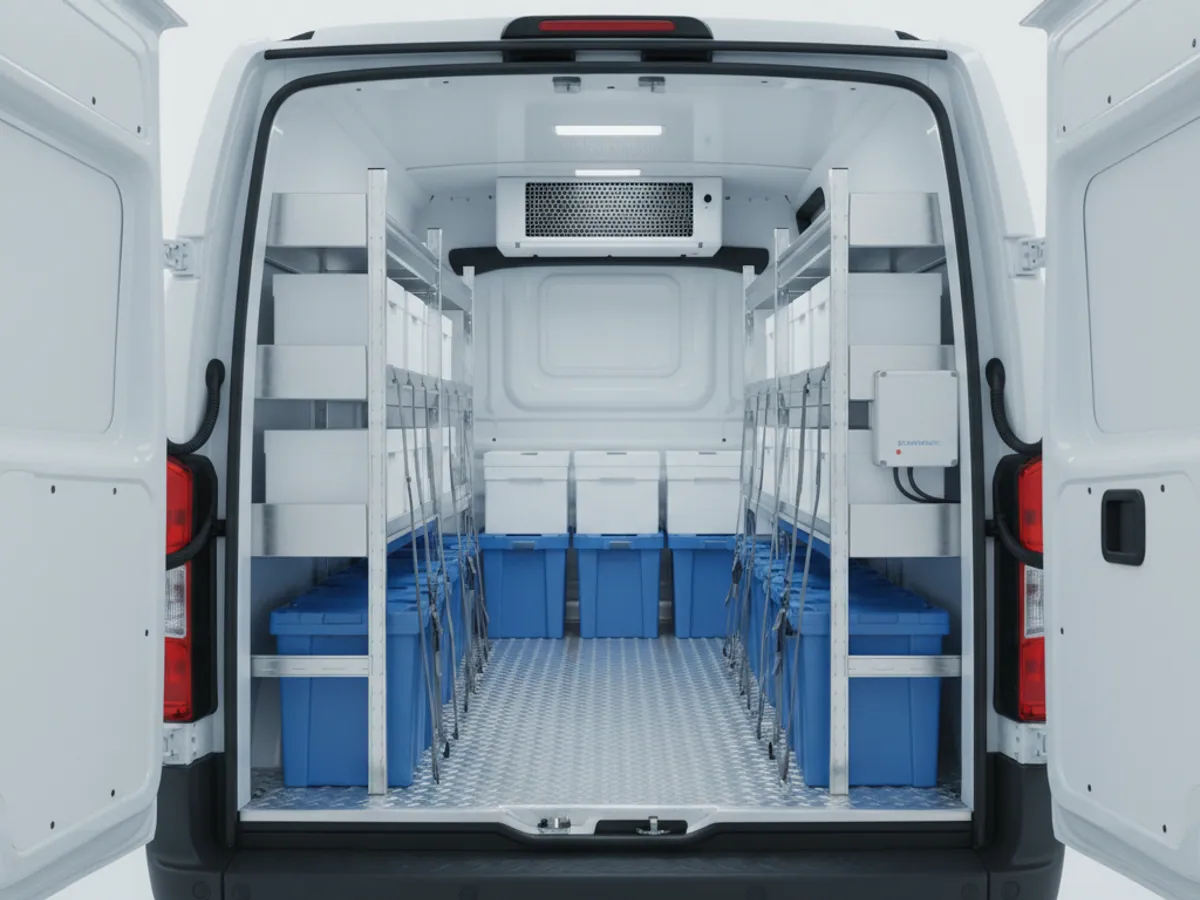
In summer in Baku and on Absheron the body of a van standing in the sun heats up to +50 °C and beyond. For chocolate, dairy and medicines that matters even if the journey takes 40 minutes.
We fit wireless temperature sensors in the body that send their readings to the tracker. Wialon plots a temperature graph for the whole run, and when the reading goes outside the permitted range a notification reaches the dispatcher. More on how this works is in the section on cold chain control.
What to watch out for:
- The sensor has to sit where the goods are, not next to the evaporator. Otherwise it will show a perfect +3 °C while it is +12 by the door.
- In long bodies it is better to fit two sensors - one at the front bulkhead and one by the door.
- A temperature report is handy to attach to the delivery note if the customer raises a quality complaint.
- In winter in Guba, Gusar and Sheki the problem is the opposite - water and drinks must not be allowed to get too cold. We set a lower limit as well.
What changes after two or three months
Fewer late deliveries
Once the arrival time is recorded automatically, the share of deliveries outside the window usually drops noticeably in the first month.
Shorter routes
Reworking the order of the drops on the basis of real data most often cuts mileage by 10-15% without losing customers.
Honest fuel norms
City delivery work with frequent stops uses more than motorway running. Norms set from actual figures put an end to arguments with drivers.
Arguments in disputes with the chains
The point of arrival, the door opening, the temperature in the body - that is a document you can show a customer when they complain.
More drops per vehicle
Once the real service time is visible, it is often possible to add another 2-4 drops to a route without a new vehicle.

Where to start and what equipment is needed
For a delivery van the basic kit is a compact tracker, the Teltonika FMC920 for instance, and a sensor on the body door. For a refrigerated unit we add temperature sensors. For sales representatives' cars a tracker with no extra sensors is often enough, and the representatives themselves record their visits through the mobile app.
The order of work is usually this:
- You send us the list of vehicles and the typical routes.
- We mark the warehouse, the shops and the customers out in the system as geofences - this is the basis of every visit report.
- We fit the equipment at the warehouse or in your garage, usually at night or at the weekend so that the delivery round is not disrupted.
- The first two weeks are observation without sanctions, so that the real picture becomes clear.
- We set up the reports: late arrivals by drop, stops, mileage and fuel by route.
If you have an order management system or 1C, the visit data can be passed into it through integration with ERP and CRM, so that your managers see the delivery status in the program they already use.
Common questions from trading companies
How it is used in this industry
Case studies from “Retail & Trading Networks”
GPS monitoring for “Retail & Trading Networks”
Send us an enquiry and we will prepare a quote for your fleet and pick the hardware that suits this industry.
- 1 We pin down the task
A specialist calls back and asks about the vehicles, how many there are and what you need to keep an eye on.
- 2 We put a solution together
We propose the hardware and the features, and set out the one-off and the monthly cost separately.
- 3 We agree the fitting
At your yard or at ours, on a schedule that keeps the vehicles working.
Request a call
A specialist will call back and match a solution to your fleet and your task.