
GPS solutions for wholesale trade and distribution
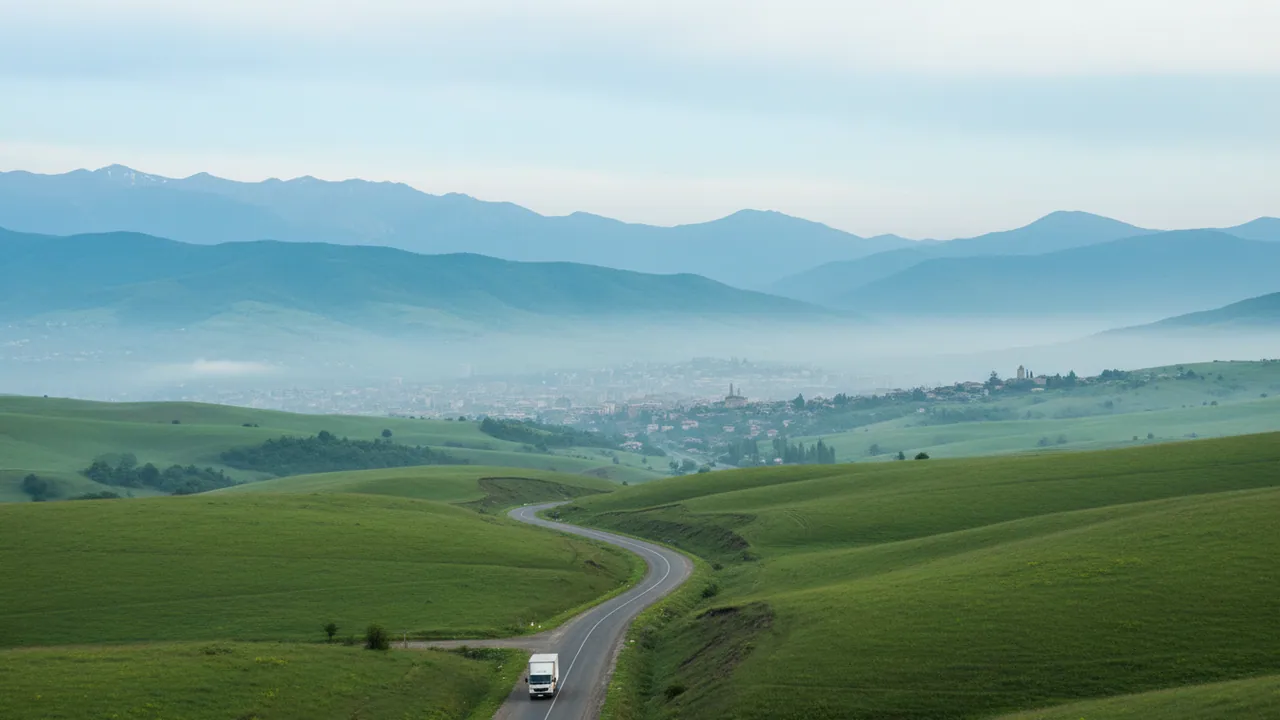
For wholesalers who deliver goods to corner shops, markets and the districts: from Khirdalan to Lankaran and Sheki. You can see where the forwarder is, how much fuel he put in and how much he drained off, which outlets he actually called at and which ones he ticked off from a tea house.
Wholesale margins are eaten up on the road
A wholesale company's mark-up often comes to just a few per cent. If a Gazelle or an Isuzu on a regional route uses 15% more fuel than it should, and the forwarder picks up a load on the side for cash once a week, that eats up the profit on a whole product group.
GPS solutions for wholesale trade and distribution answer three questions the owner has: where the fuel goes, whether every customer on the plan received their goods, and what delivery to each district actually costs. The answers come from the track, the fuel level sensor and the stops at the outlets, not from the driver's report.
The general approach to the industry is described in the section on monitoring for trade and distribution. Below is what is specific to wholesale: long regional legs, cash in the forwarder's hands and sales agents in their own cars.
Where the money goes in wholesale
From our experience of deployments at distributors, the main leaks are almost always the same ones. Only their share changes.
Fuel
A card payment for 60 litres, 45 of which went into the tank. Or 10–15 litres drained off every other day, which nobody notices on an old lorry without a sensor.
A load on the side
On the way back from Sabirabad the forwarder carries somebody else's sacks to Baku. Your fuel, your wear and tear, his money.
The shop was closed
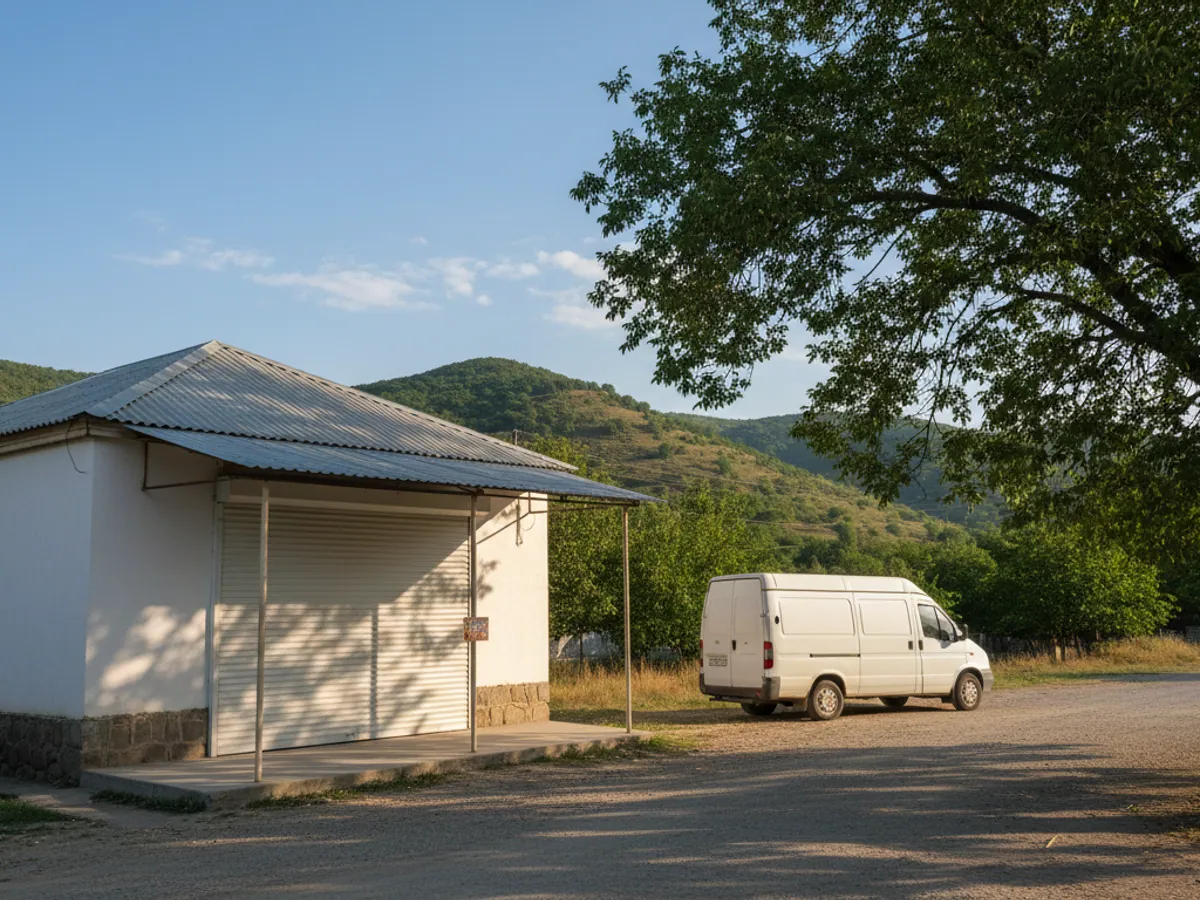
A distant outlet in a village was skipped and the report says it was closed. The customer was waiting for the goods and a month later went over to another distributor.
Long stops
Two hours at a roadside cafe near Kurdamir. The plan for the outlets is not met and the overtime is paid.

A forwarder's week in the Shirvan zone
Let us go through a route that is realistic in its structure. An Isuzu NPR leaves the depot in Binagadi on Monday with 38 shops in Shirvan, Salyan and Sabirabad on the plan. It comes back on Wednesday.
What the system will show after a run like that:
- 35 outlets visited: the vehicle stood inside the shop's geofence for between 7 and 25 minutes;
- three outlets in villages near Sabirabad were not visited, although the consignment note is marked as a customer refusal;
- two refuellings on the M-3: 120 litres by the receipts, 104 litres into the tank by the sensor;
- Tuesday night was spent not at the hotel on the expenses claim but outside a relative's house — with the engine running for 40 minutes.
None of these findings is a disaster on its own. But over a quarter, across a fleet of 15 vehicles, they add up to the sort of sum that monitoring is fitted for. The main thing is that the conversation with the driver afterwards is about facts rather than suspicions.
A multi-drop run: from loading to the return to the depot
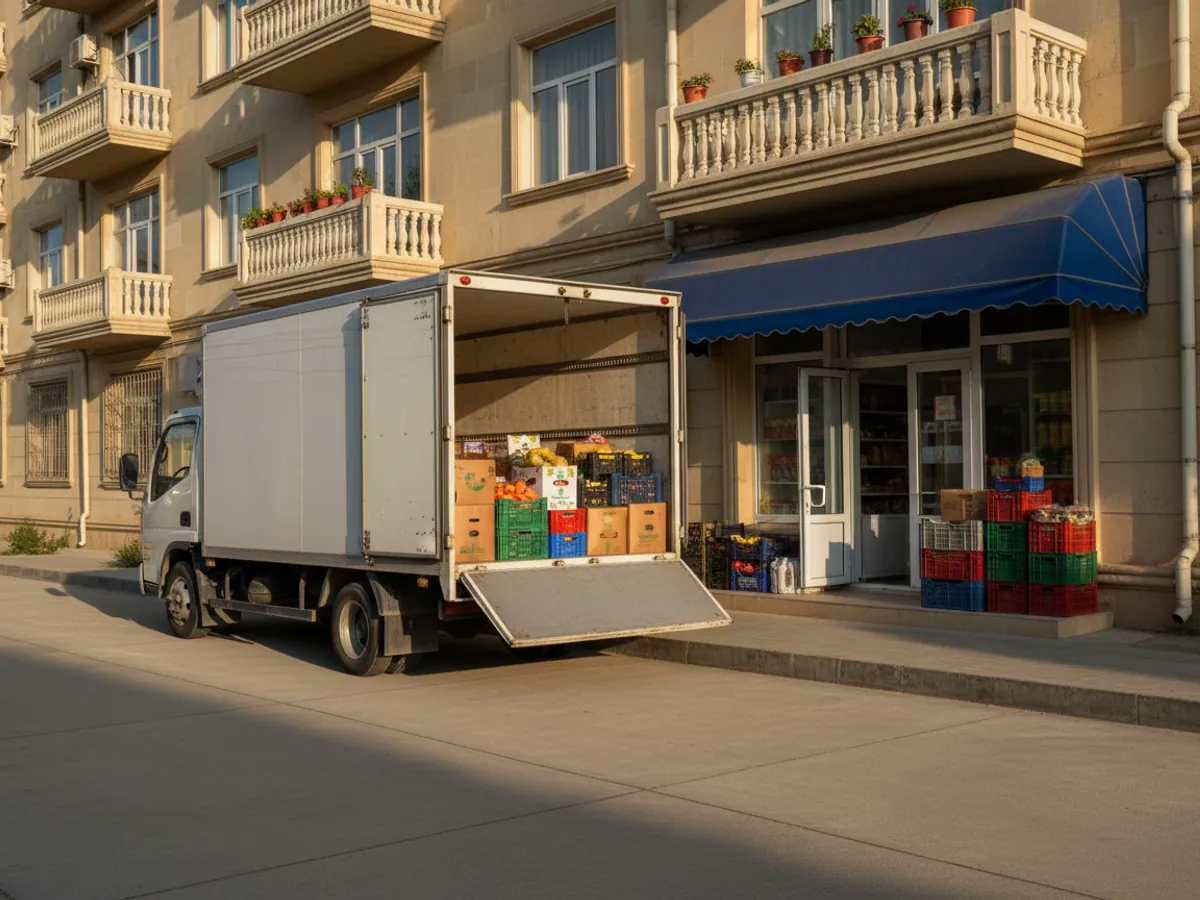
A wholesaler's regional run is not one delivery but twenty or forty small ones, each with its own paperwork. Here is how monitoring maps onto that process and where it stops.
Loading. The warehouse picks the orders and prints the consignment notes in 1C. The run number and the list of customers go to the monitoring system, by hand or as a file. Leaving the depot geofence opens the run.
The outlets. Arrival, the stop and departure are recorded for each shop. The tracker does not see the signed consignment note, the quantity or the payment: that is the forwarder's paperwork or his app. Monitoring confirms that the vehicle was at the customer and how long it stood there.
Returns. Goods returned are documented at the customer's premises. The track shows whether there was a stop at that outlet, and the door sensor shows whether the body was opened. A return recorded against a customer where the vehicle never stopped is a question for the forwarder.
Closing. Driving into the depot closes the run. The report picks up the mileage, the litres from the sensor, the refuellings, and the time spent driving and at customers.
From this the cost of delivery per run is put together. You supply the fuel price and the rates for the driver and the forwarder — in the Wialon report or later in Excel. The columns come out like this: run, district, outlets planned and actually served, kilometres, litres, hours, cost per outlet served. A table like that shows which district is expensive to serve and where runs are worth combining.
Tools for a wholesaler
A sensor in the tank and a check against the receipts
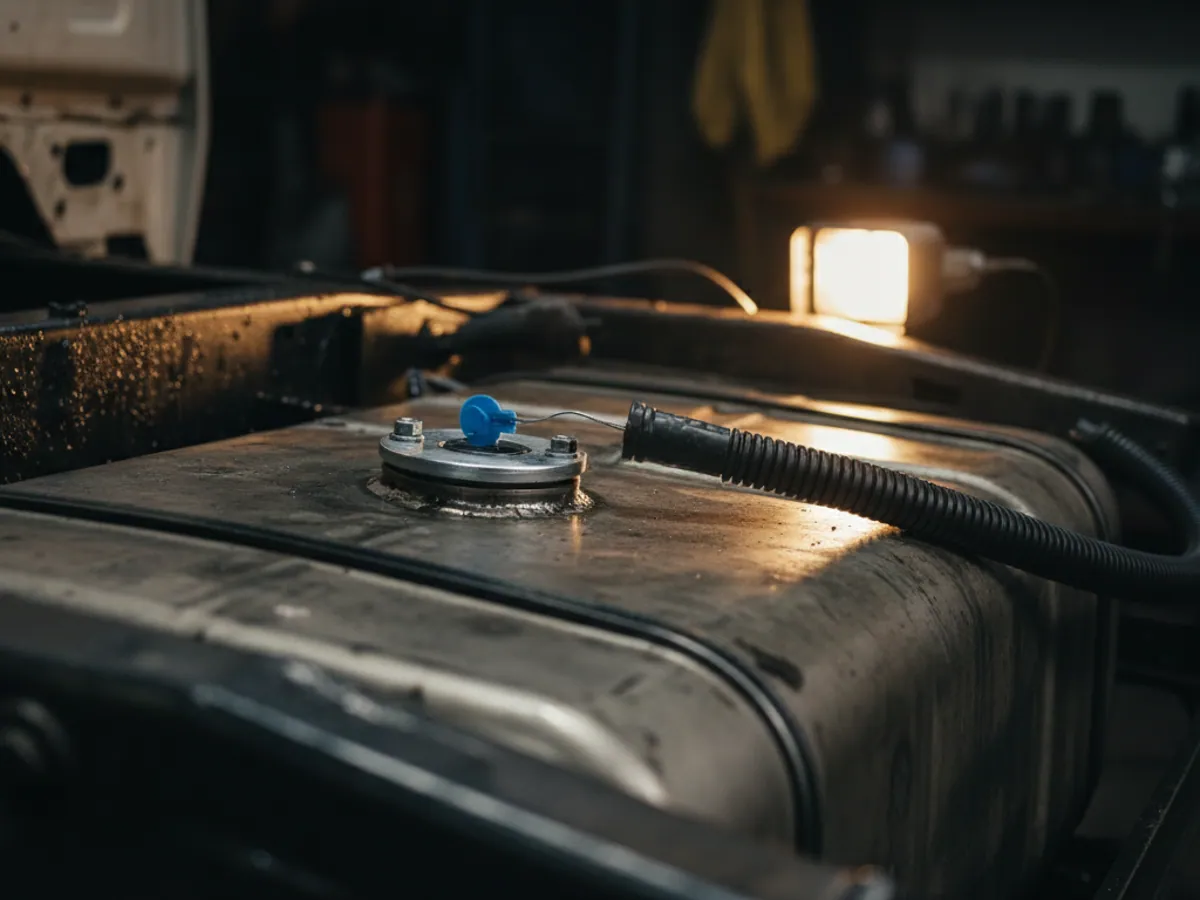
We fit a capacitive fuel level sensor in the tank and calibrate it by measured filling. The graph shows every refuelling and every drop in level while the vehicle is not moving. Refuellings are checked against the receipt or the fuel card statement.
The method is described on the page about fuel monitoring. On Gazelles and older Isuzus without a CAN bus, the sensor is the only way to get honest litres: the data from the standard float gauge is far too crude.
What equipment we fit to a distributor's vehicles
Wholesalers have mixed fleets: new Isuzus alongside Gazelles from 2010 and agents' own Priuses. Each vehicle gets its own configuration.
Configurations by type of vehicle
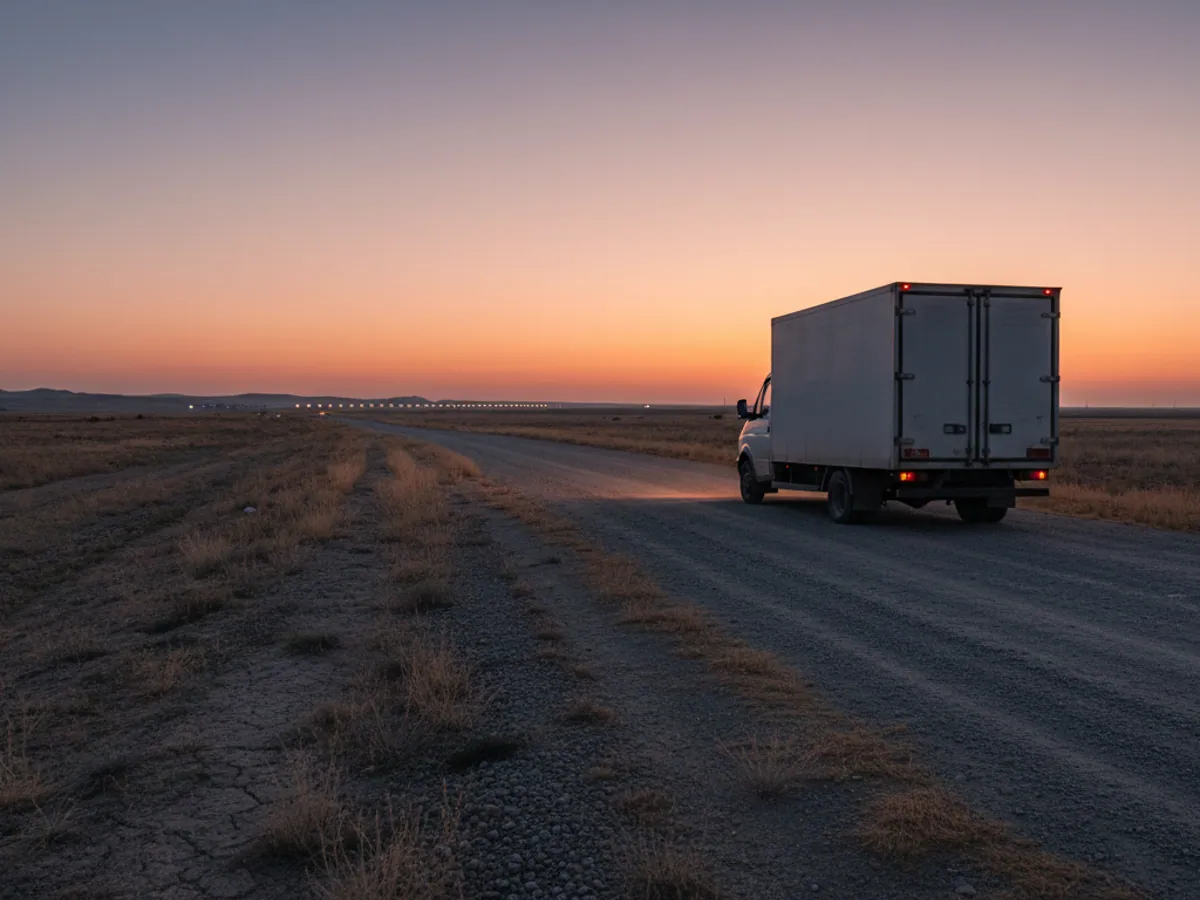
A lorry on regional runs
A Teltonika FMC130 tracker plus a capacitive fuel level sensor, for example an Escort TD-10R. It gives the track, refuellings, drains and engine hours for stops with the engine running.
A city van
A compact tracker without a fuel sensor, if the vehicle refuels on a card and covers up to 100 km a day. The sensor can be added later if consumption raises questions.
A refrigerated unit with dairy or meat
A temperature sensor in the body is added to the tracker. Needed by anyone delivering chilled goods to restaurants and supermarkets that check the temperature at goods-in.
An agent's own car
An app on the phone or an OBD tracker that is removed when the agent leaves. There is no sense in cutting into the wiring of somebody else's car.
A vehicle carrying cash
A panic button, concealed fitting of the tracker and a notification if the power is disconnected.
Markets, depots and the geofences that have to be set up properly
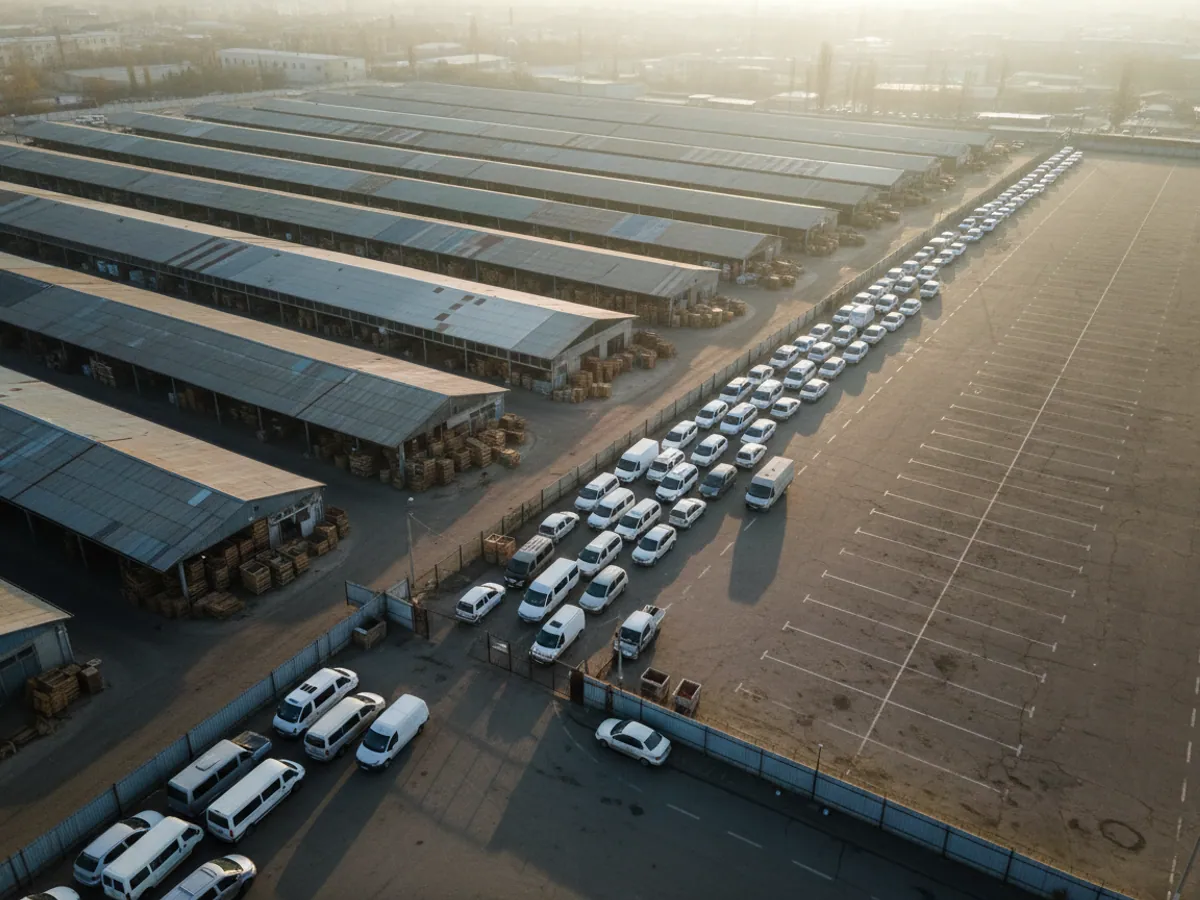
A wholesaler has plenty of places where a vehicle legitimately stands for a long time: the Sadarak market, the wholesale rows at Bina, your own warehouse, a customs terminal if you bring in imports. If these are not set up, the report will be full of suspicious stops and the logisticians will stop reading it.
We set such places up as separate geofences with their own time allowance. For a large market we create several zones: the entrance, the unloading rows, the parking area. Then it is clear that the vehicle spent an hour and a half queueing to get in rather than drinking tea. There is more about the setup in the section on geofences.
An honest limitation: under the metal roofs of covered markets the coordinates drift by 30–50 metres inside. That does not matter for a visit report, but it does matter for working out which row the vehicle stood at.
Mistakes made when rolling out at distributors
Trackers are fitted without fuel sensors, but savings on fuel are expected. A tracker shows mileage, not litres. It will not see 10 litres siphoned off.
The tank is not calibrated. The sensor is fitted and the calibration is taken from a table. On the irregular tank of a Gazelle the error comes out large enough that every second drain is a false one. The drivers are right and the system is wrong.
The drivers are not told. For the first two weeks it is better to work openly: the drivers know about the system while you establish what is normal. A covert roll-out leads to a row at the very first finding.
GPS is not linked to sales. The track sits with the fleet engineer and the visit plan with the sales department. Missed customers go on being missed.
A pilot on regional routes: what to prepare
It is easier to test the system where there is least control at the moment: two or three regional routes and five or six vehicles, at least one of them old and without a CAN bus. In terms of time, several full cycles of runs, so that different forwarders end up in the sample.
From your side:
- the customer base with addresses, ideally with coordinates from the SFA;
- route sheets and consignment notes for the pilot period;
- the fuel card statement or the refuelling receipts;
- two people responsible: one in sales for missed outlets, one in logistics for fuel.
We accept the pilot on facts matching up, not on promised savings. Refuellings from the sensor reconciled with the receipts. Every missed outlet confirmed or ruled out by a call to the customer. The cost of a run calculated at least for the pilot districts. Fuel savings are assessed after that, as a range for your own fleet. The thresholds are agreed in advance.
What wholesalers usually get
15–25% less on fuel
The typical range in the first months after fuel sensors are fitted. A more precise figure comes after two weeks of measurements on your own fleet.
Every customer on the plan
Missed outlets are visible the next day rather than a month later, when the shop is already working with a competitor.
Delivery cost by district
The mileage, litres and time for a route to Sheki and for a route around Khirdalan can be compared. It becomes clear where delivery runs at a loss.
Fewer disputes with customers
The arrival time and the time spent inside the shop's geofence settle the claim that you never came at all.
Frequently asked questions
What is used in this sector
What we do end to end
Wialon modules for this sector
How it is used in this industry
Case studies from “Retail & Trading Networks”


Thinking of rolling out GPS monitoring in “Wholesalers”?
Send us an enquiry and we will price it up for your fleet and pick the hardware for this sector: retail & trading networks.
- 1 We pin down the task
A specialist calls back and asks about the vehicles, how many there are and what you need to keep an eye on.
- 2 We put a solution together
We propose the hardware and the features, and set out the one-off and the monthly cost separately.
- 3 We agree the fitting
At your yard or at ours, on a schedule that keeps the vehicles working.
Request a call
A specialist will call back and match a solution to your fleet and your task.