

GPS monitoring of official vehicles for government bodies and state-owned companies
For a government organisation, vehicles are a budget line that has to be justified and a set of questions that has to be answered at any inspection: where the car went, why, and how much fuel it took.
We connect official cars, plant and heavy equipment and municipal vehicles belonging to agencies and state-owned companies to monitoring, and set up the reports so that they can be filed rather than recalculated by hand.

How monitoring in the public sector differs from the commercial kind
GPS monitoring of official vehicles in government and quasi-government organisations solves the same technical problems as it does in business: where the vehicle is, how far it went, how much it used. What differs is why the data is needed.
A commercial company is looking for savings. A government body wants, above all, transparency and justified spending: the official car is used for official tasks, the mileage matches the waybills, the fuel written off is backed by data. Savings come too, but as a consequence.
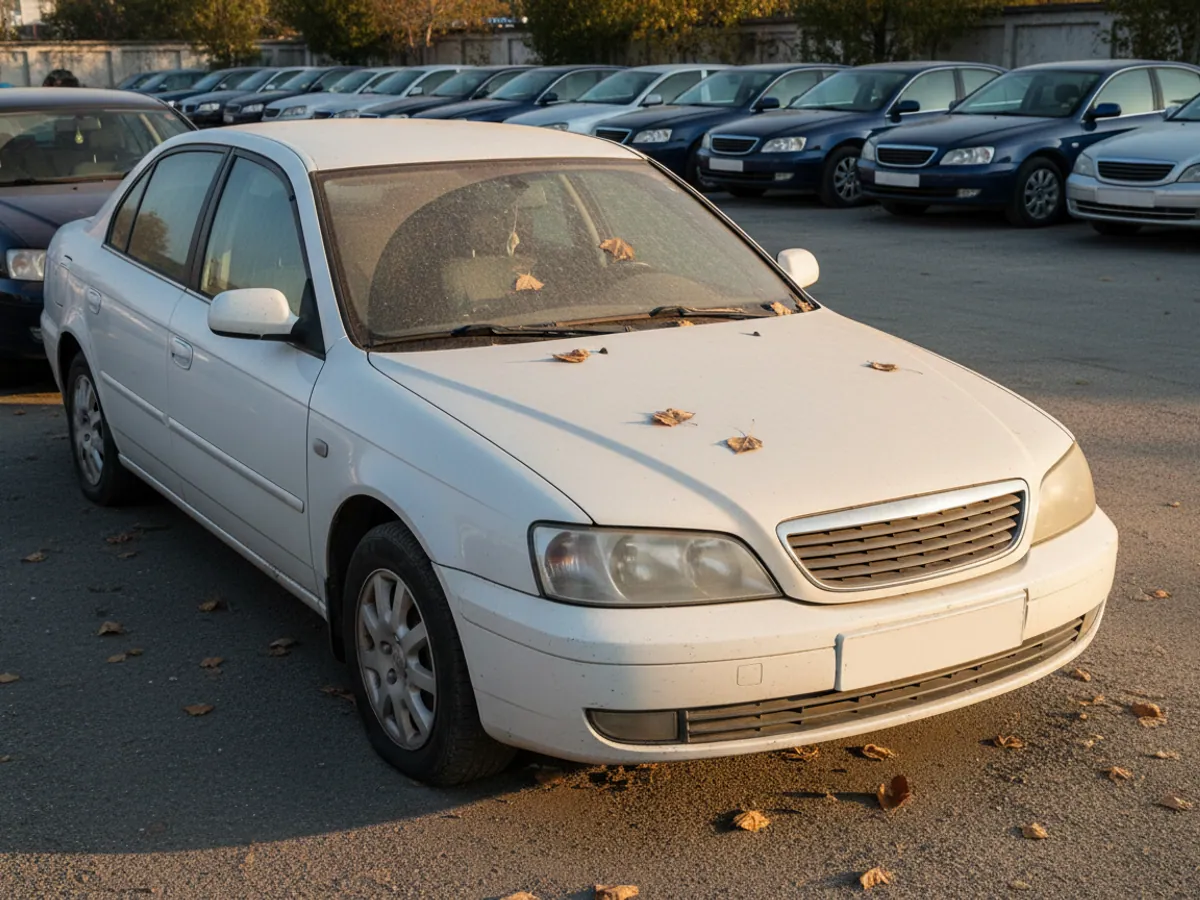
There are practical differences as well. Fleets are often mixed - from new saloons to machines twenty years old. Vehicles are assigned to departments in different districts. Decisions take a long time to agree, and equipment is bought through procedures where a precise technical specification matters.
We do not presume to speak for regulators and we do not invent requirements that do not exist. Our part is the equipment, the system setup and data that can be produced on request. Requirements for storing and forwarding a particular organisation's data are discussed with its IT department and security service at the outset.
Solutions by sector: government & quasi-government
The questions a manager wants monitoring to settle
When we start a conversation with the administration of a state-owned company or an agency, the list of questions is almost always the same:
- Whether official vehicles are used outside working hours and at weekends.
- Whether the mileage on the waybills matches the actual mileage.
- How much fuel is really used and what the difference is written off against.
- How many of the vehicles in the fleet are genuinely needed and how many stand unused for weeks.
- Where the emergency or duty vehicle is right now, if someone has to go out urgently.
That last question matters for services that work out in the field: municipal, emergency, technical. The dispatcher needs to see who is closest to the call rather than ring round the drivers.
In practice the changes are most noticeable in the first months, when staff learn that journeys are visible on the map and management starts looking at the reports regularly. If nobody opens the reports, the effect soon fades. After that monitoring becomes an ordinary accounting tool, like a bookkeeping program.
Areas within the public sector
City and district services
Street sweepers, refuse lorries, water carts, landscaping vehicles. Here monitoring confirms that the street really was swept, that the refuse lorry covered its route, and that the water cart was working rather than parked in the yard.
In detail, see solutions for municipalities.



What usually stands in the way of putting official transport in order
This is not about bad intent. Most often the problems arise because the records are kept on paper and there is nothing to check them against.
The waybill is filled in after the event
The route is written up at the end of the day or the week from memory. The mileage is adjusted to match the odometer, and the actual journeys remain unknown.
Fuel norms nobody verifies
Fuel is written off against a per-100-km norm while nobody measures the real consumption. On older vehicles the gap from the norm can be considerable in either direction.
Vehicles with nothing to do
Part of the fleet goes out once a week but is maintained as if fully employed: insurance, servicing, parking, a driver.
Data, access and security
Separation of access
Each department sees only its own vehicles. Management sees the whole fleet. Rights are configured down to the level of individual reports and functions.
Forwarding data to other systems
If the organisation has its own information system or dispatch centre, data from the trackers can be forwarded there over standard protocols. More on this in data forwarding and API.
Journey history
Tracks, events and reports are stored and can be exported for past periods. The retention period is discussed to suit the organisation's needs.
Driver identification
If several drivers are assigned to one vehicle, each presents a key or a card. Journeys and violations are recorded against a particular person.
Reports in a format people understand
Mileage, fuel, work outside working hours, stops - in Excel or PDF, sent to the responsible officer on a schedule. Non-standard forms are produced through custom reports.

One system for cars, buses and plant and heavy equipment
A government fleet is rarely uniform. One register may hold departmental saloons, minibuses for running about, refuse lorries, graders and water carts. We pick the right equipment for each type, but in the system everything is visible in one window.
- Official cars - a basic tracker recording mileage, journeys and work outside working hours. Fuel sensors are usually not needed: on newer vehicles the CAN bus data is enough.
- Older machines and lorries - a tracker and a fuel level sensor in the tank. Only this way can fuel written off be backed by fact rather than by a norm.
- Municipal plant and heavy equipment - sensors on the attachments: the brush, the blade, the pump. You see not only that the vehicle drove along the street but that it was sweeping or watering while it did.
- Field staff - personal trackers with a panic button for those who work alone on site.
To be honest about the limits: monitoring shows where and how a vehicle worked. It does not replace internal controls and it does not decide for itself which journey was official. The rules for using vehicles are set by the organisation, and the system helps check them.

Supplier qualification, data hosting and acceptance
A government organisation usually cannot just try something out. Before any vehicles are connected, three groups of questions have to be answered, and it is better to prepare the answers in advance.
The supplier qualification pack. What is usually asked for: a description of the solution and its functions, a list of the equipment with the manufacturers' documents, a description of the platform and of who operates it, the fitting and warranty service arrangements, the terms of technical support, a confidentiality agreement. The contents of the pack are determined by the customer and its procurement rules; we prepare our part to match your list.
The data hosting architecture. It is worth drawing the diagram before the pilot together with the IT department: tracker - communication channel - platform server - user workstations - and, where required, forwarding data into the agency's own system. The diagram marks where the data is held and for how long, who has access to it and how that access is granted and withdrawn. Hosting requirements are set by the organisation; we show which options are technically possible.
Acceptance criteria. Better written into the terms of reference than discussed after the fitting is done. For example:
- every vehicle in the register is connected and transmitting, with deviations on individual units explained;
- reports on mileage, fuel and work outside working hours are produced in the agreed format;
- access rights match the departmental structure and have been checked with test users;
- the responsible staff have been trained, and there is a support contact and a procedure for raising requests.
How a project with a government organisation runs
Survey. We compile a register of the vehicles: make, year, fuel type, where each one is based. For a regional fleet this is the longest stage - the vehicles sit in different districts.
Technical description. If the purchase goes through a competitive procedure, we help set out exactly what is needed: which functions, which sensors, which reports. The description has to be brand-neutral, and we keep that in mind.
Pilot. Usually 10-20 units within a single department. The point of the pilot is to show management real data and to check how the reports fit into the existing paperwork.
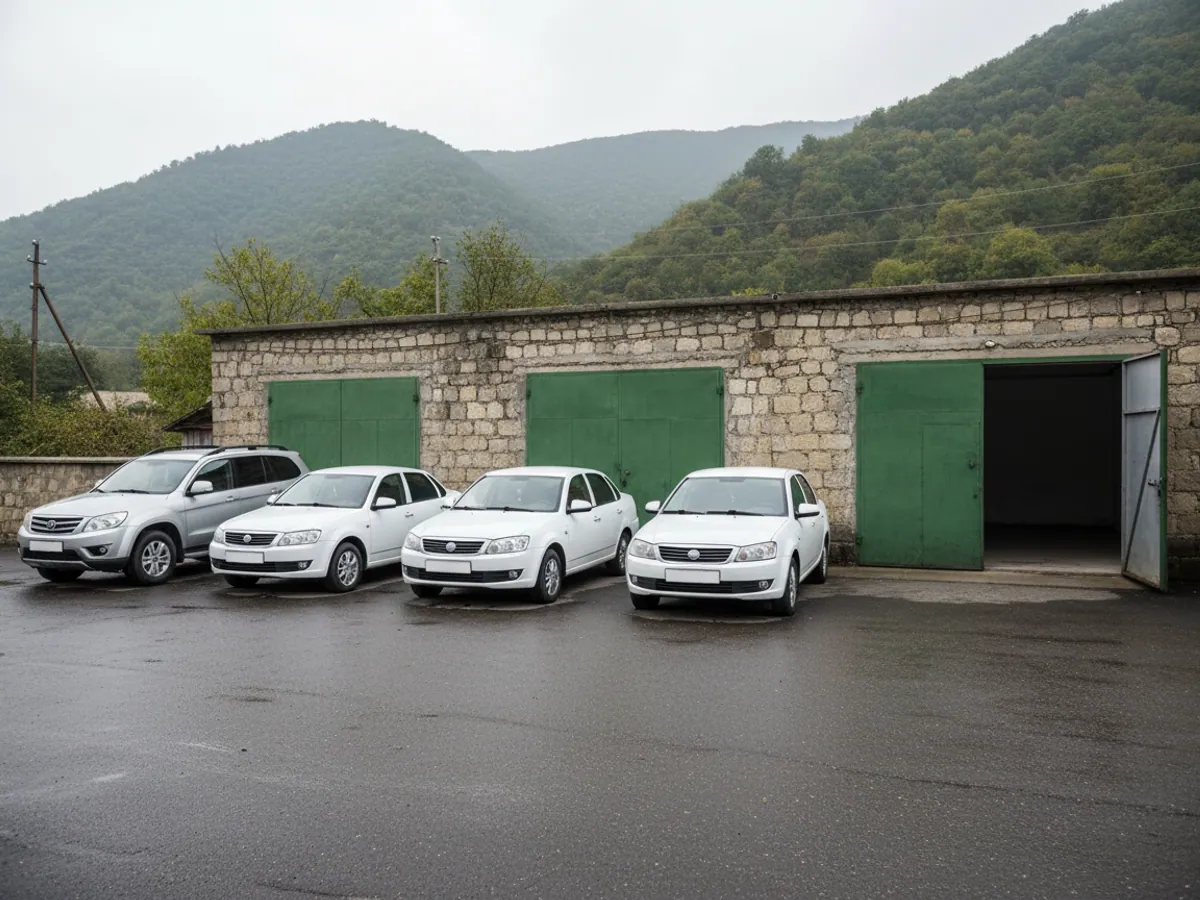
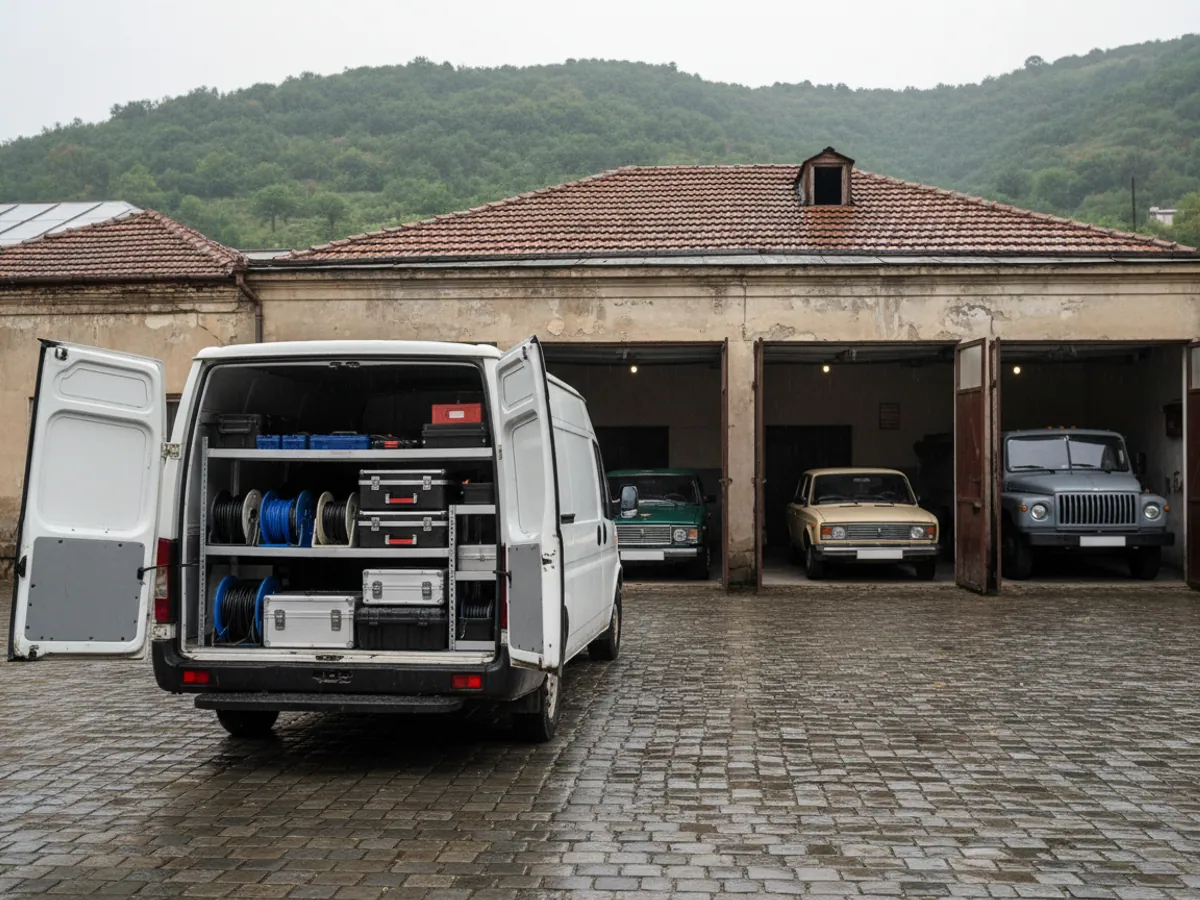
Phased rollout. By department or by region. Fitting crews travel to Ganja, Sheki, Lankaran and Nakhchivan - wherever the vehicles are.
Training and support. We teach the people responsible for transport to work with the fleet management system, and after that we provide support under a service agreement with an SLA setting out response times for faults.
Questions from government and quasi-government organisations
How it is used in this industry
Case studies from “Government & Quasi-Government”

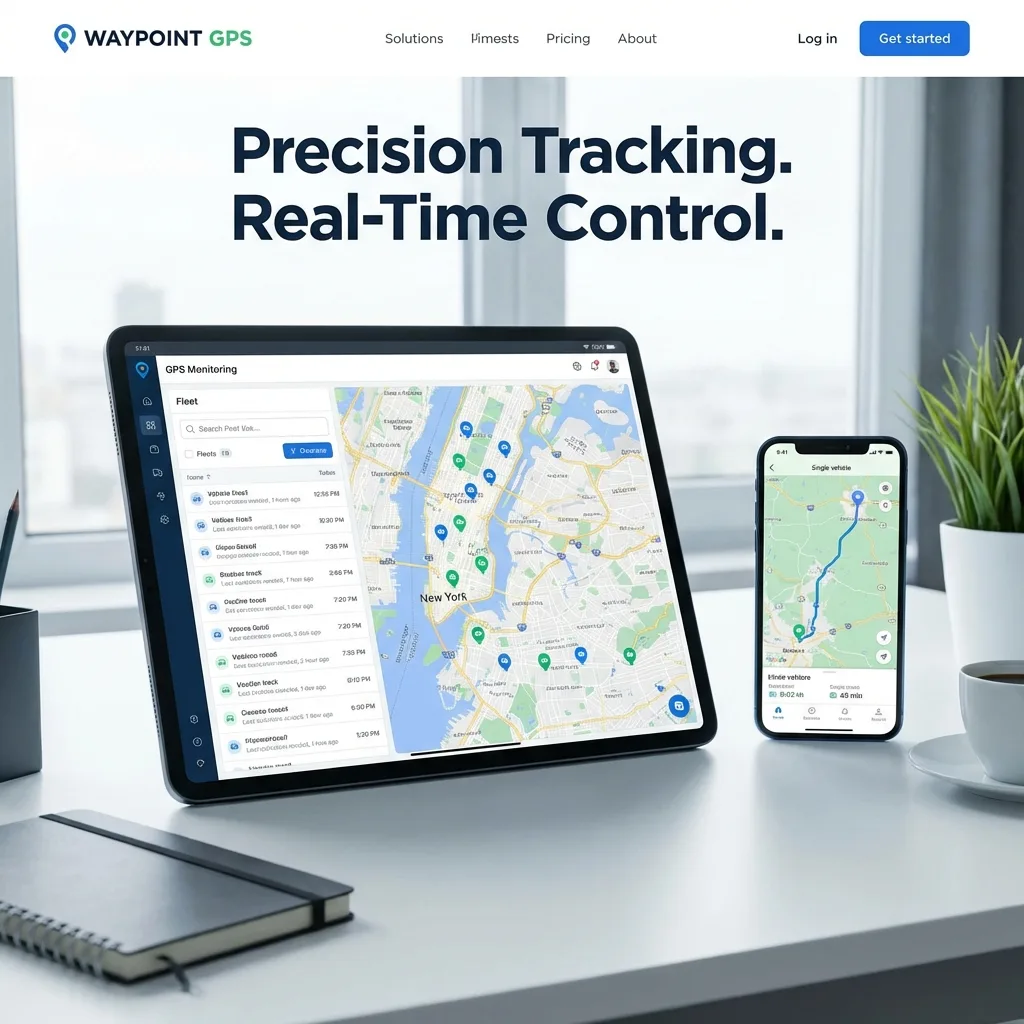
GPS monitoring for “Government & Quasi-Government”
Send us an enquiry and we will prepare a quote for your fleet and pick the hardware that suits this industry.
- 1 We pin down the task
A specialist calls back and asks about the vehicles, how many there are and what you need to keep an eye on.
- 2 We put a solution together
We propose the hardware and the features, and set out the one-off and the monthly cost separately.
- 3 We agree the fitting
At your yard or at ours, on a schedule that keeps the vehicles working.
Request a call
A specialist will call back and match a solution to your fleet and your task.