

Smart City solutions for municipalities and Executive Authorities
GPS monitoring of municipal machinery for municipalities and district bodies: street sweepers and washer trucks, refuse lorries, winter maintenance machines, access platforms and emergency service vehicles, all on one map.
Paying contractors on the track and the sensors rather than on a certificate signed on trust. For Baku, Sumgait, Ganja and district centres.
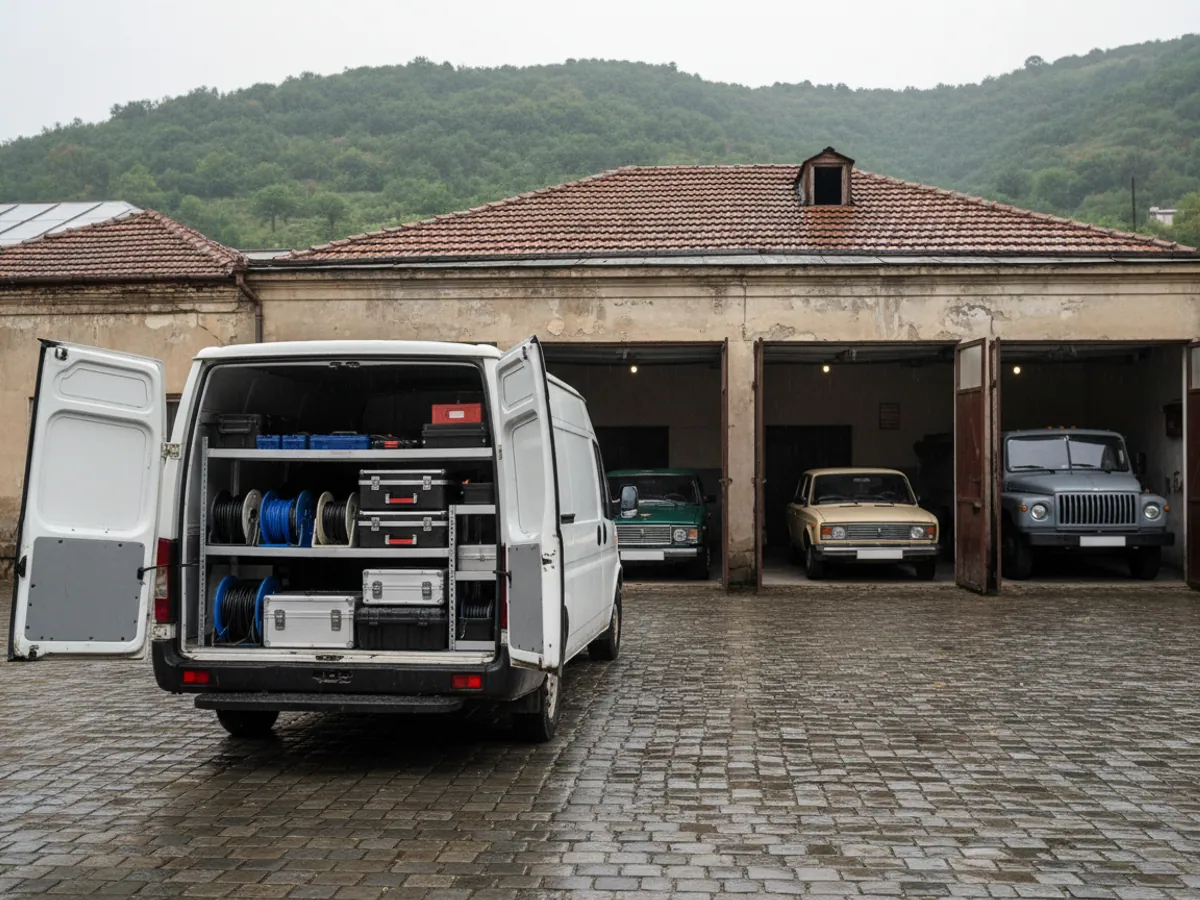
A city you can see on one map
Residents judge a district by simple things. Whether the rubbish left the yard before the heat. Whether the street was washed after a dust storm off Absheron. Whether the hill up to the school was gritted when snow fell in Shamakhi or Guba. The head of the district hears about the problem when the complaint is already on social media.
The cause is usually not a shortage of machines but the fact that nobody can see where they are and what they are doing. The contractor submits a certificate for mechanised cleaning of 40 streets, and the only way to check it is to send an inspector out to one or two of them.
GPS monitoring gives an objective picture. The tracker shows the machine's route, and the sensors show whether the brushes, the pump or the grit spreader were working. Shift reports are built automatically, and an argument about whether the work was done is settled in five minutes at the screen.

The completion certificate against the track
A worked example of what such a reconciliation looks like. A cleaning contractor claimed mechanised cleaning of 40 streets in the district over a week. We check it against the sweeper's track and the brush sensor.
- on 26 streets the machine passed with the brushes down at working speed;
- on 9 streets it drove through, but the brushes were up, so it was a transit run;
- another 5 streets do not appear in the track at all.
From there it is for the client to decide: which streets to accept for payment and which to send back for clarification. A transit run with the brushes up may have an explanation, a breakdown for instance, and it is worth hearing before drawing conclusions.
An important detail: GPS alone is not enough for cleaning. A machine can drive along a street at 40 km/h with the brushes up, and the track will look perfect. So we always fit a sensor on the working attachment of municipal machinery.
What we monitor in each service
Refuse collection
Every bin point becomes a geofence. A sensor on the lifting arm shows that the container really was emptied rather than the lorry simply driving past. The report shows which points were missed against the schedule and when they were served.
In summer, when it is +40 °C in Baku, the rubbish has to leave the yard before midday, otherwise the complaints start around lunchtime. The service time appears in the same report.




Why the complaints keep coming back
We have looked at municipal services many times before monitoring was introduced. The problems are much the same from Sumgait to Lankaran:
Payment on paper
The contractor's certificate is the only document about the work done. It can be checked only on a sample basis, and everyone knows it.
No real-time picture
The dispatcher does not know where a free machine is and sends the one standing at the other end of the district.
Fuel disappears without trace
Municipal machines stand with the engine running for hours, and fuel and lubricants are written off against norms rather than actual use.
Residents report the problem first
An overflowing bin point or an untreated hill reaches social media before it reaches the service's own report.
Machines stand idle while new ones are short
Some machines go out once every few days, but without utilisation data that is invisible, and the district asks for new machinery instead of reallocating what it has.
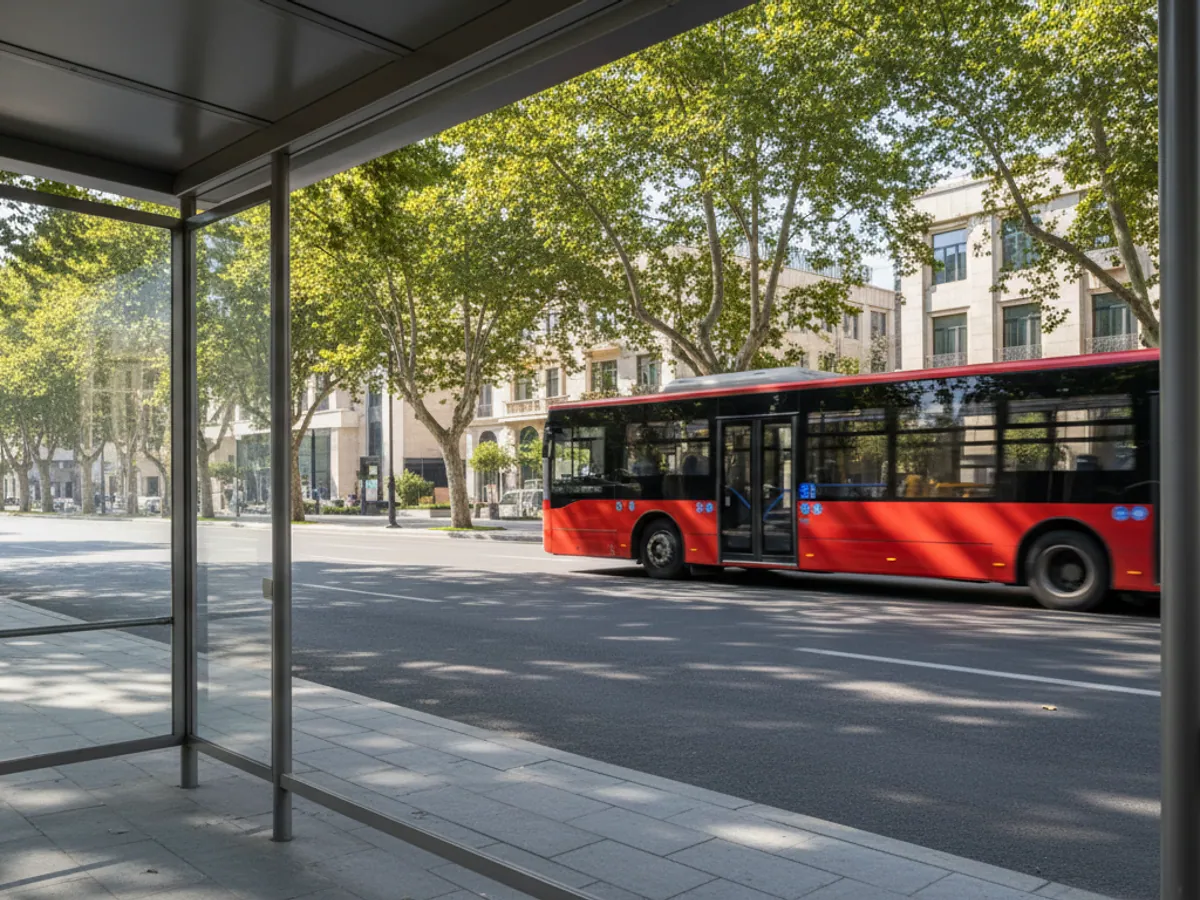
When the machines belong to different contractors
A district may have five contractors, each with its own fleet, and some of them already carry trackers from other suppliers. There is no need to fit a second device to every machine.
We set up data retranslation: the contractor's tracker carries on working in its own system, while a copy of the data goes to the municipality's platform. For those with no monitoring at all, we fit the equipment ourselves.
A clause on data transfer is best written into the contract with the contractor: which machines are connected, how often points arrive, which sensors are mandatory and what counts as confirmed work. Then the question does not have to be settled from scratch every time.

Driving along a street is not cleaning it: what counts as proof of work
For accepting work it matters to agree in advance what exactly counts as cleaning or washing performed. The track proves only that the machine drove past. To prove work you need conditions, and they go into the contract with the contractor and into the system settings:
- The working attachment is engaged. The brushes are down, the pump or the nozzles are running — by sensor, not by the driver's word.
- Working speed. For mechanised cleaning and washing a speed range is set. Passing faster counts as a transit run, even with the equipment engaged.
- Coverage of the stretch. The street is divided into stretches and the share of length covered is counted. The threshold, for example not less than a given share of the length, is agreed with the client.
- Water use. For washer trucks, a level sensor in the tank shows that water really was used and not just that the pump was running.
- Timing. Cleaning within an agreed window, at night for instance, and washing not in the worst of the heat.
Even with all these conditions the system cannot see how clean the street became. The sensor says the brushes were working on this stretch, not that no litter was left. Quality is still checked by an inspector on a sample basis, but now where the data raises questions.
How we launch the system in a district
A survey of the fleet
We draw up a list of machines by service and contractor, noting where trackers are already fitted and where sensors on working attachments are needed.
A pilot in one service
We most often start with refuse collection: the result shows quickly, and this is the subject of most complaints.
A map of the objects
Bin points, streets for cleaning, washing routes and winter maintenance routes go in as geofences and routes.
Reports and procedure
We agree which report serves as the basis for accepting work and who checks it. We train the dispatchers and inspectors.
Connecting the other services
Cleaning, washing, winter work, emergency crews — one service a month, so that people have time to get used to the new rules.

What the head of the district sees, and what the dispatcher sees
The dispatcher needs a live map: which machine is where, who is standing still, who has not come out on shift, where to send a crew. The head of the district has little use for a real-time map. What matters to them are the totals.
- the percentage of bin points served on schedule;
- the share of streets cleaned with sensor confirmation;
- fuel consumption by service and by contractor;
- the response time of emergency crews.
Summaries like these are assembled in the platform's reports and arrive by email on a schedule. How the analytical reports are built can be seen in the analytics and reports section. The other solutions for government bodies are on the GPS monitoring for the public sector page.
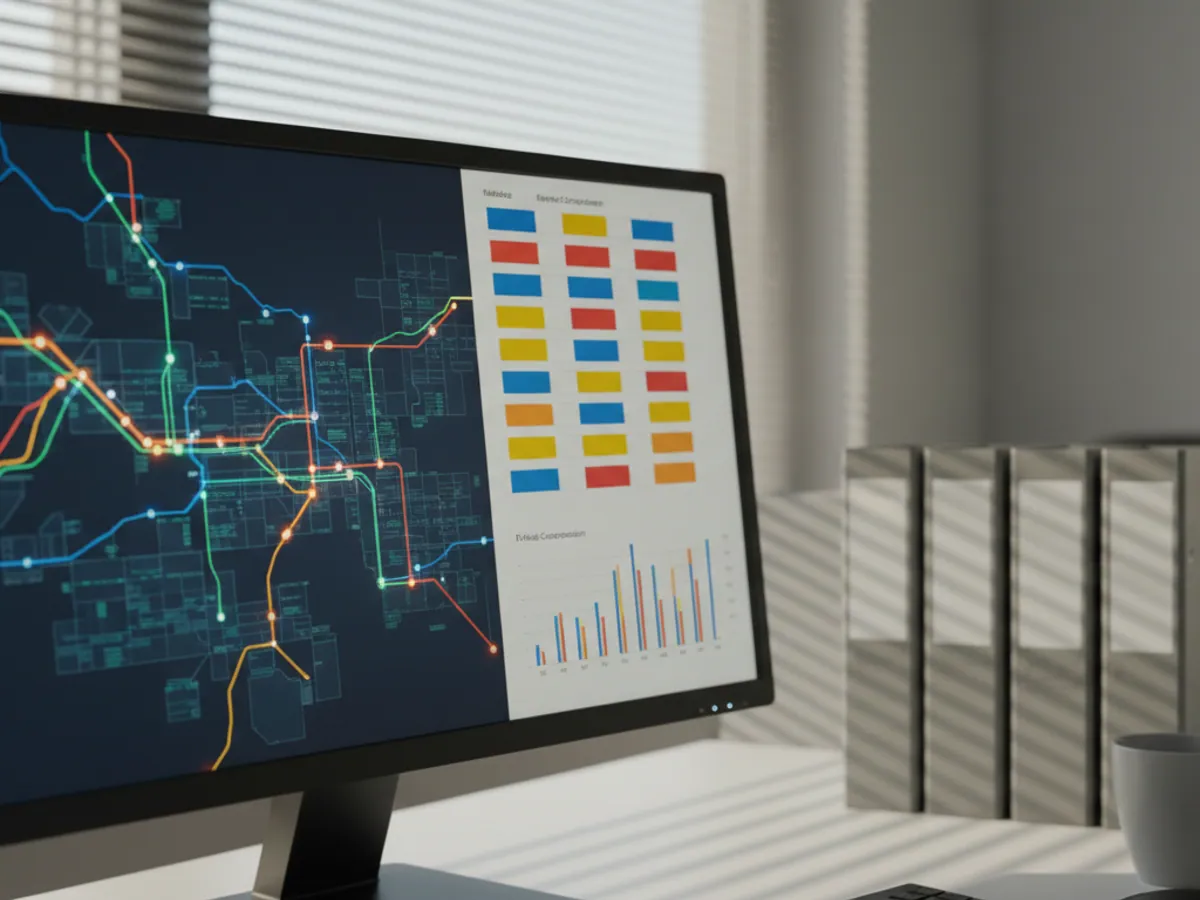
How to work out the effect before the rollout
The budget question always sounds the same: what will the system cost and what does the district get in return. We price the equipment and the subscription against the particular fleet. The effect is easy enough to assess yourself, under three headings.
- Unconfirmed work. Take the monthly volume under the cleaning or collection contract and assume that not all of it will be confirmed during the pilot. In our rollouts the gap between the certificate and the track in the first month is rarely zero.
- Fuel. Idling and transit runs with no work done show up in the report. Norms recalculated on actual use usually come out below those currently applied.
- Surplus machines. The utilisation report shows machines that go out two or three times a week. They can be moved between services instead of buying new ones.
For these calculations two or three months of a pilot in one service are enough. After that the decision to expand is taken on your own figures.

A pilot in one service: inputs and acceptance
What we need from the district: a register of machines by service and contractor; a list of bin points and streets with their service schedules; the current contracts with contractors, so we can see what serves as the basis for payment today; a member of staff to check certificates against reports.
Acceptance criteria for the pilot:
- every machine in the pilot service is sending data, and the sensors on the working attachments have been checked on a control run;
- bin points and streets are set up in the system and the boundaries of the stretches are agreed;
- a contractor's weekly certificate is reconciled against the report without anyone reviewing tracks by hand;
- every discrepancy has been worked through with the contractor and marked: confirmed, explained, or not accepted.
An example acceptance report: for each street or bin point — the date and time, the machine, the contractor, the share of the stretch covered with the working attachment engaged, the speed, the water used for washing, and the status confirmed or for checking.
What changes after the rollout
Payment for what is confirmed
Work is accepted on the track and the sensors. Gaps between the certificate and the data are visible street by street and point by point.
Fewer complaints
Missed bin points and streets are visible the same day rather than after a resident rings in.
Faster response
The dispatcher sends the nearest crew. The time of arrival is recorded and appears in the reports.
Transparent costs
Engine hours, mileage and idling for each machine become the basis for realistic fuel norms.
Frequently asked questions
What is used in this sector
What we do end to end
Wialon modules for this sector
How it is used in this industry
Case studies from “Government & Quasi-Government”

Thinking of rolling out GPS monitoring in “Municipalities”?
Send us an enquiry and we will price it up for your fleet and pick the hardware for this sector: government & quasi-government.
- 1 We pin down the task
A specialist calls back and asks about the vehicles, how many there are and what you need to keep an eye on.
- 2 We put a solution together
We propose the hardware and the features, and set out the one-off and the monthly cost separately.
- 3 We agree the fitting
At your yard or at ours, on a schedule that keeps the vehicles working.
Request a call
A specialist will call back and match a solution to your fleet and your task.