
GPS trackers, fuel level sensors, video monitoring — from fitting to the report in 1C
An audit, equipment fitting, platform configuration and integration with accounting systems. The full cycle, for fleets of any size in Azerbaijan.
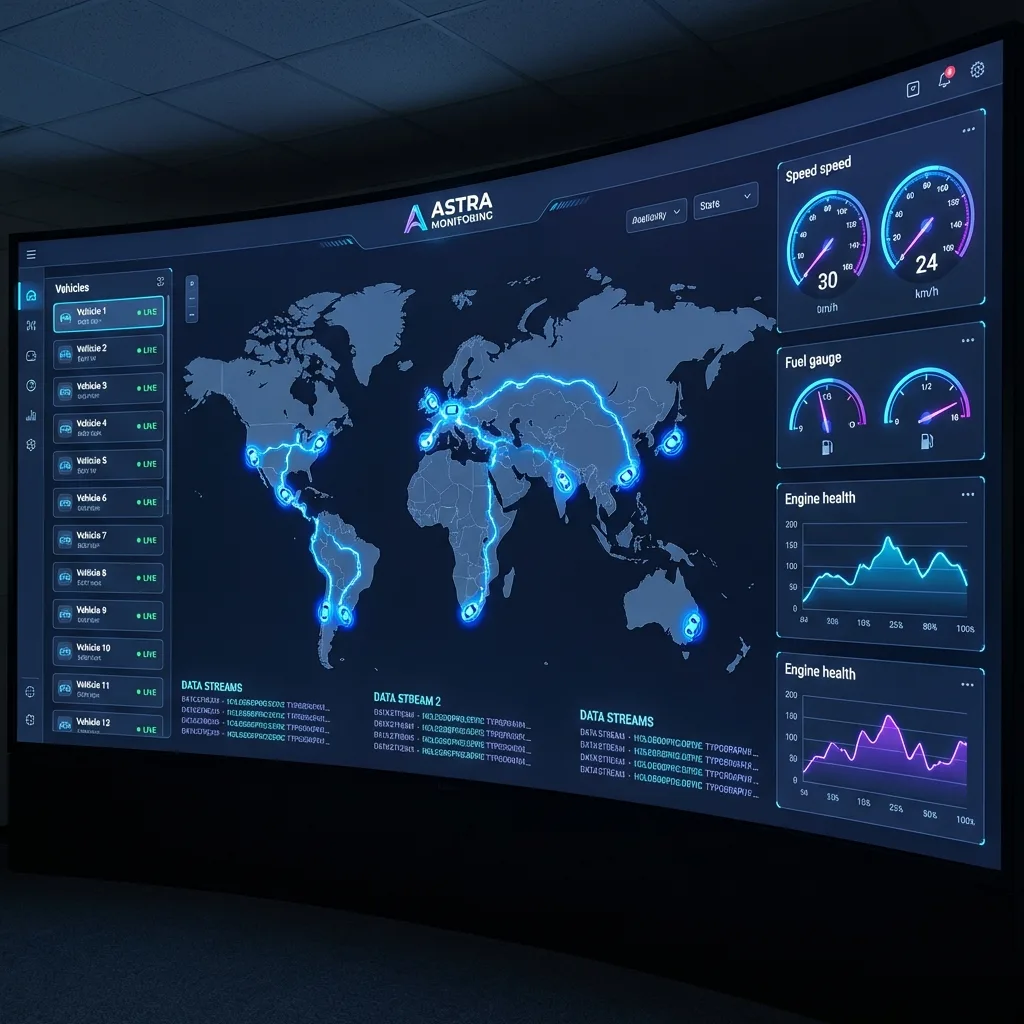
Turnkey GPS tracker installation
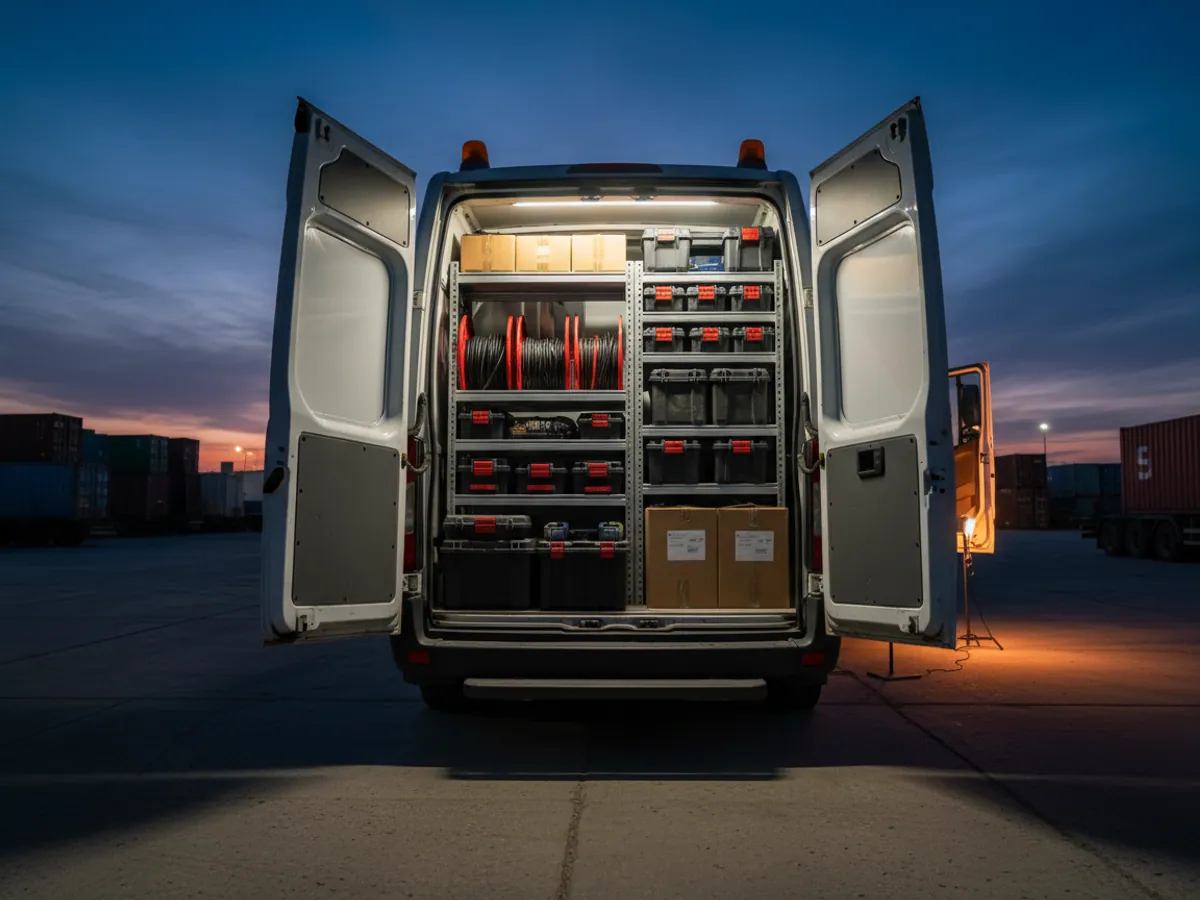
Fitting on cars, vans, lorries and plant and heavy equipment — from the Chevrolet Cobalt and Damas through to MAN. We connect through the fuse box and a contactless CAN reader, without cutting into the factory wiring; on new vehicles we advise checking the warranty terms with your dealer beforehand. The tracker goes in out of the driver's sight and is sealed, and a loss of power arrives as an alert.
“In 3 years, not a single case of sabotage. A fleet of 64 vehicles fully under control — the reports reach 1C without the dispatcher touching them.”
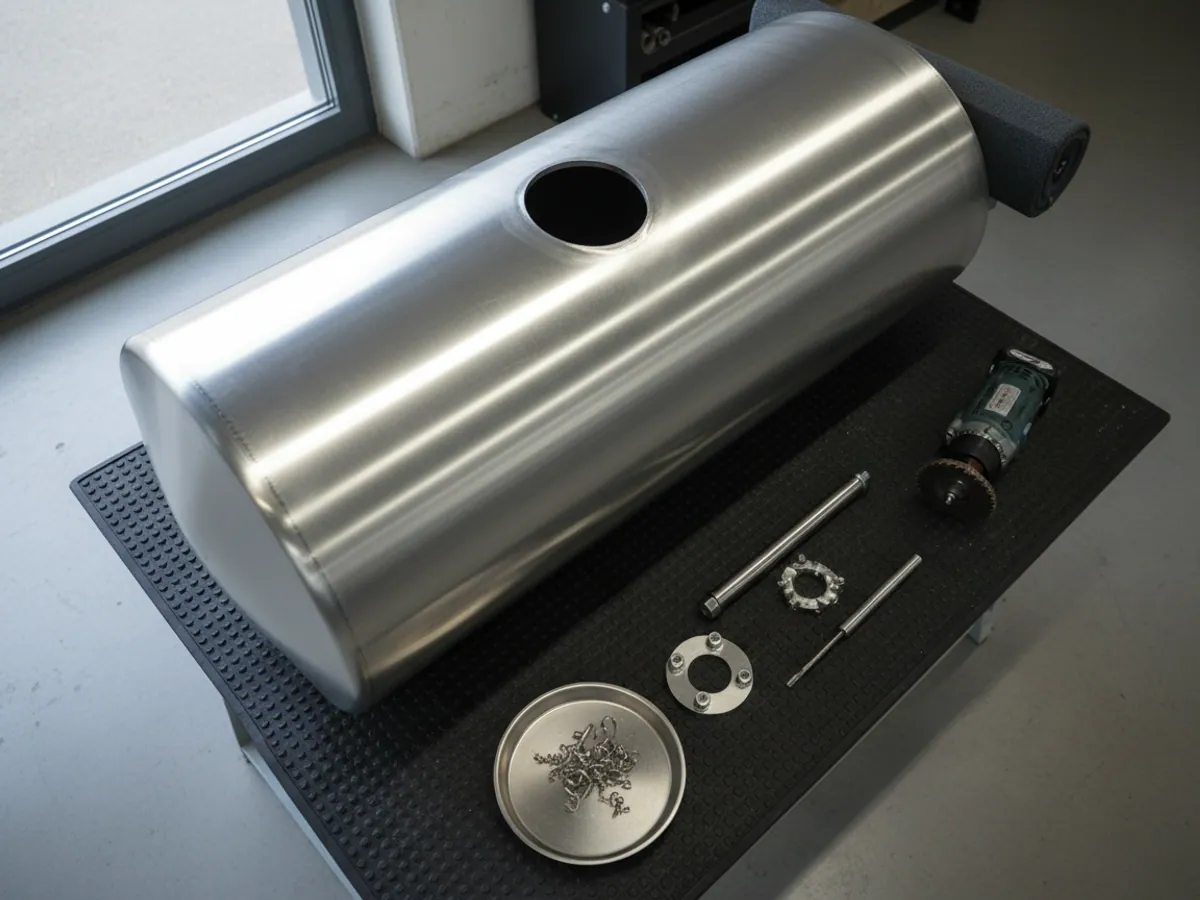
Fuel control: fuel level sensor + analytics
Escort capacitive fuel level sensors, calibrated on fitting. The report shows every refuelling and every drop in level beyond the threshold, and the check against receipts and consignment notes is done in litres. How long it takes to pay for itself depends on how much fuel was going missing before the sensors went in.
“In the first month we found 4,000 litres that had walked out through a siphon hose. The equipment paid for itself in 6 weeks.”
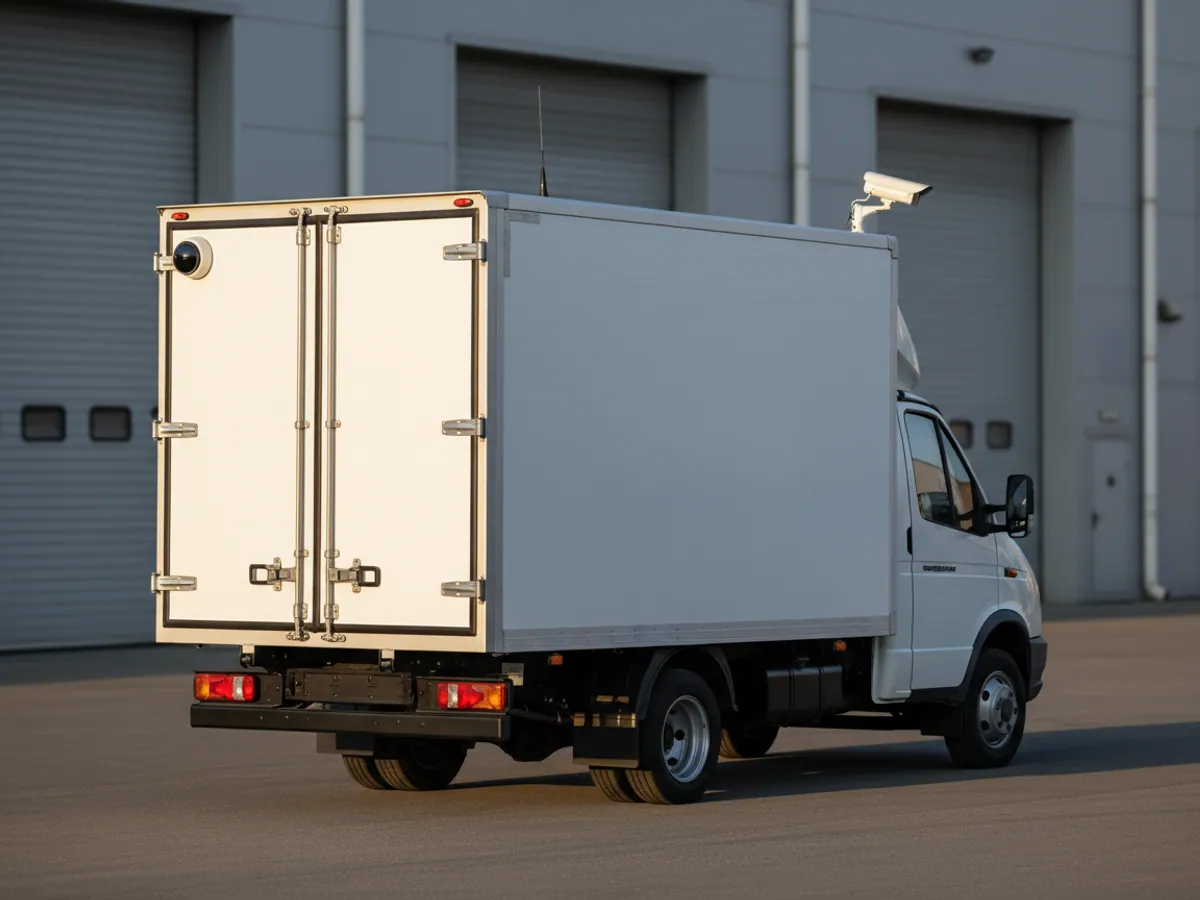
4G video monitoring in real time
Professional DVR systems with 4G and cloud storage: 1-4 cameras per vehicle, HD recording, instant alerts on accidents and alarms. The footage is on the manager's phone straight away — no memory cards, no driving out to the driver.
“Once the cameras went in, the drivers began driving more carefully. In six months, not one accident that was our fault, and the insurer pays out faster.”
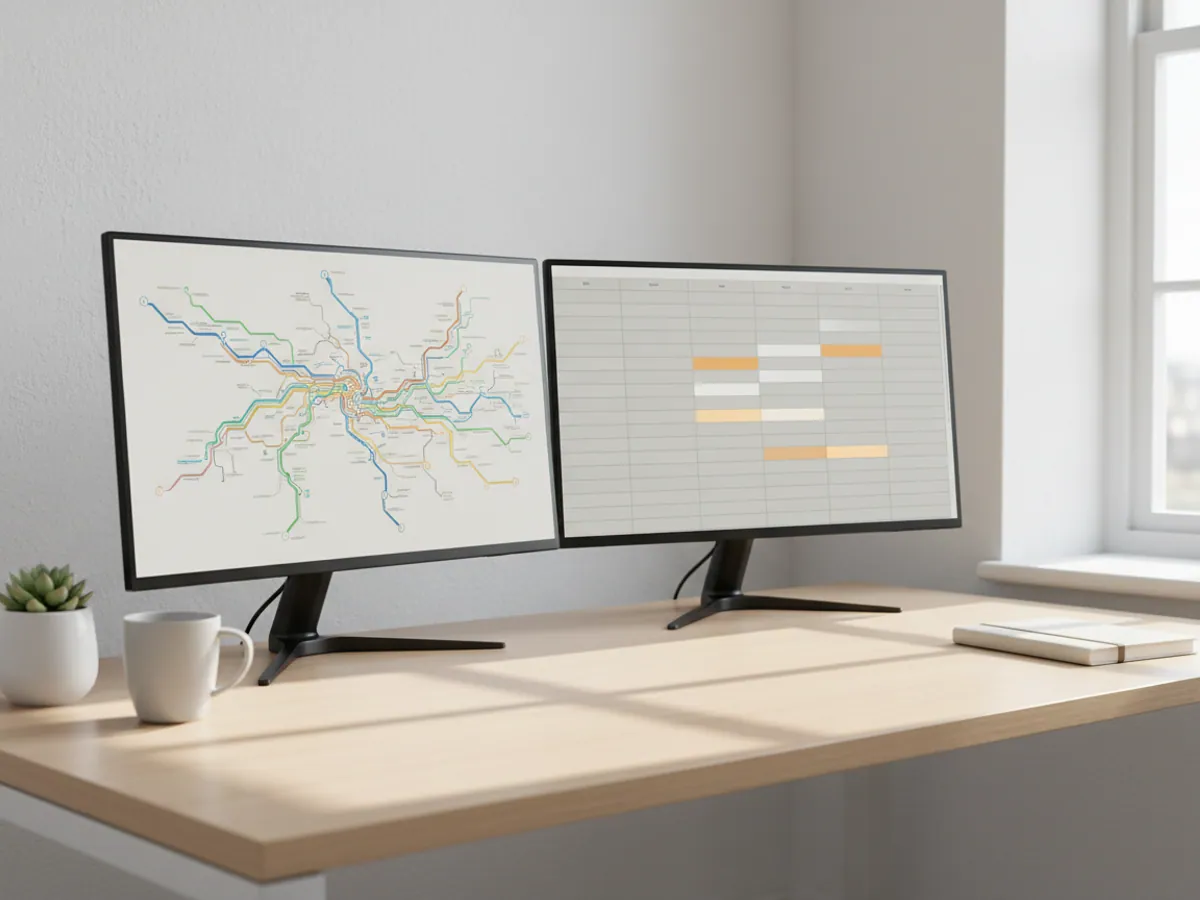
Wialon ↔ 1C / SAP with no manual entry
We set up the exchange between Wialon and 1C, SAP or your ERP to match your own configuration: mileage, fuel consumption and engine hours land in the accounting system on a schedule. Padded waybills become difficult to hide, and the manual work comes down to looking into the discrepancies.
“Before the integration, our logistics clerk spent 2 days a week on reconciliation. Now the data arrives in our 1C by itself — that freed up around 80 hours a month.”
Service support under an SLA contract
Response times set by ticket priority, an engineer call-out, replacement stock of equipment and remote diagnostics. The SLA contract states in advance how quickly we pick up a failed tracker or sensor and when an engineer travels out to site.
“On a Friday evening the tracker on our main lorry died, with the run leaving in 2 hours. The GPS.az engineer was there in 50 minutes and swapped it from the replacement stock. That is what SLA means.”
And another 28 services across 5 areas
Fitting any kind of sensor, migration between platforms, training, tenders — everything it takes to launch GPS monitoring and keep it running.
Fitting and rollout
services: 11Configuration, integrations and migration
services: 7Industry and specialist solutions
services: 7Which service to start with
The list of services is long, but almost every project begins with one of six situations. Find yours — the rest we add as the work goes on.
There is no monitoring at all yet
Start by fitting trackers and setting up the basics on the platform. Sensors can be added later, once it is clear where the money is actually going.
GPS tracker installationThe trackers are fitted, but on another platform
Most of the common models we move across to our Wialon server without taking anything off the vehicle. Trip history is carried over where possible.
Data migrationFuel is where most of the money goes
What you need is a fuel level sensor with calibration, although on newer vehicles the CAN bus is sometimes enough on its own. We explain the difference during the survey.
Fuel level sensor fittingDisputed accidents and complaints from customers
A DVR that sends events online keeps the recording of the accident or the complaint. The argument about who was at fault is settled by the footage rather than by whose word carries further, if the camera was looking the right way.
Video monitoringThe data is copied into 1C by hand
An integration passes mileage, engine hours and fuel consumption into the accounting system on a schedule. Accounts then check only the lines that disagree, instead of every waybill.
Integration with 1C and SAPA client or another system needs the data
Data retranslation sends the coordinates of your vehicles to a client's server or to an outside control room in whichever protocol is required, without a second tracker in the cab.
Data retranslationHow the roll-out goes
Four stages, the same for a fleet of five vehicles and for one of five hundred. The only difference is the timing: a small fleet goes the whole way in a week, a large one in a month to six weeks. Before the work starts we agree what it covers and what it does not, and we hand over on an acceptance check on site: the data in Wialon is compared with the dashboard, a refuelling or the weighbridge, and we sign the sign-off sheet.
Audit
We come out to the garage or the yard and look at the vehicles in person: the year, whether there is a CAN bus, the shape of the tanks, where a tracker can be hidden. What comes out of it is an equipment specification and a quote you can read, with no just-in-case extras.
Fitting
Concealed fitting of trackers, sensors and video cameras. A car with a basic tracker takes under an hour; a lorry with a fuel level sensor and calibration takes half a day. We work in Baku and send a crew out to the regions, including evenings and weekends, so that you do not have to take vehicles off the road.
Configuration
We set your vehicles up in Wialon, draw geofences around depots and sites, and put in consumption norms and alerts. Dispatchers and managers are trained on your own vehicles, not on demo data.
Support
Remote diagnostics, equipment replacement, help with the reports. When a tracker stops reporting, more often than not we notice it before the client does. For large fleets there is an SLA contract in which response and call-out times are fixed by ticket priority.



Questions about the services and the fitting
Agree the scope of work
Tell us about the fleet and the task. We will propose a scope of work, say what it leaves out and how we will hand over the result.
- 1 We pin down the task
A specialist calls back and asks about the vehicles, how many there are and what you need to keep an eye on.
- 2 We put a solution together
We propose the hardware and the features, and set out the one-off and the monthly cost separately.
- 3 We agree the fitting
At your yard or at ours, on a schedule that keeps the vehicles working.
Request a call
A specialist will call back and match a solution to your fleet and your task.