
Cargo tracking in transit
We record the three things a cargo owner cares about: where the load is, what the temperature is doing and whether the container has been opened. Where there is coverage, the data is visible straight away. A tracker on the tractor unit shows the vehicle, a self-powered tracker inside the load shows the load itself, and BLE sensors show temperature and tampering in the body. Where there is no mobile network the data arrives late, once the device is back in touch.
Cargo monitoring in the Caspian transit hub
Azerbaijan has become a key transit point between Asia and Europe: millions of tonnes of cargo pass through the Baku-Alat port every year, moving from China, Kazakhstan and Turkmenistan towards Turkey, Georgia, the EU and the Middle East. At the same time the country remains a large importer of food from Turkey, Iran and Ukraine and of pharmaceuticals from Europe — categories where an unbroken cold chain is critical to the final value and to the safety of the product.
The classic freight risks in the region — theft in transit, breaches of the temperature regime while crossing the hot Kara-Kum desert or on the ferry crossings of the Caspian, damage during transhipment in ports and at rail marshalling yards — cost cargo owners 3-7% of the value of the load in direct losses. Satellite monitoring brings those losses down to under 0.5% and makes the insurance settlement simpler when an incident occurs.
For customers working international routes, what matters most is that the tracking is not broken when the mode of transport changes or a border is crossed. Our devices send data over GSM, LoRa and Wi-Fi and, where there is no terrestrial network, over a satellite channel if the project provides for one. When the link drops, points are stored in the tracker's memory and sent on later.
The vehicle and the load are not the same thing. A tracker on the tractor unit answers the question of where the vehicle is. If the load has been moved into another body or the trailer has been dropped, it will not know about it. To see the load itself, a self-powered battery tracker is placed inside it. It does not depend on whose vehicle is carrying the consignment or on whether the haulier changes along the way, but it reports in less often and does not measure temperature itself.
Connectivity and battery life. On the Caspian ferry and on stretches with no coverage the tracker cannot send anything: it stores the positions and sends them once a network appears. On the map in the meantime you see the last position that was transmitted. A frequent reporting mode drains a self-powered tracker's battery faster, so the mode is chosen to suit the length of the route.
What do we monitor?
Solutions for every type of consignment and for multimodal shipping
Perishable
goods
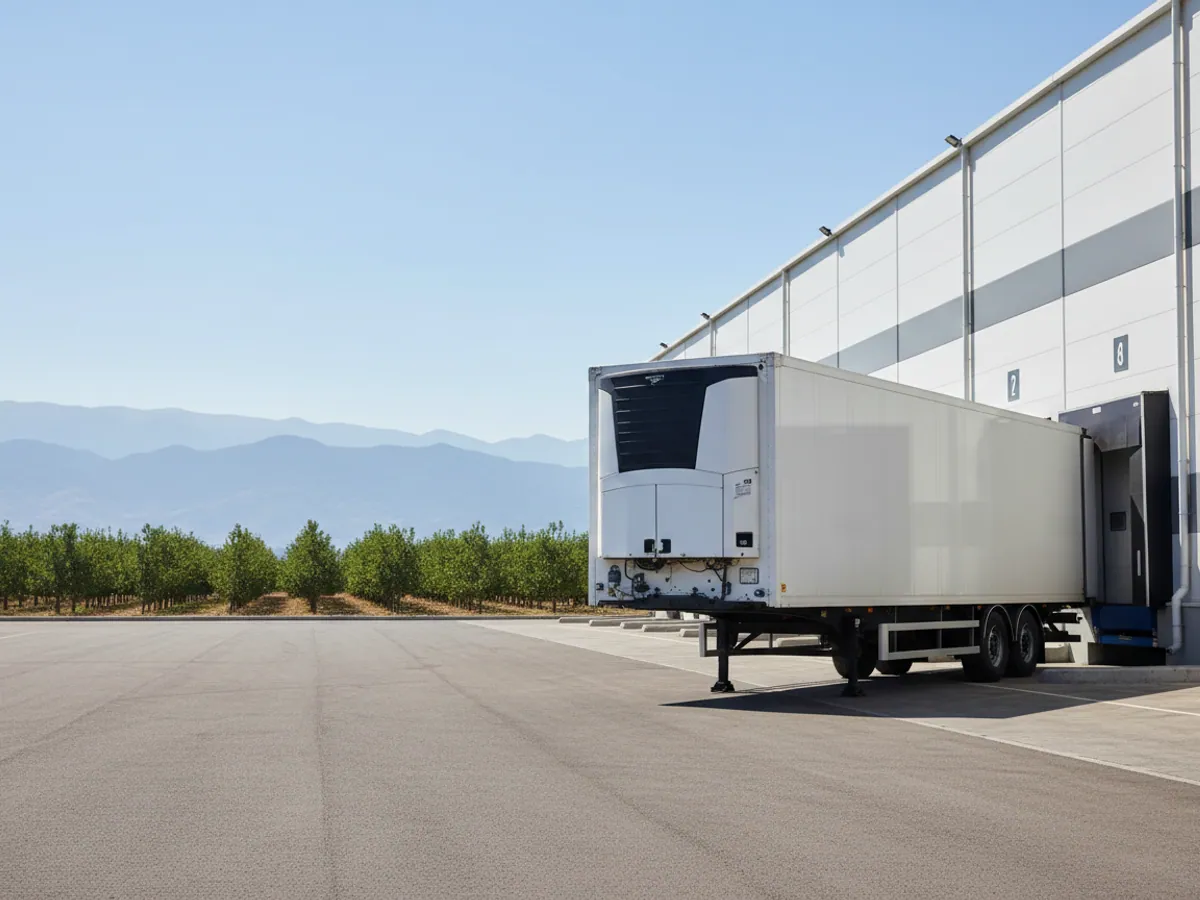
Unbroken cold chain monitoring from +2°C down to -25°C for food, vaccines and pharmaceuticals. We select sensors by operating range, accuracy and logging interval, and state those parameters from the selected model's data sheet. Temperature reports are prepared in the format agreed with the customer.
Containers and
multimodal
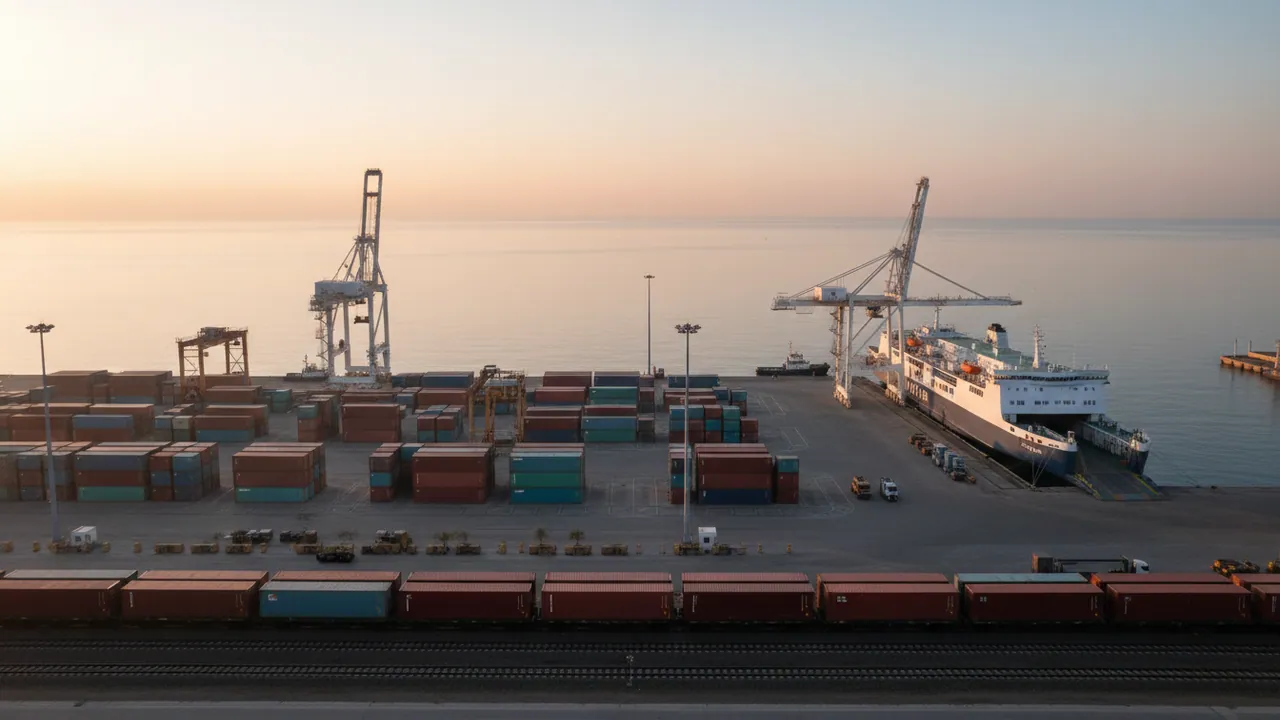
Tracking of sea, rail and multimodal containers along the TRACECA and North-South corridors. A self-powered tracker inside the container stores positions while it is out of touch — on the Caspian ferry or on stretches with no coverage — and sends them once a network appears.
Hazardous bulk
liquids (ADR)
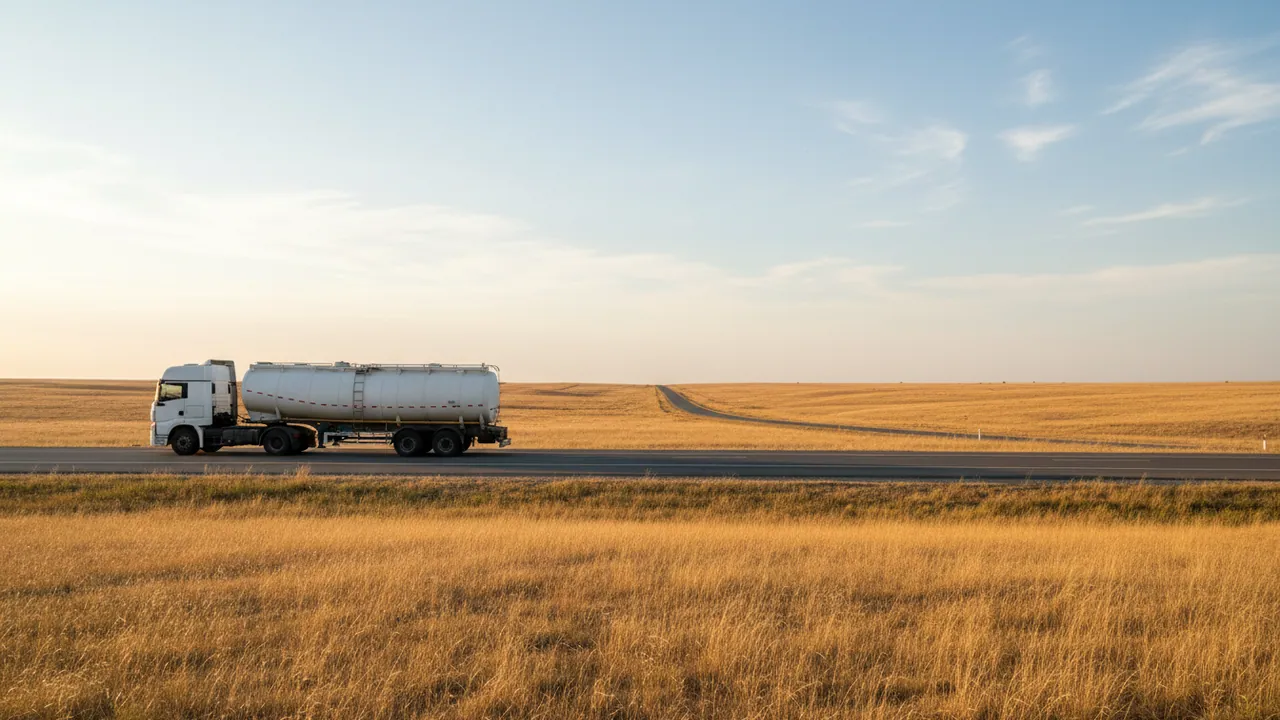
Monitoring of tankers and tank containers carrying fuel, oil products and chemical reagents. Sensors on hatches and valves (as the project requires), control of the permitted route and of stops. Monitoring helps with meeting ADR requirements, but it does not replace the driver's certification or the documents for the load.
Valuable cargo and
equipment
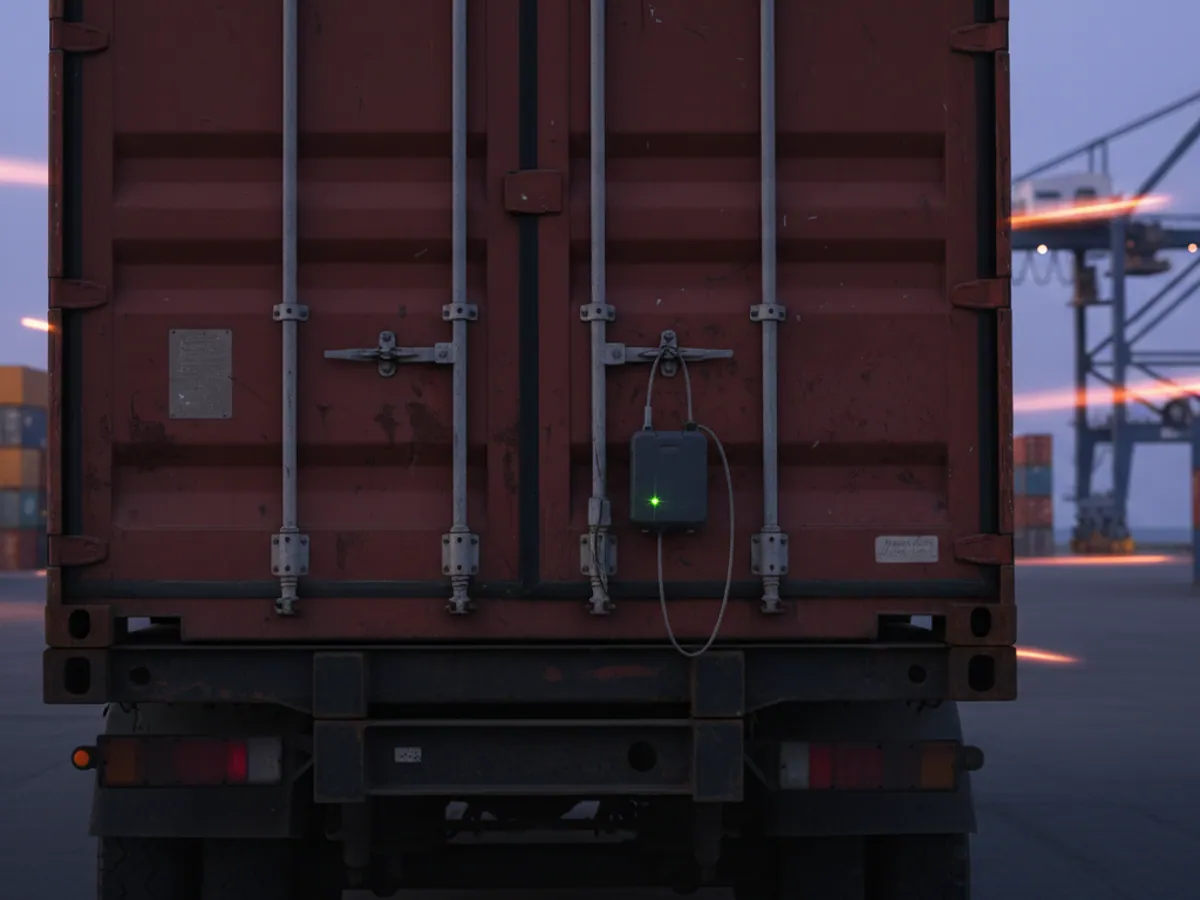
Concealed tracking of expensive electronics, household appliances, industrial equipment and works of art, to guard against theft in transit. A compact self-powered tracker hides in the packaging; how long it runs on its battery depends on the model and on how often it reports.
Key capabilities
A full set of tools for keeping the load intact
Temperature and humidity
Wireless BLE sensors record temperature and humidity at several points in the body; the accuracy and the interval are as stated in the model's data sheet. If a reading leaves the set range an alert is sent, and the report on the run shows when the limit was breached and by how much.
Access control
Door sensors, electronic seals and RFID tags on individual packages. A notification when the doors are opened outside a permitted geofence or while the vehicle is moving; how quickly the alert arrives depends on the connection at that spot.
Impact and rollover
The accelerometer in the tracker or in the sensor records heavy jolts and tipping, with the time and the place of the event. For fragile loads this helps to work out on which leg of the journey the damage occurred; the sensor by itself does not prevent damage.
Geofences and route
Checking that the approved corridor and the list of permitted rest stops for the driver are being observed. A warning about a departure from the route, an unauthorised stop of more than 20 minutes, or a breach of driving hours.
Where to put the tracker: on the vehicle or in the load itself
The first question we ask a cargo owner: whose vehicle is carrying the load, and does it change along the way. Everything else follows from the answer.
| Method | Power | What it shows | Weak point |
|---|---|---|---|
| Tracker on the tractor unit | The vehicle's electrical system | The route of the vehicle, its stops, the opening of the body doors, and the refrigerated unit's temperature through sensors | If the load is dropped or moved into another body, the tracker will not see it |
| Self-powered tracker inside the load | Its own battery, good for years | The path of the load or the container itself across ferries, railways and warehouses, and the moment movement begins | Infrequent positions (usually from once an hour to once a day), no temperature |
| BLE sensors in the body | A battery in the sensor | Temperature and humidity by zone of the body, tampering, impact | A tracker acting as a gateway has to be nearby; on its own the sensor sends no position |
For valuable consignments the methods are combined: a tracker on your own tractor unit, plus a self-powered TAT100 hidden in the load, plus EYE Sensor devices in the body of the refrigerated unit. If the load is later moved onto someone else's vehicle, its path still stays on the map.
One night of a refrigerated lorry on the M-1
A refrigerated lorry carrying greens from Lankaran is heading to Russia through the Yalama crossing point. The setting is +2…+4 °C. Stopping for the night near Khachmaz, the driver shuts down the engine and switches off the refrigeration unit — saving diesel, on the reasoning that it will not have time to warm up by morning.
At 02:40 the sensor at the far end of the body reads +9 °C, and the logistician on duty gets a notification. A call to the driver, the unit is running again, and by 04:00 the temperature is back where it should be. Without the sensors this would have come to light only at the goods-in check, when the buyer rejected part of the consignment.
Cases like this are common, and usually it is not ill intent but an attempt to save fuel. That is why the report for the haulier shows not only the temperature but also the running time of the unit: the argument about nobody having switched anything off is over in a minute.
Transit across the Caspian: what to allow for in the configuration
Freight through Azerbaijan is often multimodal: road transport from Iran and Turkey, the Baku — Tbilisi — Kars railway, ferries across the Caspian to Aktau and Turkmenbashi. On the ferry and on stretches with no coverage there is no connection for many hours at a time, so on routes like these what matters is the memory capacity of the tracker and a reporting mode that will not flatten the battery before its time.
Dealing with the customs services of four countries (Azerbaijan, Georgia, Russia, Iran) calls for standardised reporting: for every trip we produce a report with the route, stops and events, which can be attached to the transport documents and handed over at the request of the supervisory authorities.
Particular attention goes to work at the Baku-Alat port, the largest logistics hub in the South Caucasus. For projects near the Port of Alat, we choose trackers for the route's connectivity and site access requirements. We check any port-system data exchange with the operator before deployment. Tracker data lets a shipper see where a container is from the moment it comes off the vessel to the moment it goes onto a lorry or a railway wagon.
A change of haulier. If a consignment is carried by several companies, the tracker on the first one's tractor unit stops being of use at the very first transhipment. In that case the main source of data becomes the self-powered tracker in the load, and the consignee can follow the consignment through a temporary link without access to your fleet.
What we need from you to make a selection. The route and the modes of transport, the typical length of a run, whether temperature matters, who owns the vehicles and whether anything can be fitted in the body, and how the tracker will find its way back after delivery. Monitoring does not replace customs clearance or port procedures — it gives the shipper and the consignee a picture of how the load is moving.
Equipment and sensors
For monitoring loads and containers
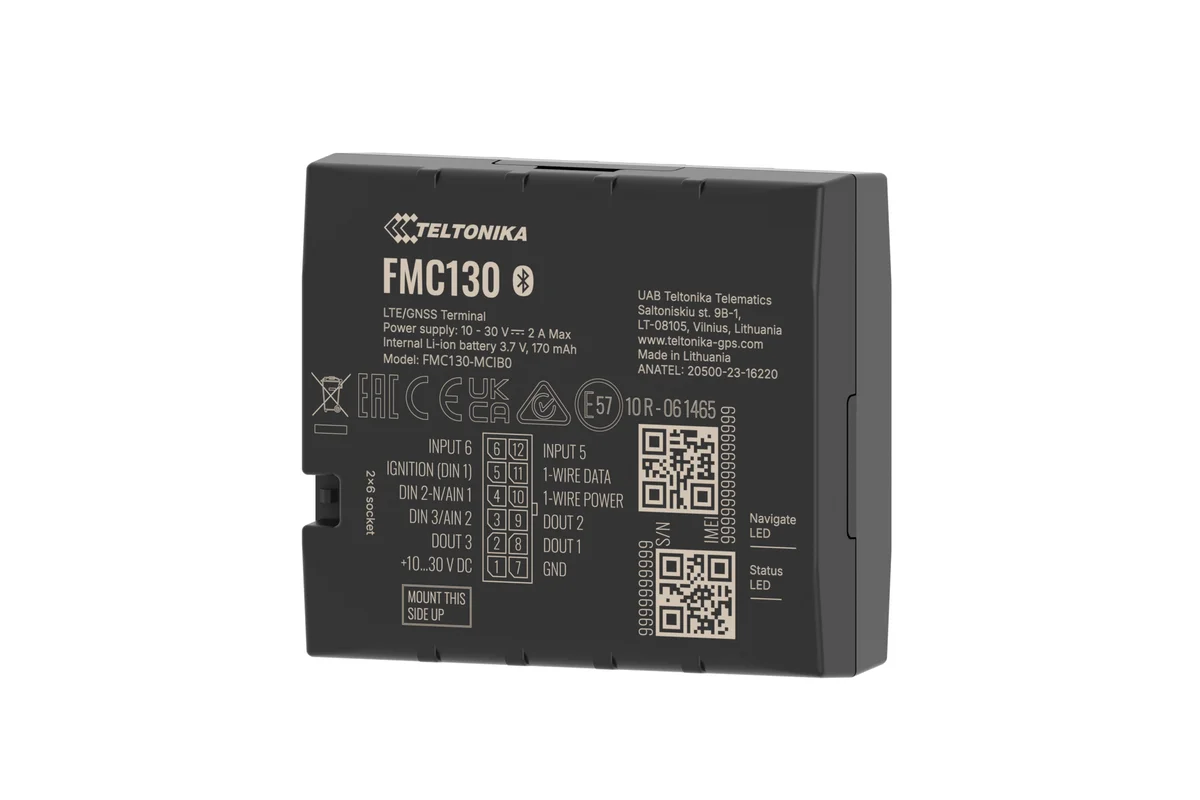
Teltonika FMC130
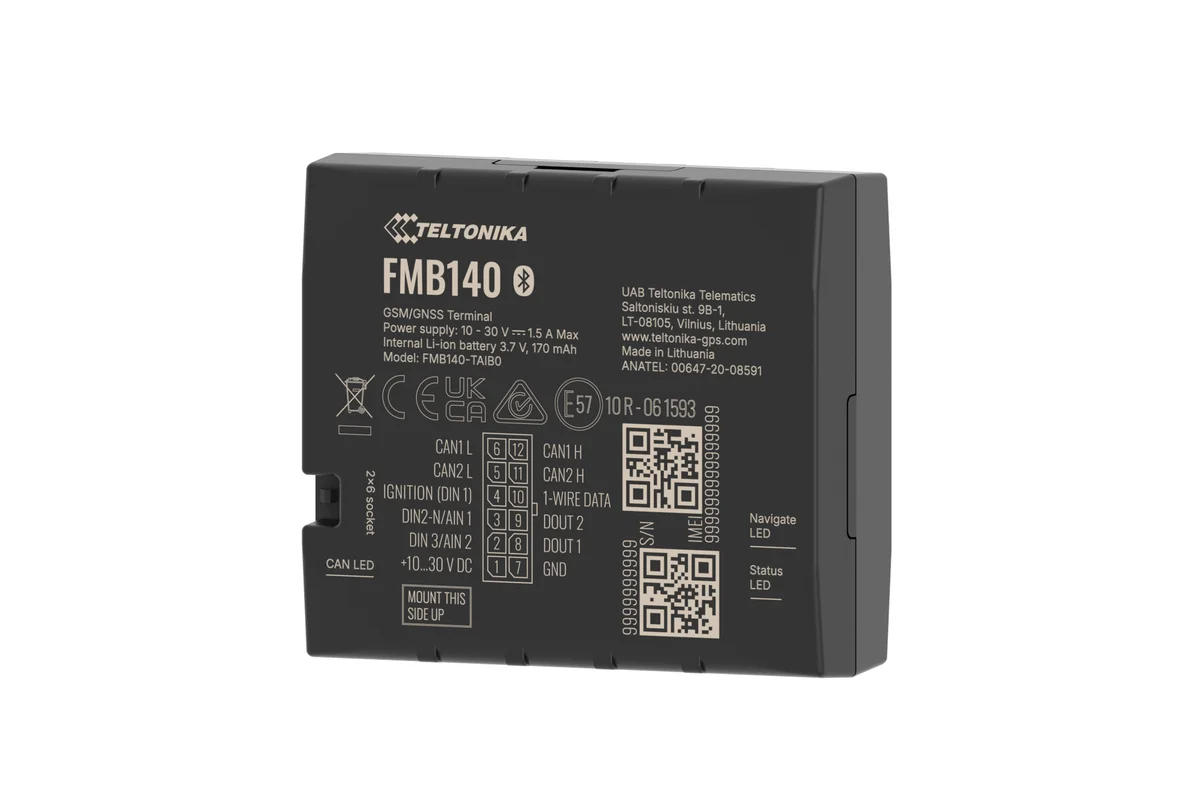
Teltonika FMB140
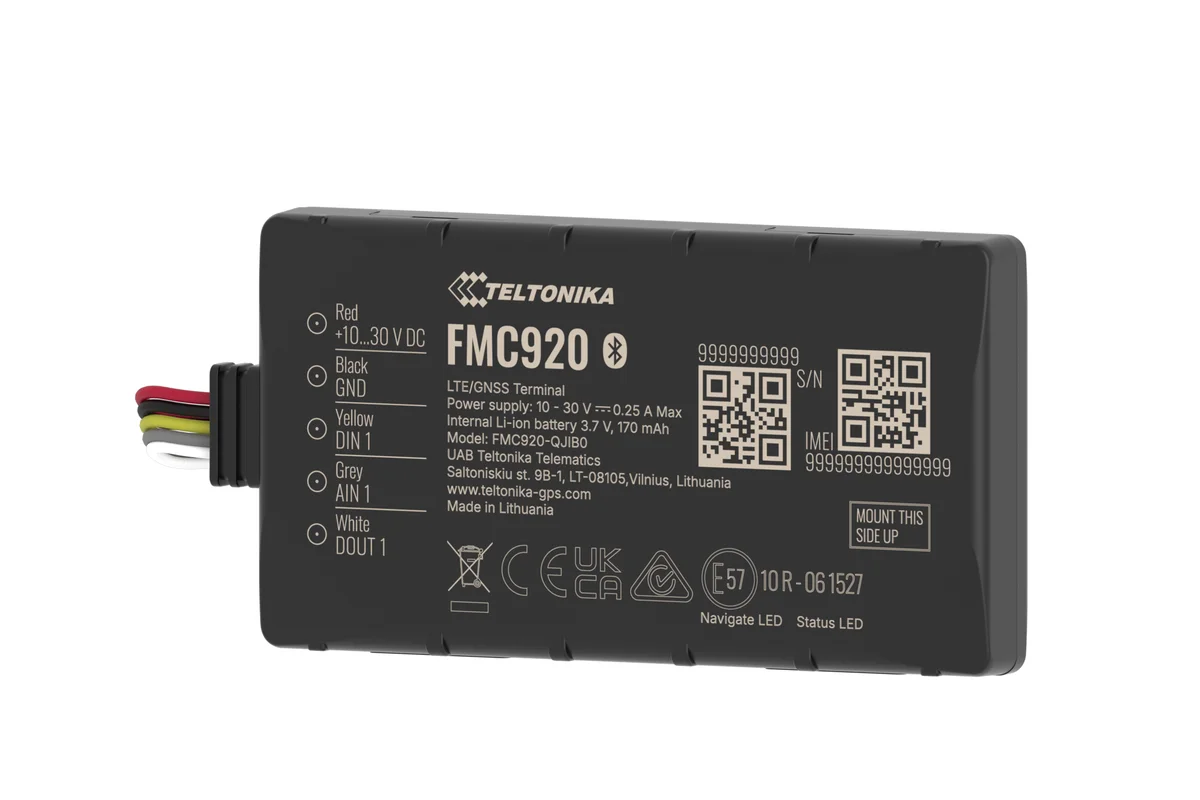
Teltonika FMC920
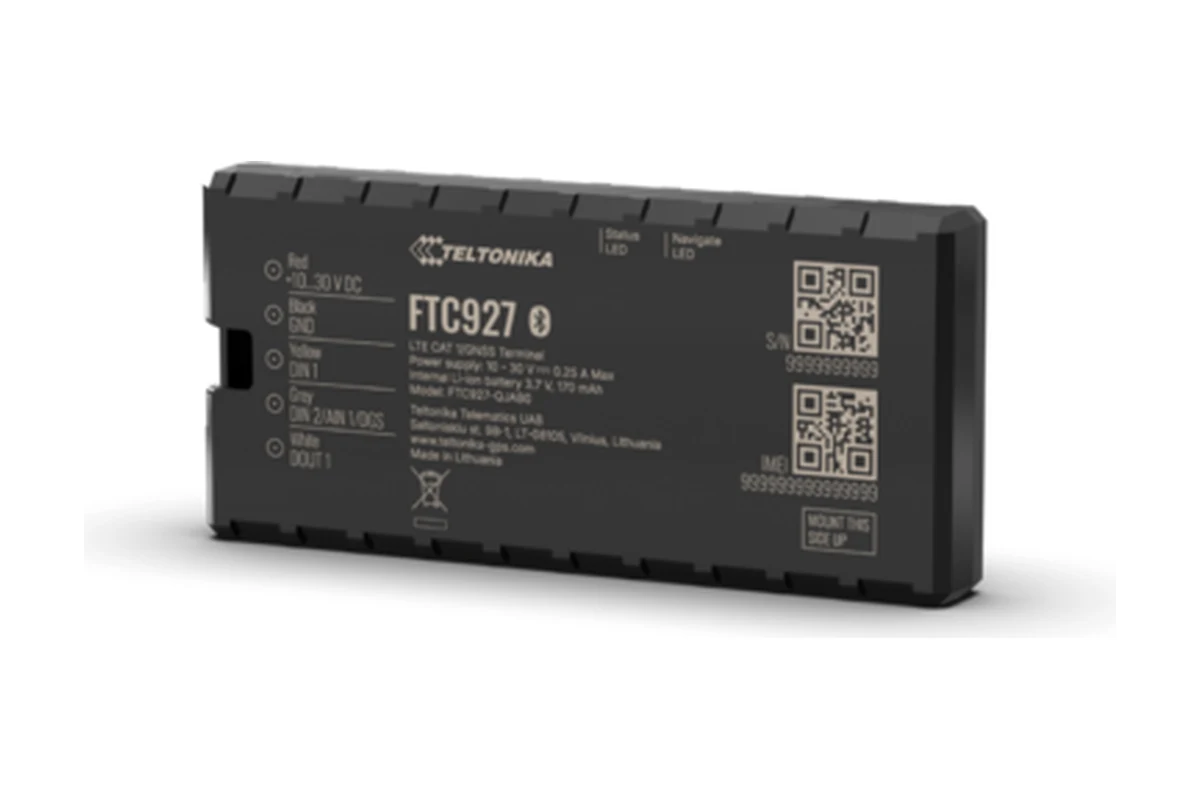
Teltonika FTC927
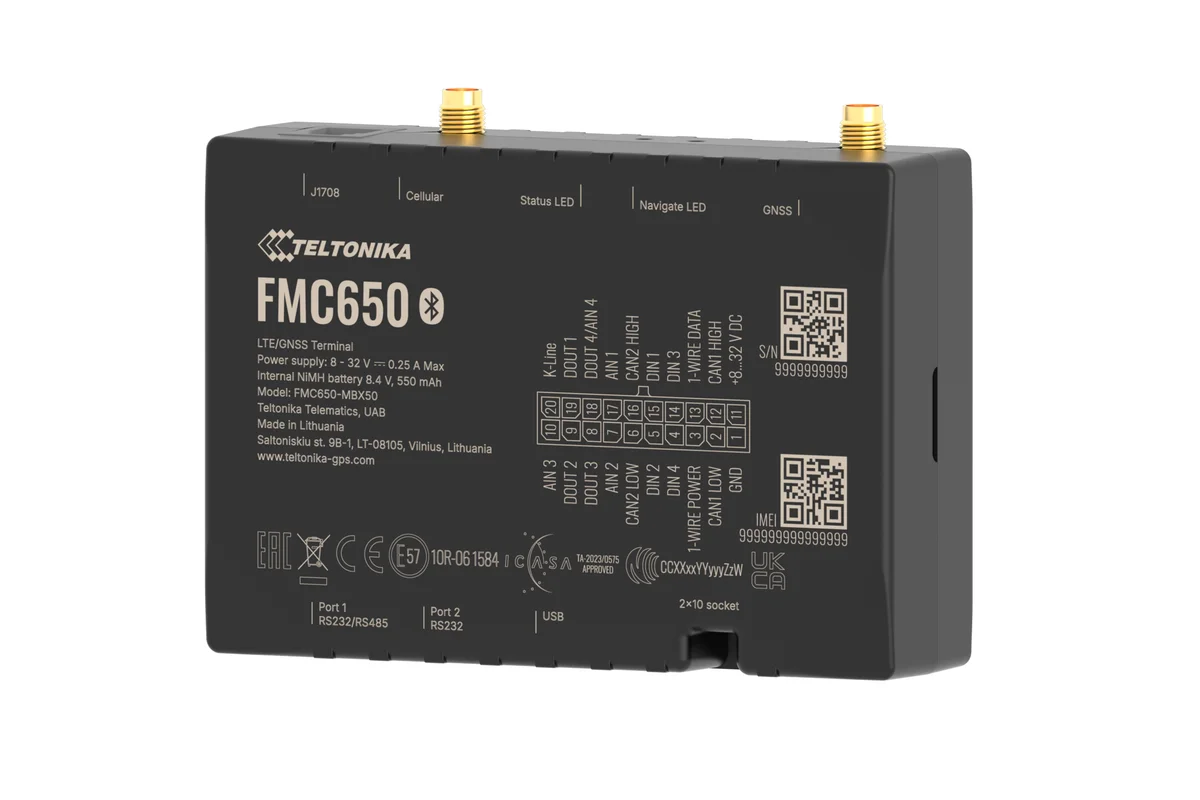
Teltonika FMC650
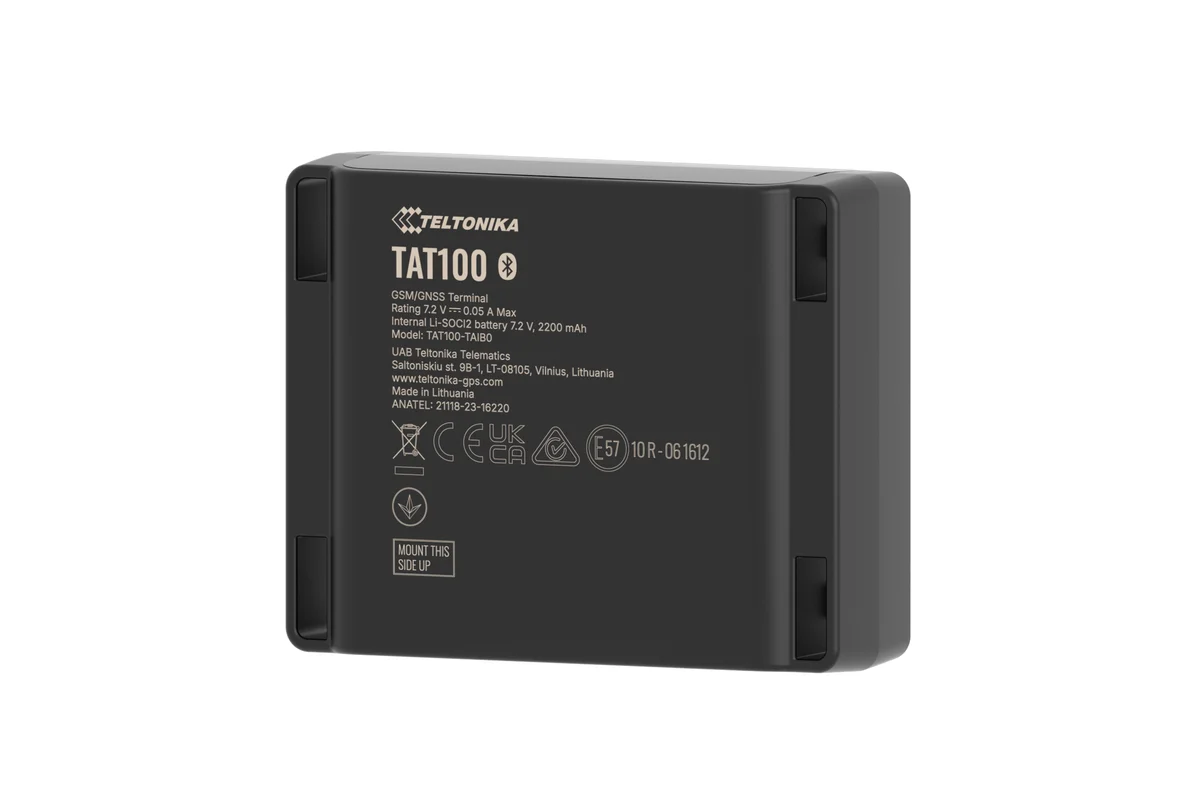
Teltonika TAT100
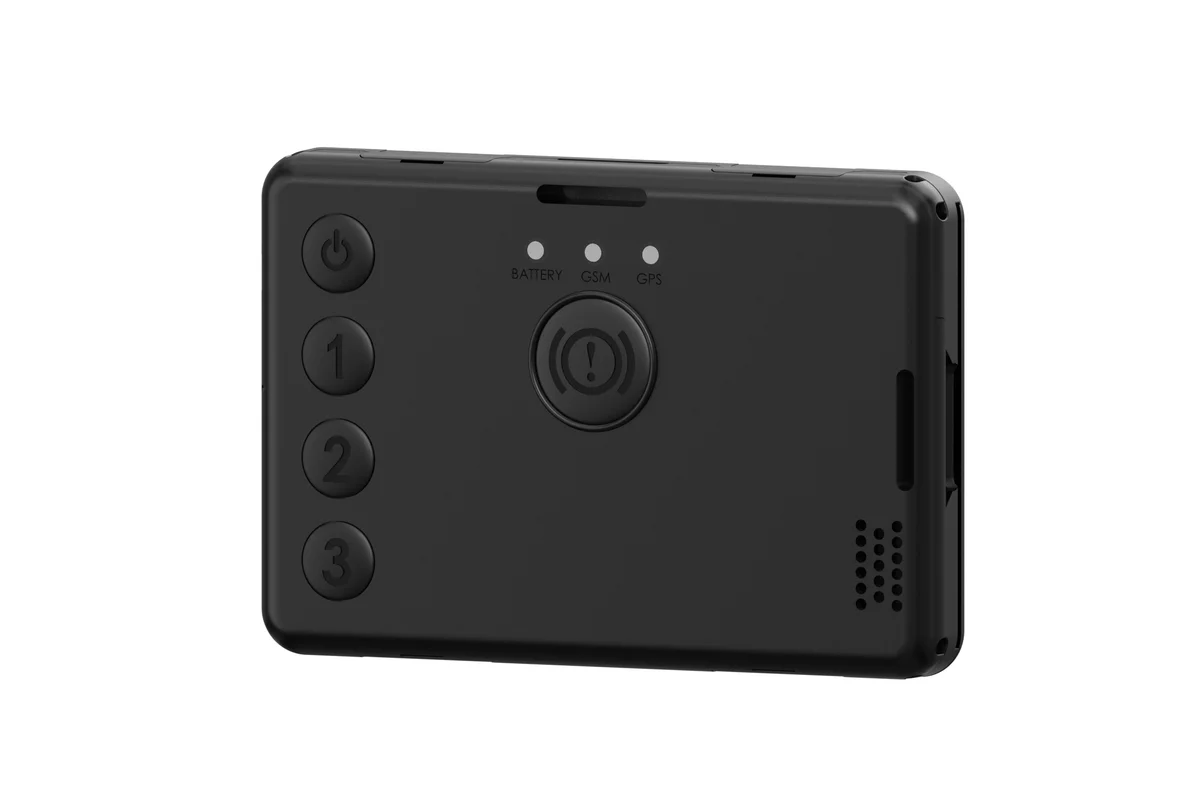
Teltonika GH5200
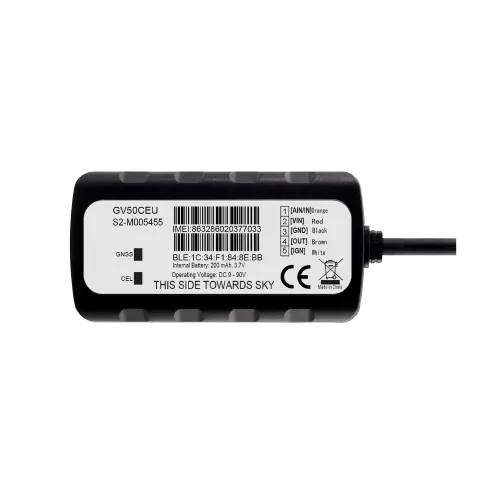
Queclink GV50
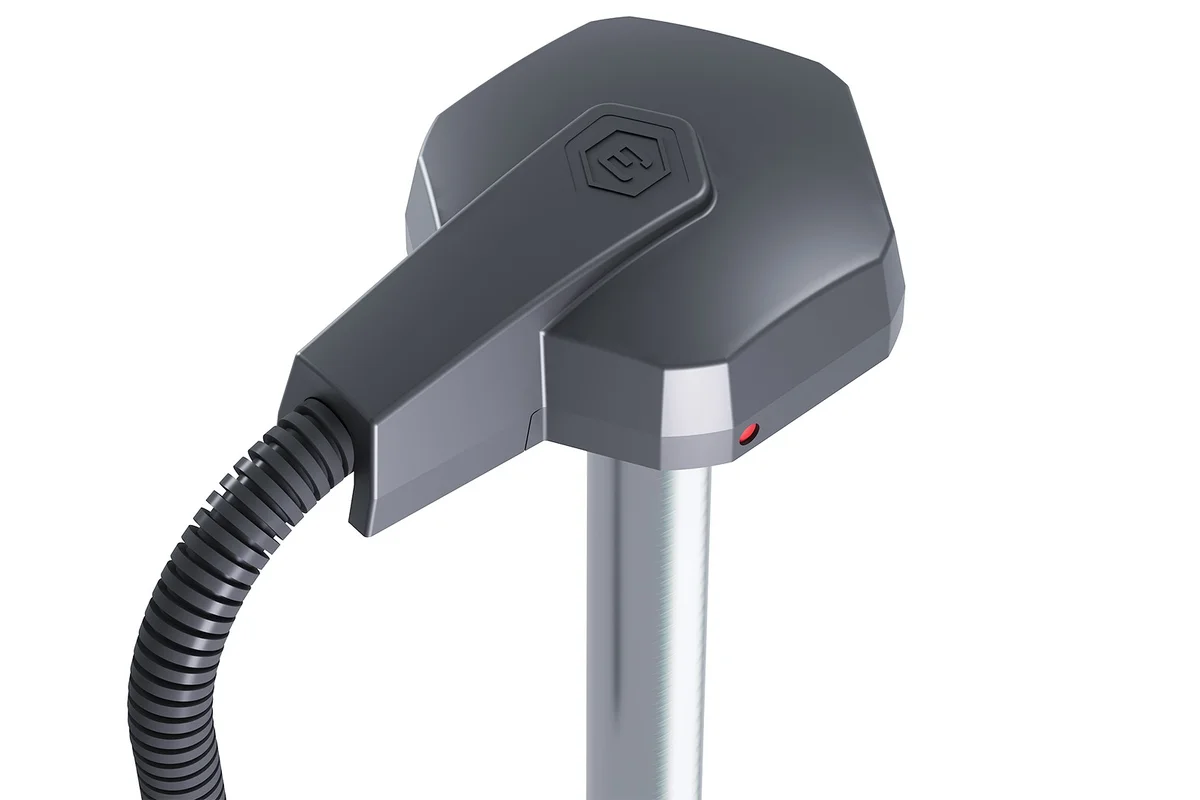
Escort TD-600
Escort TD-10R
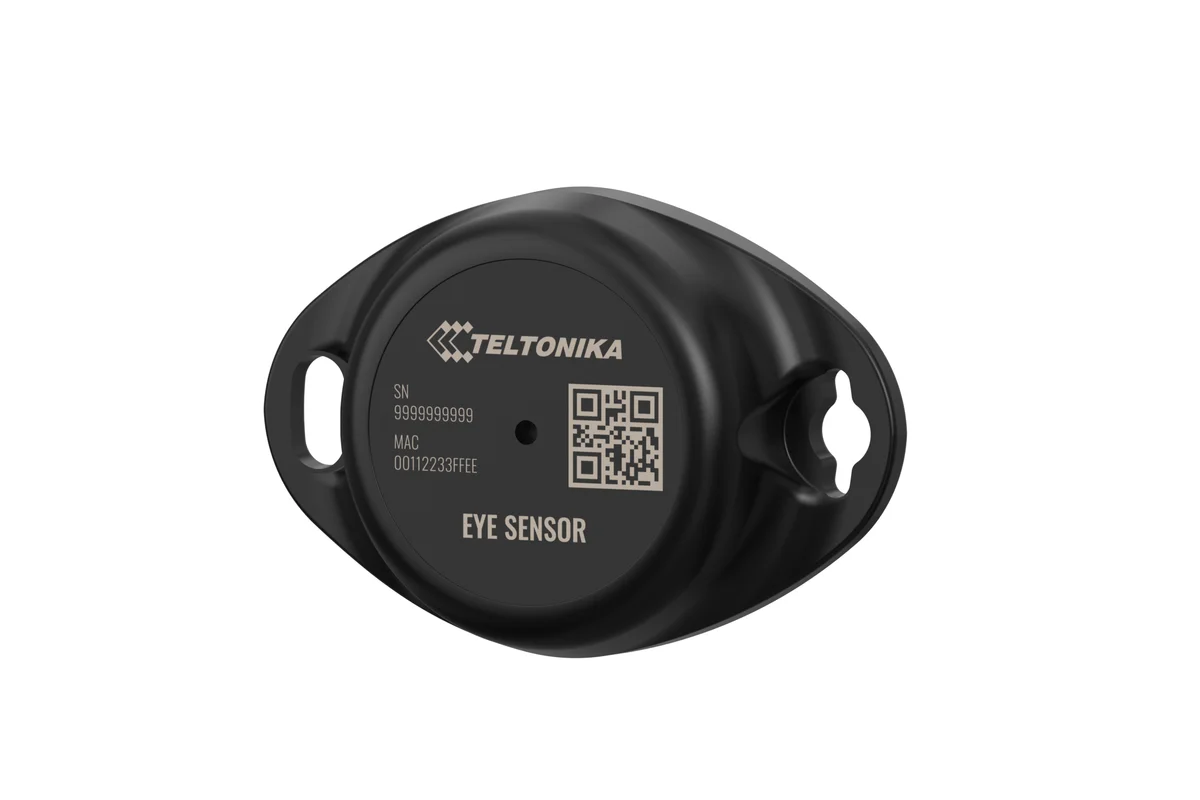
Teltonika EYE Sensor

BLE TPMS
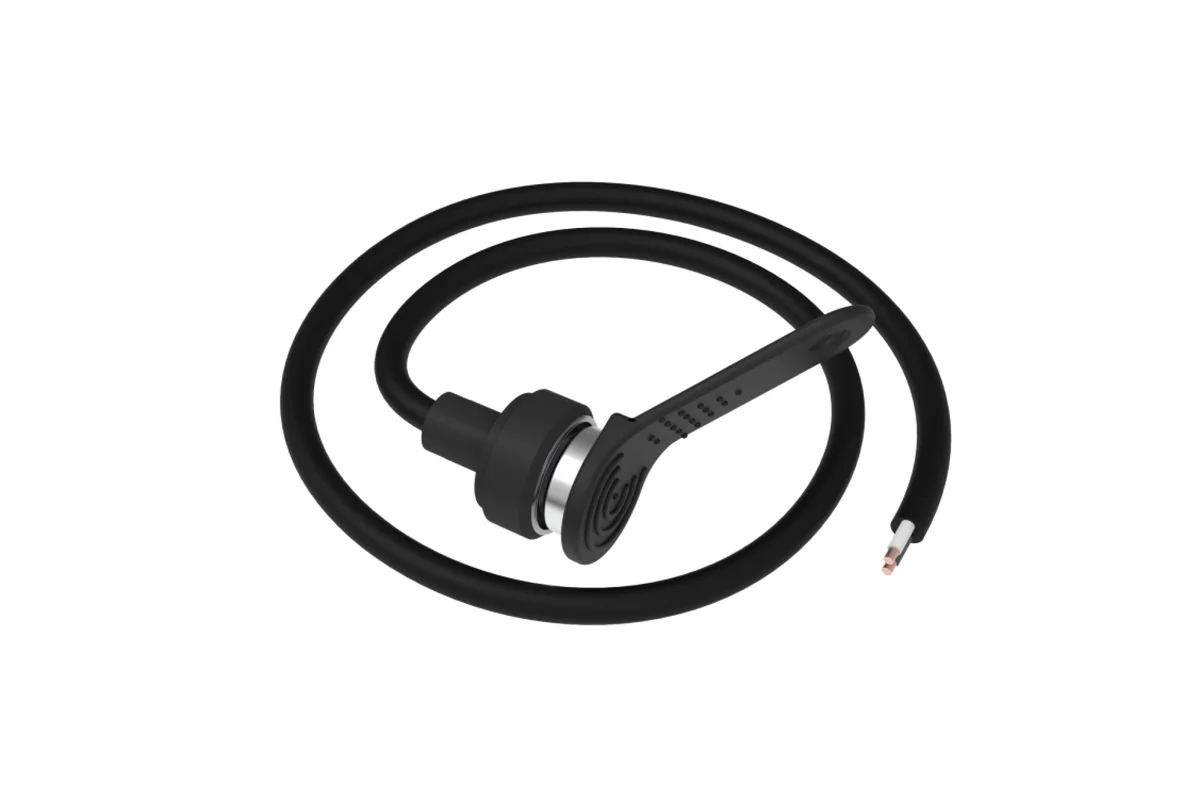
Driver identification
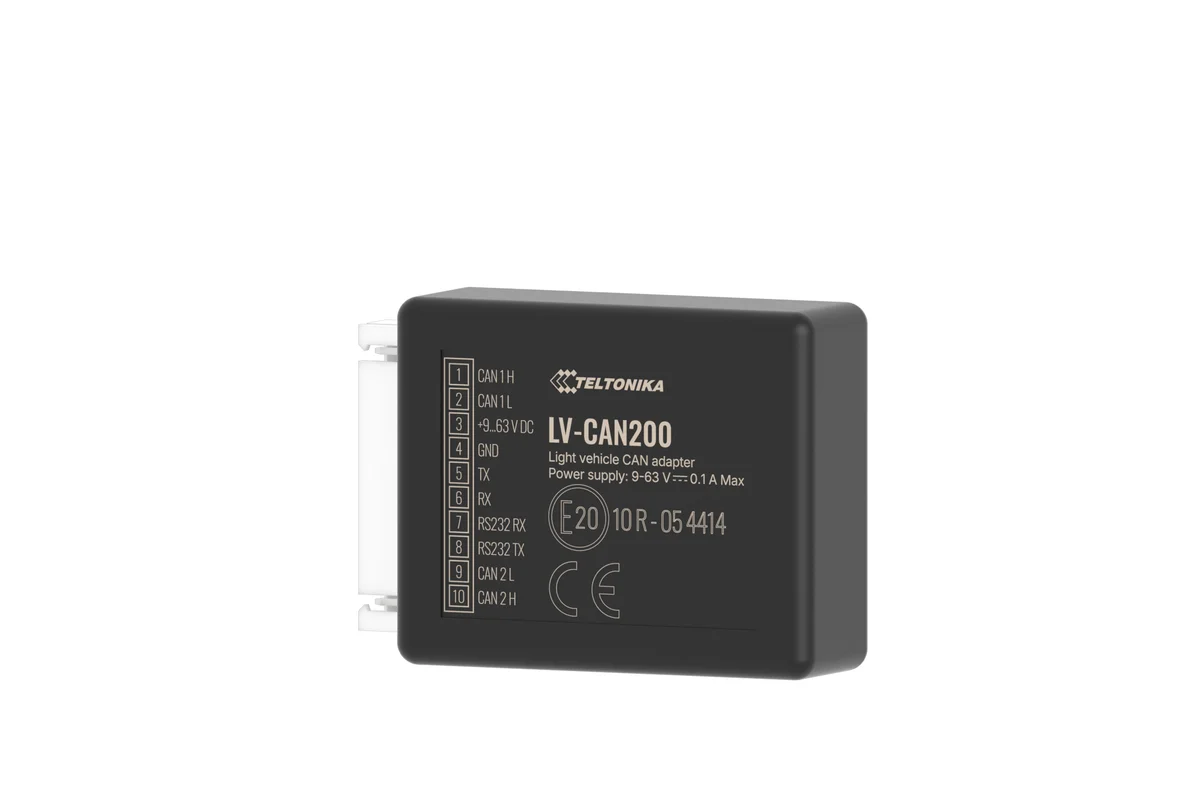
CAN adapter
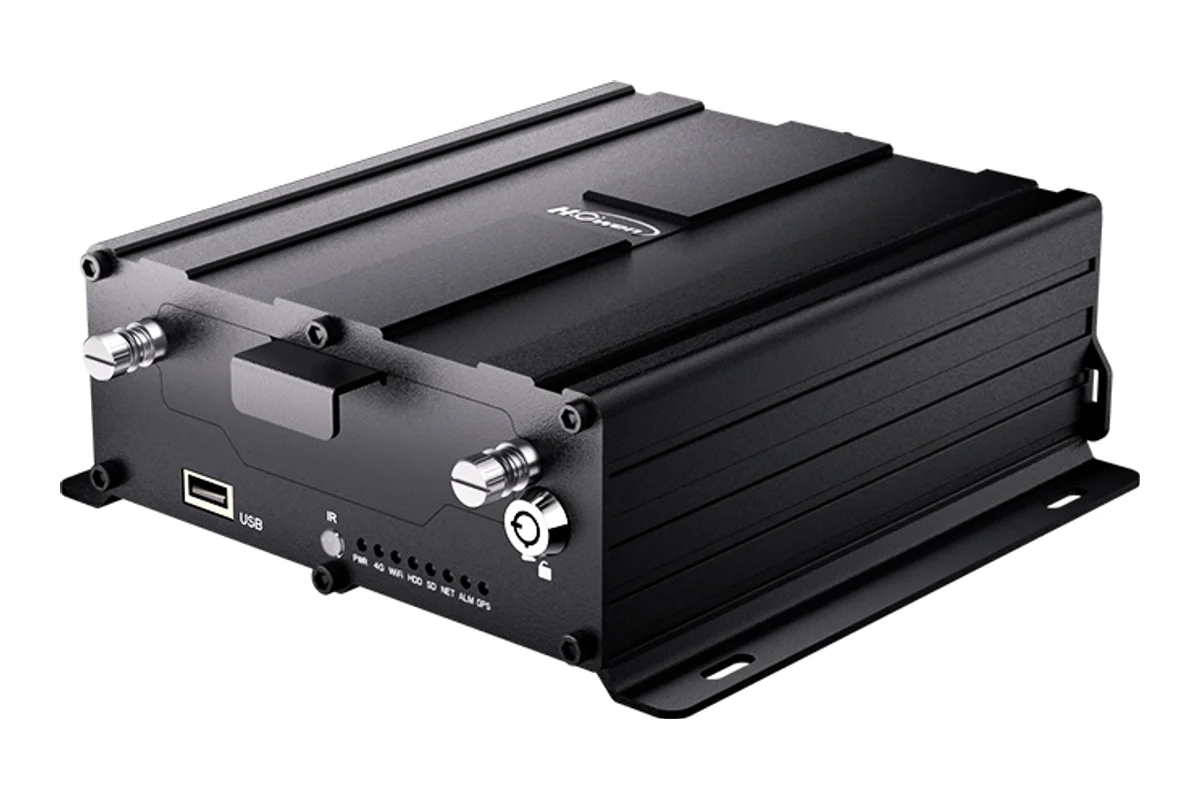
Howen Hero MDVR
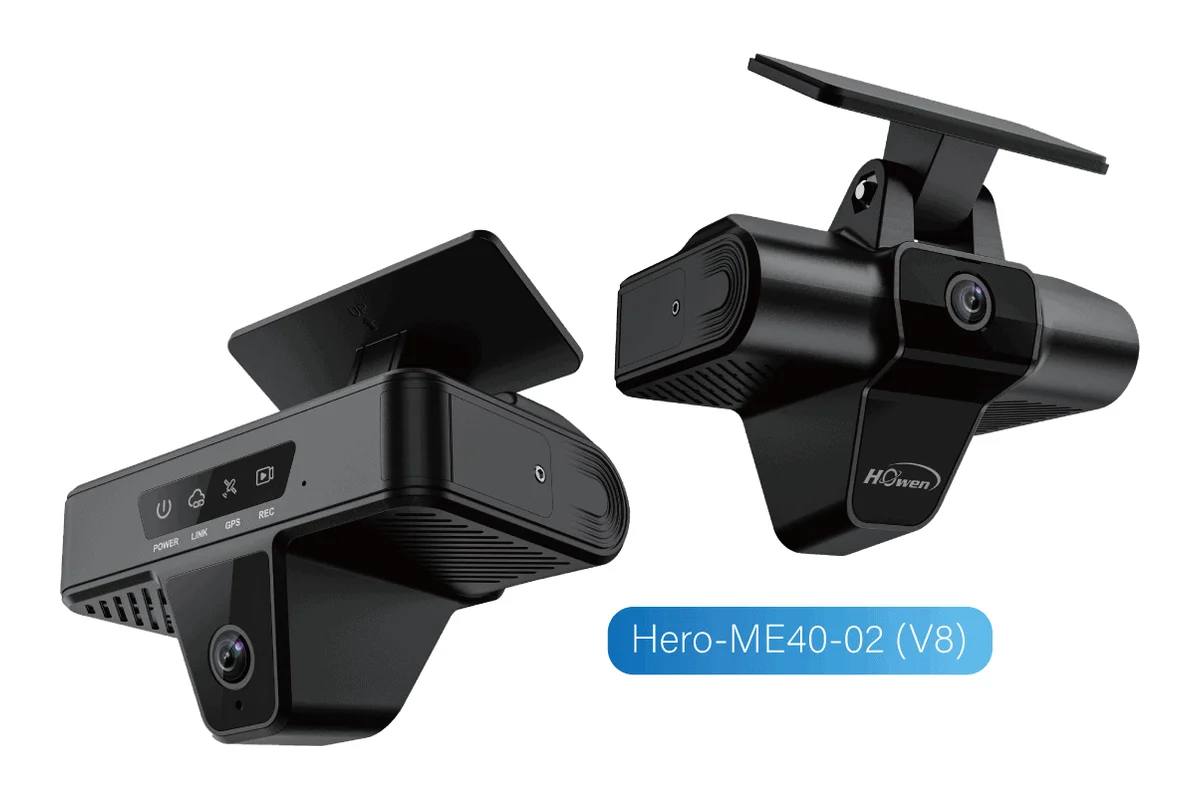
Howen V8 AI Dashcam
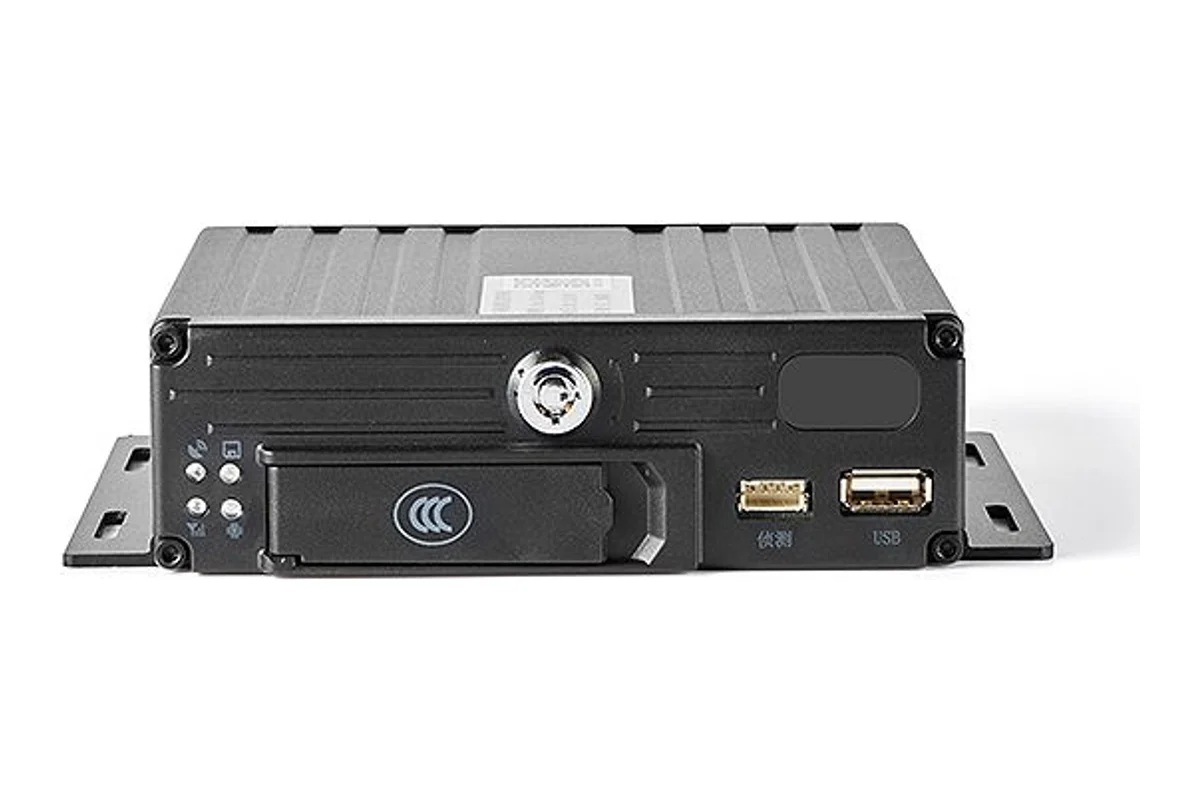
BSJ ED02R-V2
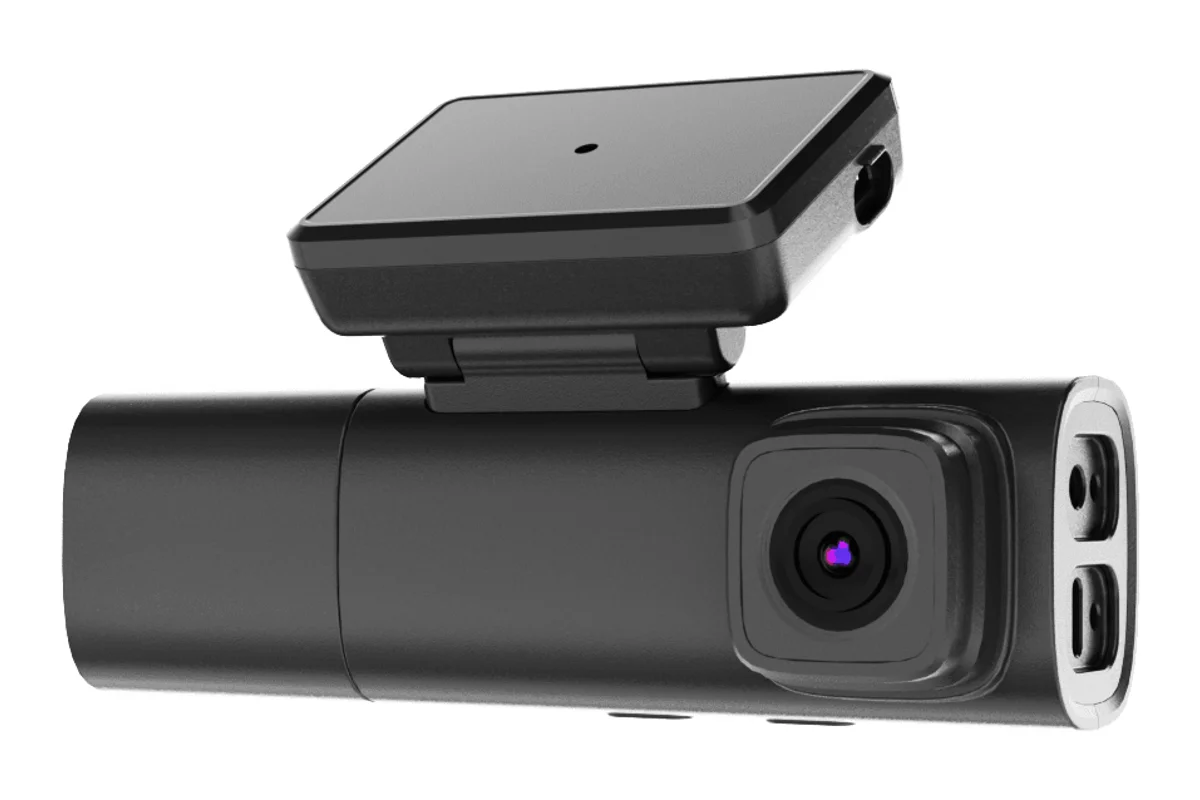
BSJ DR03
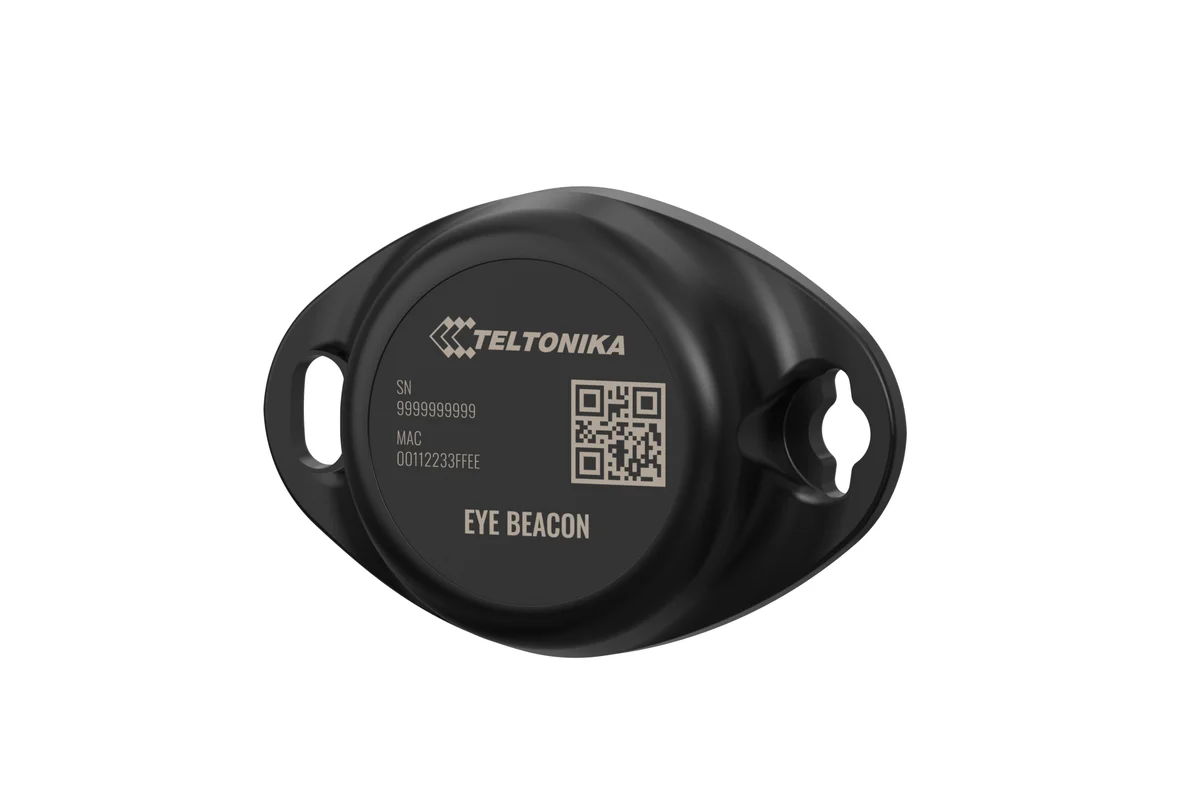
Teltonika EYE Beacon
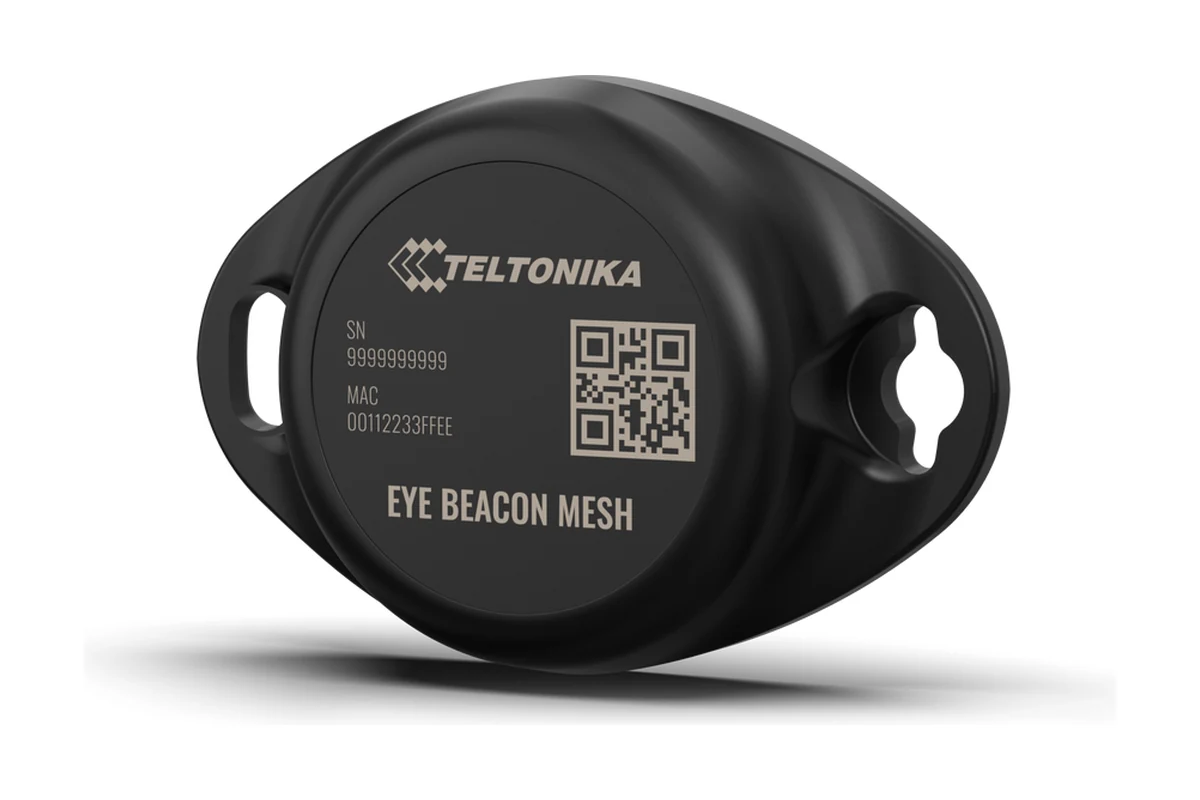
Teltonika EYE Mesh
Loss reduction calculator
Work out the payback on the system for your own fleet of refrigerated vehicles
A scenario, not a promise: the actual effect is checked on a pilot with your own fleet.
Frequently asked questions
Ready to protect your loads?
Describe the route, the load and who is carrying it, and we will propose a configuration: what to fit to the vehicle, what to put inside the load and which sensors are needed. A pilot consignment is a convenient way to start, so that you can check the reporting frequency and how the alerts behave on your own real route.
Put together a configuration