
Cargo security and transport control
Cargo security and transport control rest on a simple principle: every door opening, every unplanned stop and every deviation from the route should reach the dispatcher straight away. GPS.az fits trackers, door and seal sensors and cameras so that the load is protected the whole way, and so that there is evidence if something does happen.
- 14:02 Unplanned stop near Yevlakh, 12 min
- 14:06 Rear door opened outside a geofence
- 14:06 Notification to the dispatcher and video from the compartment
- 16:45 Door opened inside the warehouse geofence
From the data on board to the dispatcher's decision
Sensors and camera
A reed switch on the door, a seal or tarpaulin sensor, a camera in the cargo compartment, BLE tags on the load.
Tracker
Ties every opening to a coordinate, a speed and a time, and sends the event out immediately.
Geofences and rules
An opening at the warehouse is normal, one on the hard shoulder is an alert. The rules know where it is allowed.
Dispatcher
A notification, video and the full log of the run — evidence for a claim and for the insurer.
Features and tools
Access
- Remote control of electronic locks (E-lock)
- Monitoring of opening and closing of the cargo compartment doors
- Sensor-based monitoring of seal and tarpaulin integrity
- RFID tags for identifying cargo and personnel
Route
Response
- Automatic notifications about unauthorised access
- Photo and video recording of events in the cargo compartment in real time
- A detailed log of every operation with the cargo and every access time
A run where the door was opened on the way
An illustrative example: an articulated lorry carrying household appliances from Baku to a warehouse in Ganja along the M-2.
- Loading and closing of the doors at the warehouse in the geofence
An opening inside the consignor's warehouse geofence is a routine event: no alert is raised, but the log records it.
- Scheduled stop at a filling station as planned
The doors stay shut and the stop is at a permitted point on the route, so the dispatcher gets nothing.
- Unplanned stop near Yevlakh 12 min
The vehicle pulled onto the hard shoulder. One stop is not yet a reason to ring anybody, but the system marks it.
- Rear door opened outside the zone
A notification with the coordinate arrives within seconds and the camera records the compartment. The dispatcher rings the driver at once.
- Unloading at the warehouse in Ganja log
After the run the log remains: where and when the doors were opened. An argument about a shortage is settled on facts.
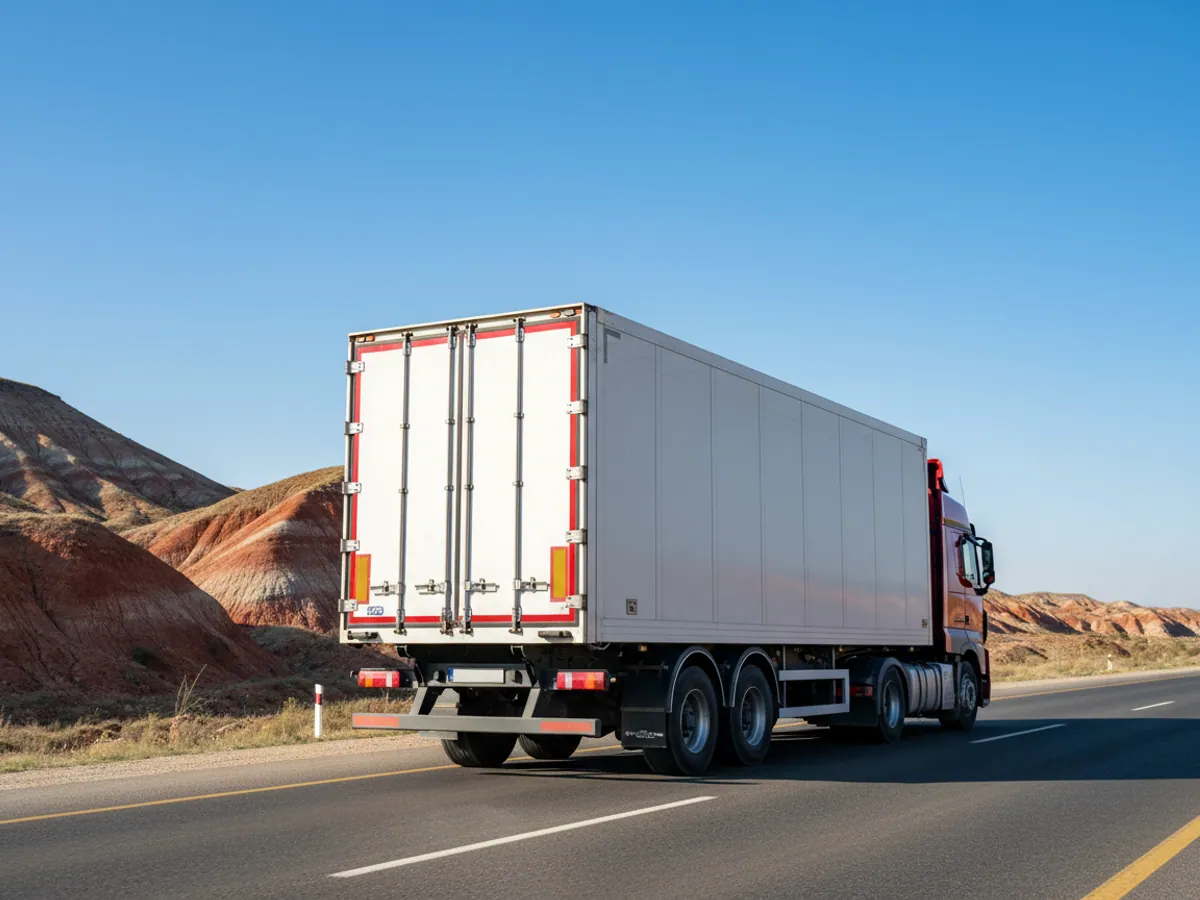
The door was opened 40 kilometres from the consignee's warehouse
An articulated lorry carrying household appliances runs from the port of Alat to Ganja along the M-2. The plan allows for one lunch stop and unloading at the consignee's warehouse. Near Yevlakh the vehicle pulls onto the hard shoulder for 12 minutes, and during that time the rear door sensor fires. The spot is not one of the permitted geofences, and the doors are open away from the unloading point.
The dispatcher receives a notification within seconds: vehicle number, coordinate, time and the event Door opened outside a geofence. He rings the driver while the lorry is still standing there. From here it can go several ways: the driver was checking the load restraints after braking hard — or there is no explanation at all. Either way the company has the exact time, place and duration of the event, rather than three boxes missing at the warehouse.
If there is a camera in the body, a still or a clip is attached to the event. If the door is closed with an electronic seal, you can see whether the seal was broken. Each layer of protection adds evidence, and which layers you need depends on the value of the load and on the route.
How cargo actually goes missing
Armed attacks on the roads are rare. Most losses are quiet and repetitive. These are the patterns we see most often in our clients' tracks.
A little short on every delivery
A small amount goes missing from each consignment: a couple of boxes, a few sacks. Any single claim is minor, but over a year it adds up to a noticeable sum. The door sensor shows whether the body was opened only at loading and unloading — or not.
A stop that will only take five minutes
A detour into a village or onto a lay-by where someone is waiting. On the track it looks like a short stop away from the route. Geofences around permitted parking places make such detours visible at once, rather than at a review a week later.
Substituted goods
Good-quality goods are swapped for something of similar weight. Axle load sensors help here: if the mass has not changed but the doors have been opened, that is a reason to check at the consignee's warehouse.
The vehicle stolen along with the load
The standard tracker can be found and switched off. A second, standalone tracker hidden in the cargo or in the trailer keeps sending its coordinate. That is exactly what it is fitted for.
Levels of protection: from the simple to the serious
Sensors on doors and hatches
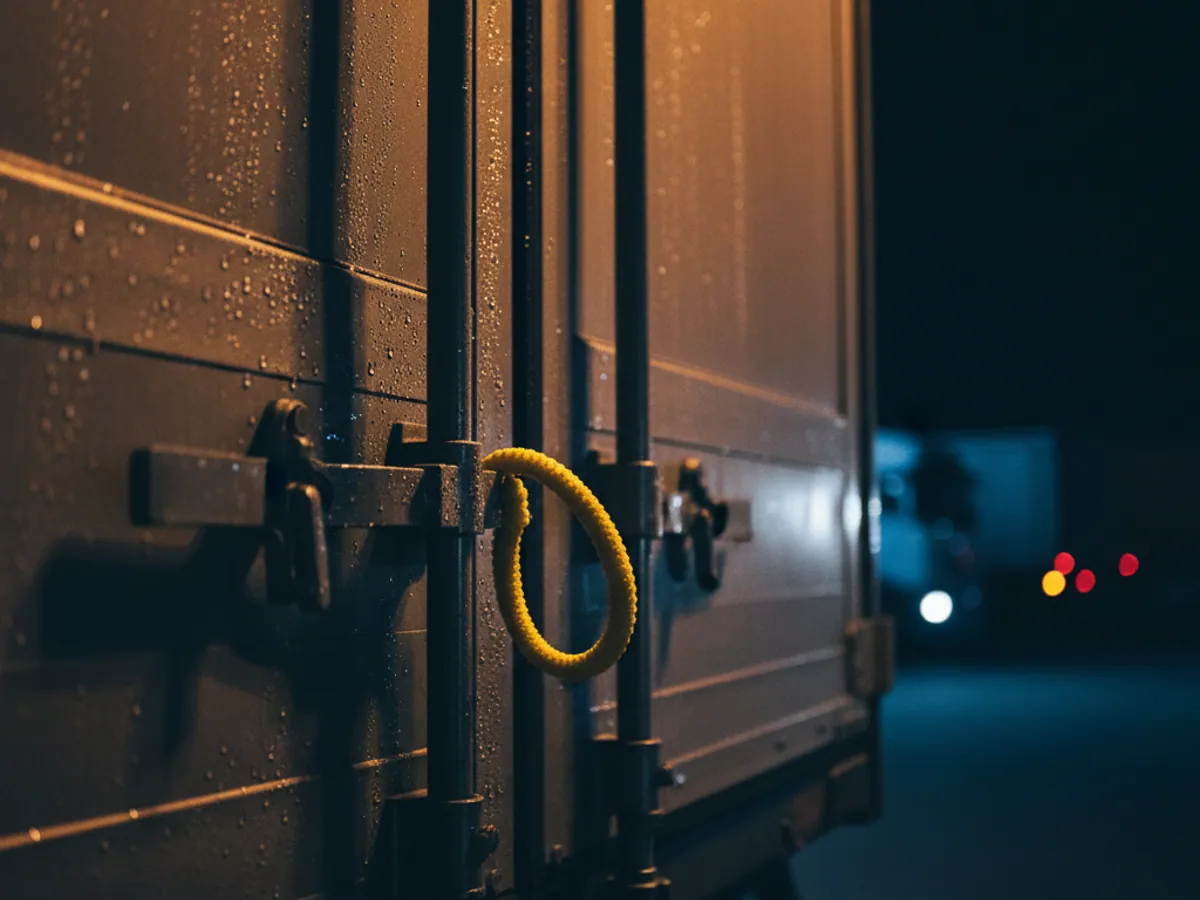
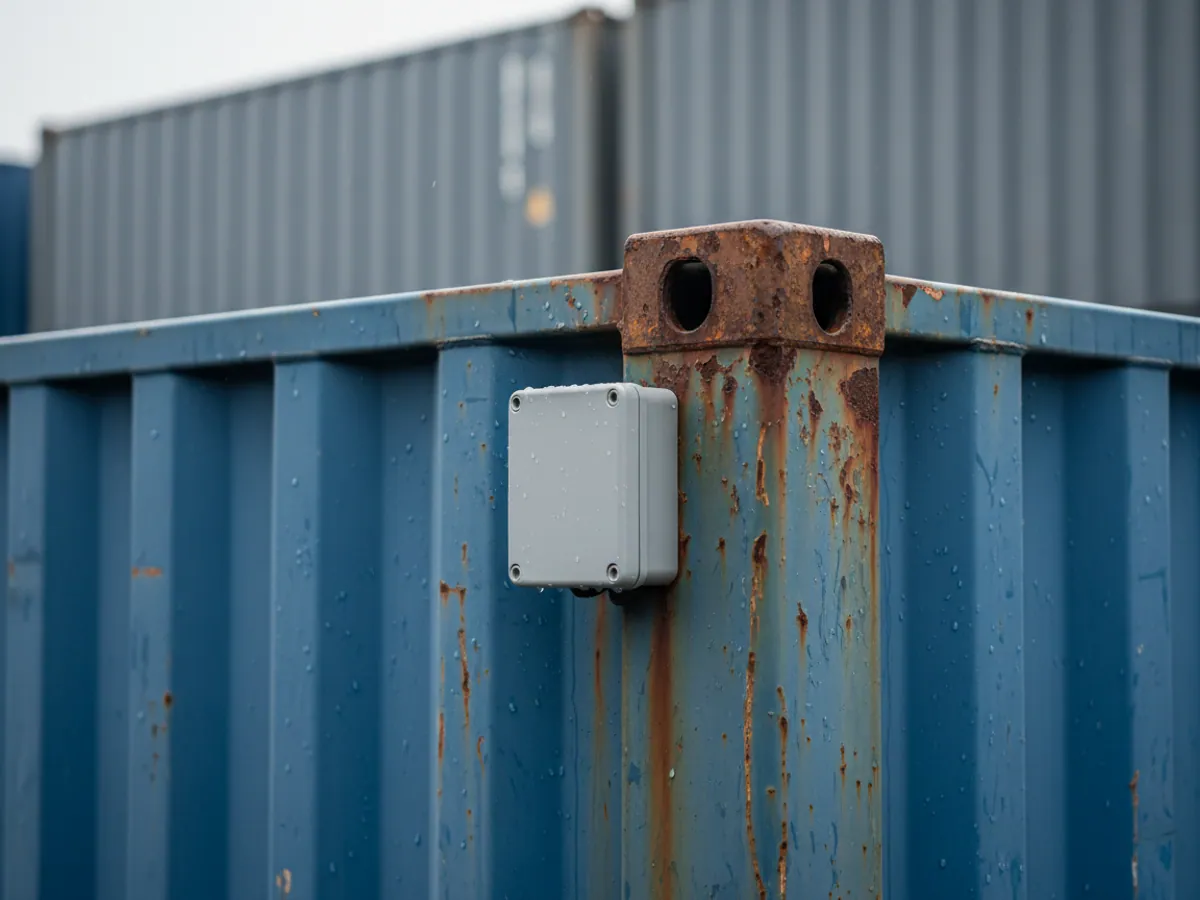
The basis of any scheme. A reed or inductive sensor is fitted to the door of a van body or a semi-trailer, wired to the tracker, and records every opening with a coordinate and a time. Tankers get separate sensors on the hatches.
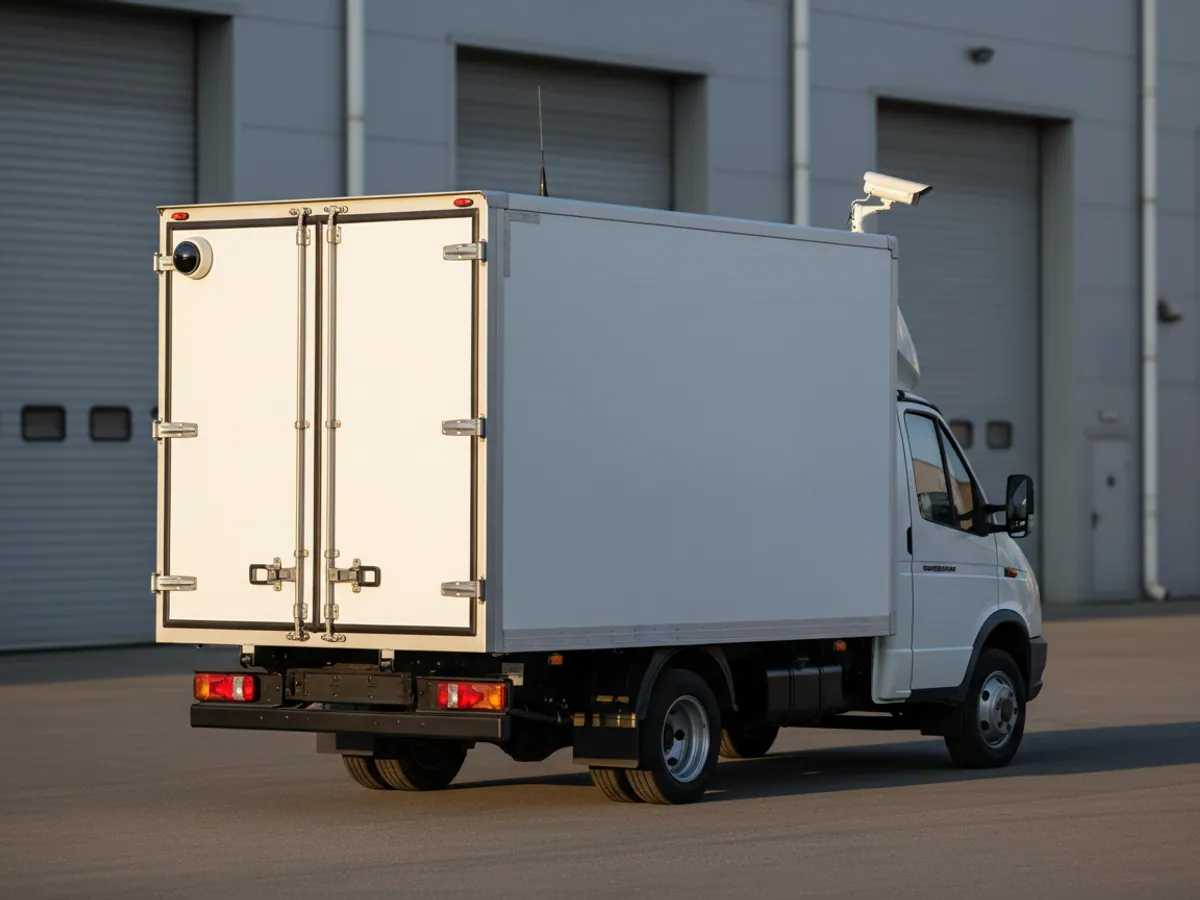
On curtain-sided semi-trailers, where the load can be reached through the side, a door sensor alone is not enough. Here a light sensor inside the body or a camera is added. The fitting work is described in the section on door sensor installation.
The event log: what remains after every run
For every run Wialon keeps a chronology: when the doors were closed at loading, when the vehicle set off, where and for how long it stood, when and where the body was opened, which driver was at the wheel, what the temperature in the compartment was.
This log is needed in three situations.
- A claim from the consignee. You show that the doors were not opened between loading and unloading, and the argument is settled in your favour.
- An internal investigation. If something really did go missing, you can see at what moment and where the body was opened and who was responsible for the vehicle at the time.
- Dealing with the insurer. A chronology with coordinates and times is a document you can attach to a notification of loss.
Identification by RFID cards or iButton keys adds a name to the log. The driver presents a card at the start of the shift, the storekeeper does the same when the body is opened at the warehouse, and the report shows exactly who had access to the load at each moment.
The log is kept together with the rest of the object's history and can be exported to PDF or Excel for any period.
A review protocol: the door was opened outside a geofence
When an alert about an opened body comes in, what matters is not the speed of the phone call in itself, but being able to reconstruct a week later what happened. We suggest working through every such event to the same scheme.
1. Assemble the chain of events
From the log of the run, export everything for the 30 minutes before and after the opening: the stop, the ignition going off, the door opening and closing, the seal or light sensor firing, the moment the vehicle moved off. The order of events often says more than any one of them on its own.
2. Check it against the plan for the run
Was this point on the route, did the driver agree the stop with the dispatcher, is there a filling station, a checkpoint or the consignee's warehouse nearby. Sometimes the reason is mundane: the warehouse geofence was drawn smaller than the actual yard.
3. Get the driver's explanation
A call straight away, while the vehicle is still standing, and a short note of the explanation in the comment on the event. An explanation given in the moment and an explanation given three days later are different things.
4. Check physically
At the consignee's warehouse, before unloading, the seal, the load restraints and the number of items are checked. If there are axle load sensors, the mass before and after the stop is compared.
5. Record the conclusion
A routine opening, a configuration error, a breach of procedure or a suspicion of theft. The report with the track, the log and, where there is one, the video is saved to PDF — it will be needed for a claim, for the insurer or for an internal inquiry.
What sensors prove, and what they do not
The event log is a strong argument, but every sensor has its limits. Better to know them before a dispute with the consignee than during one.
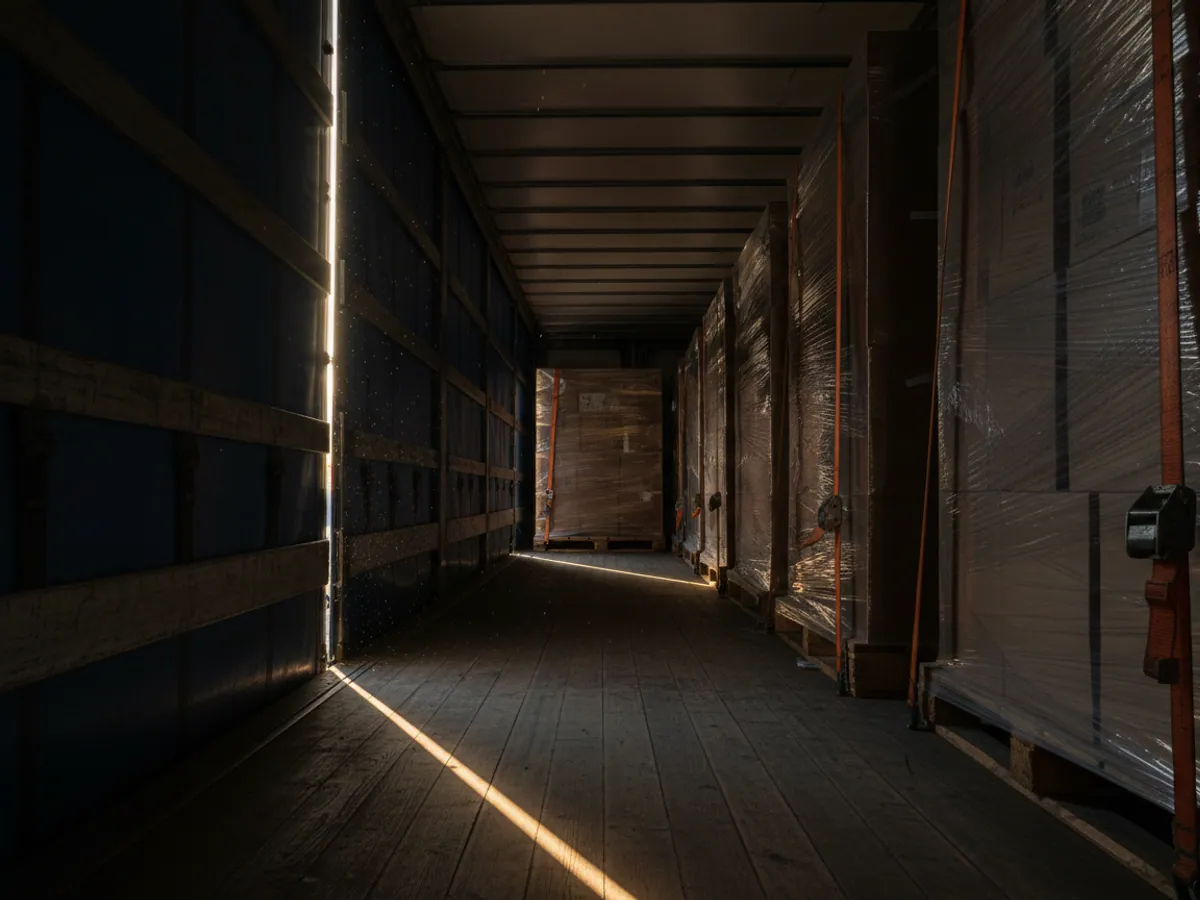
- A door sensor records that the leaf came away from the frame, and the time it happened. It does not know whether anyone looked into the body or carried anything out. Its readings prove the fact of an opening, not the fact of a theft.
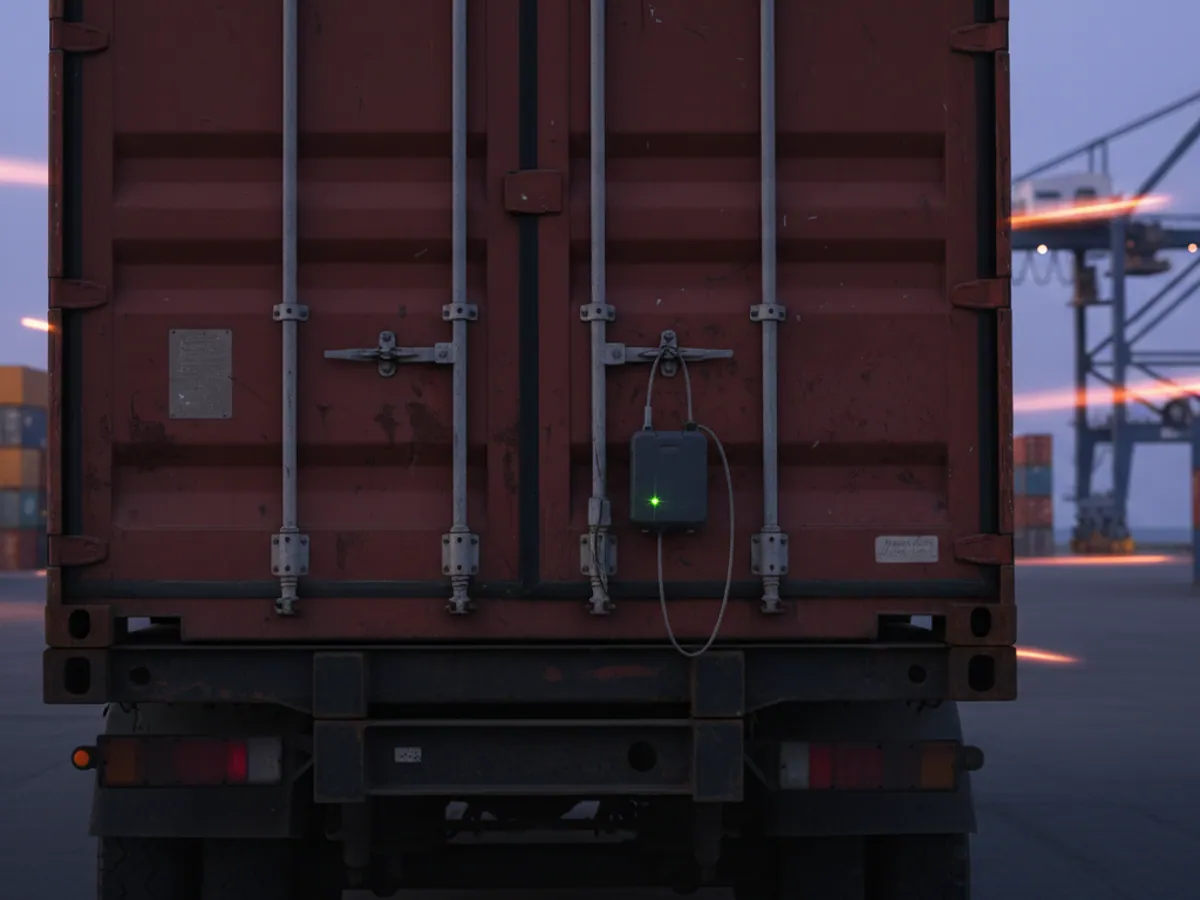
- An electronic seal shows that integrity has been broken. If the seal was damaged during loading, it also reads as broken, which is why we record the state of the seal when the body is closed at the consignor's warehouse.
- A light sensor reacts to light inside the body, including light through a cut in the tarpaulin during the day. At night, or with a careful cut, it may stay silent.
- An axle load sensor shows a change in mass, but with a margin of error. It will not see a few boxes against 20 tonnes of cargo.
- Video is the most vivid evidence, but a camera only sees its own angle and records on an event or to a schedule, not continuously. Night-time quality depends on the lighting.
- The track proves where the vehicle stood and for how long. When the connection drops, the points are sent on from memory afterwards, but if the power was cut there is a gap — and in a review that should be noted rather than glossed over.
That is why on high-value loads we fit two or three independent sources. When the door, the light and the video all say the same thing, the data is hard to argue with. If one of the layers is missing, we say so in the review report.
Where cargo protection usually falls down
The equipment is fitted, and the cargo goes missing all the same. When we look into cases like that, we usually find one of these reasons.
- Notifications go nowhere. The alert reaches the email of a dispatcher who works until 18:00, while the run takes place at night. You need a duty recipient on every shift and a duplicate in Telegram.
- Geofences drawn by eye. A warehouse zone that is too large makes a door opening in the next street look routine. We draw the outline round the gates and the unloading yard.
- Only the tractor unit is protected. The sensors are on the tractor unit while the trailer changes from run to run. Where units are coupled and uncoupled often, the sensors and the standalone tracker go on the semi-trailer itself.
- No response procedure. The dispatcher sees the alert but does not know who to ring or when to call the police. A short one-page instruction solves more than another sensor would.
For companies that move containers through the port and along the Middle Corridor, we look at the scheme separately on the page about container transport: there the risk points are their own, at the transhipment and at the lorry parks near the border.
What cargo protection gives the carrier and the cargo owner
Fewer claims
Most disputes about shortages are closed by the data: the doors were not opened, the route did not change, the stops were agreed.
A quick response
The notification arrives while the vehicle is still standing where it stopped, not once the load has already been unloaded at the consignee.
Driver discipline
When drivers know that every door opening is recorded, accidental stops along the way disappear fairly quickly.
Arguments for the client
For an owner of valuable or fragile cargo you can offer a public tracking link and a report on the state of the body at the end of the run.
A conversation with the insurer
An event log with coordinates makes settling cases easier, and an equipped fleet is easier to discuss when the policy comes up for renewal.
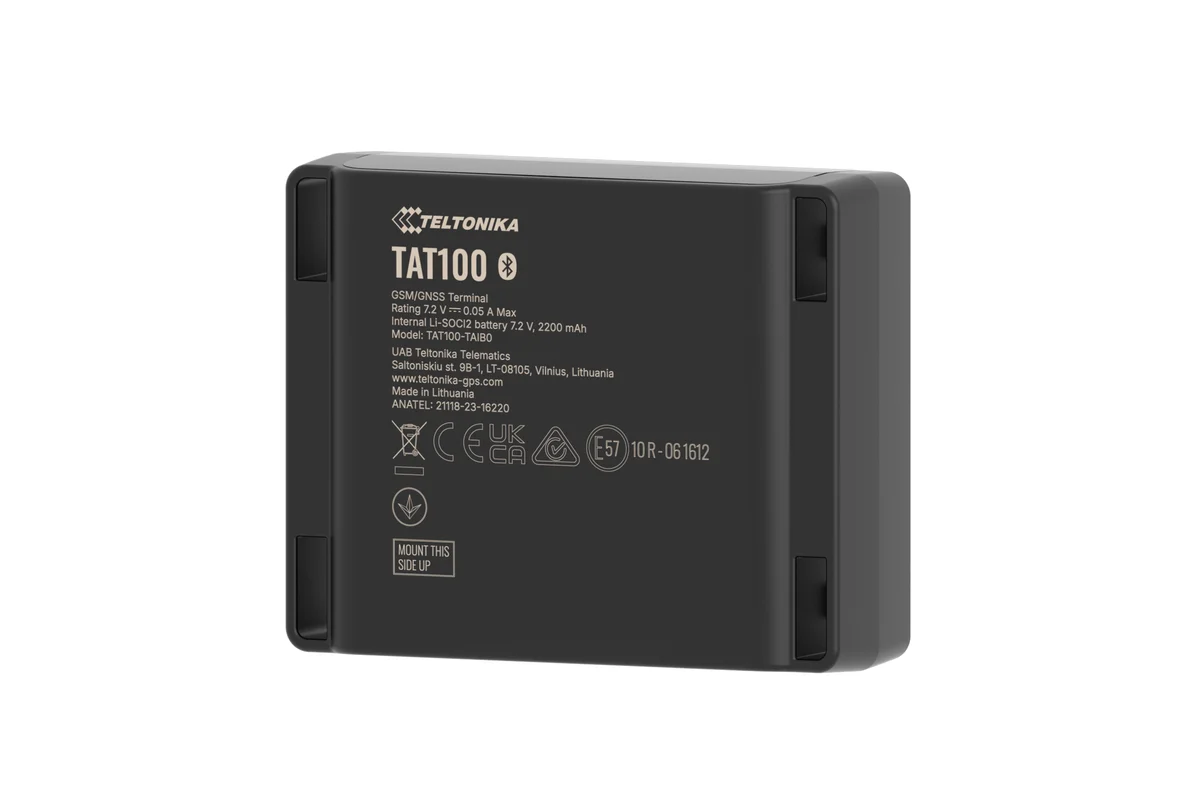
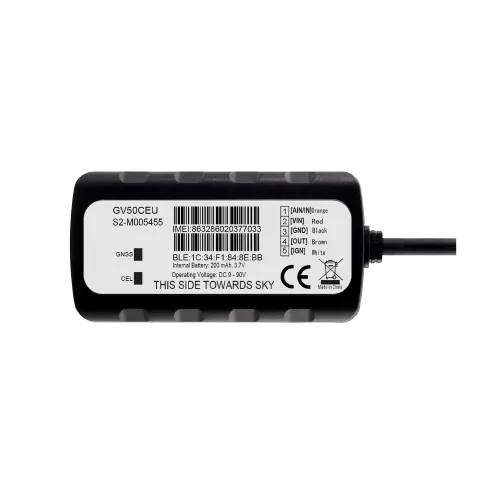
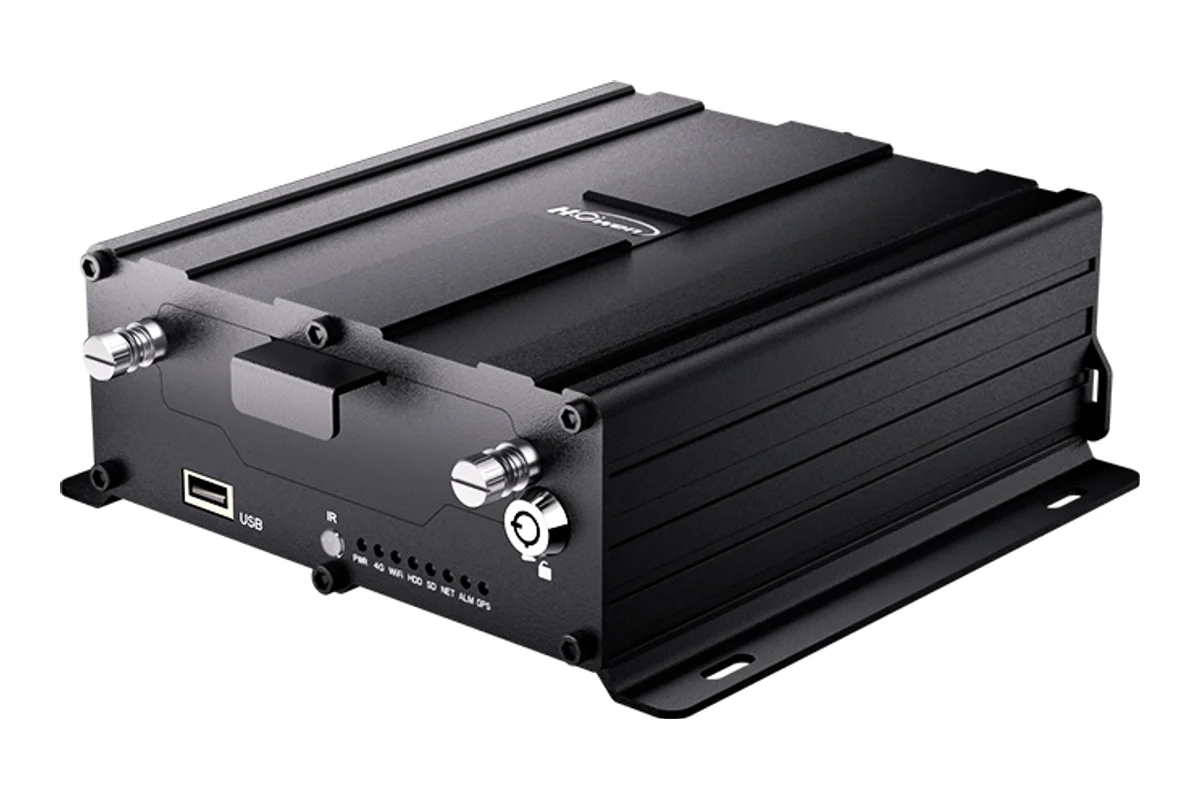
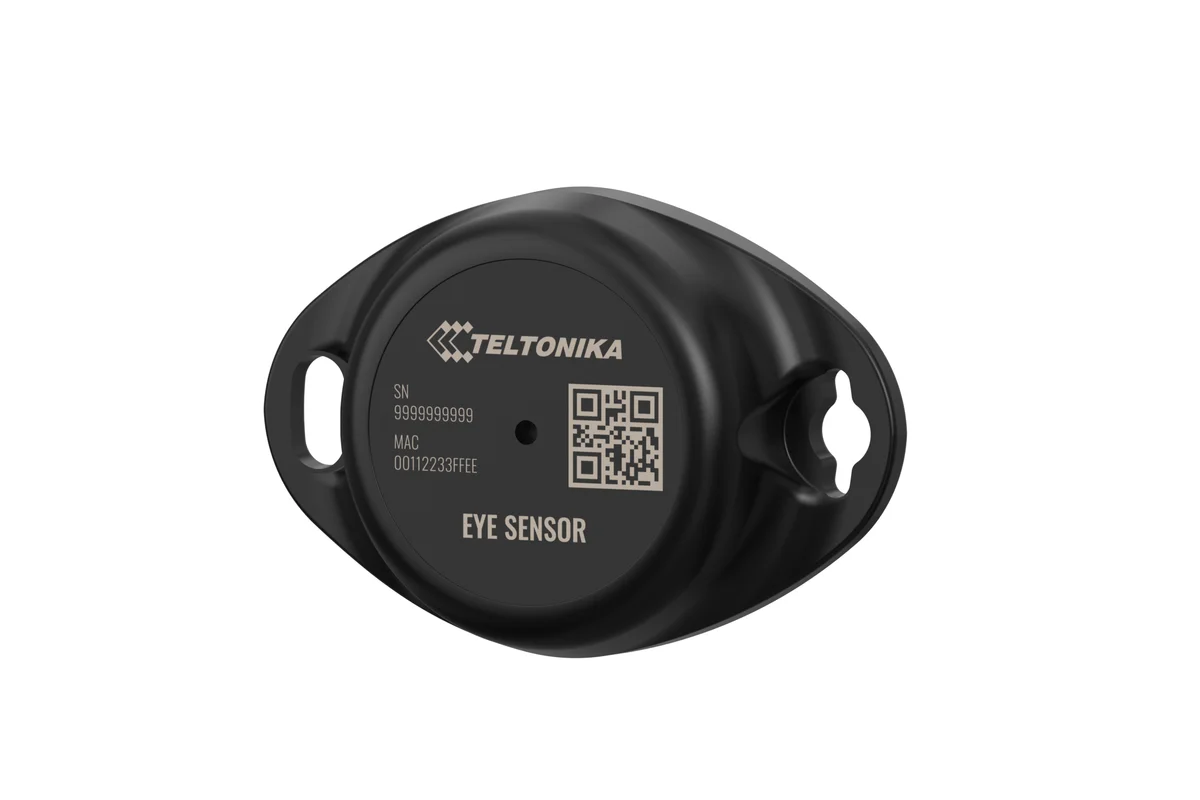
Levels of cargo protection
What you learn about a run depending on what is fitted to the vehicle.
| No system | Tracker only | Tracker + sensors and camera | |
|---|---|---|---|
| You can see where the vehicle is | No | Yes | Yes |
| Alert on an unplanned stop | No | Yes | Yes |
| You know about a door opening en route | No, only at handover | No | Yes, within seconds |
| Evidence for a claim | No | Track and stops | Yes, log and video |
Fitting and cost
The feature becomes available once you are connected to the GPS.az platform. The cost is made up of the hardware, the fitting and a monthly subscription, which includes the SIM card traffic — the total depends on the type of vehicle and the set of sensors. We prepare an exact quote for your fleet free of charge within one working day.
- 1 Your enquiry and the list of vehicles
- 2 The quote and an agreed fitting schedule
- 3 Fitting the hardware at your own site
- 4 Setting up reports and alerts in Wialon, and training the dispatcher
Questions about “Cargo security and transport control”
Request a call
A specialist will call back and match a solution to your fleet and your task.