
Tracking of containers and multimodal cargo
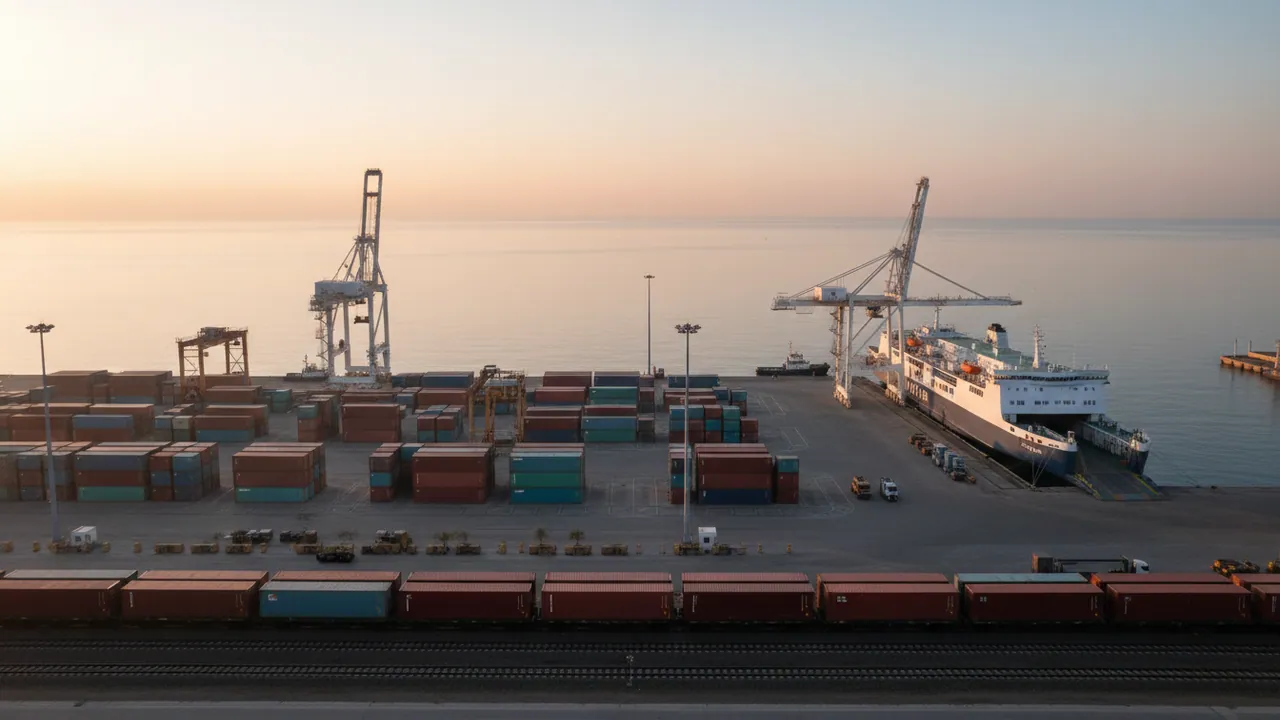
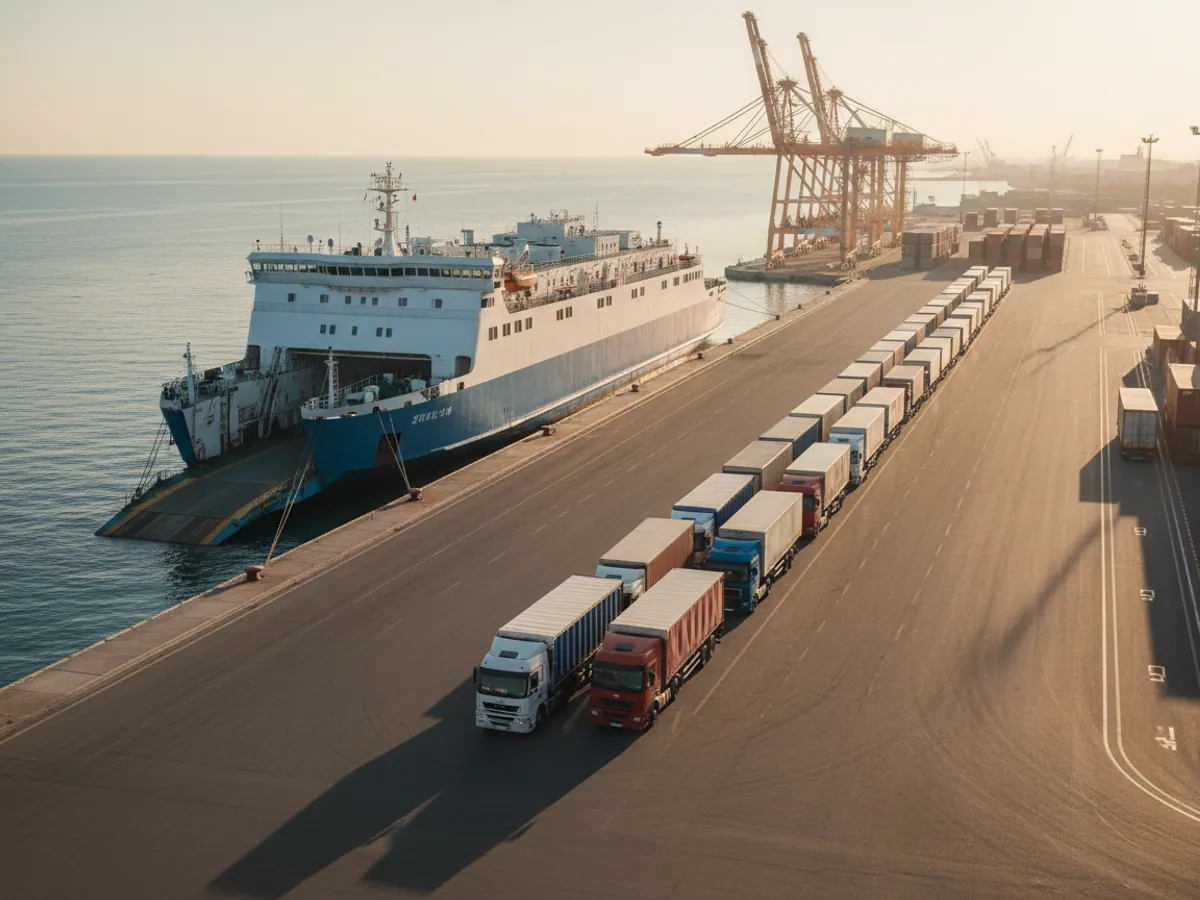
Self-powered monitoring of 20- and 40-foot sea, rail and road containers on the routes of the Middle Corridor (TITR), TRACECA and the North — South corridor. The key nodes for us are the Baku International Sea Trade Port at Alat, the ferries to Aktau and Turkmenbashi, and the Baku — Tbilisi — Kars railway.
A self-powered tracker on the container shows where it is, whether the doors have been opened and what the conditions were en route. Where there is mobile coverage the data arrives almost at once; at sea and in areas without coverage it accumulates in the device's memory and is sent later.
Where a container drops out of sight
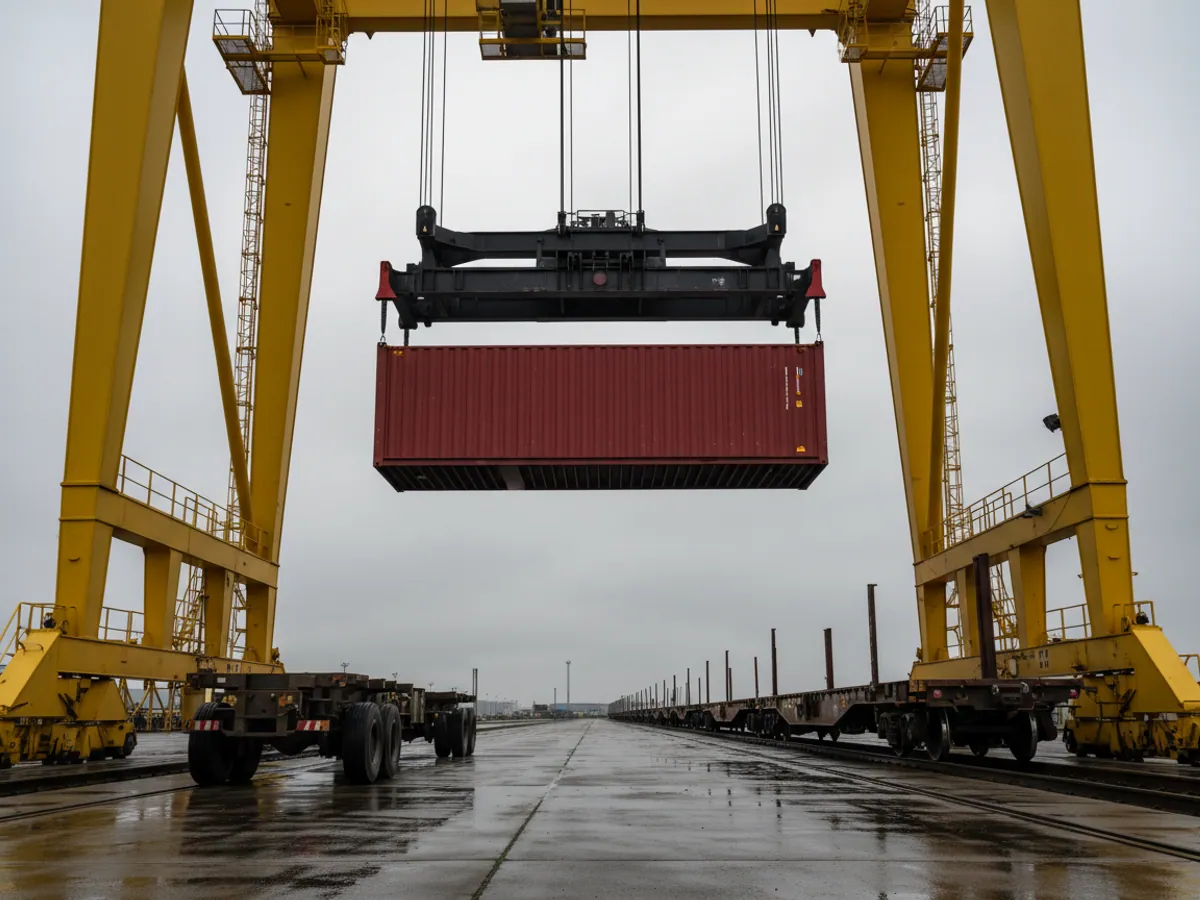
On a multimodal shipment the load most often disappears from the forwarder's radar at a transfer: in the port of Alat, at a railway station, at the Aktau terminal. The container passes from the responsibility of one carrier to another, and each of them sees only their own leg. The cargo owner often learns the state of the load only at the destination terminal.
The flow of containers from China to Europe through Azerbaijan has grown in recent years, and with it the questions: where exactly is the container standing, was it opened during a transfer in a third country, did the temperature hold in the reefer container.
A battery-powered self-contained tracker, for example the Teltonika TAT100/TAT240, travels with the container and does not depend on whose tractor unit, wagon or vessel is carrying it on a given leg. It does not replace the tracking system of the shipping line or the railway, but it gives the cargo owner an independent source of data of their own.
How a container tracker differs from a vehicle one
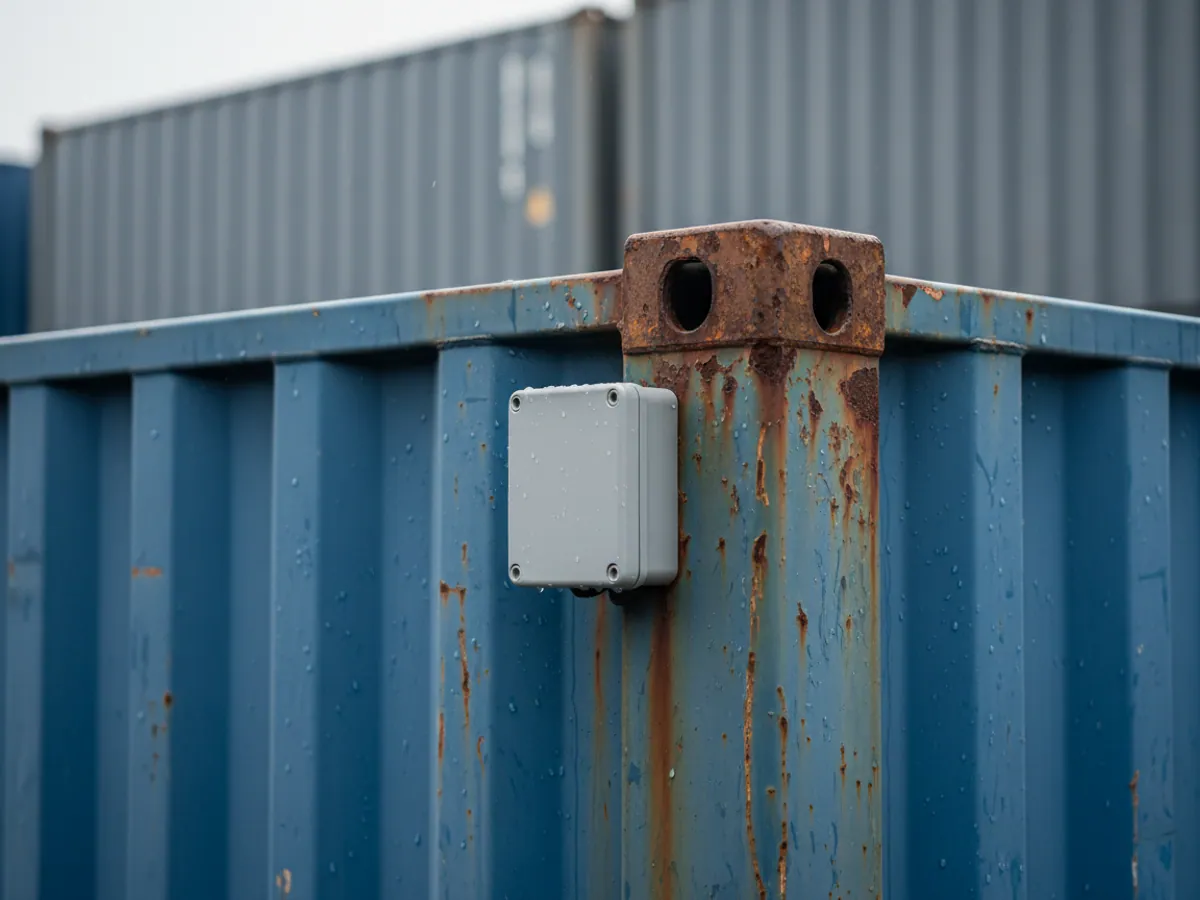
A container has no on-board power and no CAN bus. That is why self-contained devices with a built-in battery are used. Battery life depends first of all on how often the tracker reports in: with a few fixes a day it is measured in years, with frequent fixes in months. We choose the particular schedule to suit the route and work out the battery life before fitting.
Mounting can be magnetic, bolted, or hidden inside the container. A magnet is convenient for a quick fit before departure, but it is also easier to remove. Hidden fitting is more secure against theft, but metal walls degrade GPS reception, and positioning accuracy can drop to a fix from mobile masts.
On resistance to conditions: we choose models with a case protected against dust and water and an operating temperature range that the manufacturer states for outdoor use. We look up the specific figures in the data sheet of the chosen model. If the cargo owner or the insurer needs confirmed testing for marine use, we request the documents from the manufacturer for that particular model rather than promising them in advance.
Risks in container transport
Typical situations on the routes across the Caspian and along TRACECA that make cargo owners start looking for tracking of their own:
Cargo theft
A container opened en route and part of the load swapped without visible damage to the seal. Without data on where and when the doors were opened, it can be hard to prove on which leg it happened.
Delays in ports
It is unclear whether the container has cleared customs at Alat or Aktau, whether it is held for inspection, whether it has been loaded onto the right ferry. Every extra day of standing can cost money in storage and demurrage.
Cargo damage
Heavy impacts during transfer, drops during stacking, a breach of the temperature regime in a reefer container. Sensors record the event with its time and place, which is an argument in a conversation with the carrier and the insurer.
Every leg of the journey looks different
It is fairer to say up front what tracking looks like on each leg, so that there is no disappointment later.
- The road leg. The most transparent stretch: there is coverage almost everywhere and the tracker can be set to report often. For the duration of this leg the tractor unit's own tracker can be used as well, if the carrier agrees to share the data.
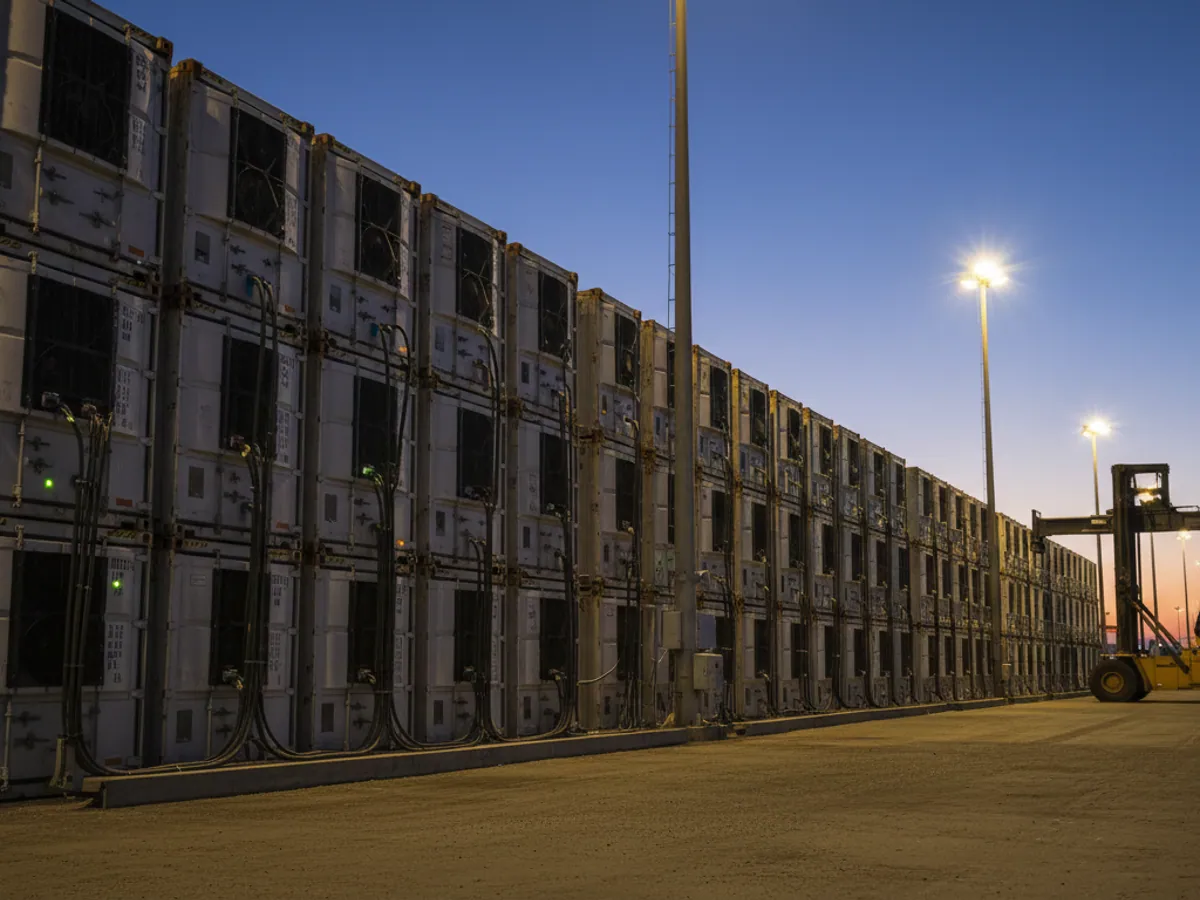
- Port and terminal. There is coverage, but inside a stack the metal screens the signal. The position may be fixed coarsely, to within the terminal grounds. That is enough to monitor openings, but not to find the exact slot in the stack.
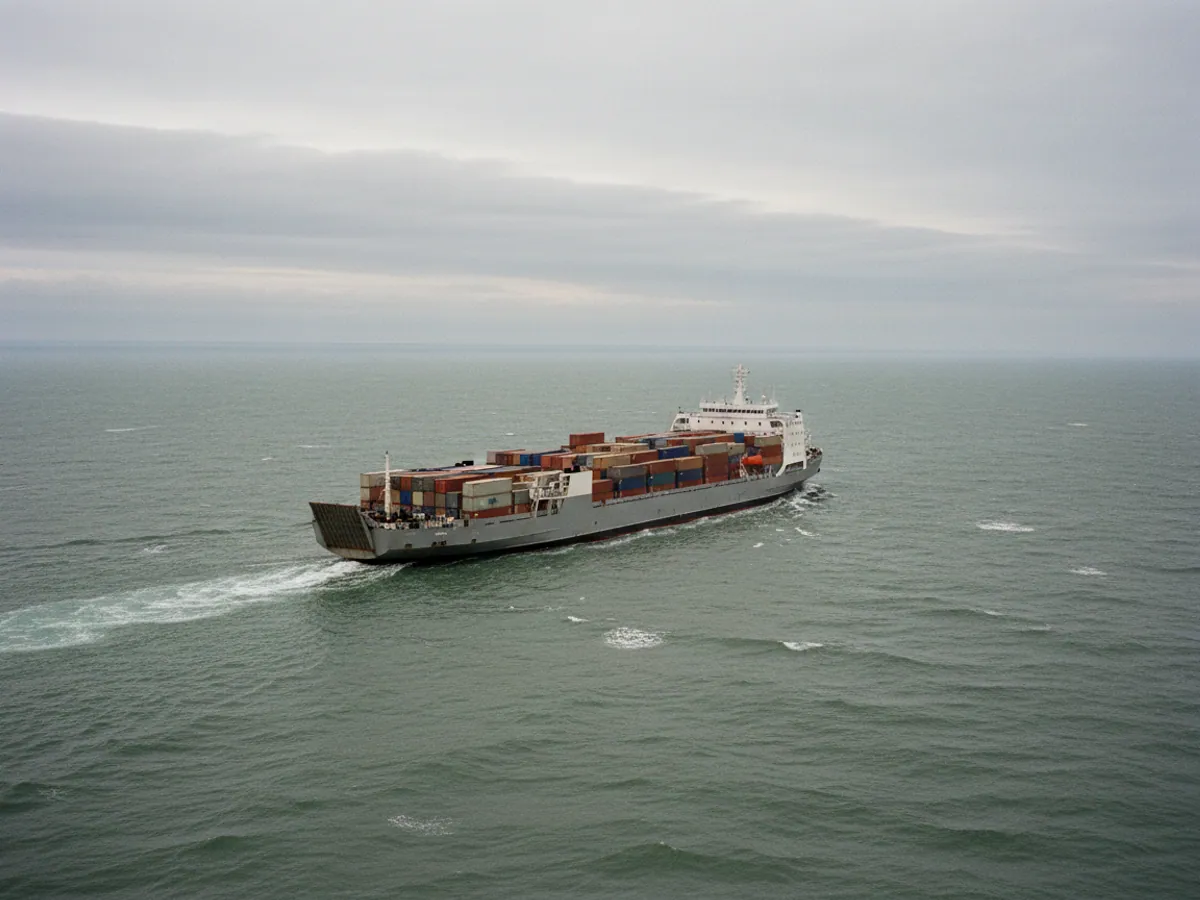
- Ferry or vessel. There is no mobile coverage on the open sea. The tracker writes events to memory and sends them when the vessel approaches the shore. You will not see the container in real time on the Caspian crossing, only afterwards.
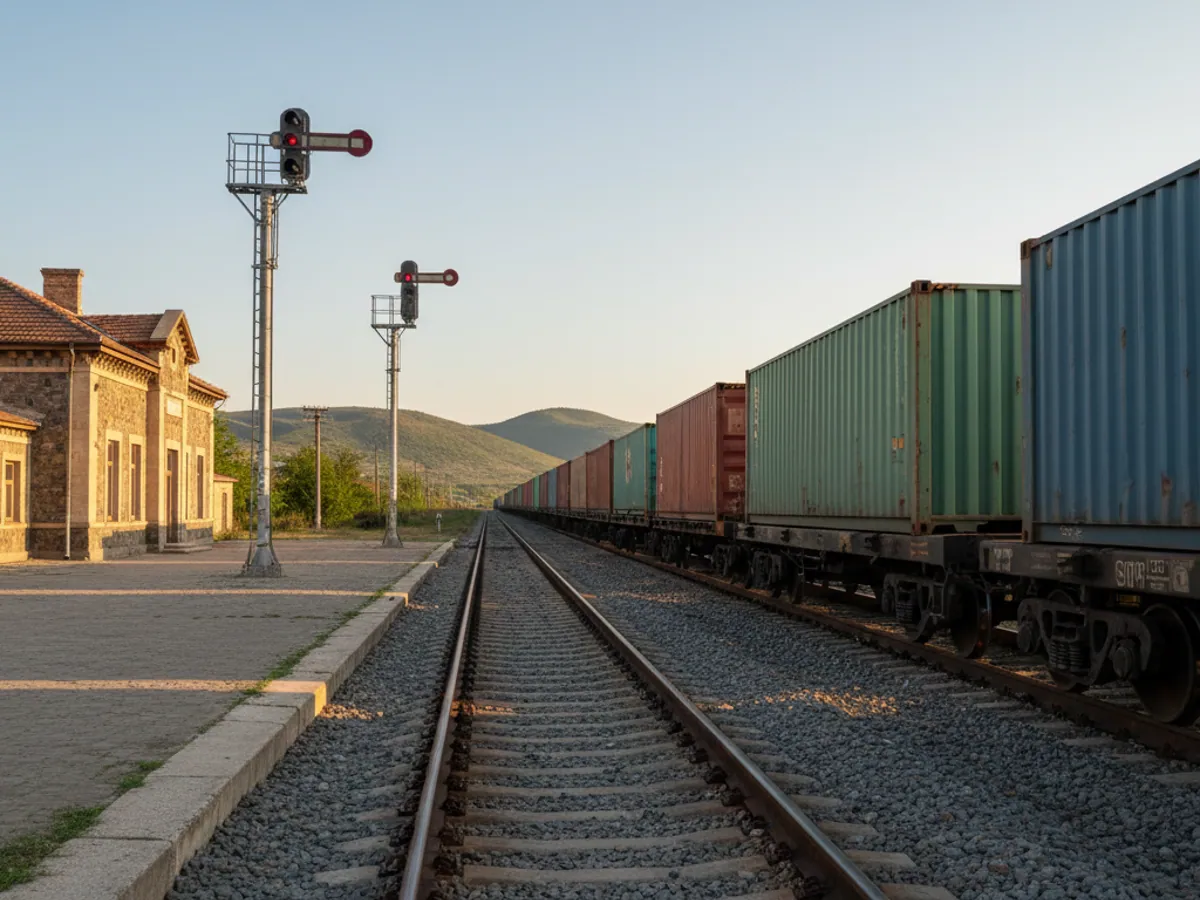
- Railway. Coverage along the route is uneven, especially on mountain stretches. Fixes arrive with gaps, but the sequence of stations can be reconstructed.
The self-contained device's schedule is set up for these legs: less often on long hauls, to save the battery, more often near ports and on the road leg. Some models can switch mode using a motion sensor. The more frequent the fixes, the shorter the battery life, and that trade-off is best discussed before departure.
What container trackers can do
Opening (light) sensor
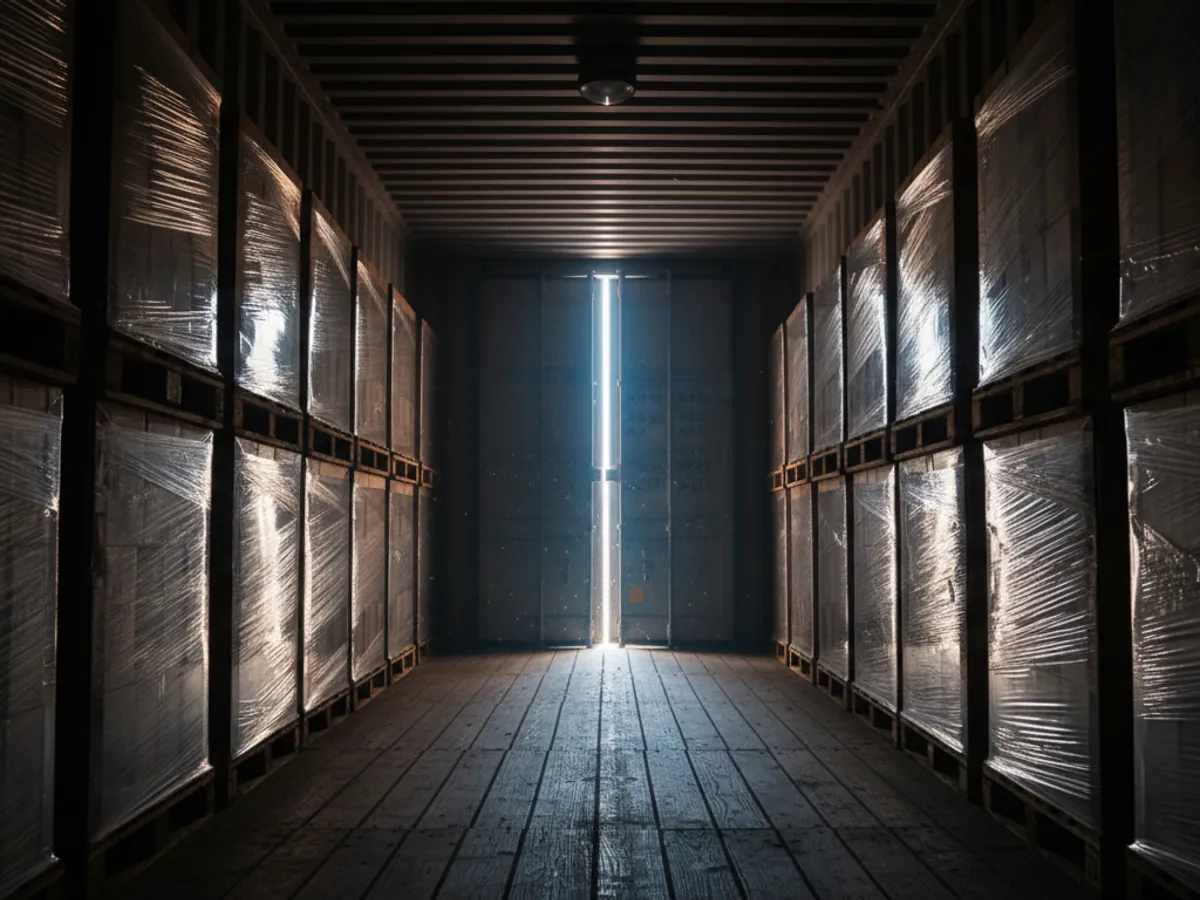
A built-in or external light sensor records a door opening: light enters the closed container and the tracker logs the event. If there is coverage at that point, the notification reaches the dispatcher quickly; if not, the event is stored and arrives with the rest of the data.
Typical scenarios:
- a planned opening in a port or at customs — logged by geofence and not treated as an alert;
- an opening en route outside the permitted places — an alert with coordinates;
- an inspection outside working hours — a notification to the cargo owner to check.
The main value is that you find out at which stage the container was opened, rather than working it out after acceptance at the destination terminal.
An electronic seal for high-value loads
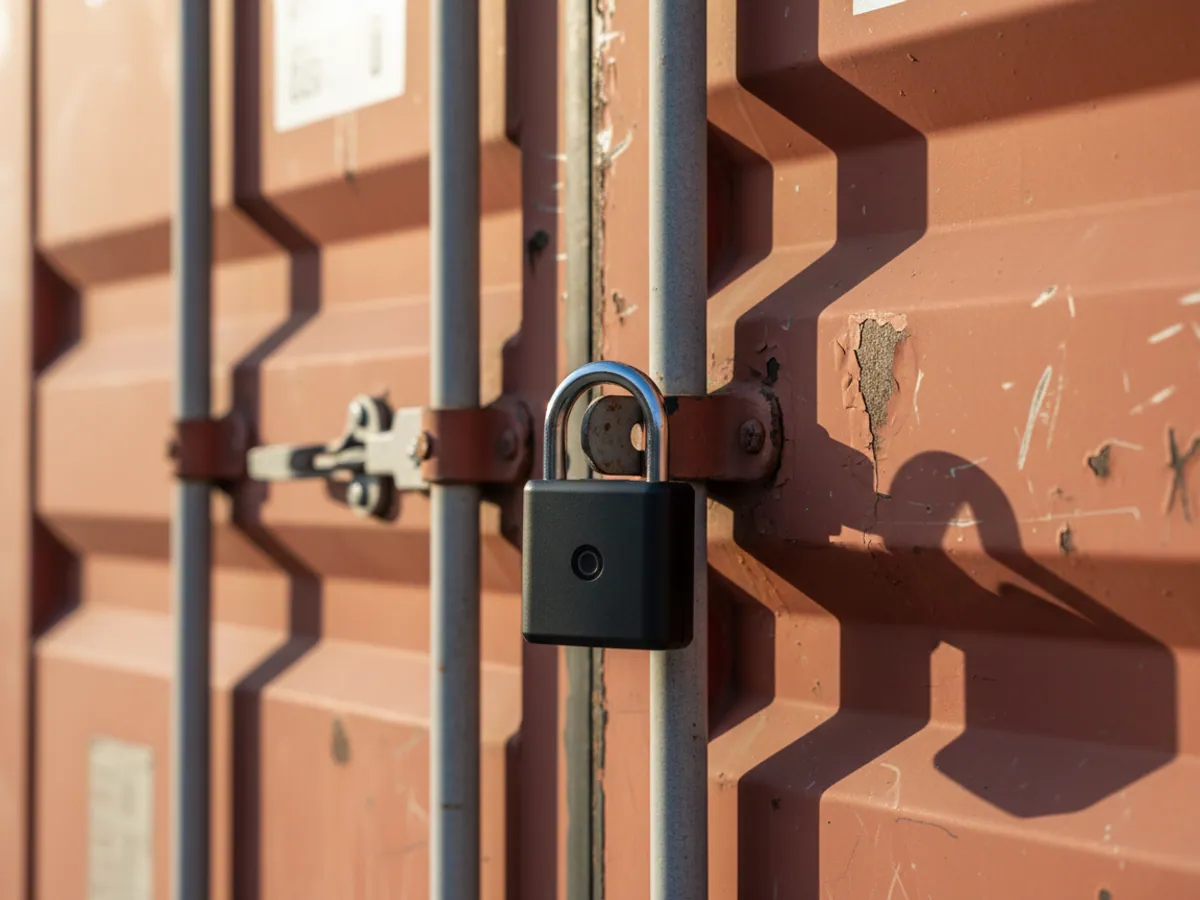
For particularly valuable loads, electronics or pharmaceuticals for instance, an electronic navigation seal can be used instead of an ordinary tracker. It combines a tracker, an opening sensor and a locking device, and is hung on the container's own locking bar.
Depending on the model, the seal reports removal, an attempt to damage the case or the shackle, and can be opened on a command from the dispatcher or on arrival in a permitted geofence. The feature set differs considerably between manufacturers, so we choose the model to suit the load and the route.
If you need the seal to comply with a particular standard or with an insurer's requirements, check those requirements with the insurance company first, and we will select a model for which the manufacturer holds supporting documents. The size of any insurance discount is decided by the insurer; we do not promise it.
A pilot on one route: what is needed and how we sign it off
Tracking is convenient to test on a few containers on a single route, Aktau — Alat — Georgia for example, before fitting devices across the whole flow.
What we need from you: the route and the expected timings for each leg, a list of ports, terminals and stations for the geofences, where and by whom the tracker is fitted and removed, who receives the opening notifications, and the cargo owner's or insurer's requirements for the data.
What a working report for a run looks like: the chronology consignor — port — ferry — port — station — consignee with arrival and departure times, periods without coverage marked to show where data arrived late, opening events with coordinates and a planned or alert label, impacts and temperature if the sensors are fitted, and the remaining battery charge.
Sign-off criteria for the pilot: the track has been reconstructed across all legs with no unexplained gaps; planned openings are recognised by geofence and produce no false alerts; battery use over the run matches the calculation; and the device has been returned or refitted according to the agreed arrangement.
What container tracking gives you
Control over access to the load
You can see at which stage and where the container was opened. That does not rule out theft, but it narrows the search and gives grounds for a claim.
Arguments for the insurer
The history of the route, the openings and the impacts helps when settling a loss. Insurance terms and any discounts are decided by the insurance company.
Faster paperwork
Accurate data on arrival at a port or terminal makes it possible to lodge documents with customs in advance. Processing comes down from 24-48 hours to 4-8 hours.
Independence from the carrier
The tracker belongs to the cargo owner or the forwarder and travels with the container through every carrier. Battery life depends on the reporting schedule and is calculated before fitting.
Frequently asked questions (FAQ)
What is used in this sector
What we do end to end
Wialon modules for this sector
How it is used in this industry
Case studies from “Logistics & Warehousing”
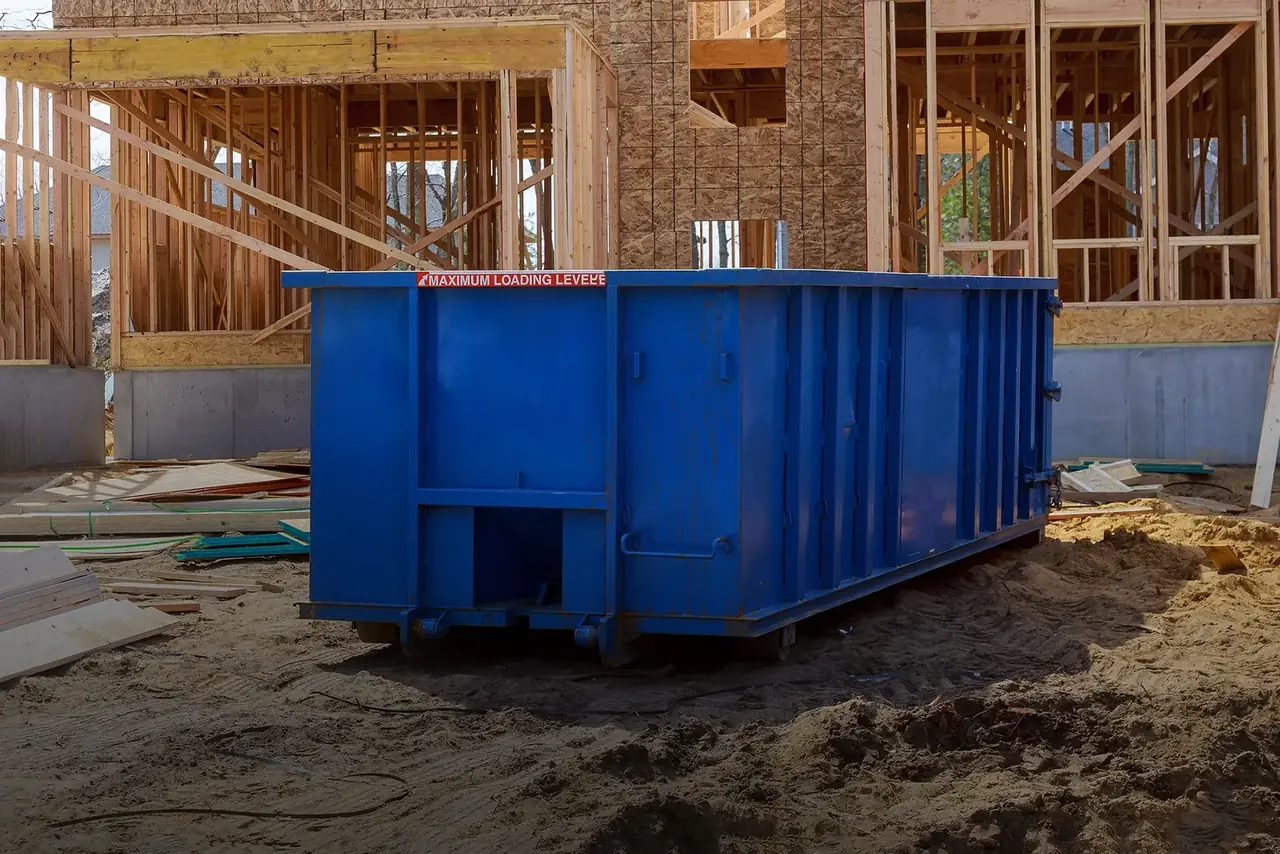
Containers and site cabins on GPS: the TAT240 tracker
Assets and workforce

Servicing a courier fleet on OBD tracker data
Logistics and delivery
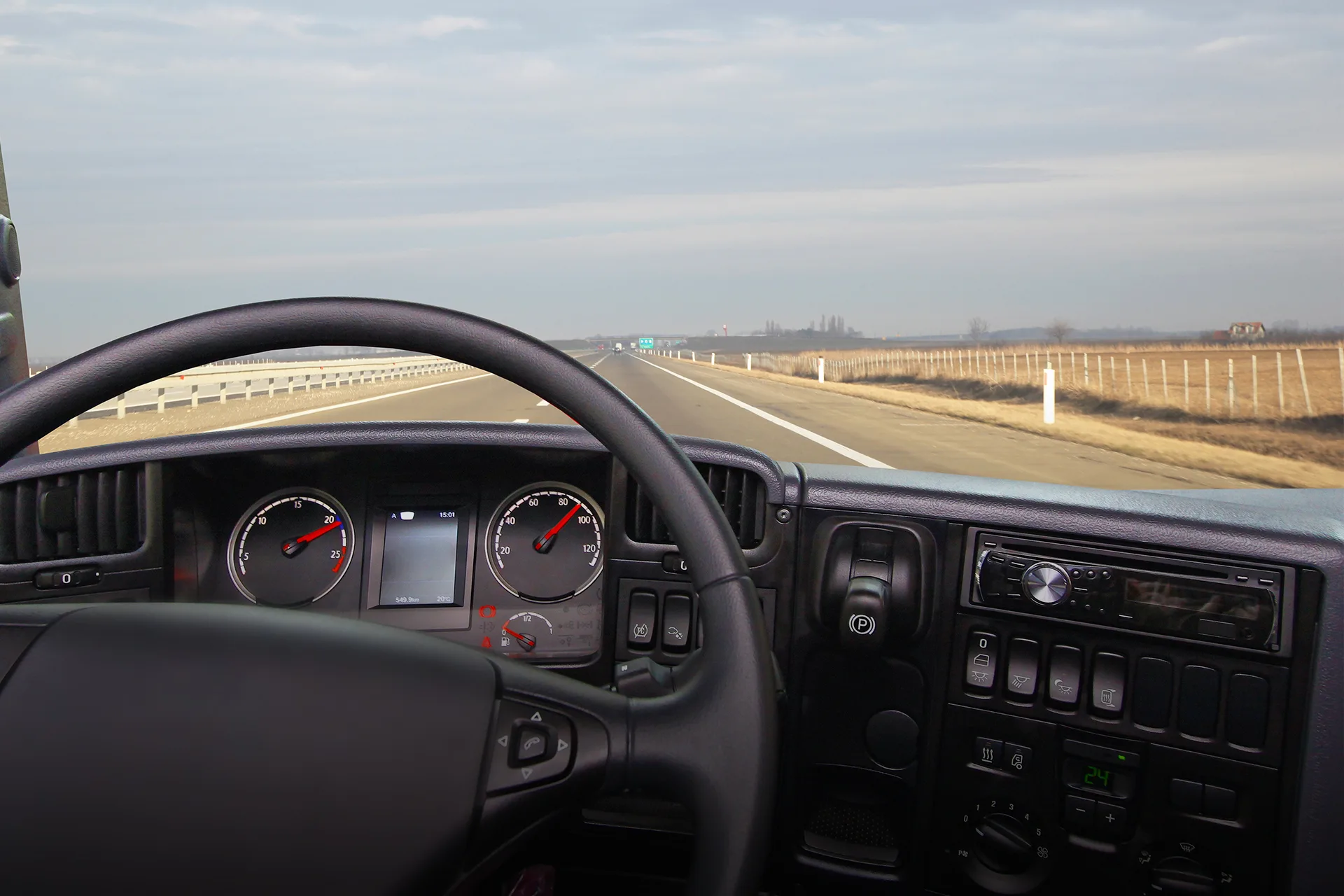
A lorry's warning lights in the control room
Logistics and delivery
Thinking of rolling out GPS monitoring in “Container shipping”?
Send us an enquiry and we will price it up for your fleet and pick the hardware for this sector: logistics & warehousing.
- 1 We pin down the task
A specialist calls back and asks about the vehicles, how many there are and what you need to keep an eye on.
- 2 We put a solution together
We propose the hardware and the features, and set out the one-off and the monthly cost separately.
- 3 We agree the fitting
At your yard or at ours, on a schedule that keeps the vehicles working.
Request a call
A specialist will call back and match a solution to your fleet and your task.