

Eco Driving in Wialon: scoring how your drivers drive
A function of the Wialon platform that counts harsh acceleration, braking, cornering and speeding and builds a ranking of drivers. It is a tool for training and management: it brings accidents and fuel use down only alongside a regular review of the reports.
See a demo built around your own task
Saving money starts at the accelerator pedal
Driving style has a direct bearing on what a fleet costs to run. Harsh acceleration and braking noticeably increase fuel use and wear parts out faster. Eco Driving in Wialon turns movement data into a driving style score that is easy to read. The system analyses every action at the wheel and awards points for the quality of the driving, which makes it possible to compare staff with one another on a common footing.
How are the breaches scored?
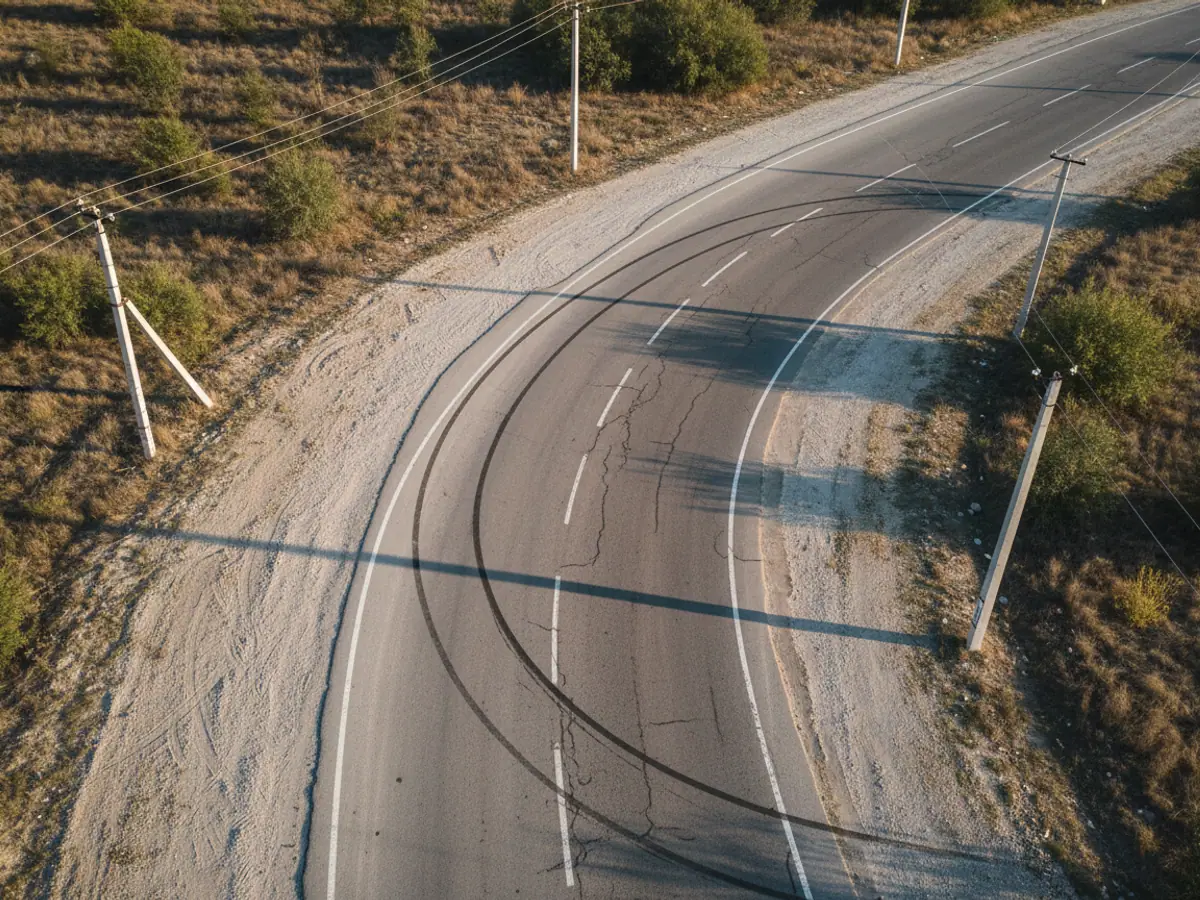
The Eco Driving module uses data from the GPS tracker (position and speed) or from a built-in accelerometer (a g-sensor). The system records dangerous manoeuvres: harsh acceleration, emergency braking, taking a corner at high speed and exceeding the speed limit. Each breach carries a weight of its own in penalty points, which is set individually for the type of vehicle, from a saloon car to a heavy lorry.
What it is and who develops it
- The product: Eco Driving is a function of the Wialon platform from Gurtam. The criteria are set in the properties of the unit, and the results appear in the reports and in the driver ranking.
- What is needed: a tracker that reports speed and, for an accurate score, a tracker with an accelerometer; driver identification where several people drive the same vehicle.
- What GPS.az does: selects and calibrates the trackers, sets up criteria profiles for your types of vehicle, prepares report templates and trains whoever will review the events.
- Licensing: the function is part of the Wialon platform; the connection terms are set out in the quotation.
The price of aggressive driving
Leaving driver behaviour on the road unchecked leads to steady losses and to risks for the business:
A high accident rate
Drivers who treat the road as a race are involved in accidents more often, which means vehicles standing idle, money spent on repairs and insurance going up.
Fuel burnt for nothing
According to the US Department of Energy, for passenger cars aggressive driving reduces fuel economy by 15–30% on the motorway. For your own fleet we work the effect out from your own figures.
Wear on the vehicles
Harsh braking wears out pads and tyres, and the knocks the suspension takes in potholes (vertical impacts) break down the running gear.
Damage to the load
In a harsh manoeuvre the load in the body shifts, breaks or falls, which matters a great deal to hauliers carrying fragile goods.
What the Eco Driving module does
Scoring criteria
Parameters you set yourself




It works with what you already have
In most cases the Eco Driving module does not call for expensive equipment to be bought. Wialon can analyse the quality of driving from ordinary GPS data alone. For the best accuracy, though, we recommend trackers with an accelerometer, which feel the g-forces and the knocks the suspension takes, or a connection to the vehicle's CAN bus to read how the accelerator is being used and what the engine is turning at.

How the scoring is set up and how a disputed event is reviewed
Setting it up for types of vehicle. Each group of vehicles is given a profile of its own: the acceleration and braking thresholds, the permitted speed, the weight of each breach. For a loaded tractor unit, for instance, the threshold for harsh braking is lower than for a car, and speeding carries more weight. For the first two or three weeks the profile is calibrated: you look at how the events are distributed and take out the false ones.
An example of a review. A driver has been given a harsh braking event on an avenue at 18:40. The person responsible opens the track: the speed fell from 50 to 10 km/h in two seconds at a pedestrian crossing. The video, or the driver's own account, shows that somebody stepped onto the crossing. The event is marked as justified and does not count towards the bonus. If, on the other hand, braking like this recurs with the same driver every day on the same stretch, that is grounds for a conversation about following distance.
Limits: the system does not see the traffic situation; a badly mounted or uncalibrated tracker produces false events; the ranking is not proof of fault in an accident.
What the solution gives you
Safety
Dangerous manoeuvres reviewed on the facts
Fuel savings
The effect worked out from your own figures
Longer vehicle life
Less wear on brakes and tyres
The load kept intact
Less breakage and fewer returns
Frequently asked questions
Request a call
A specialist will call back and match a solution to your fleet and your task.