
Fuel control and monitoring of fuel and lubricant consumption
Fuel control puts three figures side by side: how much was paid for on the receipt or the card, how much actually reached the tank according to the fuel level sensor, and how much the engine burned according to CAN or a flow meter. Refuelling and drains show up on the chart with a place and a time, and a drain alert arrives within a few minutes. Accuracy depends on the measuring method and on how the tank was calibrated, so we start by choosing the method of measurement that suits your vehicles.
From the data on board to the dispatcher's decision
Escort fuel level sensor
A capacitive probe cut to the height of the tank, calibrated by filling in 10–20 litre steps.
Teltonika tracker
Every 30 seconds it sends the level, coordinates, ignition state and speed.
Wialon
Smooths the fluctuations, finds refuelling and drains, counts the litres.
Alert
Telegram or e-mail with the place, time and volume of the event.
Features and tools
Measurement
- High-precision capacitive Escort fuel level sensors for volume control
- Direct measurement of consumption with in-line flow meters
- Reading data off the CAN bus from the ECU of heavy vehicles
Analysis
Protection
- Refuelling logged and drains flagged from the fuel level sensor: within a few minutes of the level settling
- Wialon algorithms for filtering out fuel slosh
- Fuel control for TIR haulage along the M-1/M-2, into Georgia and Iran
What the system sees over a single shift
An illustrative Baku — Ganja run along the M-2. This is how the events look in the report.
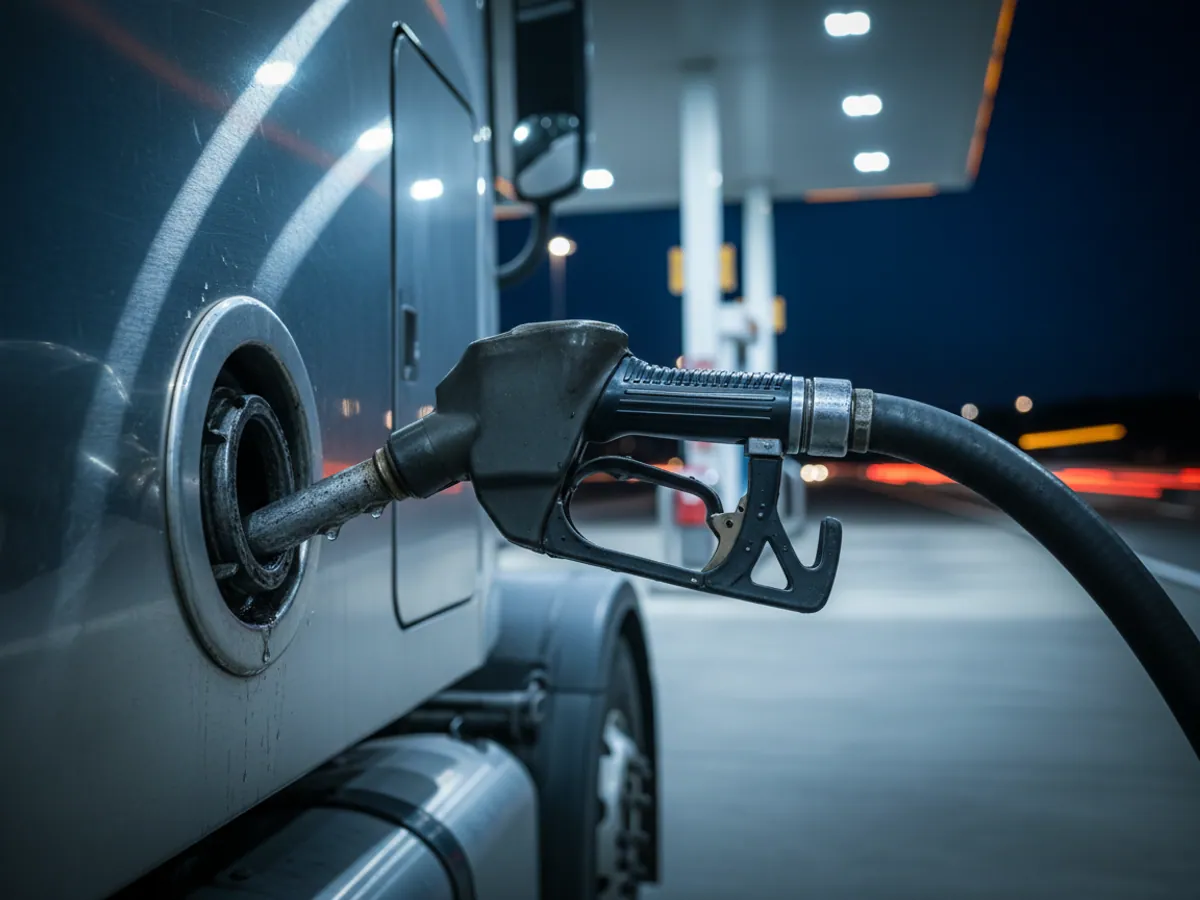
- Refuelling at a filling station in Baku +390 l
The volume from the sensor matched the receipt — the event closed automatically.
- Refuelling in Ganja 40 l short
The receipt says 420 l, the tank received 380 l. The dispatcher gets an alert and checks it against the fuel card.
- 48 minutes of idling wasted fuel
The vehicle stood with the engine running at the warehouse — this shows up in the idle time report.
- Level drops while parked drain −112 l
Ignition off, coordinates put it in a lay-by. The alert arrives a couple of minutes later.
How it works
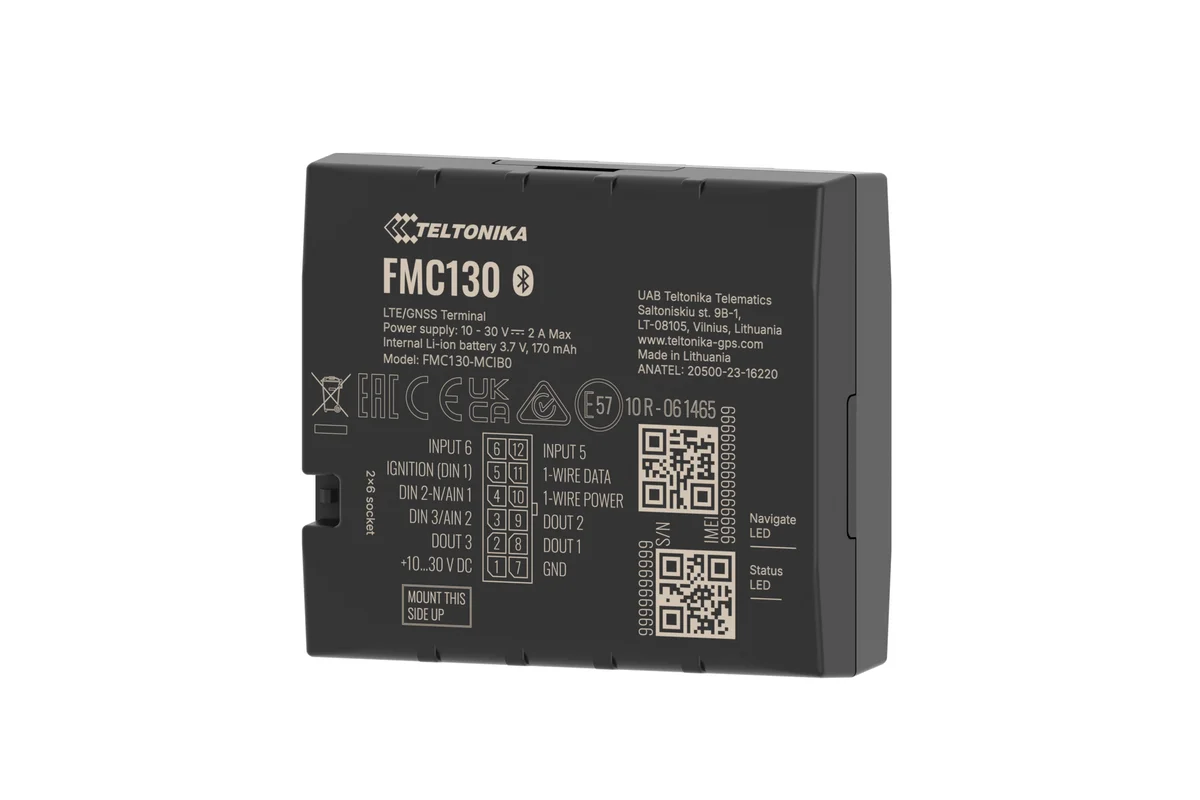
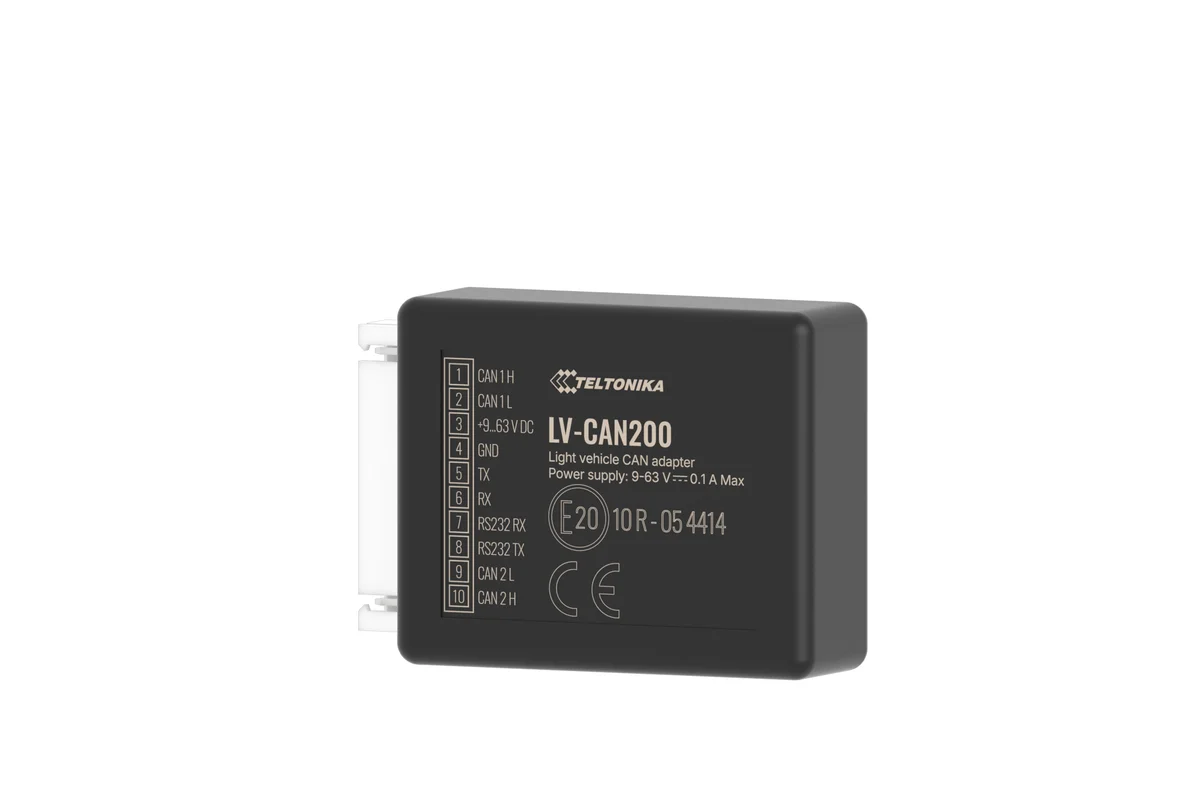
A capacitive Escort fuel level sensor is fitted into the fuel tank. The sensor passes the volume to a Teltonika FMC650 or FMC130 or a Queclink GV50 tracker, and the tracker sends the readings on to the Wialon platform along with the coordinates.
On the tank level chart, refuelling looks like a sharp rise and a drain like a sharp fall somewhere the vehicle has no business losing fuel: in a lay-by, on the verge, at the yard overnight. The system finds those places by itself, counts the litres and sends an alert.
On lorries with a CAN bus you can additionally take consumption from the on-board computer. That is useful for comparison, but we still treat the fuel level sensor as the primary source for catching drains — the reasons are set out below.
Three ways to measure fuel
Capacitive level sensor
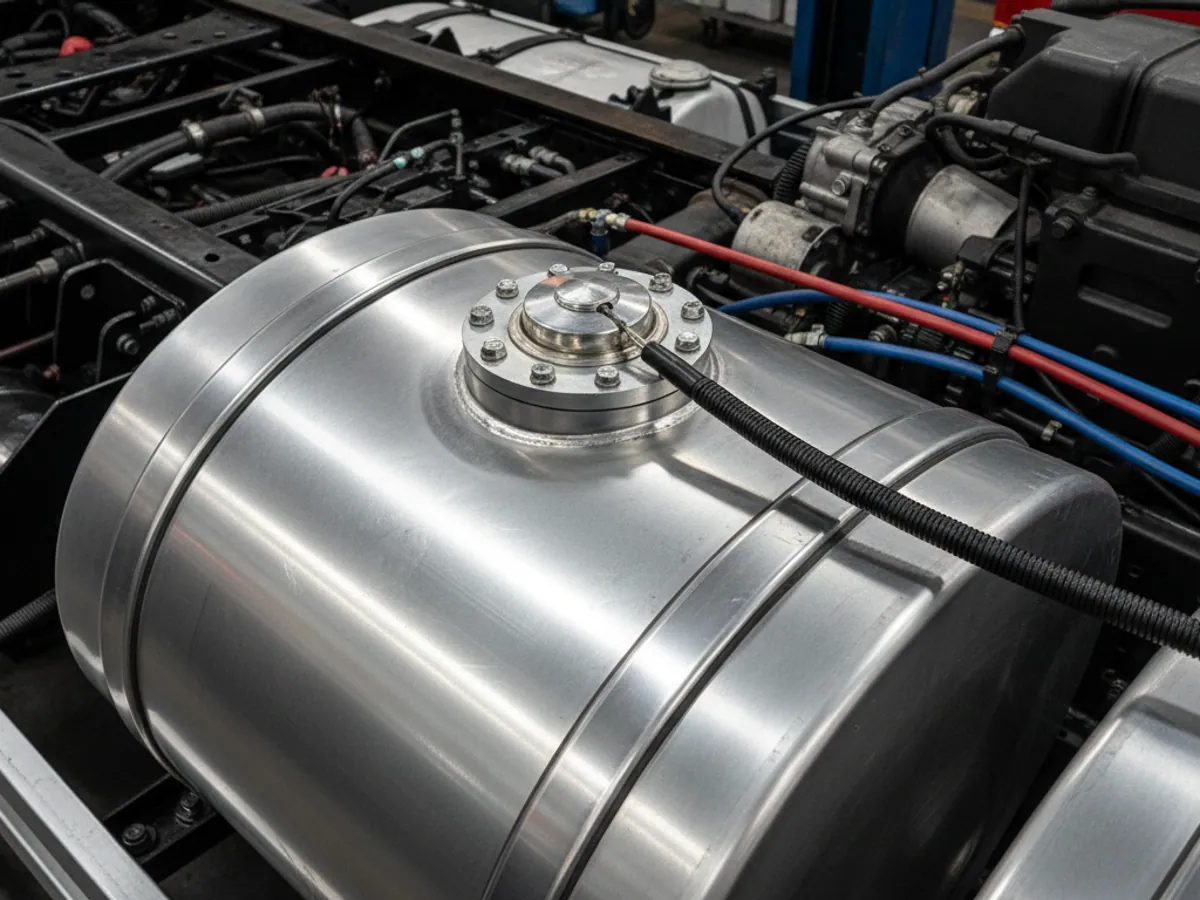
The main method for lorries, buses and heavy equipment. The sensor is a probe fitted into the tank through a hole in the top wall and cut down to the tank's height. Once fitted, the tank is filled from a measuring vessel and a calibration table is built.
After calibration the error is usually 1–2% of tank volume, and when parked the system can tell apart drains from 5–10 litres upwards. On large tanks and uneven ground the threshold is higher. Different models suit different jobs: the new Escort TD-600 for the main fleet and the refurbished Escort TD-10R when drains on older vehicles need covering on a budget. If a vehicle has two tanks, each one needs its own sensor.
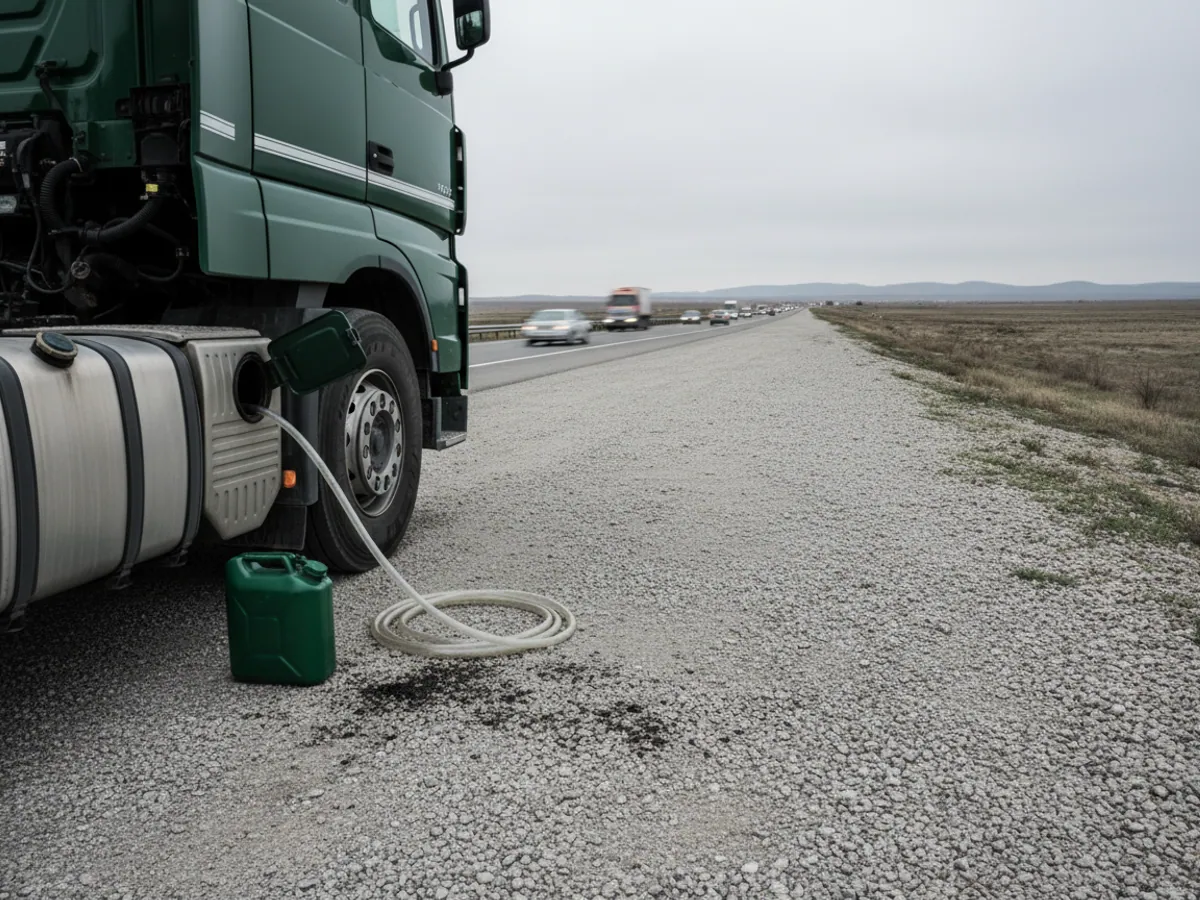
What a drain on the road looks like
A typical scenario we go through with clients almost every month. A tractor unit refuels at a filling station in Ganja — the chart rises by 300 litres and the receipt matches. Forty kilometres later, in a lay-by off the M-2, the engine is off for 25 minutes and the tank level falls by 60 litres.
A couple of minutes after the vehicle moves off, a message lands in the dispatcher's Telegram: drain of 60 l, coordinates, time. If the driver touches his key in, the report also shows straight away who was at the wheel.
The second common case is a short fill. After refuelling the chart has gained 180 litres while the receipt says 220. One such difference is grounds for checking that particular filling station. A regular one is grounds for a word with the driver.
We help work through doubtful drains separately: we look at the chart, the speed, the attitude of the vehicle and whether the engine was running. There is more about that work on the page covering protection against fuel theft.
Capabilities and metrics
What the system works out about fuel, and the form in which a manager receives it.
Fuel level in the tank
The current volume in litres for each vehicle and a chart for any period. With a capacitive sensor, the error after calibration is usually 1–2% of tank volume.
Actual consumption against the norm
Actual consumption compared with the norm per 100 km or per engine hour, alongside CAN bus or flow meter data. It is immediately clear which vehicles and which drivers use more than the rest.
Drain alerts
An alert about a sharp fall in level or an unplanned refuelling — in Telegram, by email, by SMS or in the Wialon app.
Reports for the finance team
Refuelling, drains and consumption for any period in tables and charts, exported to Excel and PDF, sent out on a schedule.
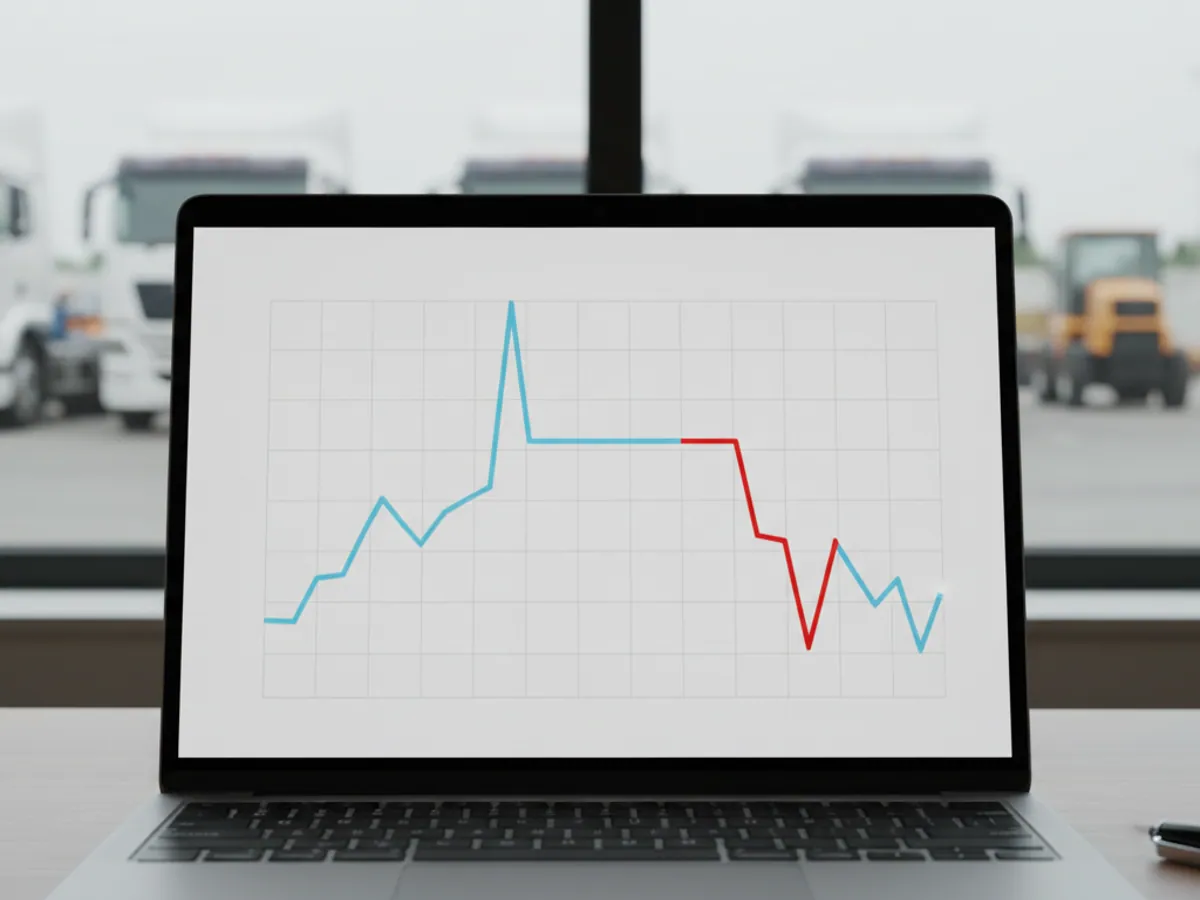
What fuel slosh is and why the system does not mistake it for a drain
Fuel in a tank moves about. Climbing towards a pass, accelerating, bouncing over the ruts of a quarry, the level at the sensor jumps by tens of litres one way and back. Build a report on the raw data and the system will count a dozen false drains per run.
So in Wialon filtering is configured for each vehicle: smoothing of the values, a minimum volume for a drain and for a refuelling, and the time the level has to settle for. By default, drains are looked for when the vehicle is parked or moving slowly, where the fuel has a chance to calm down.
The settings are chosen to match the particular vehicle. A tipper in an aggregate quarry and an intercity coach on a smooth road need different thresholds. We do this at commissioning and then adjust it over the first weeks of operation.
- A filter set too tight will miss small, regular drains of 15–20 litres.
- One set too loose will bury the dispatcher in false alerts, and people will stop reading them.

A drain and a false event that looks like one: how to read the chart
Two anonymised fuel level charts that look alike at first glance. Both are a tractor unit parked overnight, engine off, with the tank level down by roughly 100 litres.
The first chart is a drain. The vehicle is standing on level ground. The level is flat, then steps down over 10–15 minutes and goes flat again at a new mark. Once the vehicle starts moving, it stays there. The ignition is off throughout and the coordinates do not change. This is the event we send to the dispatcher as a drain.
The second chart is a false event. The tractor unit parked on a steep slope. The level at the sensor fell the moment it stopped, because the fuel had moved to the other wall of the tank, and it stayed low all night. In the morning the vehicle pulled out onto level road and the level returned almost to its previous value. No litres went anywhere; what changed was the angle.
How we tell them apart in practice:
- we look at whether the level came back once the vehicle moved off — with a drain it does not;
- we match the timing of the fall against the moment of stopping: an instant drop on stopping is more often a slope, a gradual one while parked is a drain;
- we check what the ignition, the sensor's power supply and the voltage were doing;
- for vehicles that regularly park on a slope we set up a delay and compare the level before and after the stop on a level stretch.
Similar false falls come from temperature (fuel contracts overnight after a hot day) and from warming up with the heater running. That is why we go through disputed cases on the chart together with the client rather than on a single line in a report.
The calibration procedure: where the error figure comes from
The error of a fuel level sensor is not a specification on the datasheet but the result of fitting it to one particular tank. So we follow the same order every time and leave the client the table and a certificate with the result of the check.
1. Inspecting the tank
Shape, rated volume, a place to cut in closer to the centre, whether there are baffles or a second tank. For plastic and non-standard tanks we discuss straight away what accuracy can realistically be expected.
2. Fitting and cutting the sensor
The sensor is cut to the height of the tank and the mounting and connector are sealed. The vehicle stands on level ground, and we record that in the certificate.
3. Filling in measured portions
The tank is emptied to its minimum level and filled from a measuring vessel in portions of 10–20 litres. After each portion we write down the sensor reading. That builds a calibration table for this particular tank rather than a generic one.
4. Checking the error
We put in a known volume that was not in the table and compare it with what the system shows. The difference as a percentage of tank volume is the error, and that is what we record in the certificate.
5. Setting up the filtering
Minimum drain and refuelling volume, settling time, behaviour while parked. For the first fortnight we check refuelling against receipts and adjust the thresholds if need be.
Common mistakes that make people distrust the figures
A sensor with no calibration. The manufacturer supplies a standard table, but tanks of the same model differ from one another. Without filling the actual tank, the error easily reaches 5–10%.
The wrong fitting position. The sensor goes wherever it is convenient to drill rather than into the centre of the tank. On bends and slopes the readings wander further than they should.
An unprotected connector and cable. A driver used to draining fuel will first of all try to unplug the sensor. We seal the sensor and the connector, and switch on an alert for a broken circuit in the system.
The second tank overlooked. Tractor units often have two tanks with a crossover. If only one has a sensor, drains from the other are invisible.
No norm. Even an accurate sensor will say nothing about overconsumption if no norm has been set with an allowance for season and route: in winter along the M-1 towards Guba and Gusar consumption is higher, and in summer the air conditioning runs while parked.
What the business gets
Lower fuel costs
Across our rollouts in Baku and Sumgait, the fuel budget after fitting level sensors usually comes down by 15–25%, depending on how much was being drained before.
Greater transparency
Every refuelling is checked against the receipt, every drain has a time and a coordinate. Arguing with those figures is harder than arguing with a waybill.
Better logistics
Consumption analysis shows up the expensive routes, along the Baku — Ganja road for instance, and helps plan refuelling at filling stations you have checked out.
Sounder financial planning
Accurate consumption data lets the finance director plan the fuel budget for the month and the season instead of recalculating it after the event.
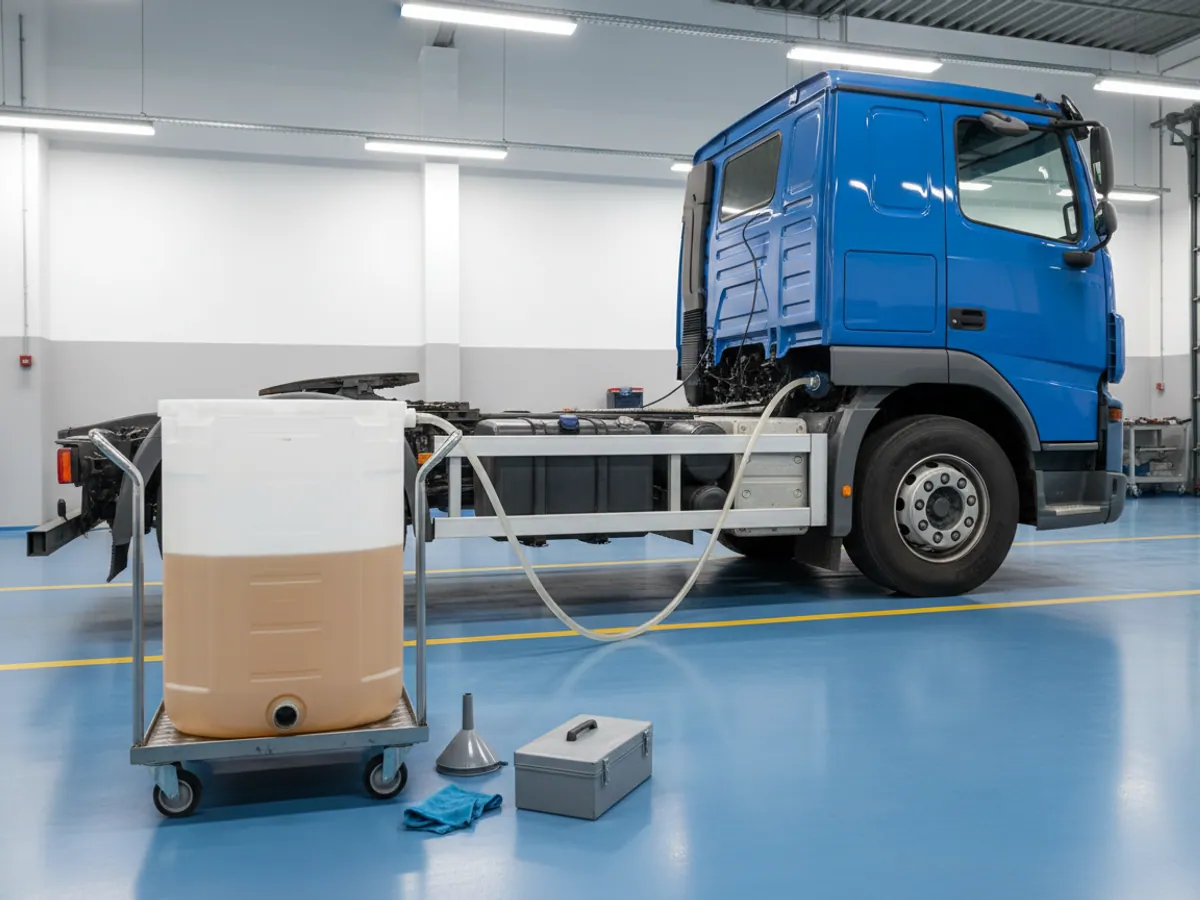
Fitting a fuel level sensor and what it costs
Fuel control starts with fitting a fuel level sensor into the tank — work our team carries out as part of the fuel level sensor fitting service: cutting the sensor in, filling and calibrating the tank. The error after calibration is usually 1–2% of volume and depends on the shape of the tank and where the sensor sits.
The cost of the solution is made up of the sensor itself — a capacitive Escort TD-600 or a refurbished Escort TD-10R from our catalogue, for example — the fitting work with calibration, the GPS tracker if one is not already installed, and the subscription for the Wialon platform. The total depends on the type of vehicle, the volume and shape of the tank and the number of tanks on the vehicle.
We prepare an exact quote for your fleet after a short audit — send us an enquiry and we will put together a configuration to match your vehicles and your priorities.
Level sensor, CAN or flow meter — which to choose
The three sources of fuel data solve different problems. They are often combined.
| Sensor in the tank | CAN bus | Flow meter | |
|---|---|---|---|
| Sees a drain from the tank | Yes | Roughly | No |
| Accurate engine consumption | Good | Good | Yes, the best of the three |
| No intervention in the vehicle | No, a hole in the tank | Yes, contactless | No, cut into the fuel line |
| Where it is most used | Lorries, plant and heavy equipment | Newer lorries | Generators, vessels |
How to get started
Four steps from your enquiry to reports you can use. We prepare a quote for your fleet free of charge within one working day.
- 1 Your enquiry and the list of vehicles
- 2 The quote and an agreed fitting schedule
- 3 Fitting the hardware at your own site
- 4 Setting up reports and alerts in Wialon, and training the dispatcher
Questions about “Fuel control and monitoring of fuel and lubricant consumption”
Request a call
A specialist will call back and match a solution to your fleet and your task.