
CAN adapter installation for reading vehicle data
We connect a CAN adapter and read the vehicle's factory data: fuel consumption, odometer mileage, revs, engine hours and engine fault codes, where the model reports them. The contactless reader is fitted without cutting into the bus wiring. We check the set of available parameters against the make, model and year before fitting. We work in Baku and across the regions of Azerbaijan.
- 11:20 Mileage in Wialon matched the odometer
- 11:22 Revs agree with the tachometer
- 11:25 Engine hours increase only while the engine runs
- 11:28 Fuel level — in steps of the dashboard needle
- 11:30 Engine fault codes cannot be read on this model
Wialon gains the parameters your vehicle genuinely reports over CAN, and we tell you in advance which ones those are. After fitting we check them against the dashboard and hand you a list of working parameters for each vehicle: what is read, what is not, and what to use to cover the gaps.
The on-board computer already knows everything. It just needs reading
In any modern vehicle the engine control unit counts revs, mileage, fuel used, temperature and faults. An ordinary tracker sees none of that: it knows only position and ignition. Installing a CAN adapter opens up the factory telemetry — with no cutting into the loom and no separate sensor for each parameter.
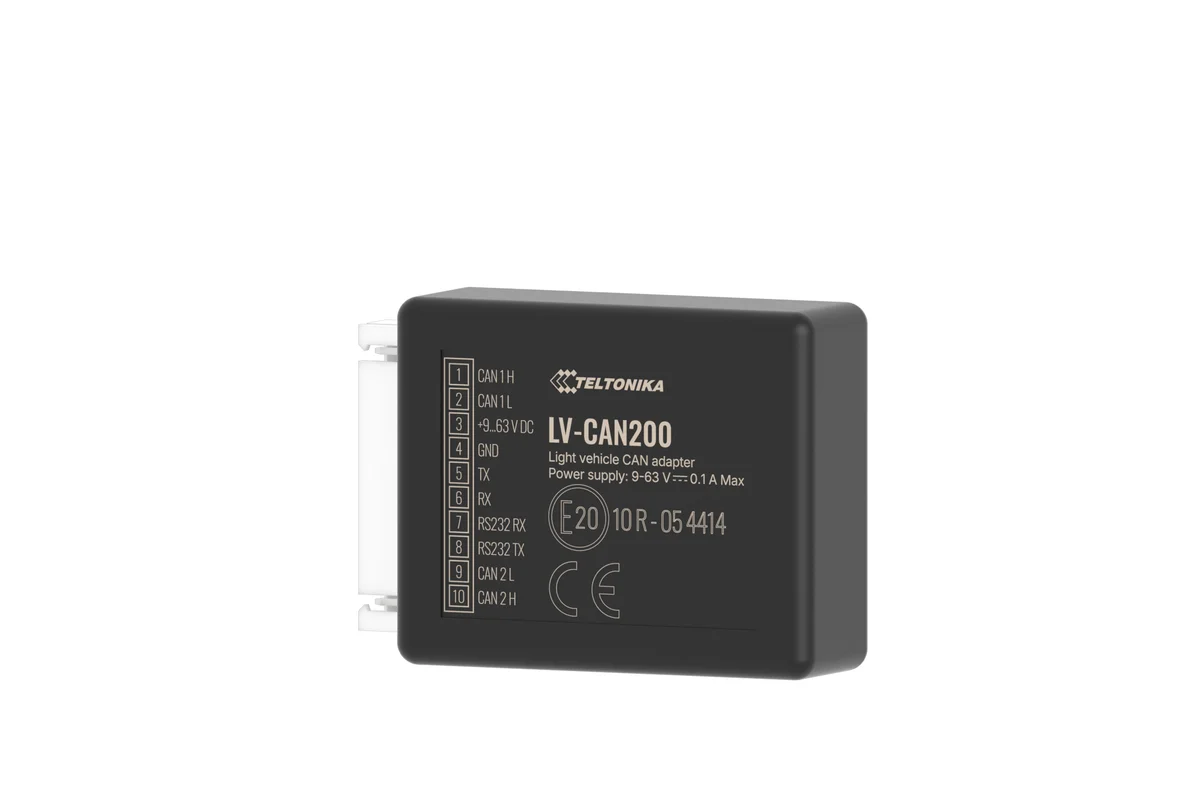
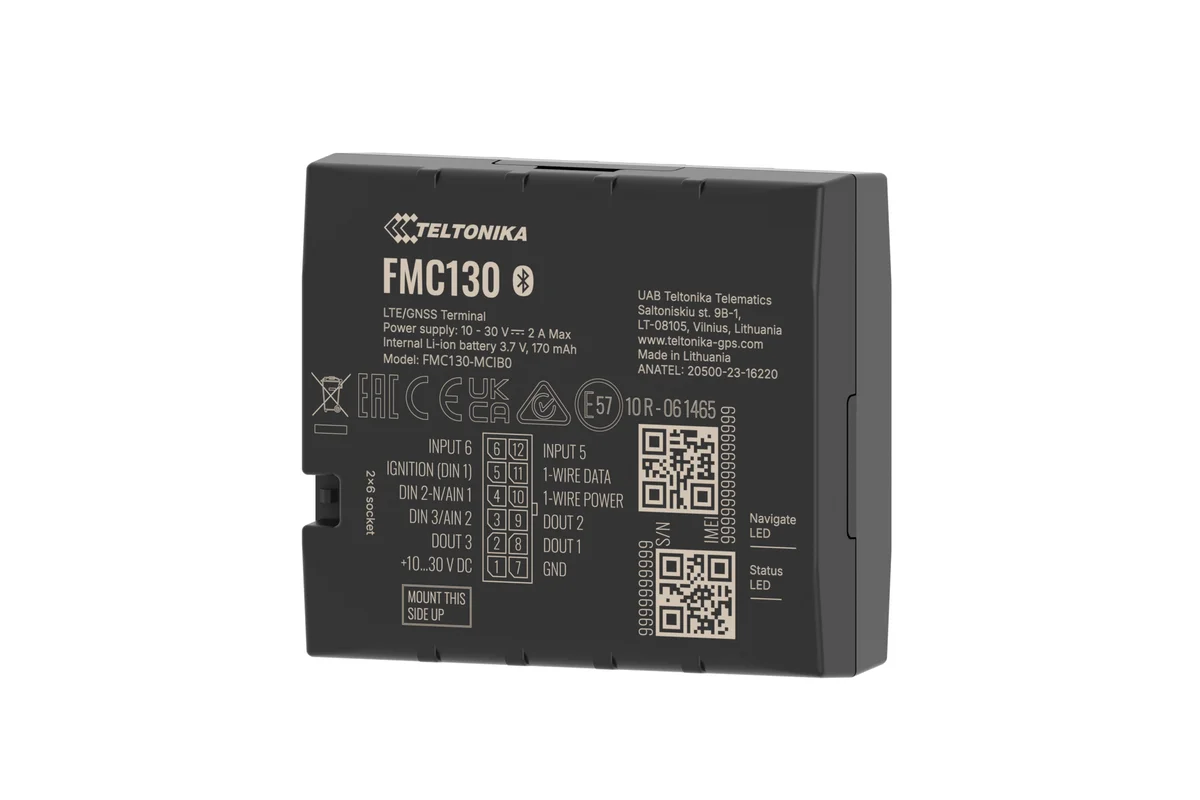
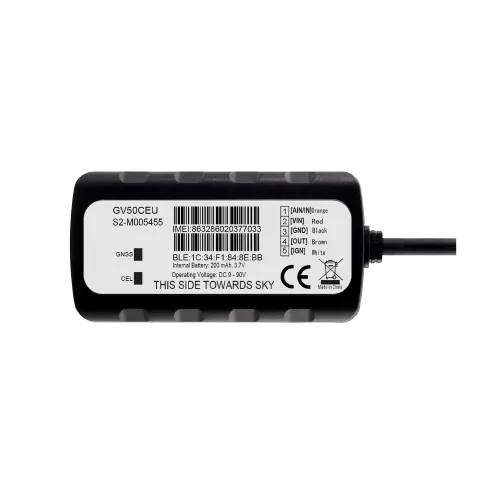
We fit Teltonika LV-CAN200 and ALL-CAN300 adapters, which decode the bus data, and the contactless ECAN02 reader, which picks the signal up off the wires without cutting into them. They work alongside Teltonika FMC130/FMB140 or Queclink trackers, and we present the data in Wialon. The dispatcher sees actual consumption per 100 km, engine hours, odometer mileage, revs and fault codes for every vehicle.
A CAN adapter is particularly useful where a fuel level sensor cannot or should not be fitted: new vehicles under warranty, leased cars, plastic tanks on passenger vehicles. Where it will not cope, we say so plainly below.
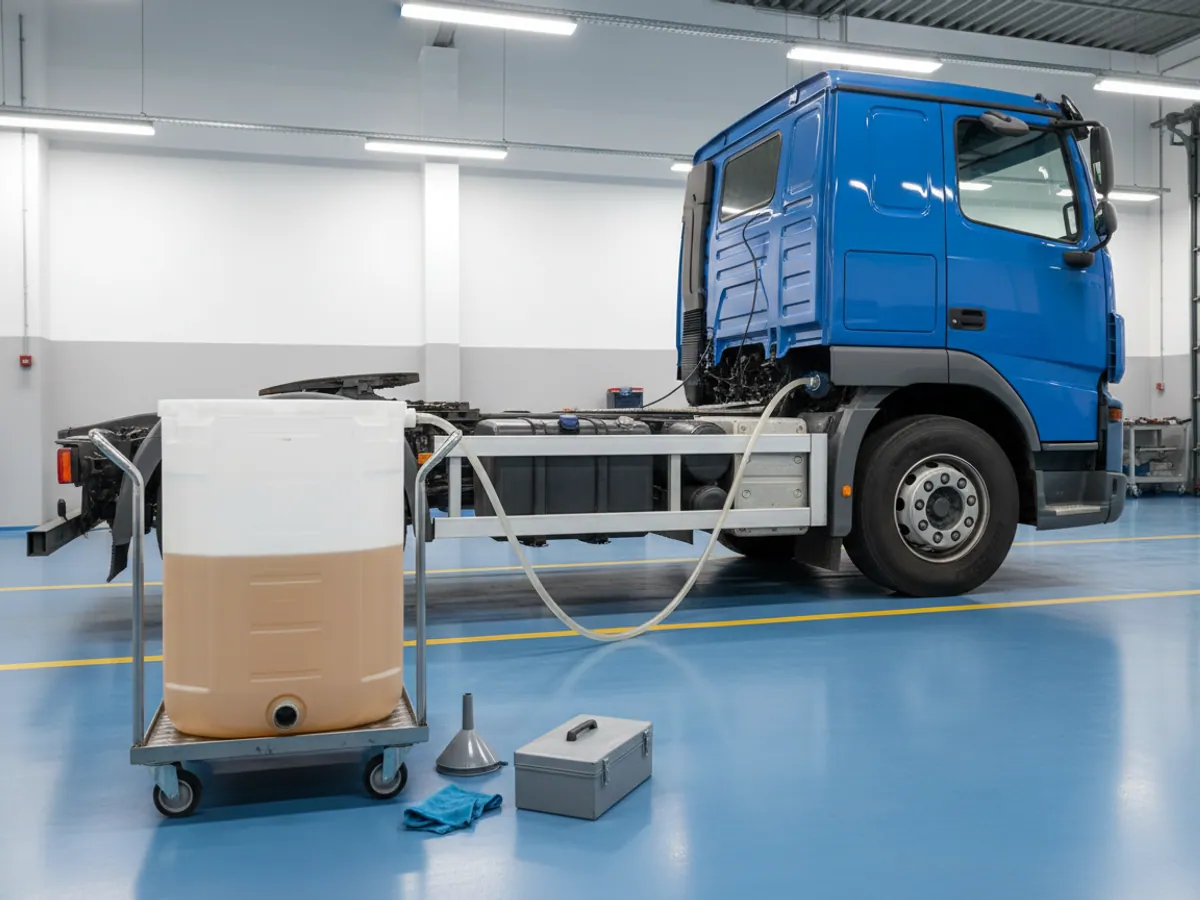
How the work goes, step by step
Model and parameters
From the make, model, year and engine we work out what the adapter will read. An unusual model is checked in advance.
Reader with no cutting in
The contactless reader goes over the insulation, the tracker behind the dashboard, power through the fuse box.
Model-specific firmware
We load the firmware for that vehicle into the adapter, enable the parameters in the tracker and the reports in Wialon.
Checked against the instruments
Mileage against the odometer, level against the gauge, revs against the tachometer. Any differences are sorted out on the spot.
A check after a week
We compare mileage and consumption with the odometer and with refuelling records. The compatibility list is handed over with the report.
Connecting a fleet to CAN in a week
An illustrative example: 12 vans of two models at a client's yard in Sumgait.
- The vehicle list checked model by model before the visit
We send back a table: which parameters are declared for each model and where a fuel level sensor will be needed.
- Trial installation on an unusual model 1 vehicle
The model is not on the adapter maker's list. We see what actually arrives before fitting the rest.
- Fitting at the yard, the first 6 vehicles 6 vehicles
Vehicles needed on the road in the morning are done in the afternoon.
- The remaining vehicles and the test drives acceptance
For each vehicle we check mileage, fuel level and revs against the dashboard.
- Mileage and consumption checked against refuelling follow-up
If the figures disagree, we go back over the connection. The final compatibility list is already with you.
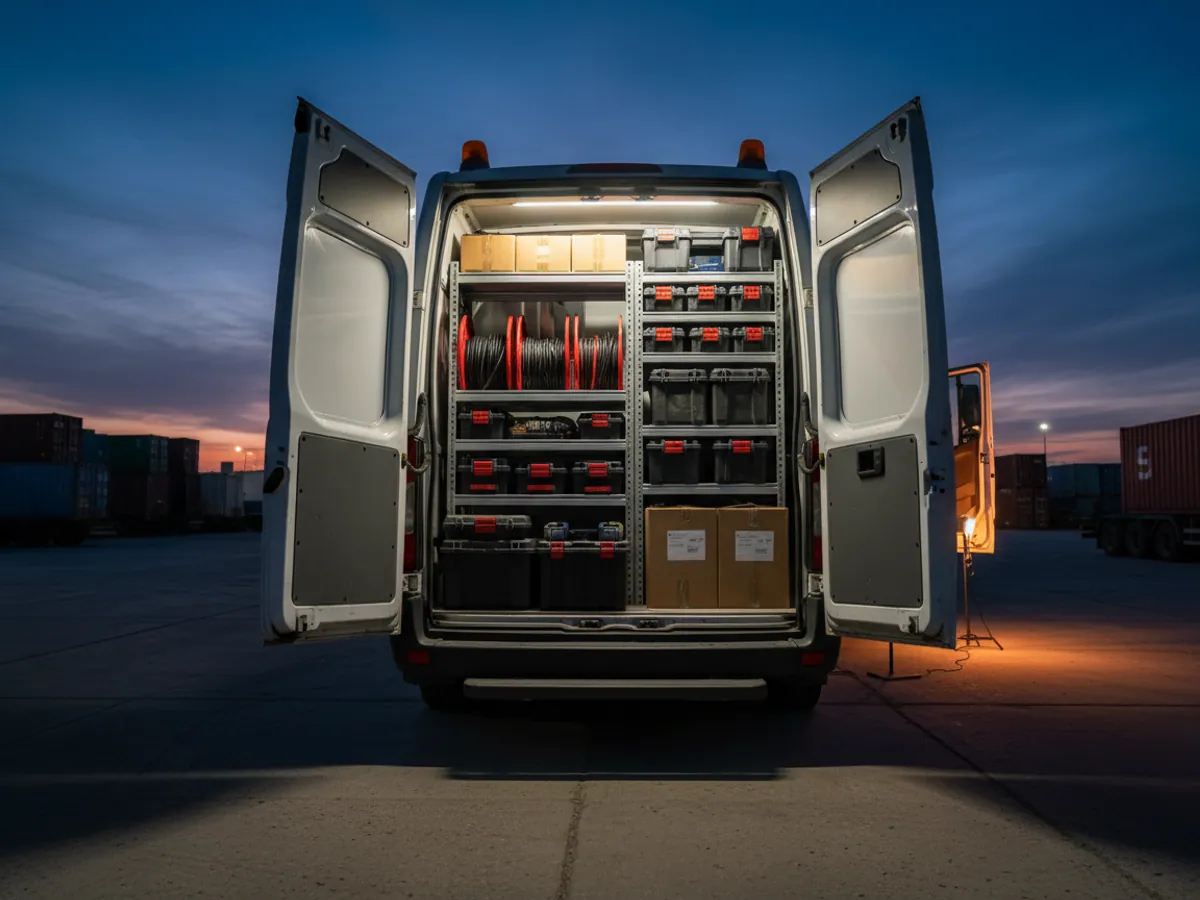
What data actually arrives over CAN
The set of parameters depends on the make, the model and even the year of manufacture. Before installation we check the vehicle against the adapter maker's list of supported models and tell you exactly what you will get.
On most cars and light commercial vehicles:
- odometer mileage — more accurate than mileage calculated from GPS;
- fuel level in the tank, as shown on the dashboard;
- revs, speed, coolant temperature;
- door, seatbelt and handbrake status — on some models.
On lorries and buses with FMS:
- total fuel used since the vehicle left the factory;
- engine hours, engine load, accelerator pedal position;
- power take-off, cruise control and brake activity;
- axle loads and tachograph data — on certain models.
One important caveat: the fuel level over CAN is the same needle you see on the dashboard, with all its rounding. It is good enough for a consumption report, but not for spotting drains of 20–30 litres. That calls for a fuel level sensor.
What you get once it is connected
The CAN bus data turns into readable reports in Wialon — not a table of a hundred baffling columns.
Fuel consumption without a fuel level sensor
Actual consumption per 100 km and per shift, taken from the control unit. Comparing vehicles of the same model shows straight away which of them is using more than the norm.
Engine hours and mileage for servicing
Servicing by real running time: the system reminds you itself about oil and filter changes, by engine hours or by odometer mileage.
Driving style
Revs, accelerator pedal, harsh braking and idling — the basis for a driver rating and for a conversation about excess consumption.
Engine faults
Fault codes reach the dispatcher while the driver has yet to notice the warning light, or has decided not to notice it.
Auxiliary equipment in use
The power take-off and PTO mode on lorries and plant: the running time of a pump, mixer or crane recorded separately from driving.
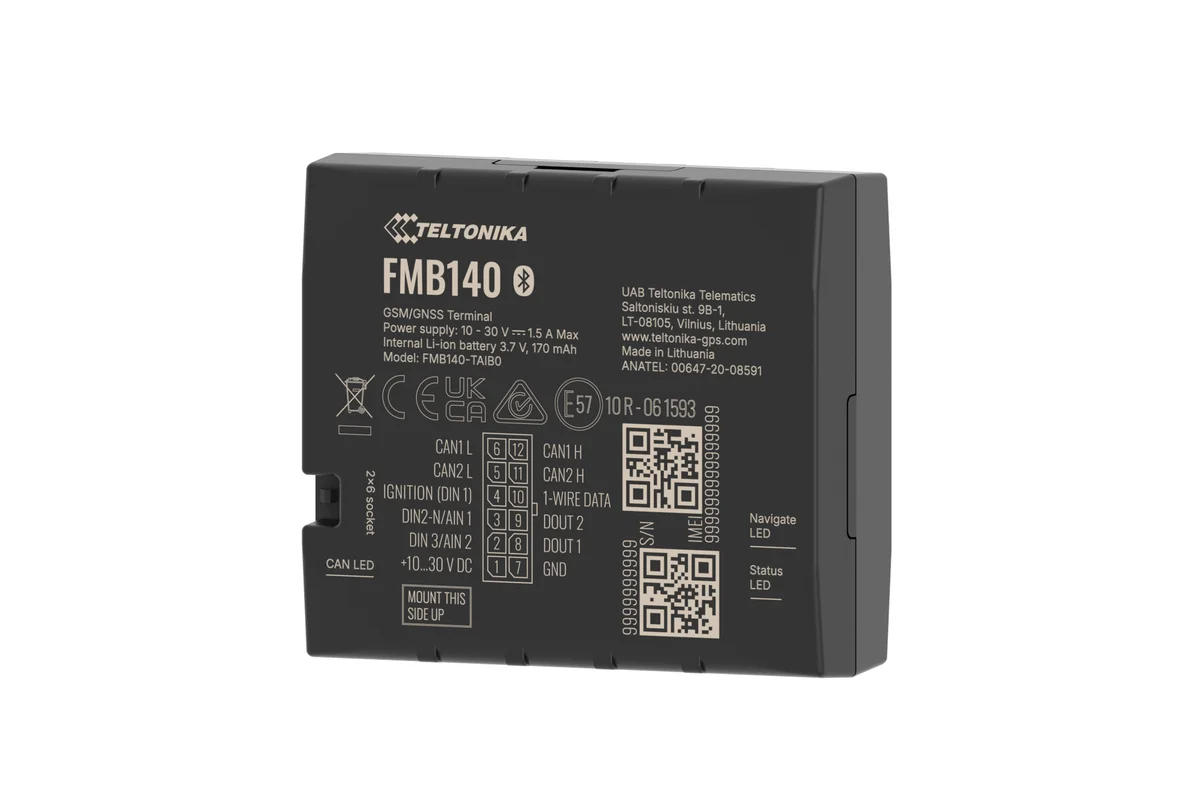
How the connection is made
1. Checking the model. From the make, model, year and engine we work out which parameters the adapter can read on that vehicle. If the model is not on the list, we warn you beforehand, not after the fitting.
2. Fitting. The contactless reader clips onto the CAN bus wires over the insulation, with no piercing and no soldering. The tracker is hidden behind the dashboard and powered through the fuse box. A passenger car takes 1–1.5 hours, a lorry up to 2–3 hours including the tracker.
3. Programming. The firmware for the particular model is loaded into the adapter, and the parameters you need are enabled in the tracker.
4. A check on the move. A short drive: we compare the mileage and fuel level in Wialon with the dashboard, and the revs with the tachometer. If the figures do not match, we sort it out there and then.
From you we need the vehicle with the tank at least half full (so that the level can be checked) and a key. For a fleet we usually arrange to fit 4–6 cars a day at your own yard. You can look at the adapter itself in the CAN adapter catalogue, and at the tracker on the Teltonika FMC130 page.
What the compatibility list for your fleet looks like
What you send us
A list of vehicles: make, model, year of manufacture, engine, VIN or at least a photograph of the data plate. For lorries, whether FMS is present; for plant, the ECU model if you know it.
What we send back
A table for each model: which parameters the adapter maker declares for that vehicle, which are worth checking on site, and where a fuel level sensor or an engine operation sensor will be needed instead of CAN.
A trial on the first vehicle
If the model is unusual or missing from the list, we fit an adapter to one vehicle and see what actually comes through. Only then do we plan the fitting for the rest.
The result after fitting
We add the real outcome to the list: the parameter is read, read with a caveat (the fuel level in steps of the needle, for instance) or not read at all. You receive that table together with the handover report.
Scope of work, limits and acceptance
Included
Checking the model, fitting the adapter and tracker, programming for the model, configuring sensors and reports in Wialon, and a test drive.
Not included
Repairs to the factory loom or the bus, removal of the security gateway, diagnostics and clearing of engine faults. If the vehicle has a fault, we record it and agree the next steps with you.
Acceptance criteria
The mileage in Wialon agrees with the odometer, the fuel level with the dashboard gauge and the revs with the tachometer, and the engine hours increase only while the engine is running. Any parameters from the compatibility list that did not come through are noted separately.
A check after a week
After a week in service we compare mileage and consumption with the odometer and with refuelling records. If the figures disagree, we go back over the connection.
When a CAN adapter will not help
Better to hear this before you buy than afterwards:
Older vehicles with no CAN
Damas vans, older Gazelles, KamAZ lorries and Euro 2 era trucks often have no digital bus at all. For those, consumption is measured only with a fuel level sensor and engine hours with an engine operation sensor.
A closed gateway
On some newer vehicles the bus sits behind a security gateway and there is almost nothing to read passively. Sometimes polling through the diagnostic socket helps; sometimes only separate sensors will do.
Fuel drains
The level over CAN is too coarse to catch drains reliably. To guard against fuel theft we fit an in-tank fuel level sensor and use CAN to cross-check consumption.
Unusual Chinese machinery
Lorries and plant with non-standard protocols are not always readable. We check on the actual vehicle before promising any parameters.
Solutions by vehicle type and by task
Haulage and international runs
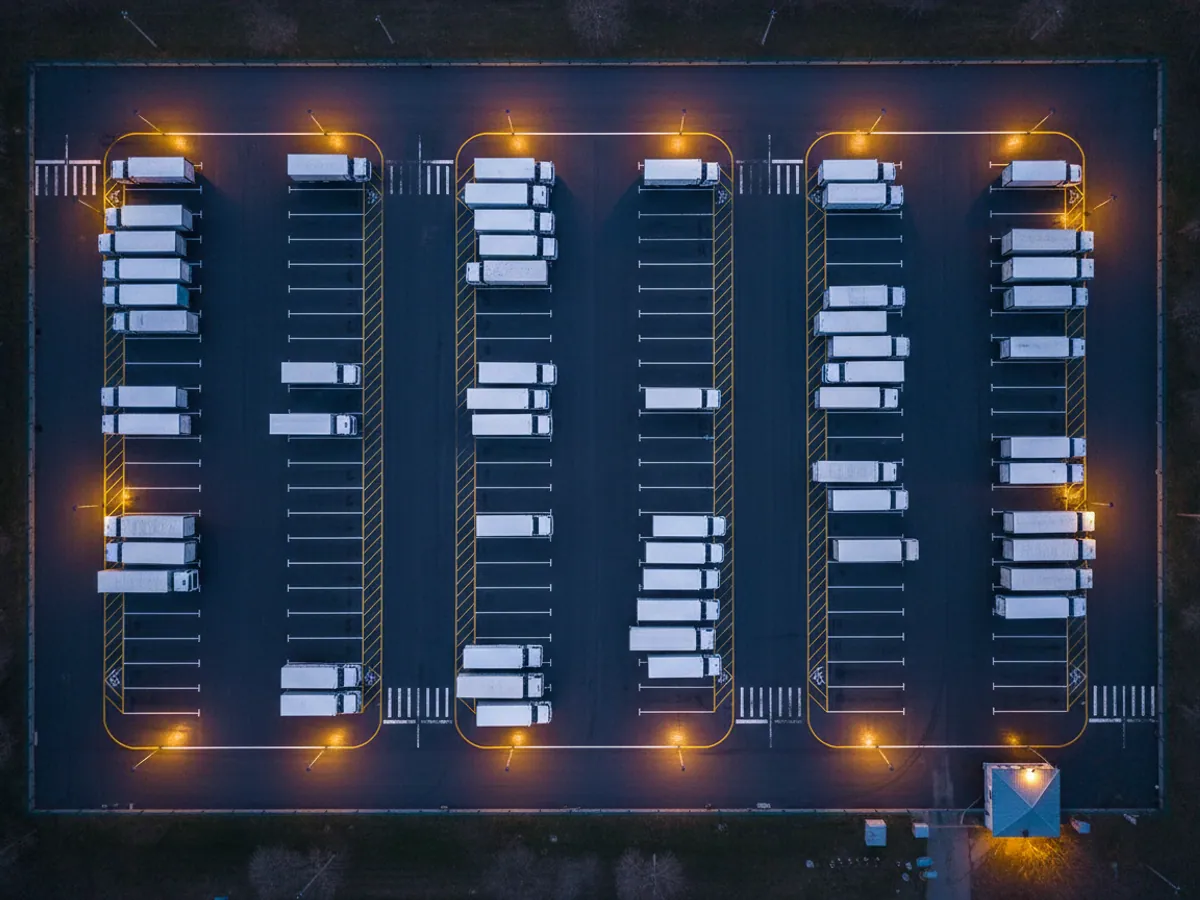
What usually changes in the first few months
Consumption visible vehicle by vehicle
Comparing identical models on similar routes quickly identifies the heavy-footed drivers. In the projects we have delivered, the fuel saving is usually 8–15%, through better discipline and less idling.
Servicing on the facts, not the calendar
Engine hours and odometer mileage feed straight into the maintenance module. The oil gets changed on time rather than whenever somebody remembers.
Fewer breakdowns on the road
Engine faults reach the dispatcher immediately. The vehicle is taken off the road before a minor fault turns into a recovery truck.
The factory loom stays intact
The contactless reader does not pierce the insulation, and once it is removed no marks are left on the wires. Warranty terms on new vehicles are set by the dealer, so for vehicles under warranty we advise agreeing the connection with them in advance.
What to do with the data next
CAN is a source, not a result. It becomes useful once the data reaches the right reports. Consumption and idling we feed into driving style monitoring, and mileage and engine hours into maintenance planning. If you need protection against fuel drains, we add an in-tank fuel level sensor installation to CAN: consumption from the control unit and the level from the sensor are then cross-checked against each other, and any mismatch shows up in the report.
For electric and hybrid vehicles, of which there are more and more in Baku taxi and delivery fleets, the adapter reports battery charge and remaining range on supported models. There is more about this on the electric vehicle monitoring page.
A CAN adapter or separate sensors
The two are often combined: CAN for consumption and engine hours, a fuel level sensor to guard against drains.
| CAN adapter | Fuel level sensor in the tank | Engine operation sensor | |
|---|---|---|---|
| Fuel consumption | Yes, from the control unit | Yes, from the level in the tank | No |
| Reliably detects fuel drains | No, the level is too coarse | Yes | No |
| Engine hours | Yes, if the model reports them | No | Yes, on any machine |
| No cutting into the tank or the loom | Yes, contactless | No, fitted into the tank | Depends on the machine |
| Works on vehicles with no CAN | No | Yes | Yes |
Questions about “CAN adapter installation for reading vehicle data”
Request a call
A specialist will call back and match a solution to your fleet and your task.