
GPS monitoring for any asset on one platform
Vehicles, cargo, staff, livestock and fixed tanks in one Wialon account. The platform is shared, but every asset is monitored in its own way: the power supply and the connection decide how often the data arrives and what you see while the asset is out of network.
Choose a way to monitor your assets
Vehicle monitoring
Cars, lorries, plant and heavy equipment and buses. The tracker draws its power from the vehicle, so position, ignition and mileage come in often, and where the task calls for it CAN data, a fuel level sensor and a driver key are added. What data you get depends on the particular vehicle: an older machine with no CAN gives less than a new one.
“A fleet of 130 vehicles of all kinds in one account. The dispatcher sees everything, from the cars to the concrete mixers.”
When a vehicle drops off the map
With no mobile connection the tracker carries on writing positions to its memory and sends them once a network appears. On the map in the meantime you see the last position transmitted and the time it was last in touch. If the power is cut, the tracker switches to its internal battery for a limited time and sends an event.

Tracking cargo in transit
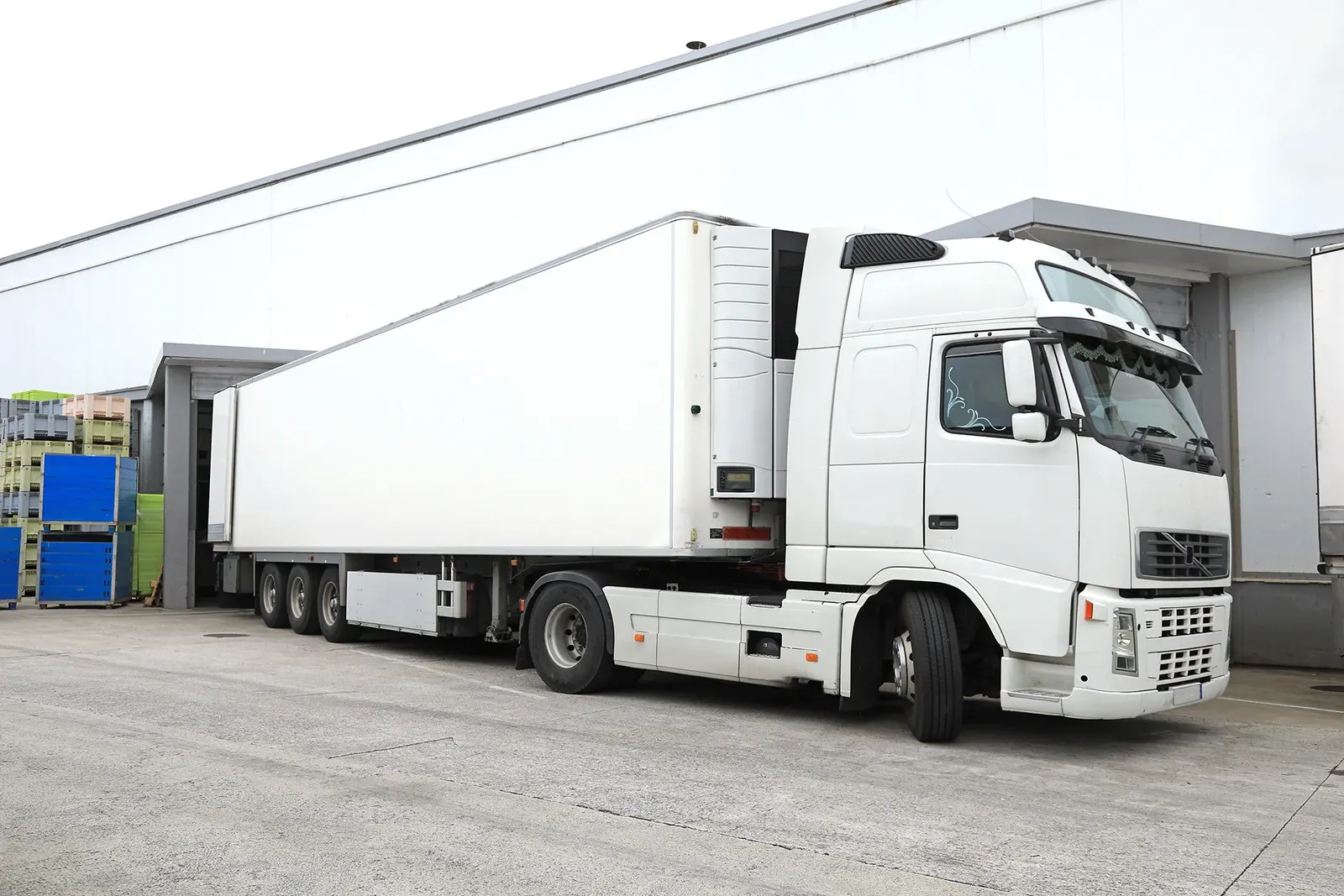
Containers, refrigerated units, hazardous and valuable loads. A tracker on the tractor unit shows the vehicle, a self-powered tracker in the load shows the load itself, and BLE sensors show temperature and tampering inside the body. The more often a self-powered tracker reports in, the faster its battery runs down.
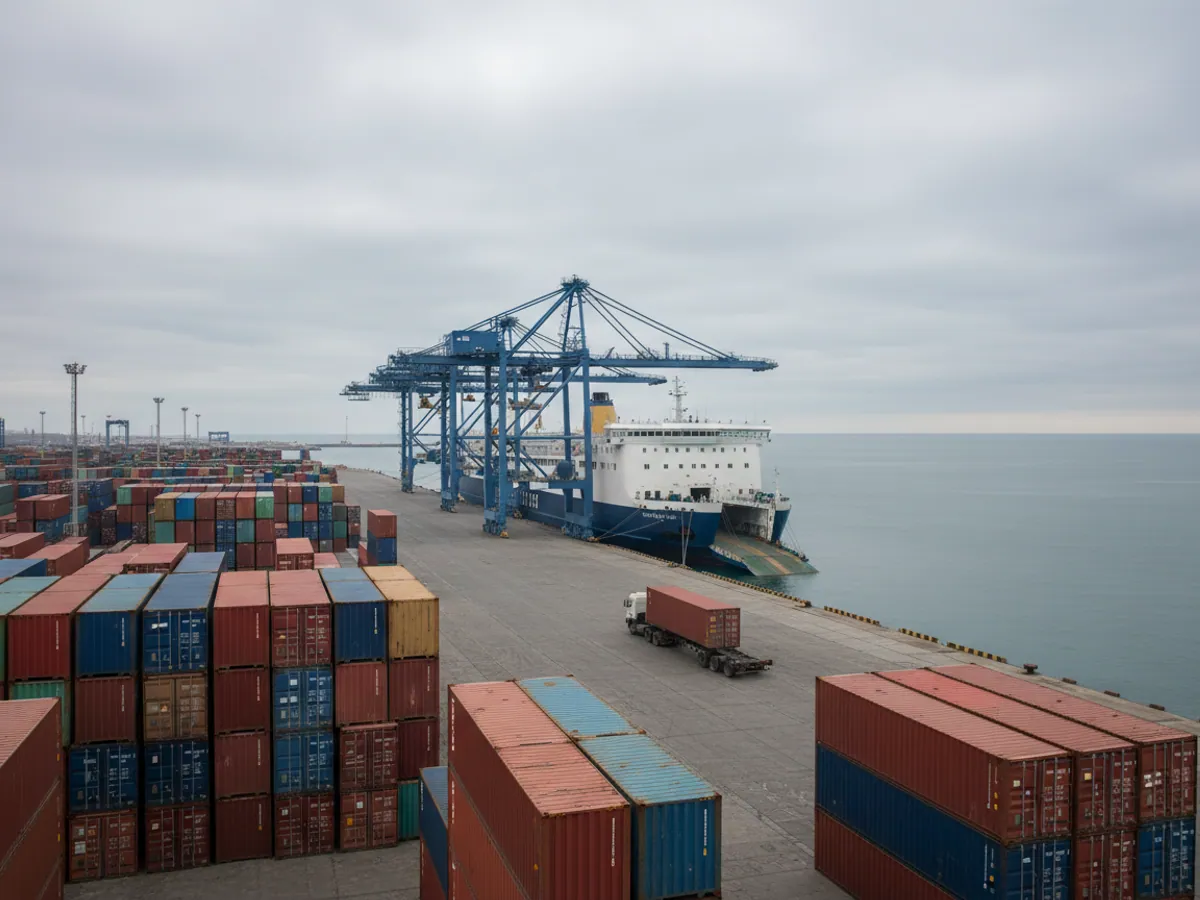
“A container went missing in the Caspian port for three days. With a tracker we know where it is, even when there is no GSM.”
When there is no data about the load
On the Caspian ferry and on stretches with no coverage the tracker stores positions and sends them once it is back in a network area. A self-powered tracker in an infrequent mode will show a last position that is many hours old — that is normal and built into the settings, not a fault.
Personal monitoring of staff
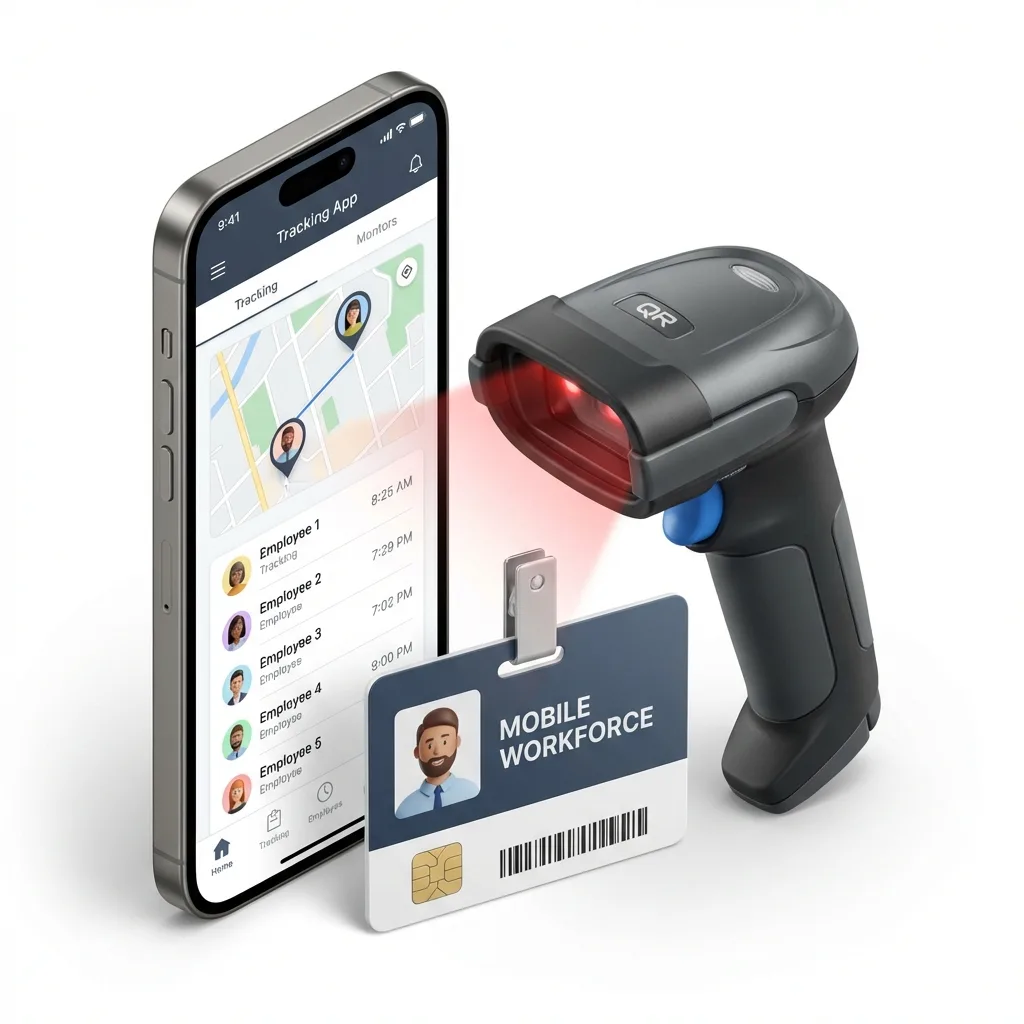
Couriers, field engineers, sales representatives, driver-forwarders. The WiaTag app on a smartphone or a personal tracker with an SOS button, check-ins at visits, and monitoring of working hours and routes.
“A courier does not drive off until he has checked in at the point. Delivery time is now measured in minutes rather than in what somebody says.”
What the visibility of a member of staff depends on
A smartphone stops sending data if the battery is flat, if location services are switched off, or if the person is on the metro or deep inside a building. In the report such periods appear as no data, with exact times. Switching GPS off on a personal phone cannot be prevented.

GPS collars for livestock
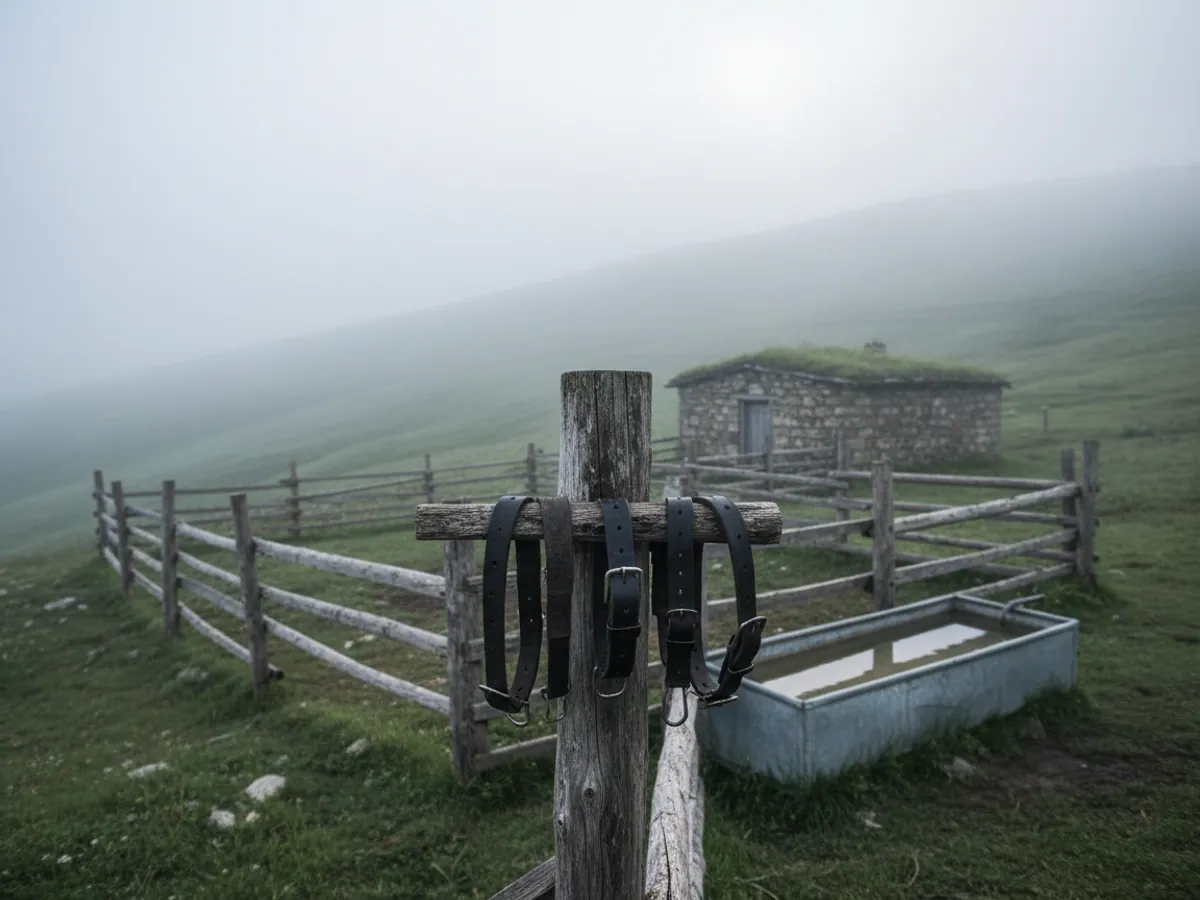
GPS collars for cows, sheep, goats and horses. Geofences around pastures, grazing control, and finding animals that have strayed. The type of collar is chosen by the connection available on the pasture: GSM, your own LoRaWAN base station, or a satellite channel.
“A herd of 800 head in the mountains — without collars we would have spent a week looking for the shepherd. Now we see every animal.”
Mountain pastures with no connection
On a summer pasture with no mobile network a GSM collar does not send data in real time: the positions arrive in a batch once the animal comes back into signal. Places like that need a different communication channel, and that is settled before the purchase, not after.
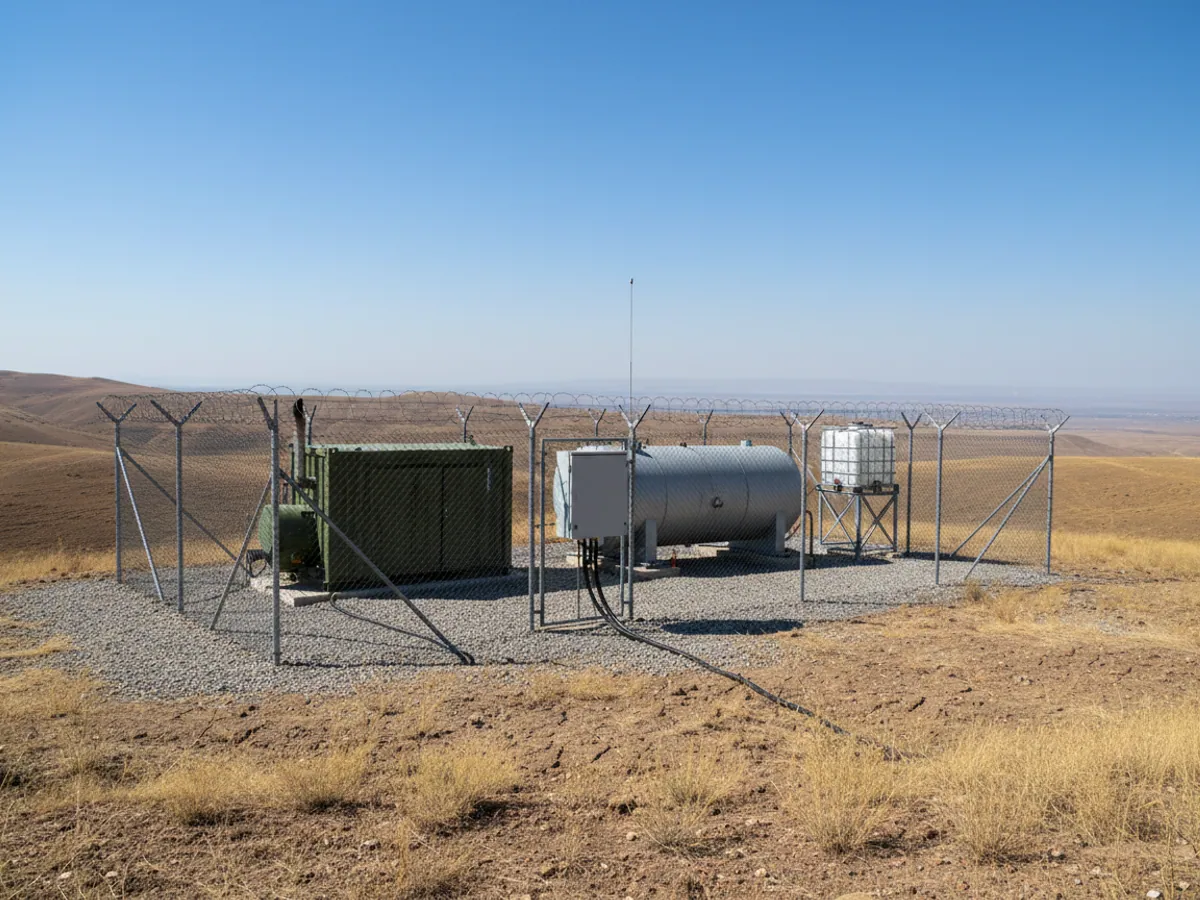
Fixed assets
Fuel tanks on building sites and at filling stations, diesel generators, water tanks, power equipment. Sensors for level, engine hours, temperature and tampering. If there is 12/24 V power on site, a wired tracker goes in; if there is not, a self-powered one with a battery.
“A fuel drain from the tank on a remote building site — I now see it within 30 seconds. I used to find out from a report at the end of the month.”
Where the boundary lies
Monitoring shows the level, the running time and the events, but it does not replace industrial automation: it is not intended to control a process, a pressure or a safety interlock. On a site with no connection an alert about a drain will arrive late.

How monitoring differs from one asset to another
The platform is the same for everyone, but the equipment and the working logic are not. A vehicle draws power from its electrical system and can send a position every ten seconds. A collar on a sheep has to last on its battery until autumn, so it reports in once an hour. Hence different reports, different alerts and different prices. For every type it therefore matters to tell four things apart: the last position on the map, the time it was last in touch, the state of the power supply, and whether there is a network where the asset is.
| Asset | Where the power comes from | What we track it with | How often the data comes | The owner's main question | If there is no connection |
|---|---|---|---|---|---|
| Vehicles | The vehicle's electrical system | A wired tracker, plus a CAN adapter, a fuel level sensor and a driver key where the task calls for it | Every 10–60 seconds while moving | Where the vehicle is, how much it burned, who is at the wheel | Positions build up in the tracker's memory; the map shows the last position transmitted |
| Cargo | The tracker's battery or the tractor unit's power | A self-powered tracker in the load, temperature and door sensors | From once a minute to once a day | Where the load is, whether it is intact, whether the temperature held | On the ferry and out of network the data arrives in a batch once the device is back in touch |
| Staff | A smartphone or a personal tracker | The WiaTag app or a tracker with an SOS button | During working hours only | Whether the person reached the customer, whether all is well with them | GPS switched off or a flat phone shows up as a no-data interval in the report |
| Livestock | The collar's battery | A GPS collar: GSM, LoRaWAN or satellite | Once an hour or less often, so the battery lasts the season | Where the herd is, whether any animal has strayed, whether they have wandered onto someone else's field | With no network a GSM collar sends its positions hours late |
| Fixed assets | The site's power supply or its own battery | A tracker with level, engine hour and tamper sensors | By event: a drain, a start-up, an opening | How much fuel is in the tank, whether the unit ran, whether it has been taken away | The alert about a drain will arrive once there is a connection |
The boundary between the types is sometimes blurred. A trailer with no power is closer to cargo than to a vehicle: it gets a self-powered tracker. A diesel generator on wheels is a fixed asset that is occasionally moved. If you are unsure, describe the task and we will suggest which section to start from.
When one company has assets of several types
This happens more often than it seems. A business rarely needs monitoring for vehicles alone or for people alone, and keeping a separate system for each task is both inconvenient and expensive.
A construction company
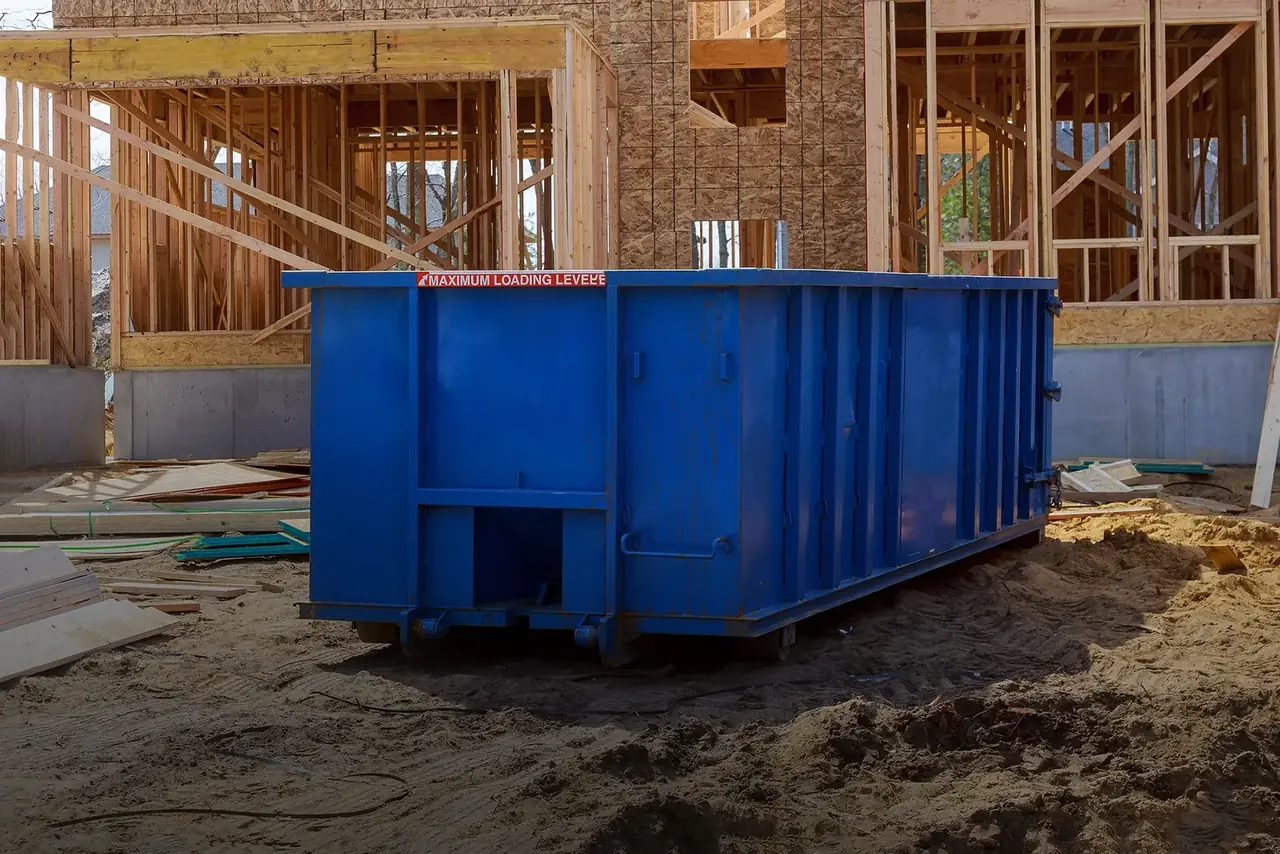
Tippers and concrete mixers are vehicles. The generators and fuel tanks on site are fixed assets. The site managers who drive between sites in their own cars are staff with an app. All three layers live on one map, and the report on a site shows the runs, the generator's fuel use and who arrived when.
ConstructionAn agricultural group
Tractors and combines in the fields, livestock on the pasture, irrigation pumping stations and grain lorries in season. A farm in the Kura-Aras lowland sees all of its work in one account rather than in three different systems from three different suppliers.
AgricultureA logistics company
Its own tractor units are fully equipped, and for outside hauliers a self-powered tracker goes into the load. After the ferry from Aktau the container carries on moving across the map on the platform, and the customer does not have to ring the forwarder.
LogisticsA service and energy company
Standby generators at remote substations and masts, field crews with personal trackers, and the company pickups those crews drive. When a generator reports a fault, the dispatcher sees the nearest crew straight away and sends that one rather than the one down on the rota.
EnergyHow to start
Do not try to cover everything at once. Projects that start from one clear task get going faster and stall less often.
Describe the assets
What exactly needs monitoring, how many units there are and where they are. For mixed tasks it helps to split the list by type, as in the table above.
Settle on the main question
Fuel, security, discipline, the safety of people. It decides which sensors are needed and which can be done without.
A pilot on a small group
A few vehicles, one container, a couple of generators or part of the herd. Agree in advance what you will count as success: for example, that positions arrive at the frequency you need, that the alerts fire without false ones, that the report answers the main question. Two or three weeks of running shows which reports are actually needed.
Scaling up
We connect the remaining assets, set up access rights for the departments and, if needed, the feed of data into your own accounting system.
Questions about monitoring different assets
Choose a way to monitor your assets
Describe the asset: whether it has power, where it is and what you need to know about it. We will say which method of monitoring suits, what will be visible in the system and where the limits will be.
- 1 We pin down the task
A specialist calls back and asks about the vehicles, how many there are and what you need to keep an eye on.
- 2 We put a solution together
We propose the hardware and the features, and set out the one-off and the monthly cost separately.
- 3 We agree the fitting
At your yard or at ours, on a schedule that keeps the vehicles working.
Request a call
A specialist will call back and match a solution to your fleet and your task.