
Eco Driving: driving style control
Eco Driving from GPS.az keeps track of how every driver actually drives, using tracker data: harsh acceleration and braking, dangerous cornering, speeding, idling and high engine revs. Violations are rolled up into a rating that is clear enough to tie to bonuses, and the fleet ends up spending less on fuel, tyres and repairs and having fewer road accidents.
- 1 Driver A. 942 harsh braking events over 610 km
- 2 Driver R. 871 speeding event on the M-2 highway
- 3 Driver E. 76idling 3 h 20 min
- 4 Driver N. 6311 harsh accelerations in town
- 5 Driver S. 51speeding on the M-4, dangerous cornering
From the data on board to the dispatcher's decision
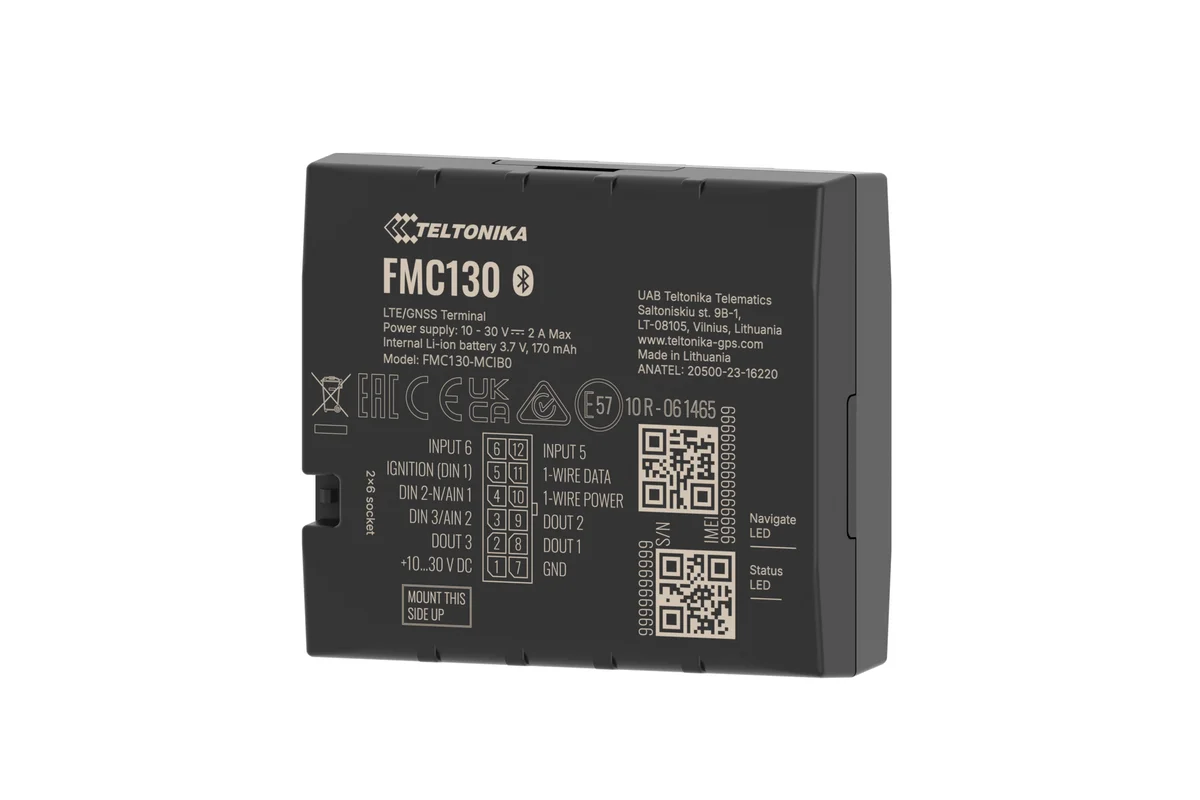
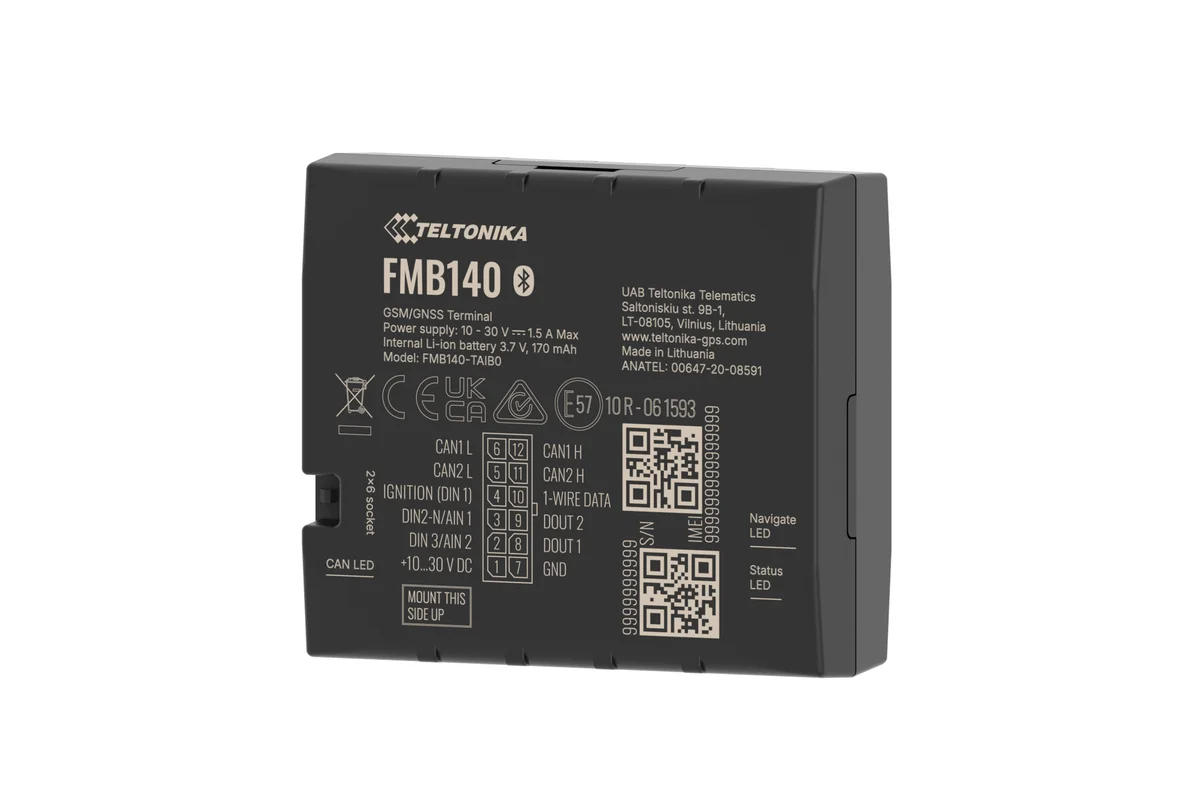
Tracker accelerometer
Teltonika measures the g-forces on three axes and the speed, and logs the violation with a coordinate.
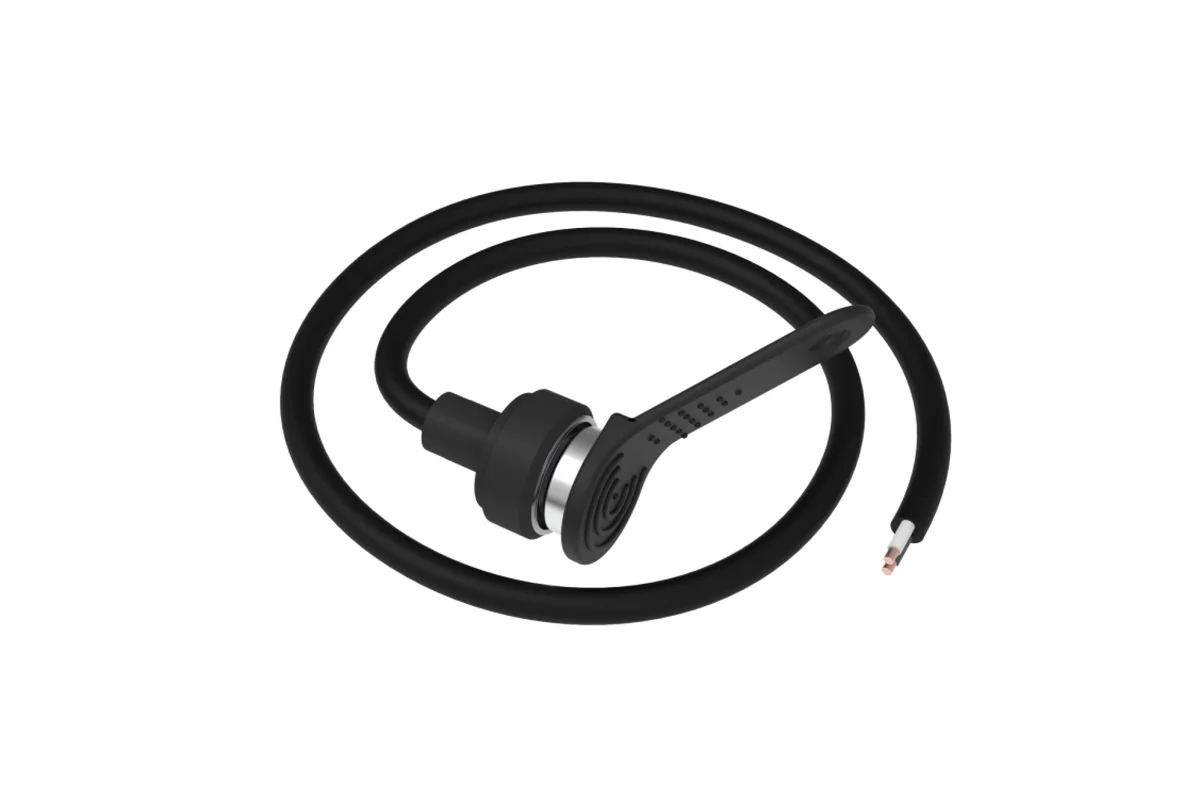
Driver key
An iButton or RFID card ties every violation to a person rather than to a vehicle.
Wialon Eco Driving
Weights the violations against mileage and works out a driver score from 0 to 100.
Rating and bonuses
A weekly report by driver, violations on the map and a clear basis for paying a bonus.
Features and tools
Violations
- Recording of harsh acceleration, braking and cornering
- Speeding control against the limits you set
- Analysis of engine idling and engine revs
Scoring
- Automatic scoring of driving style
- Driver rating under one set of rules within a group of vehicles
- Driver identification by iButton or RFID
Response
- Driving violations shown on the Wialon map
- Real-time warnings to the driver about violations
- Driving style linked to fuel consumption and wear
One driver shift as the system sees it
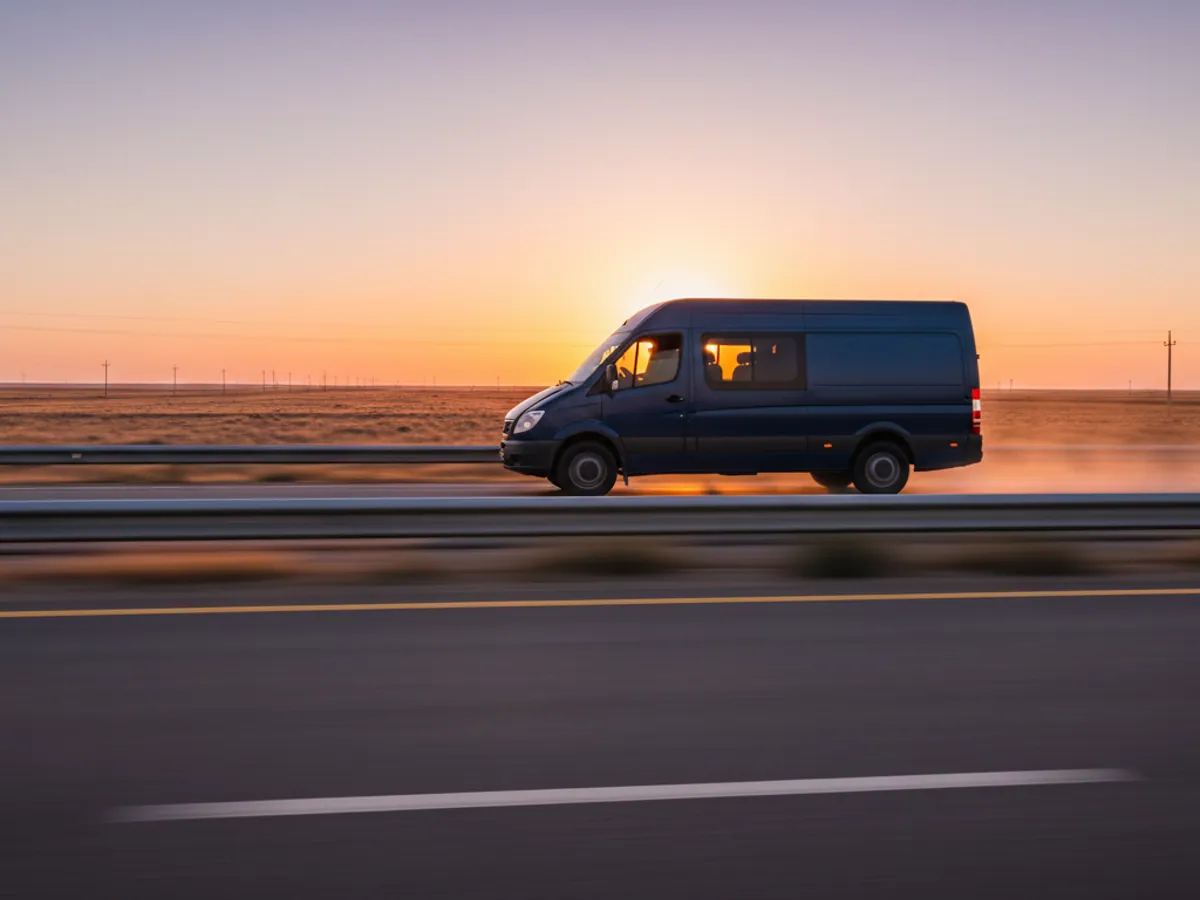
An illustrative delivery van around Baku and Absheron. This is how violations land in the report.
- Leaves the depot in Binagadi key tapped
The driver tapped his iButton, so every event of the shift is recorded against him and not against the vehicle.
- Harsh braking on Tbilisi Avenue braking
The tracker logged the speed, the force of the manoeuvre and the point. The junction is visible on the map — a one-off, and the score barely moves.
- Parked at the warehouse with the engine running idling 35 min
Idling for longer than the threshold. This is fuel burnt with no mileage, and it appears as a separate line in the report.
- Speeding on the Baku — Sumgait highway +28 km/h
The limit is 90, the actual speed 118 km/h for over a minute. The buzzer in the cab went off immediately, and the dispatcher can see the event on the map.
- Back at the depot, shift totals score 71
The score for the day is below the fleet average because of the speeding. The review happens on Friday against the weekly report.
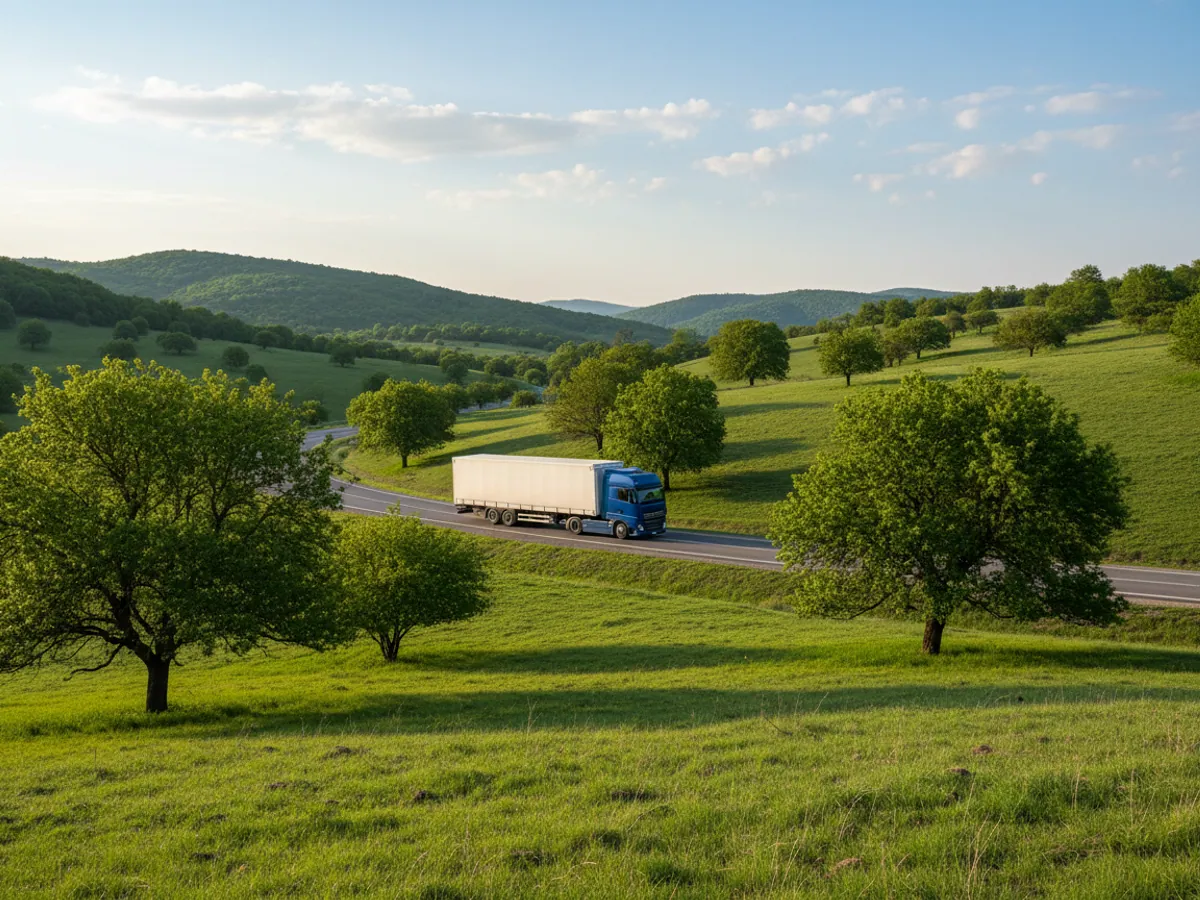
How the tracker knows the driver is driving aggressively
Every Teltonika tracker has an accelerometer inside it. It senses the vehicle's acceleration on three axes: forwards and backwards, left and right, up and down. Harsh acceleration is a strong forward force, emergency braking is a backward one, and dangerous cornering is a strong lateral force at speed.
A threshold is set for each type of event. If the g-force goes past it, the tracker logs a violation with the coordinate, the time, the speed and the force of the manoeuvre. We match the thresholds to the type of vehicle: what counts as an ordinary manoeuvre in a car is already dangerous in a loaded tipper or a bus carrying passengers.
Speeding is counted separately. You can set a single limit for a vehicle, different limits for town and highway, or limits by geofence: 20 km/h inside the depot, 40 km/h near a school, 90 km/h on the M-1. The duration of the speeding matters too: a one-second overtake and ten minutes at 130 km/h are different violations.
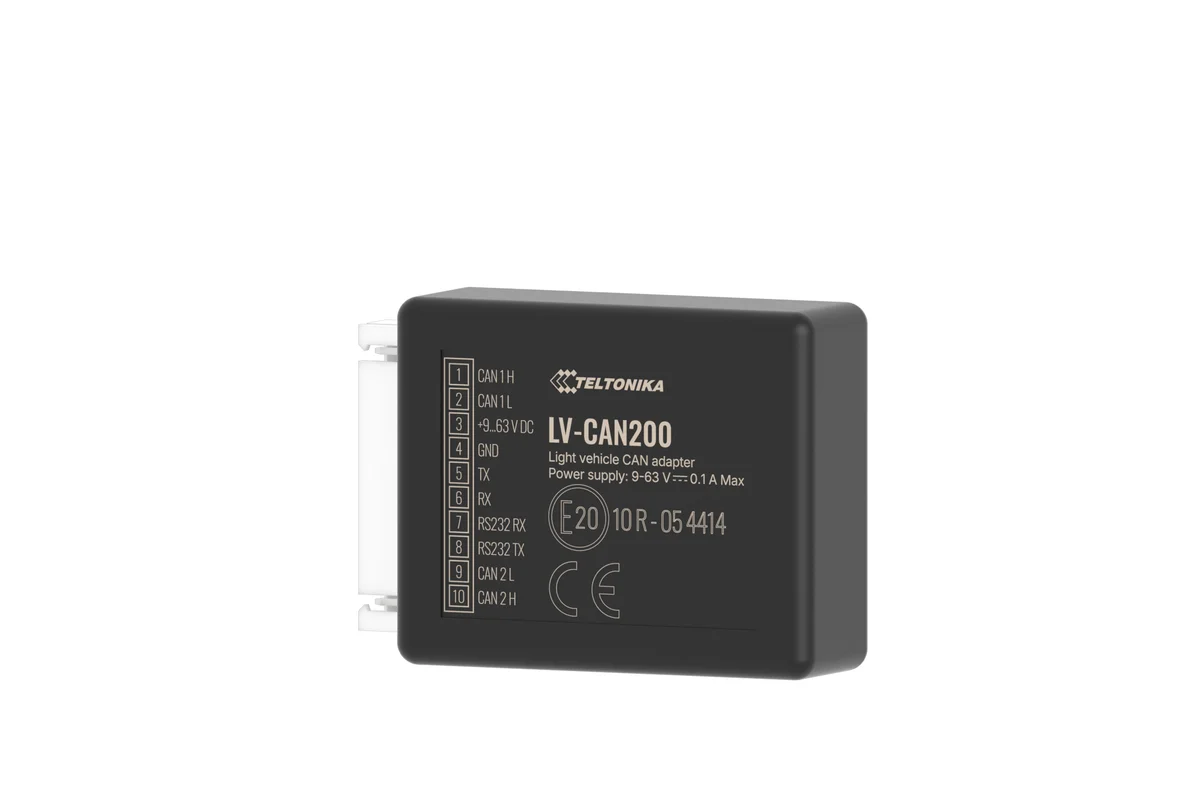
If the tracker is connected to the CAN bus, engine data is added: revs, throttle pedal position and idling. On vehicles without CAN, idling is worked out from the ignition and the absence of movement.
Which violations the system records
Harsh acceleration and emergency braking
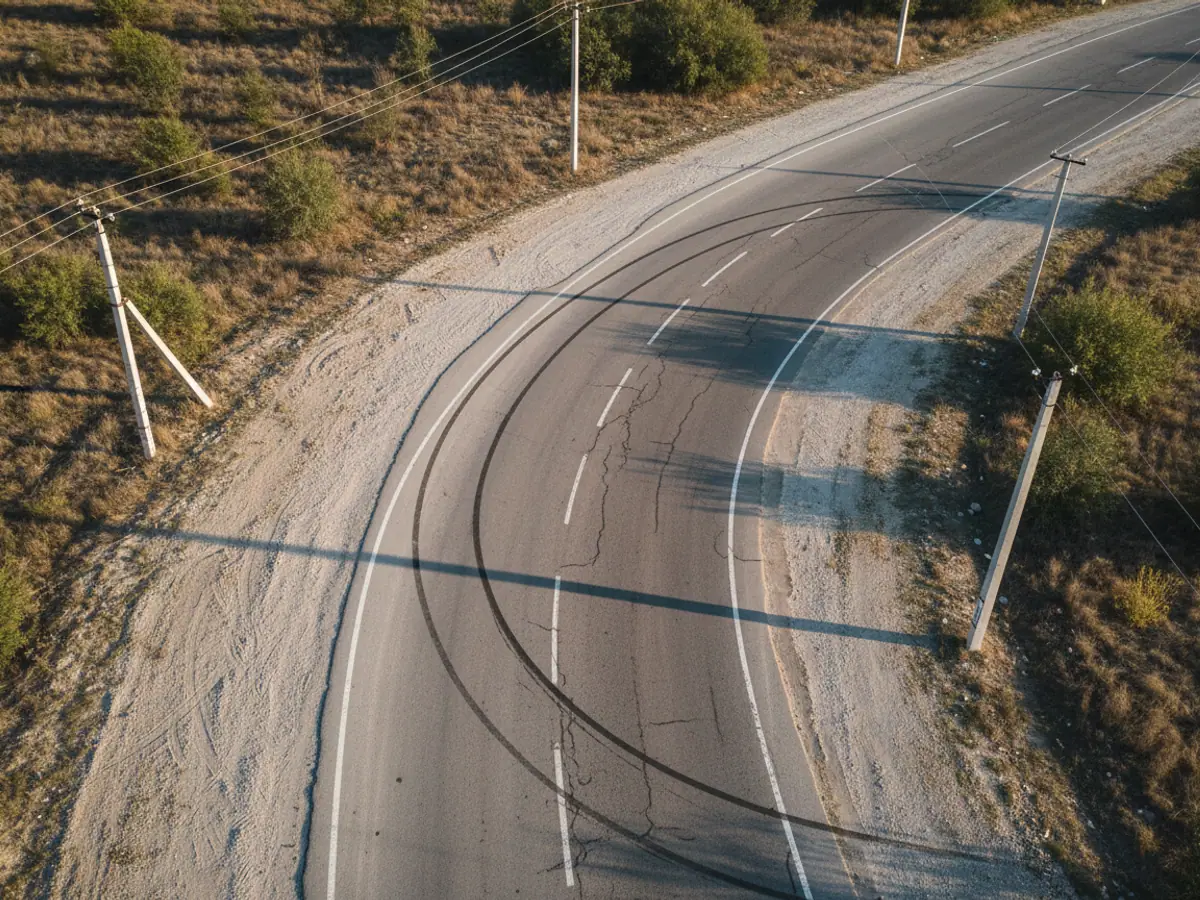
These are the most common violations and the most expensive in fuel terms. A racing start from the lights on Tbilisi Avenue burns extra fuel, and frequent emergency braking wears out pads and tyres. Worse still, emergency braking usually means the driver is not keeping a safe distance.
For each driver you can see not only how many such events there were, but where they cluster along the route. If harsh braking keeps happening in the same spot, the problem may lie with the road situation rather than with the driver.
How the driver score is worked out and who gets into the rating
Each type of violation is given a weight in penalty points. Emergency braking weighs more than a smooth but quick pull-away, and long speeding weighs more than a brief burst. The points are added up and divided by mileage, so that a driver who covered 2,000 km in a week is not at a disadvantage against one who covered 200.
The result is a score on a clear scale, easy to compare between drivers and between weeks. The rating can cover the whole fleet or be built separately by group: bus drivers should not be competing against car drivers.
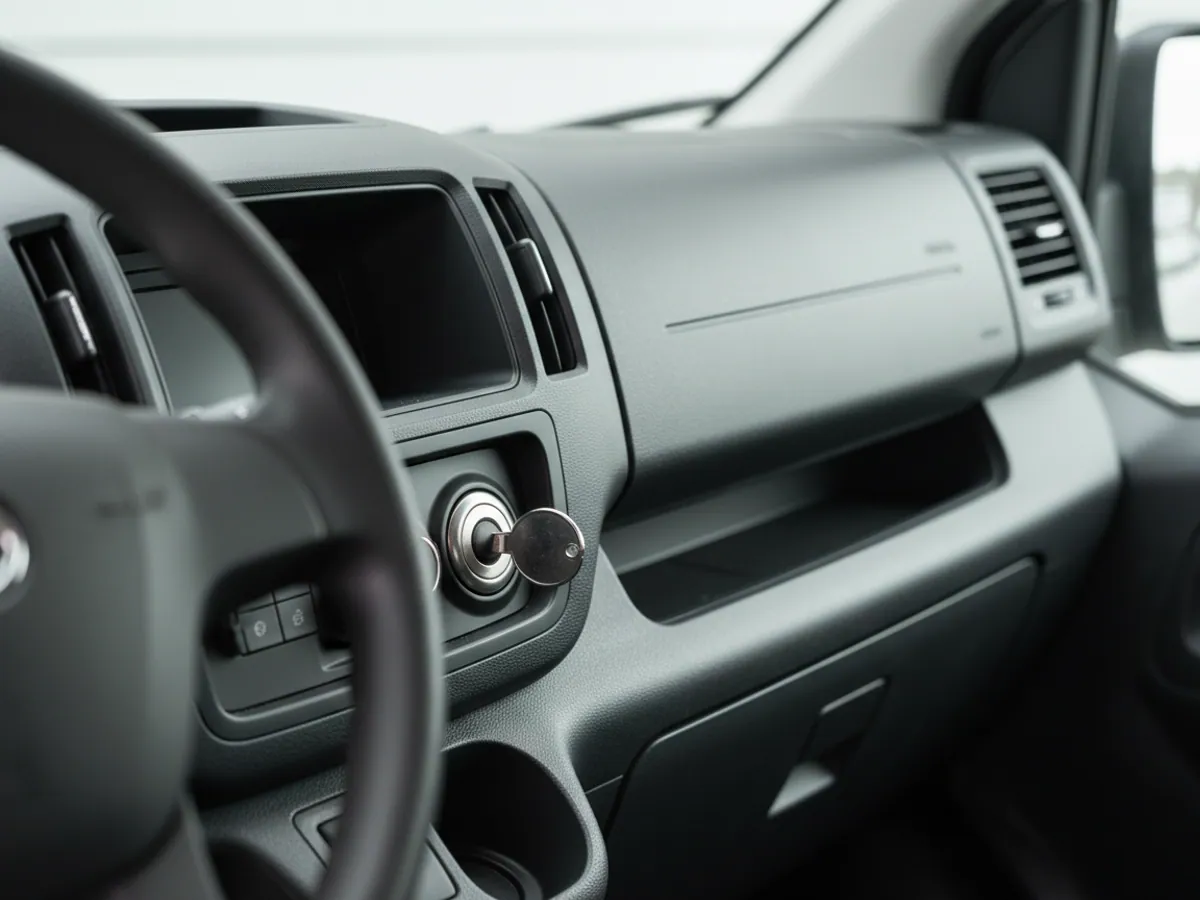
So that the score belongs to a person rather than to a vehicle, the driver taps an iButton key or an RFID card at the start of the shift. Then, on one vehicle shared by two drivers, each has his own statistics. Without identification the rating is built by vehicle.
The separate Wialon Eco Driving module gives extended settings for weights and reports. We have written in detail about how the rating affects accident rates in our article on eco driving and safety.
Violations on the map and a warning to the driver in the cab
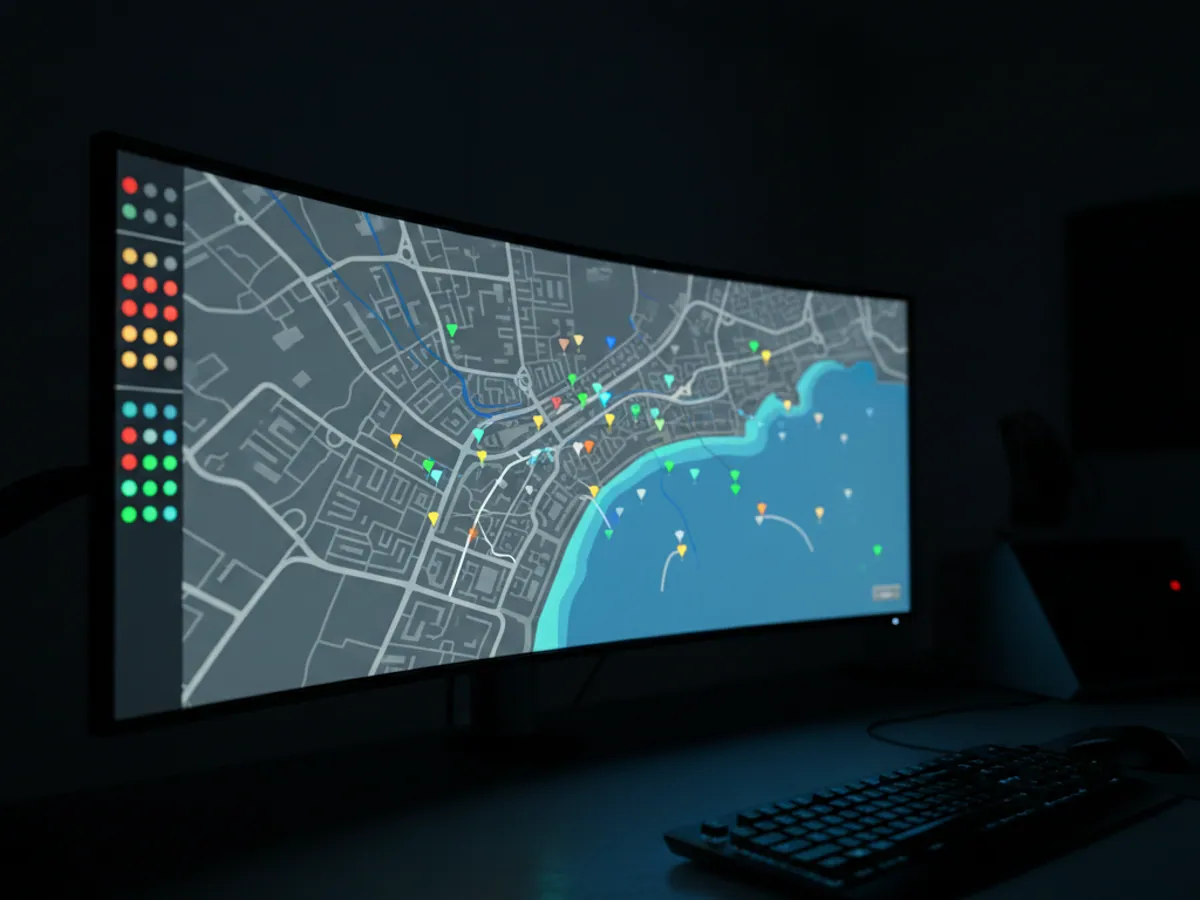
Every violation is shown on the trip track as a coloured marker. The dispatcher opens the trip and sees where the driver braked hard, where he went over the limit and where he stood for a long time with the engine running. For reviewing a disputed case this is quicker than a table.
You can also build a heat map showing where violations happen most often across the whole fleet. Sometimes it turns out that half the emergency braking happens at one junction by the depot entrance, and the problem is solved by a sign or a change of route rather than by fines.
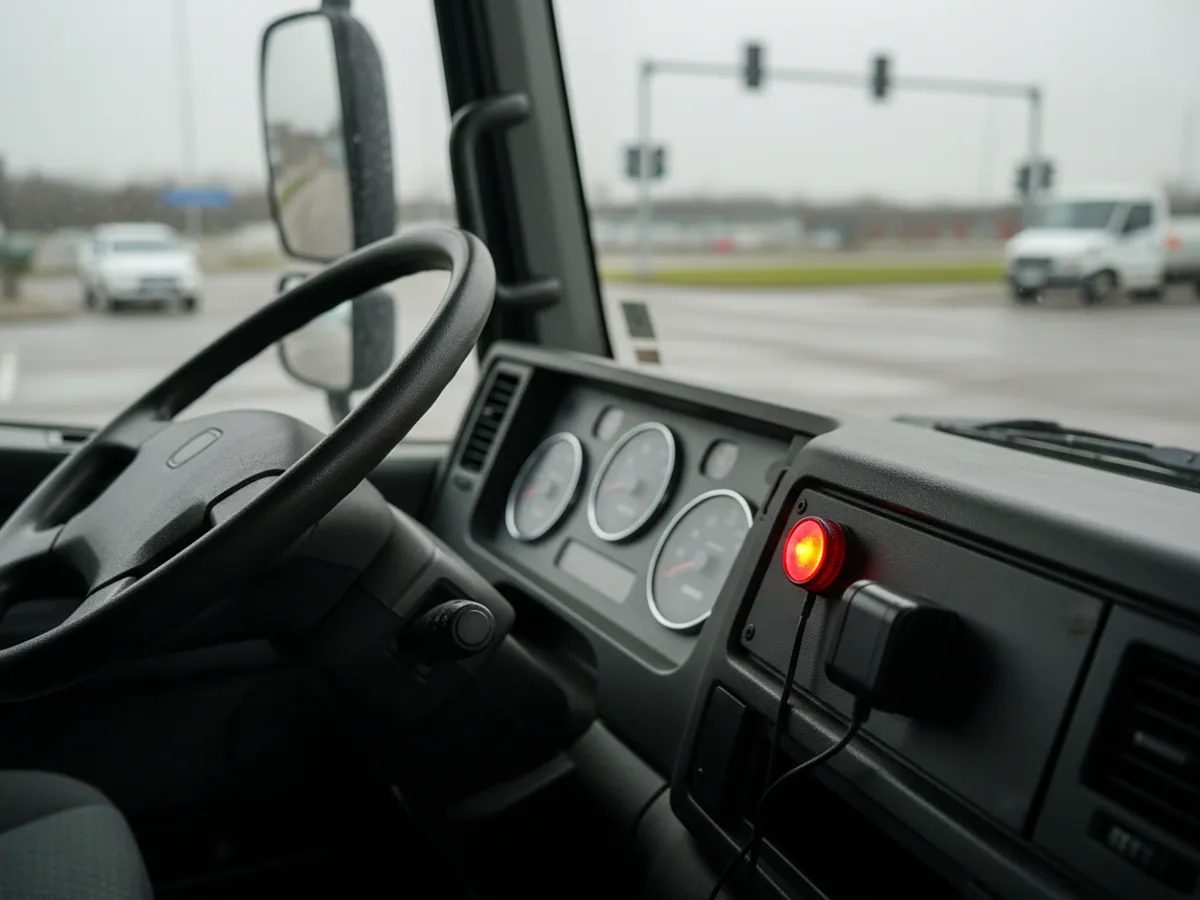
The driver can be given feedback in real time as well. A buzzer or an LED wired to the tracker is fitted in the cab: on a harsh manoeuvre or over the speed limit it beeps or flashes. Many drivers do not notice their own habits until something reminds them. In practice the number of violations drops noticeably in the first few weeks after the buzzer goes in, without a single conversation with management.
Violations can also reach the manager as a notification, but it is not worth setting them up for everything: you will drown in messages. It makes sense to send only the serious events, for example speeding by more than 30 km/h.
Rating rules: making the comparison fair
The same score means nothing if the drivers are on different vehicles and in different conditions. Before the launch we write down, together with you, the rules by which the rating is built and revised.
Compare only within a group
Cars, delivery vans, long-haul tractor units, buses and tippers are separate groups with their own thresholds. A tipper driver should not be competing against the driver of a saloon.
Normalise against mileage
Penalty points are divided by the kilometres covered, and for plant and heavy equipment that stands still more than it drives, by engine hours. Otherwise whoever works most will always be at the bottom of the list.
Allow for the route
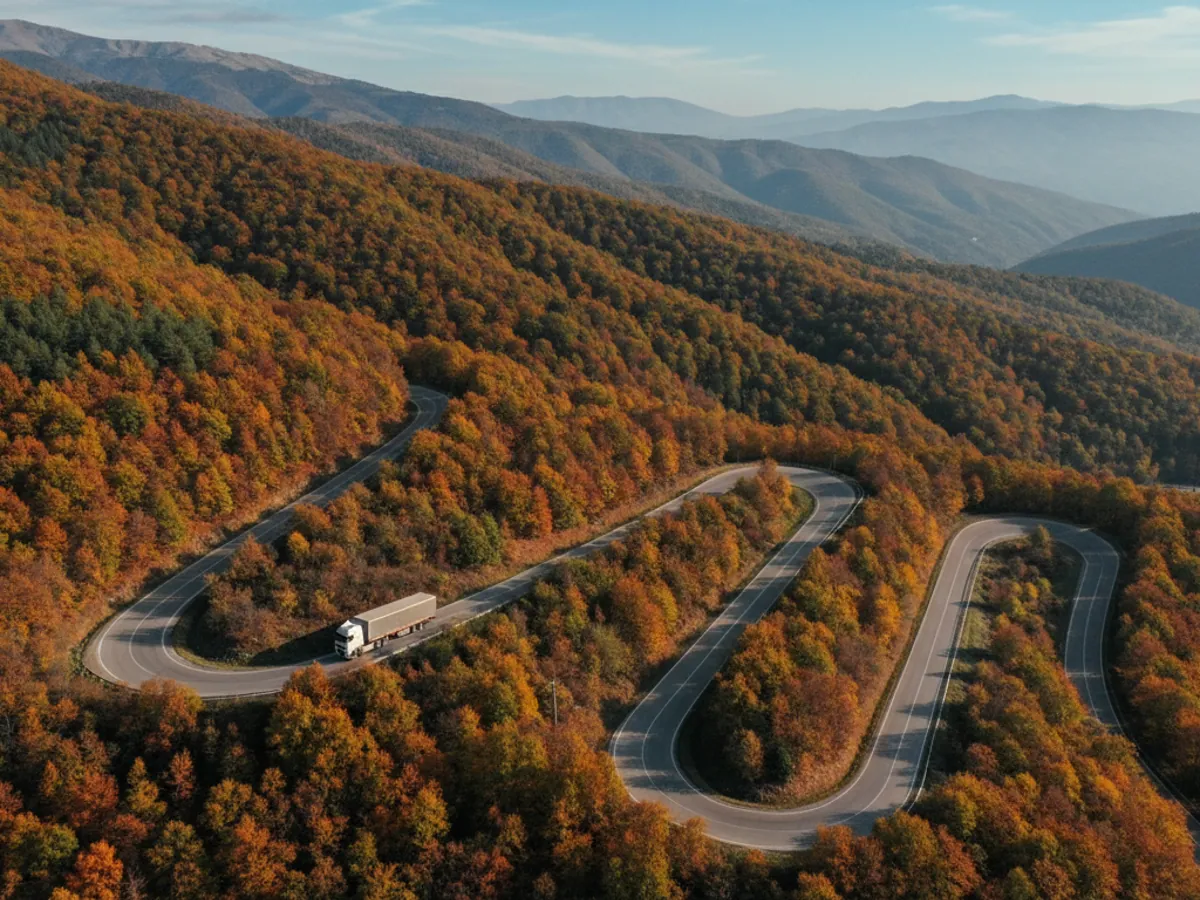
Town traffic, the M-1 highway and the mountain road to Gusar produce a different background of events. If drivers are assigned to routes, we compare within a route or introduce a correction for mountain stretches.
A minimum mileage threshold
A driver who covered 40 km in a week does not enter the rating: one chance event would ruin his score. We write the inclusion threshold into the rules.
Change the rules openly
Thresholds and weights change only from a date the drivers were told about in advance. We do not recalculate past weeks retrospectively, otherwise people stop taking the rating seriously.
If the driver disagrees: how to dispute an event
False violations do happen. The tracker logged harsh braking on a pothole at the depot entrance, speeding on a stretch where the limit in the settings did not match the actual sign, or dangerous cornering on a roundabout the driver takes every day. If cases like these cannot be disputed, the rating quickly becomes a source of resentment.
The procedure we suggest putting in writing:
- The driver reports the disputed event within an agreed period, for example by the end of the week, through the dispatcher or the mechanic.
- The person responsible opens the track: the place, the speed before and after the event, the force of the manoeuvre, the neighbouring events. If there is a dash camera, they watch the clip.
- The decision is one of three: the event is confirmed; the manoeuvre is accepted as unavoidable, in which case the event is excluded from the bonus calculation by a separate entry under your own rules, because the Eco Driving report itself does not know why the driver braked; or there is a mistake in the settings — in which case the threshold or the geofence limit is changed for everyone.
- The reason for the decision is recorded. If the same place produces false events for different drivers, that is a signal for us to review the settings rather than deal with each case separately.
It is better to calculate the bonus for a period after the disputes are closed, rather than on the day the report is exported. A couple of days' delay costs less than losing the drivers' trust in the system.
How to roll out driving control without falling out with the drivers
Technically, launching Eco Driving is not difficult. The harder part is getting the drivers to accept the system rather than look for ways to cheat it.
A quiet month first
For the first 3–4 weeks the system simply collects data, with no penalties. In that time you see the real picture, and we adjust the thresholds so that bad roads do not generate false violations.
A bonus, not only a penalty
A scheme where the best in the rating get extra pay works better than one where the worst are fined. Drivers start competing instead of sabotaging.
Honest thresholds
If the threshold is too low, every pothole becomes a violation in areas where the asphalt is poor. Drivers notice this quickly and stop trusting the rating.
Show the driver his own data
Going through a specific trip with the map is more convincing than a figure on a payslip. Some companies send drivers their personal report once a week.
What driving style control usually delivers
Fuel
In our rollouts consumption usually falls by 5–15% thanks to smoother acceleration, less idling and the engine running in its economical band.
Tyres and brakes
Less emergency braking and fewer racing starts mean pads, discs and rubber last longer. For buses and lorries that is a noticeable cost item.
Accident rate
Drivers who know that every manoeuvre is being recorded drive more calmly. The number of accidents and minor damage falls along with the number of violations.
Fines
Speed control by geofence reduces the number of camera fines. The effect is particularly noticeable in Baku, where there are a lot of cameras.
Fair bonuses
The rating gives an objective basis for bonuses, and the conversation with the driver runs on data rather than on the mechanic's impressions.
Judging drivers without the system and with it
The main difference is that every complaint now comes with a time, a place and a speed.
| Without control | With Eco Driving | |
|---|---|---|
| Violation pinned on the map | No | Yes, with time and speed |
| Who was at the wheel | The foreman's word | Yes, by the iButton key |
| Basis for a bonus | Personal opinion | Yes, a score of 0–100 |
| Idling visible | No | Yes, in minutes |
| Warning to the driver in the cab | No | Yes, a buzzer |
Fitting and cost
The feature becomes available once you are connected to the GPS.az platform. The cost is made up of the hardware, the fitting and a monthly subscription, which includes the SIM card traffic — the total depends on the type of vehicle and the set of sensors. We prepare an exact quote for your fleet free of charge within one working day.
- 1 Your enquiry and the list of vehicles
- 2 The quote and an agreed fitting schedule
- 3 Fitting the hardware at your own site
- 4 Setting up reports and alerts in Wialon, and training the dispatcher
Questions about “Eco Driving: driving style control”
Request a call
A specialist will call back and match a solution to your fleet and your task.