
Driver identification:
iButton, RFID and BLE tags for your fleet
Know exactly who is behind the wheel of every vehicle: Dallas iButton keys, RFID cards or BLE tags. Engine start can be blocked until the driver is identified, and reports on trips, violations and fuel use are broken down by driver.
You can see the vehicle, but not the driver?
GPS monitoring answers the question of where a vehicle is, but in a fleet with rotating crews that is not enough. One KamAZ is driven by three shifts in a day, pool cars are taken out by different staff, and in a taxi fleet a car is not tied to a person at all. Who exactly was speeding, burned an extra 40 litres or took a vehicle out at night — without identification there is no answer.
Driver identification closes that gap: before a trip the driver touches an iButton key to a reader, presents an RFID card, or simply carries a BLE tag in a pocket. From that moment every kilometre, every violation and every litre of fuel in the reports is tied to a named person.
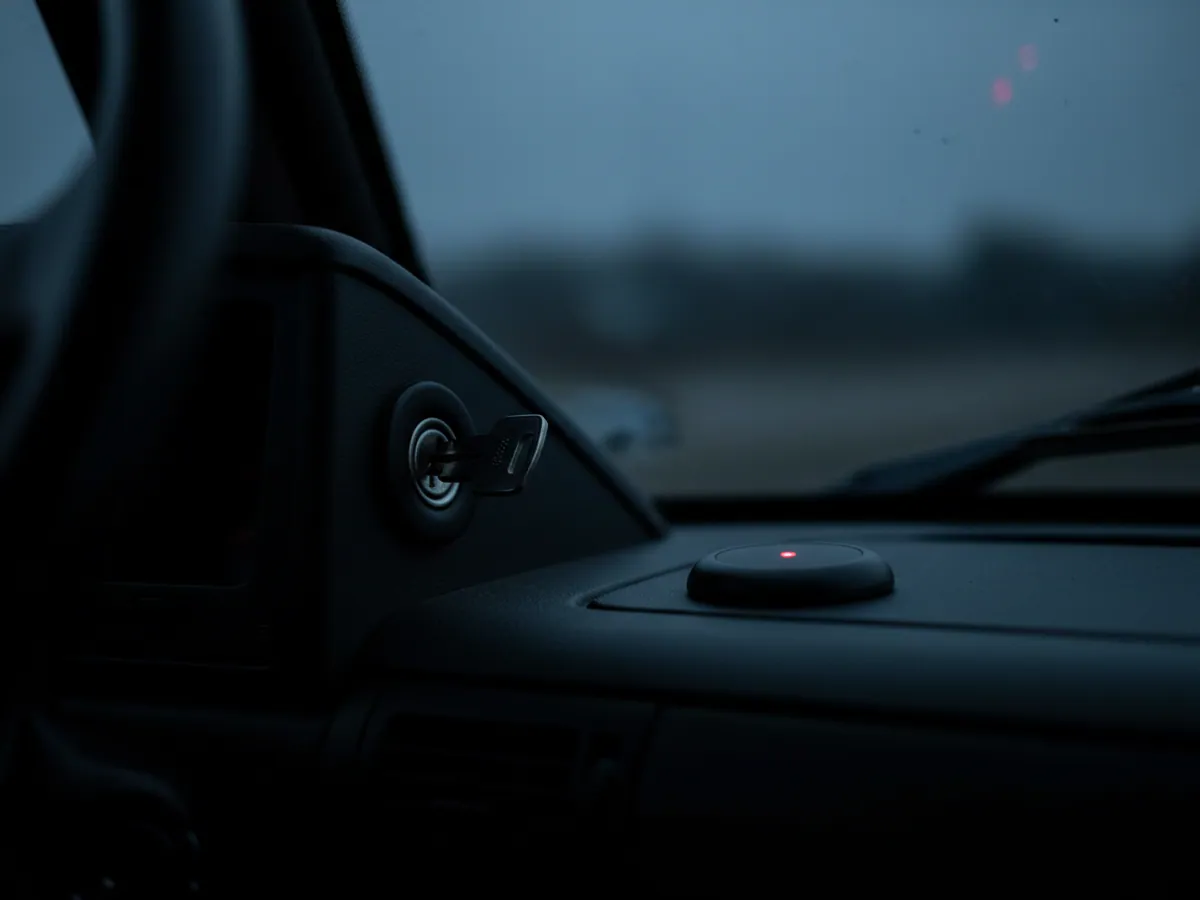
Engine start blocked until the driver is identified
The most effective discipline tool there is: without a key, the vehicle does not move.
-
Immobiliser tied to the key
The tracker only allows the engine to start after identification with a registered key or card. Anyone without a registered key cannot start the vehicle the normal way. It gives no protection against a key being handed to another driver: the system knows the key, not the face.
-
Personal accountability
Every event during a shift — speeding, harsh braking, idling, refuelling and drains — is attached to the driver automatically. Driving ratings and bonuses are built on facts rather than guesswork.
What does driver identification solve?
As soon as several people share one vehicle, the same problems appear:
“It wasn’t me driving”
A speed camera fine, a customer complaint, a fuel drain — and nobody owns up to it. Identification shows whose key or card was used at the moment of the event, and for an internal review that is usually enough.
Vehicles used on the side
Without a key the engine will not start, and every trip is recorded against a named employee. Night runs and machinery working for someone else show up in the reports from the very first shift.
Shift and working-time records
The timesheet builds itself: the first identification marks the start of the shift, the last one marks the end. For rotating bus crews and heavy machinery that is ready-made hour accounting.
Different driving styles
One driver keeps to 28 l/100 km, another burns 35 in the same vehicle. Per-driver reports show who is pushing consumption up and wearing out the clutch, and give you a basis for training.
Identification technologies
Dallas iButton keys
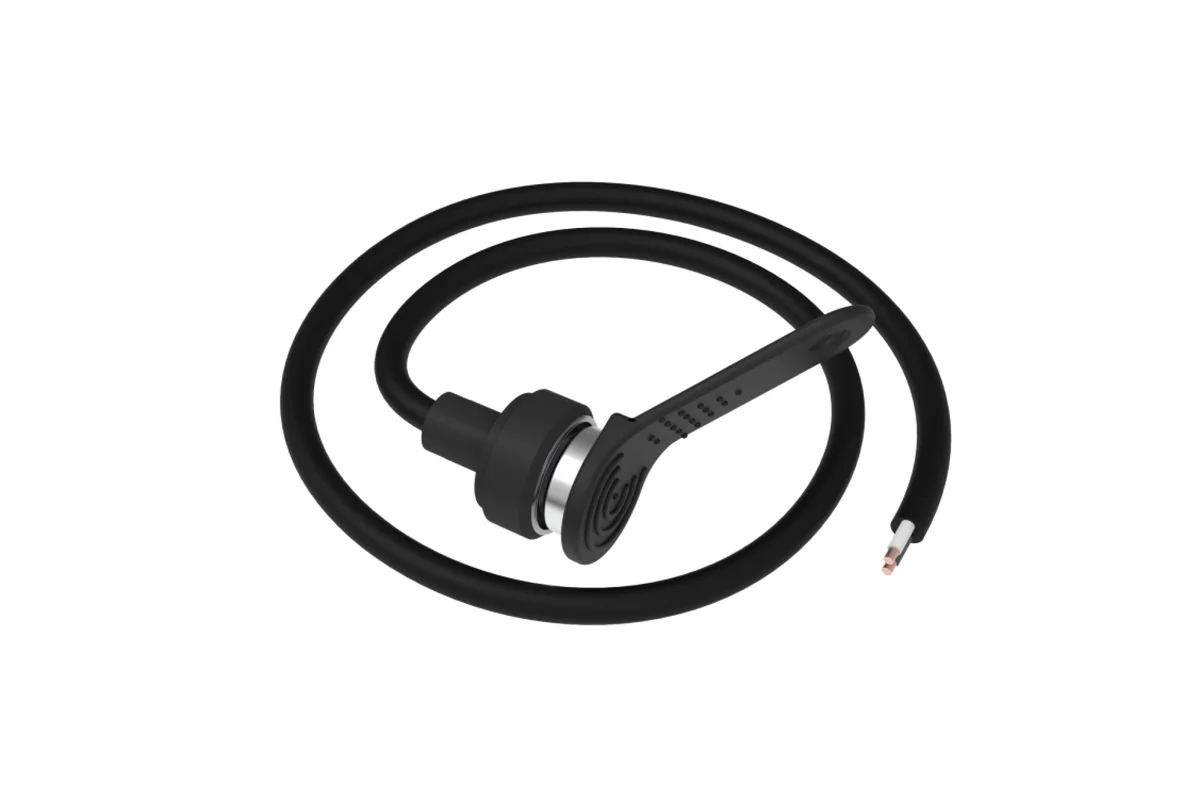
The classic choice for trucks and heavy machinery: a metal “button” on a keyring and a reader in the cab. The key is rugged and shrugs off dirt and water, which suits construction sites and quarries. The driver has to touch it to the reader before setting off.
Benefits of driver identification
Protection against theft
Without a registered key the engine will not start.
Honest reports
Violations and fuel use are tied to a person, not to a vehicle.
Automatic timesheets
Shifts and working hours are counted without paper logbooks.
Any size of fleet
It works on a handful of company cars and in a large taxi fleet alike — only the number of keys changes.
What the cost is made up of
The final figure depends on the type of vehicle, the set of sensors and the size of the fleet. We will prepare an exact quote for your case free of charge after a short audit — within one working day.
Questions about driver identification
Request a call
A specialist will call back and match a solution to your fleet and your task.