Fuel anti-fraud and refuelling control
Control over fuel transactions: we reconcile what was bought on cards and receipts, what actually went into the tank according to the fuel level sensor, and what was burned according to CAN. Discrepancies land in a report with a chart, a track and a timestamp, and the review follows a procedure that separates a false alarm from a genuine fuel drain. The system provides the signal and the material for an investigation; conclusions about guilt are drawn by the employer.
- 07:42 Card: 200 l, 168 l reached the tank · Ganja
- 13:10 Transaction in Baku, vehicle in Shamkir
- 18:25 −9 l while parked, on a slope · not a drain
- 02:14 −60 l, ignition off · for review
A working reconciliation of the three figures — bought, put in the tank, burned — for every vehicle, notifications with thresholds matched to your tanks, and a discrepancy report. Plus a review procedure by which the dispatcher tells a technical signal from a confirmed case and knows what to assemble for an internal investigation.
Where fuel goes missing between the pump and the engine
For a goods fleet, fuel is the largest variable cost; for hauliers and construction firms it reaches a third of total costs and more. Without digital control over that item it is hard to say how much fuel went into the work and how much was lost along the way: at the pump, on a parking area or on paper.
Anti-fraud is built on comparing three figures:
• how much fuel was bought — from receipts and fuel cards;
• how much actually reached the tank — from the fuel level sensor;
• how much was burned in the engine — from the CAN bus and the load.
If the three figures do not agree, the difference is grounds for looking into it. Behind it there may be a fuel drain, short-filling at the pump or a tampered odometer, but also imprecise calibration or a transfer between tanks. We show where the discrepancy arises and help assemble the material for an investigation.
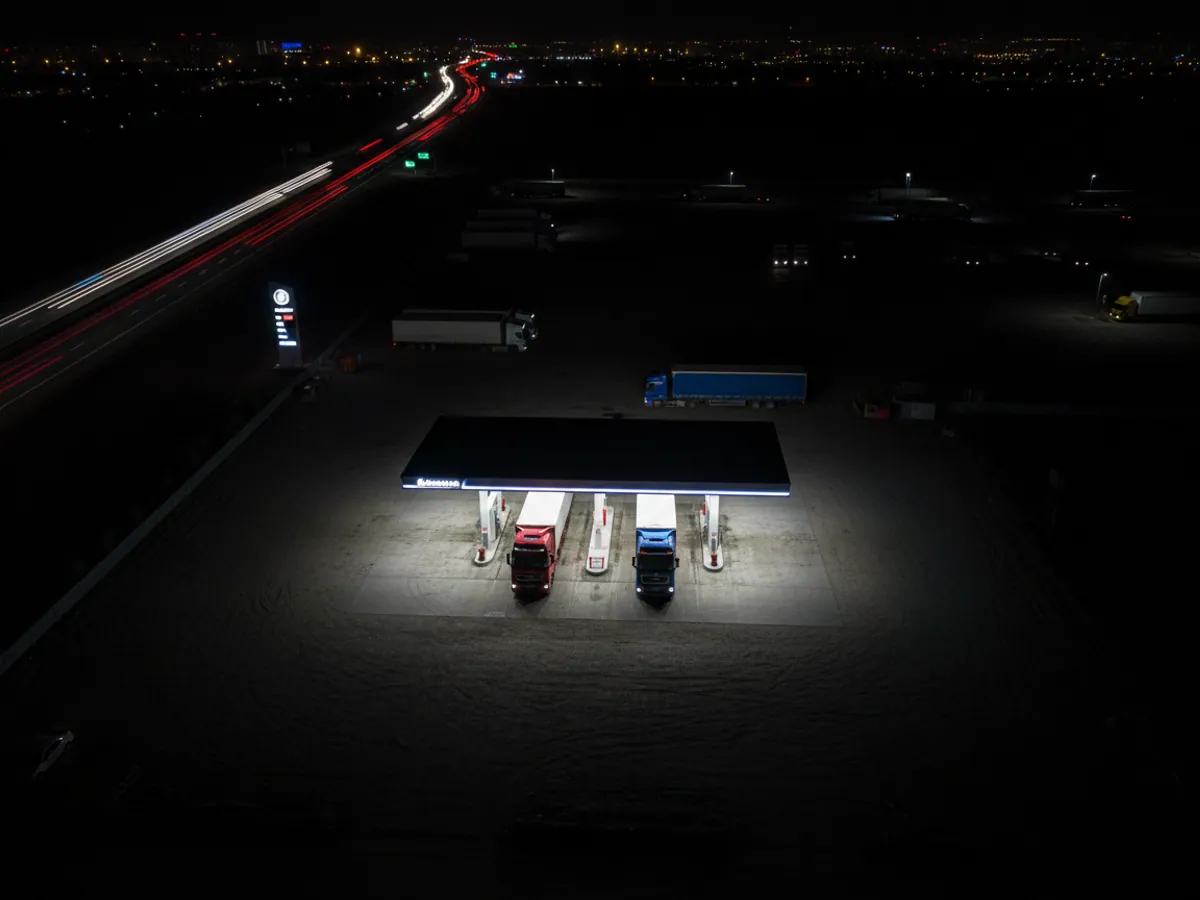
How the work goes, step by step
Fuel level sensor or CAN
A capacitive fuel level sensor on lorries and plant, a CAN adapter on cars with no cutting into the tank.
Every tank on its own
We fill the tank in 10–20 litre increments rather than borrowing a table from a similar vehicle.
Cards, sensor and track
We load the fuel card transactions and match each one against the track and the rise in the tank.
Notifications to suit the tank
For a week we watch the false alarms and adjust thresholds and filtering before the handover is signed.
Procedure and first cases
We teach the dispatcher to tell a technical signal from a confirmed case and to assemble the file.
How a night-time drop in level is investigated
An illustrative example: a tractor unit parked near Ganja, a 600-litre tank, a notification threshold of 20 litres.
- The level falls by 60 l, ignition off alert
The Telegram notification reaches the dispatcher a couple of minutes after the event.
- Checks: slope, calibration, transfer between tanks technical causes
The vehicle was standing level, there is no second tank, the calibration has been verified — there is no technical explanation.
- The level did not recover after the event confirmed
The signal becomes a confirmed deviation and goes forward to an internal review.
- The file is exported to PDF as a single report material
The level chart for the 24 hours, the track with the parking point, the ignition state, and the fuel card data for that day.
- A conversation with the driver, the decision rests with the employer decision
The consequences are determined by the employer under the employment contract and internal rules, with a lawyer where necessary.
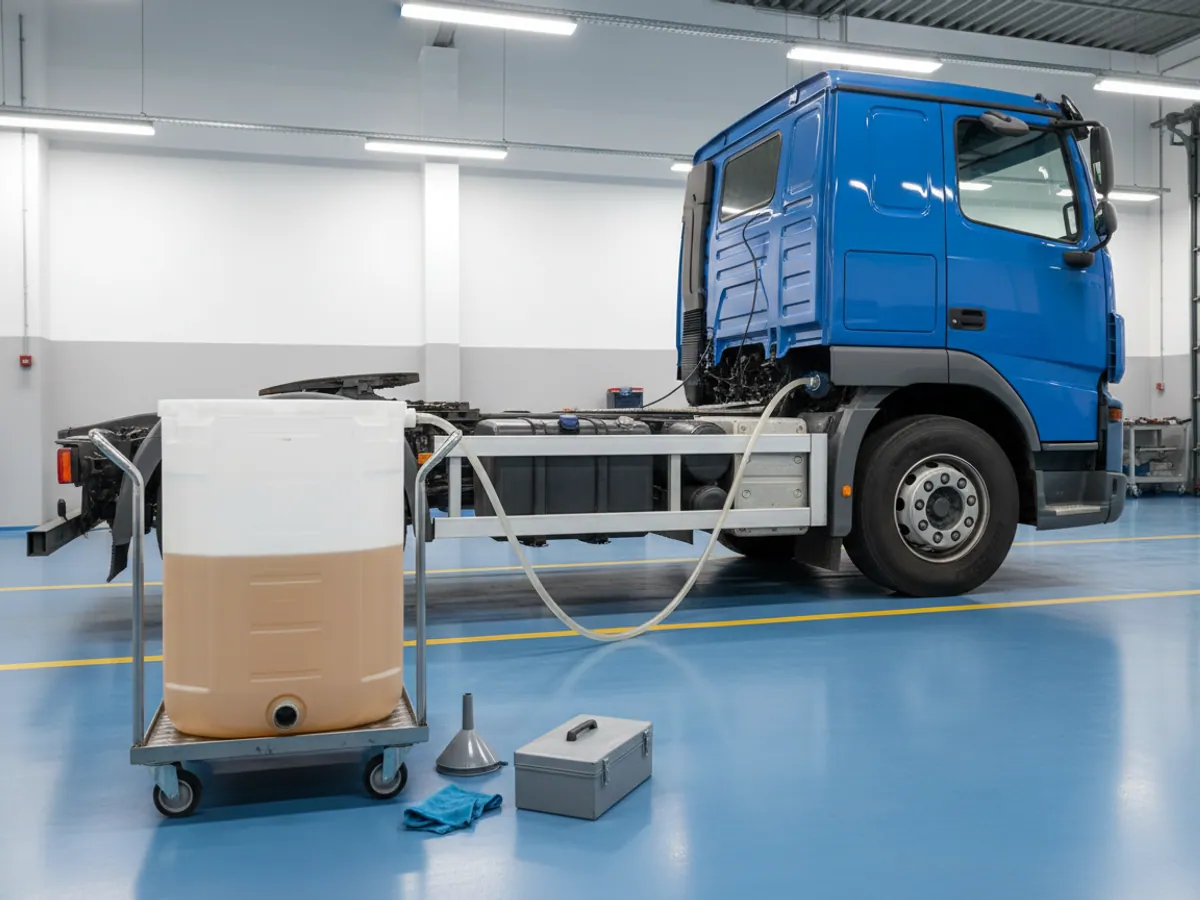
A capacitive fuel level sensor against the dashboard gauge
The factory gauge on an Isuzu or a MAN is out by 10–15% and does not show a drain while the vehicle is parked with the ignition off.
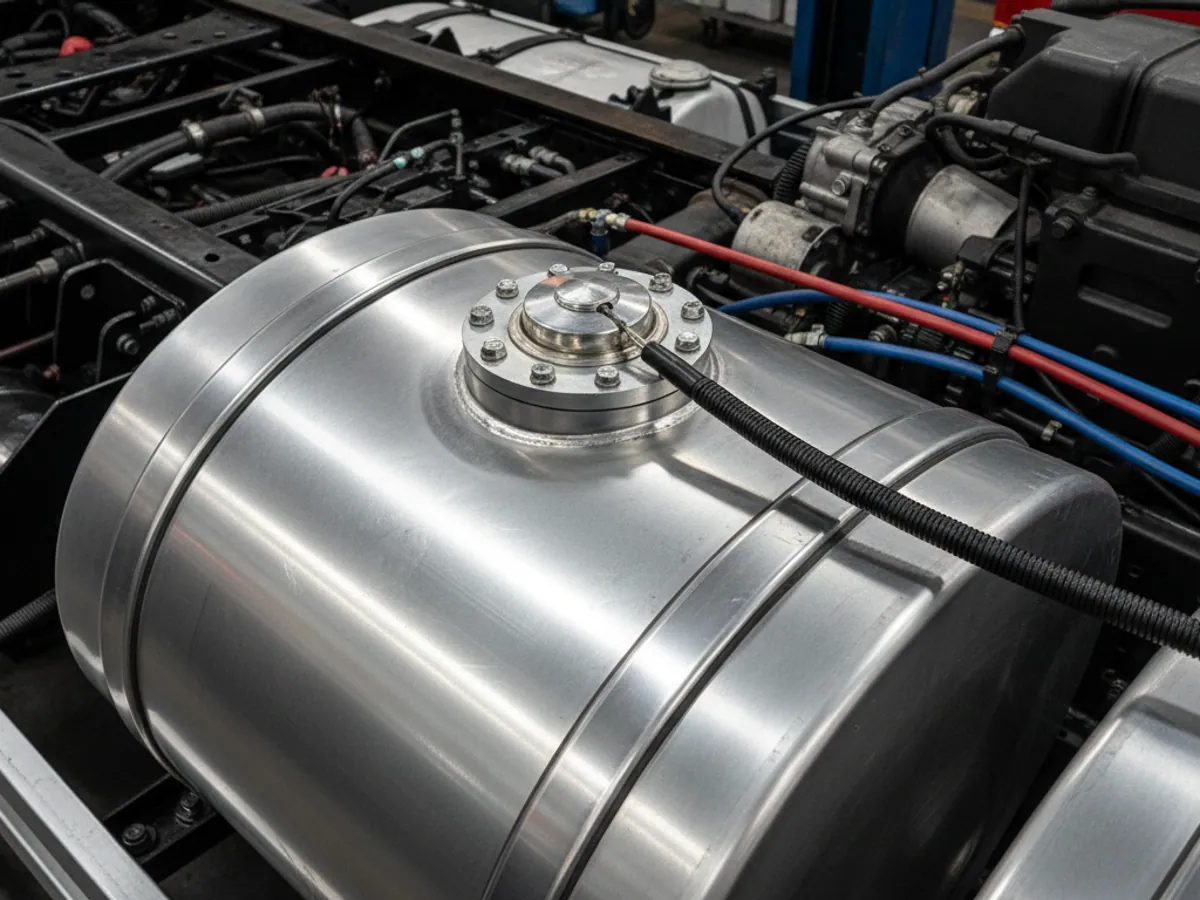
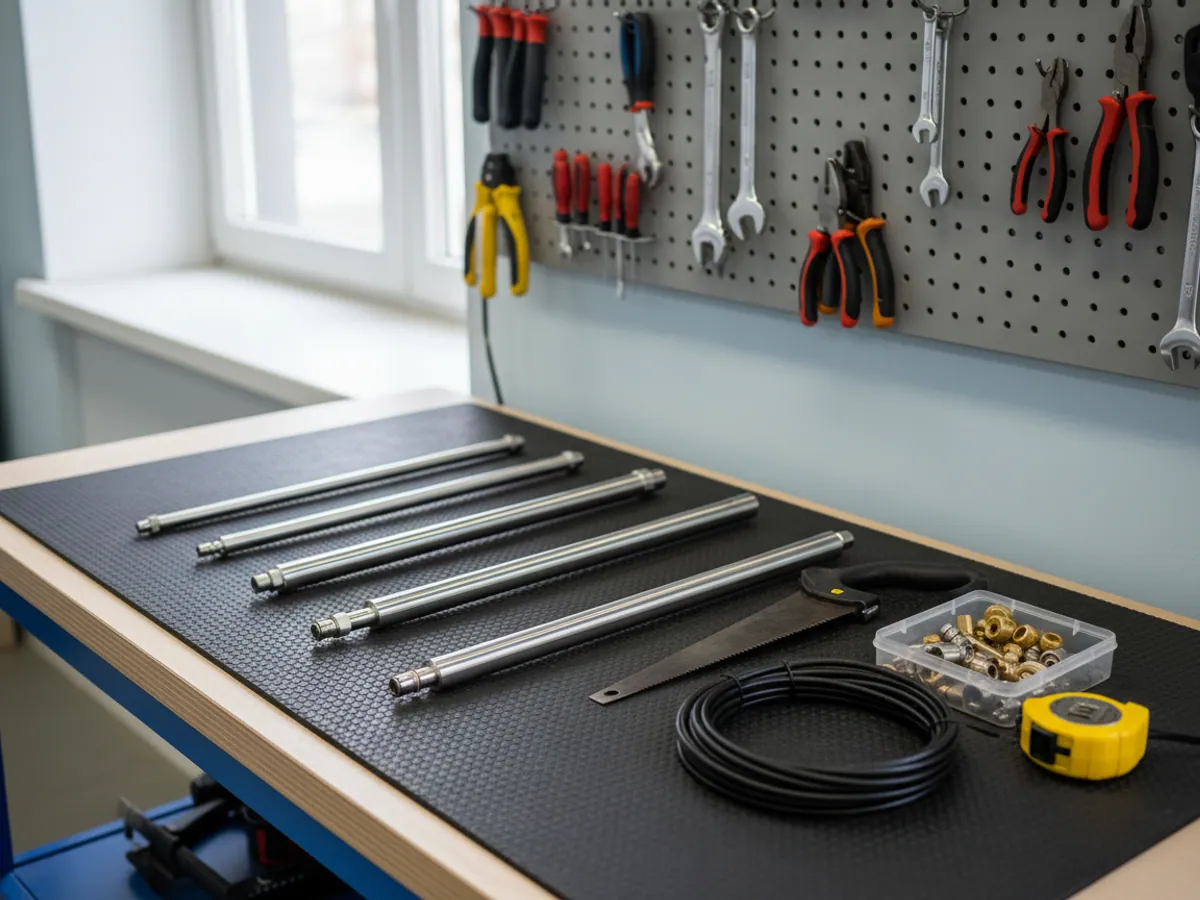
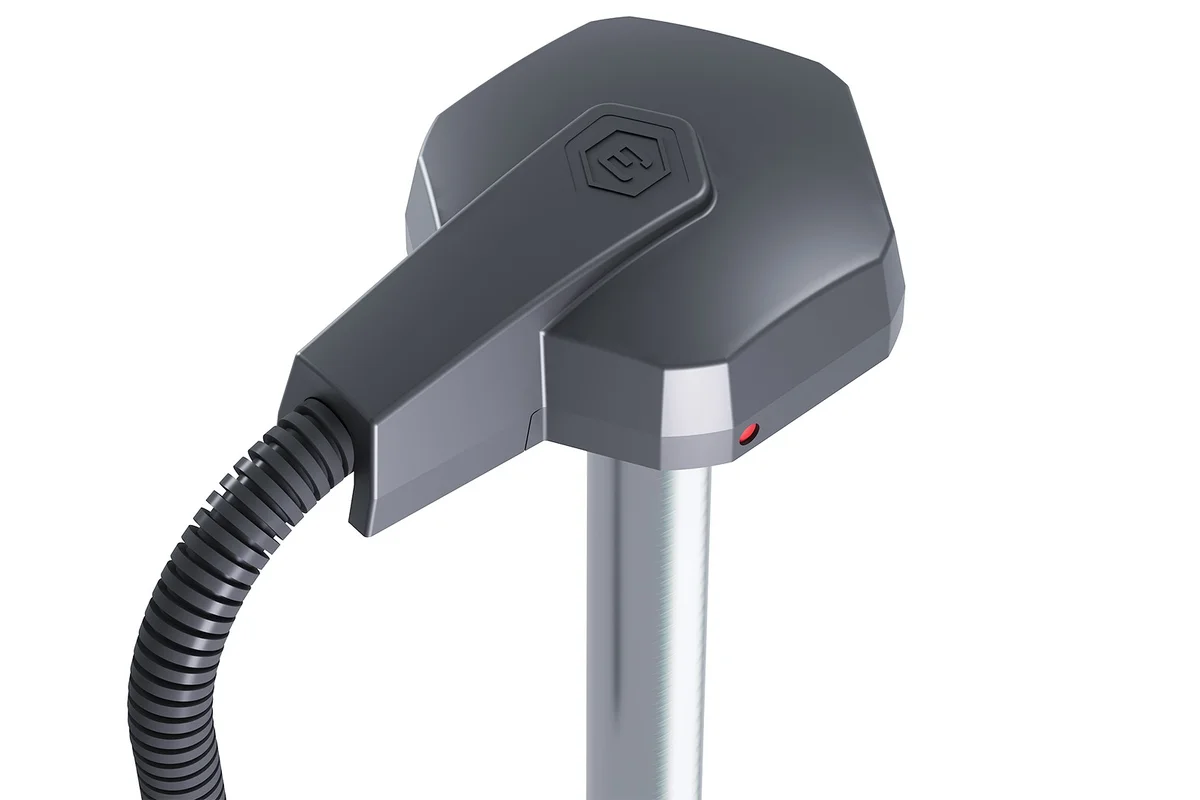
We fit digital capacitive fuel level sensors into the tanks, the Escort TD-600 for example, and for older equipment and tighter budgets a refurbished Escort TD-10R:
- on a calibrated tank, changes of a few litres in the level are visible; the precision depends on the shape of the tank and the quality of the calibration;
- the Wialon algorithms smooth out the sloshing of fuel on rough roads and slopes and produce an even chart;
- the sensor is sealed, and any attempt to disconnect it shows in the system as a loss of data.
Every refuelling event is visible on the chart with its time, place and volume. The system marks drains above the threshold by itself; a slow fall in level while parked is visible on the chart, but the threshold for such cases is chosen separately.
The theft schemes we come across most often
Ingenuity knows no bounds, but most cases fall into a handful of schemes. All of them leave a trace in the data:
Draining through the return line
A tee cut into the fuel return line, with fuel running into a jerrycan while the vehicle is moving. It turns up on old KamAZ lorries and on new plant alike. It shows as consumption above the norm at a normal load.
Cashing out a fuel card
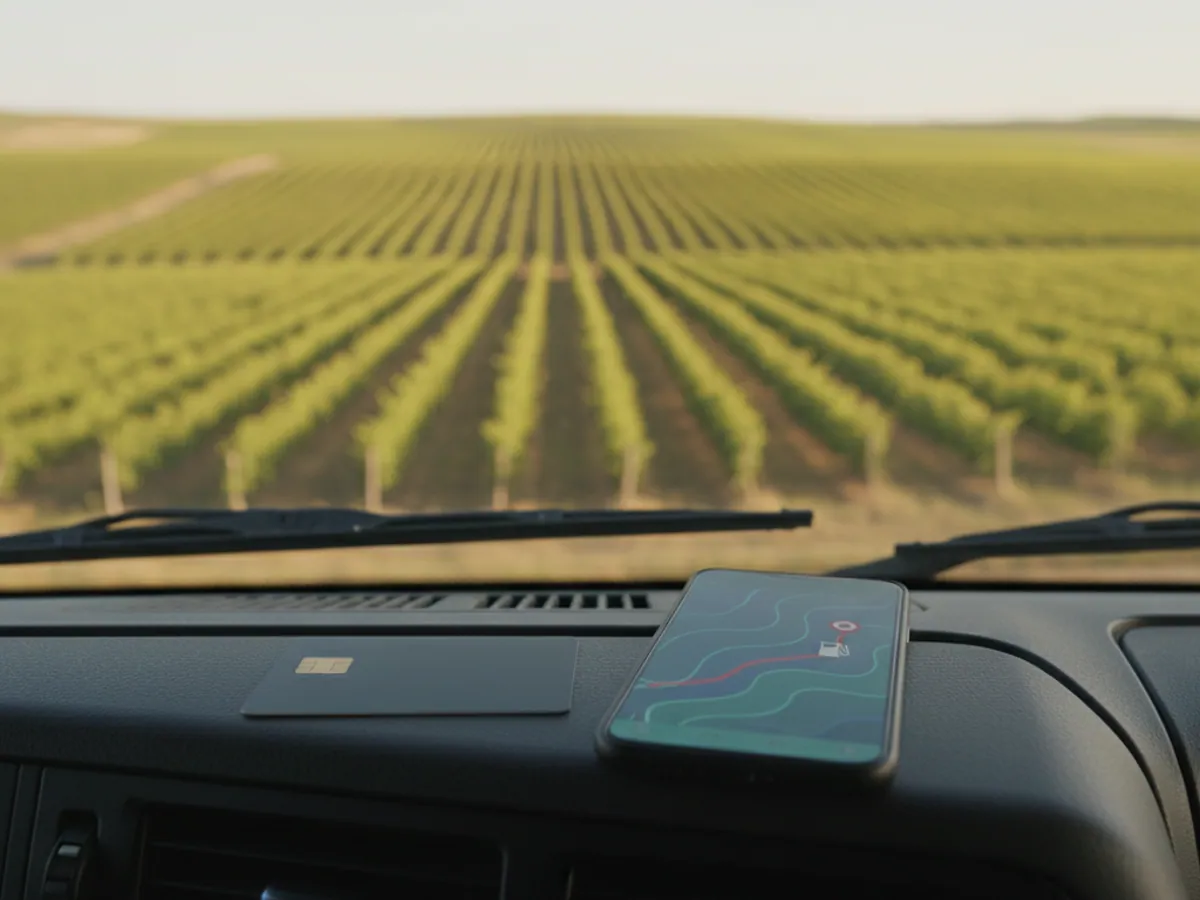
The driver fills someone else's vehicle on the company card and takes the money in cash. There is a transaction, but the level in the tank has not risen, or the vehicle was somewhere else at the time.
Short-filling at the pump
The receipt says 200 litres, 170 reached the tank. Sometimes it is collusion with the attendant, sometimes an honest fault in the pump. The fuel level sensor shows the real volume of the fill.
Draining while parked
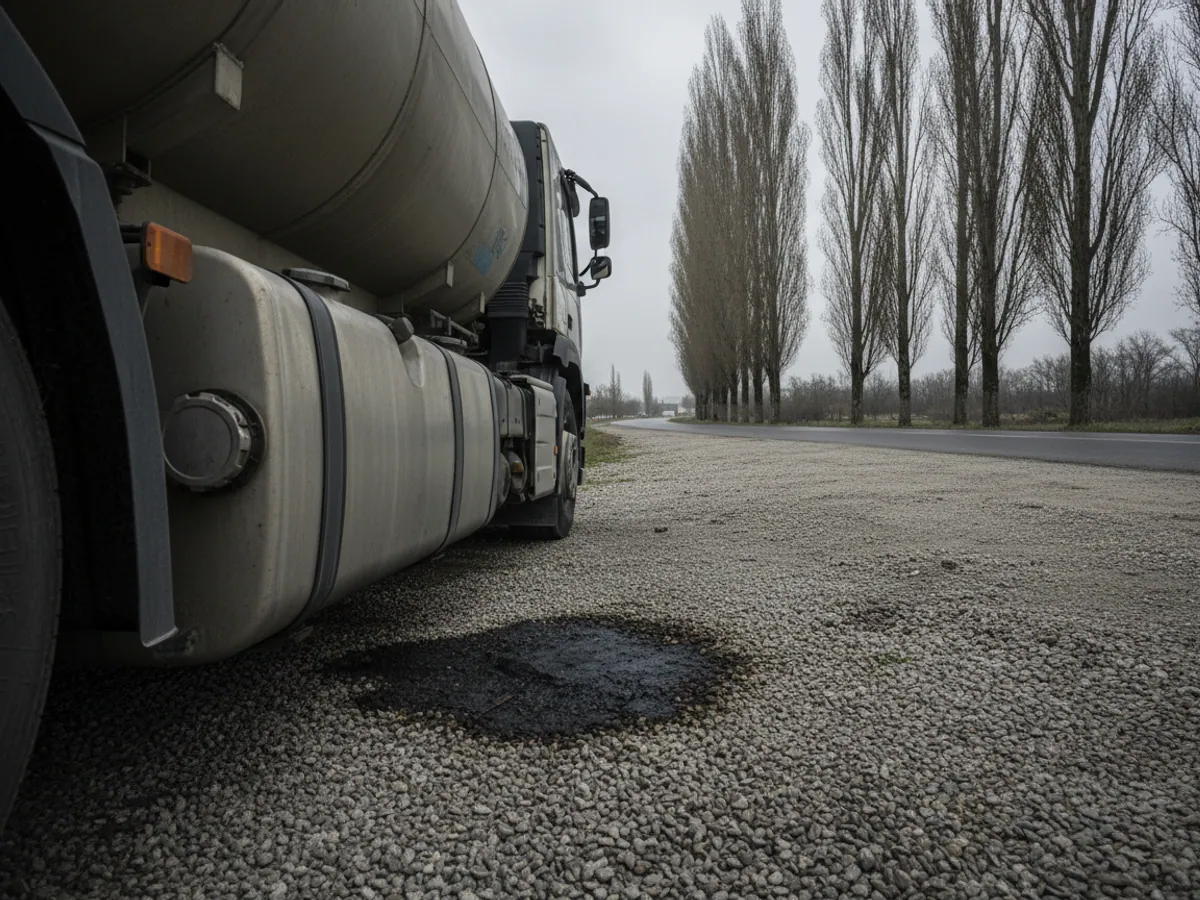
The classic: at night outside the driver's home, or on the road at a familiar buyer's. On the chart it is a sharp fall in level with the ignition off.
Tampering with the odometer
Pulse generators and similar devices inflate the mileage so that fuel can be written off at the norm for kilometres that were never driven. The GPS mileage does not change.
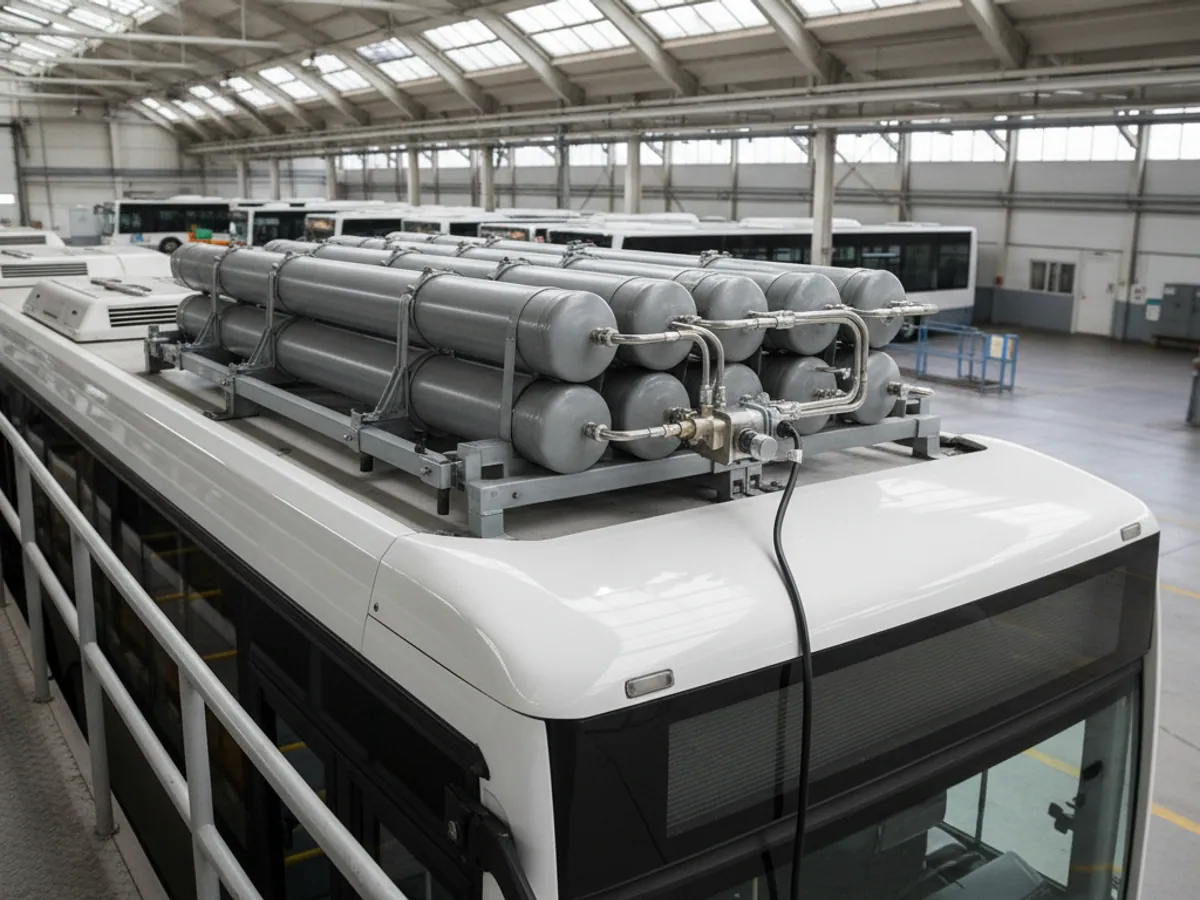
Short-filling at a CNG station
For methane-powered vehicles and buses: the cylinder is not filled to capacity but is paid for in full. A pressure sensor shows the actual fill.
Anti-fraud analysis tools
Seeing the theft
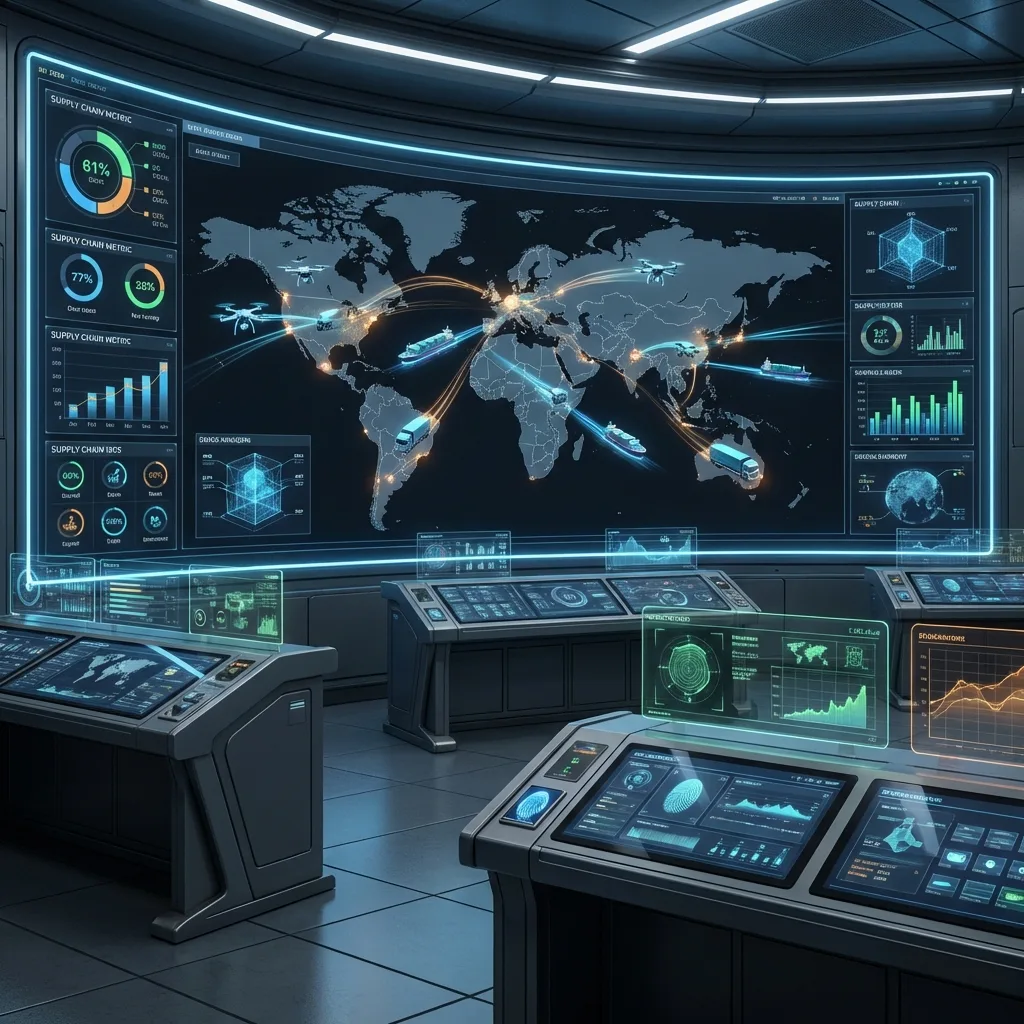
A clear chart of the fuel level over a shift: the level falls sharply although the vehicle is stationary. The system marks the spot on the map, stores the coordinates and the time and sends an alert to Telegram or by email a couple of minutes after the event.
The trigger threshold is set to suit the tank: from 5 litres for a van, while for a tractor unit with a 600-litre tank it is sensible to set 15–20, otherwise there will be a great many false alarms.
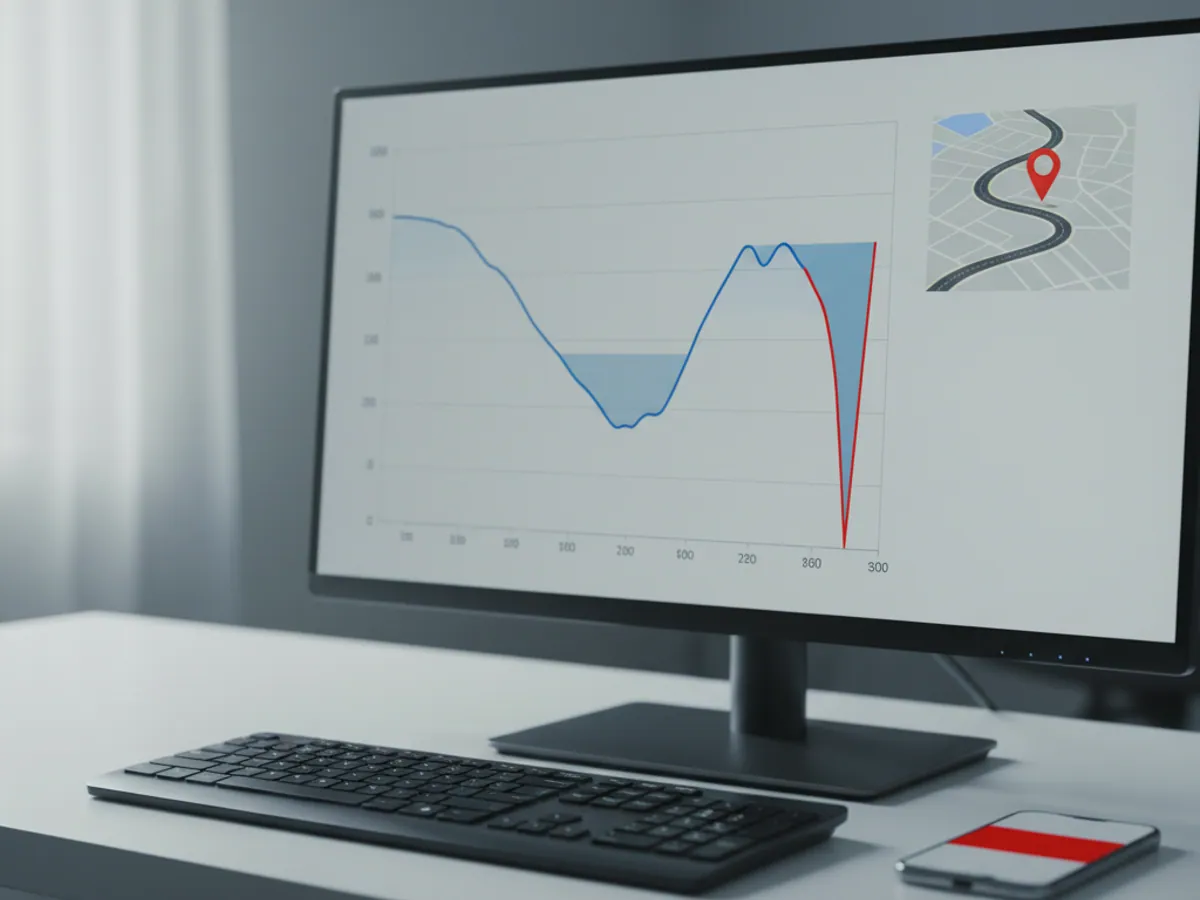
How a disputed drain is investigated
The system has shown a fall of 60 litres. What next? The order we recommend to clients:
- Check that it is not a refuelling event in reverse. We look at whether there was a fill beforehand with faulty calibration, and whether the vehicle was standing on a steep slope. That rules out most false alarms.
- Look at the context. Where the vehicle was standing and for how long, whether the ignition was on, whether the filler flap was opened if there is a sensor on it. A drain at a filling station in Ganja 40 km after a fill looks quite different from a fall in level in the car park outside the office.
- Reconcile with the card and the receipts. If the drain came immediately after a fill, the fill may not have been the volume claimed.
- Assemble the file. The fuel level chart, the track with the point of the event, the time and duration of the stop. It exports to PDF as a single report.
- A conversation with the driver. With the chart in hand the conversation is usually short. What follows — a deduction, dismissal, a warning — is decided by the employer within the terms of the employment contract.
We help with the first few cases until your dispatcher has learned to handle them alone.
A system signal and a confirmed case are not the same thing
A technical signal
A notification saying the level has fallen by N litres means only that the sensor registered a change. It is grounds for opening the chart, not a conclusion about theft. Some signals are explained by a slope, by temperature, by a transfer between tanks or by a calibration fault.
A confirmed deviation
A fall in level that technical causes do not explain: the vehicle was standing level, the ignition was off, the calibration has been verified, the level did not recover after the event. A deviation like that passes into an internal review.
What goes into the file for the review
The level chart for the 24 hours, the track with the point of the event, the time and duration of the stop, the ignition state, the fuel card data for that day and a note that the calibration was verified. It exports as a single report.
Who takes the decision
The system and our specialists help establish the fact and the circumstances. The decision about consequences for the driver is taken by the employer under the employment contract and internal rules, with a lawyer where necessary.
Scope of work and handover
Included
Selecting and fitting the fuel level sensors or connecting CAN, calibrating every tank, loading the fuel card transactions, setting notification thresholds, the discrepancy report and help with reviewing the first cases.
Not included
Internal investigations and dealing with drivers, legal assessment of the material, repairs to the fuel system and negotiations with the card issuer.
Handover
On every vehicle we carry out a control fill and compare the volume shown by the sensor with the volume shown by the pump. We then watch the false alarms for a week: if there are more than one or two per vehicle, we adjust the thresholds and the filtering before the handover is signed.
Controlling petrol on cars
Fitting an in-tank sensor into the plastic tank of a car is awkward and not always safe.
Instead we read the data contactlessly from the CAN bus through an adapter. From the on-board computer the system receives:
- the fuel level as a percentage from the factory sender;
- the total fuel consumed by the engine;
- engine revs and precise mileage.
The factory sender is less precise than a fuel level sensor, and small drains cannot be caught with it. But it shows card cash-outs, private journeys and refuelling with no journey perfectly well, and there is no need to drill the tank and put the dealer's warranty at risk.
False alarms and how we filter them out
The most common complaint from clients who have tried fuel control without us: the system shouts about drains every day and there are none. The causes are well understood and nearly all of them can be removed:
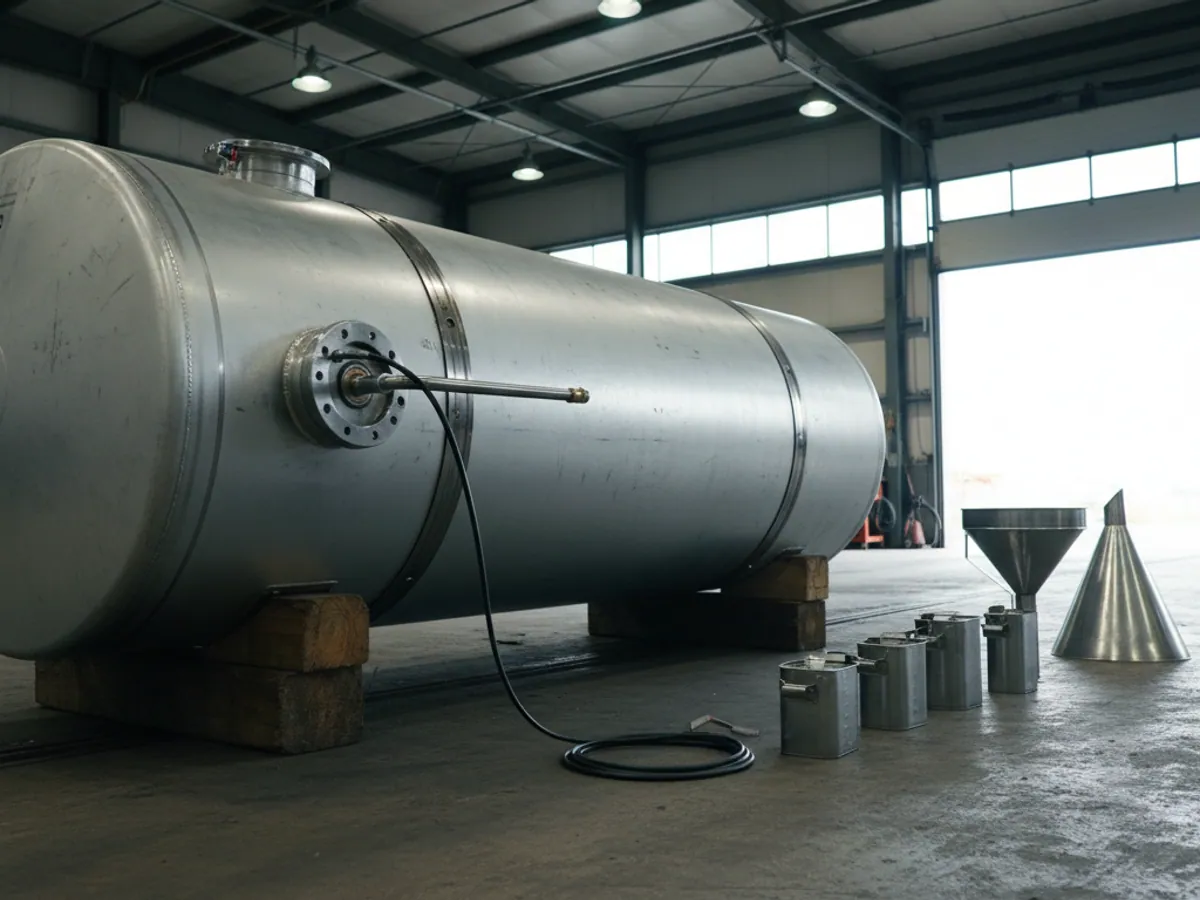
- No proper calibration. The sensor was fitted but the tank was never filled in 10–20 litre increments. The chart then comes out in steps and any fluctuation looks like a drain. We calibrate every tank rather than borrowing a table from a similar vehicle.
- Slopes. The vehicle parks at an angle, the fuel shifts and the level appears to fall. The right mounting point for the sensor and filtering by duration both help.
- Temperature. In the Baku sun the fuel expands during the day and contracts at night. A difference of a few litres in a large tank is not a drain.
- Two tanks. On tractor units with two tanks and no sensor in the second one, a transfer between them looks like a drain.
There is more on fitting and calibration on the page about fitting fuel level sensors.
What changes once it is running
Fewer drains
After the first reviews, drivers usually realise that the control is real. How much fuel that brings back depends on the scale of the losses before the start: the real figure shows in the comparison with the baseline period.
Discipline
Drivers know that refuelling and consumption are visible. Attempts at theft usually become rarer, and those that remain are noticed the same day rather than at stocktaking.
Mechanical oversight
A rise in consumption with no drain often points to a fault in the fuel system. It is found before it turns into an expensive repair.
Material for an investigation
The chart, the track and the time of the event in a single report. That is usually enough for an internal investigation and a conversation with the driver; for court proceedings you will need advice from a lawyer.
Price and what the cost depends on
The cost of a fuel anti-fraud solution depends on what the system is made up of: the number and type of fuel level sensors, whether data has to be read from the CAN bus, the amount of fitting and calibration work on each vehicle, and the configuration of reports and notifications about refuelling and drains. The calculation includes the subscription fee for monitoring and for processing the fuel data.
The price is affected by the type of equipment, the volume and shape of the tanks and the number of units in the fleet. As a rule the system pays for itself by putting a stop to theft and by accurate accounting for fuel and lubricants. We will prepare an exact quotation after a short fleet audit — leave a request on the site or ring +994 (99) 207-88-88.
What we use on the job
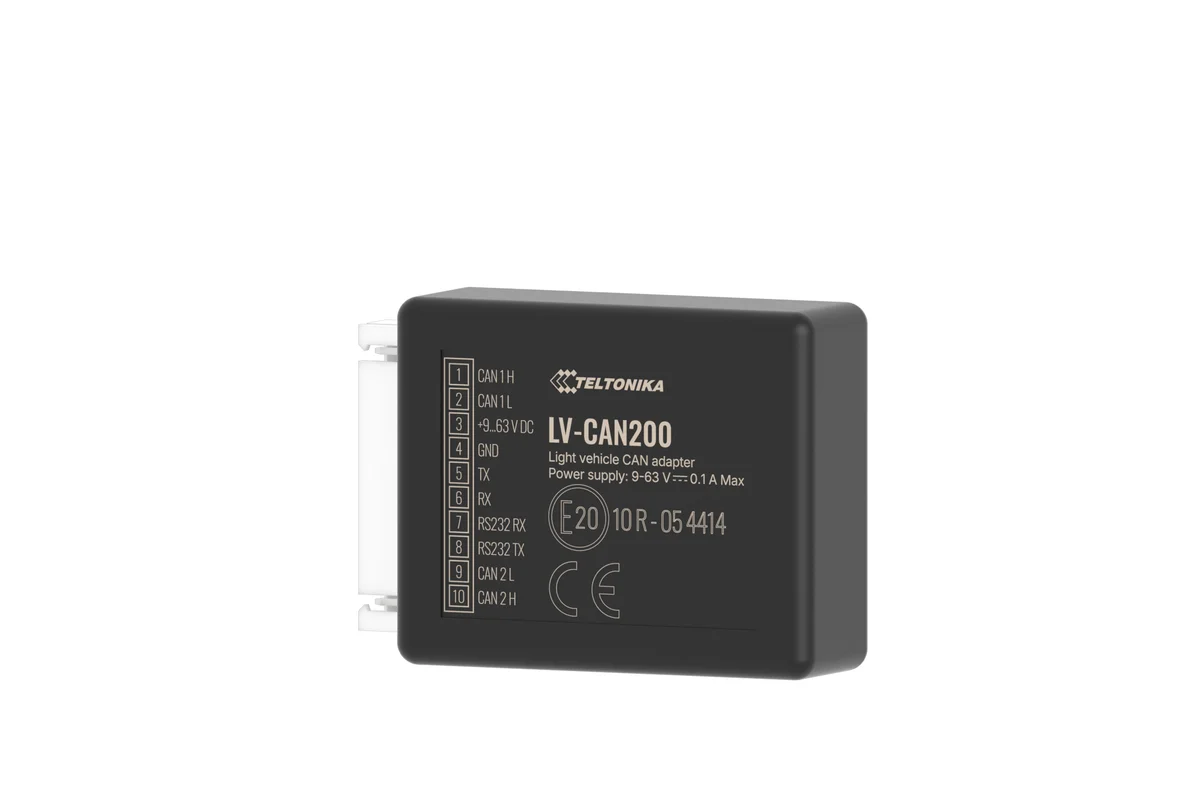
What to measure fuel with
On a mixed fleet we usually combine fuel level sensors on the lorries with CAN on the cars.
| Capacitive fuel level sensor | CAN data | The dashboard gauge | |
|---|---|---|---|
| A drain while parked is visible | Yes, with the ignition off | No, the data is too coarse | No |
| Small drains of a few litres | Yes, on a calibrated tank | No | No, the error is 10–15% |
| No cutting into the tank | No, the sensor sits in the tank | Yes, contactless | Yes, the factory sender |
| Reconciliation with fuel cards | Yes, the volume of every fill | Yes, large discrepancies | No, the data is not in the system |
| Where we use it | Lorries and plant | Cars and vans | For the driver only |
Questions about “Fuel anti-fraud and refuelling control”
Request a call
A specialist will call back and match a solution to your fleet and your task.
Similar scenarios
How similar jobs are done on Teltonika hardware