
Escort TD-10R:
a refurbished fuel level sensor for fuel control on a budget
An Escort capacitive fuel level sensor that has been refurbished and tested. A way to close off fuel drains on older machinery and in a small fleet without buying a new sensor for every vehicle. We are straight with you about where this makes sense and where it does not.
What refurbished means, and why it is not second-hand off the market
The TD-10R is a capacitive fuel level sensor from the Escort range that has already worked on a machine, been removed (usually when the vehicle was sold or scrapped) and then refurbished: the housing and the measuring tube are inspected, the seals and, where necessary, the cable are replaced, and the electronics are tested and calibrated. The result is a working sensor with the same measuring principle as a new one, but cheaper. The warranty is 1 year, the same as on new sensors.
The difference from a sensor bought privately is fundamental. A sensor pulled out of somebody else's tank may have a cracked tube, an oxidised connector or lost calibration — and you will only find out when the level graph starts sawing up and down. A refurbished sensor goes through incoming inspection with us before it is fitted: we check that it responds over the digital interface, that the readings are steady with the tube empty and full, and that the housing is undamaged. If anything gives us doubts, that sensor does not go on a customer's vehicle.
How we test a sensor before installation
Refurbished equipment needs more attention on the way in. This is what we do with every TD-10R before it goes into a tank.
-
Bench and immersion testing
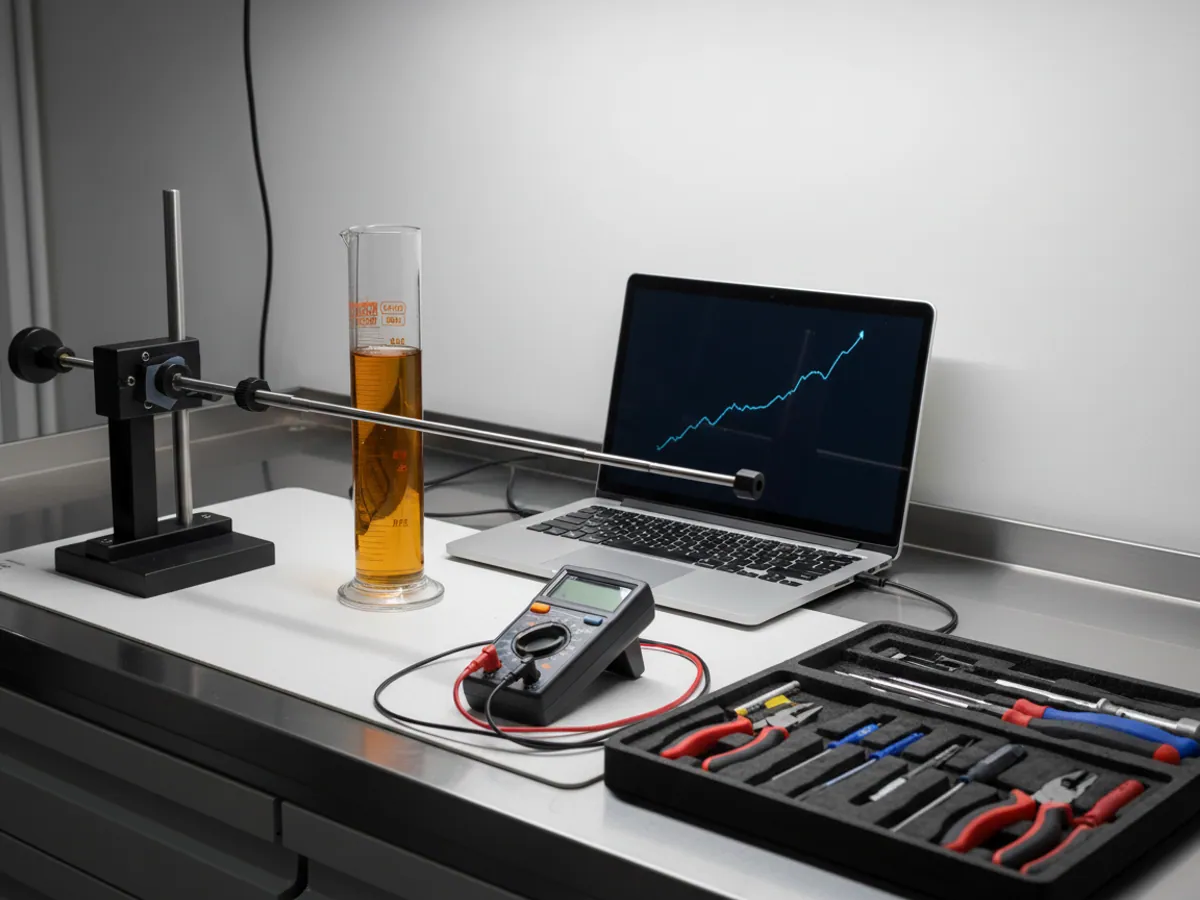
We connect the sensor to a tracker on the bench and watch the readings with the tube dry and then immersed in diesel. What interests us is not only that there is a signal, but how steadily it holds: jumps in a still liquid are a reason to put the sensor aside.
-
Inspecting the tube, the seals and the cable
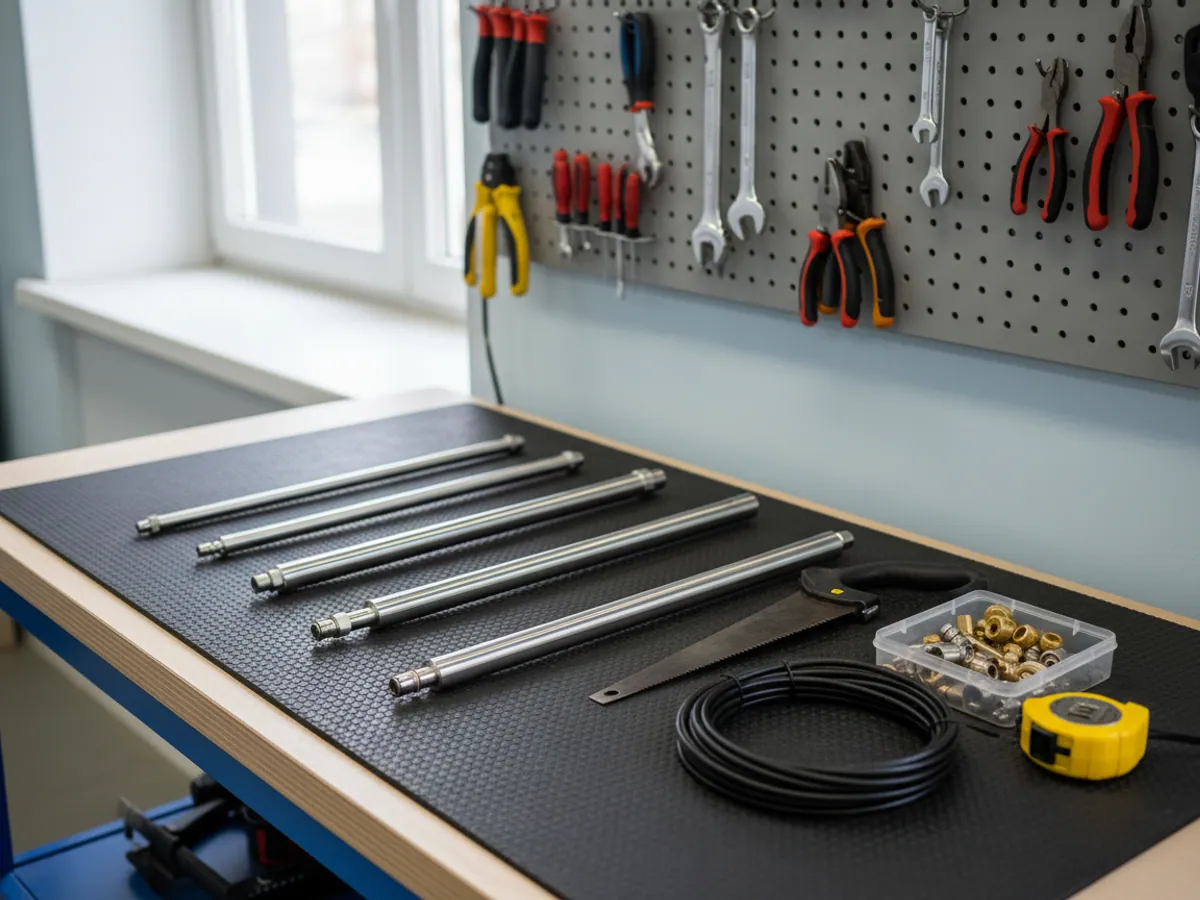
We check the tube for dents and for signs of an earlier trim: if it has already been shortened for somebody else's tank, the sensor will only suit shallower tanks. This is a common limitation with refurbished sensors, and we say so before the order, not after.
-
Calibration for your tank
Once it is fitted, the tank is filled in measured portions exactly as it would be with a new sensor. Accuracy in the reports is largely down to the calibration rather than the sensor's year of manufacture — so this is not where we cut corners, even when the customer has chosen the budget option.
Who a refurbished sensor suits
The TD-10R is not a poor man's compromise but a sensible choice in several specific situations:
An old fleet with 2-3 years left in it
KamAZ and MAZ lorries from the 2000s, old backhoe loaders, tippers in the Absheron quarries. Fitting a full-price new sensor to a machine like that feels wasteful, and leaving the tank unwatched is expensive. A refurbished sensor will see out the rest of the machine's working life.
A pilot on a few vehicles
Want to find out first whether there are any fuel drains in your fleet at all? We fit TD-10R sensors to two or three suspicious vehicles for a couple of months. If the graphs show fuel going missing, you can decide whether to equip the whole fleet with the figures already in front of you.
Seasonal agricultural machinery
Tractors and combines that work three or four months a year in the fields of the Kura-Aras lowland. The sensor is needed during harvest, when diesel is brought out to the field by bowser and is at its hardest to keep track of.
Where a new one is the better buy
Fuel tankers and hazardous areas (an explosion-proof version is required), new tractor units under warranty, tanks deeper than an already-trimmed tube allows. In those cases we recommend a new Escort TD-600 or an explosion-proof version — and we say so plainly.
What you get, and what the saving costs you
The same capacitive measuring method
There is no float and there are no moving parts inside the tube: the sensor measures the capacitance between electrodes, which changes with the fuel level. That is why a refurbished capacitive sensor does not wear out the way a float gauge does, and works steadily once it has been tested.
Why customers choose the TD-10R
A lower entry cost
Fuel control across an entire old fleet without buying new sensors.
Incoming inspection
Every unit is tested before installation; anything doubtful is not fitted.
The same calibration
The tank is filled in portions, and the reports show litres, not percentages.
Replaceable later
It can be swapped for a new sensor later without reconfiguring Wialon.
What the cost is made up of
The final figure depends on the type of vehicle, the set of sensors and the size of the fleet. We will prepare an exact quote for your case free of charge after a short audit — within one working day.
Questions about the refurbished sensor
Request a call
A specialist will call back and match a solution to your fleet and your task.