
Digitalising fleet management
We move fleet management off paper and into a system in stages: monitoring and electronic waybills, then fuel, then servicing and documents, then integration with 1C and reporting for management. On Teltonika and Queclink equipment and the Wialon platform. Each stage is signed off against agreed criteria, and the next one starts only once the previous stage's data is trusted.
A roadmap tailored to your fleet and its delivery stage by stage: for each stage the scope of work, the people responsible on both sides and the criteria for calling the stage live are all known in advance. The budget is worked out stage by stage, so you can stop after any of them and keep what has been achieved.
From the garage manager's notebook to data you can believe
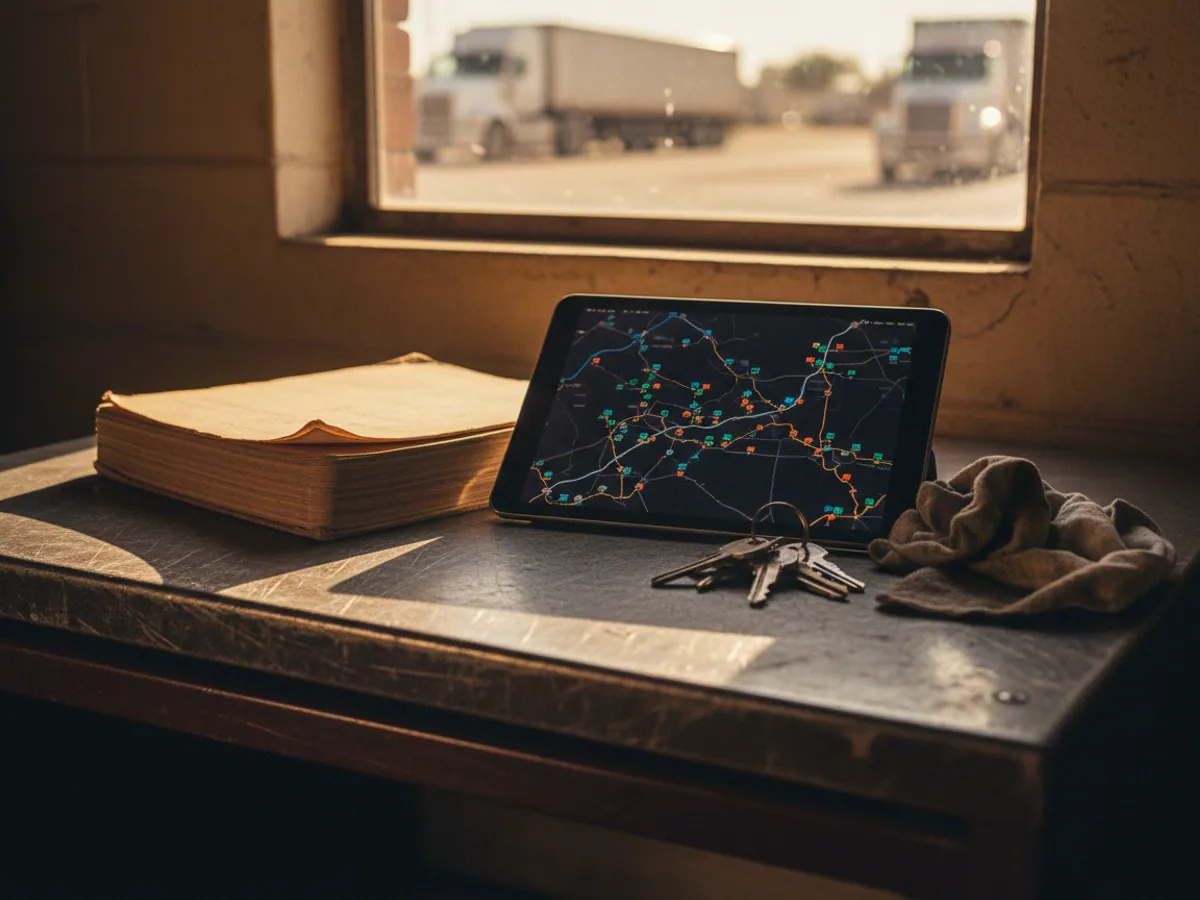
In many fleets in Azerbaijan, management still rests on paper and on what particular people remember. Waybills are filled in by hand at the end of a shift, mileage is copied off the odometer, fuel is written off against a norm, the servicing schedule lives in the mechanic's notebook, and requests for a vehicle arrive on WhatsApp. While the garage manager is around, it all works after a fashion. The moment he goes on holiday, nobody can say when half the fleet last had an oil change.
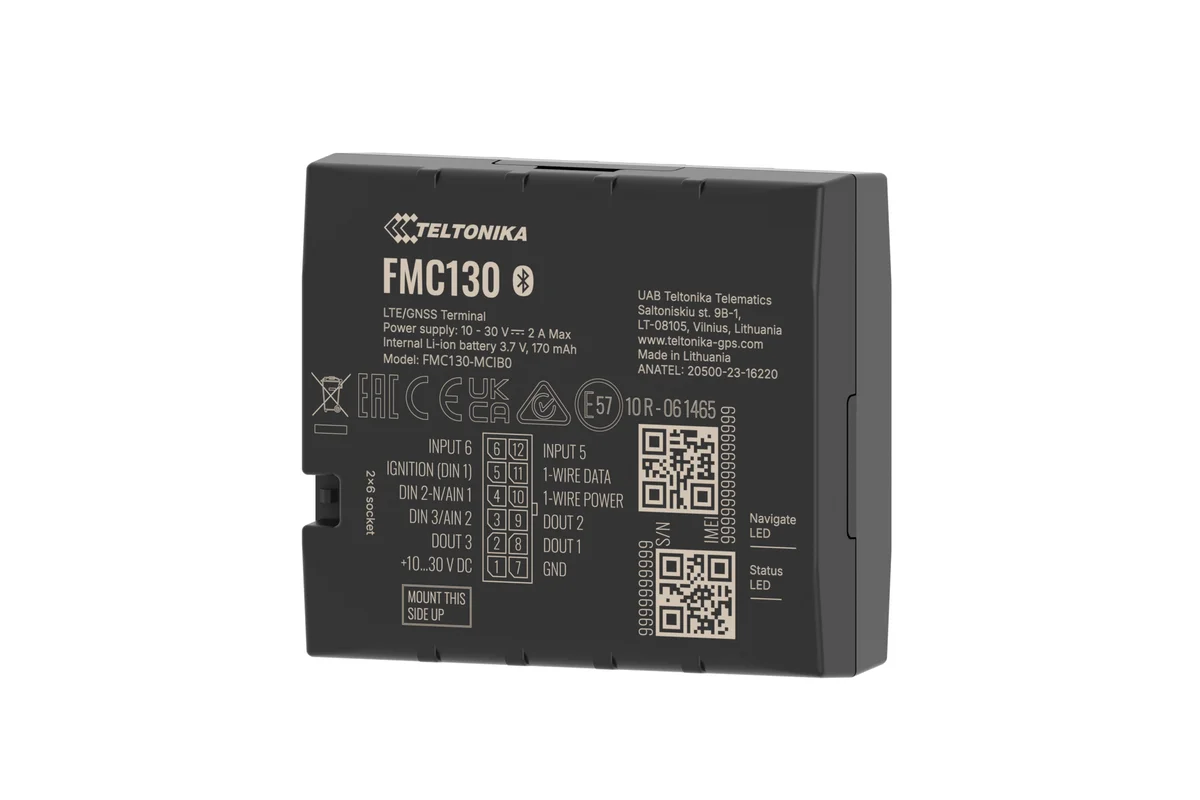
Digitalising fleet management means moving these processes into a system where data is collected automatically rather than copied out. Mileage and engine hours come from the trackers, fuel from the sensors and fuel cards, servicing is planned on actual usage, waybills are generated from tracks, and the accounts department gets all of it in 1C without keying anything in.
We do not move everything at once. Digitalisation goes in stages, and each stage produces a result in its own right, even if you decide to put the next one off.
How the work goes, step by step
Processes and roadmap
Waybills, fuel, servicing, requests, documents. Budget and acceptance criteria for each stage.
Trackers and waybills
A waybill built from the track. Two weeks reconciling against the paper one, then a date is set for dropping paper.
Writing off on actuals
Fuel level sensor or CAN, calibration, fuel card transactions. Consumption norms based on actual data.
Servicing, documents, requests
Intervals in FleetRun by mileage and engine hours, document expiry dates, vehicle requests through the system.
1C and management reporting
Mileage and consumption go into the accounts, the director sees cost per kilometre. Only on clean data.
The first weeks of digitalising a fleet
An illustrative example: 50 vehicles, an office in Baku, a warehouse in Sumgait, sites across Absheron.
- Survey and the fitting schedule 50 vehicles
Vehicles go in for fitting in batches, so that the warehouse in Sumgait is never left without transport.
- Every vehicle in touch, dispatchers trained stage 1
Units in Wialon are named to an agreed rule — that will matter when the data is exported into 1C.
- Electronic waybills alongside paper ones reconciliation
For two weeks we compare mileage from the track with mileage on paper. Every difference gets an explanation.
- On three vehicles the paper mileage exceeds the track discrepancy
Usually that is padding to fit the norm, occasionally an error in the list of assigned drivers. We work through it with the garage manager.
- A date is set for dropping paper waybills stage accepted
Without that date both processes carry on side by side for years. Next come fuel level sensors and fuel cards.
What usually lives on paper, and what it costs
At the first meeting we ask to be shown how five processes are arranged today. The picture is almost always similar:
- Waybills. Filled in by hand, with mileage adjusted to fit the norm. The dispatcher spends an hour a day checking them and still cannot see the real trips.
- Fuel. Written off against a norm applied to the recorded mileage. If the mileage was padded, so is the fuel.
- Maintenance. From the mechanic's memory, or after a breakdown. A vehicle whose timing belt change was missed eventually stops on the road.
- Vehicle requests. Phone calls and messaging apps, with nobody knowing which vehicle is free right now.
- Documents. Insurance, inspections and permits whose expiry dates are remembered when it is already too late.
Branches are a problem of their own. If some of the vehicles work in Ganja or Lankaran, management in Baku hears about them in telephone reports once a week. Each process on its own is bearable. Together they produce a fleet where nobody knows exactly what it costs or where the money goes.
The roadmap: four stages
Monitoring and electronic waybills
Trackers on every vehicle, Wialon access for the dispatchers, basic reports on trips, stops and mileage. The waybill is generated from the track: from where, to where, how many kilometres, what time it left and returned.
It takes 2-4 weeks for a fleet of up to 50 vehicles. Private trips and padded mileage become visible at this stage already, and there is usually noticeably less of both afterwards.

What this looks like on a fleet of 50
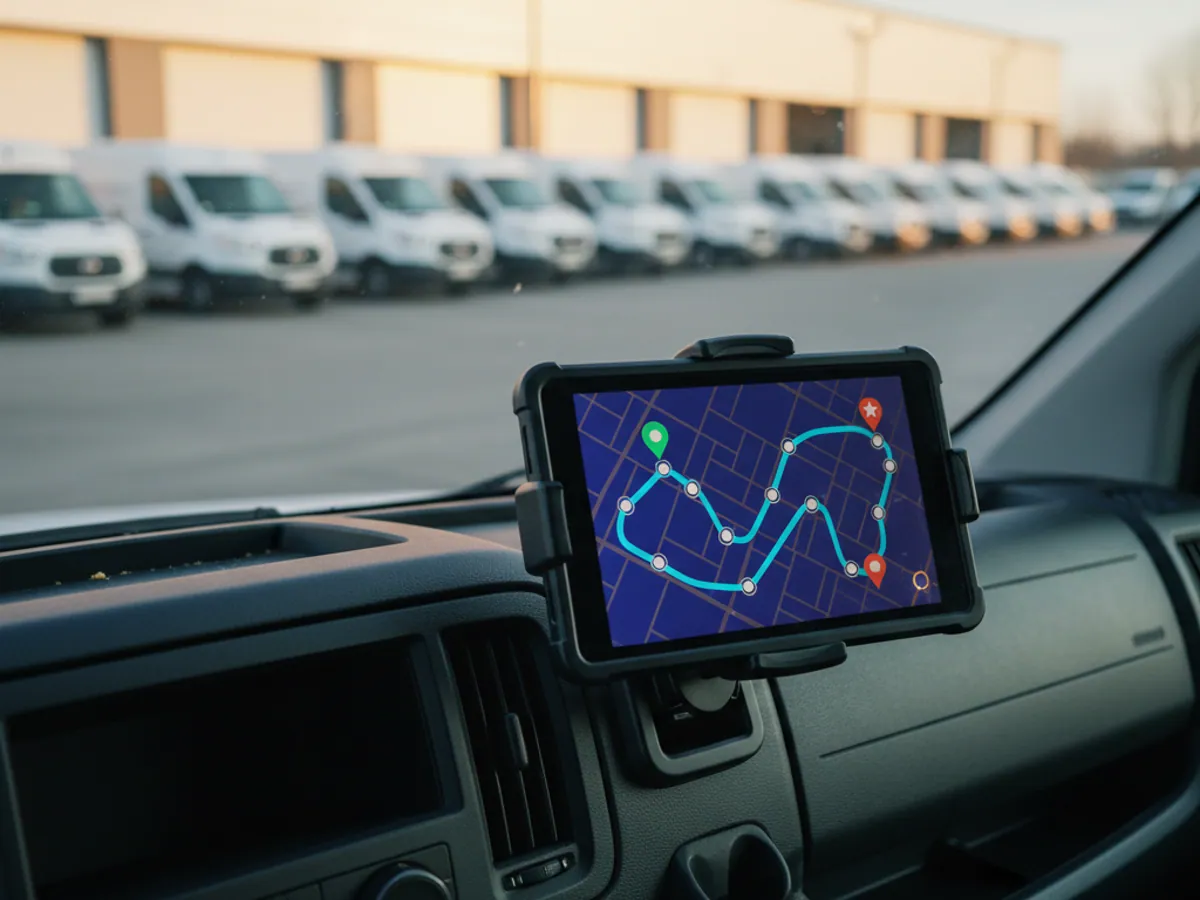
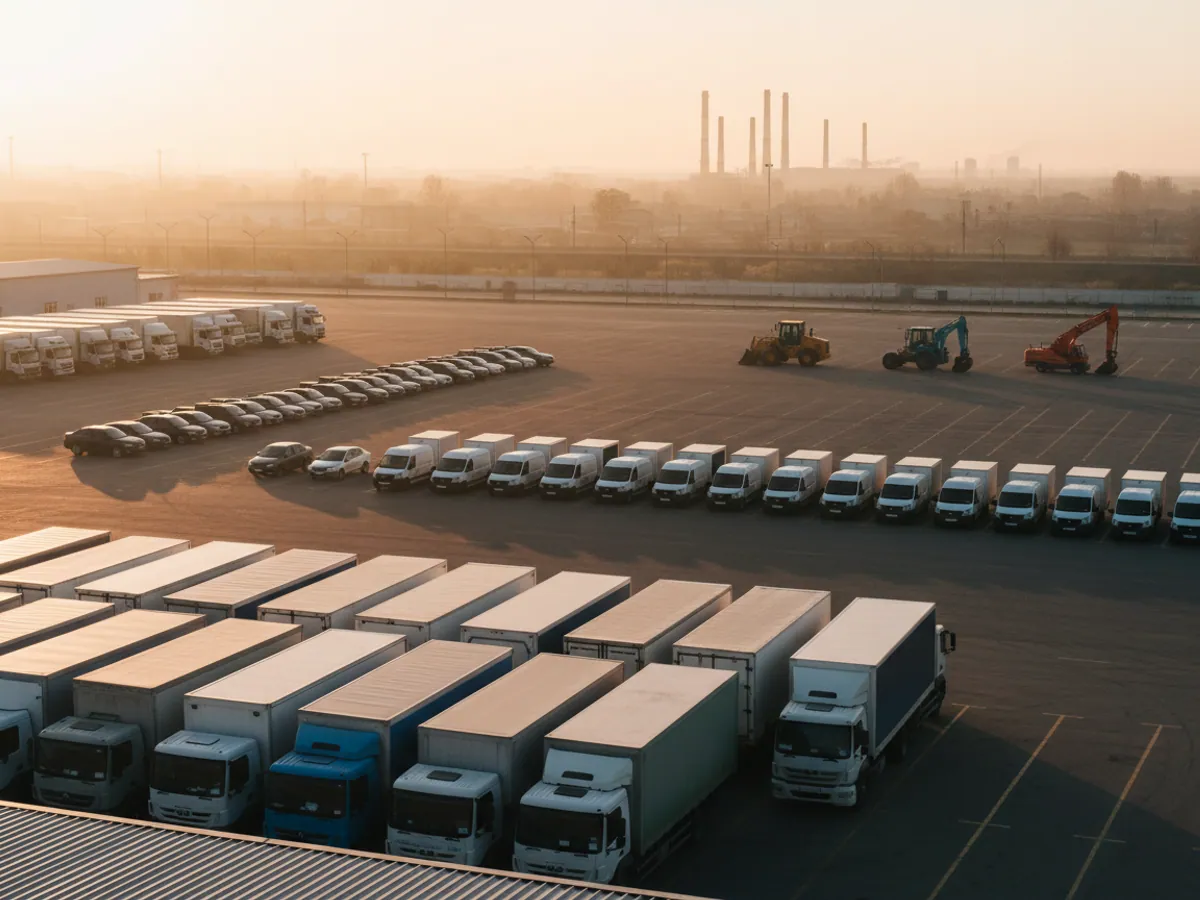
An illustrative example: a construction and trading company with 50 units, of which 30 are lorries and vans, 12 are cars and 8 are plant and heavy equipment. An office in Baku, a warehouse in Sumgait, sites across Absheron.
- Weeks 1-3. Survey of the fleet, trackers fitted to all 50 vehicles, units created in Wialon. Training for two dispatchers.
- Weeks 4-6. Electronic waybills start running alongside the paper ones. Two weeks of reconciliation, so that everyone comes to trust the figures.
- Weeks 6-10. Fuel level sensors on the 30 lorries and the plant, calibration, loading of fuel cards. On the cars, CAN data.
- Weeks 10-13. The servicing schedule in FleetRun, document expiry dates, requests through the system.
- Weeks 13-16. Export of data into 1C, the report for management, paper waybills dropped.
About four months in total. The stages can be spread out if the budget is planned quarterly: monitoring and waybills pay for themselves and give you time to prepare the next steps.
Where digitalisation most often gets bogged down
Technically, moving a fleet into a system is not difficult: a tracker goes in inside an hour and a Wialon account is set up in a day. The problems are almost always organisational, and we warn about them at the start, because putting them right later costs more:
Paper and digital for ever
The system is live but the paper waybills were kept on just in case. A year later both processes are running and nobody knows which one is authoritative. A date for dropping paper is needed.
Everything at once
An attempt to bring in monitoring, fuel, servicing and 1C integration within a month. People have no time to get used to it, the data is dirty, and the integration carries the errors through to the accounts department.
Nobody owns the system
If no one is answerable for the system, within six months half the sensors are out of calibration and the notifications are going to staff who have left.
Integration ahead of the data
The export into 1C is switched on before mileage and consumption have become reliable. The accounts department gets wrong figures and stops trusting the system.

Who is answerable for what once it is running
The most underrated part of digitalisation is the division of roles. The system works for as long as every participant has a clear area of responsibility. The arrangement that takes root most often with our clients:
- The dispatcher — day-to-day watch: alerts, deviations from routes, idle time. They are also the first to notice vehicles that have dropped off the air, and they tell us.
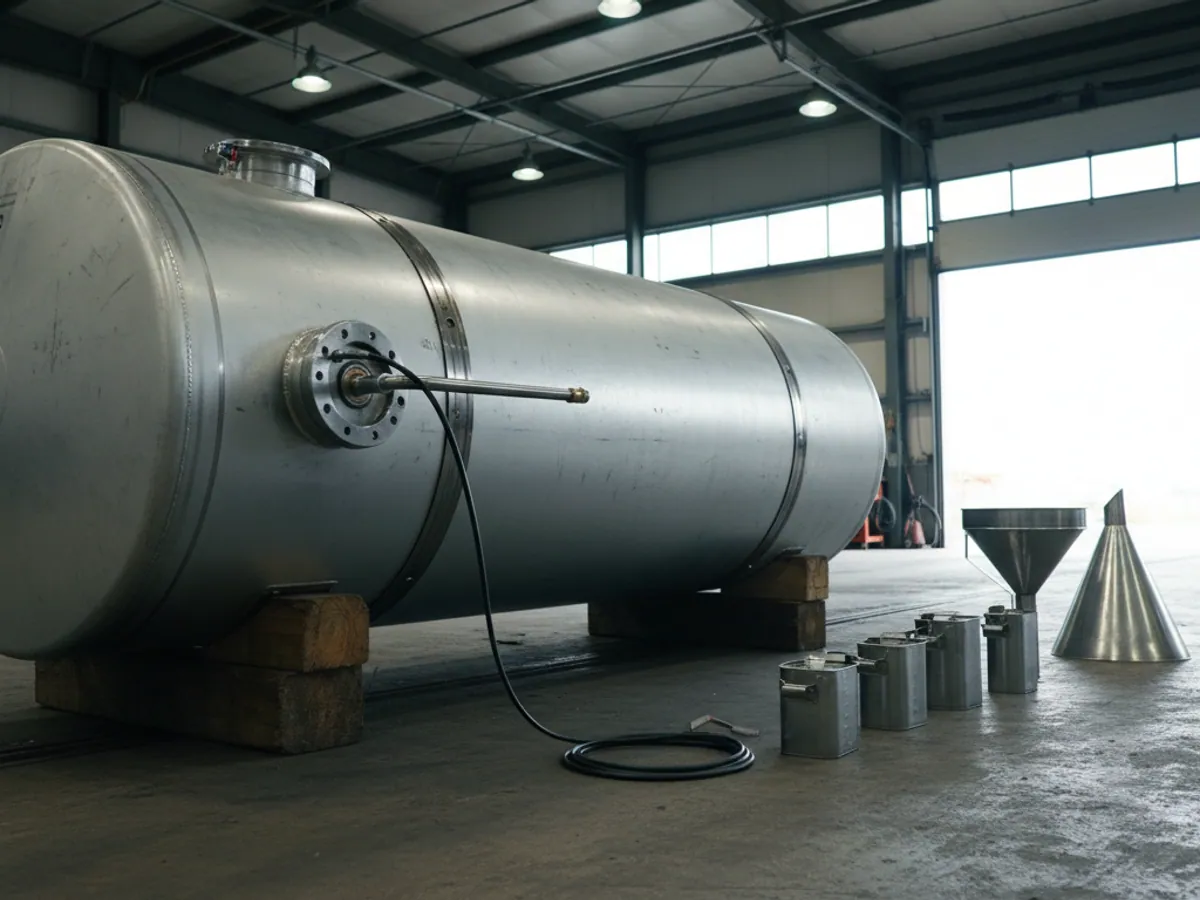
- The mechanic or garage manager — the servicing schedule, recording completed work in the system, checking the state of the equipment during repairs. If a tank has been removed for repair, the fuel level sensor needs recalibrating, and that is their area.
- The accountant — monthly reconciliation of mileage, fuel and waybills, and the export into 1C.
- The director — the weekly summary report and decisions about offenders and surplus vehicles.
- GPS.az — keeping the equipment and the platform working, changing settings, coming out for repairs, training new staff.
We set this arrangement down in a short two-page procedure. Without it, six months on the system runs on its own and the people run on their own.
When a stage counts as live
Monitoring and waybills
Every vehicle on the list is in touch, units in Wialon are named to the agreed rule, and for two weeks the electronic waybills reconcile with the paper ones without unexplained differences. A date has been set for dropping paper.
Fuel
The sensors are calibrated, the level charts are smooth, fuel card transactions are being loaded. Refuelling by card and by sensor has been reconciled for a control month, with the differences worked through vehicle by vehicle.
Servicing, documents and requests
Servicing intervals and document expiry dates are entered for every vehicle, the mechanic has recorded at least one cycle of work in the system, and vehicle requests go through the system rather than through a messaging app.
Integrations and reports
The export into the accounting system for a closed month matched the manual records, or the differences were explained. The director receives the summary and has confirmed that it carries the measures they need.
Scope of work and what stays with the company
What we do
The survey of processes, the roadmap with a budget per stage, fitting and configuring the equipment, setting up Wialon and FleetRun, training, the procedure covering roles, and ongoing support under contract.
What the company does
Appoints someone answerable for the system, approves the consumption norms and servicing intervals, releases vehicles for fitting to the schedule, and takes the decision to drop paper documents.
What the service does not cover
Restructuring the organisation, personnel decisions about drivers, and work on your accounting policy. We show the data and set out the options; the decisions stay with management.
Which processes we move into the system
Waybills and mileage records
Generated automatically from tracks, with the driver identified by key or identification card.
Writing off fuel
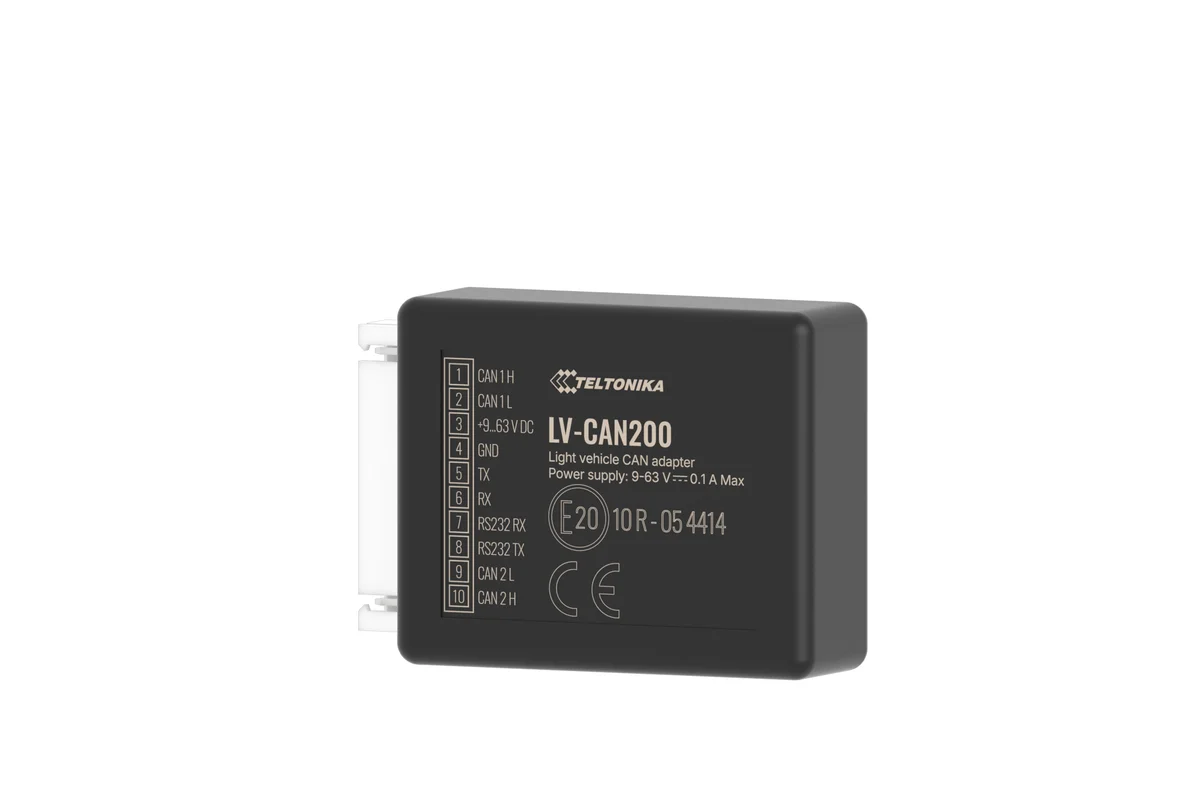
From fuel level sensors, the CAN bus and fuel card transactions, instead of norms applied to recorded mileage.
Planned servicing
Intervals by mileage, engine hours and calendar, with a history of work for each vehicle. More on the maintenance control page.
Document expiry dates
Insurance, inspections, transport permits and drivers' medical certificates, with reminders.
Vehicle requests
Who took a vehicle, when and why, tied to the trip that actually took place.
Reporting for management
A weekly summary of costs, utilisation and violations, sent by email on a schedule. Its figures can be relied on once the fuel and servicing stages are complete; before that some of the measures are calculated from norms, and we mark that in the report.
What changes in the figures
Waybills in minutes
Generated from tracks automatically. The dispatcher checks the exceptions rather than every sheet of paper.
Fuel on actuals
Written off from sensors and CAN instead of a norm applied to padded mileage. The size of the difference depends on how closely fuel was watched before; the real figure for your fleet becomes visible after the first two or three months.
Servicing by actual usage
Fewer sudden breakdowns and less downtime. Every vehicle is serviced on its own mileage and engine hours.
Cost of ownership becomes visible
The costs of each vehicle are gathered in one place. More on the fleet cost tracking page.
Paper records against records in a system
What changes across the five processes we look at during the first meeting.
| On paper | After digitalisation | |
|---|---|---|
| Mileage from the track rather than the odometer | No, copied out by hand | Yes, automatically |
| Fuel written off on actuals | No, on a norm from mileage | Yes, from the fuel level sensor, CAN and cards |
| Servicing by actual usage | No, from the mechanic's memory | Yes, by mileage and engine hours |
| Document expiry dates under control | No, remembered too late | Yes, a reminder 30 days ahead |
| Branches visible from Baku | By telephone once a week | Yes, in the same system |
Questions about “Digitalising fleet management”
Request a call
A specialist will call back and match a solution to your fleet and your task.