
CAN adapters and contactless connection:
on-board computer data without cutting the wiring
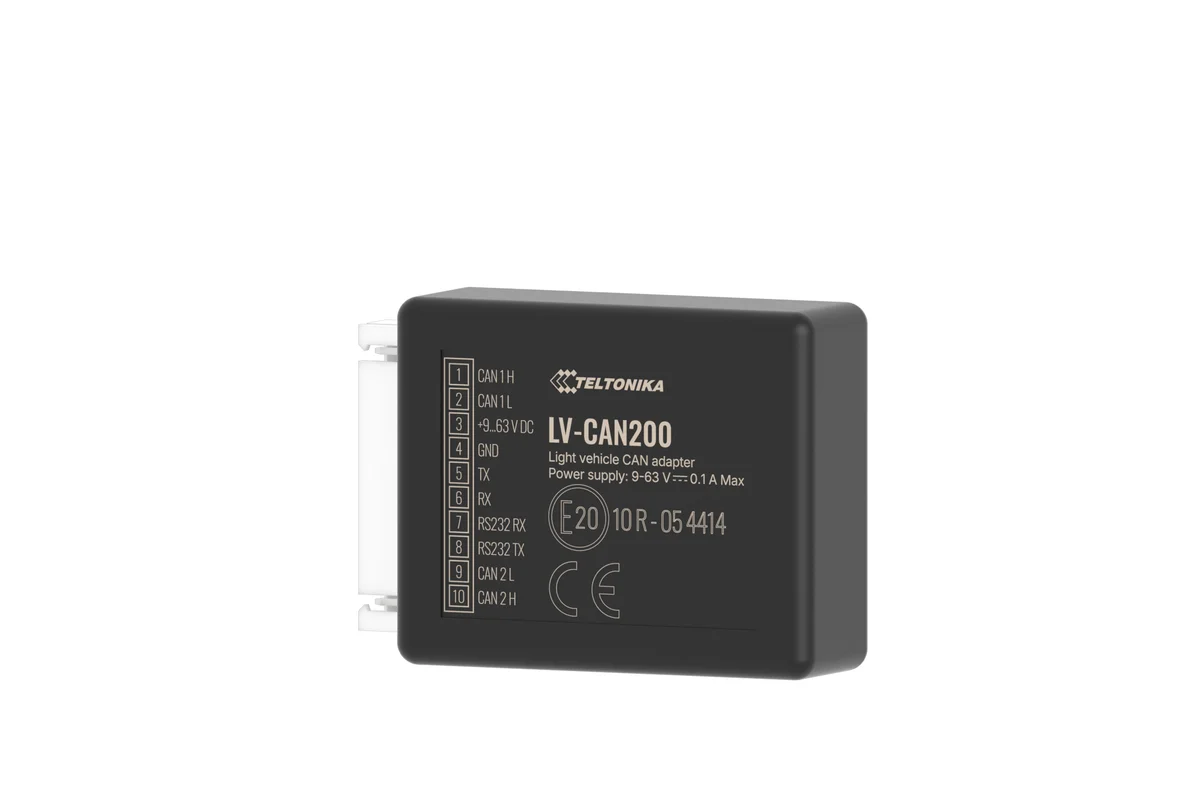
The LV-CAN200 and ALL-CAN300 CAN adapters decode data from the CAN bus: fuel, engine speed, mileage, engine hours and DTC fault codes. They connect to the bus directly or through the ECAN02 contactless reader, which picks the signal off the wires without cutting them. The support database holds 5000+ models, including leased cars and electric vehicles; we check your particular vehicle before installation.
Factory data without cutting into the wiring
A modern vehicle already measures everything monitoring needs: fuel level and consumption, engine speed, mileage, engine temperature, fault codes. That data travels on the CAN bus, but splicing into it directly means risking the electronics and the dealer warranty. On the leased Chevrolet Tracker and Onix cars that are common in Baku fleets, the contract often expressly forbids cutting into the wiring.
Two devices do the job here. The ECAN02 contactless reader clips over the insulation of the CAN wires and picks up the signal, breaking nothing and transmitting nothing into the bus. The LV-CAN200 or ALL-CAN300 CAN adapter decodes that signal into readable parameters and passes them to the tracker. Where the bus is accessible and the contract allows it, the adapter is wired to it directly, without the reader.
Fuel over CAN: where it is enough and where you need a fuel-level sensor
For average consumption and refuelling checks on cars, CAN data is often enough. The fuel level on the bus comes from the standard factory sensor and is coarse, so catching drains calls for a dedicated fuel-level sensor.
-
Level and consumption from the factory
The adapter passes on the readings of the standard sensors: fuel level in the tank and cumulative consumption. For car fleets, pickups and LCVs that is usually enough to see refuelling and abnormal consumption without drilling the tank. Small drains do not show up in this data: the standard sensor reports the level in steps.
-
Accurate mileage and engine hours
Mileage is taken from the odometer rather than calculated from GPS, so the figures in the reports match the dashboard — provided the model puts the odometer on the bus. Engine hours from the bus are an honest basis for planning servicing and for accounting for machinery running at idle.

When is a CAN adapter the right answer?
There are four typical situations where monitoring stays “blind” without reading the CAN bus:
Leasing and warranty
Lease agreements and dealer warranty terms often forbid any interference with the wiring. The contactless reader does not cut the bus wires, so no trace of a splice is left. It is still worth checking the terms of your particular contract in advance.
Hidden faults
DTC fault codes (check engine, oil pressure, overheating) reach the dispatcher with the tracker’s next data packet, provided the vehicle model puts them on the bus. The mechanic hears about the problem before the driver decides to “make it there somehow”.
Odometer tampering and padded mileage
Unplugging the GPS antenna does not change the mileage that comes from the odometer over CAN. A noticeable gap between the odometer and the GPS track is worth looking into: it can be manipulation, but also a loss of connection or a wrong setting.
Electric vehicles
An electric vehicle has no tank for a fuel-level sensor — all the data is on the bus and nowhere else: state of charge (SOC), remaining range, charging status. For BYD and Zeekr fleets the adapter is the main way to get battery data.
The adapter range
For cars and LCVs
A CAN adapter: it decodes bus data and passes it to the tracker. The entry model for cars and light commercial vehicles: fuel, mileage, engine speed, ignition, doors. It suits fleets of saloons, crossovers and delivery vans, provided the vehicle model is on the supported list.
Benefits of a contactless connection
No cutting into the wires
The ECAN02 reader does not cut the bus wires, so no trace of a splice is left.
Rich telemetry
Fuel, engine speed, mileage, DTC codes and engine hours from a single point.
Quick installation
Fitting one car takes about an hour.
Ready for EVs
Charge level, remaining range and charging status for electric vehicles.
What the cost is made up of
The final figure depends on the type of vehicle, the set of sensors and the size of the fleet. We will prepare an exact quote for your case free of charge after a short audit — within one working day.
Questions about CAN adapters
Request a call
A specialist will call back and match a solution to your fleet and your task.