
Engine operation and engine hours monitoring
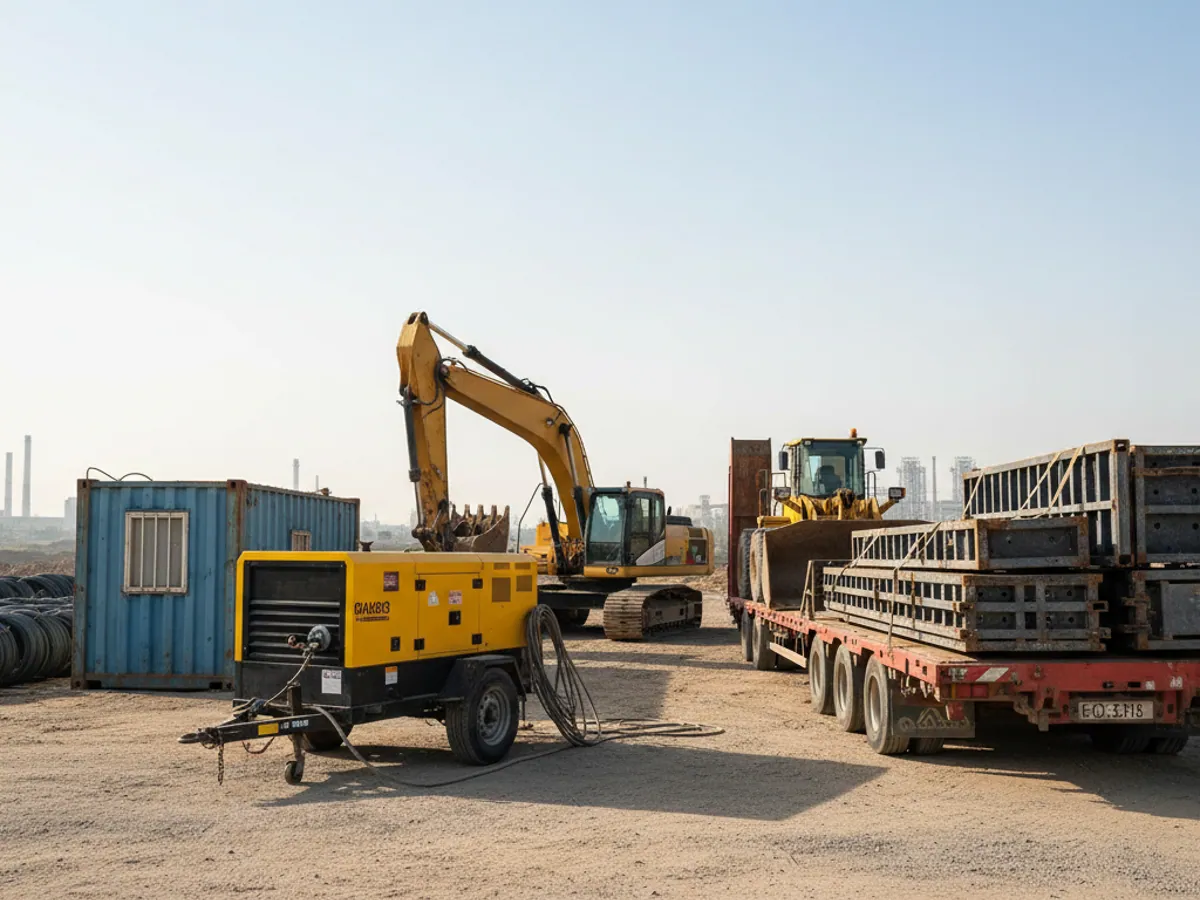
We set up engine hours accounting on plant and heavy equipment, tippers and diesel generators: over CAN, the alternator W terminal, oil pressure or a current sensor. Wialon then shows running time, idling and accumulated hours for a service schedule based on engine hours. Accuracy depends on the signal source: counting by ignition or by on-board voltage carries an error, so we choose the source during the survey.
Every machine reports an engine operation flag to Wialon from the chosen source, and the reports separate productive work, idling and standing still with the engine off. After the first week you receive a reconciliation report: how many hours the ignition was on, how long the engine ran, and how much of that was productive work.
Engine hours you can actually trust
An excavator stood idle half the day waiting for tippers, yet the operator's timesheet says eight hours of work. A generator on a site in Sumgait has clocked up more running time in a month than the diesel it physically holds would allow. Sound familiar? A mechanical hour meter is easy to stop, and a waybill is easy to write up after the fact.
An engine operation sensor records the real running time: when the engine was started, what revs it ran at and how long it spent turning over with nothing to do. The data goes to Wialon, which builds reports on engine hours, idle time and the service schedule from it.
On modern machines the source is the CAN bus. On older ones with no bus, we fit a separate sensor: alternator revolutions, oil pressure or on-board voltage. For diesel generators we add load monitoring. In the projects we have delivered, engine hours monitoring usually pays for itself most visibly on rented plant and in tipper fleets, where idling burns fuel by the hour.
How the work goes, step by step
Signal source
We check the CAN bus, the alternator W terminal and the oil pressure sensor, and take the most dependable option.
Tracker and sensor
Cabling in protective conduit, well away from hydraulics and hot components.
Revs and thresholds
We cross-check revs against the tachometer, set the idling threshold and carry over the engine hours from the existing meter.
Trial period
For 5–7 working days we compare the system's figures with the operator's timesheet and the mechanical meter.
Reconciliation report
Three figures for each machine, the reasons for any gaps, and the source of record for servicing and rental billing.
A week of accounting on an old excavator
An illustrative example: an excavator with no CAN bus on a site in Karabakh, with the signal taken from the alternator W terminal.
- Survey: no bus, so we use the W terminal site visit
The machine is not driven back to the depot; we do the fitting on site.
- Fitting, and revs cross-checked against the tachometer setup
We check at idle and at raised revs, and pick the idling threshold to suit the engine.
- Engine hours carried over from the mechanical meter service schedule
Service intervals come from the manufacturer's schedule, so the plan continues without a jump.
- Timesheet exceeds engine hours by 3 h per shift discrepancy
The rev chart shows it plainly: the machine sat with the engine switched off while it waited for tippers.
- Reconciliation report and source of record acceptance
The report gives three figures, the reasons for the gaps and which source counts as the record.
Where to take the engine operation signal from
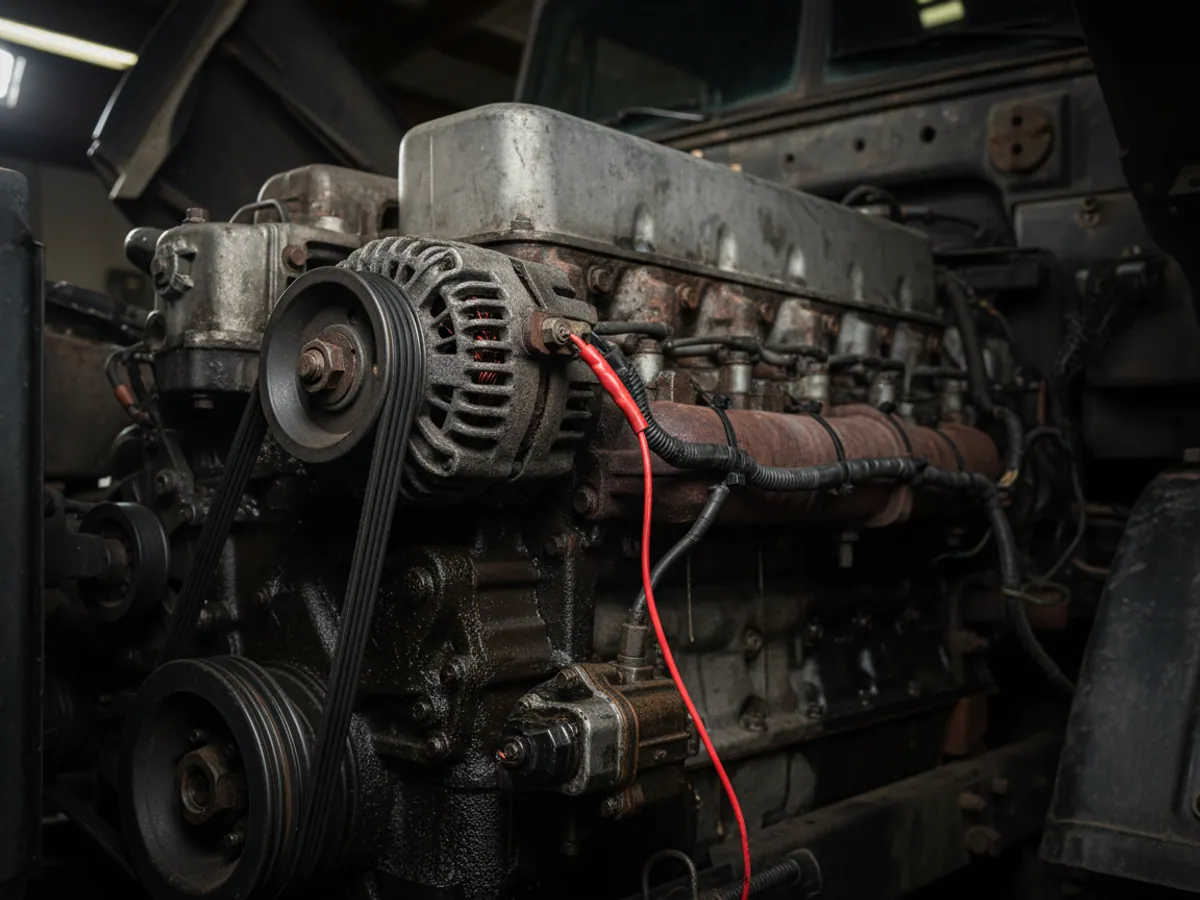
The choice of source decides how accurate the reports will be. During the survey we check every option and take the most dependable one available:
- CAN bus — revs, engine hours and engine load straight from the control unit. The best option for machines built after 2010; there is more on this on the CAN adapter installation page.
- Alternator W terminal — the pulse frequency is proportional to the revs. It works on older KamAZ and MAZ lorries, MTZ tractors and excavators with no electronics.
- Oil pressure sensor — there is pressure only when the engine is running. A simple and dependable running or not running flag, but with no revs.
- On-board voltage — it rises while the alternator is turning. The cheapest method and the most temperamental: a battery charger left connected produces false engine hours.
- Current sensor — for diesel generators: it shows not only that the set is running but also the load, that is, whether the generator is actually powering anything.
Ignition alone is not enough to count on. A turned key does not mean the engine is running, and the reverse is equally true.
What the system shows once it is installed
From the engine operation signal Wialon assembles several different reports — each one for a different person in the company.
Engine hours by day and by shift
Running time for every machine, broken down by shift and by site. For the site manager and the accounts department.
Idling shown separately from work
The engine is turning but the machine is standing still and the bucket is not moving — that is idle time, and it is paid for in fuel. The report shows it in hours and in litres.
Rev bands
How long the engine ran at idle, in the working range and at high revs. It helps to find the operator who thrashes the machine.
Service schedule by running time
Service intervals in engine hours: the system reminds the mechanic itself about oil and filter changes and scheduled work.

How the installation and setup go
Surveying a machine takes 15–30 minutes: we look at whether there is a CAN bus, whether the alternator terminal is accessible, and where the wiring to the oil pressure sensor runs.
Fitting a tracker with an engine operation sensor usually takes 1.5–3 hours per machine. An excavator or loader with a cab and no electronics takes longer: the cabling is run in protective conduit, well away from hydraulics and hot components.
Fitting is followed by the setup, which is the part people often skip:
- converting pulses into revs — cross-checked against the tachometer at idle and at raised revs;
- band thresholds — for example, anything below 900 rpm counts as idling and anything above it as work; the figures are picked to suit the particular engine;
- the starting engine hours value — carried over from the mechanical meter so that the service schedule continues without a jump;
- service intervals — taken from the manufacturer's schedule or from your own service plan.
From you we need the machine on site, access to the cab and the engine's data plate details. If the machine is working on a site in Karabakh or in a quarry, we come out to it: nobody is going to move an excavator to the depot for the sake of a sensor.
The reconciliation report: three figures not to be confused
Time with the ignition on
How many hours the key was in the on position. A supporting figure: it also takes in time when the engine was never started, and warm-up.
Engine running time
The hours when the engine was genuinely running, according to the chosen source: CAN, the W terminal, oil pressure or current. This is the figure that feeds the service schedule.
Productive running time
The part of the engine's running time when the machine was moving, when working rev bands were in use or when attachments were operating. Idling is not included. The rule we use to work it out is written into the report.
Trial period
Usually 5–7 working days. For every machine we compare the three figures with the operator's timesheet and with the mechanical meter, if it still works.
Gaps and their reasons
Wherever the figures do not match, we record why: the meter has stopped, the operator left the machine idling, warm-up in cold weather. If the cause lies in the setup, we correct the threshold and recalculate.
The figure of record
The report states which source counts as the record for servicing, for the timesheet and for settlements with the hirer. That removes most future arguments.
What the work covers and where it stops
Included
The survey and choice of signal source, fitting the tracker and sensor, converting pulses into revs, band thresholds, carrying over the starting engine hours, service intervals and the reconciliation report for the trial period.
Not included
Repairs to alternators, wiring and mechanical meters, reworking the electrics of older machines, and the servicing records themselves, which stay with your own workshop. If a dependable signal cannot be obtained without repairs, we say so before the fitting.
Acceptance
Engine hours do not increase while the engine is switched off, the revs in the system match the tachometer at idle and at raised revs, and any gap against the timesheet over the trial period is explained in the report.
Solutions tailored to particular industries
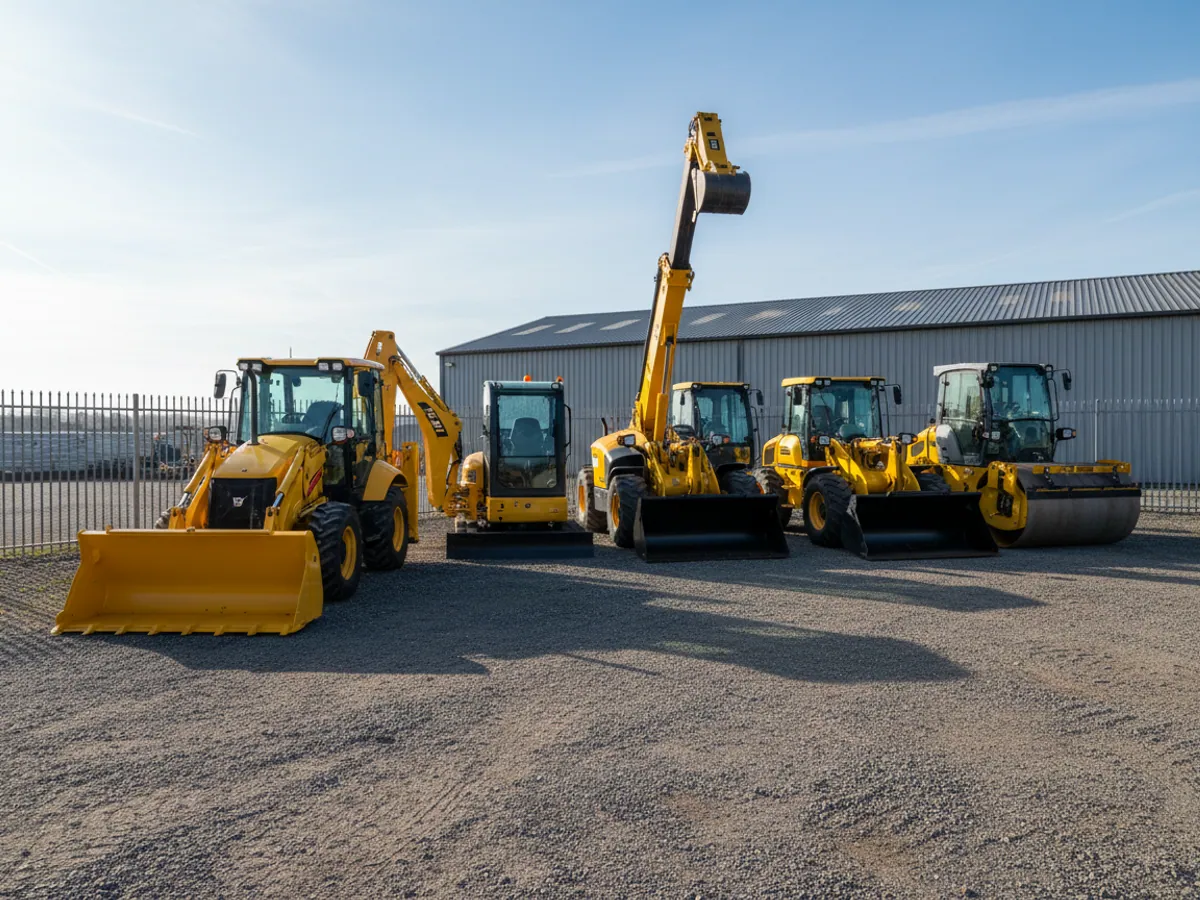
Running time monitoring for construction and road-building machines


Where engine hours accounting can mislead you
We allow for these situations during the setup, so that the report does not turn into a reason to argue with your own mechanics:
Counting by ignition
A key in the on position with the engine never started produces false engine hours. That is why ignition is only a supporting indicator.
Battery chargers
If the count runs on on-board voltage, a connected charger starts the engine as far as the report is concerned. For machines like that we choose a different signal source.
Disagreement with the meter
Mechanical meters on older machines often read wrong or have stopped altogether. A small difference against the sensor is normal, and we agree in advance which figure counts as the record.
Alternator or pulley replacement
A different pulley changes the gear ratio, and the revs read off the W terminal start coming out wrong. After a repair like that the coefficient has to be set again.
What our clients usually get out of it
Servicing by real running time
Maintenance based on actual engine hours rather than the calendar: fewer parts changed early and fewer scheduled jobs missed.
Padded hours show up the same day
The operator's timesheet is checked against the engine hours from the system. A gap of a few hours over a shift is visible the following morning, and disputed cases are settled from the rev chart rather than in conversation.
Less idling
Once standing still with the engine running is visible in a report, there is less of it. Across tipper and plant fleets the fuel saving from this is usually 5–15%.
A clear picture of fleet utilisation
You can see which machines are working and which merely exist on paper. That is the basis for deciding whether to buy more machines or redistribute the ones you have.

The warranty, and what to do with engine hours next
The fitting and setup of the sensor come with a warranty: if the engine hours start counting incorrectly for any reason other than repairs to the machine, we come out and put it right free of charge. Checking the quality of the installation is easy: compare the engine hours in the system with the hours the machine actually worked on a day you know about, and see whether they increase while the engine is switched off. They should not.
Running time reports are described in detail on the engine hours monitoring for plant and heavy equipment page, and the workload of the fleet as a whole in the fleet utilisation section. For service planning, engine hours are passed to the maintenance control module or to Wialon FleetRun. If you hire out machinery, take a look at the GPS monitoring for plant hire page.
What we use on the job

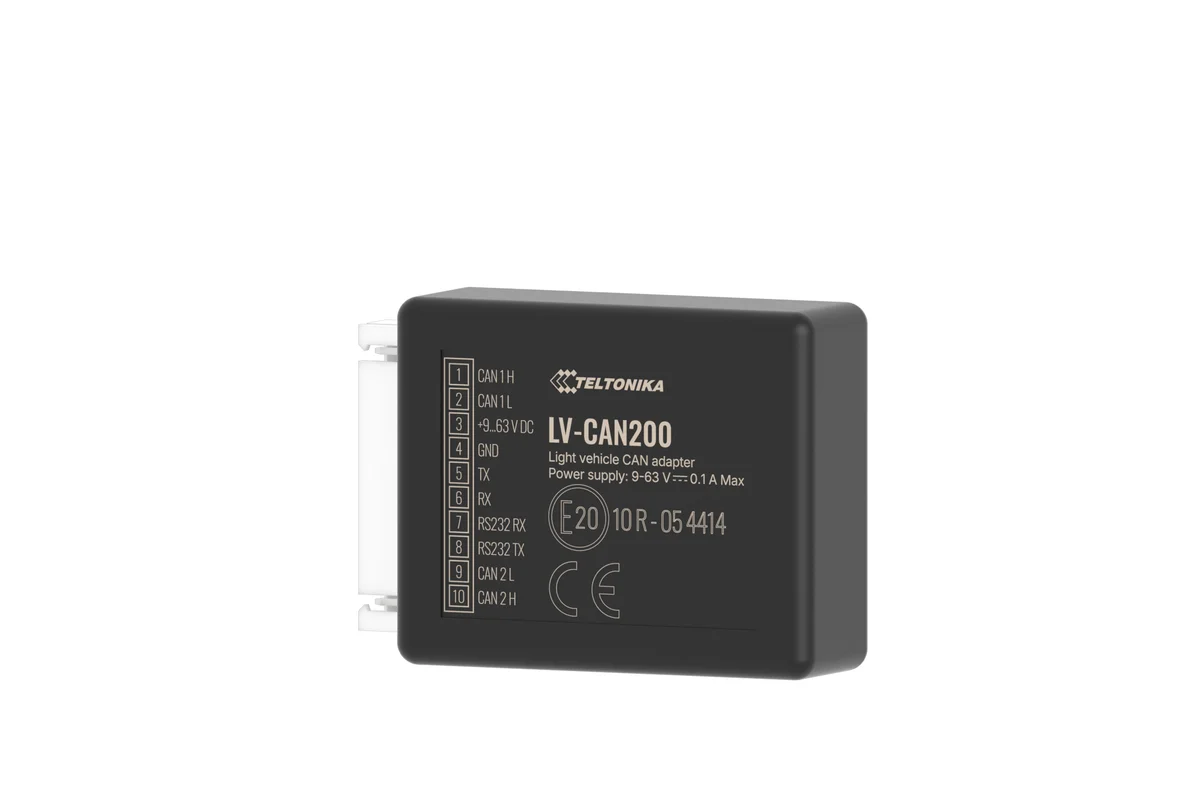
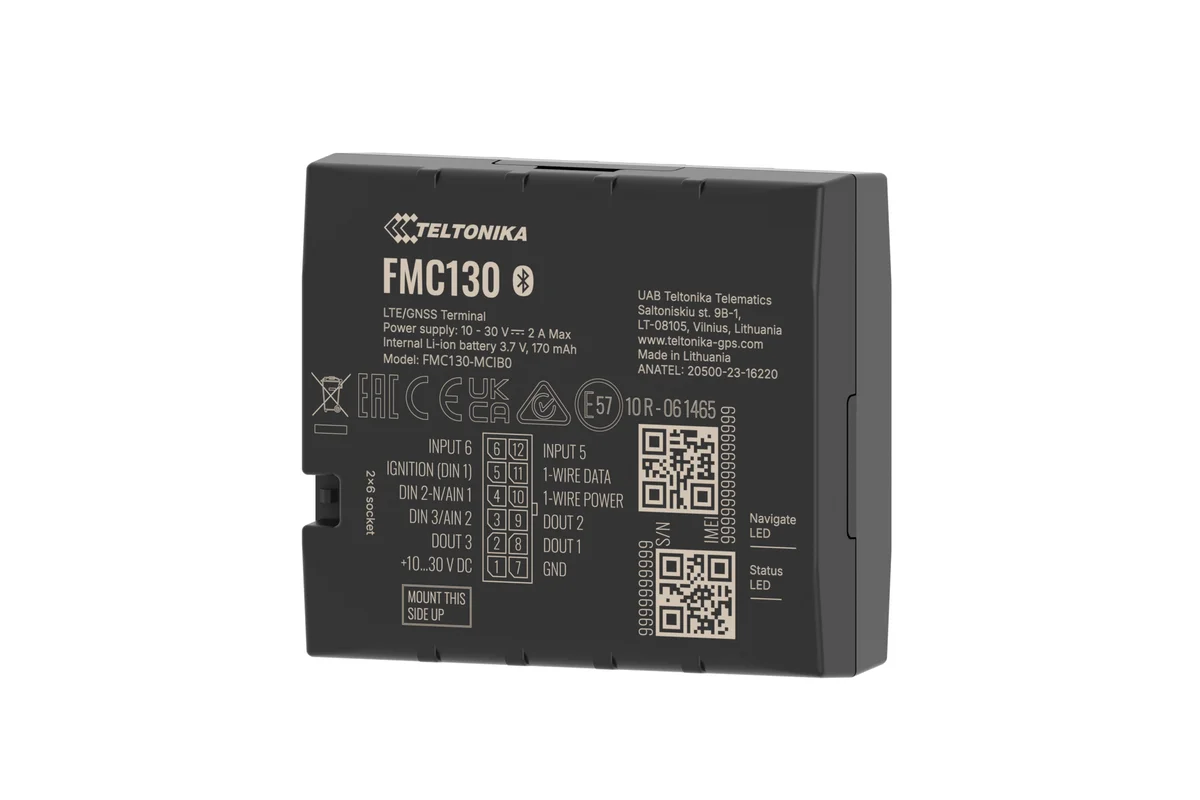
Where we take the engine operation signal from
The source is chosen during the survey. Ignition alone is not enough to count on.
| CAN bus | W terminal | Oil pressure | On-board voltage | |
|---|---|---|---|---|
| Engine revs visible | Yes | Yes | No | No |
| Suits machines with no electronics | No | Yes | Yes | Yes |
| Resistant to false engine hours | Yes | Yes | Yes | No, charging interferes |
| Engine load | Yes, if the model reports it | No | No | No |
| Points to note | Model support | Needs recalibrating if the pulley is changed | Only running or not running | The most temperamental method |
Questions about “Engine operation and engine hours monitoring”
Request a call
A specialist will call back and match a solution to your fleet and your task.