
Temperature-controlled transport and cold chain monitoring in Azerbaijan
Temperature sensors in the body, monitoring of the refrigeration unit and of door openings — with a notification to the dispatcher while the load can still be saved. For hauliers carrying meat, dairy, ice cream, vegetables for export and medicines.
Why the cold chain breaks more often during an Azerbaijani summer
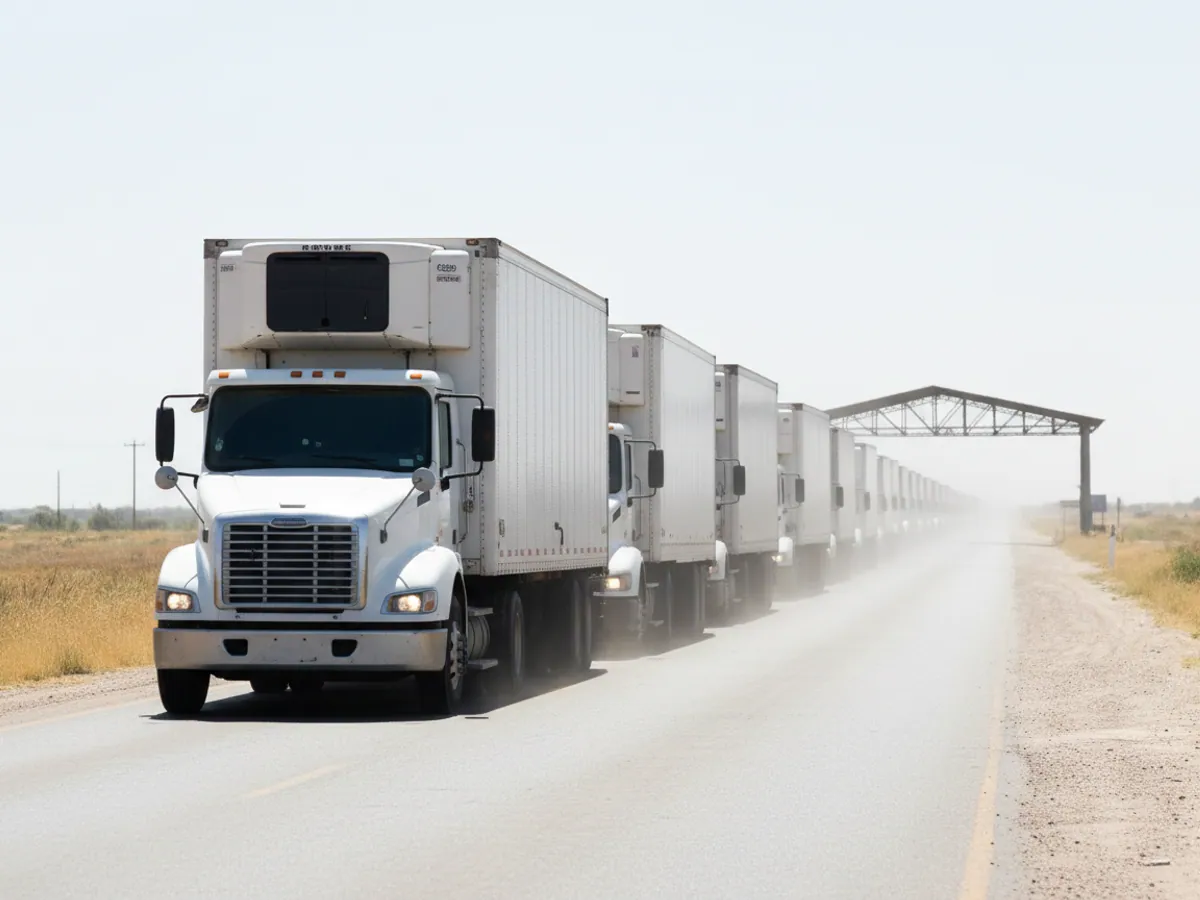
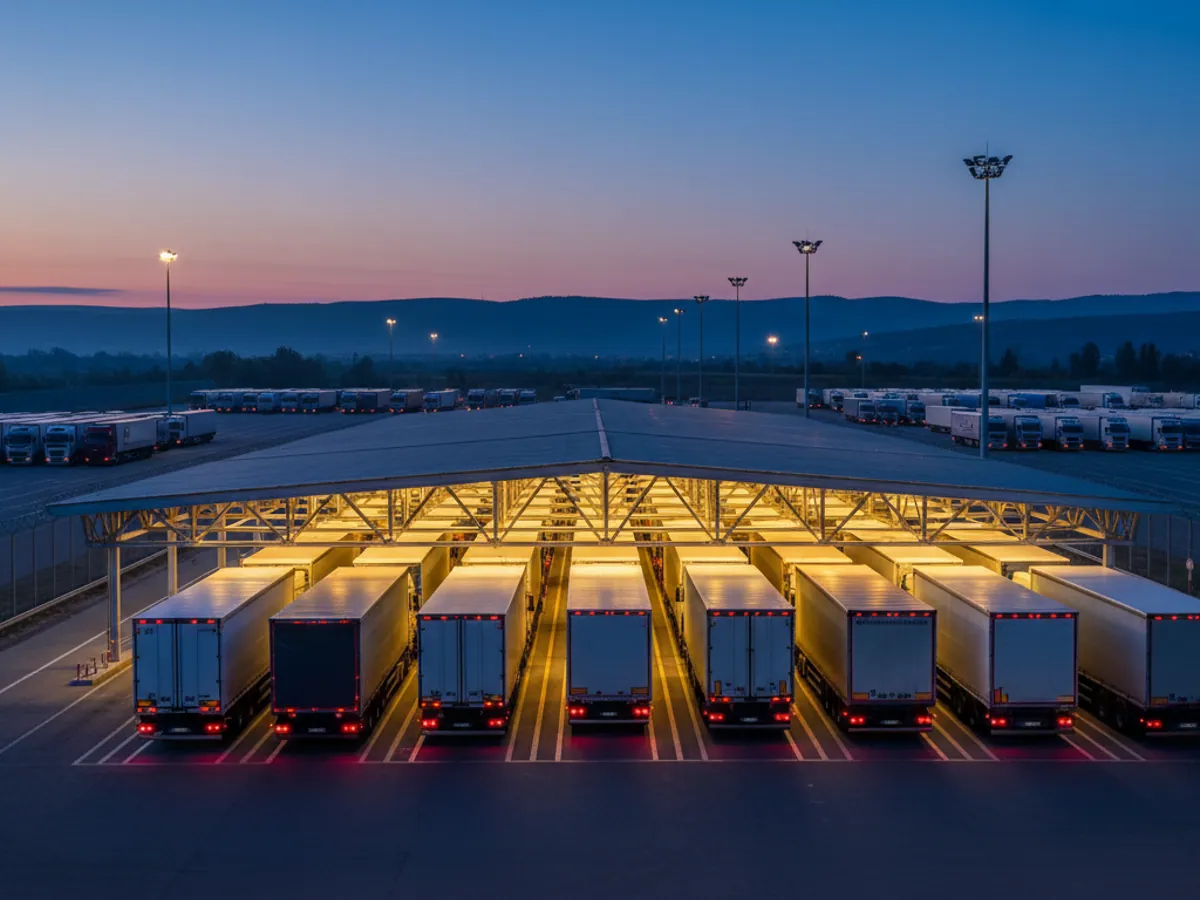
In July the tarmac on the Baku — Guba road gets hot enough that an insulated body with the unit switched off warms through in an hour to an hour and a half. A refrigerated unit standing in the sun in the queue at the Yalama border crossing or at the entrance to the port of Alat has to work at its limit, and it is in exactly those hours that most problems happen: the unit throws an error, the driver shuts it down for half an hour, the doors are opened for inspection.
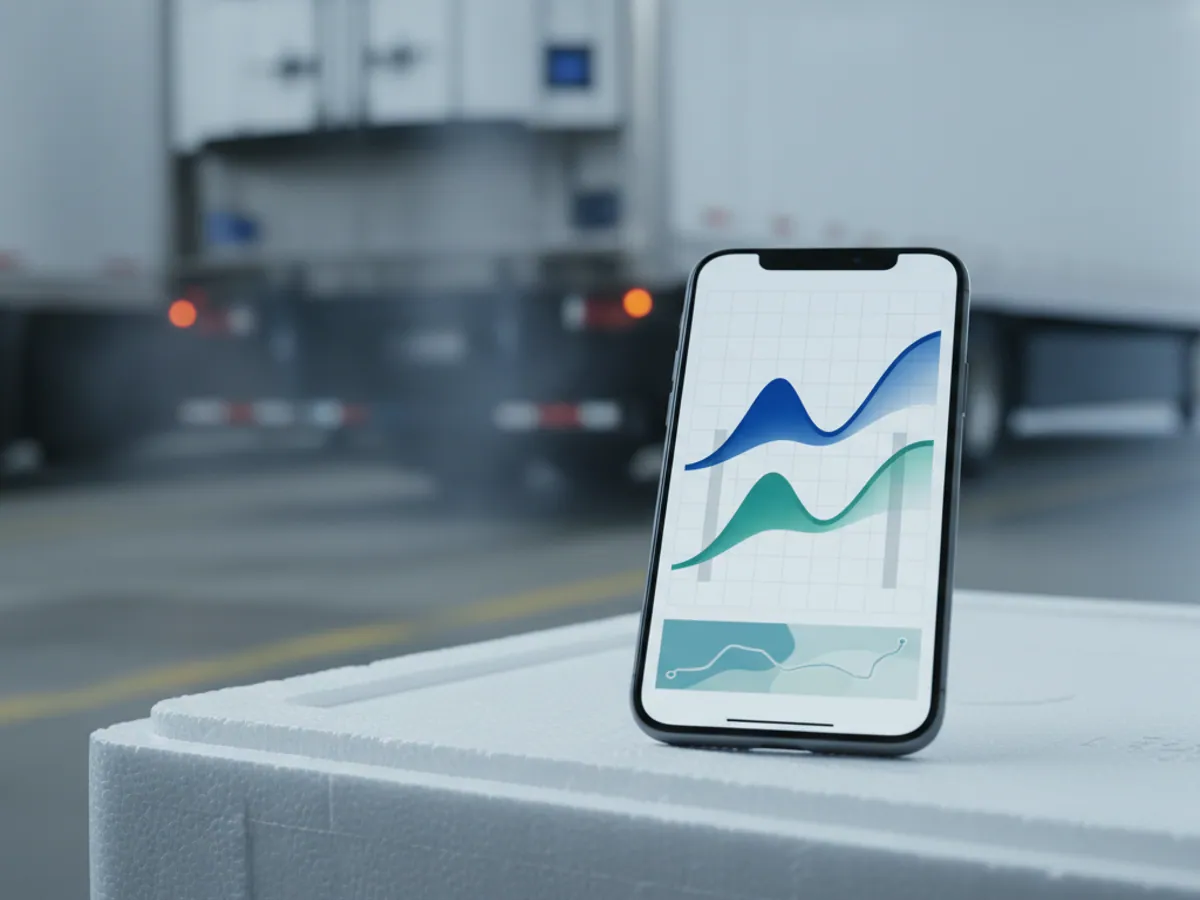
Temperature monitoring exists so that you see this while it is happening, rather than finding out at delivery. The tracker sends the body temperature every minute or two, the dispatcher sees the chart, and when the reading leaves the agreed band a message arrives by Telegram or SMS.
The archive of that data is your argument when a retail chain or a consignee in Russia claims the load arrived warm.
Six hours at Yalama: what a run with temperature control looks like
A refrigerated unit carrying tomatoes from the greenhouses of Absheron is heading for Russia. The band is set at +6…+10 °C. There is a queue at the Yalama crossing, the vehicle has been standing since morning, the outside temperature is +38.
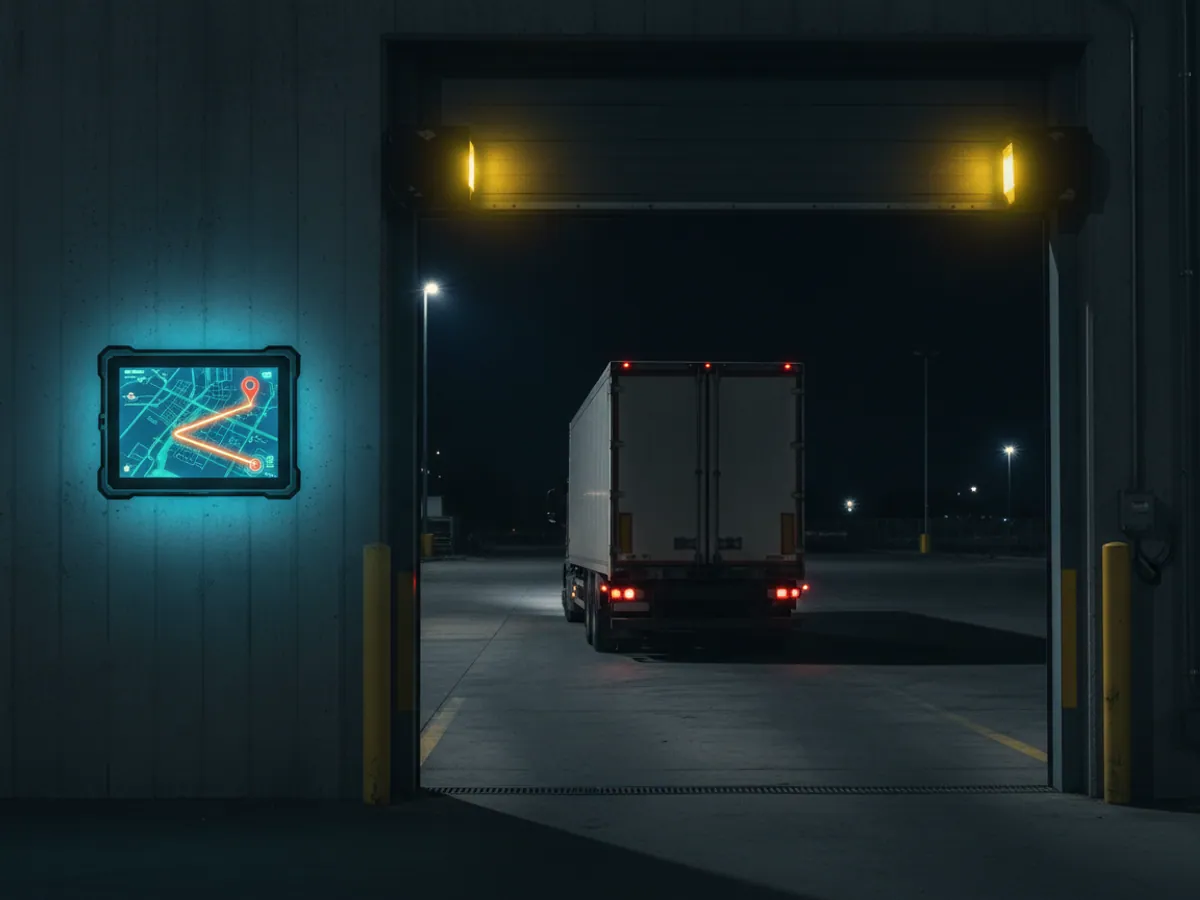
At 13:40 the sensor by the rear doors reads +11, ten minutes later +12. The dispatcher receives a notification. He looks into Wialon: the unit is running, but according to the operation sensor the reefer engine has gone into start-stop mode and stays off for long stretches. A call to the driver, the unit is switched to continuous mode, and by 14:30 the temperature is back inside the band.
Without monitoring nobody would have noticed this episode until unloading. With monitoring it took half an hour and left a record in the archive: how many minutes the load spent outside the band and by how much. If the consignee raises a claim, you have a chart covering the whole run. A temperature recorder printout at unloading shows nothing of the sort.
What the system monitors in a refrigerated vehicle
Sensors in different zones of the body
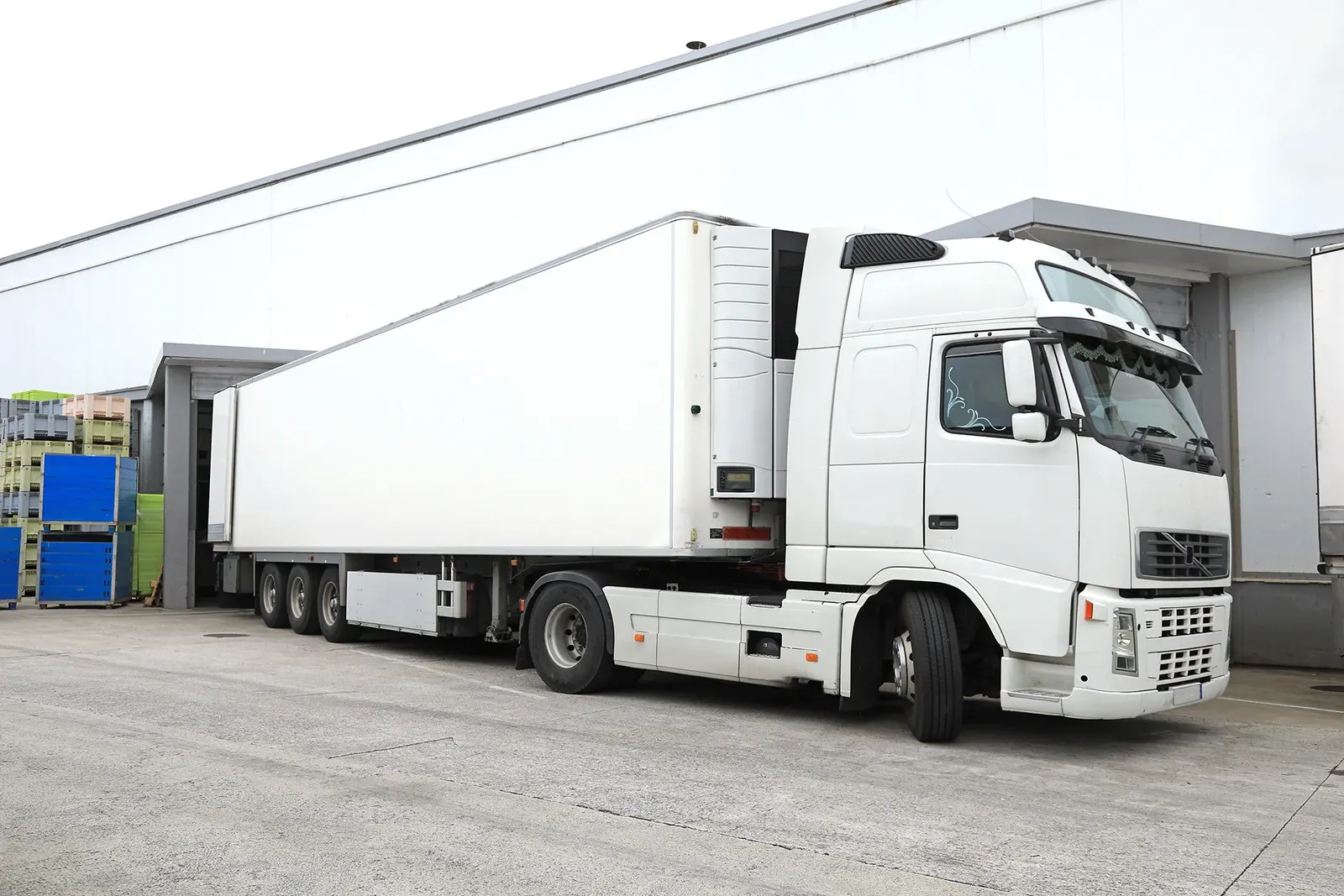
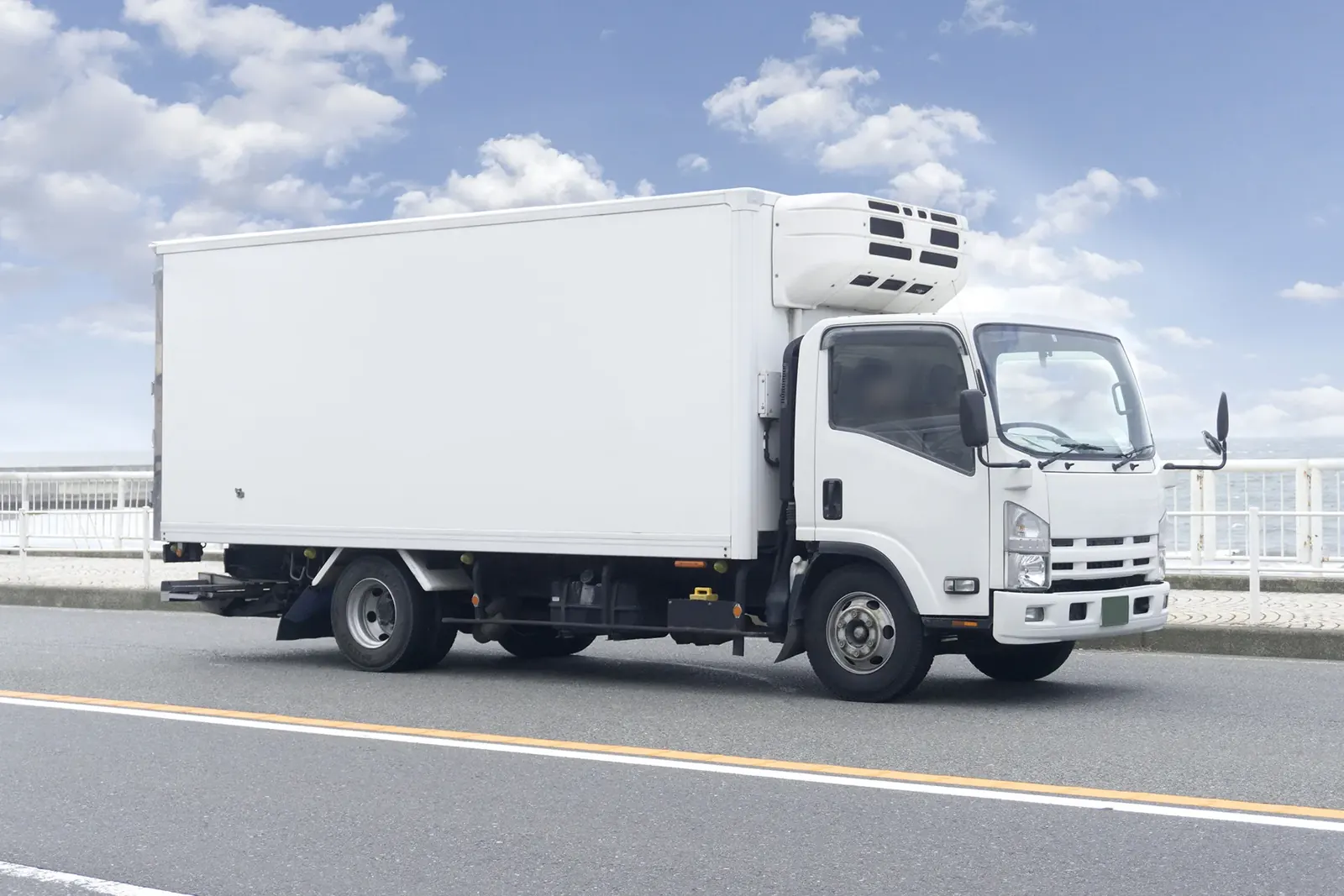
A single sensor under the ceiling by the evaporator shows the temperature of the air leaving the unit, not the temperature of the load. That is why in a 7–8 m van we fit at least two sensors: by the evaporator and by the rear doors, where it is warmest. For semi-trailers and multi-temperature bodies, three or four.
Sensors can be wired (connected to the tracker over 1-Wire) or wireless Bluetooth, for example the Teltonika EYE Sensor: it sticks to the wall and needs no holes drilled in the body. More about fitting on the temperature sensor installation page.
Why a normal temperature at unloading proves nothing
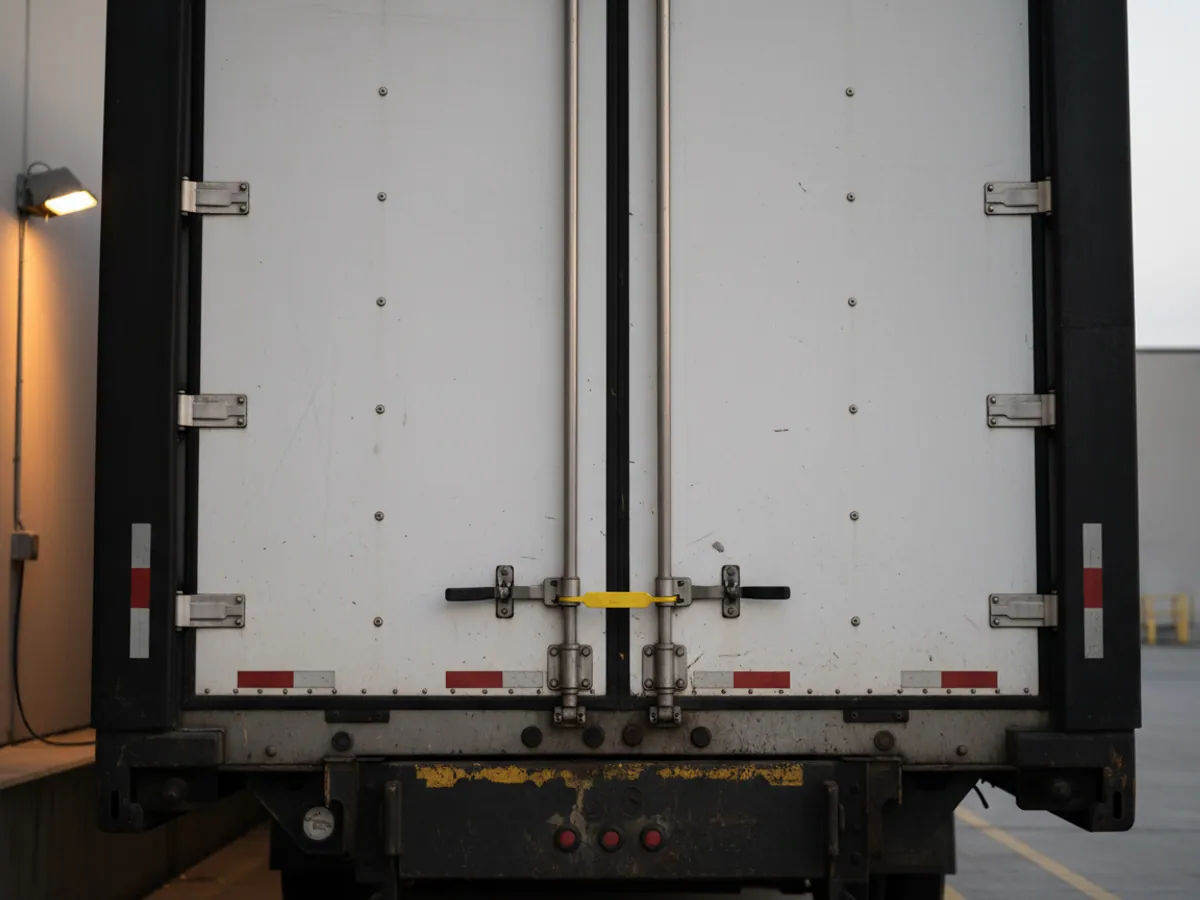
The commonest cause of a spoiled consignment is the driver switching the unit off on the road. A reefer diesel burns a noticeable amount of fuel per hour, and the litres saved can be sold or simply not bought. An hour before unloading the unit goes back on, the body cools down, and the goods-in clerk sees normal figures on the thermometer.
But ice cream that thawed and froze again is given away by the ice crystals. Meat that spent several hours at +12 will have a shorter shelf life. The claim arrives a week later, and there is no way to prove where the regime was broken.
When the system shows the unit's operation separately from the tractor unit's engine, that kind of saving becomes hard to hide. This works on one condition: that the dispatcher really does look at the temperature chart and the reefer engine hours and goes through every case with the driver.
If the reefer has its own tank, a fuel level sensor can be fitted there too — then drains from it become visible as well. The general principles of working with temperature are set out on the cold chain control page.
How carrying perishables without control ends
Losses in cold chain logistics rarely look like one big incident. More often they are regular small breaches that surface at the consignee:
A rejected consignment
Retail chains and distribution centres refuse to accept goods when the temperature regime is in doubt. The return run and the disposal are at the haulier's expense.
Claims a week later
Spoilage does not show up straight away. If you have no chart covering the whole run, the dispute goes to whoever has the paperwork.
Reefer fuel going astray
The unit is switched off to save diesel. On long legs this shows up both as an overspend in the accounts and as a spoiled load.
A lost contract
Pharmaceutical distributors and large chains increasingly require a temperature log for every run. Without one a haulier is simply not admitted to the tender.
What equipment we fit in a refrigerated vehicle
A tracker with sensor inputs
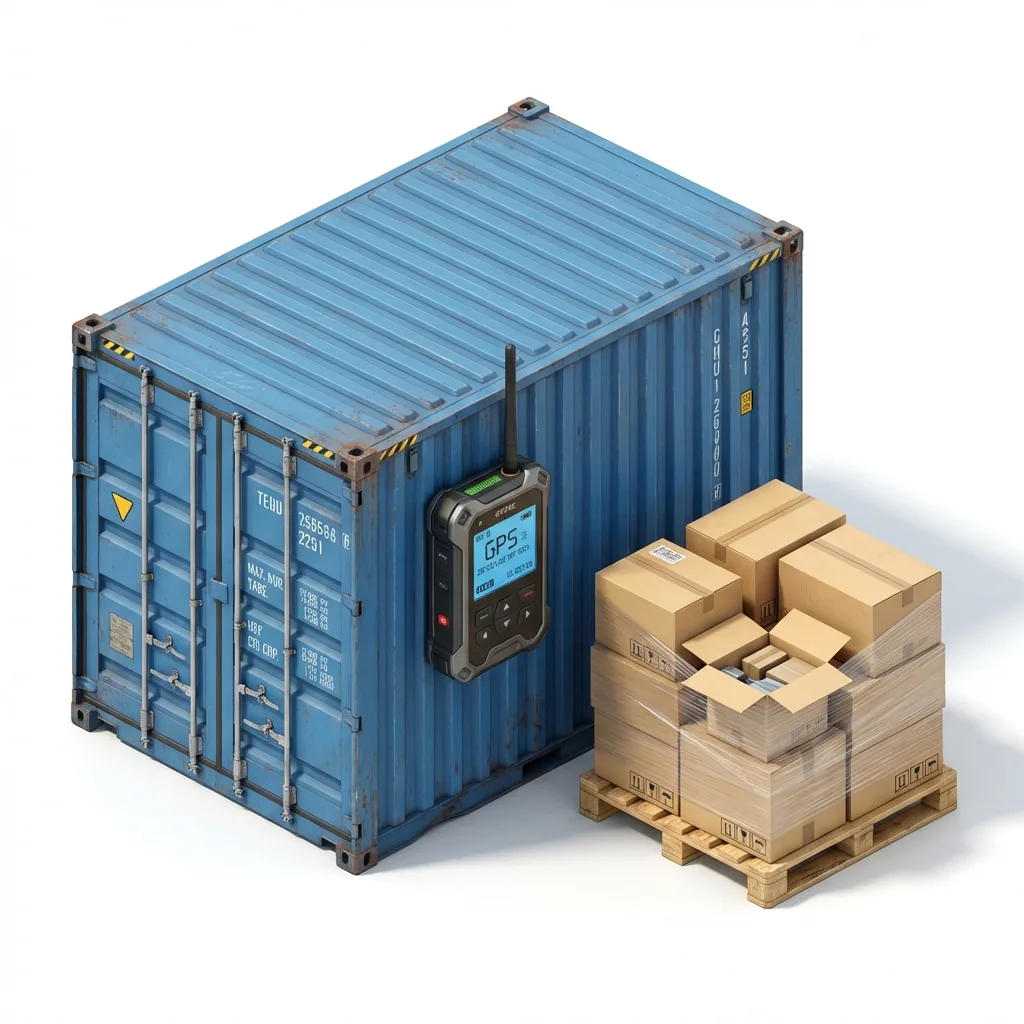
The basis of the kit. It needs inputs for temperature and door sensors, and for a semi-trailer the ability to run off the tractor unit's battery and a back-up battery. For long international runs we choose models that support the tractor unit's CAN.
Temperature sensors
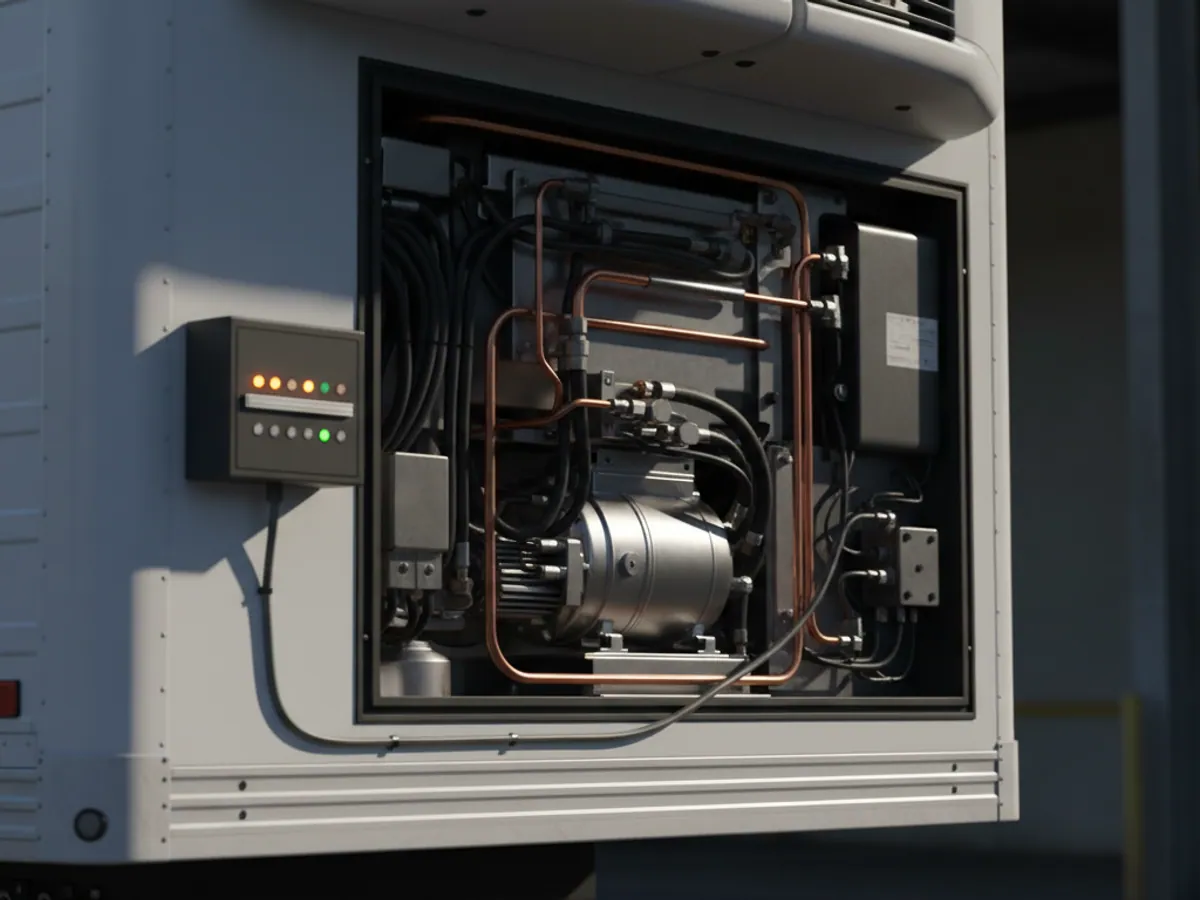
Wired digital ones are more reliable and cheaper in the long run, but need a cable routed into the body. Wireless Bluetooth ones are quicker to fit and convenient on interchangeable semi-trailers, but their battery has to be replaced every few years.
A reefer unit operation sensor
Records when the unit is switched on and off. If the controller supports data exchange, we connect to it directly and get the mode and the fault codes.
Door sensors
One per door, including the side door. On delivery vans with frequent openings they are essential, otherwise there is nothing to explain the temperature spikes with.
A fuel level sensor in the unit's tank
Optional, if the reefer has a separate tank. It shows refuelling and drains just as it does for the tractor unit's main tank.
A video recorder
For high-value loads and runs across the border. A camera in the body shows who opened the doors and when, and what happened to the load.

Pharmaceuticals and GDP requirements: what we provide and what we do not
Pharmaceutical distributors work to Good Distribution Practice (GDP), and a haulier is audited on documents. Our system covers part of those requirements: continuous recording of the temperature in the body, notifications when it leaves the range, archive storage and a report for every run tied to time and place.
But we will say honestly what it does not replace. Validation of the body and temperature mapping are carried out to a defined method with calibrated loggers, and that is separate work. If your auditor requires sensors with a calibration certificate, that is discussed when the equipment is chosen: not every sensor suitable for carrying vegetables will do for vaccines.
For pharmacy chains and distributors we have a separate page on pharmaceutical chains, and the whole range of solutions for the industry is gathered in the logistics and warehousing section.
The temperature has left the band: who does what
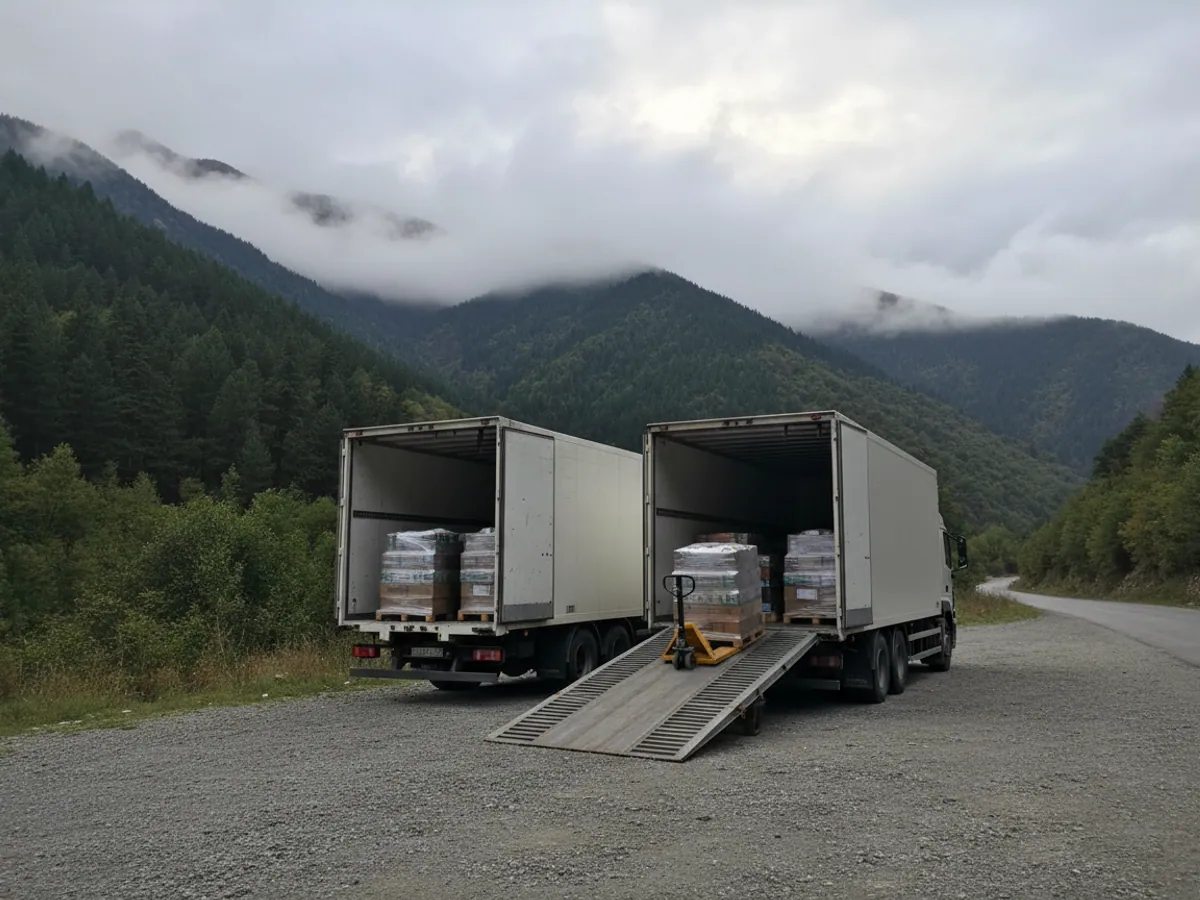
A sensor and a notification save nothing by themselves. What saves the load is a person who received the message and managed to step in. So before launch we work out the response procedure with you, usually in three stages:
- Warning. The temperature is approaching the edge of the band, or the reefer unit has been off for more than a few minutes. The message goes to the driver and the duty dispatcher. The dispatcher rings the driver and establishes the cause.
- Alert. The temperature has left the band and stayed outside it longer than the agreed time. The shift supervisor receives the message. The decision: stop and check the unit, transfer the load to another vehicle, or return to the warehouse.
- Escalation. The breach continues, or there is no contact with the vehicle. The person responsible for quality at the cargo owner is informed and the event is recorded in the run log, so that the decision about the consignment is taken by them rather than by the driver.
The time thresholds depend on the load: they differ for frozen goods and for chilled dairy products, and they are set by the cargo owner's technologist, not by us. Thresholds that are too tight produce a stream of false alerts every time the doors open at unloading, and within a week people stop reading them.
We also agree separately what to do when contact is lost on a mountain pass or in the hills: the tracker writes the data to memory and sends it on later, but at that moment the dispatcher sees nothing, and the procedure has to allow for that.
The delivery temperature report and the pilot
A temperature report is useful when its format has been agreed with the consignee before the first run. Otherwise the chain or the distributor will say they need something different.
What a delivery report for a run usually contains: the run and vehicle number, where each sensor sits (by the evaporator, in the middle, by the doors), the band that was set, a chart for each sensor, door opening marks with the address, the intervals when the reefer unit was running and idle, periods without communication, and excursions outside the band with their duration.
An important caveat: sensors in the body measure air temperature, not product temperature. Acceptance by product temperature requires the goods-in clerk's probe or a sensor inside the packaging. We say this in advance so that the report is not passed off as something it is not.
For a pilot on 2–5 refrigerated vehicles you need: the cargo owners' band requirements for each type of load, the loading plan for the body, contacts for the duty staff at each response stage, and a sample of the report the consignee wants.
We count the pilot as successful if: every run has a complete report with no unexplained gaps in the data; every warning and alert has a record of the response; false alerts have been reduced by tuning the thresholds to the point where the dispatcher reads every message; and the consignee has accepted the report format.
How quickly temperature control pays for itself
One consignment saved
A trailer load of frozen meat or ice cream is worth many times more than the equipment for temperature control. So the convenient way to look at payback is this: compare the cost of equipping the fleet with the value of the consignments written off, or paid out on claims, over the past year. An alert only helps if someone reacts to it in time, which is covered below.
Reefer fuel
When drivers stop switching the unit off to save fuel, consumption goes up but becomes predictable. In exchange, the write-offs of spoiled loads disappear.
Disputes won
The temperature and door archive lets you fight off some of the claims that used to be paid without argument.
Access to contracts
Chains and pharmaceutical companies are readier to work with a haulier who sends the temperature log unprompted. That is a direct argument in a tender.
Questions about monitoring refrigerated vehicles
What is used in this sector
What we do end to end
Wialon modules for this sector
How it is used in this industry
Case studies from “Logistics & Warehousing”

Thinking of rolling out GPS monitoring in “Cold chain logistics”?
Send us an enquiry and we will price it up for your fleet and pick the hardware for this sector: logistics & warehousing.
- 1 We pin down the task
A specialist calls back and asks about the vehicles, how many there are and what you need to keep an eye on.
- 2 We put a solution together
We propose the hardware and the features, and set out the one-off and the monthly cost separately.
- 3 We agree the fitting
At your yard or at ours, on a schedule that keeps the vehicles working.
Request a call
A specialist will call back and match a solution to your fleet and your task.