

GPS control of sales representatives and distribution
For distributors of food, drinks and household chemicals: real sales representative visits confirmed by GPS track, control of merchandisers and delivery vehicles, and fuel consumption for every Porter and Isuzu. A report for the supervisor every morning, with no manual reconciliation.
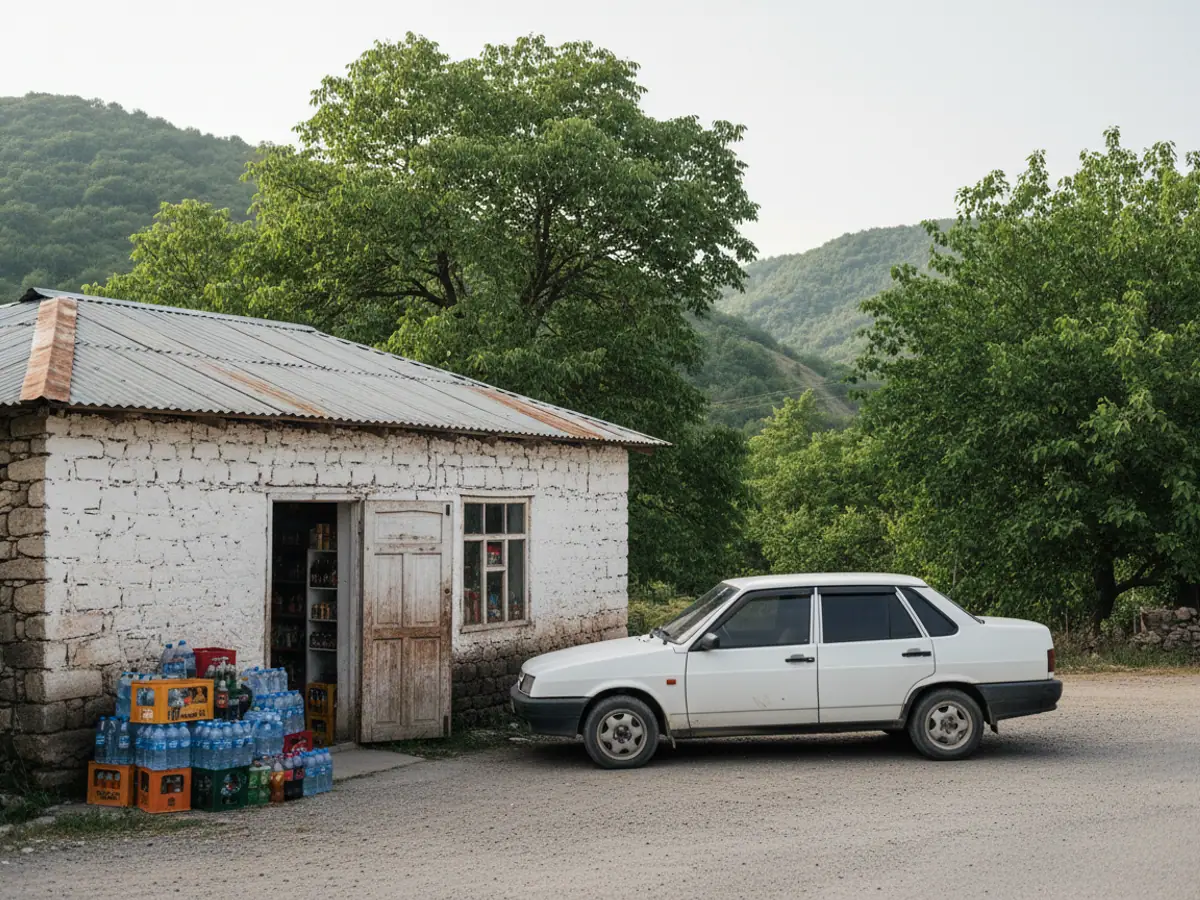
Sales happen in the shop and are controlled from the office
FMCG distribution in Azerbaijan rests on thousands of small shops: corner markets in Baku, village stores in Shamakhi and Ismayilli, wholesale outlets at Sadarak. A sales representative calls on 20 to 30 such outlets a day, and for almost all of that time is out of the manager's sight.
Hence the classic problem: the report shows 25 visits, while in reality half of them were phone calls made from the car. The result is orders below what they could have been and shelves where a competitor has taken your space.
GPS control of sales representatives lays the actual track over the visit plan. The system works out for itself which outlets the employee was at, how long they spent there and which ones they skipped. The supervisor sees this the next morning, not at the end of the month.
Where a distributor loses money
From our experience of rollouts at distributors, the losses fall into two parts: the field team and the delivery fleet.
Visits made by telephone
Distant outlets in the districts get a phone call instead of a visit. The order comes in smaller, nobody checked the display, and a competitor takes the shelf space.
A two-minute visit
The representative pulled up, logged the visit and drove off. Formally the outlet was visited, but there was no check of stock, no check of price labels and no conversation with the shopkeeper.
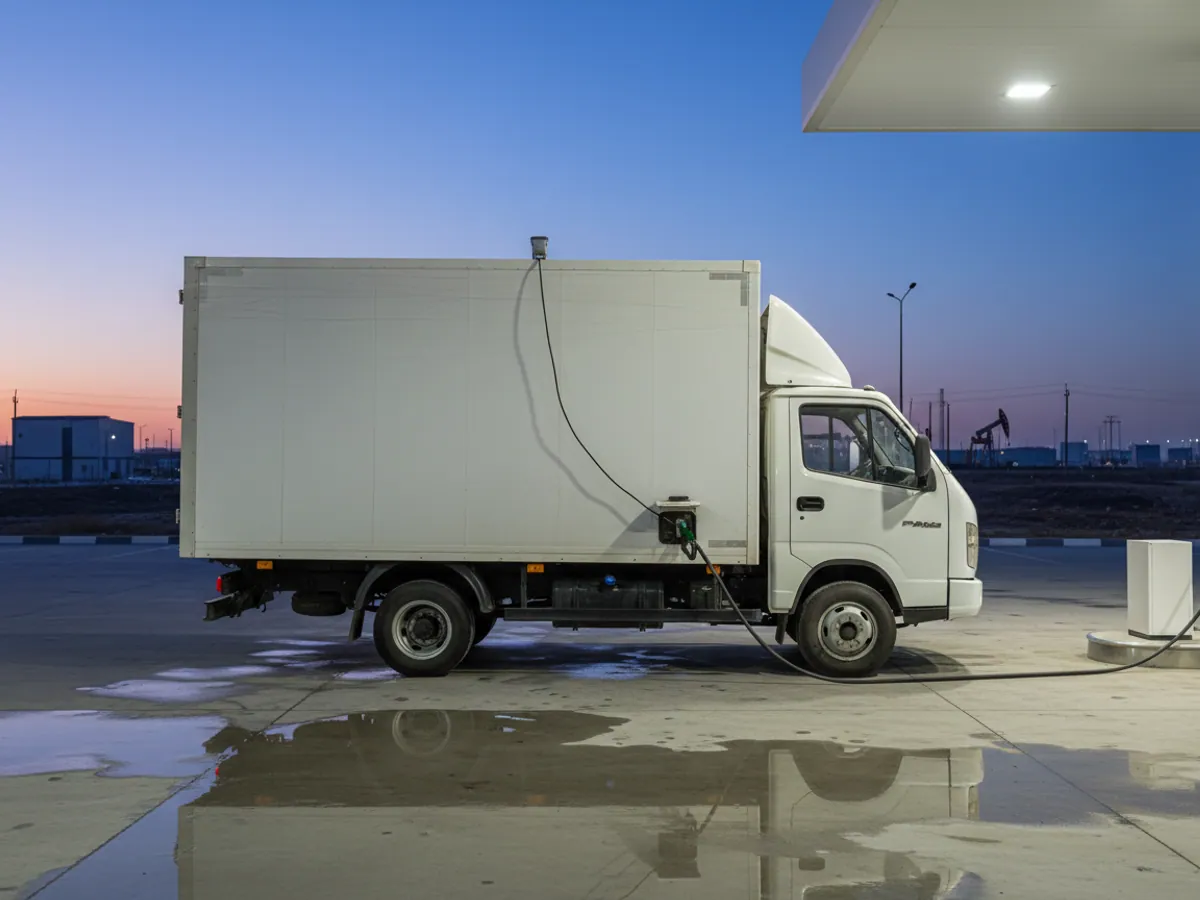
Fuel for the delivery fleet
Mileage is padded with detours and traffic, and more fuel is bought on the card than the tank will hold. Without a sensor none of that can be proved.
Runs on the side
After the delivery round the lorry is free until the evening. Earning extra by carrying someone else's goods is a common story if nobody can see the vehicle.

A Sheki to Zagatala route in one day: how the supervisor sees it
A sales representative covers the territory of Sheki, Gakh and Zagatala. The plan for Tuesday is 22 outlets. He sets off from Sheki in the morning and should be in Zagatala by the evening.
On Wednesday morning the supervisor receives the report. Seventeen outlets visited, average visit time 14 minutes. Four village shops near Gakh were not visited at all, although orders for them are in the sales system, taken over the phone. One outlet in Zagatala was visited for a minute and a half. At midday there was a stop of 2 hours 10 minutes outside a house in Sheki.
The conversation with the employee after that takes five minutes and is built on facts rather than suspicions. Often it turns out the plan was simply unrealistic: 22 outlets cannot be covered on foothill roads. The route is then rebuilt, and that is a benefit of the data too.
Tools for controlling distribution
Visits by retail outlet geofences
The outlet database is loaded into the system with coordinates, and each outlet becomes a small geofence. The system records entry, exit and the time spent there. A visit shorter than a set threshold (usually 5 to 7 minutes) is flagged as questionable.
Plan against actual is produced automatically: which outlets from the route sheet were visited, which were not, and which were visited off plan. How the zones work is explained on the page about geofences.
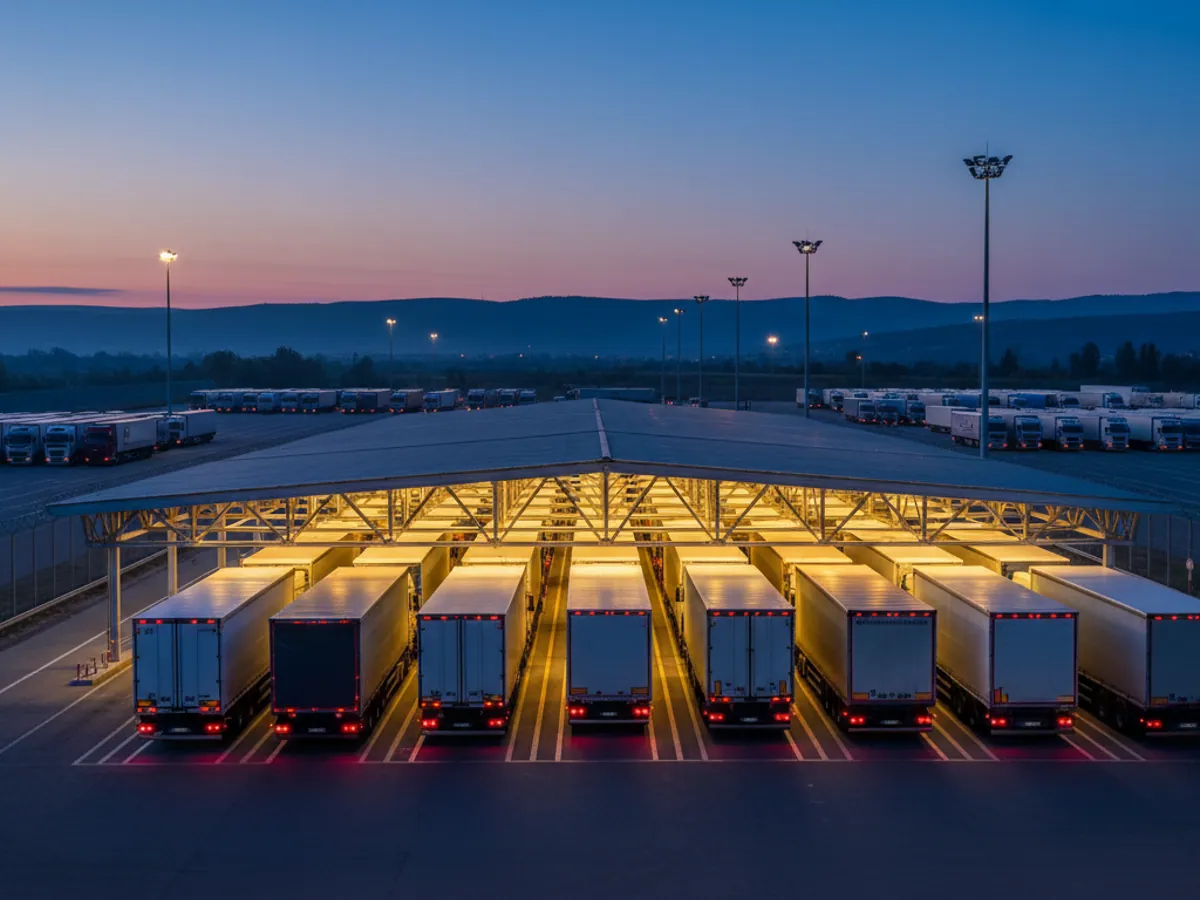
Different roles, different equipment
A sales representative in a company car
A fixed tracker or an OBD tracker in the diagnostic socket. The second option fits in a minute and suits a fleet where vehicles often change hands between staff.
A representative using their own car
A mobile app that only works during working hours. Fitting equipment in a private car without the employee's consent is not allowed and is not necessary.
A merchandiser without a car
An app on the smartphone. A merchandiser walks between outlets in one district, and for checking visits the accuracy of a phone is enough.
A driver-forwarder
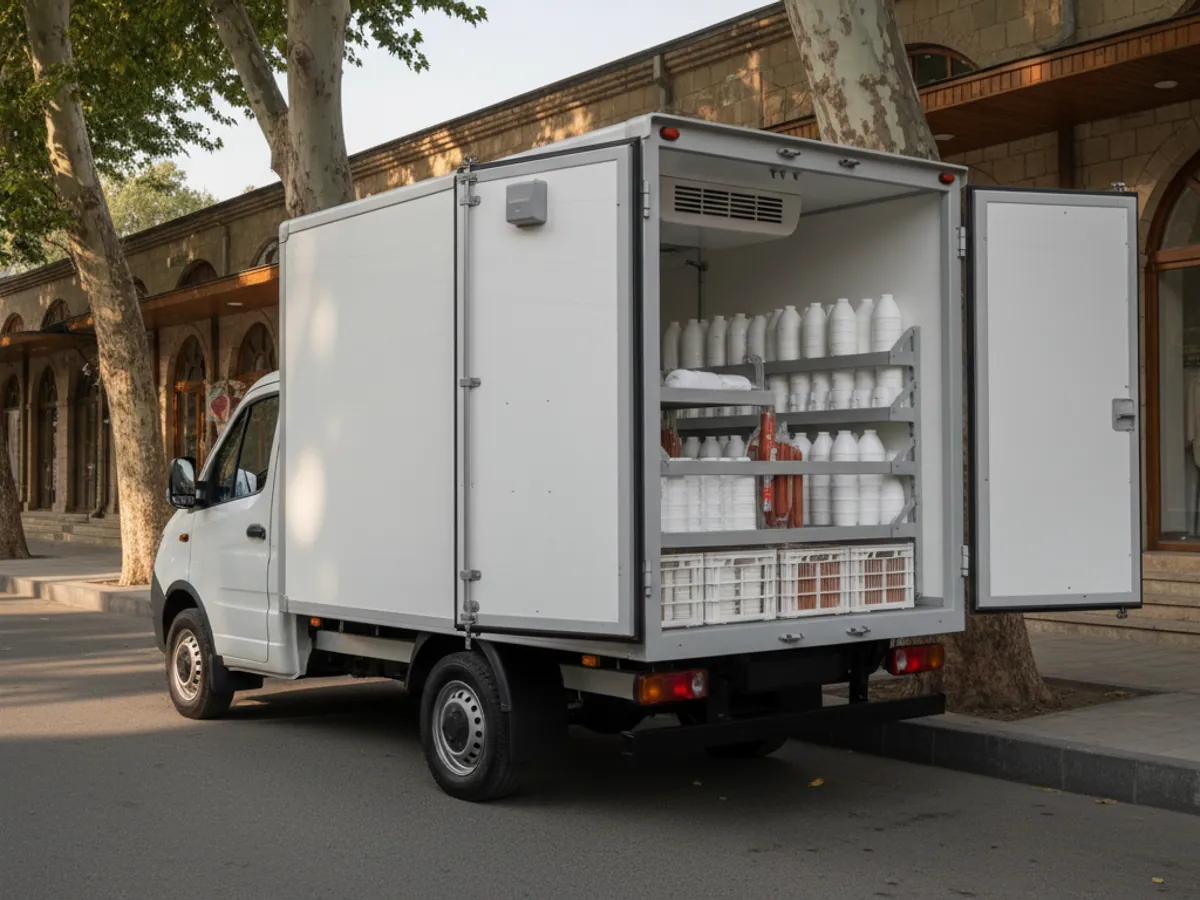
A tracker in the vehicle and, where needed, fuel, temperature and door sensors. Driver identification by card if the vehicle is worked in shifts.
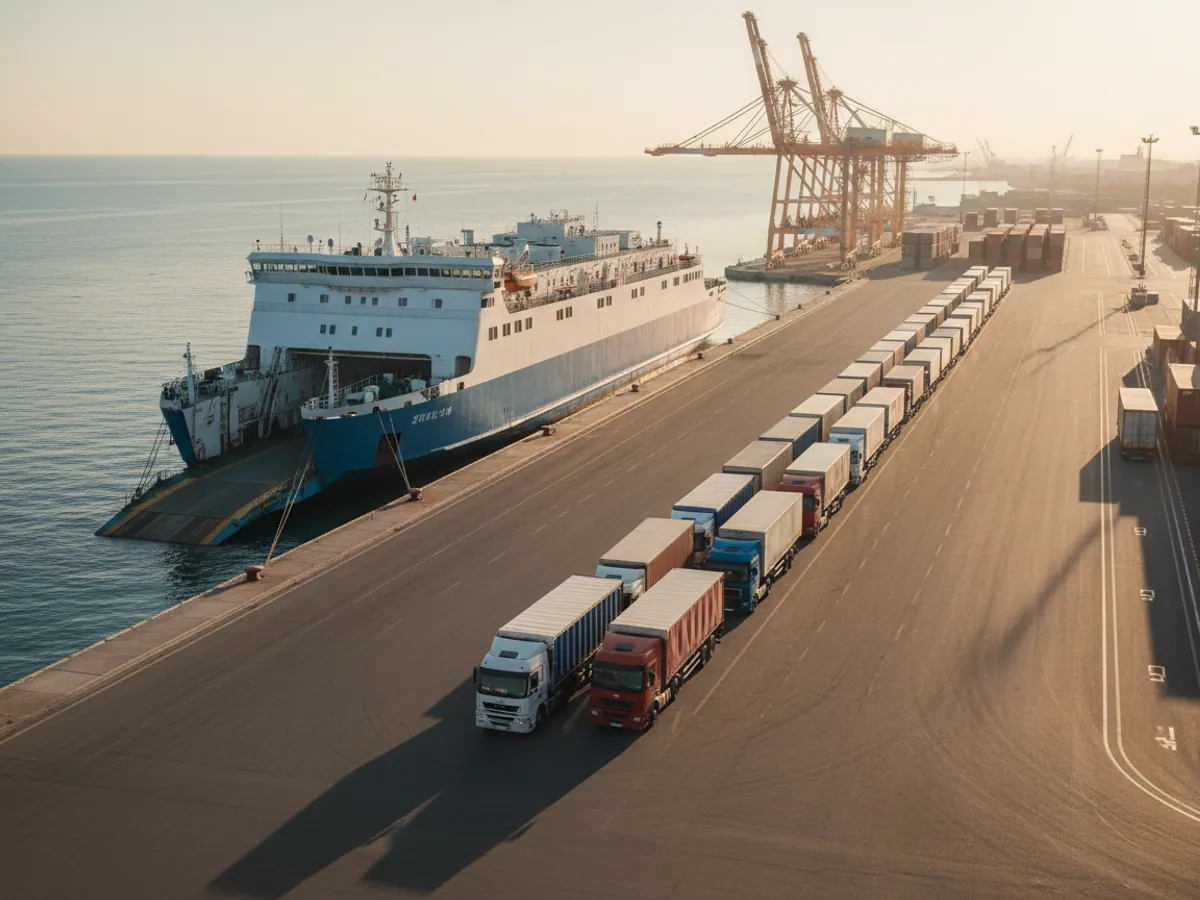
What counts as a visit: settings worth agreeing in advance
The fiercest arguments after launch are not about whether somebody skived off, but about the rules. They are better approved before the reviews begin:
- Outlet radius. In the dense streets of Baku two shops can stand 30 metres apart. A radius of more than 50 metres produces false visits, and less than 20 produces missed ones because of GPS error in narrow streets.
- Minimum duration. For a visit that involves taking an order and checking the display, 5 to 7 minutes is a sensible minimum. For delivery without merchandising the threshold is lower.
- Shopping centres and markets. At large markets such as Sadarak there are dozens of customers in one building. GPS will not tell one outlet from another inside, so the visit is confirmed in the sales system or by a record in the app.
- Personal time. On a private car the track is only recorded during working hours. That removes most of the team's resistance.
Visit coordinates can be passed into your sales force automation system, so that an order without a visit is highlighted straight away. The options for exchanging data are on the page about integration with ERP and CRM.
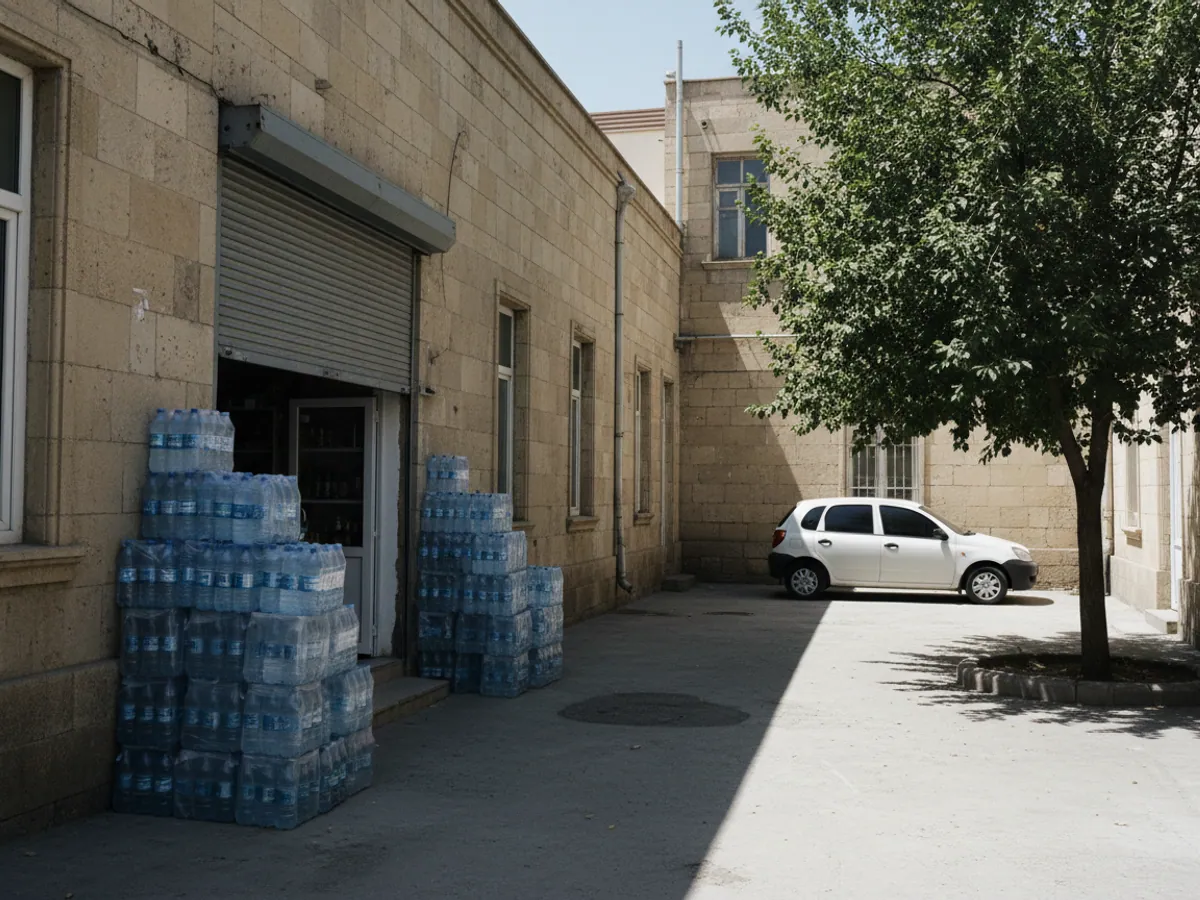
A visit on the track is not yet a sale
GPS monitoring answers one question: was the representative at the outlet and how long did they stay. Whether there was an order, what it contained and whether the goods were put on the shelf is something the tracker does not know. That data lives in the sales force automation (SFA) system or the CRM, and the two sources should be compared rather than one substituted for the other.
- A visit without an order. A normal situation: the shop is overstocked or the owner is away. The track counts the visit, the sales figures do not. That is a reason to talk about the outlet, not about discipline.
- An order without a visit. Taken over the phone or from the car. This is exactly where the track is needed: if company policy requires a visit, such an order is highlighted in the report.
- A short visit with a large order. This happens at regular outlets where the order is ready in advance. The duration threshold for such customers can be set separately.
The quality of the outlet coordinates matters more than the accuracy of the tracker. If the database gives a shop's address as next to the market, or the coordinate has been placed in the centre of the village, the system will miss real visits. That is why for the first few weeks we check the coordinates against the actual stops and correct the database together with the supervisors.
For reconciliation with the SFA system we need three fields from your side: the outlet code, identical in both systems, the date and time of the order, and the representative's code. If the codes do not match, the reference data has to be tidied up first, otherwise automatic reconciliation will produce noise instead of a report.
Stages of a launch at a distributor
The outlet database
We collect the coordinates of the retail outlets. Some are already in the sales system, and the rest are gathered over the first few weeks from actual visits.
A pilot team
One or two supervisors' teams, usually Baku and one region. We check the thresholds, the radii and the format of the morning report.
Delivery vehicles
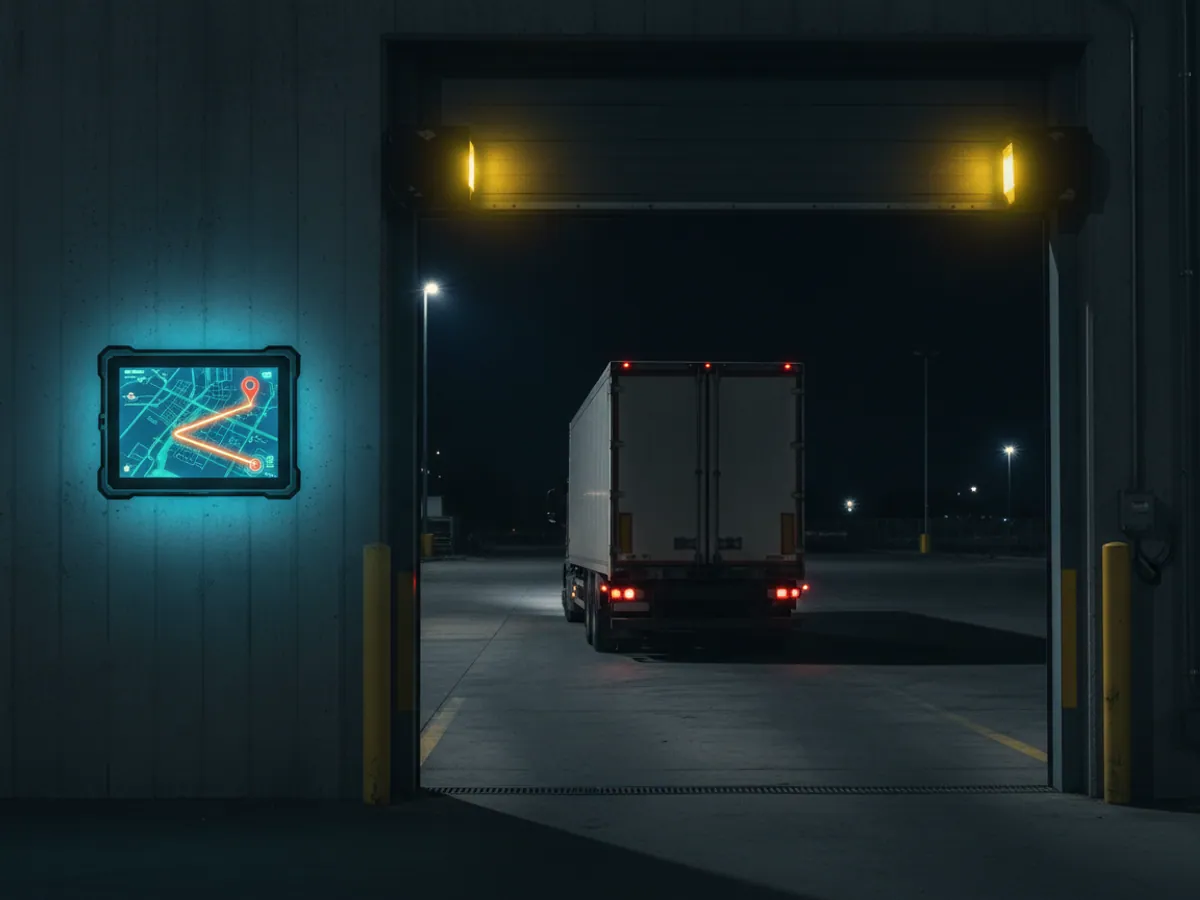
Trackers and fuel sensors on the lorries. At the same time we calibrate the tanks, so that the litres in the report match the real ones.
Reports and incentives
A morning mailing to supervisors, a monthly report for management, and a link to the field team's bonus.
The whole company
We connect the remaining regions. For territories with poor coverage in the mountains we check that the trackers correctly fill in the data from memory.
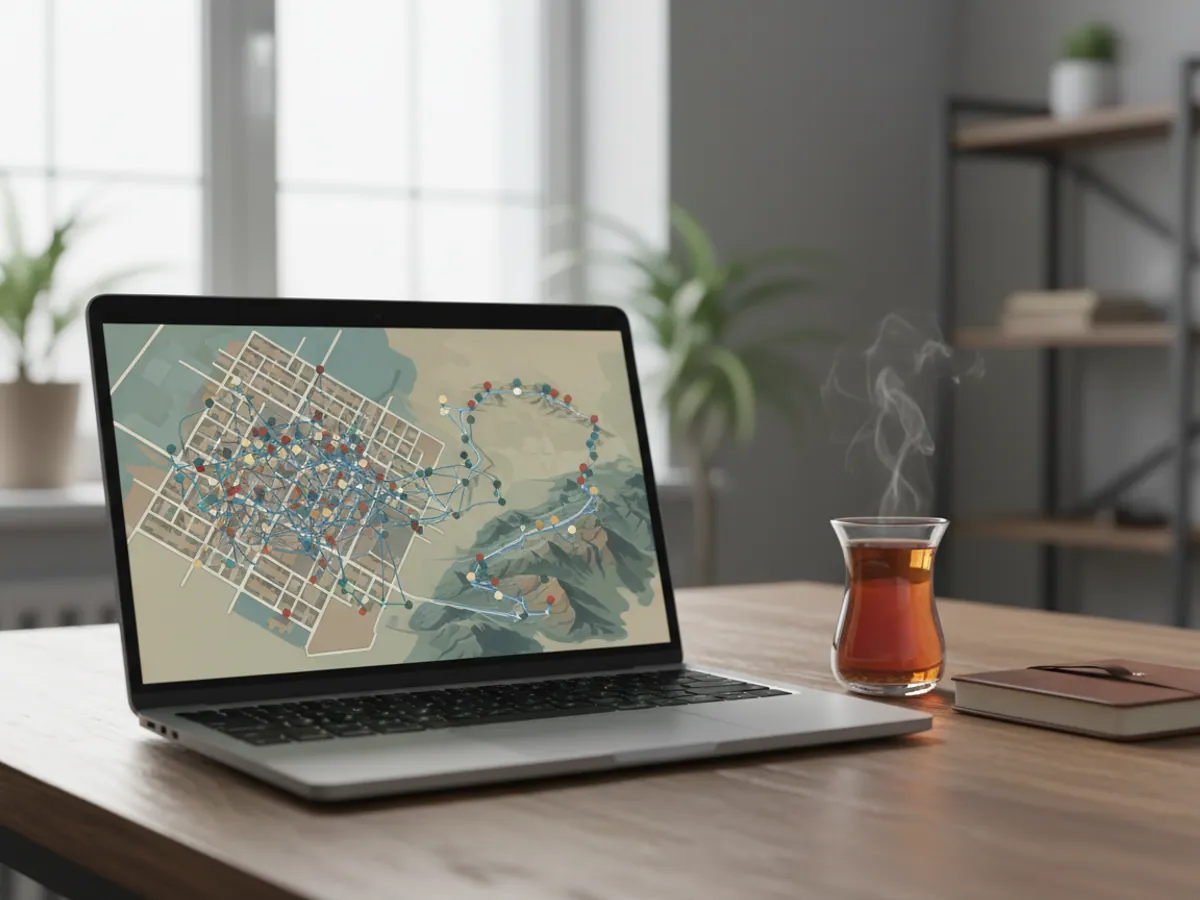
A pilot in distribution: input data and criteria
For a pilot you would usually take one or two supervisors with their teams, 10 to 20 representatives and a few delivery vehicles. It is better to include both a city route across Baku and a regional one, for example Sheki to Zagatala: the problems there are different.
What we need from the distributor:
- an export of the outlet database for the pilot routes, with whatever codes and coordinates exist;
- the planned routes for a week and the visit rules: minimum duration, frequency;
- an export of orders from the SFA system for the same period for reconciliation;
- a decision on how the monitoring will be announced to the team and how it relates to their KPIs.
Acceptance criteria for the pilot:
- the share of outlets with corrected coordinates for which a visit is determined reliably;
- the plan, actual visits and orders report is produced without manual reconciliation;
- every order without a visit case has been reviewed by the supervisor and false triggers have been removed by configuration.
An example report for a supervisor: for each representative, the planned outlets, the actual visits with their duration, the orders from the SFA system for the same outlets, the discrepancies, and idle time away from the route. What the figures in it turn out to be is for the pilot itself to show.
How to estimate the payback before the rollout
We usually work this out together with the commercial director along two lines.
The field team. Take the share of visits that you feel are not happening (managers usually name 10 to 25%). Multiply it by the average order per outlet and the visit frequency. Then compare that sum with the cost of the monitoring. The real share of missed visits often differs from the impression in either direction, so before deciding for the whole team it is worth checking on a pilot.
The fleet. Work out how much you spend on fuel for the delivery vehicles each month. On light trucks the saving after fitting a fuel level sensor and monitoring mileage is most often 10 to 20% in our rollouts. The exact figure for your fleet will emerge in the first month of operation.
We will cost the equipment and the subscription for your headcount and number of vehicles. To compare other solutions for the industry, look at the section on logistics and warehousing, and if you are a manufacturer rather than a distributor, at the page for FMCG brands.
Questions from distributors
What is used in this sector
What we do end to end
Wialon modules for this sector
How it is used in this industry
Case studies from “Logistics & Warehousing”

FMS Eco Driving: a driving style report for articulated lorries
Logistics and delivery
Tracking parcels and pallets with Bluetooth tags
Assets and workforce
Keeping track of trailers with EYE Bluetooth beacons
Logistics and delivery
Thinking of rolling out GPS monitoring in “FMCG distribution”?
Send us an enquiry and we will price it up for your fleet and pick the hardware for this sector: logistics & warehousing.
- 1 We pin down the task
A specialist calls back and asks about the vehicles, how many there are and what you need to keep an eye on.
- 2 We put a solution together
We propose the hardware and the features, and set out the one-off and the monthly cost separately.
- 3 We agree the fitting
At your yard or at ours, on a schedule that keeps the vehicles working.
Request a call
A specialist will call back and match a solution to your fleet and your task.