
Asset and merchandising control for FMCG brands
For producers of drinks, ice cream, dairy products and beer whose branded coolers, chest freezers and coffee machines stand in shops across the country. We show where each asset is, whether it is running and whether a merchandiser has been to see it.
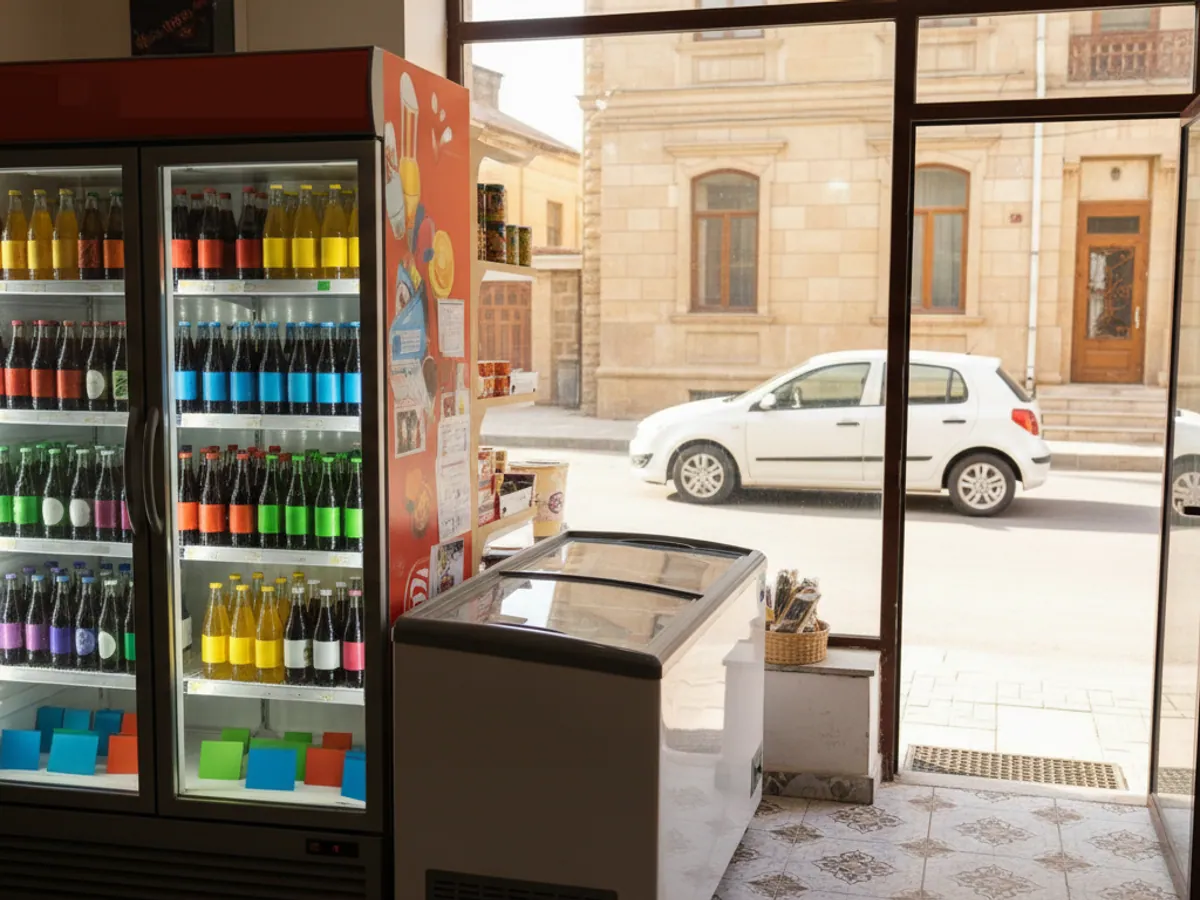
The cooler in the shop is your asset, not the shop's
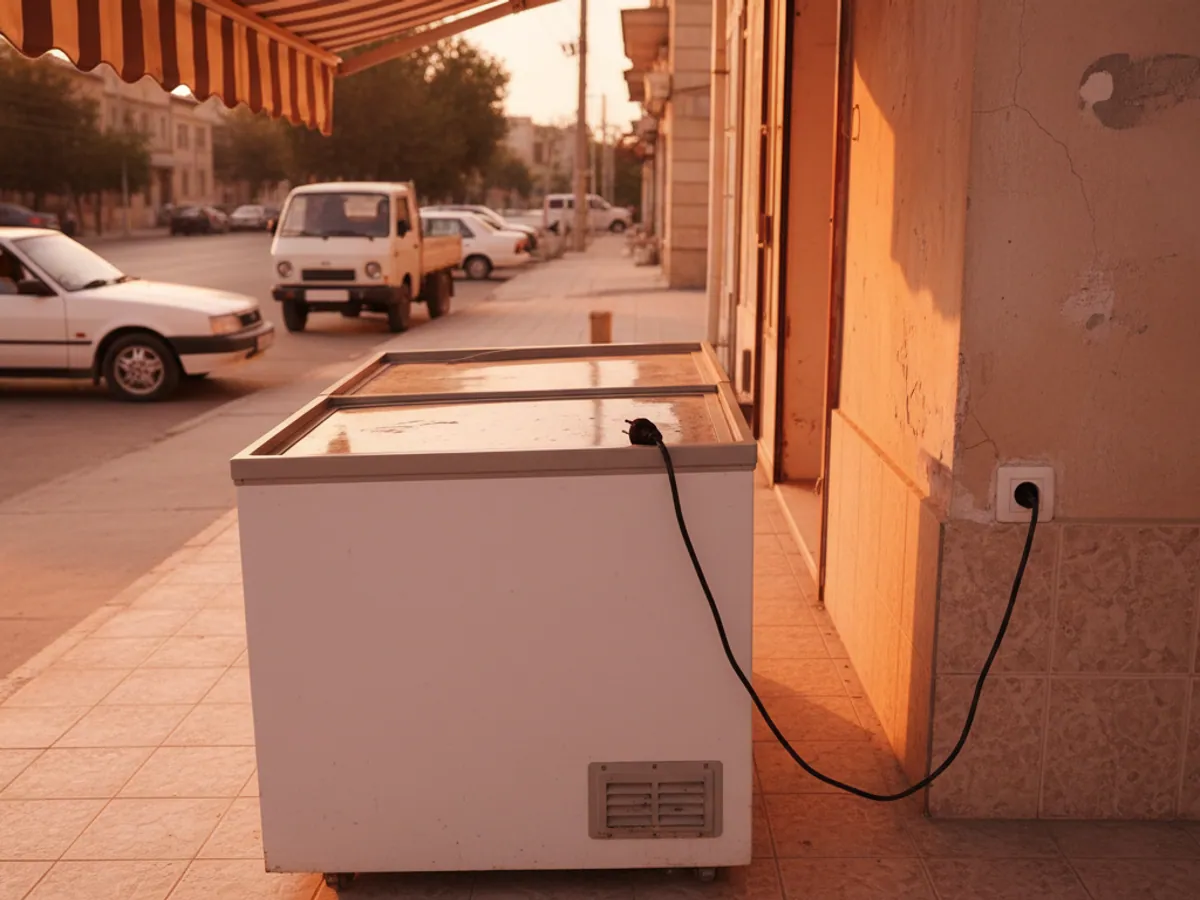
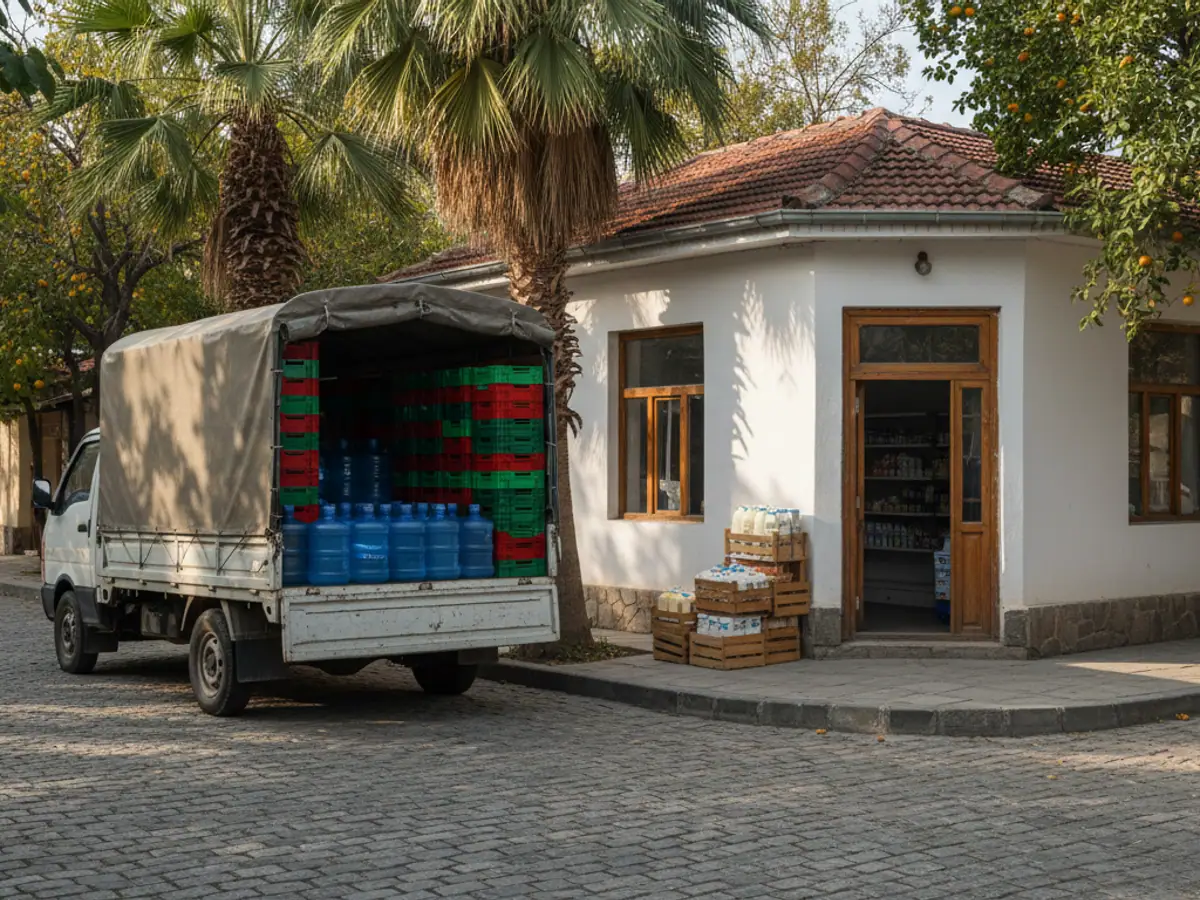
A brand puts a cooler for its drinks or a chest freezer for its ice cream into a shop under an agreement: the equipment is free, and in exchange the shelf is given over to the brand's products. Six months later there is somebody else's cola in the cooler, the freezer has moved to another shop belonging to the same owner in Sumgait, and a third unit cannot be found at all during the stocktake.
Asset and merchandising control for FMCG brands is built from two parts. The first is trackers and BLE sensors in the equipment itself: they say where it is and what condition it is in. The second is control over the field team: merchandisers and sales agents really do come to the outlet and spend time there, rather than logging a visit from the car.
This is a separate scenario from vehicle tracking, although it runs on the same Wialon platform. Trade logistics as a whole is covered in the section on solutions for retail and distribution.
A stocktake that does not add up
Here is the usual picture people bring to us. The brand's records show 1,200 coolers in shops in Baku, Absheron and the regions. Once a year the agents carry out a stocktake. It turns out that 5–8% of the units cannot be found, and about as many again are standing somewhere other than the address in the agreement.
The agent wrote "in place" because he did not fancy driving to Gakh for the sake of one freezer. The shop closed and the owner took the cooler home to his garage. Somebody has listed the unit on a classifieds site as a second-hand display cooler. None of these stories can be checked after the event.
A tracker inside the cooler answers the question of where it is now and sends a notification when the unit starts to move. That notification is the reason it is fitted: sooner than the loss would be noticed at a stocktake a year later.
Three ways of keeping track of trade equipment
A battery tracker inside the housing
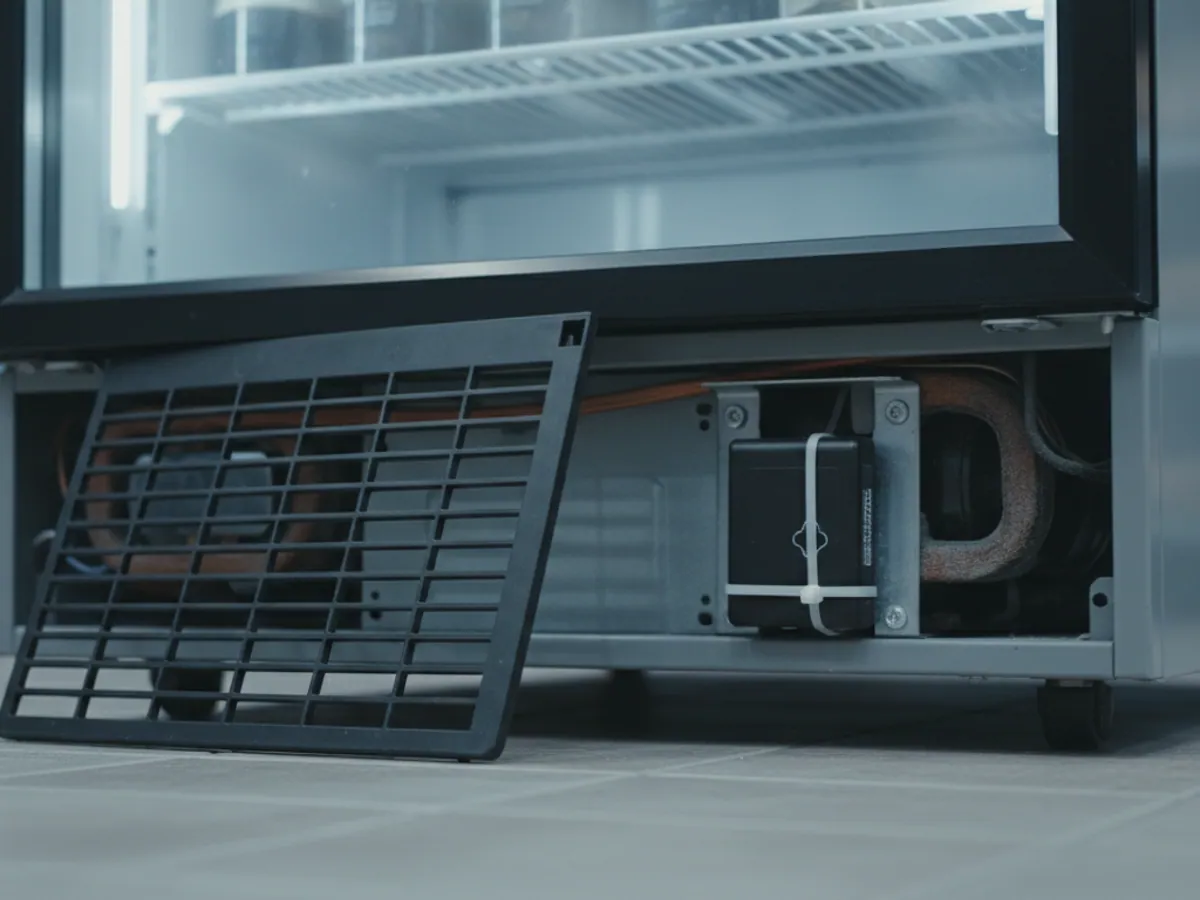
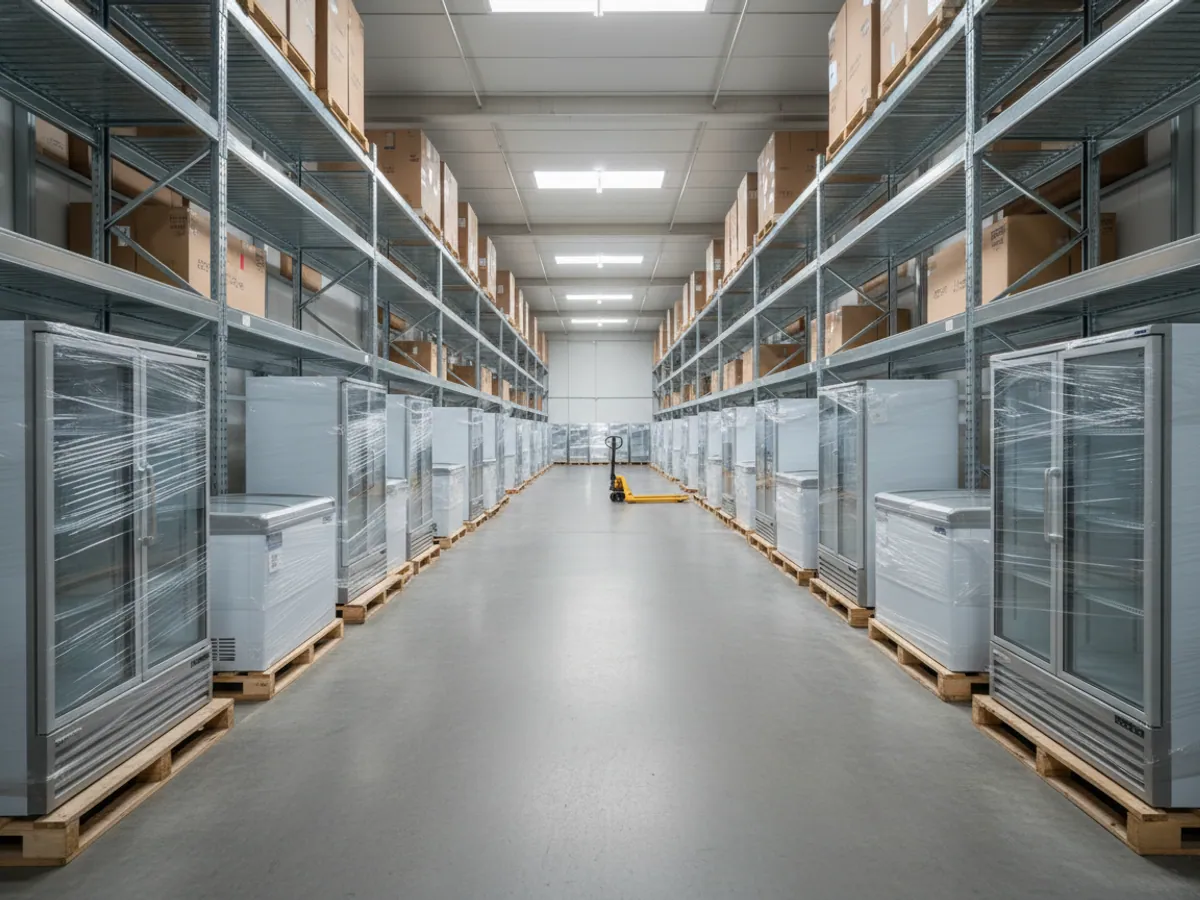
A battery-powered Teltonika TAT100 is fixed inside the housing of the cooler or freezer and reports once a day. When movement begins it wakes up and sends coordinates more often. In once-a-day mode the battery lasts for years, and no wiring is needed.
The limitation: satellites are hard to see inside a shop, and the metal housing of a cooler blocks the signal even more. So we choose a mounting place under a plastic panel or a grille, and indoors the position is often worked out from base stations, to within hundreds of metres. For answering whether the unit is in its own shop or has gone off to another district, that is enough.
What usually happens to equipment left unmonitored
Brands describe these situations to us in almost the same words:
Moved without agreement
The owner of a three-shop chain has moved your cooler to an outlet where sales are worse and where there is no agreement.
Somebody else's goods on the shelf
A competitor's products are in the branded cooler, while yours are in the corner or not there at all.
A freezer switched off
The ice cream partly thawed and froze again. The customer sees deformed packaging with your brand on it.
Disappearance when a shop closes
The outlet has closed and the equipment has gone along with the tenant. There is nobody to ask and nowhere to look.
A visit that never happened
The merchandiser sent a photo of the shelf taken a week ago. There is a report but no work.
Blind repairs
The service engineer drives out to a job without knowing that the unit has simply been unplugged for two days. A wasted trip to the other end of Absheron.
Merchandisers and agents: checking the visit, not the report
The field team does not need a tracker in the car. An app on the work phone does the job: it records a track during working hours, and a visit counts only if the member of staff is inside the shop's geofence. There is more in the section on mobile workforce monitoring.
What this gives the head of the department:
- time at each outlet: four minutes in a hypermarket is clearly not a planogram lay-out;
- the order of the round: a merchandiser working in Yasamal starts the day in Binagadi for some reason;
- coverage: how many of the outlets assigned to a member of staff he actually visited during the month.
Photo reports and shelf recognition (share of shelf, compliance with the planogram) are functions of SFA systems and image recognition services, not of a GPS platform. If you already have such a system, we pass it the coordinates and the time of the visit through the API so that the photo is tied to a confirmed visit.
The shelf and the visit are two different checks
A brand has two questions about every outlet: was somebody actually there, and how does the shelf look. GPS answers the first, your merchandising system or SFA answers the second. It is better not to mix them, or there will be no way to settle the argument that the visit happened but the shelf was empty.
An ordinary merchandiser's day, broken down by data source:
- The plan. The list of outlets for the day comes from the SFA. The same outlets are set up in Wialon as geofences, with the address and the radius checked at launch.
- Arrival. The app on the work phone records the time of entry into the shop's geofence. At the start, that is the only thing GPS knows about the visit.
- Work at the shelf. Photos, share of shelf, the planogram, stock levels — all of this happens in the SFA. GPS plays no part here and does not judge whether the goods are laid out correctly or whose they are.
- Departure. The time of leaving the geofence closes the visit. The duration is counted from the track, not from tapping a "finish" button.
- Reconciliation. The entry and exit times go to the SFA through the API. A photo report without a confirmed visit, or a three-minute visit with a full set of photos, ends up on a list for the supervisor.
A weekly report on a member of staff then looks like this: outlet, planned date, actual entry and exit, duration, whether there is a photo report in the SFA for that visit, and the status of the brand's cooler at that outlet. The last two columns appear only with an integration. Without one, GPS gives the first half of the table and the shelf is still checked by the supervisor.
How we launch a project with a brand
Choosing the pilot sample
We take 50–100 units across different types of outlet: a chain supermarket, a corner shop, an outlet out in the regions. That shows how the equipment behaves in each scenario.
Choosing the method of control
Expensive units and outlets with a history of losses get a battery tracker. Mass-market coolers get BLE tags. Freezers in the ice cream season get a mains-powered tracker with a temperature sensor.
Fitting without interrupting trade
A tracker or a tag takes 10–20 minutes to fit, often during a scheduled service visit. Every unit is linked to an address and an agreement number.
Notification rules
A unit moving outside the service window, leaving the shop's geofence, no connection for more than N days, temperature outside the corridor. Who receives which notification is decided together with the sales department.
A report for management
Monthly: how many units are in place, how many have moved, how many are out of contact, how many visits have been confirmed. These figures replace the annual stocktake.
Criteria for closing the pilot
What counts as success is agreed before the fitting. For example: every unit in the sample has a recent status or a reading taken during a visit; moves and losses have been acted on by the sales department rather than merely noticed; GPS visits have been reconciled with the SFA reports for at least a month. From the brand we need a register of units with addresses and agreement numbers, a list of the field team and a person in sales who deals with the notifications.
Where this solution will not work
An honest word about the limits, so that there is no disappointment after the pilot.
A tracker will not tell you what is on the shelf. Somebody else's goods in your cooler are visible only in a photo or during a visit. The tracker will show that the visit took place.
Indoor accuracy is limited. If two shops stand across the road from each other, a single coordinate taken inside a building will not always tell them apart. A BLE tag read during a visit helps.
Batteries do not last forever. A battery tracker that reports every hour will live far less long than one reporting once a day. We choose the mode to suit the task rather than setting it to report more often just in case.
An app on a member of staff's personal phone is easier to switch off than one on a company phone. If control over the field team matters, issue work phones.
How to work out whether the investment makes sense
The sums should start from the value of the unit, not the price of the tracker. Take three figures from your own records:
- how many pieces of equipment were not found at the last stocktake and how much it costs to replace one;
- how much the annual stocktake by agents costs: their working days, fuel, trips to the regions;
- how many service call-outs in the season end with the words that the unit had simply been unplugged.
If even one expensive freezer out of fifty goes missing in a year, a battery tracker in each of them is usually justified. For cheaper coolers, BLE tags read during visits work out better. We will calculate the exact cost of the kit and the connection for your volumes.
What changes for the brand
Assets on the books
You know where the equipment stands today, not where it stood at the time of the last stocktake.
A fast response to a loss
The movement notification arrives on the day of the move, while the unit can still be found and recovered.
Confirmed coverage
How many outlets the field team actually visited during the month, in figures for each member of staff.
Service driven by data
The engineer's call-out is planned from the unit's temperature and power supply rather than from a phone call by the shop.
Frequently asked questions
What is used in this sector
What we do end to end
Wialon modules for this sector
How it is used in this industry
Case studies from “Retail & Trading Networks”
Thinking of rolling out GPS monitoring in “FMCG brands”?
Send us an enquiry and we will price it up for your fleet and pick the hardware for this sector: retail & trading networks.
- 1 We pin down the task
A specialist calls back and asks about the vehicles, how many there are and what you need to keep an eye on.
- 2 We put a solution together
We propose the hardware and the features, and set out the one-off and the monthly cost separately.
- 3 We agree the fitting
At your yard or at ours, on a schedule that keeps the vehicles working.
Request a call
A specialist will call back and match a solution to your fleet and your task.