
Tyre pressure monitoring:
BLE TPMS for lorries, buses and plant
Wireless sensors on every wheel: the pressure and temperature of each tyre, with notifications of pressure loss and overheating in the monitoring system. Keeping pressure at the correct level extends tyre life and cuts consumption — by how much depends on how closely pressure was watched before the system was fitted.
Tyres are the second biggest cost after fuel
A set of tyres for a long-haul tractor unit and semi-trailer costs thousands of manats, and constant under-inflation noticeably shortens their life and increases fuel consumption. Meanwhile drivers check the pressure by eye, or do not check it at all — particularly the inner wheels of a twin set, which are simply awkward to reach with a gauge.
With BLE TPMS a sensor on every wheel sends the pressure and temperature to the tracker, and the tracker sends them on to the monitoring system. The dispatcher sees the state of the fleet's tyres on one screen and is notified of a drop in pressure as soon as the tracker sends data.
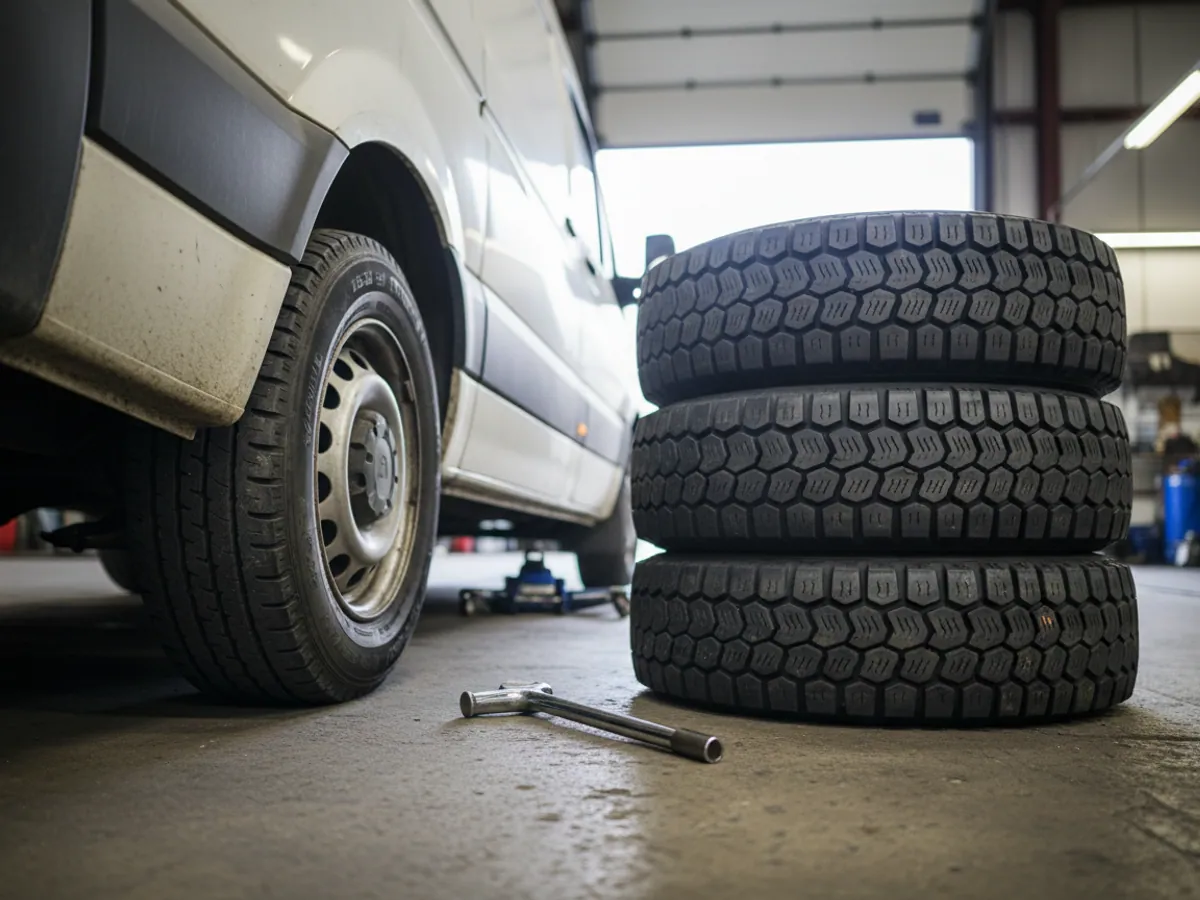
Pressure and temperature of every tyre
With TPMS, pressure stops being a question of whether the driver got the gauge out.
-
Every wheel on screen
The sensors measure the pressure and temperature of each wheel, including the inner tyres of a twin set and the wheels of a semi-trailer. The data goes to the tracker over Bluetooth and appears in Wialon alongside fuel and the track.
-
Alerts for punctures and overheating
When pressure is lost quickly the alarm goes out with the next data transmission; we set the reporting interval of the sensor and the tracker during configuration. For the driver to know straight away, a display in the cab or a call from the dispatcher is needed. An overheating hub or brake shows up as a rise in wheel temperature — a reason to stop and check.
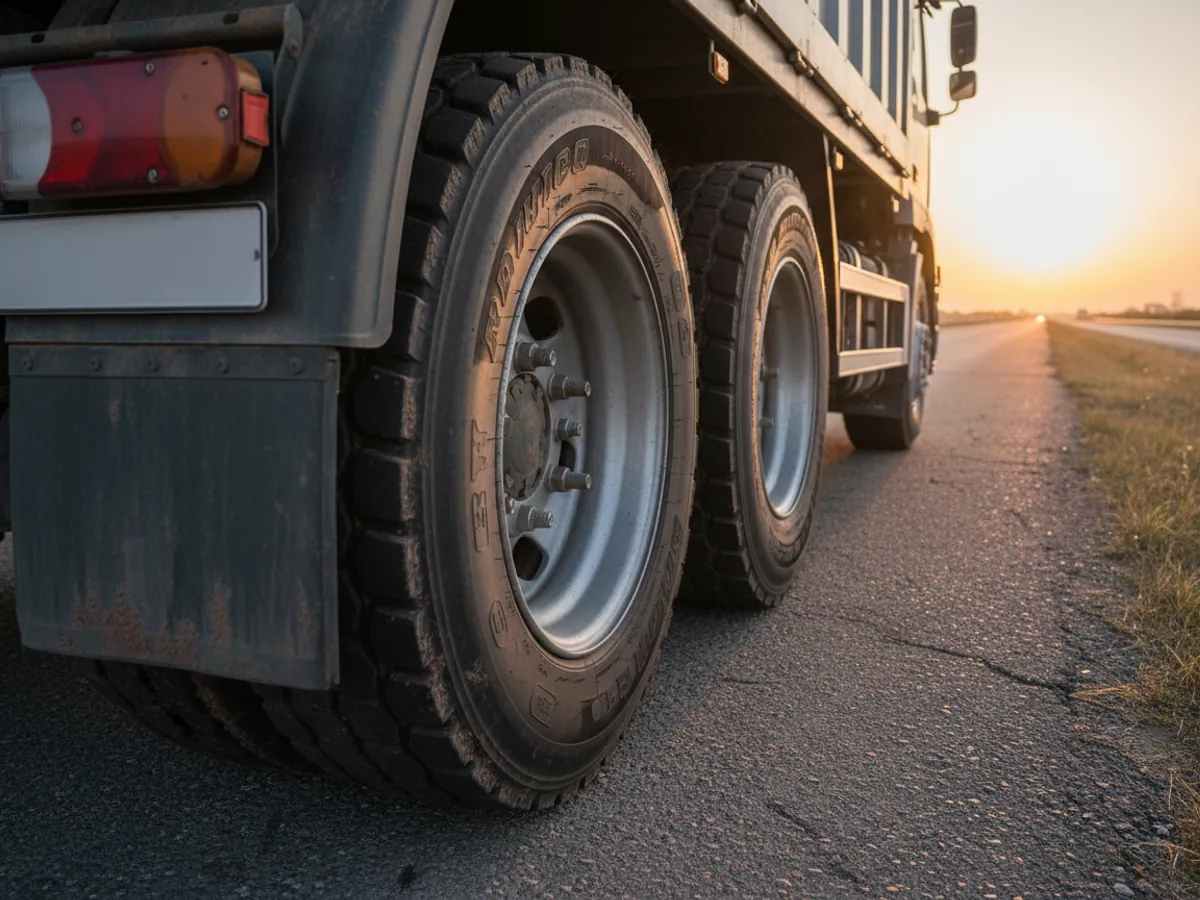
What does a fleet lose without tyre monitoring?
Tyre problems rarely make it into reports, but they eat into the budget steadily:
A blowout on the road
A tyre letting go at speed means a damaged wing, a ruined delivery schedule and sometimes an accident. TPMS shows a slow loss of pressure long before the critical point — as long as somebody acts on it in time.
Excess fuel consumption
Under-inflated tyres increase rolling resistance, and consumption rises with it. On a lorry covering a high monthly mileage that adds up to noticeable litres over a year.
Faster wear
Running with low pressure wears out the tread and the casing faster. Keeping pressure right extends the life of a set — by how much will be clear from your own data after a few months.
The human factor
Walking round the 12 wheels of a tractor unit and semi-trailer with a gauge takes 20 minutes — so it gets skipped. TPMS checks the pressure on schedule with no input from the driver.
Technical strengths of BLE TPMS
External and internal
Two types of sensor: external ones screw onto the valve in a minute, internal ones are mounted on the rim when the tyre is fitted and are protected against theft and vandalism. Both work with the wheels of lorries, buses and plant.
Advantages of BLE TPMS
Tyre life
Correct pressure is the single biggest factor in how long a tyre lasts.
Fuel consumption
Normal pressure reduces rolling resistance.
Safer trips
A warning about pressure loss while the wheel can still be saved.
Quick fitting
External sensors go onto the valve without taking the tyre off.
What the cost is made up of
The final figure depends on the type of vehicle, the set of sensors and the size of the fleet. We will prepare an exact quote for your case free of charge after a short audit — within one working day.
Questions about TPMS
Request a call
A specialist will call back and match a solution to your fleet and your task.