GPS.AZ
Government & Quasi-Government
Sector · Government & Quasi-Government

Managing the official vehicle fleet of government bodies

GPS monitoring of official vehicles for ministries, committees and government agencies. Who drove where and why, how much fuel was actually used, and which cars the fleet genuinely does not need.

Electronic waybills, driver identification, a shared car pool with booking, and restricted access to the trips of senior officials.

Discuss a pilot for your industry process
4
Sectors
8 regions
Coverage in AZ
40 000+
Assets under monitoring
Since 2008
On the market
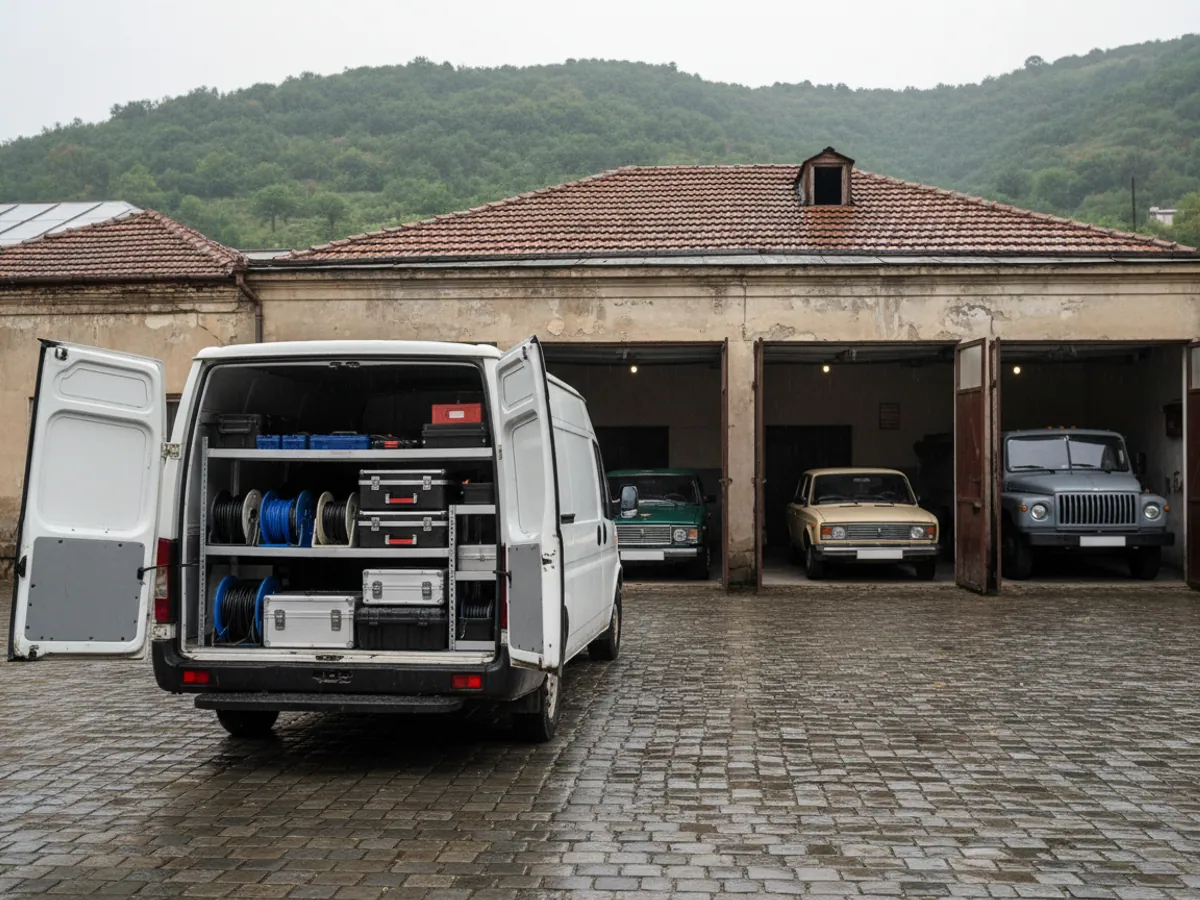
A service van with its doors open by a district garage with official vehicles
Context

An official fleet where every trip is visible

A government body usually runs several dozen vehicles: cars assigned to senior staff, a pool for official journeys, vehicles for regional offices. Each one needs fuel, insurance, a roadworthiness test and repairs, and all of it comes out of the budget.

Yet the answer to the question of how the fleet is used is most often assembled from paper waybills the driver fills in at the end of the day. There you will always find exactly as many kilometres as the fuel allowance requires, and a weekend run out to a country house in Mardakan looks like an official trip.

Monitoring replaces the driver's own account with tracker data. The waybill is built from the track, fuel is written off on actual figures, and the utilisation report shows how many vehicles the body really needs.


An overhead view of a car park of official saloons with dust and leaves on their roofs

The first month of data usually comes as a surprise

A typical picture after a month of monitoring in a fleet of 40 vehicles. These figures are an example of what usually surfaces, not the result from any particular body:

  • the average pool car is moving for 2–3 hours a day and stands in the yard the rest of the time;
  • several cars go out less than once a week;
  • on some vehicles the mileage on the tracker is noticeably lower than on the waybill;
  • there are evening and weekend trips on cars that are supposed to be in the garage under the rules;
  • engines run at idle for hours while the driver waits outside a building.

None of these points calls for interfering in how people work. It is enough that the data has become visible to management and the administrative department. Driver behaviour usually changes in the first few weeks, as soon as they realise the track is checked against the waybill.

Regional offices are a story of their own. A car assigned to a department in Lankaran or Sheki goes for years without any oversight from head office: only the local driver and the local head know its mileage. Once it is connected, it appears in the same system as the cars in Baku, and the report on its work reaches the centre without anyone having to ask. Other tasks facing government bodies, from municipal machinery to transport regulators, are covered on the GPS monitoring for the public sector page.

Where an official fleet's money goes

The risks of a government fleet differ from a commercial one. There is less fuel theft on an industrial scale and more small but constant losses:

Personal trips

Dropping the children at school, a run to the market, taking relatives to the airport. Trivial one at a time, thousands of kilometres per car over a year.

A waybill written to the allowance

Mileage is recorded so that the whole fuel allowance can be written off. The difference between paper and fact goes into cans or into a private car.

An oversized fleet

Cars are assigned to departments but stand still most of the time. Meanwhile requests for new vehicles keep coming in.

Reputation

An official car driving recklessly on Neftchilar or parked on the pavement soon ends up on social media. The whole body's image suffers.

A missed service

With no mileage records, service and insurance dates live in the garage manager's head. An expired policy or a missed oil change costs more than any tracker.

Tools for the administrative department

The electronic waybill

The route, the mileage and the times of departure and return are taken from the track. The driver fills in no paper and the dispatcher recalculates no kilometres. The report is exported to accounts so that fuel can be written off.

If the cars refuel on fuel cards, card transactions can be checked against the vehicle's stops at filling stations on the track, and, where a level sensor is fitted, against the actual volume put in. How this works is covered in the fuel control section.

A row of white official cars and municipal machinery at a depot at dawn
City buses running at even intervals along Baku's seaside avenue at dusk

Not everyone sees the trips of senior officials

A frequent and fair question: will the routes of senior officials become available to anyone with a login? No. Access in the Wialon platform is built on roles.

  • the pool dispatcher sees only the pool cars;
  • the head of a regional office sees only that office's fleet;
  • the vehicles of senior officials are seen by a narrow group of staff chosen by the body itself;
  • for some vehicles it is possible to show only mileage and engine hours without the route.

As standard, the data is held on GPS.az servers in Azerbaijan (Wialon Local). Whether an installation on the body's own servers is needed is decided at the design stage together with your IT and security teams. We will set out the options and what each of them requires from your infrastructure.

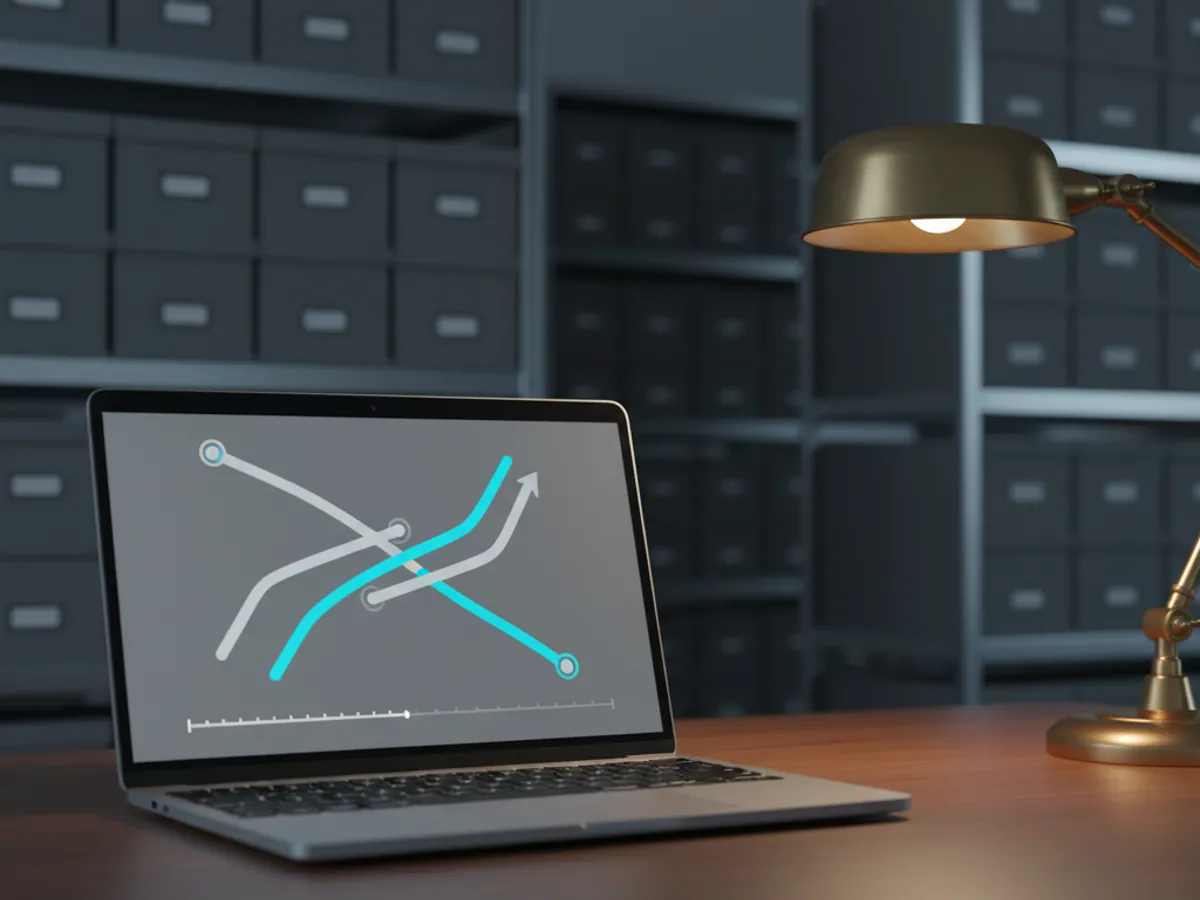
A laptop in an archive showing an old and a new track on a map, shelves of boxes behind

The track shows the route but not the purpose of the trip

A GPS tracker knows where a vehicle went and when. Why it went, it does not know. A trip to the Ministry of Finance with documents and a trip to the same district on personal business look identical on the map. So the official purpose of a trip is recorded separately, and there are several ways to do it:

  • A booking in the pool. A member of staff books a car and states the purpose and the address. The trip on the track is matched against the booking: if the address agrees, it is official.
  • A mark from the driver. In the app or on the reader the driver selects the type of trip. That is quicker, but it rests on honesty.
  • Rules on geofences and time. Trips during working hours between the body's own buildings and subordinate organisations count as official automatically; everything else goes for checking.

The decision on whether a trip was official is taken by a responsible member of staff at the body, not by the system. The system shows which trips are not confirmed by a booking or a rule, and saves the time spent finding them.

It is worth deciding separately which managers see which data. A head of department sees the trips of that department's cars along with their purposes, the administrative department sees mileage, fuel and servicing for the whole fleet, and a narrow group sees the cars of senior officials. How long tracks and reports are kept is decided by the body under its own internal rules.

How a rollout at a government body works

A survey of the fleet

A list of vehicles, drivers and departments, and the current procedure for issuing fuel and writing waybills. We establish what is already recorded and where the gaps are.

A pilot on 10–15 vehicles

We fit trackers and driver readers and collect data for a month without changing any rules. That month gives a baseline for comparison.

A policy for vehicle use

Together with the administrative department we set down where vehicles may be, at what hours, and what counts as a breach. Without a policy there is nobody to apply the data.

Fitting across the whole fleet

Fitting takes place in the body's own yard, a few vehicles a day, so that work is not held up. Regional offices are covered by visiting crews.

Training and reports

We teach dispatchers and garage managers to work with the reports, and set up monthly summaries for management and the finance department.

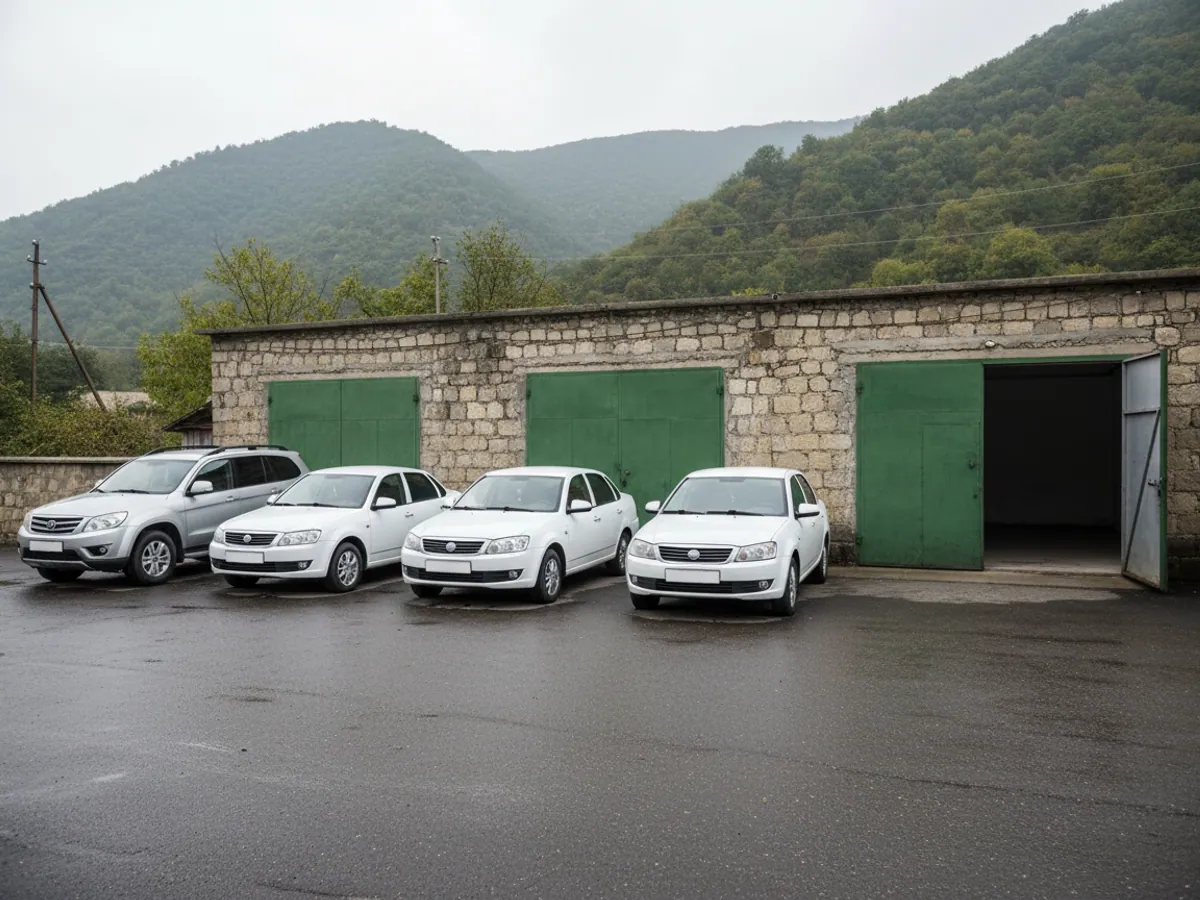
Official cars of a regional office by a stone garage in Sheki against the mountains

What to include in the procurement specification

If the rollout goes through a procurement procedure, the technical part of the specification determines what you get. We help word it, while the requirements of the procedure itself remain with your procurement team. Points worth describing:

  • the number and types of vehicles, where they are based, and whether trips to the regions are needed;
  • functions: the electronic waybill, driver identification, a pool with booking, fuel control, service reminders;
  • requirements for segregating rights and for a separate regime for the vehicles of senior officials;
  • where the data is held and for how long, and in what format reports are exported;
  • the scope of fitting, the installation timetable, and the arrangements for warranty service and technical support;
  • acceptance criteria: every vehicle is sending data, reports are produced in the agreed form, rights have been checked, and the responsible staff have been trained.

It is best not to write a particular tracker model into the specification unless there is a technical reason. Better to describe the functions and conditions and then choose a model to suit them. Before procurement it helps to run a pilot on 10–15 vehicles: the specification is then written on experience rather than assumptions.

When the system turns into a map with dots

The trackers are fitted and there are no savings. It happens, and the reasons are almost always organisational:

Nobody reads the reports

The data is there, but there is no one to check waybills against tracks once a week. Appoint someone from day one.

Breaches with no consequences

If a personal trip is found and nothing follows, the drivers work that out quickly. The rules have to apply the same way to everyone.

No link to a driver

Without identification the vehicle belongs to nobody. Arguing about who was at the wheel on Saturday is pointless if the system does not know.

Fuel lives apart

The waybills have gone electronic while fuel is still written off against norms. Set up the reconciliation, otherwise the main source of savings stays shut.

What the body gets

Consumption on actual figures

Fuel is written off on real mileage. The difference between the paper and the track becomes visible from the first month.

A justified fleet size

The utilisation report shows which vehicles can be moved into the shared pool or disposed of without harming the work.

Ready for inspection

Trip history and reports for any period are exported in minutes for internal audit and external inspections.

Fewer reputational risks

Drivers know that speed and driving style are recorded. There are fewer breaches in cars carrying government plates.

Frequently asked questions

Yes. Access rights are set by vehicle and by group. The routes of particular cars are seen only by whoever the body designates, and for other users those vehicles either do not appear at all or are shown without a track.
As standard, on GPS.az servers in Azerbaijan: we use Wialon Local, a local installation of the platform. If the body has requirements about where data is held, the hosting option is discussed with your IT department before the project starts.
That is what a driver key reader is for. Without a key presented, the trip is marked as no driver, and if you wish, starting the engine without identification can be blocked.
Yes. Fitting in the regions is done by visiting crews. All the vehicles go into one system, while access for the heads of regional offices is limited to their own fleet.
Reports are exported to Excel and PDF. For mileage and consumption to be passed into the accounting system automatically, an integration is used, and we scope it once we have seen your software.
A loss of power is recorded as an event with a time and a place, and a notification goes to the responsible member of staff. A gap in the track is itself a question for the driver.
The cost depends on the number of vehicles and the set of sensors: a tracker alone, a tracker with a driver reader, or one with fuel control. We will price it for your fleet after the survey.
Yes. Working hours are set in the system, and trips outside them go into a separate report, or, if required, come through straight away as a notification to the responsible member of staff. For vehicles that are supposed to spend the night in the garage under the rules, the garage is set up as a geofence, and leaving it outside working hours shows separately. Whether such a trip was official is decided by the body on the basis of a booking or an instruction, not by the system.
Request

Thinking of rolling out GPS monitoring in “Ministries and agencies”?

Send us an enquiry and we will price it up for your fleet and pick the hardware for this sector: government & quasi-government.

  1. 1
    We pin down the task

    A specialist calls back and asks about the vehicles, how many there are and what you need to keep an eye on.

  2. 2
    We put a solution together

    We propose the hardware and the features, and set out the one-off and the monthly cost separately.

  3. 3
    We agree the fitting

    At your yard or at ours, on a schedule that keeps the vehicles working.

Request a call

A specialist will call back and match a solution to your fleet and your task.