
Solutions for sharing and micromobility
Telematics for sharing services running electric scooters, bicycles and other micromobility on the Wialon platform with Teltonika hardware. You see every device and the charge left in its battery, you lock and unlock remotely, you set parking zones and speed limits. Your customer-facing app gets all of it through the API.
From the data on board to the dispatcher's decision
Teltonika IoT module
Wired into the controller: it sees charge, speed and the lock, and it carries out commands.
Wialon
A map of the fleet, parking and slow-ride zones, reports on charge and mileage.
Your service
Takes the payment and sends the unlock or lock command through the API.
Service shift
Receives the list of flat scooters and those parked outside the zone, with addresses.
Features and tools
Fleet
- Central control of a fleet of electric scooters and bicycles
- Battery charge levels monitored in real time
- Audible identification to find an available vehicle
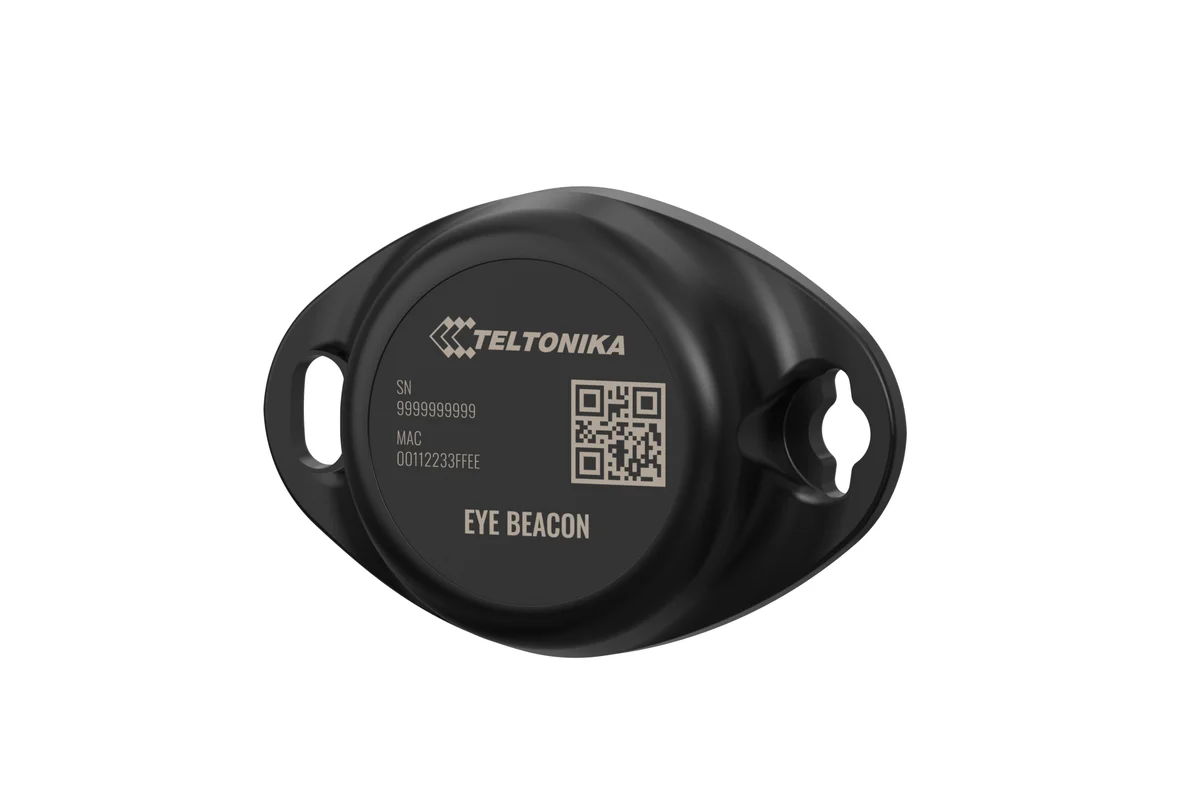
- Eye BLE beacons for precise positioning inside hubs
Rules
Business
A single night service shift
A hypothetical example: a scooter operator in central Baku. This is how the shift looks in Wialon data.
- Charge report, below 20% 14 scooters
The list goes to the crew together with the sequence in which to drive them, rather than as a vague instruction to check the whole boulevard.
- Two scooters outside the operating zone out of zone
They are collected first: outside the zone a scooter is unavailable to riders and risks going missing.
- Scooter not visible in the courtyard audible signal
The engineer sends the command from a phone, the scooter beeps, and it is found within a minute.
- Movement with no active rental locked
A notification arrives. The operator immobilises the motor and switches on the signal before the scooter is carried off.
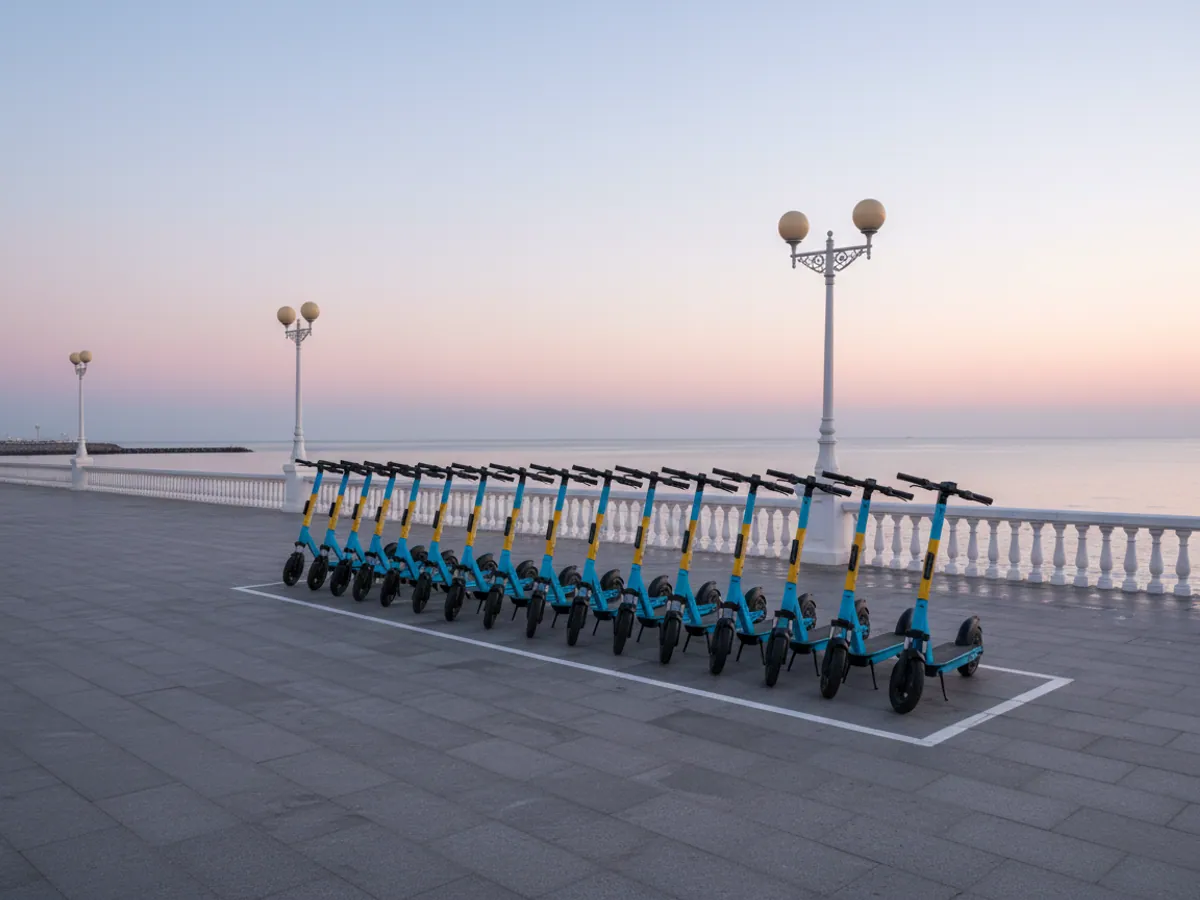
- Charged scooters returned to the hubs after charging
If the racks carry BLE beacons, the tracker reports which one it is standing next to. Without beacons only the hub's general coordinate is visible. The scooter becomes available to riders once your app switches it to the available status.
What sits inside the scooter, and what Wialon does
In short: in a sharing service telematics controls access to the device and collects telemetry: where the scooter is, how much charge is left, whether a ride may be ended here, and it carries out the unlock and lock commands. Booking, tariffs, payments and the app your riders use are a separate product that talks to Wialon through the API. For a pilot you can start by driving everything by hand from Wialon.
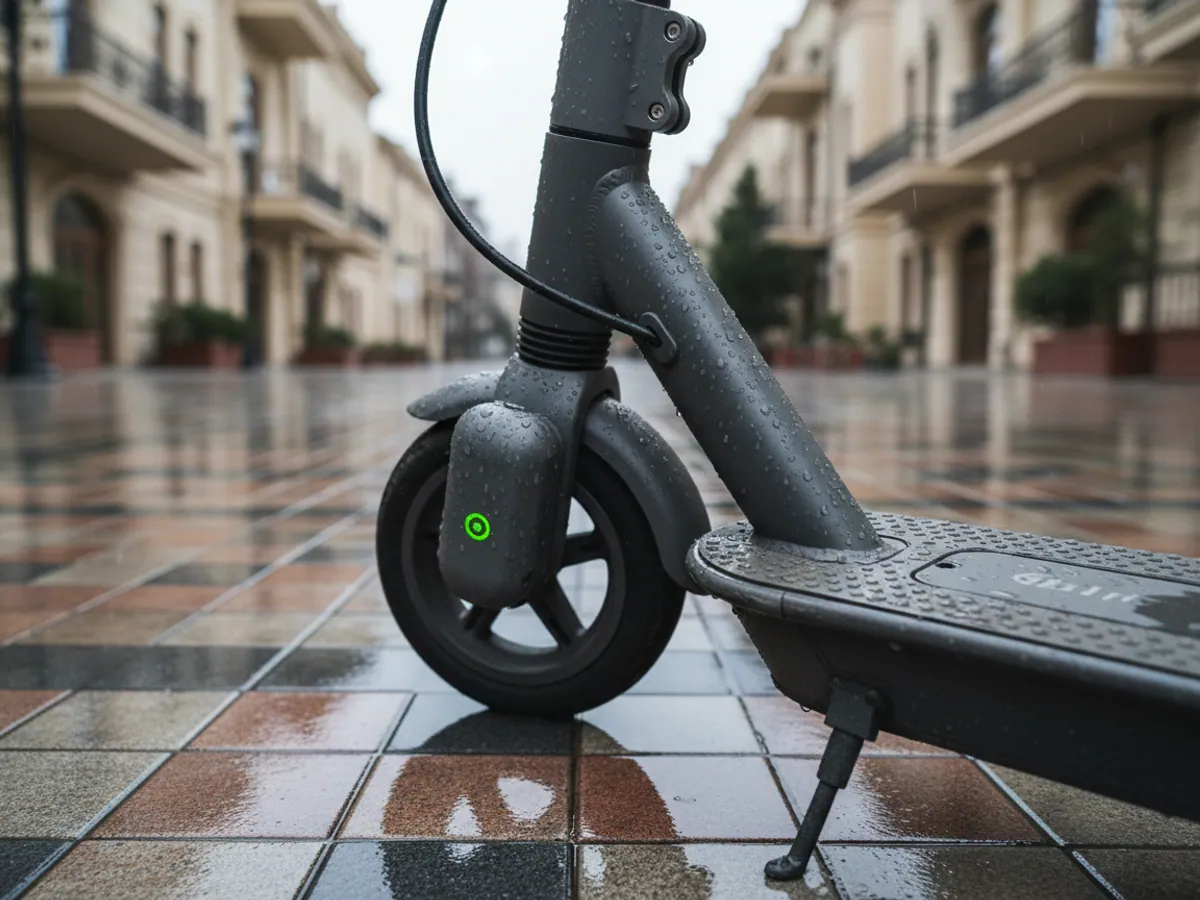
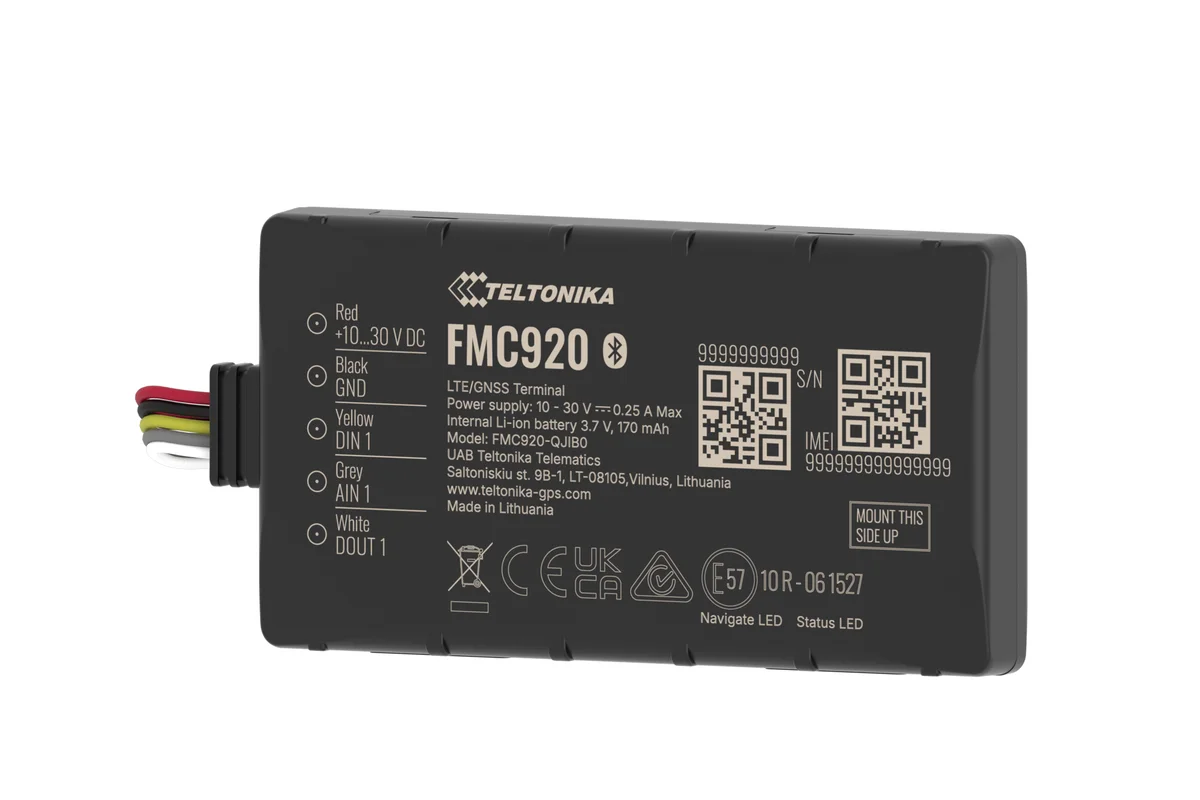
An IoT module is built into the scooter or the bicycle. Teltonika makes a separate line of trackers for micromobility: they connect to the scooter's controller, read battery charge, speed and lock status, and can carry out commands — immobilise the motor, sound the buzzer, release the lock.
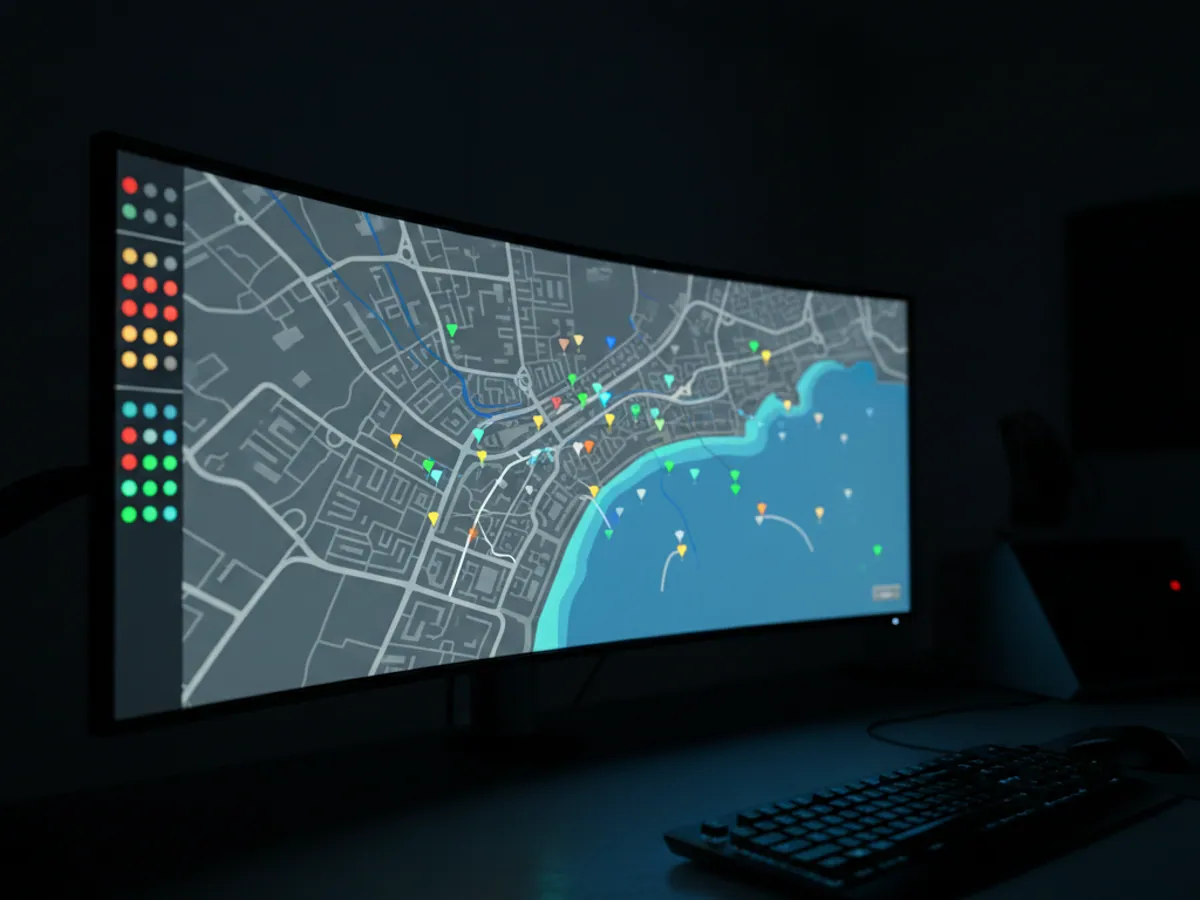
The module sends the data to Wialon. The sharing operator sees the whole fleet on the map: where each scooter is standing, what percentage is left in the battery, whether it is free or on hire. Lock and unlock commands usually arrive within seconds, provided the module has mobile coverage.
It is worth being clear about who does what. Wialon and the tracker are responsible for the telematics: coordinates, sensors, commands, geofences, reports. The customer app with its sign-up, tariffs and payments is your product, or your contractor's. It talks to Wialon through the API: the rider taps Start ride, the app charges the money and sends the unlock command. We do not sell an off-the-shelf app for end customers.
What happens to one scooter over a single day
To make it clear where telematics actually does the work, let us follow an ordinary summer day in the life of one scooter on the Baku boulevard.
07:30 — out on the street
Overnight the crew swapped the battery. In the morning the scooter stands at the hub by the Seaside Boulevard with 100% charge. In the system it is marked as free and it shows up in the rider's app.
09:10 — hired
The rider scans the QR code. The app checks the balance and sends the unlock command through the API. The tracker releases the motor, the ride begins, and the system starts recording the track.
09:25 — pedestrian area
The scooter enters a geofence where the operator has capped the speed. The tracker receives the command and lowers the maximum speed. The rider sees a prompt about it in the app.
09:40 — ending the ride
The rider tries to finish the ride in a courtyard, outside the permitted area. The app compares the coordinates against the parking geofences and asks them to ride on to the nearest point. They finish by the metro, and the scooter locks again.
23:00 — service shift
The report shows 14 scooters below 20% charge. The crew gets the list with addresses and works through it in route order. Two scooters are standing outside the zone, so they are collected first.
Running the fleet without driving out on guesswork
The charge percentage of every machine
The tracker reads the controller's data and sends the charge level along with the coordinates. On the map the scooters can be filtered by charge: show only those below 25%, then build a route through them for the service van.
This is the main source of savings in a sharing operation. The crew does not drive to every point in turn, only to those that genuinely need a swap. A charge history report also shows which batteries have degraded and hold less than they should.


Hubs, warehouses and BLE beacons
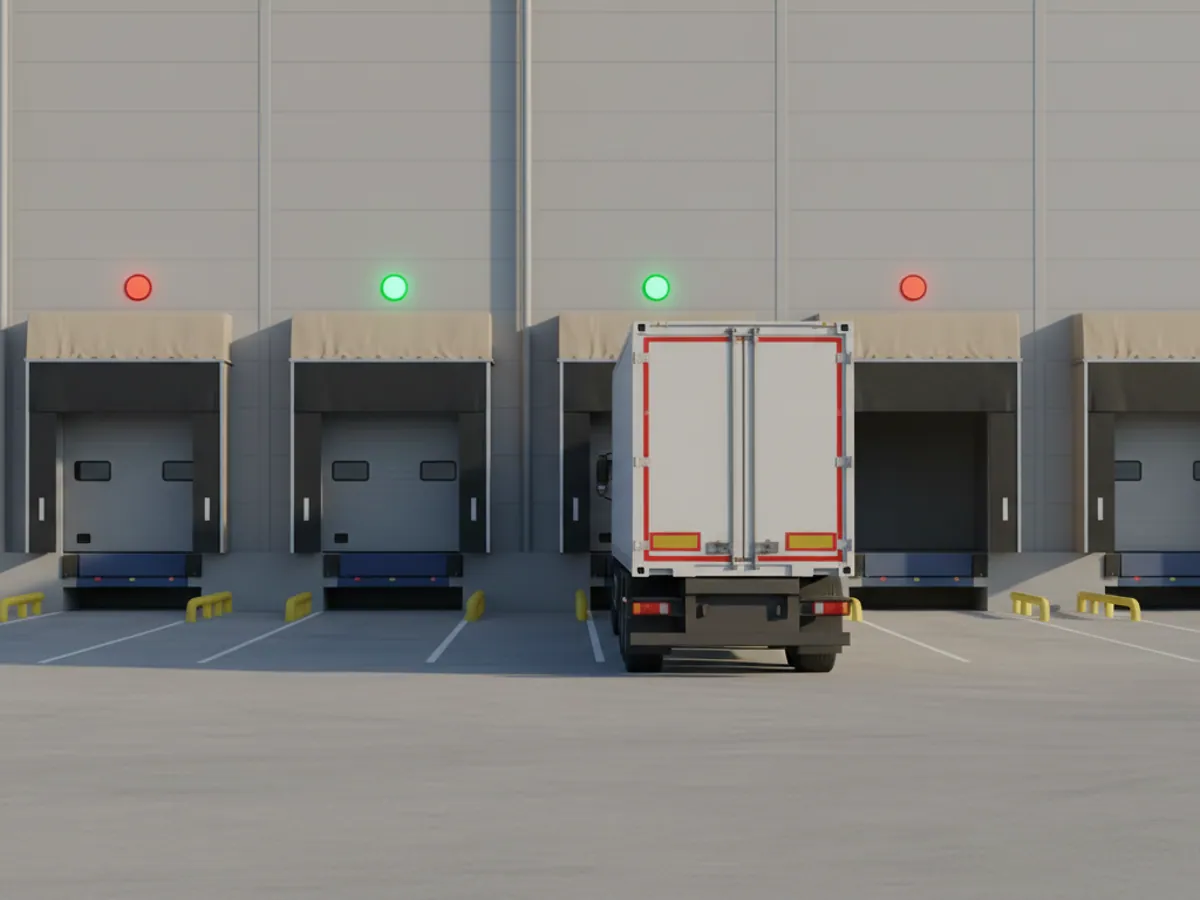
Inside a warehouse or a covered car park GPS does not work, and at a hub the scooters stand close together with identical coordinates. This is where Bluetooth beacons help.
Teltonika EYE Beacon is a small battery-powered beacon that runs for years without attention. The beacon is fixed to a hub rack or to a warehouse door. When the scooter's tracker comes close, it sees the beacon and reports which rack it is standing at. That is how hubs and warehouses are kept accounted for without a manual stocktake.
The reverse arrangement works too: the beacon goes on the bicycle itself or on a charging trailer, and it is read by the tracker in the service van. Handy when you need to know exactly what the crew took away to charge.

Payment, hire and return: where our part ends
Almost everyone launching a sharing service asks this, so we answer it separately.
Taking payments, storing cards, per-minute tariffs, bonuses and penalties for parking outside the zone all live in your customer app and in the payment service you have chosen. In this arrangement telematics answers the questions of where the scooter is, how much charge it has and whether a ride may be ended here, and it carries out the unlock and lock commands.
The two are joined through the Wialon API. The app developer receives coordinates and device status, sends commands and subscribes to events. We help with setting up the units, the access rights and the protocols, and we advise developers on the API.
- If the app does not exist yet, we will tell you what data it needs from telematics so that nothing has to be rebuilt later
- If the app already exists and works with another tracker supplier, we will check what it takes to move it to Wialon
- For a pilot of 20–50 scooters you can start by driving everything by hand from Wialon, with no integration at all
If the link to the scooter is lost
An underpass, a closed courtyard, an overloaded network in the centre on a weekend evening. The loss-of-coverage scenario has to be thought through before launch, because at that moment the rider is standing next to the scooter, waiting.
The unlock does not go through
A command from the server cannot reach a module with no coverage. The customer app should show a clear message and should not charge for a ride that never started. That is the logic of your app, not of the telematics.
The ride ended without coverage
The module stores points in memory and sends them once the network returns, so the track of the ride is restored later. But the check on whether a ride may be ended here may, at that moment, rely on the last known coordinate.
The scooter drops out of sight
No messages for longer than usual is a reason to notify the service crew, not a reason to report a theft straight away. The last position and its timestamp on the map give the search somewhere to begin.
What to agree with the developer
How long to wait for a response to a command, what to show the rider, how to charge for a ride with an incomplete track and who handles the disputed cases. These rules are written once and save the support team a great deal of time.
Where telematics saves a sharing service money
Fewer wasted trips
The service crew drives only to the flat scooters and the badly parked ones. That usually makes a noticeable difference to the mileage the service vans cover in a night.
Fewer losses
A scooter taken out of town is visible on the map, locked and beeping. Thefts do not disappear altogether, but most of the devices do come back.
Order on the pavements
Parking and slow-ride geofences cut the number of complaints from residents and of claims from the city authorities.
Decisions made on data
Reports on the mileage and hire time of each device show which hubs are working and which are worth moving. There is more on the page about fleet utilisation.
What goes on the vehicle
By hand from Wialon, or through the API
You do not need a finished customer app in order to start.
| By hand from Wialon | Through the API | |
|---|---|---|
| Launch without a developer | Yes | No |
| Rental and payment handled automatically | No | Yes, from your app |
| Practical across hundreds of scooters | No, a lot of manual work | Yes |
| Geofences and charge reports | Yes | Yes |
| Where it fits | A pilot of 20–50 scooters | A live service |
Fitting and cost
The feature becomes available once you are connected to the GPS.az platform. The cost is made up of the hardware, the fitting and a monthly subscription, which includes the SIM card traffic — the total depends on the type of vehicle and the set of sensors. We prepare an exact quote for your fleet free of charge within one working day.
- 1 Your enquiry and the list of vehicles
- 2 The quote and an agreed fitting schedule
- 3 Fitting the hardware at your own site
- 4 Setting up reports and alerts in Wialon, and training the dispatcher
Questions about “Solutions for sharing and micromobility”
Request a call
A specialist will call back and match a solution to your fleet and your task.