
Remote engine immobilisation and the GPS immobiliser
Block the next engine start from the monitoring system or from a phone: after a theft, when leasing or rental payments fall behind, or in car sharing. The command only takes effect at a safe moment, and the engine can be started only with the driver's key.
- 00:42 Saloon 10-XX-218: engine started outside working hours
- 00:44 Immobilisation command sent · manager R.
- 00:44 Tracker accepted the command, waiting for a stop
- 00:57 Ignition off, next start blocked
- 07:15 Start attempted while immobilised
From the data on board to the dispatcher's decision
Command from Wialon
A member of staff holding a separate permission sends the immobilisation command from a computer or a phone.
Internet or SMS
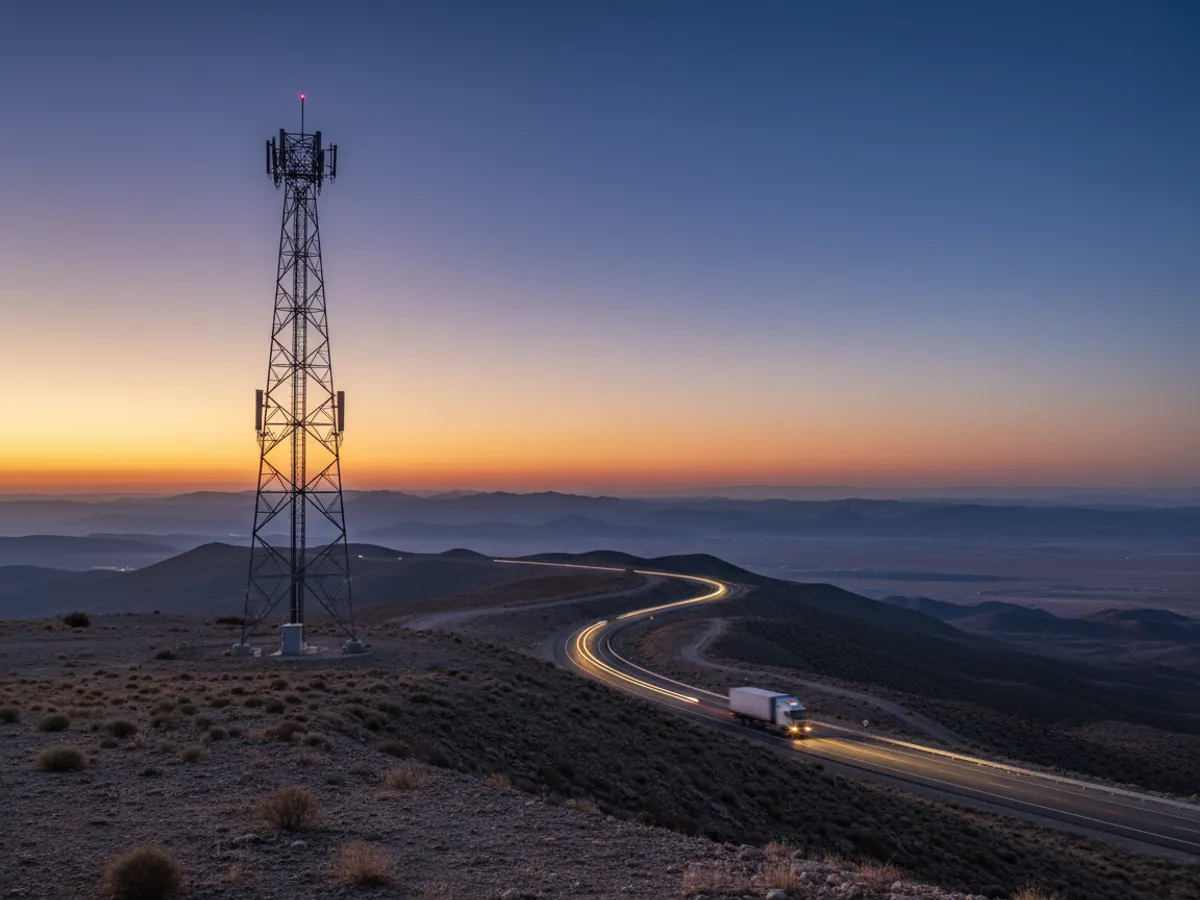
The command reaches the tracker within seconds; where the signal is poor it is duplicated by SMS.
Conditions checked
It waits for the vehicle to stop or for speed to fall below the threshold, so the engine is not cut while the vehicle is moving.
Next start blocked
A relay in the standard wiring opens the starter or pump circuit, and the vehicle will not start.
Features and tools
Control
- Immobilisation on command from Wialon
- Commands from a smartphone
- Command log: who immobilised what, and when
Security
- Takes effect only when parked or at low speed
- Immobiliser with an iButton or RFID driver key
- Anti-theft protection and alert notifications
A night-time start in the car park
An illustrative example: a delivery van parked in Khirdalan. This is how the events look in the system.
- Engine started outside working hours alert
The notification reaches the duty officer in Telegram. No driver is rostered on shift at this hour.
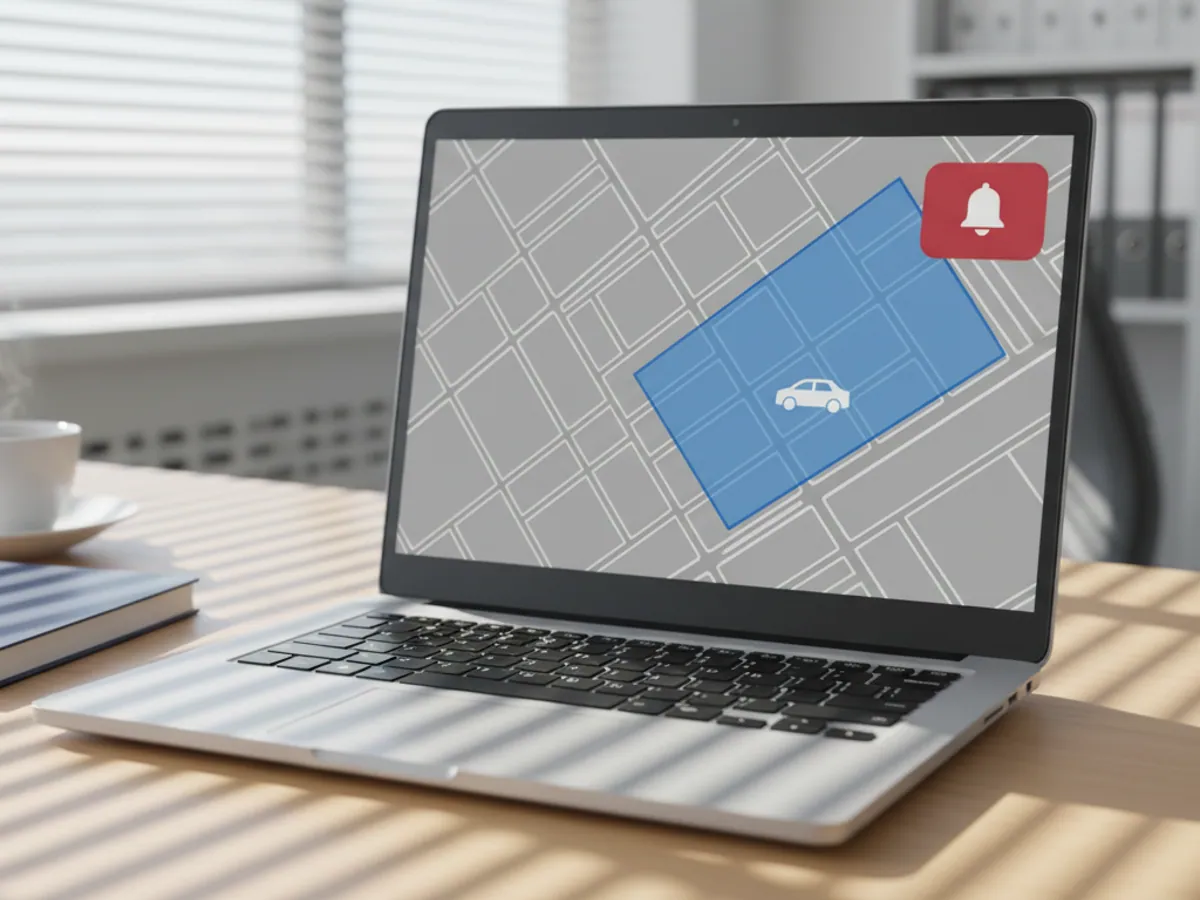
- Left the car park geofence outside zone
The vehicle is heading towards the motorway. Cutting the engine on the move is not an option, so the command is queued.
- Immobilisation command sent queued
The tracker has accepted the command and is waiting for speed to fall below the threshold or for the ignition to be switched off.
- Vehicle stopped, ignition off immobilised
The relay has acted. The engine cannot be started again until the immobilisation is lifted.
- Coordinates passed to the police vehicle in place
The vehicle is standing where it stopped. Once it is back, the immobilisation is lifted with a single command from the office.
How remote engine immobilisation works
In short: remote immobilisation governs whether the engine is allowed to start next time; it does not cut out a vehicle that is moving. The command takes effect only under safe conditions — ignition switched off, or speed below the threshold. Only designated people may send it, every action is written to the log, and the procedure for lifting the immobilisation is agreed before anything is fitted.
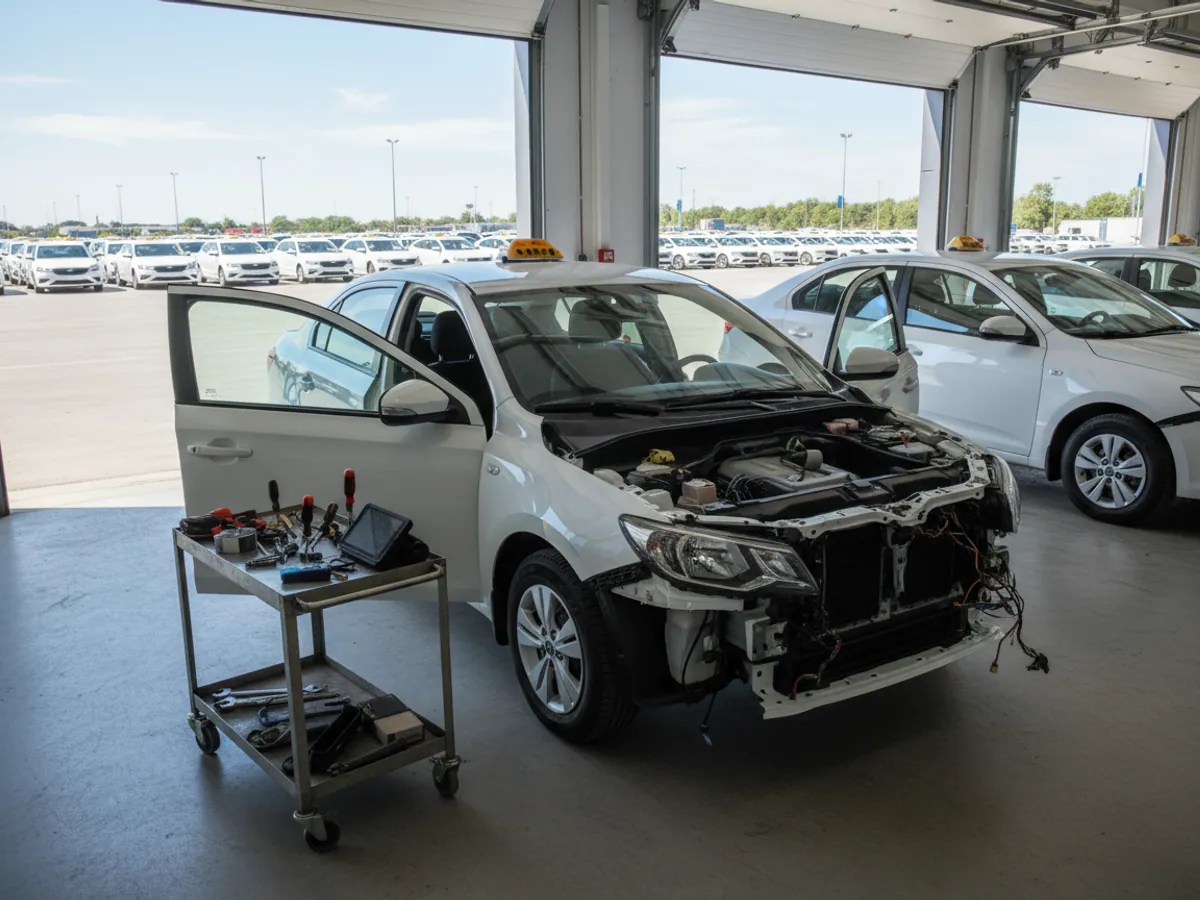
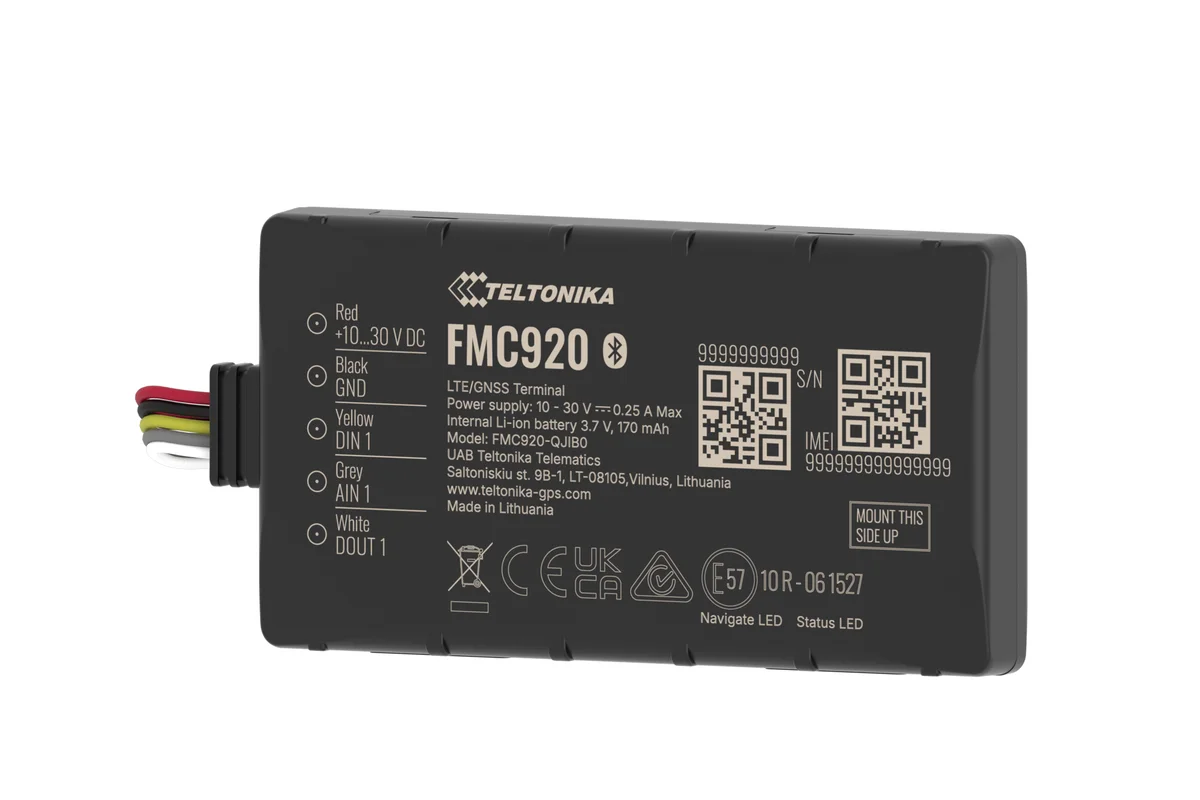
The arrangement is straightforward. A relay is wired to a digital output of the GPS tracker and opens one of the circuits a start depends on: the starter, the fuel pump supply or a signal line. When the dispatcher sends the command from Wialon, the tracker switches the output and the vehicle stops starting.
The command travels over mobile internet in a matter of seconds. If there is no connection, it can be duplicated by SMS. Lifting it works the same way — one command, with no engineer visit.
Exactly where the relay goes is decided vehicle by vehicle. On cars and small commercial vehicles we usually interrupt the starter; on lorries and plant we pick a circuit that is harder to find and bypass. The relay is hidden inside the standard loom so that a quick look under the dashboard does not reveal it.
Remote immobilisation is normally fitted together with anti-theft functions and alert notifications: first you learn that something is wrong with the vehicle, then you decide whether to immobilise it.
Why the engine should not be cut on the move
The first question almost everyone asks is: can a stolen vehicle be cut out right there on the motorway? Technically, yes. But we do not advise it and we do not configure it that way by default.
Risk of a collision
An engine that dies at speed means heavy steering with no assistance and weak brakes. On the M-1, or on the mountain bends on the road to Shamakhi, the consequences are impossible to predict, and it is the vehicle's owner who will answer for them.
Blocking the next start
The sound arrangement is this: the command is queued, the vehicle drives on to its first stop, and once the ignition is switched off it cannot be started again.
Speed threshold
If the vehicle has to be stopped sooner, the relay acts only once speed has fallen below a set threshold, for example 5–10 km/h. Out on the open road the command waits.
Log and access rights
Only users holding a separate permission may send an immobilisation command. Every command is recorded: who sent it, when, and for which vehicle.
Who needs a GPS immobiliser, and what for
Protection against theft
The tracker sees the engine started outside working hours, a departure from the car park geofence, the main power supply being disconnected, or the vehicle being towed with the ignition off. Every such event raises a notification in Telegram, by email or in the app.
From there you have two tools: the vehicle's position in real time and a block on the next start. For the police the first matters more, but the second stops the thief getting far beyond the first stop.
To be honest: professional thieves use signal jammers. A number of tracker models detect jamming and can block a start automatically on that basis, but no system offers a complete guarantee.

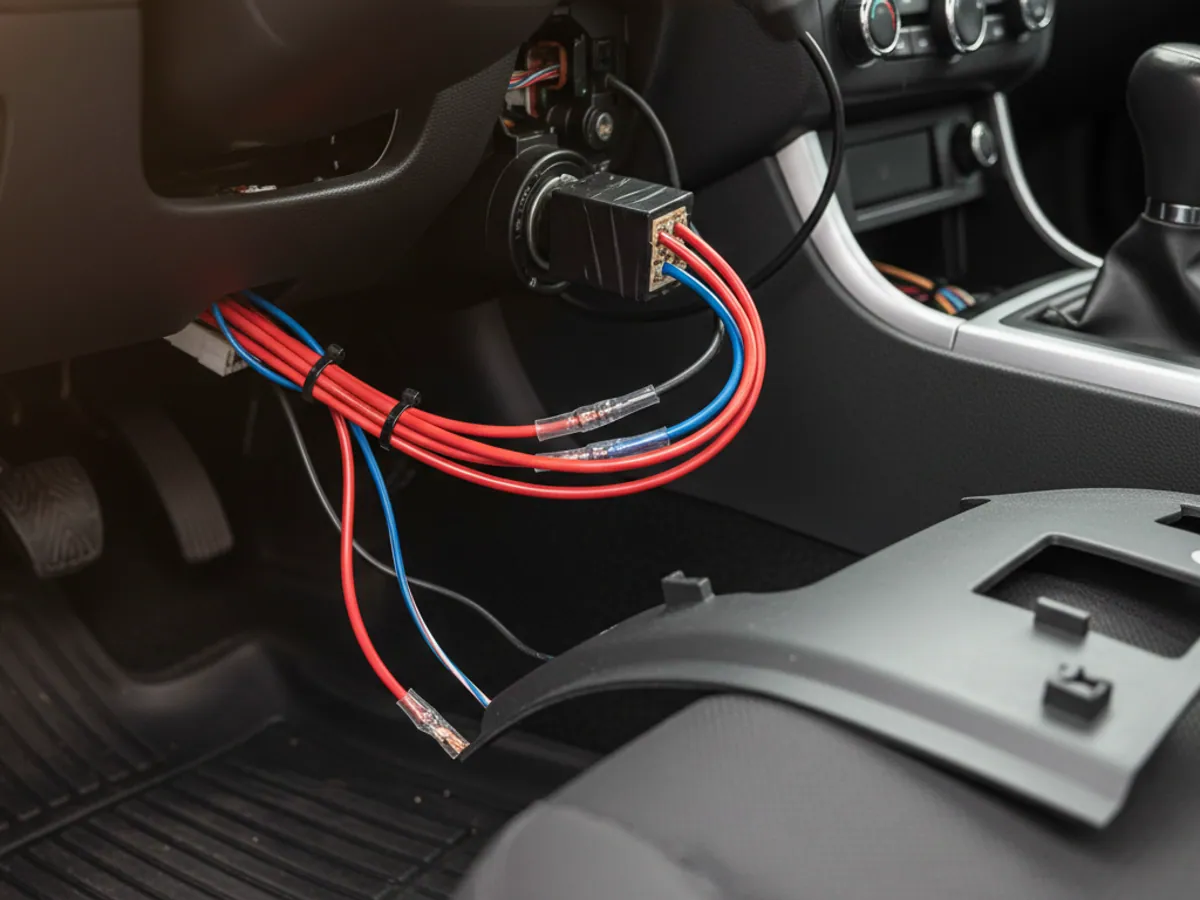
An immobiliser with driver authorisation
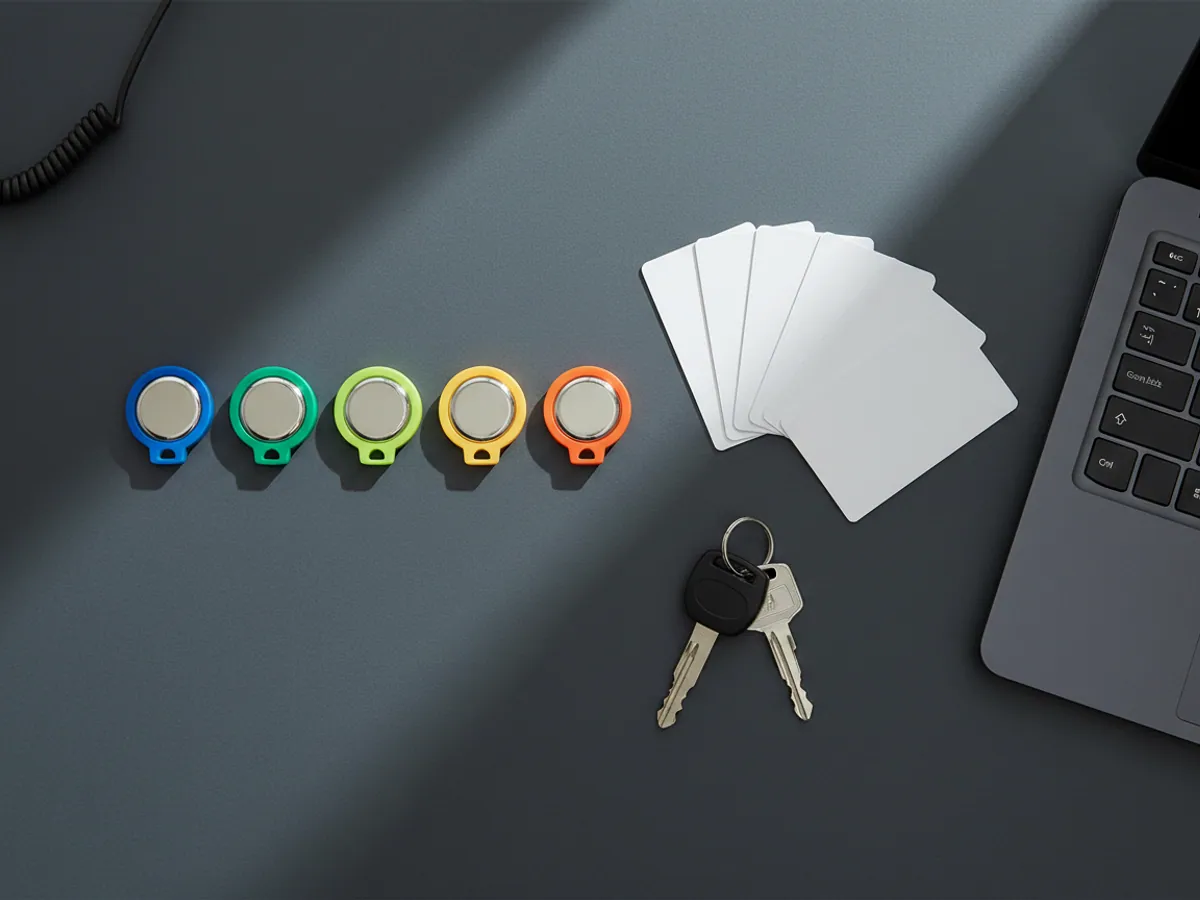
Alongside the remote command there is a mode in which the immobiliser is always armed. The engine starts only if the driver has presented their iButton key or RFID card to the reader in the cab. The tracker checks the key against the list of permitted ones, and if it is not there the relay does not release.
This solves several problems at once:
- an outsider cannot start the vehicle, even with the original ignition key;
- only a driver cleared for that vehicle or that type of machine can be behind the wheel;
- every trip is tied to a specific person, which matters for fines, driving style scoring and working-time records.
The list of keys is managed from the system: when a driver leaves, their key is deleted and they can no longer start any vehicle in the company. Readers and keys are in the driver identification section.
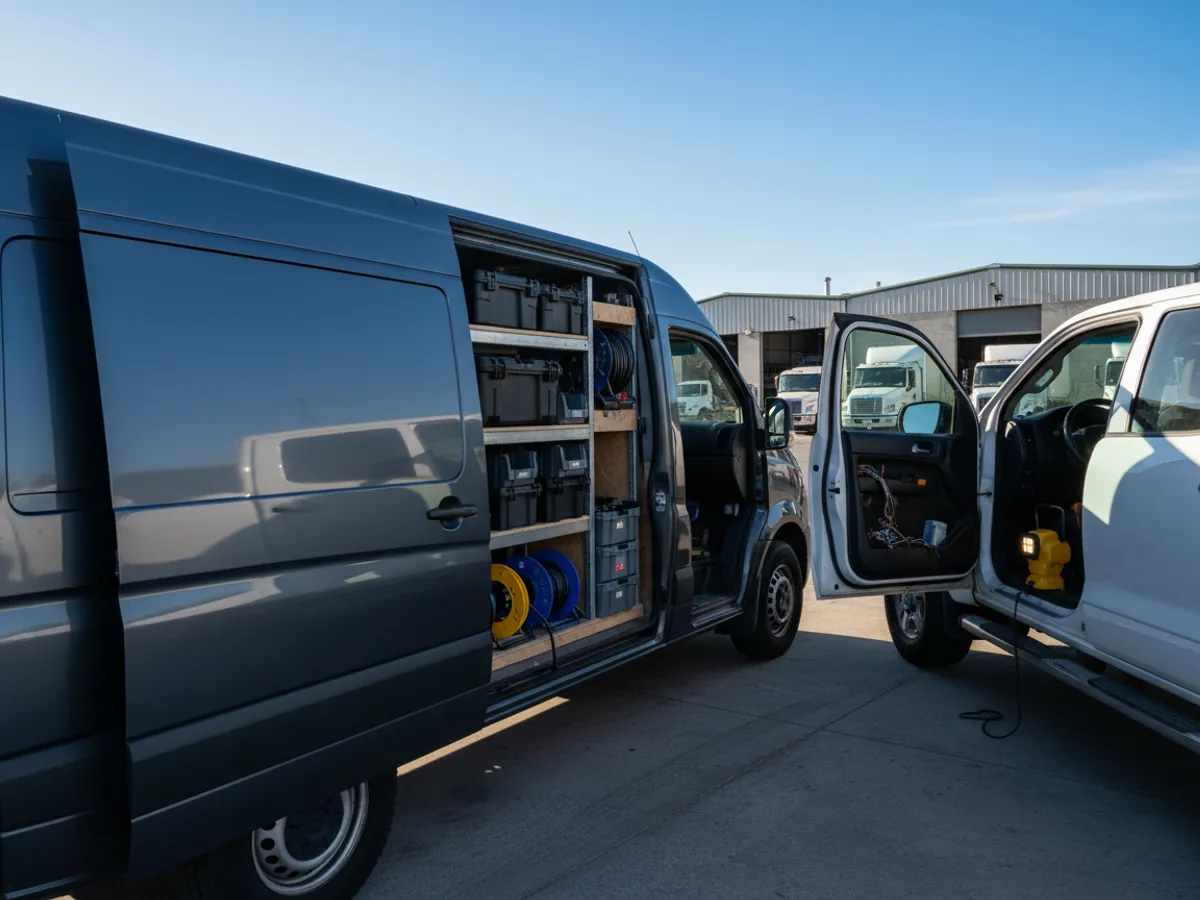
A scenario: a hire car not returned on time
A hire company in Baku let a saloon out for three days. The period ran out on Friday evening and the hirer is not answering calls. The system shows the vehicle standing in a residential district in Sumgait, ignition off since 22:40.
The manager sends the immobilisation command. Since the vehicle is stationary with the ignition off, the relay acts straight away. On Saturday morning the hirer tries to drive off, the vehicle will not start, and an event appears in the system: start attempted while immobilised. Half an hour later he rings in himself.
After that it is settled in the usual way: payment for an extension, or the vehicle comes back. The immobilisation is lifted with a single command from the office, and nobody has to travel anywhere.
We configure this so that your staff can see the status of the command: sent, delivered to the tracker, carried out. If the vehicle happens to be moving at that moment, the status reads awaiting a stop.
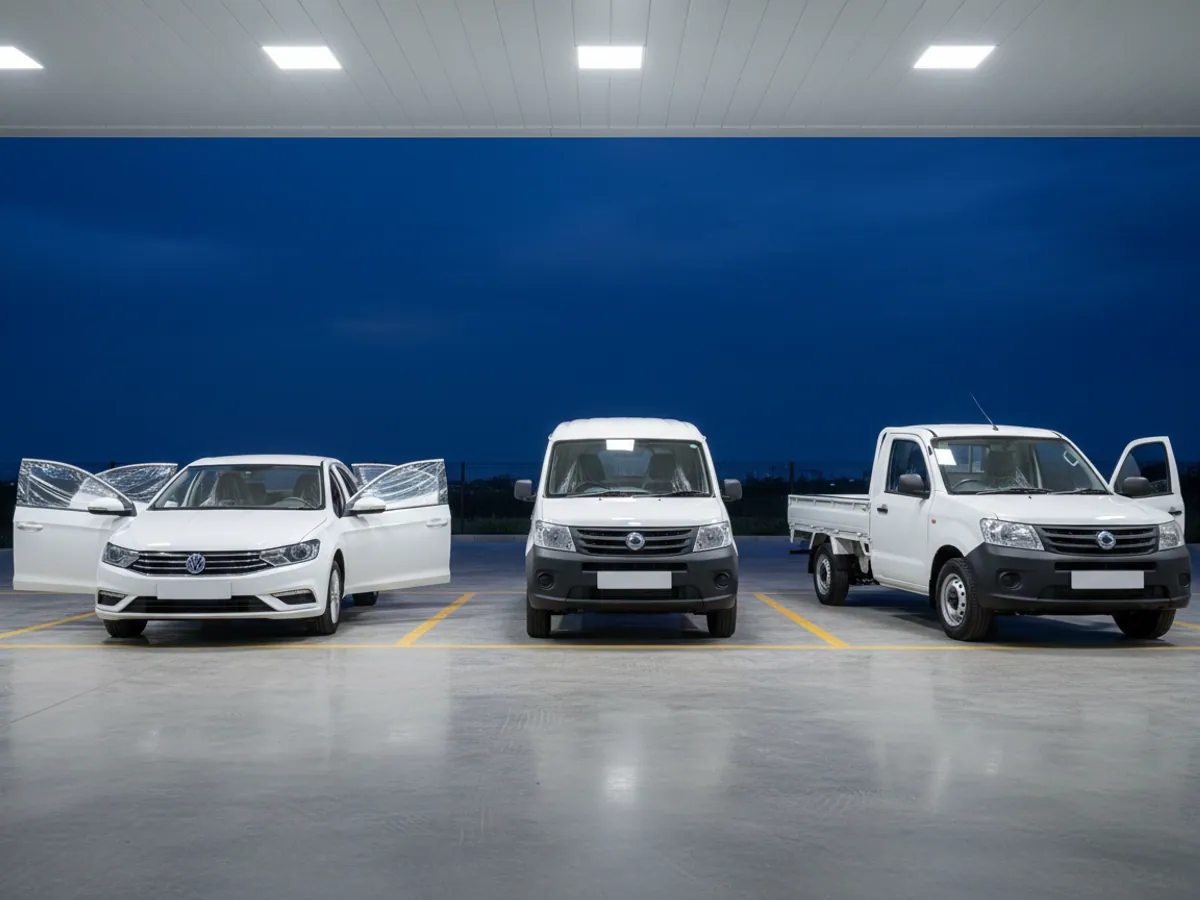
Immobilisation procedure: agreed before the first command
Immobilising an engine is an act with consequences for people and for the business. So before going live we write down a short procedure together with the client. Its framework is the same for leasing, hire and an own fleet.
- Grounds for the command. Which events make immobilisation permissible at all: a confirmed theft, an overdue payment after a warning has been given, a vehicle outside its permitted area. And under which conditions the relay may act: only once the ignition is off, or when speed is below the threshold.
- Roles. Who has the right to send the command, who approves it, who may lift it. In leasing and hire it is convenient to split the two: the manager requests, the head of department confirms. Rights are granted to named users, not to a shared account.
- The log. The system retains the time of the command, the user, the vehicle and the outcome. The reason is best recorded in a comment or in your own internal system: a month later you will not remember why the vehicle was immobilised.
- Restoring the vehicle. Who lifts the immobilisation and how, during working hours and at night, and which number a driver rings if the vehicle will not start on the road. For an own fleet this is essential: a driver stranded on the open road at night is a risk too.
- Loss of connection. If the tracker is off the air, a command over mobile internet will not reach it. The fallback is SMS, provided it has been configured and there is network coverage. In the log such a command stays marked as undelivered, and the person responsible has to see that.
The legal side — whether you have the right to immobilise a customer's vehicle and how that is worded in the contract — is for your lawyer to check. Our responsibility is that the technical arrangement matches what the procedure says.
What to check before fitting immobilisation
The vehicle warranty
On new vehicles still under dealer warranty we connect to the circuits carefully and, where possible, without cutting into the standard wiring. If this is critical for you, we discuss the approach beforehand.
Which circuit to interrupt
Starter, fuel pump or a signal wire — the choice depends on the model. On some modern vehicles a starter block is easier to get around than it looks.
The right to send commands
Decide in advance who in the company may immobilise vehicles. Two or three people with their own accounts works better than a shared dispatch-room login.
The contract with the driver or the customer
In hire and leasing the possibility of immobilisation has to be a term of the contract. For your own drivers it belongs in the internal rules on the use of vehicles.
What goes on the vehicle
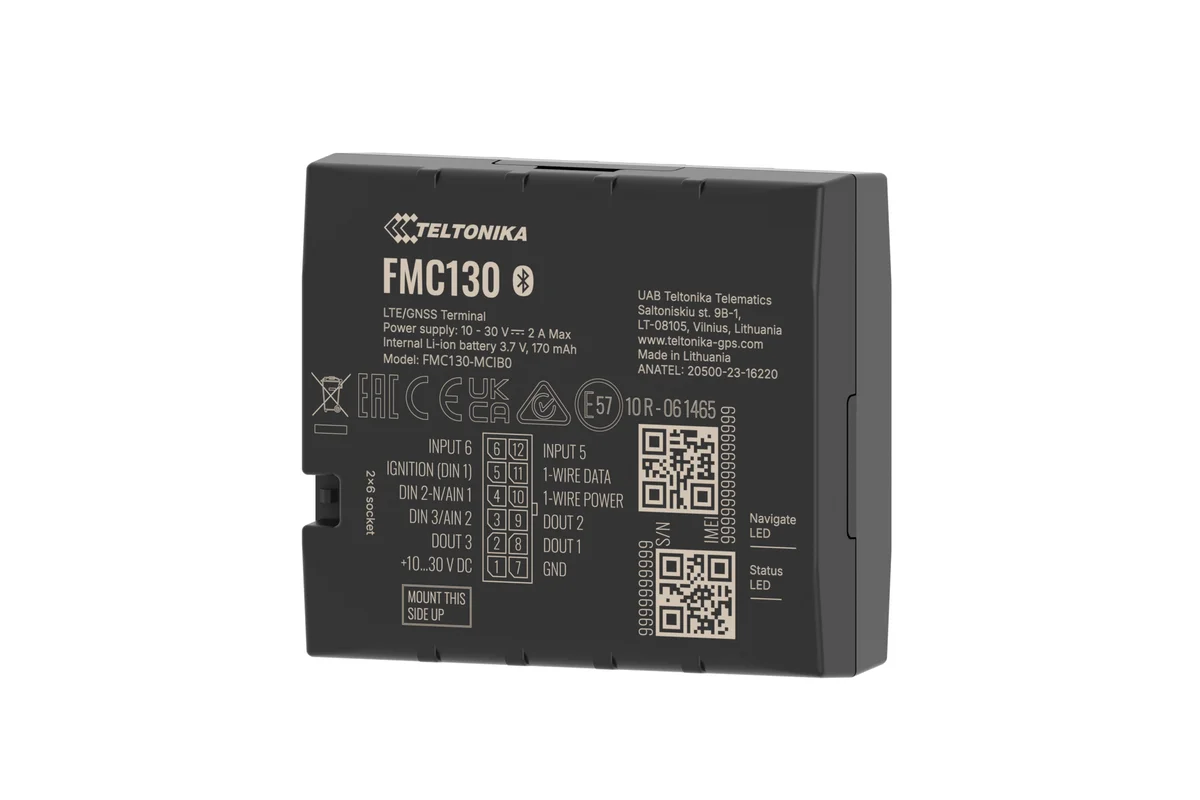
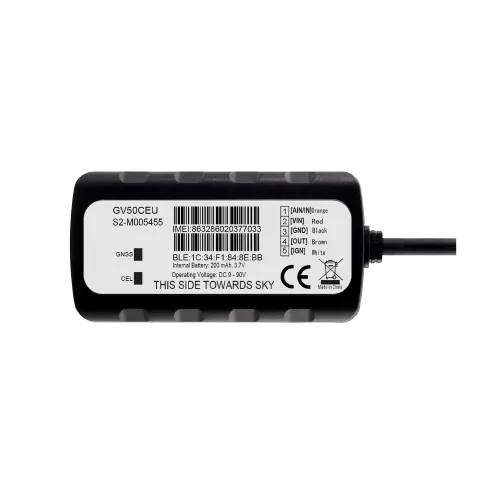
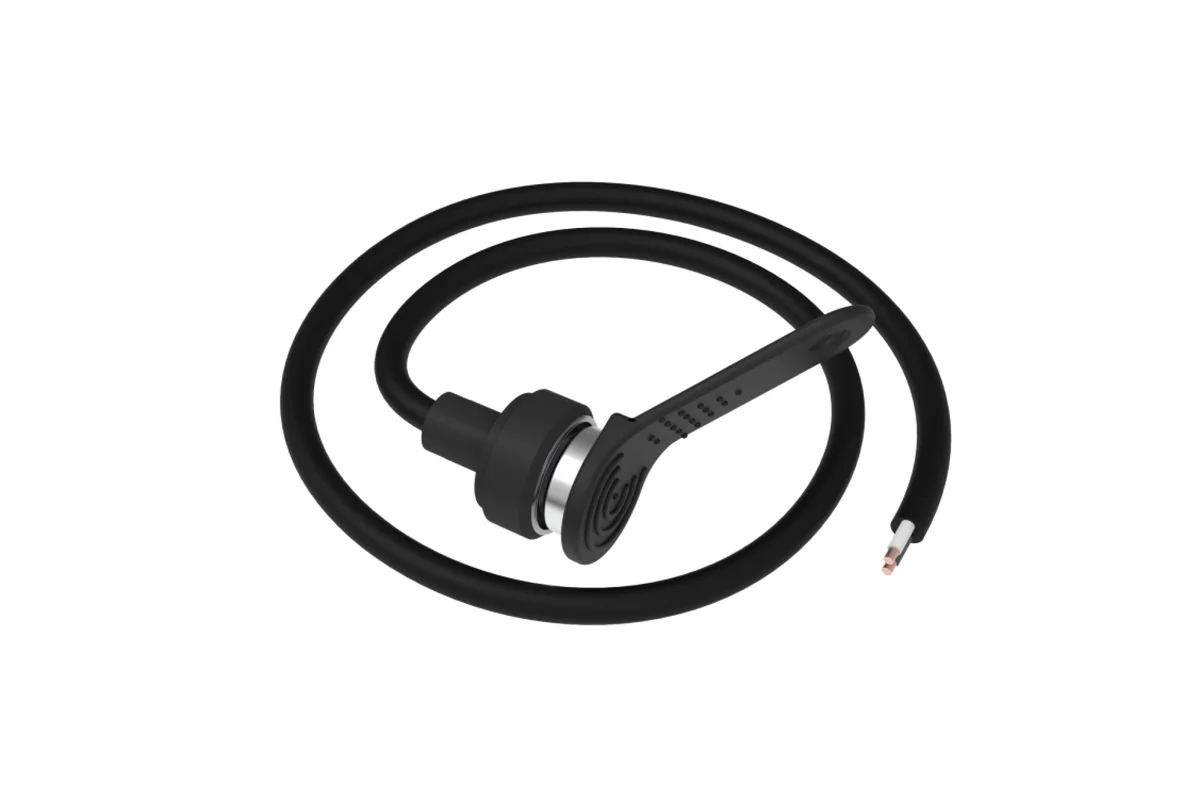
Command or key: two modes of immobilisation
The two modes do not exclude one another. On a single vehicle they are often combined.
| On command from Wialon | With a driver key | |
|---|---|---|
| Works without a dispatcher | No | Yes, always on |
| Works without a mobile connection | No, a connection or SMS is needed | Yes, checked on board |
| Helps when lease payments are missed | Yes | No |
| Keeps out a stranger holding the ignition key | Only if you immobilised in time | Yes |
| Ties the trip to a driver | No | Yes |
Fitting and cost
The feature becomes available once you are connected to the GPS.az platform. The cost is made up of the hardware, the fitting and a monthly subscription, which includes the SIM card traffic — the total depends on the type of vehicle and the set of sensors. We prepare an exact quote for your fleet free of charge within one working day.
- 1 Your enquiry and the list of vehicles
- 2 The quote and an agreed fitting schedule
- 3 Fitting the hardware at your own site
- 4 Setting up reports and alerts in Wialon, and training the dispatcher
Questions about “Remote engine immobilisation and the GPS immobiliser”
Request a call
A specialist will call back and match a solution to your fleet and your task.