

GPS monitoring for leasing companies
For bank and non-bank leasing companies that finance cars, commercial vehicles, tractor units and construction machinery in Baku, Ganja, Sumgait and the regions.
You can see where every leased asset is, you get an alert when it leaves the permitted territory or the tracker is disconnected, and you can prevent the engine from starting once payments fall behind — under the rules written into the contract.

You own it, but the client holds the keys
Under a lease agreement the asset remains the property of the leasing company until it is bought out. Yet it is the lessee who drives that car or operates that excavator every day. While the payments keep coming, this is not a problem. Once arrears begin, it turns out the company does not even know which district its property is standing in.
GPS monitoring for leasing companies closes that gap. The tracker is fitted when the asset is handed over, the contract includes a clause on monitoring and on the immobilisation procedure, and from then on the risk department sees the portfolio on a map. The client's work is interfered with only when the terms are broken: arrears, leaving the permitted territory, an attempt to remove the equipment.
Leasing is part of the wider subject of vehicle rental and financing, see monitoring for rental and leasing. For funds and banks that work alongside insurers there is a separate page on leasing funds.
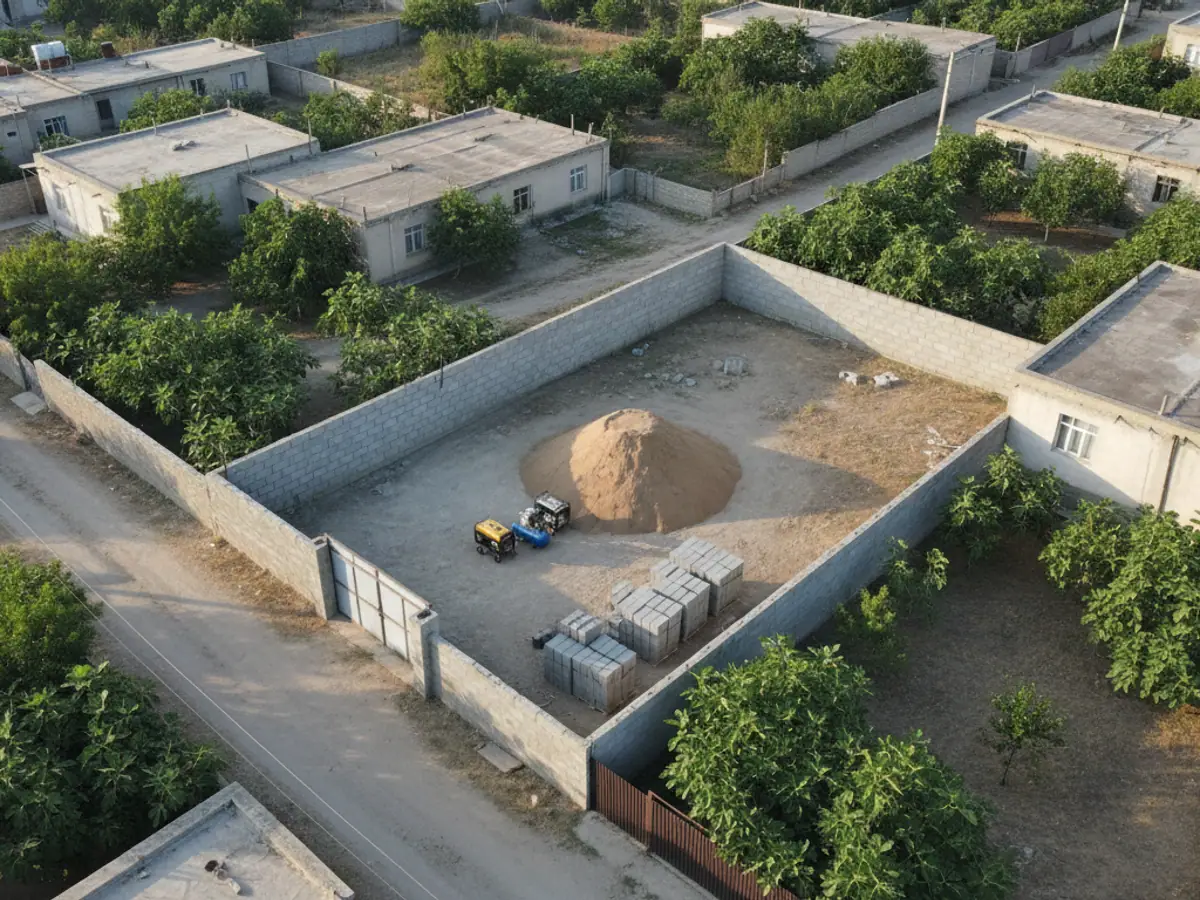
Escalation on arrears: from reminder to immobilisation
Engine immobilisation is the last step, not the first. We set up a ladder that the collections department follows by procedure:
- Days 1–5 of arrears. A call and an SMS to the client. The system only shows where the asset is and how it is being used.
- Past the threshold set in the contract. An audible signal in the cabin when the ignition is switched on — a reminder the driver cannot turn off on his own.
- Further on. The engine is barred from starting the next time the ignition is switched off. The relay is wired so that the vehicle does not cut out while moving: the command is carried out once the engine has already been stopped.
How immobilisation itself works and how it is wired so the vehicle is not stopped in motion is described on the page about remote engine immobilisation.
In practice many debtors get in touch soon after the car fails to start, but this depends on the client, and immobilisation alone is not something to rely on. Every command is written to a log with the time, the user and the coordinates — that history is useful to lawyers if the case reaches court.
Risks in a leasing portfolio
Of everything leasing companies bring to us, four scenarios come up most often:
The asset is hidden
The car is moved to relatives in Lankaran or Gakh, into a locked garage, to a village with no address. Without GPS the search drags on for months, and meanwhile the asset loses value.
Taken across the border
An attempt to move the machine to Georgia, Russia or Iran to resell it. Geofences around the border districts give a signal before the vehicle reaches the checkpoint.
Stripping for parts
Before the vehicle is returned, the wheels, the head unit, the battery and sometimes whole assemblies are removed. The tracker will not show this directly, but it will show a long stop at a garage or a breaker's yard on the eve of the return.
Sub-letting
The lessee passes the vehicle on to a taxi firm or an outside company. Mileage grows twice as fast and the vehicle wears out sooner than the residual value assumed.

What working with a 400-vehicle portfolio looks like
Picture a leasing company with a portfolio of 400 units: cars for private customers, vans for small businesses, a couple of dozen tractor units and excavators. A risk officer's morning starts with three lists in Wialon.
No connection for more than 48 hours. Usually this is a flat battery on a vehicle that has been standing still. Sometimes it is a deliberately disconnected tracker. The second case shows up because an external power disconnection event came in just before the signal was lost.
Left the permitted zone. If the contract says the machine works in Baku and Absheron, and the excavator has been standing near Fuzuli for three days, that is not necessarily a breach: it may be subcontracted work on a reconstruction site. But it is a reason to call.
Arrears plus movement. A list of debtors whose vehicles are meanwhile being driven a lot. The conversation with them is different from the one with those whose vehicle is standing still.
Everything else — the 380 vehicles that are being driven and paid for — the risk department leaves alone.

Where monitoring ends and collection begins
A tracker does not collect debts. It gives the risk department data and one technical lever — barring the engine from starting. Everything else is done by people according to your procedure, and it is better to set out in advance who is allowed to press what in the system.
- Monitoring operator. Sees the map, the "no connection" and "left the zone" lists, adds notes and passes the case on. He has no immobilisation commands.
- Collections officer. Sees the payment status and the asset's history, and can switch on the audible reminder. Barring the engine from starting happens only on a manager's decision or at the arrears threshold set in the procedure.
- Head of the risk department. Rights to immobilise and release, and to switch the covert tracker to frequent reporting while a repossession is being prepared.
- Lawyer and recovery team. Read access: the track, the stops, the command log with times and users. The decisions about repossession are theirs, not the system's.
Roles like these are configured in Wialon through user rights on objects and commands. We transfer your procedure into the settings, but the procedure itself — the deadlines, the thresholds, the grounds for immobilisation — is written by your company together with its lawyers. Debt collection, negotiations with the client and repossession stay outside the monitoring system.

A pilot on part of the portfolio: data, access, acceptance
A pilot is convenient to run on 20–30 new hand-overs in a month plus a few problem contracts from the current portfolio, where the tracker is fitted at the client's next visit.
What we need from the leasing company:
- the wording of the clause on monitoring and immobilisation, agreed by the lawyers;
- a list of the pilot assets: make, model, year, type (car, tractor unit, plant and heavy equipment);
- the permitted territory under each contract, so that the geofences can be drawn;
- a list of staff with the roles from the procedure;
- if an integration is needed — the contact of the developer of your accounting system and test access.
The working report for the risk department during the pilot is a table by contract: contract number, asset, last connection, last coordinates, exits from the zone over the period, mileage for the month, power disconnection events, immobilisation status and who changed it.
The acceptance criteria are agreed in advance: every pilot asset is connected at hand-over and confirmed by a signed record; the "no connection" and "left the zone" notifications reach the people responsible; the immobilise and release commands have been rehearsed on a test asset; the command log can be read by lawyers without explanations from us.
Tools for a leasing company
Location and history
Coordinates are updated every 15–30 seconds while moving and less often when parked. The movement history is kept in Wialon and is available for the days of the contract within the data retention period: useful when a client disputes how the asset was actually used.
- geofences for permitted operation: city, region, country;
- notifications about leaving the zone and approaching the border;
- a night-time parking report — where the asset actually lives.
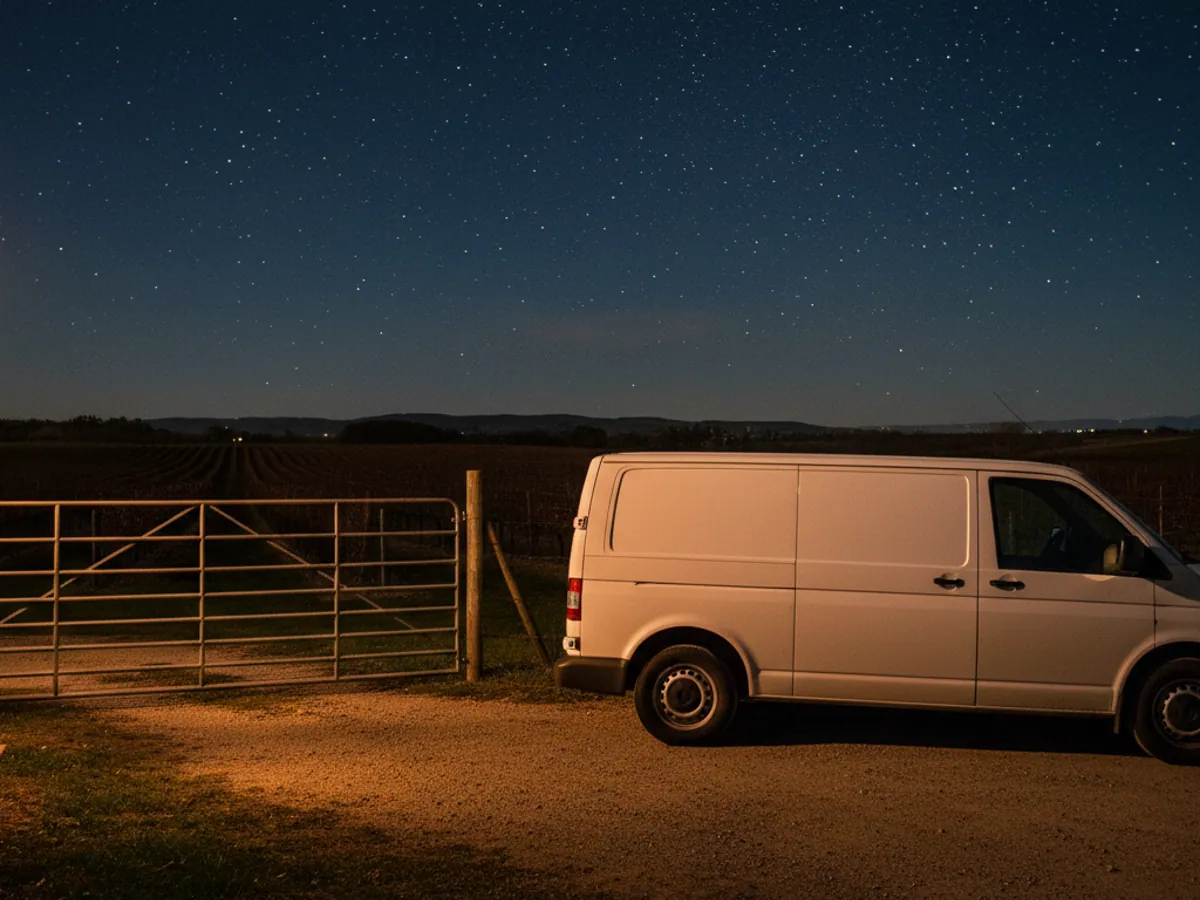
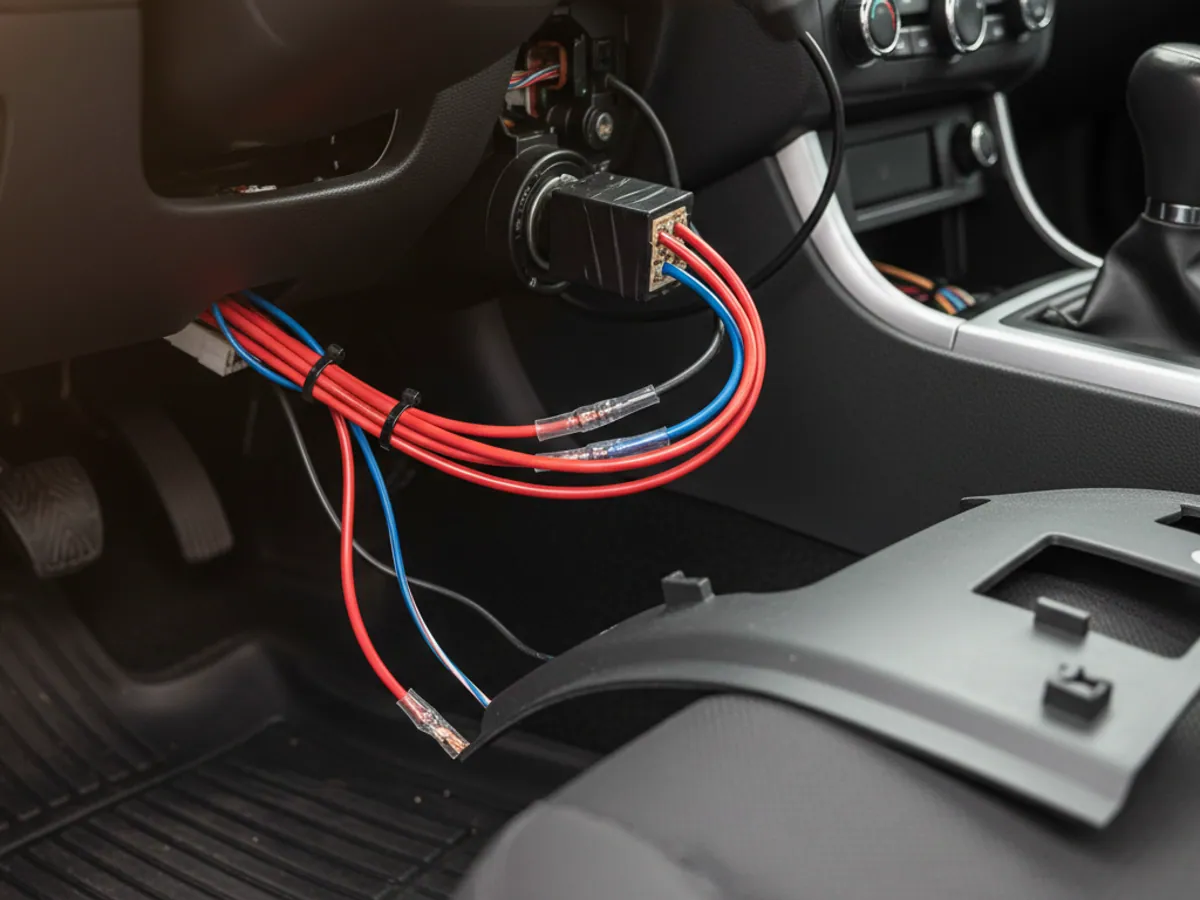
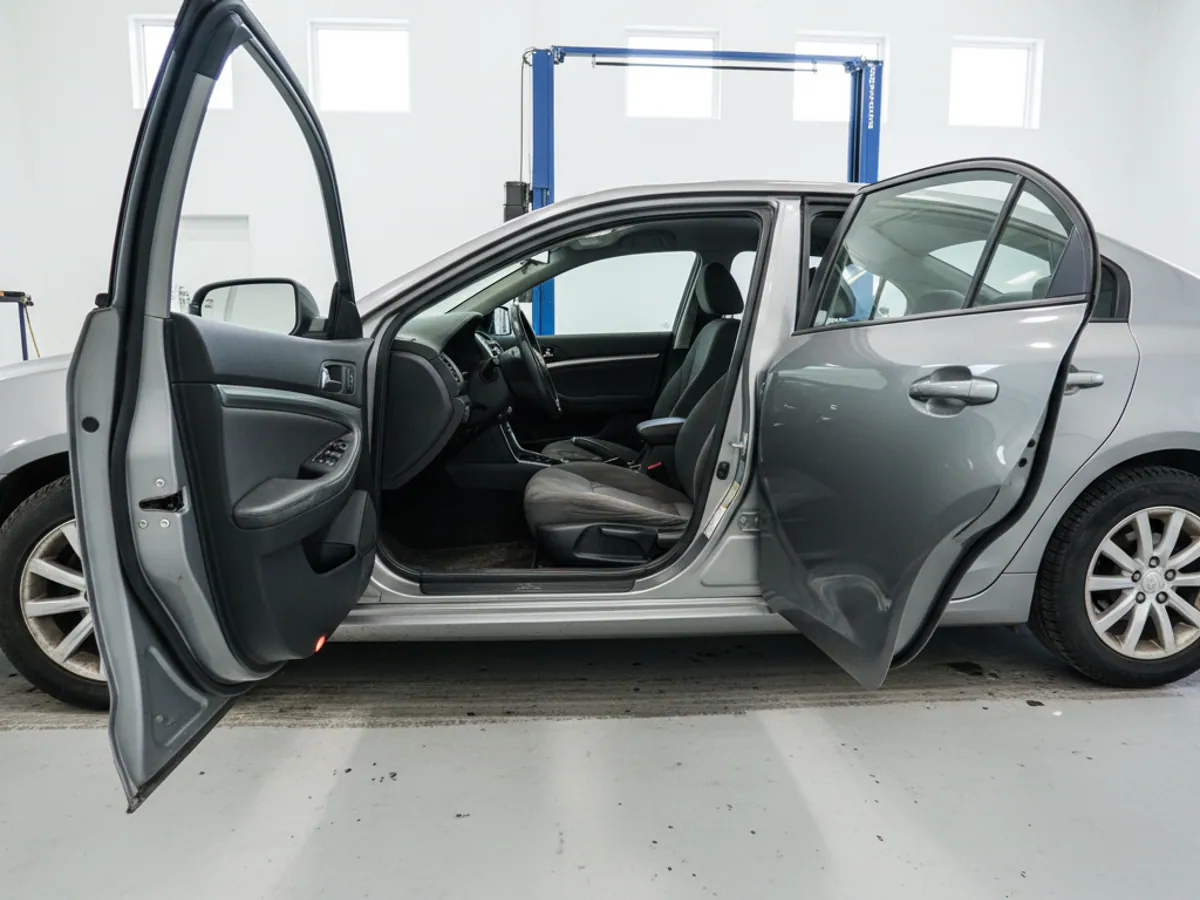
What equipment we fit to a leased asset
Primary tracker
A Teltonika FMC130 or an equivalent, wired to the power supply and to the immobilisation relay. It is fitted out of sight, with the joints taped in with the standard loom.
Battery-powered covert unit
A battery tracker, for example a Teltonika TAT100, in another part of the body. It reports once a day and is there for the case when the primary tracker has been found and removed.
CAN adapter
For tractor units and newer cars: accurate mileage and engine hours from the on-board computer, without cutting into the loom in a way that could affect the warranty.
Tracker for plant and heavy equipment
A housing protected against dust and water, engine hour counting, monitoring of the battery compartment being opened. An excavator in a quarry lives in conditions a car tracker would not survive.

Repossession of the asset
When the contract has been terminated, the recovery team needs three things: where the vehicle stands, when it is usually left unattended and whether the client is trying to move it. All of this is visible in the parking history for the past few weeks.
If the primary tracker has been found and disconnected, the battery-powered covert unit takes over. It reports on a schedule, once every 12–24 hours, and it is harder to find because it stays silent most of the time. We choose where to fit covert units to suit the particular model and do not repeat the same place from vehicle to vehicle.
For the duration of the repossession the covert unit can be switched to frequent reporting so that the asset is visible while it moves. Once the handover record is signed, we remove the immobilisation and restore the standard settings. The legal side of repossession is handled by your lawyers: we give them the data and the command log.
How to build monitoring into the hand-over process
A clause in the contract
The condition that a tracker is fitted, the permitted territory of use and the procedure for immobilisation on arrears. The wording is agreed by your lawyers — we provide the technical description.
Fitting before hand-over to the client
We fit the tracker at the dealership or on your own site before the asset is handed over. A car takes 1.5–2 hours, a tractor unit or a machine takes longer. The client receives the asset already under monitoring.
A check at hand-over
The record states that the tracker is connected, the relay works and the coordinates are correct. This helps close down the argument that it never worked in the first place.
A link with the accounting system
Payment statuses from your system go into Wialon, and mileage and location data go into the client's record.
Removal on buy-out
After the asset has been bought out in full we remove the equipment or, if the client prefers, transfer it to his own monitoring account.

Mistakes that cost leasing companies dearly
Immobilisation without a clause in the contract. Technically it can be done, but the client will contest it. First the legal basis, then the relay.
The tracker is fitted wherever it is easiest. Under the dash by the fuses is the first place any auto electrician will look. Concealed fitting takes longer, but it usually pays for itself at the very first default.
Nobody looks at "no connection". A disconnected tracker is the earliest signal of a problem client. If it is acted on a month later, the vehicle may already be abroad.
Saving on a covert unit for expensive assets. For a tractor unit or an excavator a second independent tracker costs incomparably less than the asset itself.
What the leasing company gets
An early warning of trouble
A disconnected tracker, a vehicle leaving its zone and unusual mileage are all visible long before the arrears become hopeless.
The asset is not lost
On a default you have the last coordinates and the parking history, and if the primary tracker has been removed, the data from the covert unit. The search becomes targeted, although the recovery itself remains with the lawyers and the repossession team.
Payment discipline
Clients know about immobilisation from the contract, and that possibility alone reduces the number of forgetful missed payments.
A clear residual value
Mileage, engine hours and how the asset was used over the whole term of the contract help value it on return.
Frequently asked questions
What is used in this sector
What we do end to end
Wialon modules for this sector
How it is used in this industry
Case studies from “Rental & Leasing”

SECO: bringing a stolen vehicle safely to a halt
Car sharing and rental

Two trackers against the theft of leased vehicles
Car sharing and rental

The hidden TAT140 tracker against vehicle theft
Car sharing and rental
Thinking of rolling out GPS monitoring in “Leasing companies”?
Send us an enquiry and we will price it up for your fleet and pick the hardware for this sector: rental & leasing.
- 1 We pin down the task
A specialist calls back and asks about the vehicles, how many there are and what you need to keep an eye on.
- 2 We put a solution together
We propose the hardware and the features, and set out the one-off and the monthly cost separately.
- 3 We agree the fitting
At your yard or at ours, on a schedule that keeps the vehicles working.
Request a call
A specialist will call back and match a solution to your fleet and your task.