
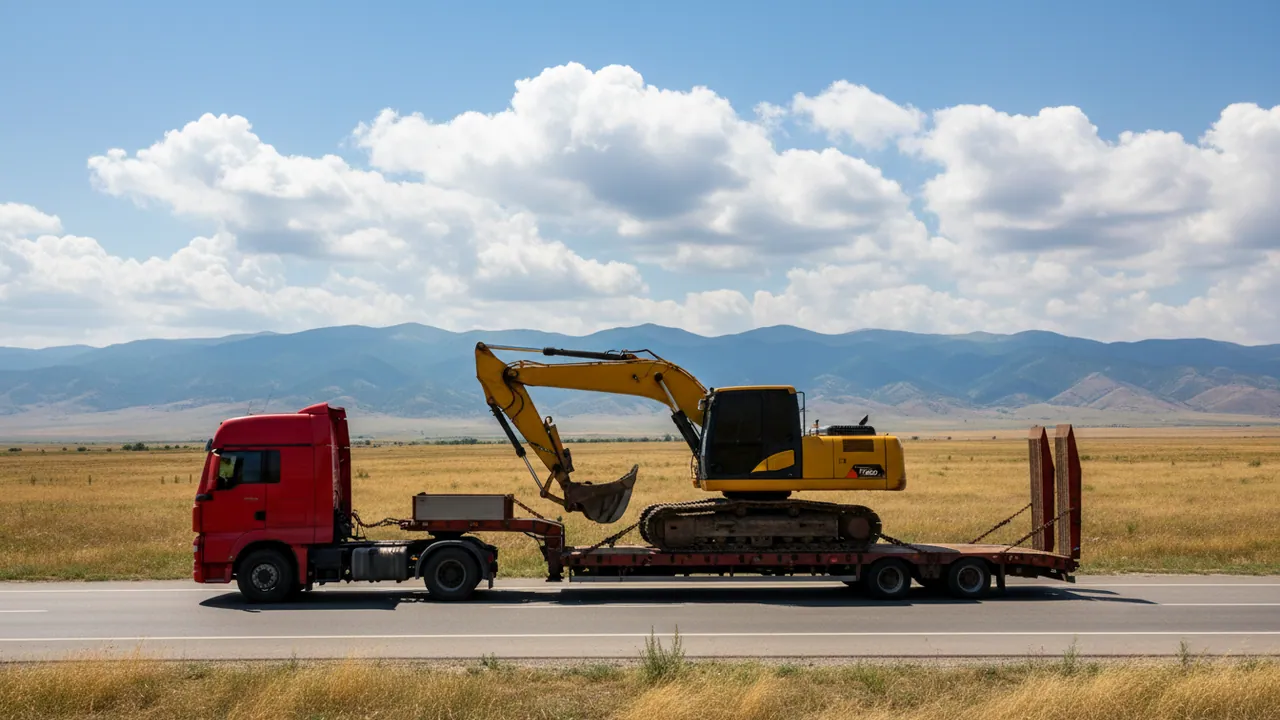
Monitoring pledged assets for funds and investors
GPS monitoring of pledged equipment for leasing funds, credit institutions and private investors. You can see where every financed lorry, excavator or generator is, whether it is working and whether it is about to leave the country.
Data on how heavily the equipment is used points to a borrower's difficulties before any arrears appear in the payment schedule.

Collateral you can see at any moment
A fund finances a fleet of tippers for a contractor in Karabakh, tractors for a farm near Sabirabad, diesel generators for a site on Absheron. On paper all of it is security. In practice the equipment spreads across the country, moves between sites, sometimes goes into sub-hire to third parties, and a site visit once a quarter shows only the day the officer came.
The investor's main risk is the moment when the client stops paying and the equipment is no longer where it was said to be. It has been hidden in a private yard, stripped for parts or taken across the border. The longer the search runs, the less whatever is eventually recovered is worth.
A tracker on every pledged unit closes that gap. You see the portfolio on the map, you get a signal if a vehicle heads for the border or a tracker goes off the air, and from the engine hours you can tell whether the equipment is earning the money to pay the instalments.
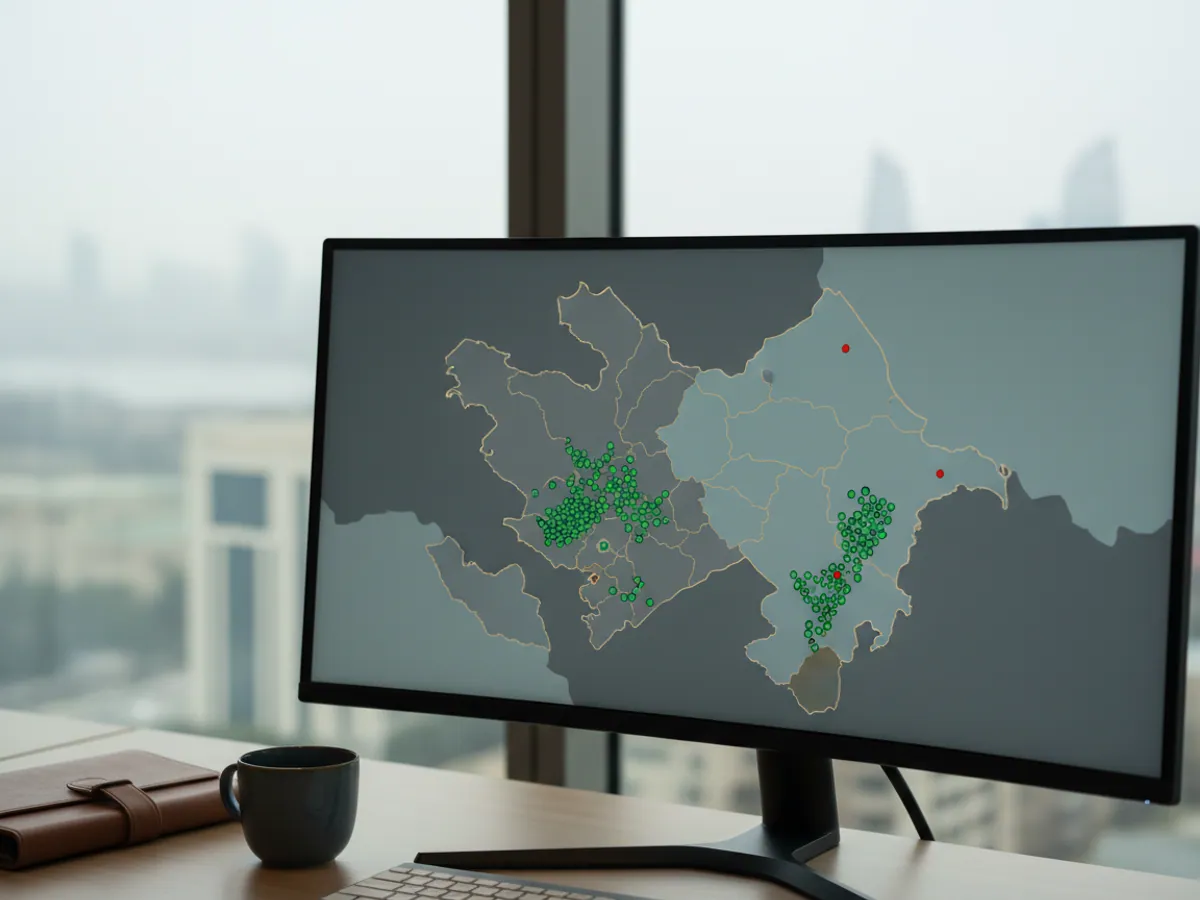
The portfolio on a map instead of a table of site visits
Picture a portfolio of 120 units of equipment across 30 lessees: tractor units in Sumgait, rollers and graders on road projects near Fuzuli, combine harvesters in the Kura-Aras lowland, a couple of drilling rigs on Absheron.
A security officer used to spend a week getting round even a third of them. Now the risk manager opens one map and one report in the morning: whether all the trackers are in contact, which machines are outside the permitted regions, and whose monthly hours have halved.
Physical checks do not disappear, but they become targeted. You need to visit the three clients where something has changed, not work through the whole list. For auditors and the credit committee, a report confirming the presence of the collateral is produced automatically for any date.
Signals that appear before the arrears do
A default rarely happens out of the blue. In monitoring data it is usually visible weeks in advance, if you know where to look:
The equipment is standing still
A tipper that used to work 10 to 12 hours a day has not left the yard for three weeks. Most likely the client's contract has ended, and in a month the payments will become difficult.
The tracker keeps losing power
A disconnection once a week for a few hours often means somebody is learning to manage without monitoring. That is a reason to ring the client before the tracker disappears for good.
A change of operating region
Equipment declared for a site in Baku has been working for weeks in Nakhchivan or near the northern border. Sometimes that is a new job, sometimes a sub-hire without the lessor's consent.
Movement towards the border
A vehicle is heading along the M-2 towards Gazakh or along the M-1 towards the Samur without prior agreement. The notification arrives while the crossing point is still several hours away.
Being worked into the ground
An excavator is clocking 20 hours a day and its scheduled service has been missed. The residual value of the collateral is falling faster than the schedule assumed.
What we fit to different kinds of collateral
Tractor units, tippers, vans
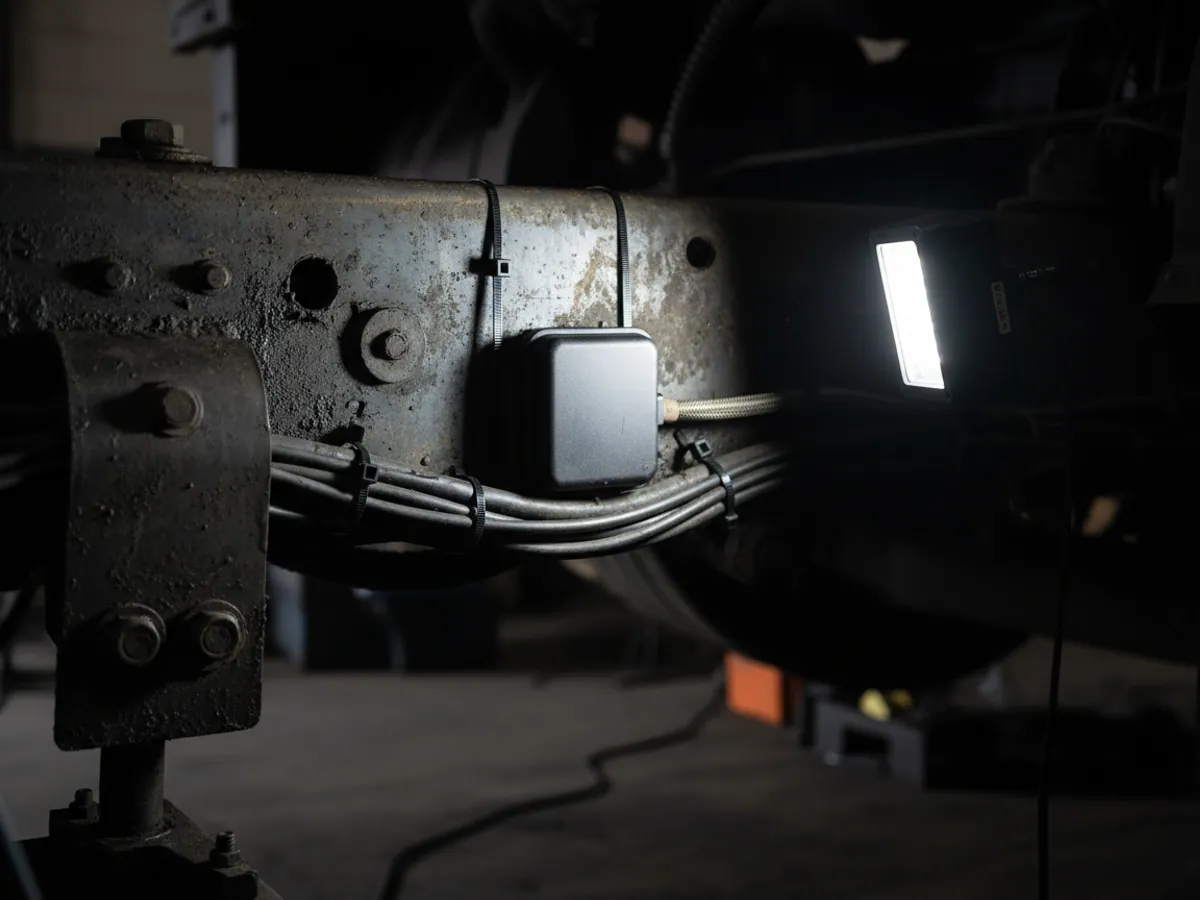
A main tracker wired to the vehicle supply, for example the Teltonika FMC130. It records the route, mileage and ignition, and over the CAN bus it can read mileage and engine hours from the instrument cluster. We fit it without cutting into the factory wiring, so that the dealer's service department has nothing to object to.
For expensive tractor units we advise a second device: a self-contained beacon hidden somewhere else in the cab or on the trailer.

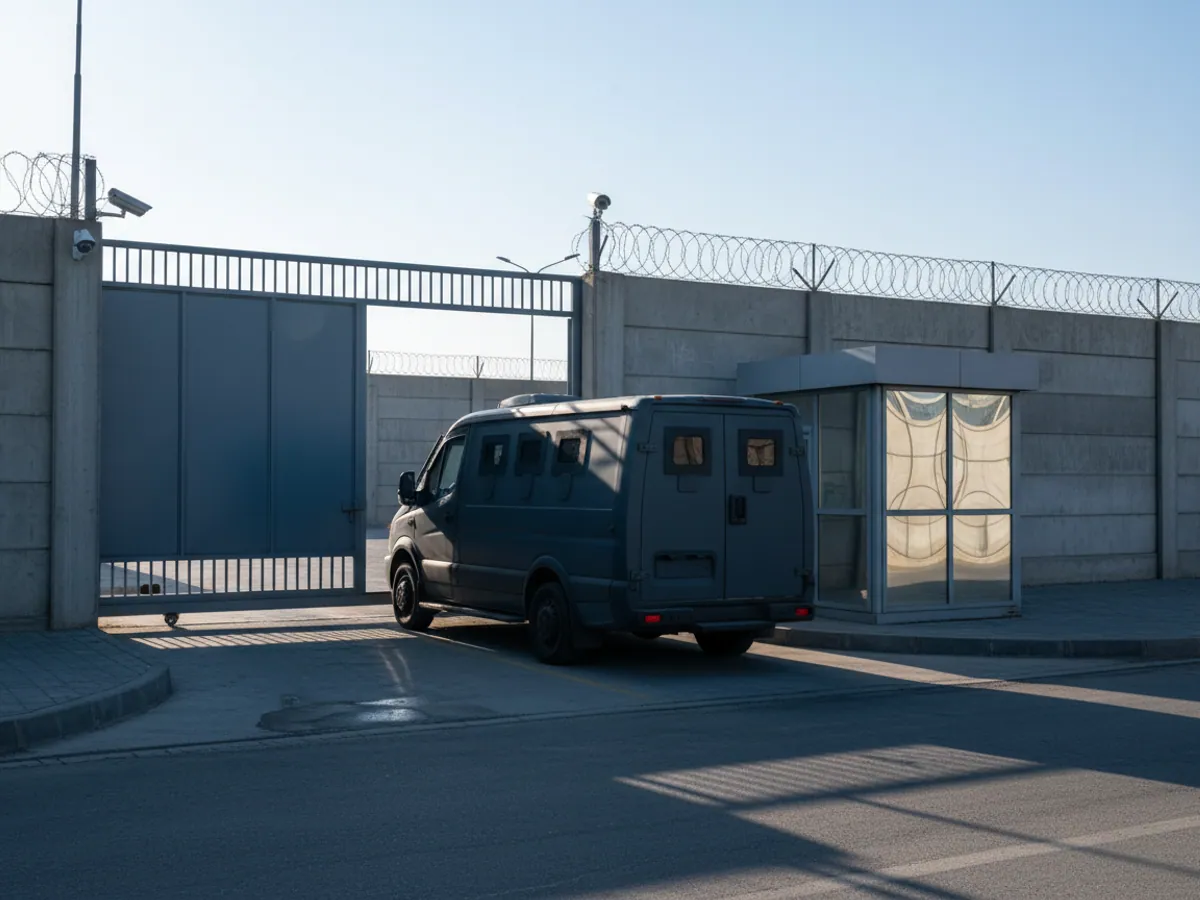


When remote immobilisation really helps
Blocking engine starting when payments are in arrears is a powerful tool, and it has to be used carefully. The command only goes through on a stationary vehicle or at low speed: cutting out a tractor unit on the road is dangerous both for the driver and for the asset itself.
In practice it works like this. First the client gets a notification about the arrears, then a phone call, and only then, if the agreement provides for it, the engine is blocked at the next stop. In many cases it never comes to that: it is enough that the client knows the option exists.
The right to immobilise and the procedure for doing so must be written into the lease agreement. That part is worth agreeing with your lawyers before installation. How the function works technically is described on the page about remote engine immobilisation.
How we connect a fund's portfolio
Going through the portfolio
We split the assets by type and risk: what needs a main tracker, what needs a self-contained beacon, and where both are required. Cheap equipment is not always worth monitoring.
A pilot on 10 to 15 units
We check how the reports and notifications work on your real equipment and tune the rules to your risk management policy.
Fitting region by region
Teams visit the lessees to a schedule: Absheron, Ganja, Shamkir, Mingachevir, the south and Karabakh. New deals are connected when the equipment is handed over to the client.
Roles and reporting
The risk manager sees the whole portfolio, the credit officer sees their own clients, and the investor receives a monthly summary of the presence and utilisation of the collateral.

Asset, agreement and tracker: one record
Monitoring of collateral works when every device is unambiguously tied to an asset and an agreement. Otherwise, a year later tracker 861... in the system is fitted to a machine that was bought out long ago, while a new deal runs with no control at all.
In the object record in the system we keep:
- the number of the lease or pledge agreement and the lessee;
- the asset identifiers: VIN or works number, registration number, model, year;
- the serial numbers of the main tracker and the beacon, and the date and photographs of the installation;
- the regions of operation permitted by the agreement and the risk manager responsible.
Objects are connected and disconnected in line with events in the deal: handover of the equipment to the client, buyout, early termination. These rules are written into the fund's procedures.
What location data proves. The track shows where the device attached to the asset was at a particular time. That is a strong argument in a conversation with a client and useful material for lawyers. But a tracker does not prove who was using the equipment, and it can be removed. That is why installation photographs, the event log of disconnections and reconciliation against site visits all matter.
The limits of recovery. Knowing where equipment stands does not give you the right to take it. Repossession is carried out only in the manner provided for by the agreement and the law, and the decision is taken by the fund's lawyers. We provide the position and the movement history, and we take no part in the repossession itself.
Signing off the pilot on a portfolio
A pilot on 10 to 15 units is best closed with a check against criteria agreed in advance:
- every unit in the system is linked to an agreement, a VIN and installation photographs;
- a test disconnection of the main tracker's power reached the responsible person, and the beacon carried on coming on air;
- leaving the permitted region produces a notification;
- the report confirming the presence of the collateral on a chosen date has been reconciled with the results of a site visit.
What we need from the fund: the register of assets with agreement numbers, the permitted regions of operation, the policy for responding to signals, and the wording about monitoring in the agreement as approved by the lawyers.

In a repossession the clock runs in days
Once the decision to repossess has been taken, the clock runs in days. The tracker shows the point where the vehicle stood for the last few hours and the movement history for the month. From it you can see where the equipment usually spends the night and where it might have been driven.
If the main tracker has been disconnected, the second, self-contained beacon carries on. It is looked for less often, because it is not wired into the electrics and hardly ever comes on air until it is told to switch into search mode.
For leasing companies with a large operating fleet we have a separate page about monitoring for leasing companies, and a general overview of solutions for the financial sector is in the section on insurance, banking and leasing.
Mistakes that stop collateral monitoring from working
The tracker is fitted, the reports arrive, and at the critical moment there is no data. Almost always the cause is one of these decisions:
One tracker on an expensive asset
The main device is wired into the electrics, and an experienced driver will find it within half an hour. Equipment worth more than a standard lorry needs a second, self-contained beacon.
Notifications addressed to nobody
A loss-of-contact signal goes to the department's shared mailbox. Name a specific person and a response time, otherwise the alert turns into a line in the archive.
No permitted regions set
If the system does not say where the equipment is meant to work, a trip to a neighbouring country looks like an ordinary journey. Geofences are best configured on the day the asset is handed over.
The client does not know the rules
The lessee should understand in advance what counts as a violation and what will follow if the tracker is disconnected. Then there are fewer disputes and the arrangements hold.
What this gives the fund
Fewer problem assets
Early signals make it possible to agree a restructuring while the equipment is still in place and in working order.
Faster recovery
You know where the collateral is before the repossession order goes out. The search usually takes less time than it would without the data.
Client discipline
A lessee who knows about the monitoring is less likely to put the equipment into sub-hire and does not try to hide it.
Residual value
Engine hours and engine fault codes show how the asset is being used and give grounds for insisting on servicing to schedule.
Frequently asked questions
What is used in this sector
What we do end to end
Wialon modules for this sector
How it is used in this industry
Case studies from “Insurance & Financial Companies”

SECO: bringing a stolen vehicle safely to a halt
Car sharing and rental

The hidden TAT140 tracker against vehicle theft
Car sharing and rental

Two trackers against the theft of leased vehicles
Car sharing and rental
Thinking of rolling out GPS monitoring in “Leasing funds”?
Send us an enquiry and we will price it up for your fleet and pick the hardware for this sector: insurance & financial companies.
- 1 We pin down the task
A specialist calls back and asks about the vehicles, how many there are and what you need to keep an eye on.
- 2 We put a solution together
We propose the hardware and the features, and set out the one-off and the monthly cost separately.
- 3 We agree the fitting
At your yard or at ours, on a schedule that keeps the vehicles working.
Request a call
A specialist will call back and match a solution to your fleet and your task.