
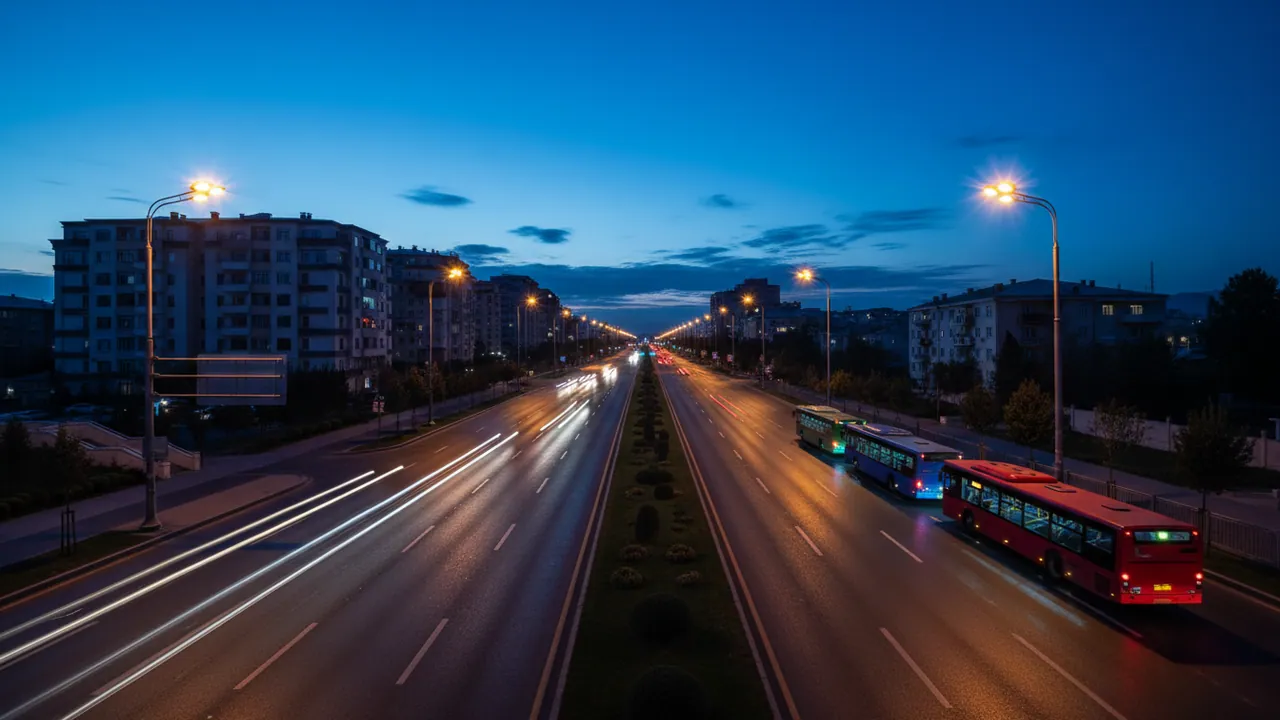
A platform for overseeing passenger transport, built for regulators
A single data platform on passenger transport for transport agencies and the regional bodies that organise services. Vehicles going out on shift, timetable performance and mileage along the route across every operator, in one system.
Operators carry on working in their own monitoring systems, while the regulator receives a copy of the data and measures plan against actual on common rules.

A regulator needs data, not operators' reports
The body that organises services signs contracts with operators, approves routes and timetables, and sometimes pays for the transport work performed. It can check performance in one of two ways: from the operator's own report, or from objective data.
The first way works while everybody is honest. But evening journeys on the suburban routes of Absheron do not pay, and the temptation to cut them is always there. A passenger in Binagadi waits for a 22:30 bus that never comes, and in the report the journey was run.
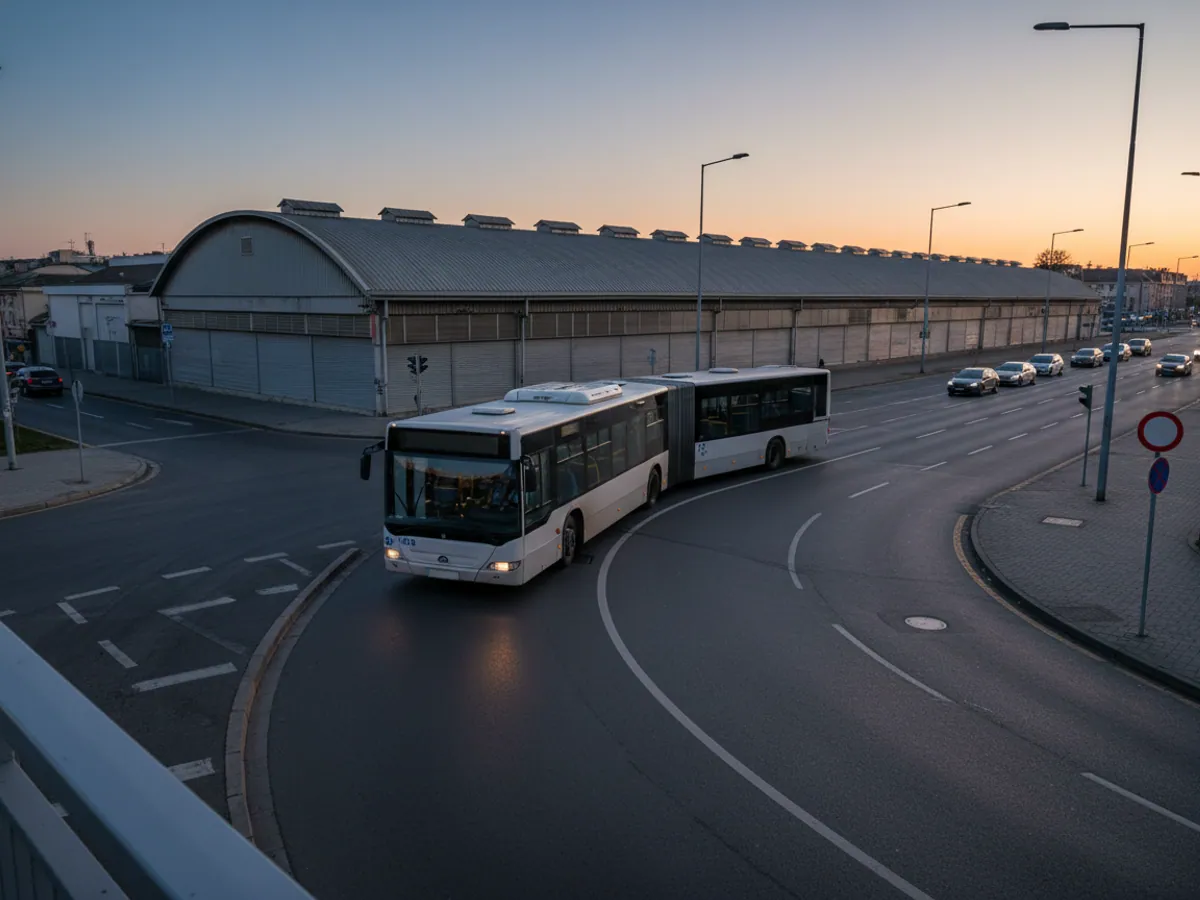
The platform gathers tracker data from every bus into one system and compares it against the timetable automatically. The regulator sees which journeys were run, which were missed and where the intervals have drifted apart, and gains grounds for a conversation with the operator.
How operators' data reaches the regulator
A large operator usually has monitoring already, sometimes not ours. There is no need to make it change equipment. The tracker carries on sending data to the operator's system, and the server forwards a copy to the regulator's platform. This is called data retranslation.
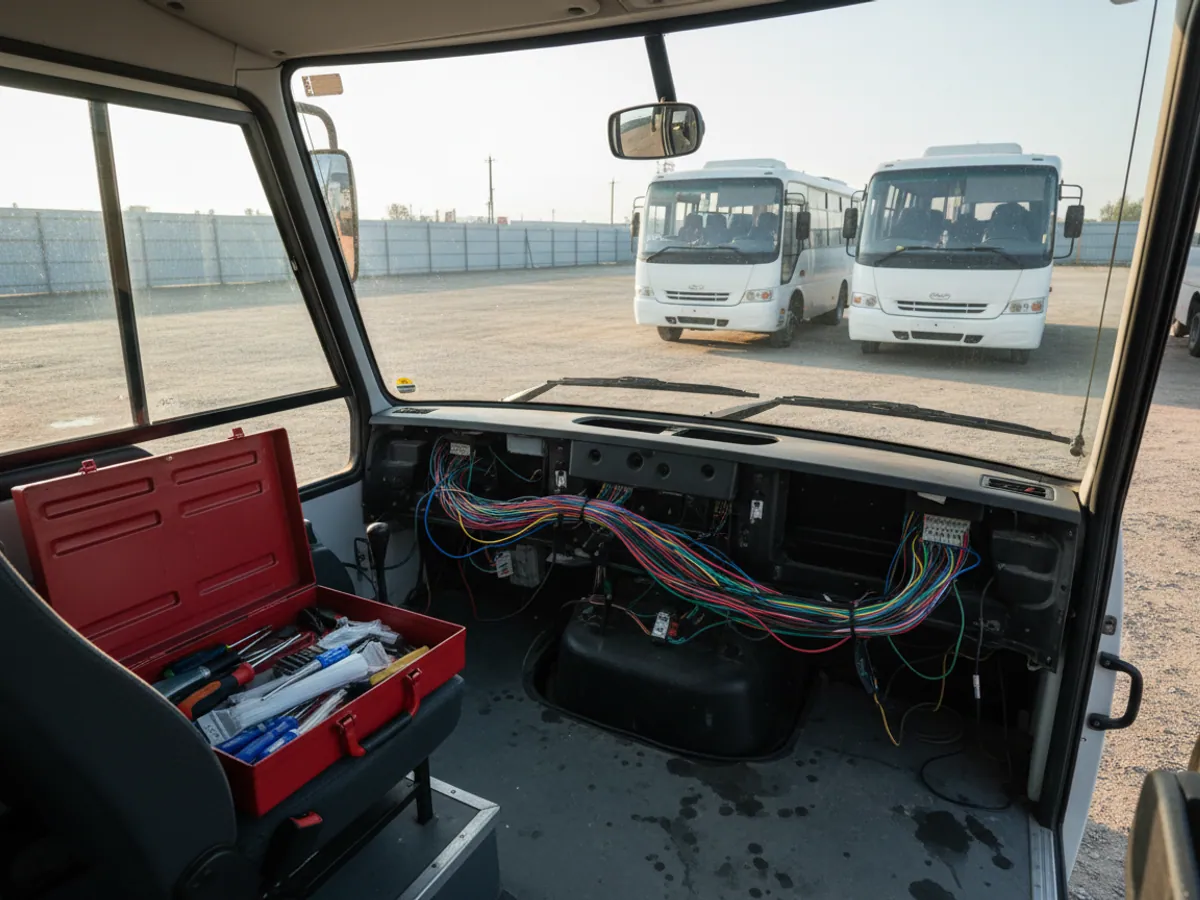
For small operators with no monitoring we fit the trackers ourselves and connect them to both systems from the start.
On the regulator's side all the buses are gathered into a single register: number, operator, route. After that it makes no difference whose tracker is in the vehicle: timetable, mileage and breaches are counted the same way for everyone. The transmission protocols and the point frequency are fixed in the specification, so that data quality does not depend on an operator's goodwill.
What a regulator can only see with data
Most problems in passenger transport cannot be caught by an inspection visit. They show only over a long stretch of data:
Shortened journeys
The bus reaches the middle of the route and turns back because there are few passengers beyond that. In the report the journey is complete.
Vehicles not sent out
Six vehicles work instead of the eight in the contract. The intervals grow, passengers complain, and nobody names a reason.
Evening journeys disappear
The last journeys on suburban routes are the first to go. Checking that in the evening in Mardakan or Mashtaga with an inspection team is no easy matter.
Racing for passengers
Two buses on the same route run nose to tail, overtaking each other at stops. On the track that shows as intervals bunching together and as speeding.
Vehicles outside the register
A bus not covered by the contract is working the route. If it carries no tracker, its absence from the system when passengers complain is itself a signal.
The platform's tools
Plan against actual for every journey
The route is described by stops and control points, and the timetable is loaded for each duty. The system records the time the bus passed each point and marks the journey as run, missed or partly run.
For this task the public transport module Wialon NimBus is used.

How to work through a dispute over a contested journey
The operator disputes a deduction: the 18:40 journey was run, and the driver swears he reached the terminus. We open the track for that duty.
Case one: the bus passed every control point, but at one of them there is no data for 6 minutes. The track before and after the gap is continuous and the speed is realistic. That is a communications failure, and the journey counts.
Case two: after the stop by the market the bus turned round and appeared 15 minutes later heading the other way. It never reached the terminus. The dispute is closed.
To keep such reviews to a minimum, the rules for handling gaps in the data are worth fixing in the contract in advance: what length of break counts as a communications failure, what counts as non-performance, and who is responsible for the tracker working. Trackers keep points in memory and upload them once the network returns, so short gaps usually close themselves.

A poor timetable gives a poor report, and where the platform's remit ends
A plan-against-actual comparison is only as accurate as the plan. In practice the first weeks go not on finding operators' breaches but on correcting the reference data:
- stops with the wrong coordinates or out-of-date names;
- a timetable that cannot be kept at peak times on a particular stretch, on the approach to Baku from Absheron for instance;
- different versions of the timetable at the regulator and at the operator;
- temporary route changes that were never entered into the system.
Until the reference data has been checked, the report will show delays and missed journeys that are not the operator's fault. So the pilot starts by checking routes and timetables against real tracks, and only then is the data used for calculations.
The limits of the remit. The platform gathers data, measures journey performance and shows the discrepancies. It does not decide on penalties, does not change contracts and does not replace the procedures the regulator already has in place. The method for counting journeys, the appeals process and the consequences of breaches are set by the regulator's contract with its operators. We can help describe the rules in technical terms, but it is the organising body that approves them.
The same goes for the data: the regulator receives a copy of the data for vehicles working its routes, within the terms of the contract. What happens to a vehicle off route and outside working hours is settled in the contract with the operator.
What is usually written into the specification for operators
Transmission frequency
How often the tracker sends a point when moving and when parked. For timetable checking in a city you need a point at least every 10–30 seconds.
Buffer and backup power
The tracker must hold data when it loses coverage and report a loss of power rather than simply vanishing.
Sealing
Connectors and connection points are sealed. Breaking a seal without agreement is a breach of contract, not a technical detail.
Vehicle identification
Every tracker is tied to a registration number and a route in the register. Moving a device to another vehicle has to be agreed.
Repair deadlines
How many days a bus may work with a faulty tracker and what happens to its journeys in the meantime.
Transmission format
The protocol and the server address for retranslation. This is the technical part, and we help describe it.

Taxis and intercity services
The same approach works for other kinds of passenger transport. For intercity coaches from Baku to Ganja, Sheki or Lankaran what matters is keeping to the timetable and to speed limits on the M-2 and M-3 roads, as well as the driver's hours on long runs.
For taxis it is the waiting zones at the airport and the railway station, the driver's time without a break, and checking that jobs are taken by a vehicle on the register. An overview of solutions for operators is on the public transport monitoring page, and all the tasks facing government bodies are gathered in the GPS monitoring for the public sector section.
A pilot on a few routes: what we need and how we accept it
For the pilot it is convenient to take 2–4 routes from different operators: one with monitoring of its own, one without.
What we need from the regulator: the register of buses on the pilot routes, the approved route alignments with their stops, the timetables in force for each duty, contacts for the operators' technical staff so that retranslation can be set up, and a draft of the rules for counting journeys.
Acceptance criteria:
- every bus on the register is sending data and the frequency matches the specification;
- stops and control points have been checked against real tracks;
- the plan-against-actual report for each duty is produced automatically, and contested journeys have been worked through with the operators;
- operators see their own figures in the same form as the regulator does.
An example daily report: route, duty, operator, planned and actual journeys, deviations from the timetable at the control points, gaps in the data with their duration, and whether each journey counts.
What the organising body gets
Payment for what was performed
If the operator is paid per journey or per kilometre, only confirmed work along the approved alignment counts.
Quality for passengers
Missed evening journeys and vehicles not sent out are visible the next day rather than after a wave of complaints.
Decisions on figures
Passenger flows and actual intervals show where extra vehicles are needed and where a route can be trimmed.
The same rules for everyone
Operators with different equipment are assessed by one method. There are fewer disputes, and both sides work from the same arguments.
Frequently asked questions
What is used in this sector
What we do end to end
Wialon modules for this sector
How it is used in this industry
Case studies from “Government & Quasi-Government”



Thinking of rolling out GPS monitoring in “Transport authorities”?
Send us an enquiry and we will price it up for your fleet and pick the hardware for this sector: government & quasi-government.
- 1 We pin down the task
A specialist calls back and asks about the vehicles, how many there are and what you need to keep an eye on.
- 2 We put a solution together
We propose the hardware and the features, and set out the one-off and the monthly cost separately.
- 3 We agree the fitting
At your yard or at ours, on a schedule that keeps the vehicles working.
Request a call
A specialist will call back and match a solution to your fleet and your task.